Photographer and filmmaker Barbara Hammer has the innate ability to capture and tell stories through her work. Often cited as one of the most influential queer filmmakers of the 1970s, her practice reimagines a cinema that historically objectifies or restrains women. By putting women and lesbian life front and center she not only allows forgotten identities and histories to be seen, but also invents an artistic reference for generations to come.
Born and raised in California, Barbara’s career spans over four decades and explores various mediums – performance, installation, and digital photography frequently used in experimental, nonlinear time-based work. Throughout the seventies she sought to connect sight and touch through her art to allow the viewer to become more engaged such as in Dyketactics — its goal to motivate visitors to become more involved in the world. In the eighties, Barbara worked on a series, titled Sanctus, that navigated themes of fragility of light, life and film itself. This body of work deemed her inclusion in several Whitney Biennials and MoMA Cineprobes. During the nineties, she revisited the subject of identity politics via essay documentaries that asked questions such as who is included in history and who is disregarded. This collection came to be known as Nitrate Kisses, Tender Fictions, History Lessons.
Today her focus lies in her own ageing and health issues. Her 2006 ovarian cancer diagnosis, which later lead to a remission, spurred to create art adds visibility to a horrible disease frequently misdiagnosed by medical professionals due to their negligence of listening and believing women’s concerns. Rich in women histories and experimental film, Barbara’s work acts as a catalyst for the viewer to become more involved in the world and what is going on around them.
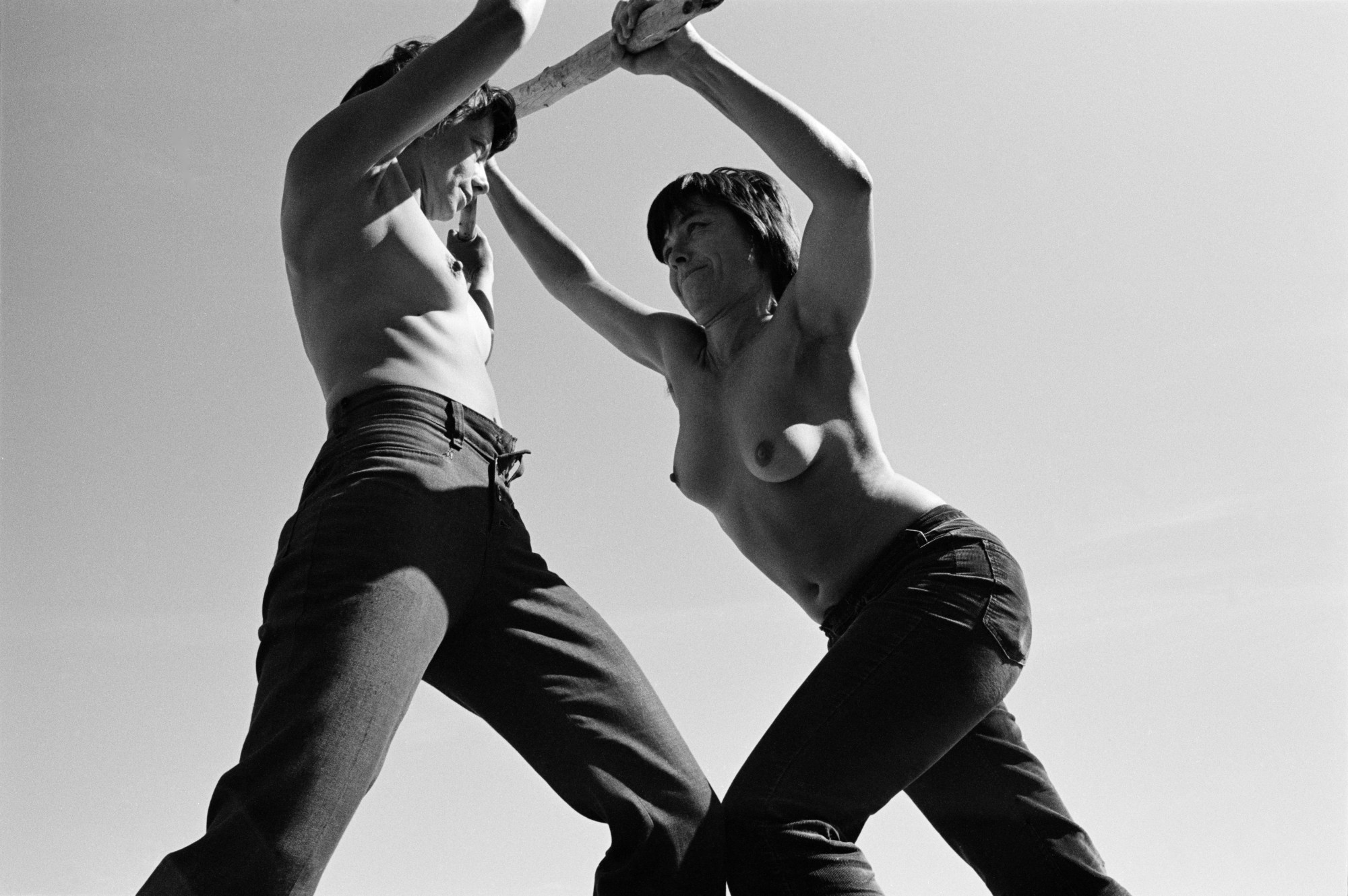
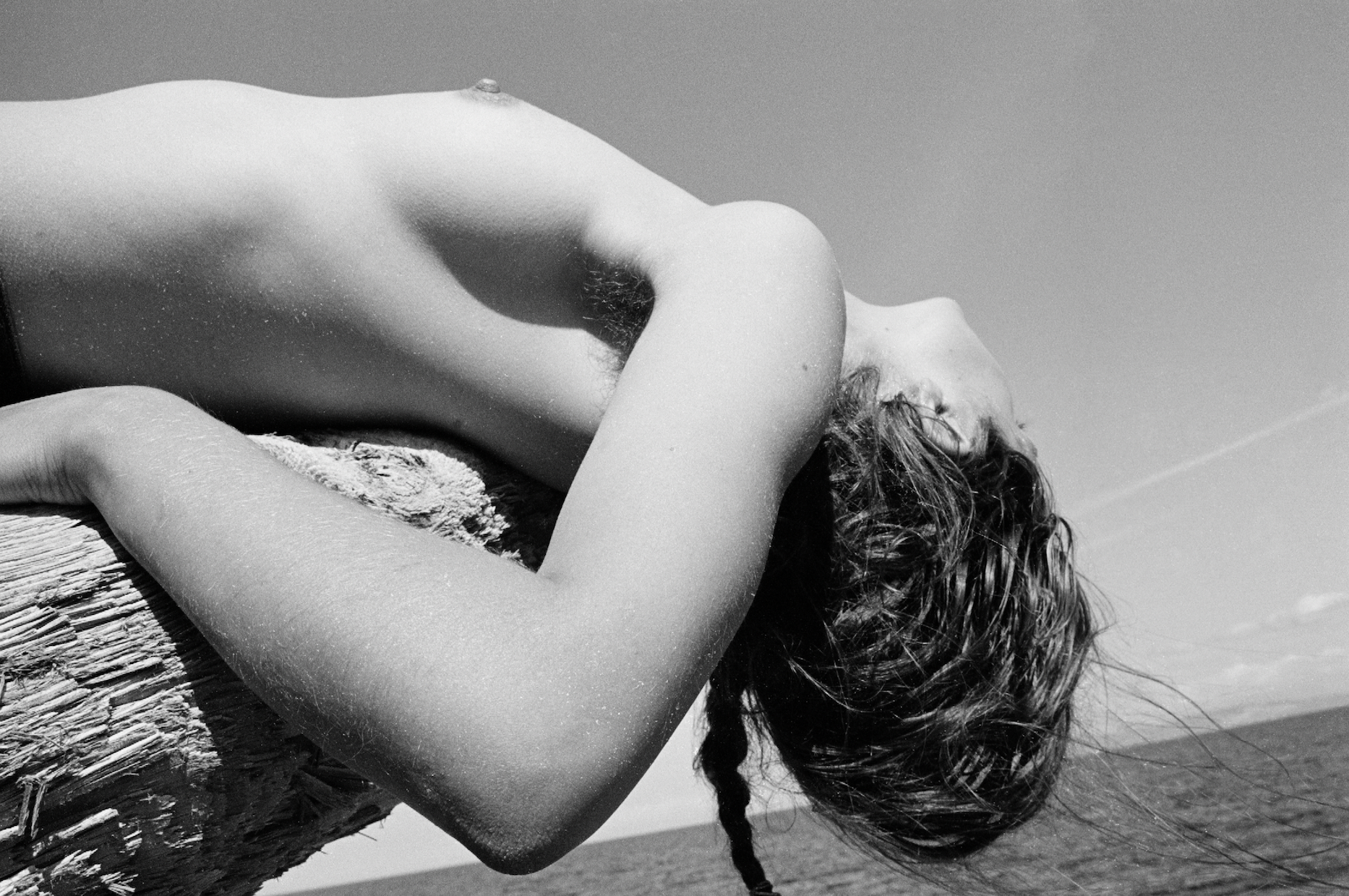
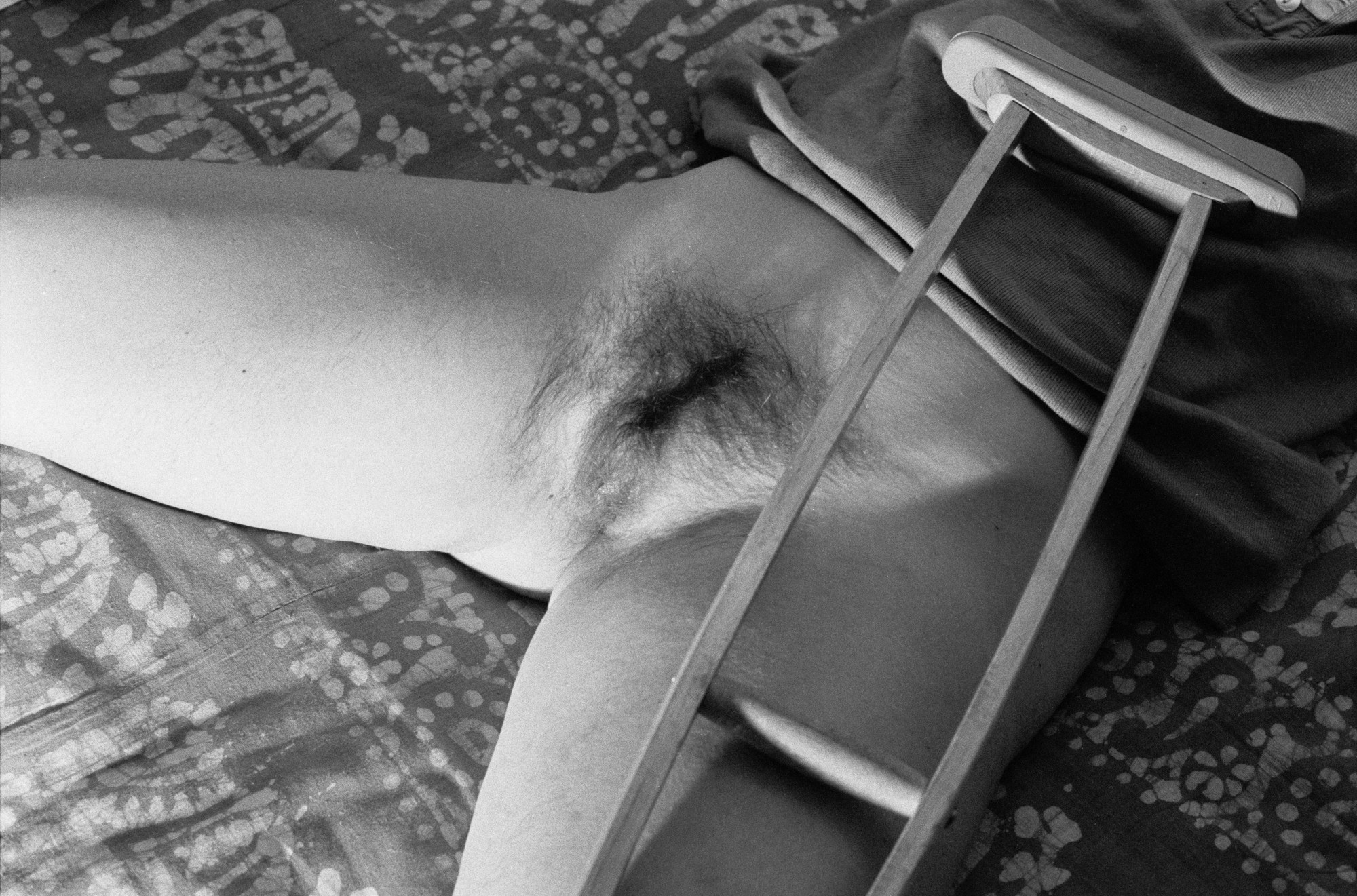
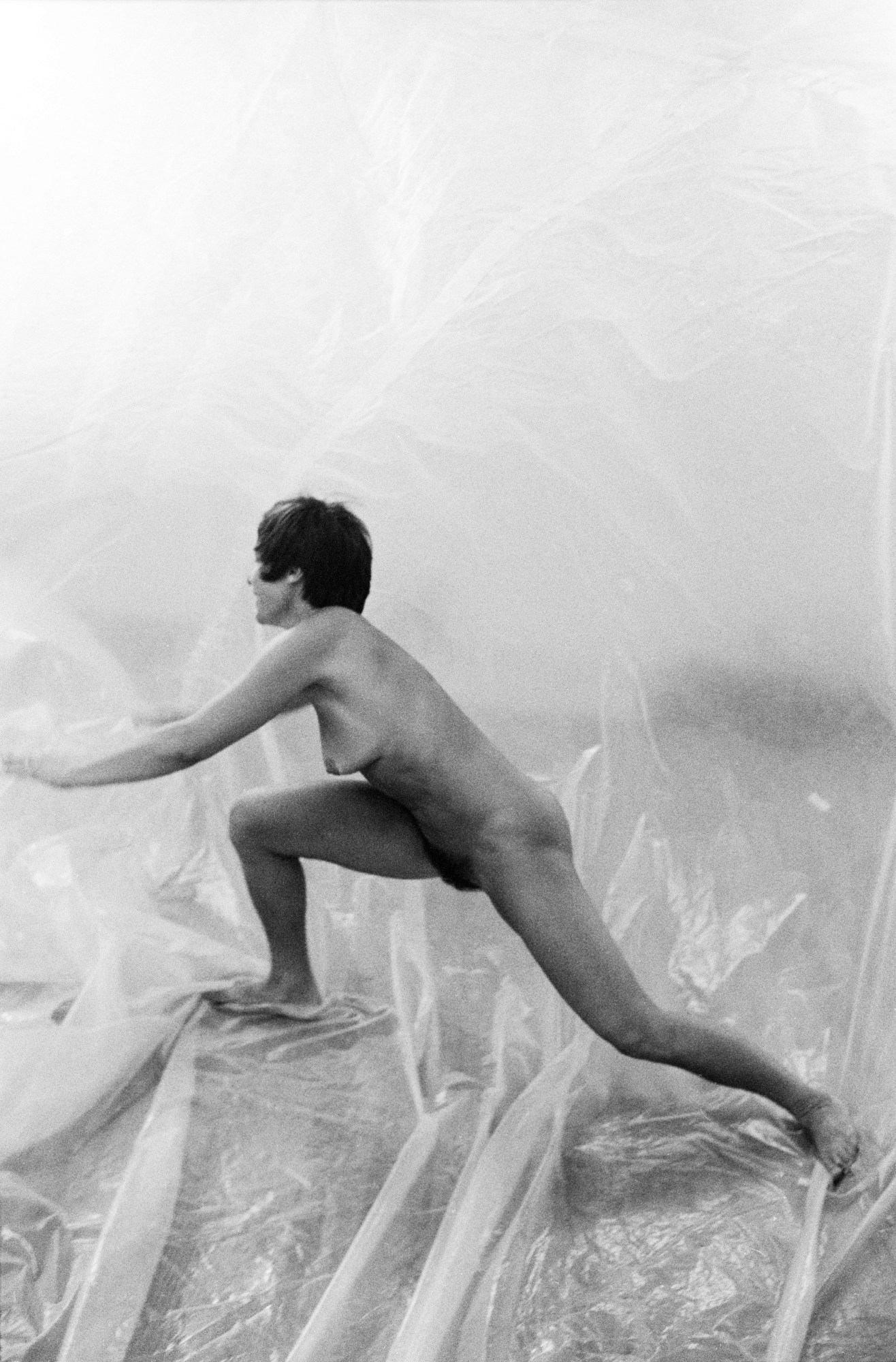
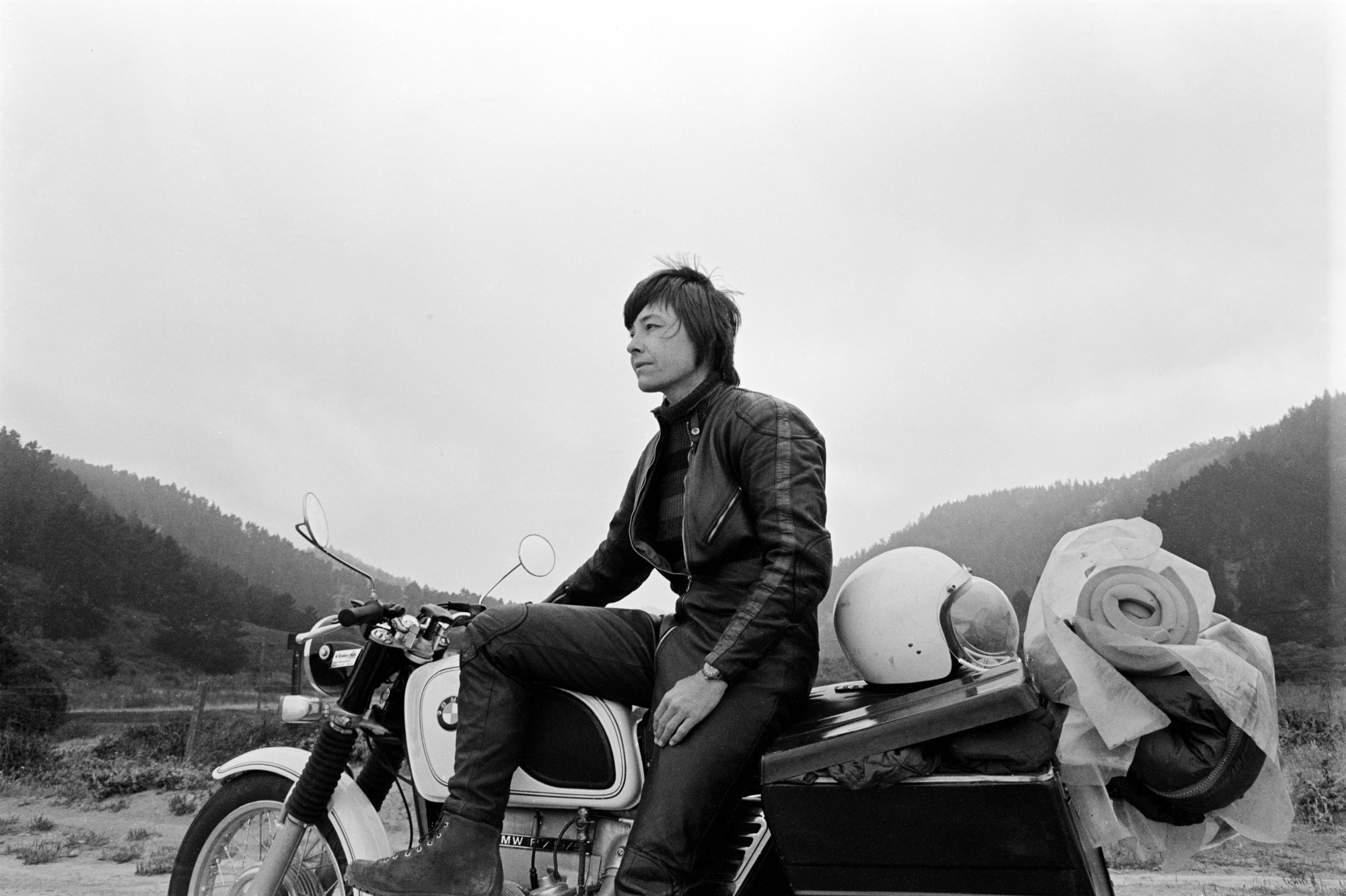
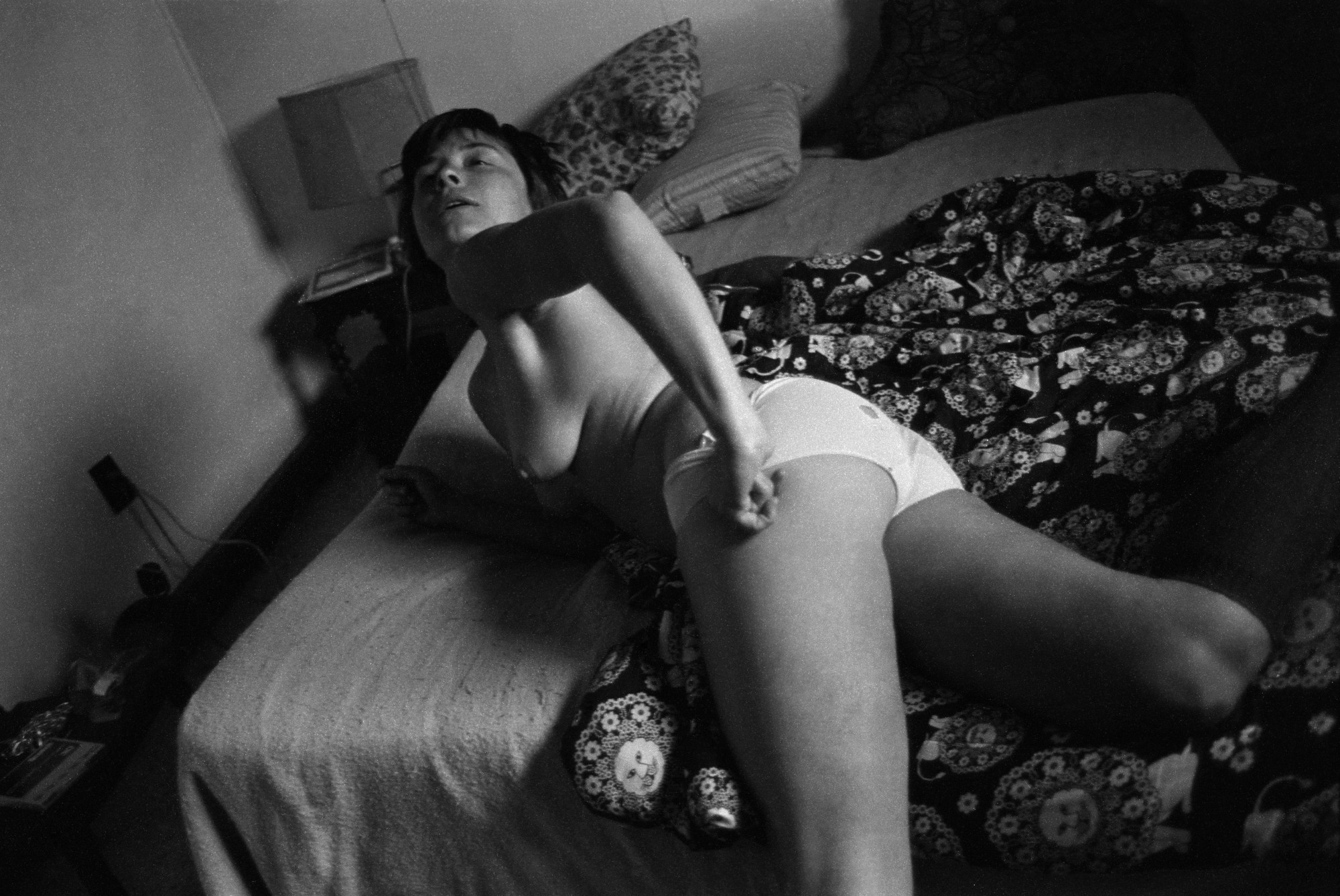
For the current rendition of NADA’s art fair, now on view in New York City, Barbara and COMPANY Gallery revisited her archives and have reprinted work that was originally photographed in the seventies. These partially-staged photographs are both striking and groundbreaking, black and white sceneries depicting lesbians fighting and communing. Through these images, Barbara takes on a dual identity of both the performer and director — injecting both the female gaze in addition to providing a commentary on identity, representation, and sexuality into the setting.
Barbara’s work, existing over the span of 40 years, is timeless. The powerful messages that she first introduced her viewers to years ago are still as imperative in today’s world as they were back then. Her radical themes of becoming more involved and engaged — socially, politically, and culturally — truly transcend both time and space.
i-D speaks Barbara about the evolution of her work, addressing difficult subjects via art, and why we need strong women in film to tell their stories now more than ever.
How did you first become interested in art-making?
Through painting. I painted on 16mm film, projected it, and fell in love with color and motion.
Your art practice, existing in various different mediums, spans over 4 decades. How has your work and artistic process evolved throughout the years?
I follow my imagination and instincts and let the process and material determine what I make and with what medium. I’ve learned to trust myself more, while still being engaged with the socio-political world.
Who or what have been some of your biggest influences?
Maya Deren, the mother of experimental film, taught me that visual media could represent interior feelings, emotions, and sensuality. I saw there was a blank screen for lesbian cinema and photography and I decided to fill it. Touching another woman confirmed my understanding of the connection between touch and sight. Joyce Wieland, a Canadian filmmaker, also influenced me by merging politics and art.
You often bring to attention the many different aspects of life that sometimes go unaddressed in art – breast and ovarian cancer, menstruation, aging, global war, health issues, and more. Why do you think it is important to bring light to these very integral details of life?
How could any of us not be concerned about the smallest inequities — from personal health care to global nuclear war? Everything we do is political. This is the time to bring these difficult subjects to the surface and take action for social change.
How do you choose the subjects for your work?
The subjects choose me, they always have.
Through your art practice you have, and continue to, deconstruct traditional cinema that often objectifies or limits women. Do you have any advice for women in film today wanting to be seen and heard?
Speak up, follow your heart, demand your right to be seen and heard. We need you now more than ever before.