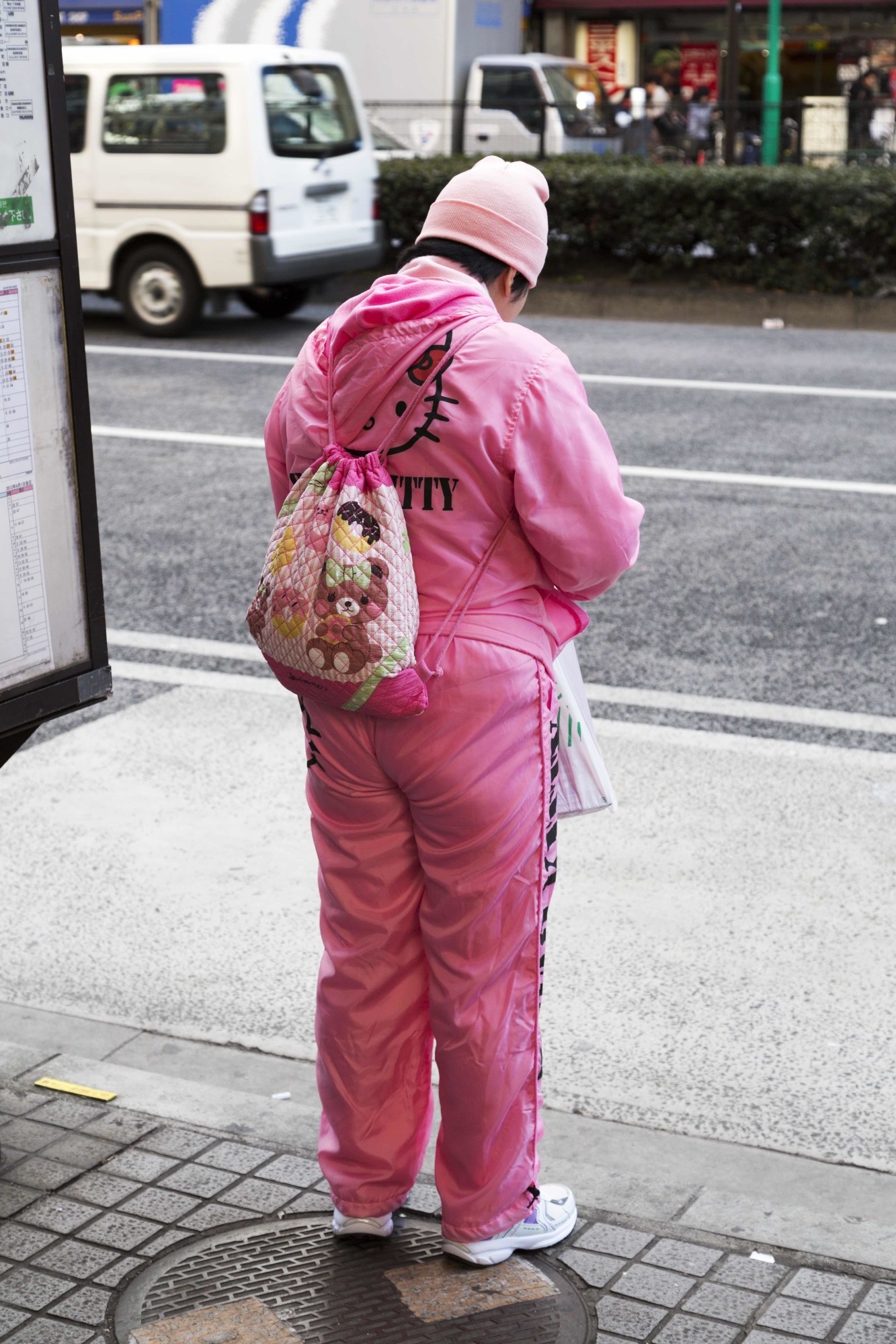
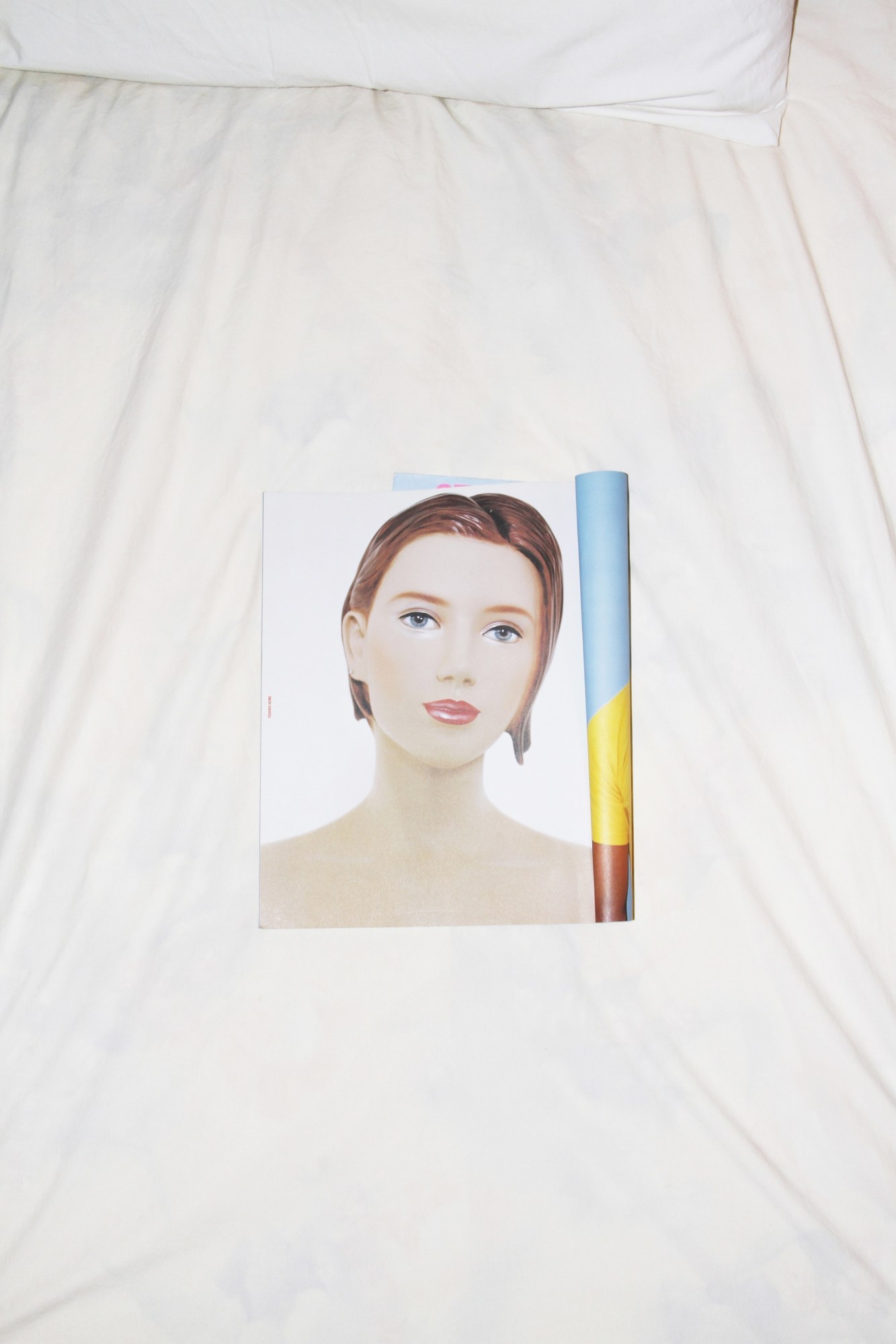
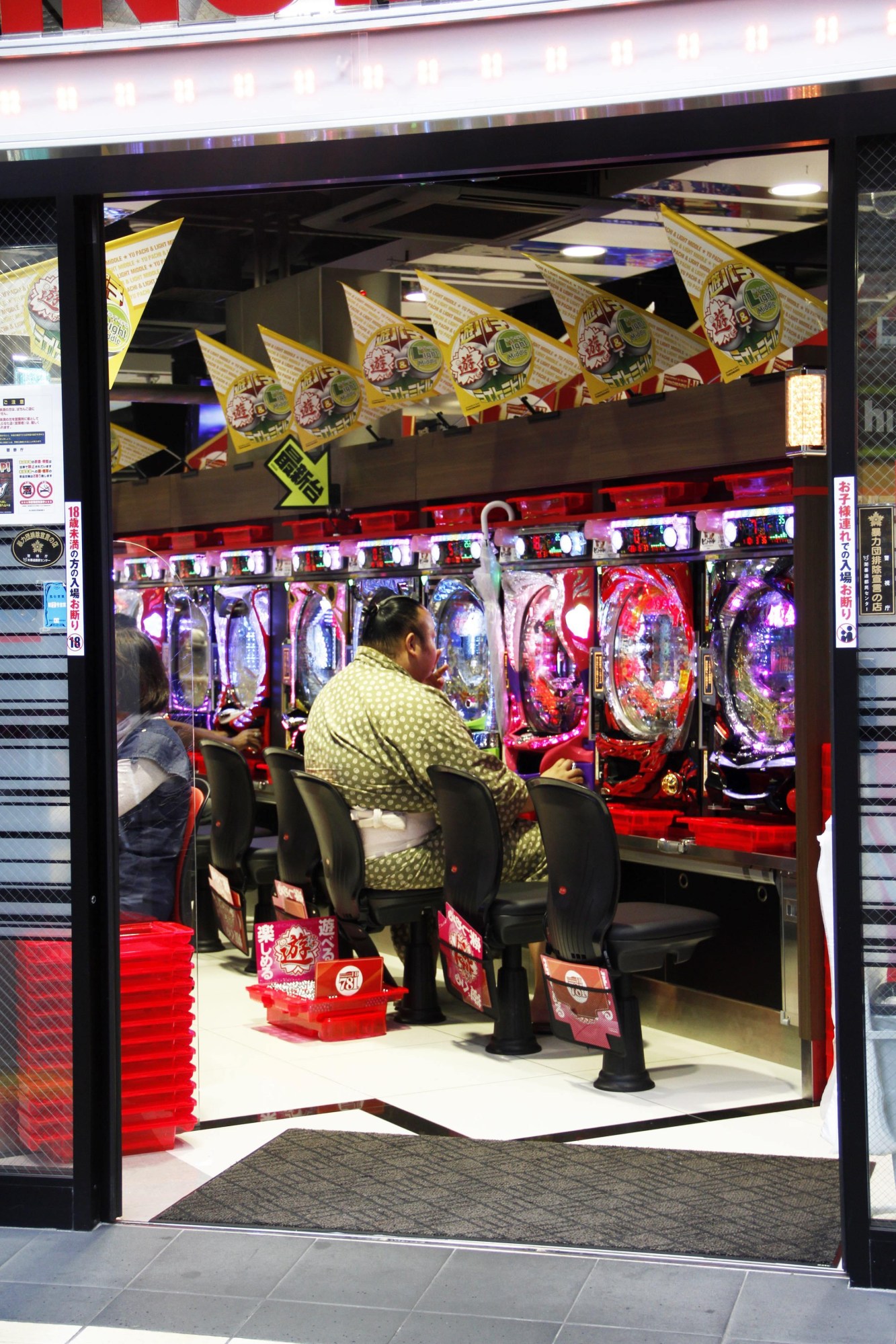
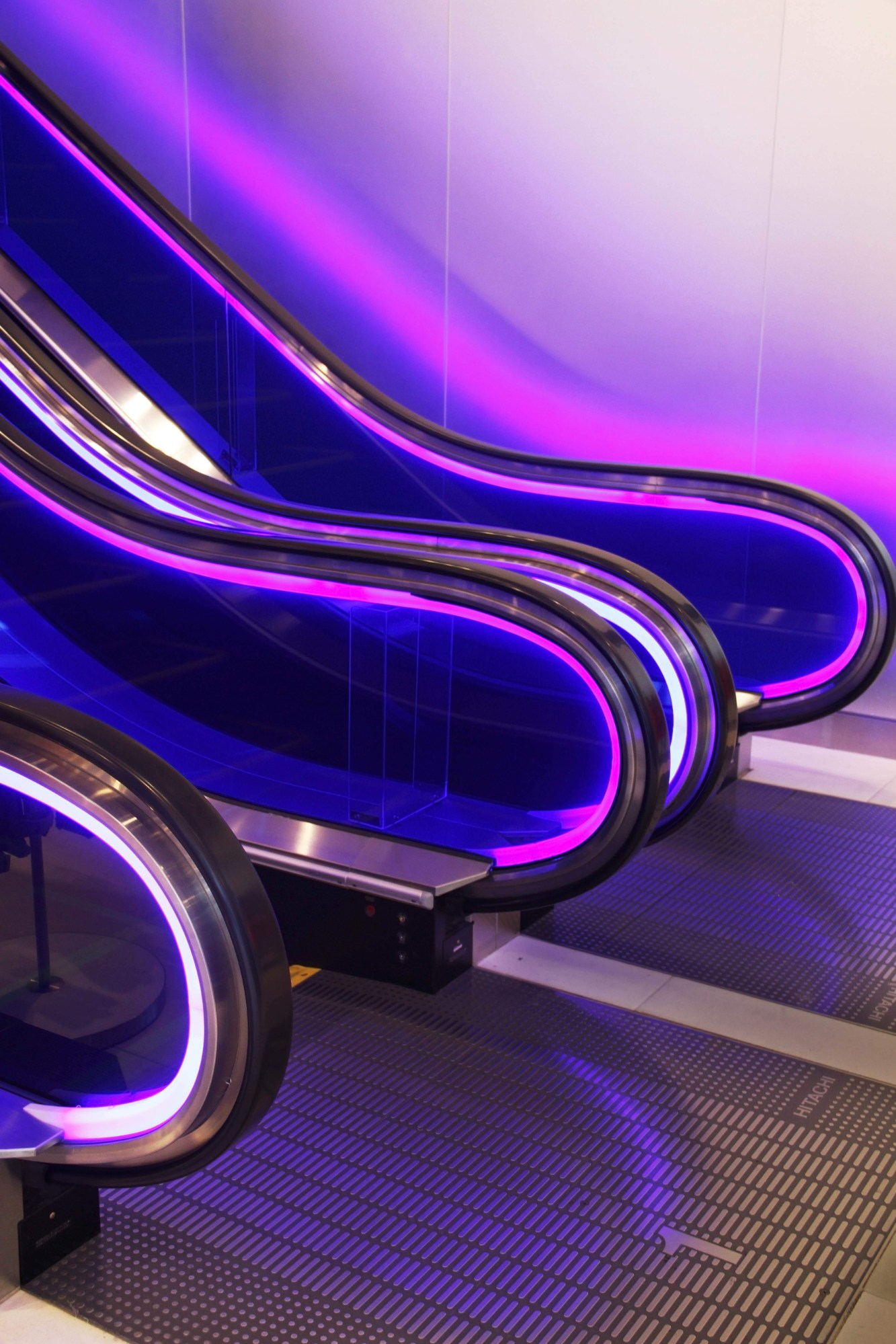
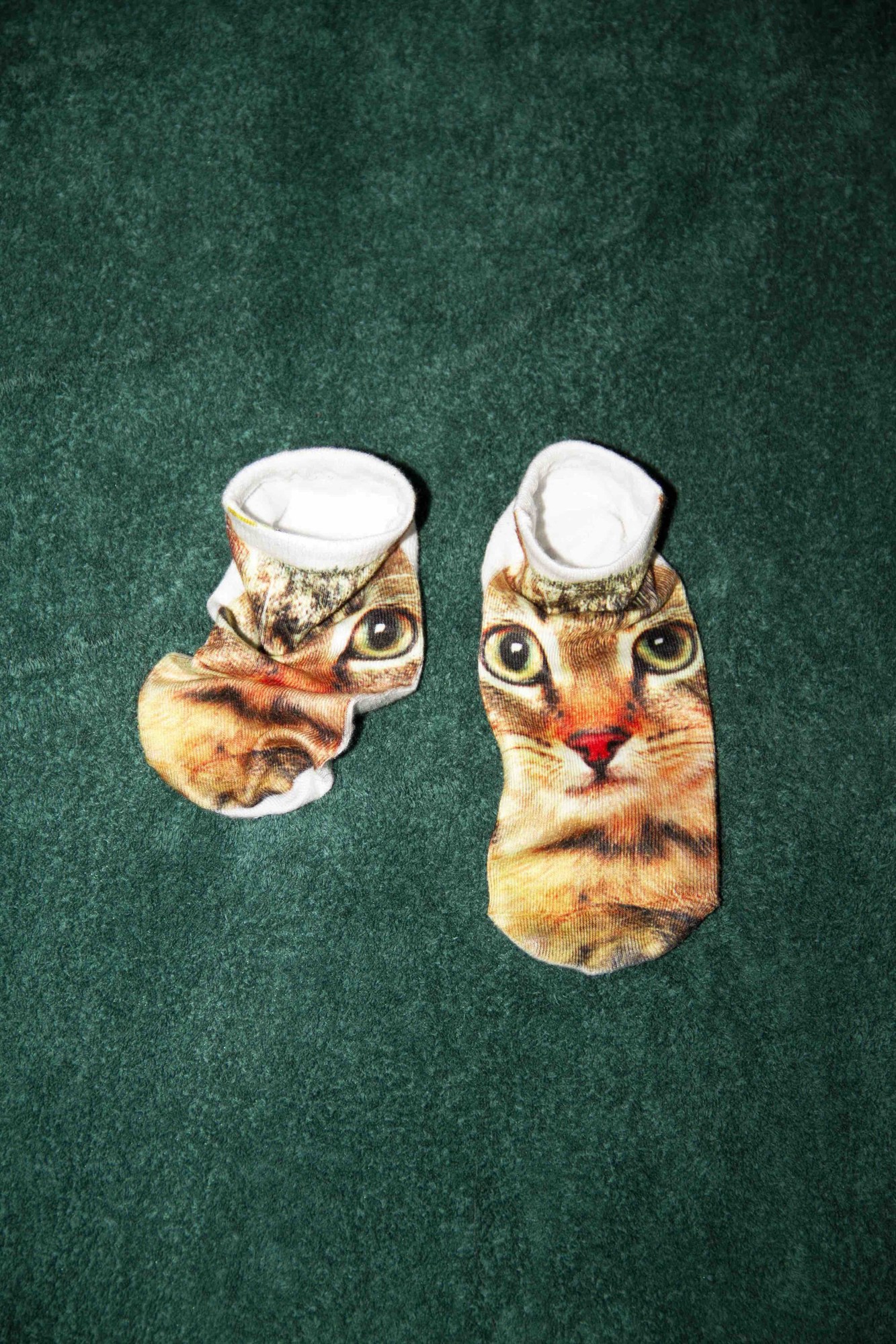
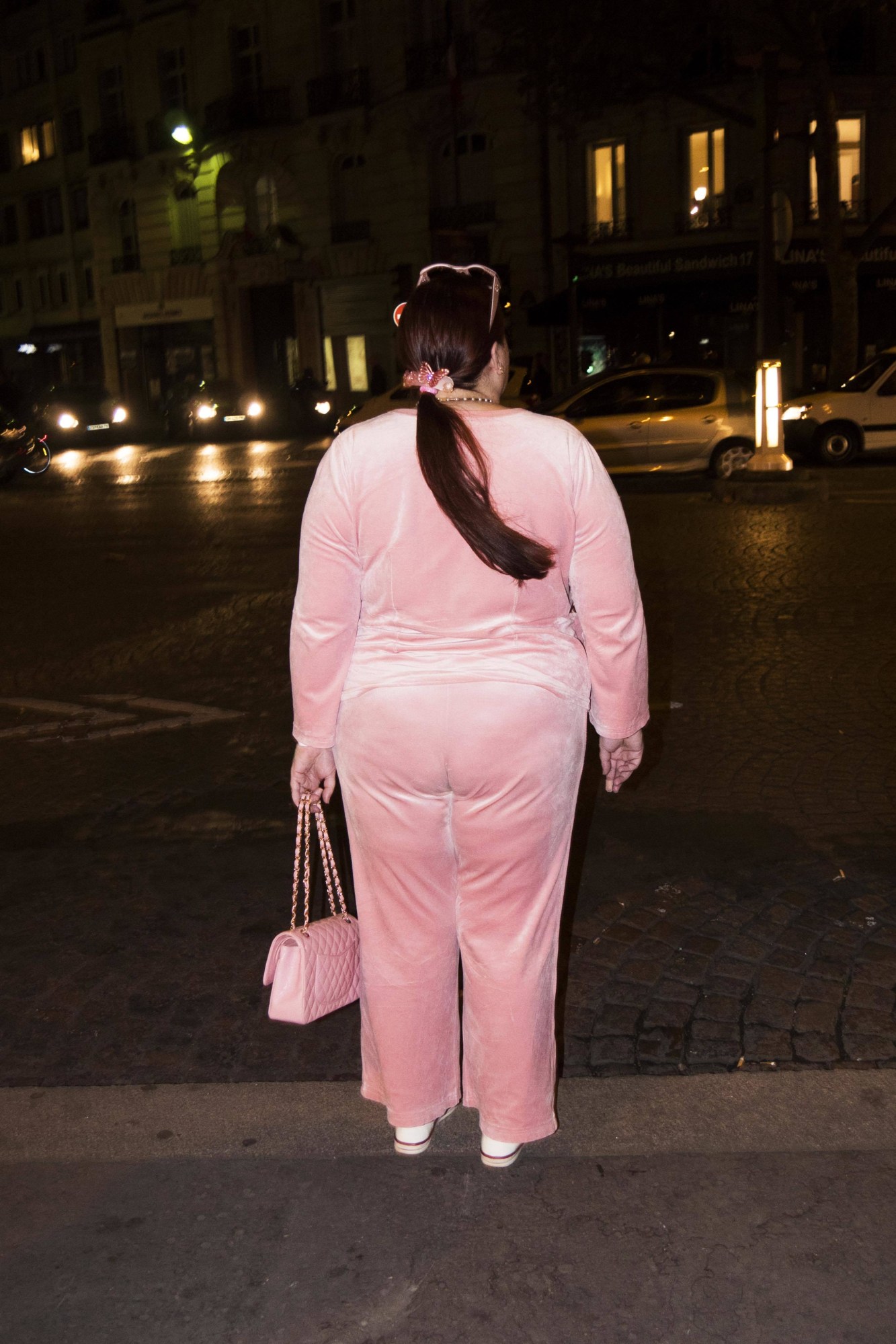
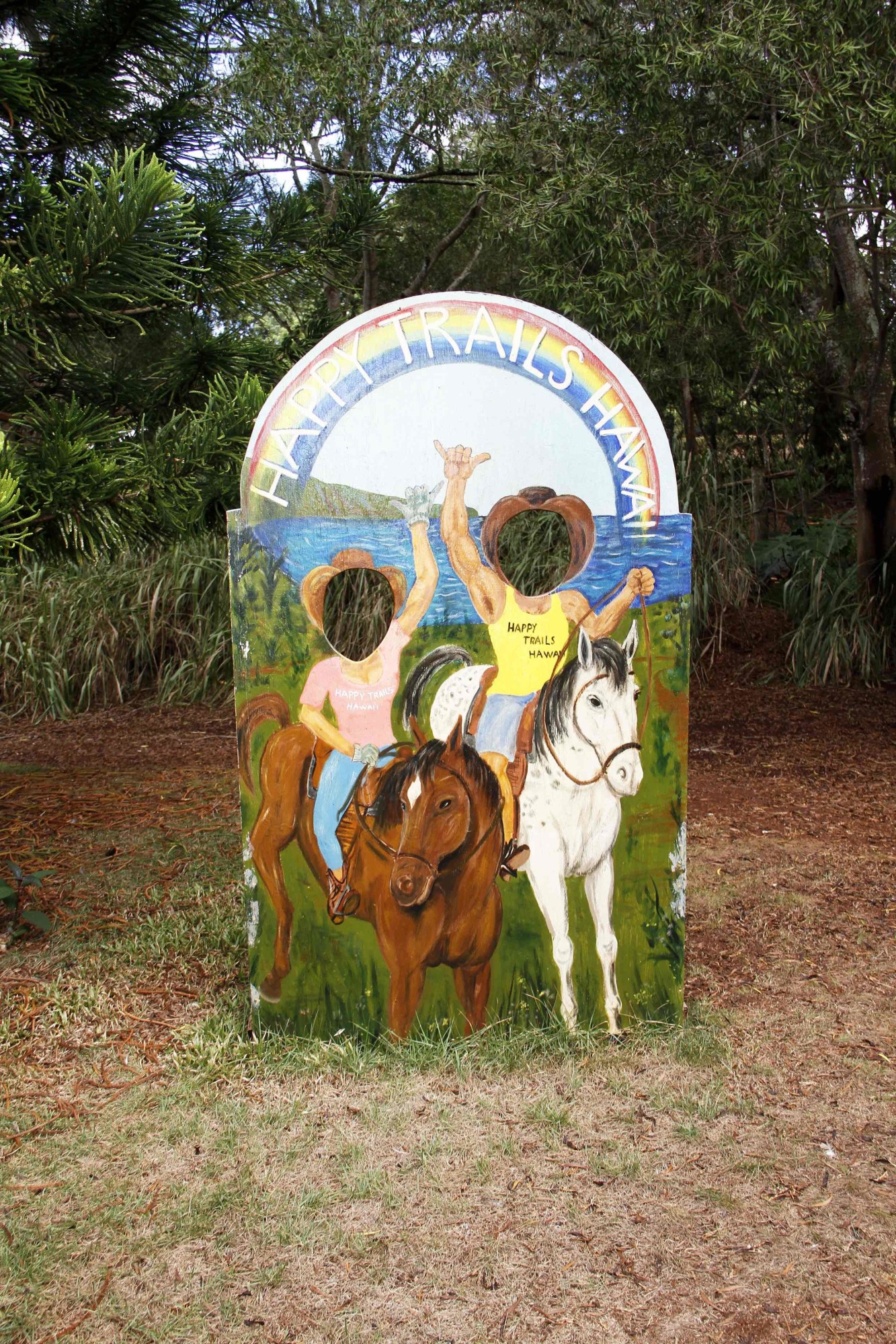
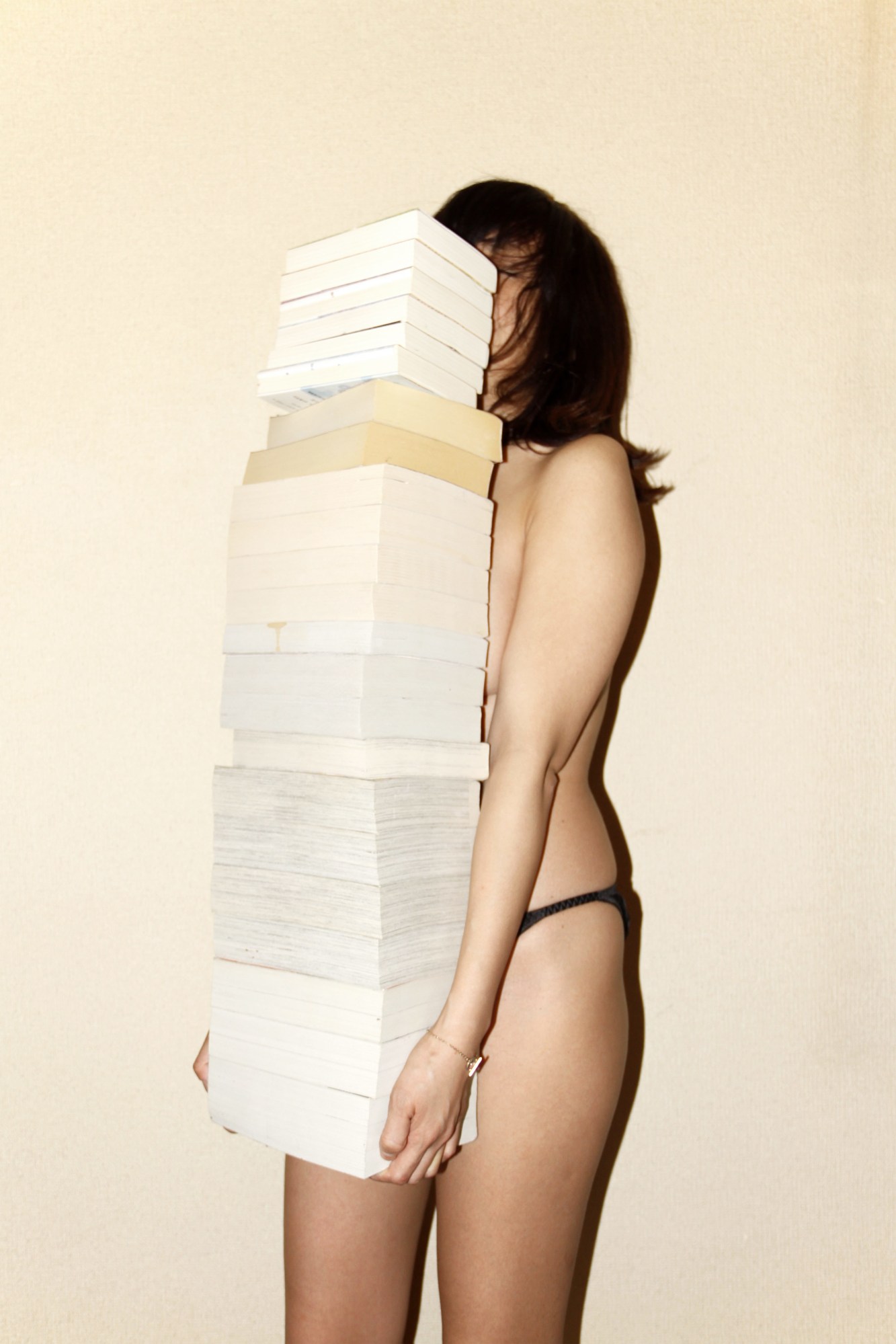
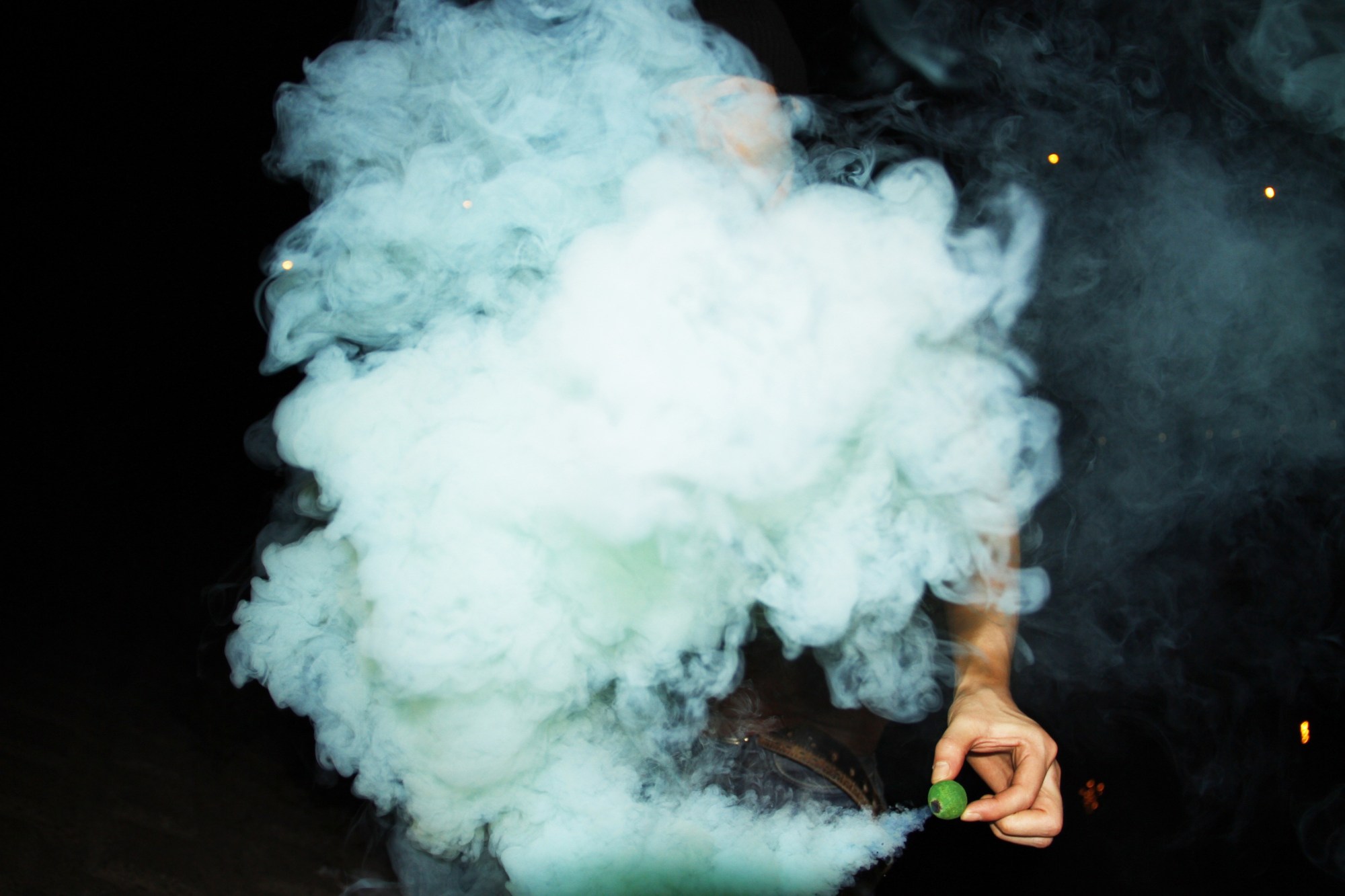
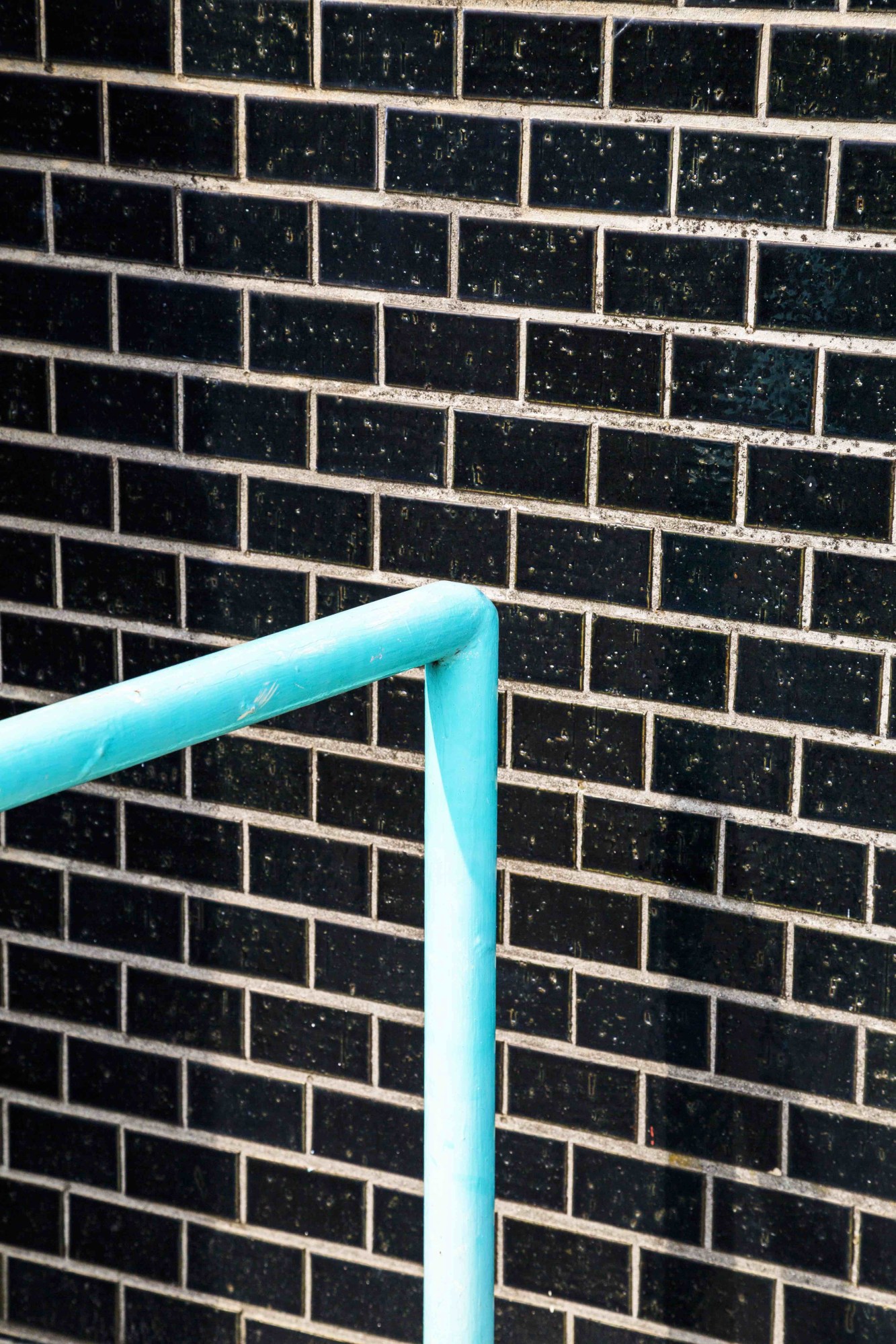
Yoshinori Mizutani — an emerging Japanese photographer whose work has been recognized by FOAM and LensCulture — describes his images as wrestling with the contrast between urban and natural spaces. He likes to use a strong flash to highlight distinguishing palettes, silhouettes, and textures in both contexts. If many of his series focus on one fixed subject (silvered car covers in the series “Cover,” abandoned porn in “Dirty Books,” bright plumage and foliage in “Tokyo Parrots“), the subject of his series “Colors” — which recently went on view at the The Japan Store in Paris — is much more difficult to define. Including images of cat-printed socks, rainbow Italian ices, lurid neon lighting, and the subtle magic of shadows, the series has a more playful tone than Mizutani’s meditative portraits of birds’ perching patterns or cherry blossom trees.
Having recently moved to a new place near the Asakusa district in Tokyo, Mizutani is exploring the old world charm of his surroundings, as well as working on a nature photography series. Here, he discusses letting his subjects find him, and the way his previous series evoke both National Geographic and Alfred Hitchcock movies.
You studied economics before transitioning into photography. What prompted that change in direction?
I graduated with an economics degree, but the more I learned, the more I found it was not what I wanted to do. I did not know what job I was going to have in the future. I worked at a second-hand bookstore when I was a student, and that’s where I discovered photography. I bought a camera and started shooting. After a while, it became clear what I wanted to do with my life: I wanted to study fine art photography and become a professional photographer. None of my family or close friends has anything to do with photography or art. When I started photography, my parents were not happy about it at all; they wanted me to change my mind.
What’s your approach to starting a series? You started this one by posting images on Tumblr daily.
I produced “Colors” between 2010 and 2014, but I have been working on this series since I started photography to the present day. The focus of this work is on things that are so familiar we never think about them twice: colors, shapes and textures. It started from my instinctive interest in these matters, which I have had since my beginnings as a photographer. I start off by getting out and exploring the streets or a natural setting to observe and shoot, then look for themes in the photographs I’ve taken. In most cases, I repeat this process until I find a theme for a series. It takes a lot of trial and error.
Who are your influences, in photography, art, and pop culture?
New Color Photography. Nui Sano. The Beat Generation. Abstract paintings.
You’ve taken photos for Issey Miyake. How is fashion photography different for you, in terms of color use and subject?
I have been lucky. I only take jobs that allow me to create images in my own style without restrictions. So I think my fashion photography is not too different from my own work, in terms of colors and compositions. Nevertheless, it is a commission, which naturally changes the way I work. When I do my own work, I do everything by myself, whereas fashion photography is the result of teamwork. Working with a variety of people — from designers and stylists to makeup artists — presents very different challenges.
Other recent series of yours, like “The Birds” (2014-2016) and “Kaway (Hanon)” (2015), feel part nature documentary, part Hitchcock noir. Do either of those genres influence you?
Nature documentary is definitely one of my influences. Huge flocks of birds in urban environments are an eerie and chilling sight. The spread of invasive species has become a social and environmental problem in Tokyo. In that sense, I could say that this series shares some of the characteristics of film noir in highlighting the dark side of society.
Credits
Text Sarah Moroz
Photography Yoshinori Mizutani