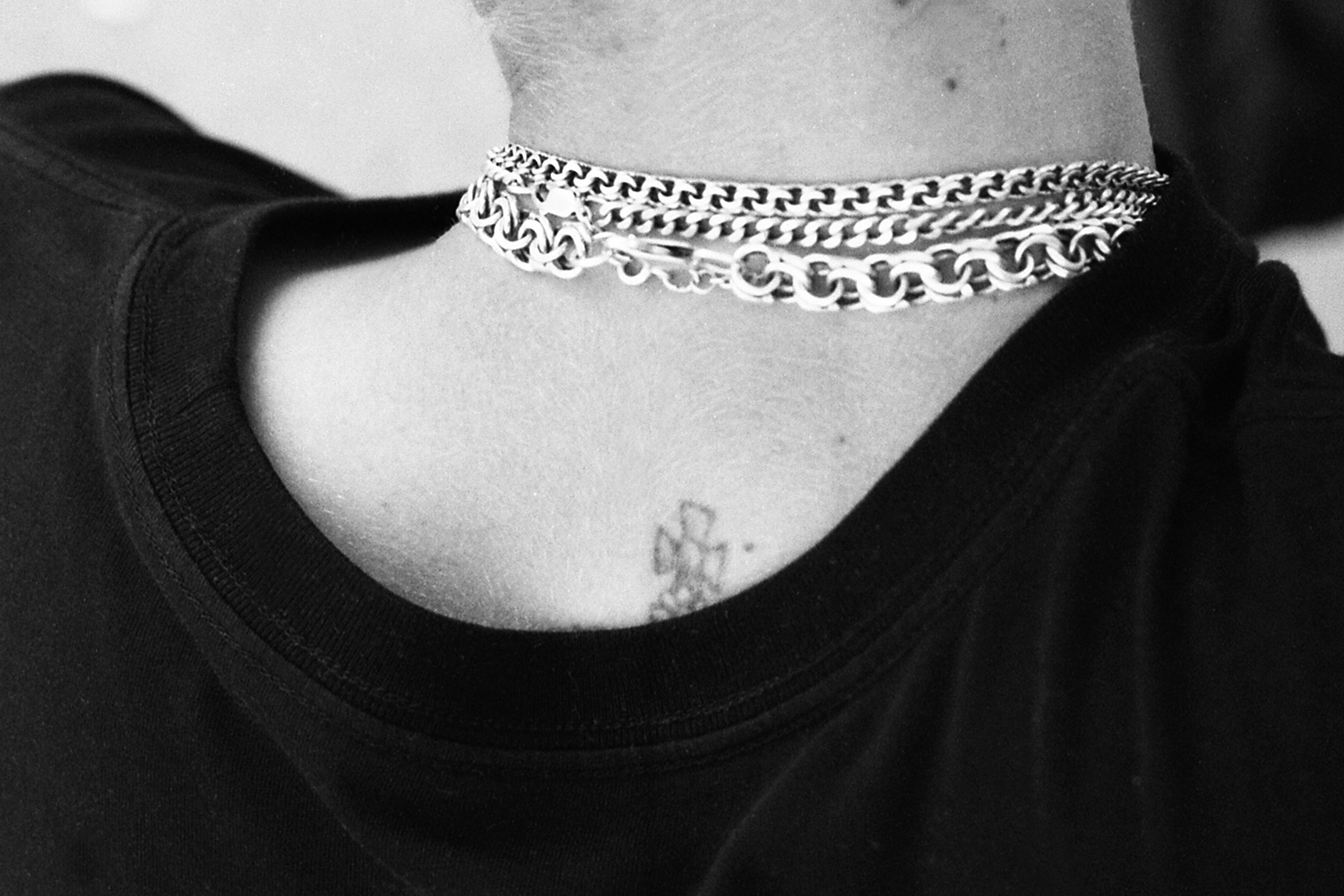
From Moscow to Crimea, to small Russian towns and villages, Russia-born photographer Sonya Kydeeva documents youth culture, finding key inspiration in the search for identity within the evolving cultural landscape. Born in 1988, she is part of a generation that has experienced vast cultural transformation and she is capturing each moment. Her candid, documentary style images have been featured in the photo book Graffiti Artist Sochi and many independent magazines. Kydeeva’s photos are a raw meditation on what it means to be Russian today, particularly amongst the young men deviating from previous norms and creating a renewed cultural shift. “I document spontaneous moments of everyday life,” explains Kydeeva, and it was during the summer that she aimed her lens at Moscow’s burgeoning hip-hop scene and the young men driving its pulse forward.
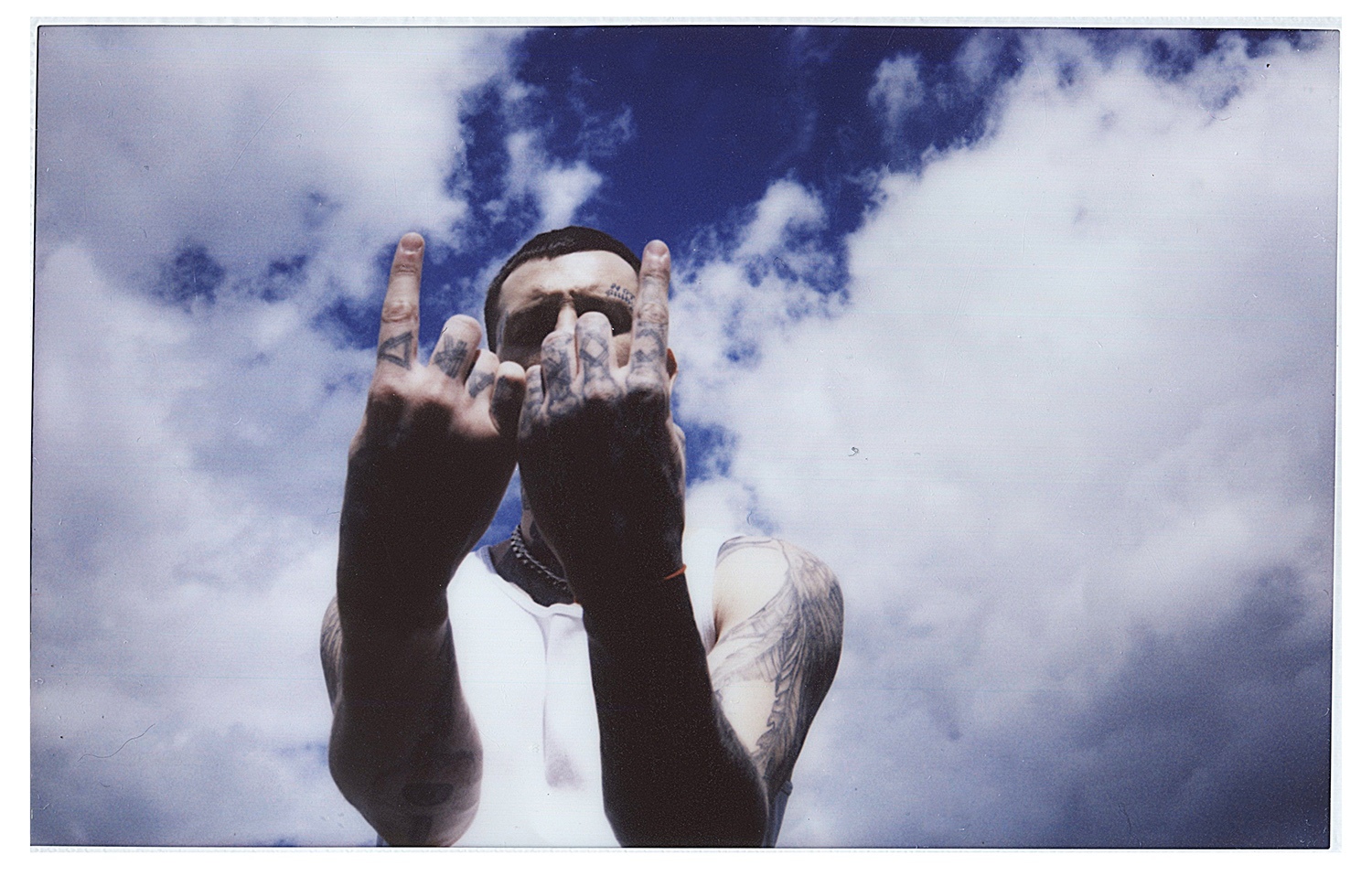
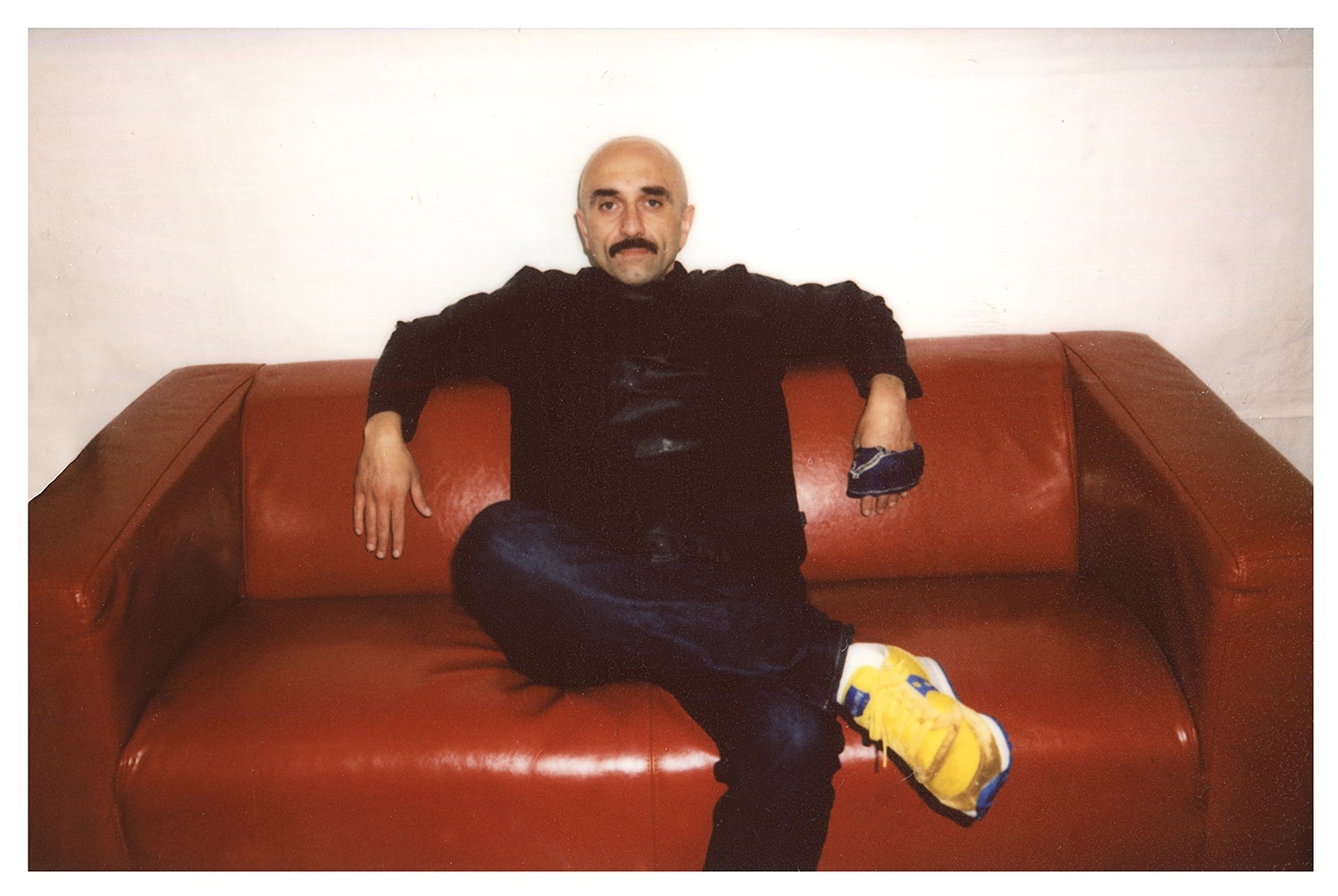
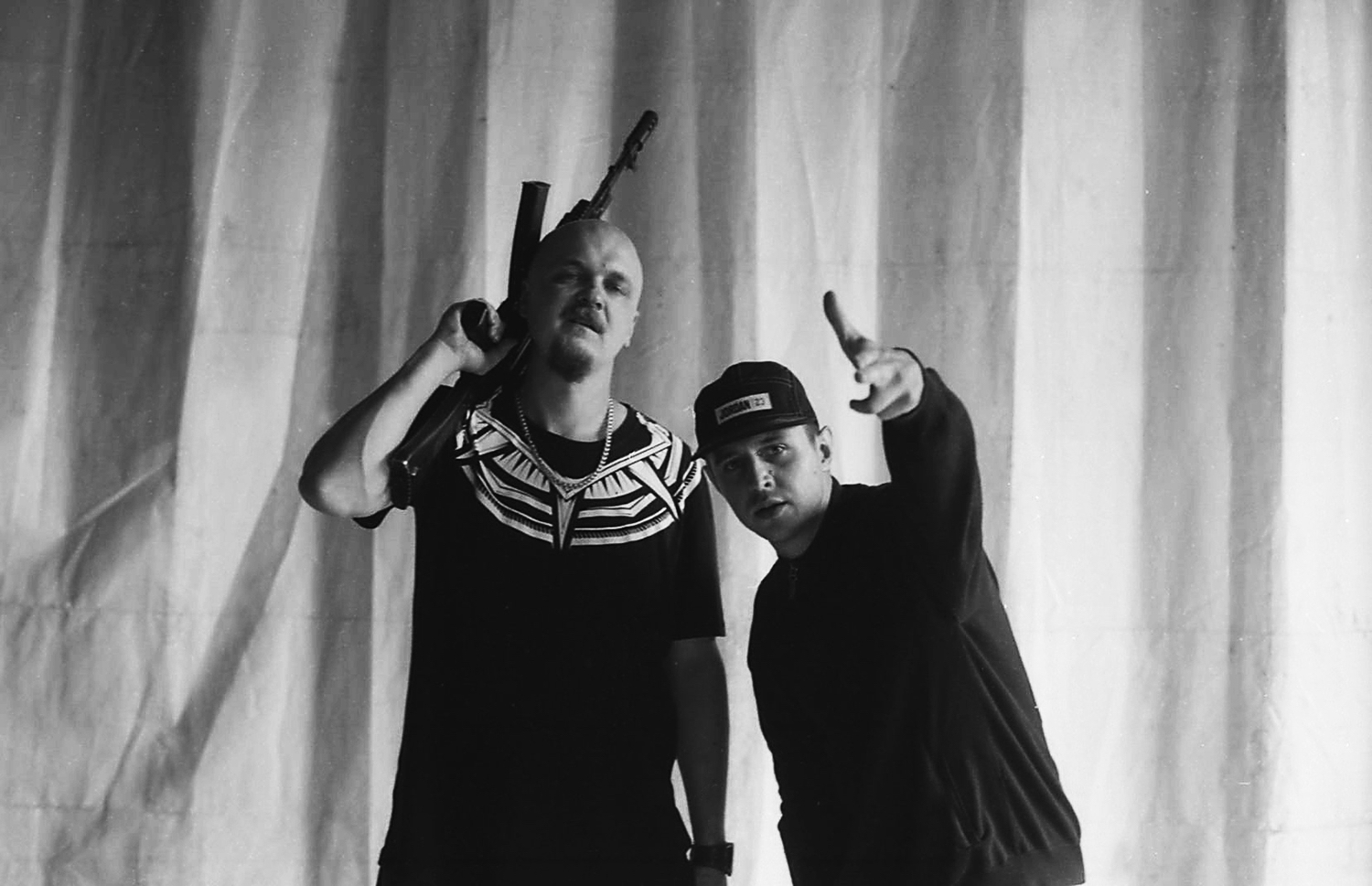
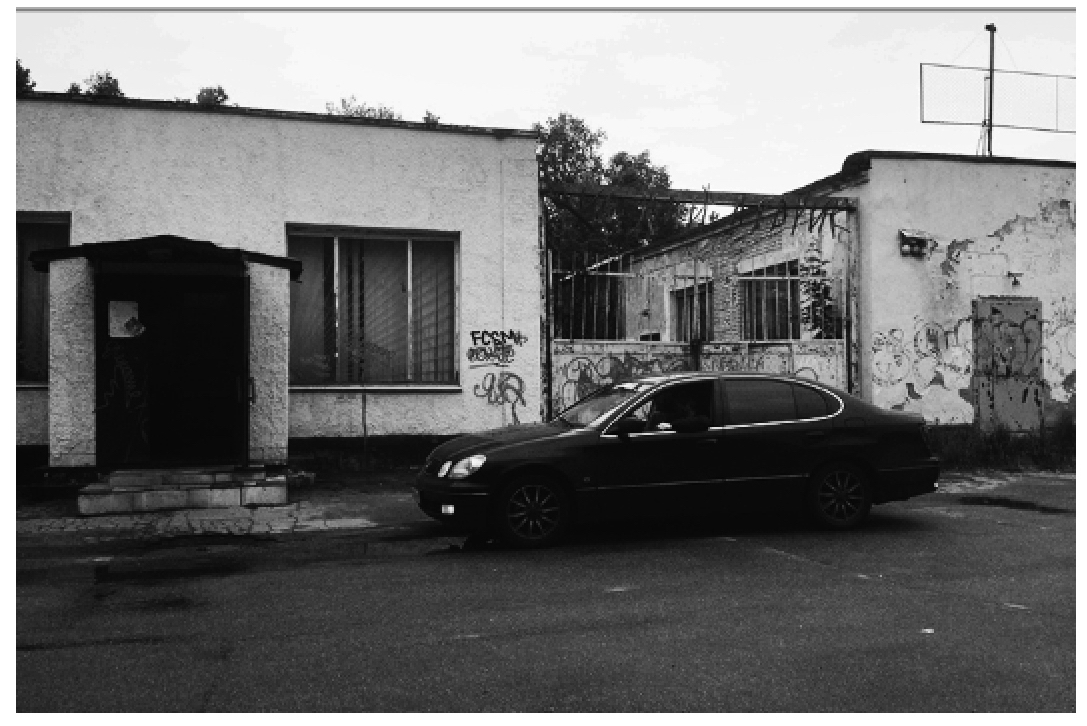
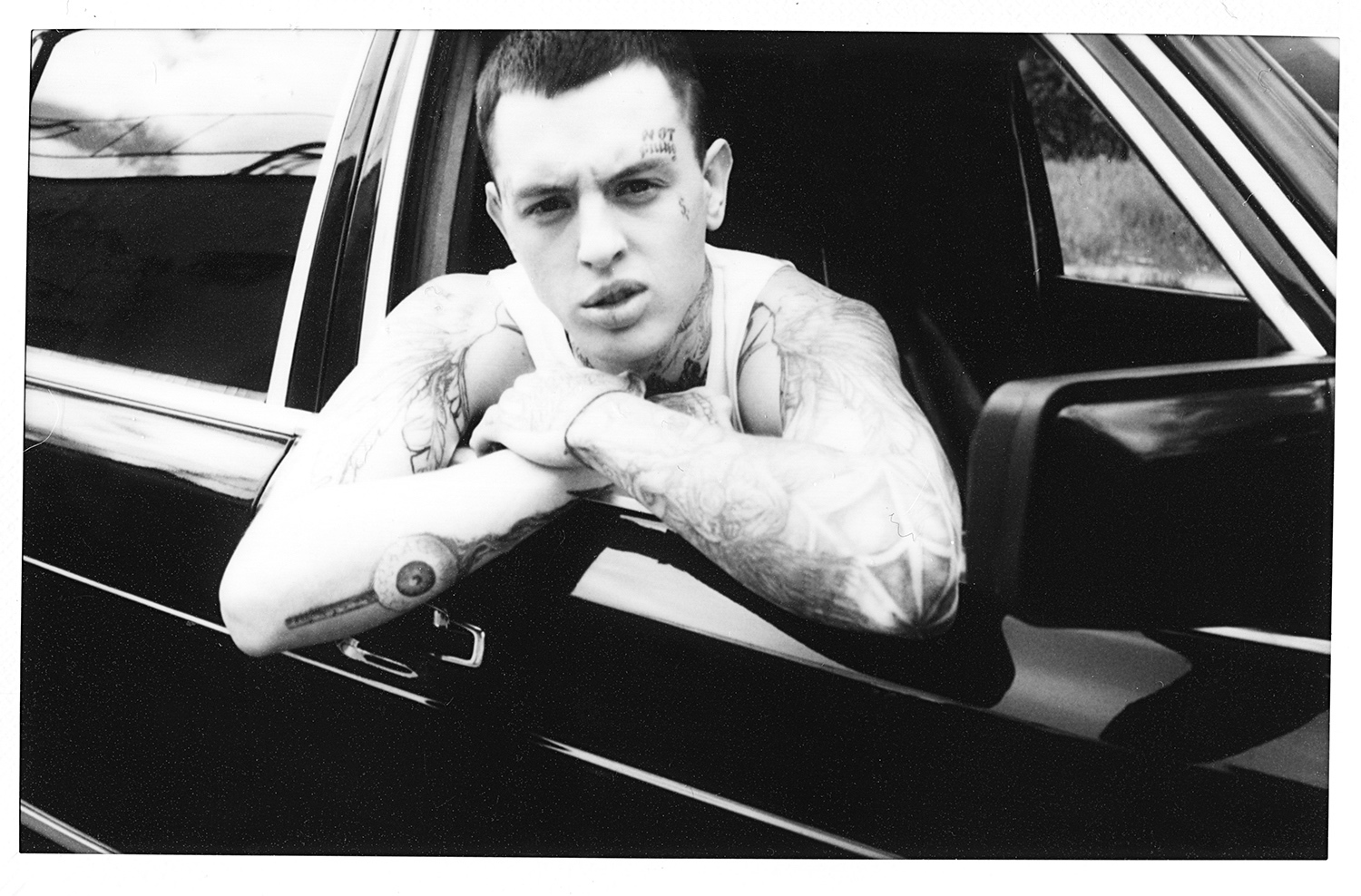
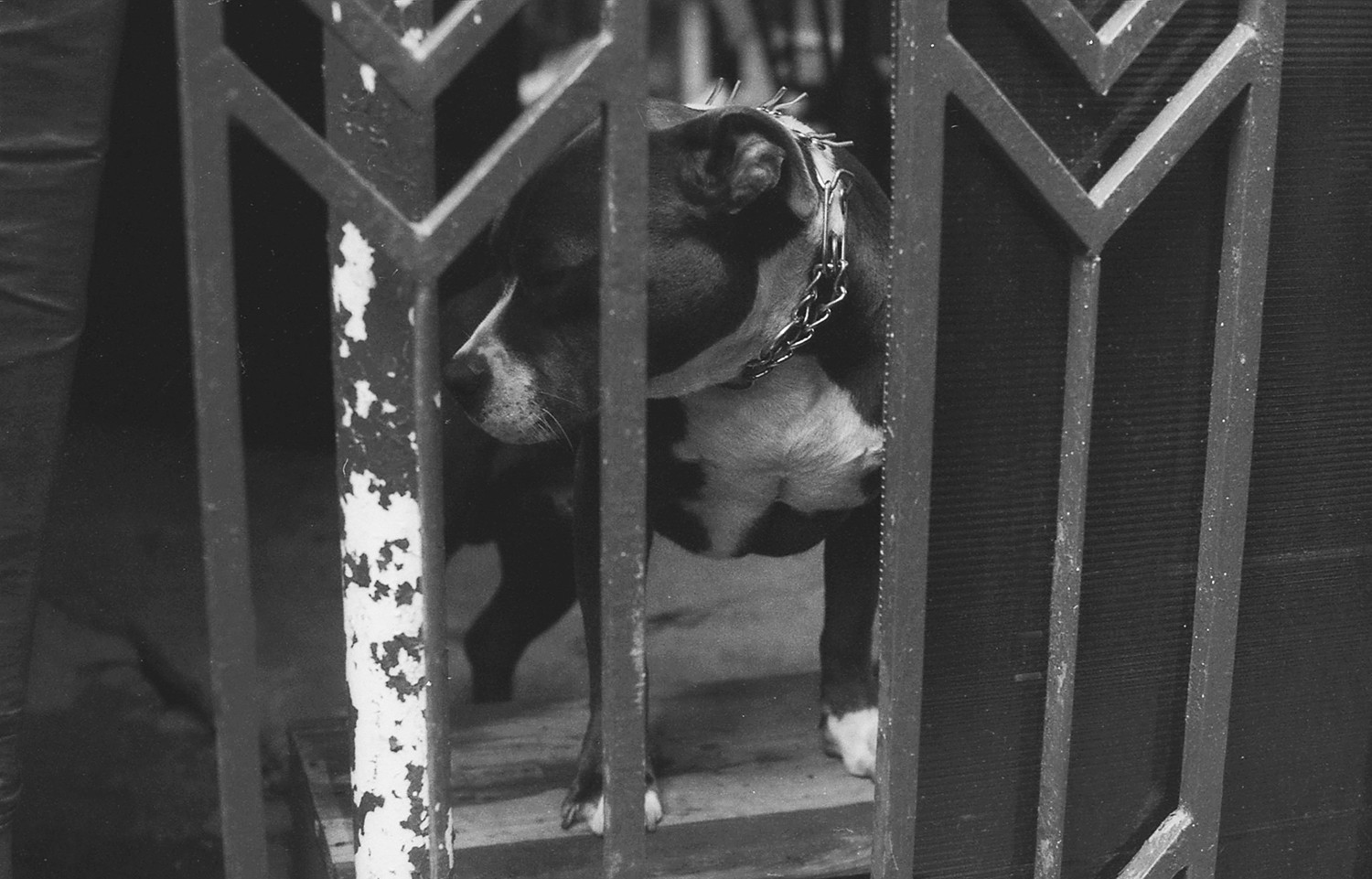
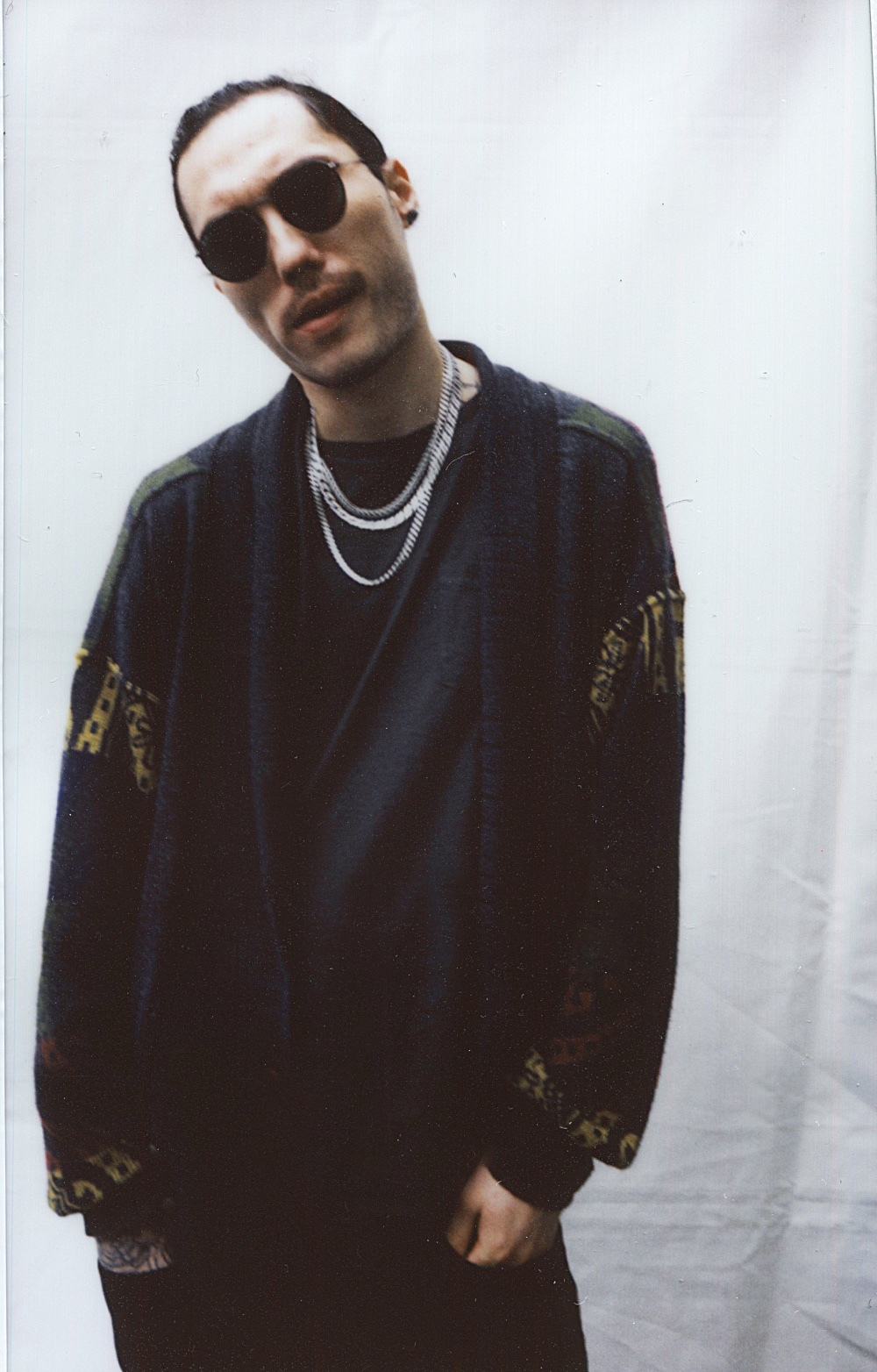
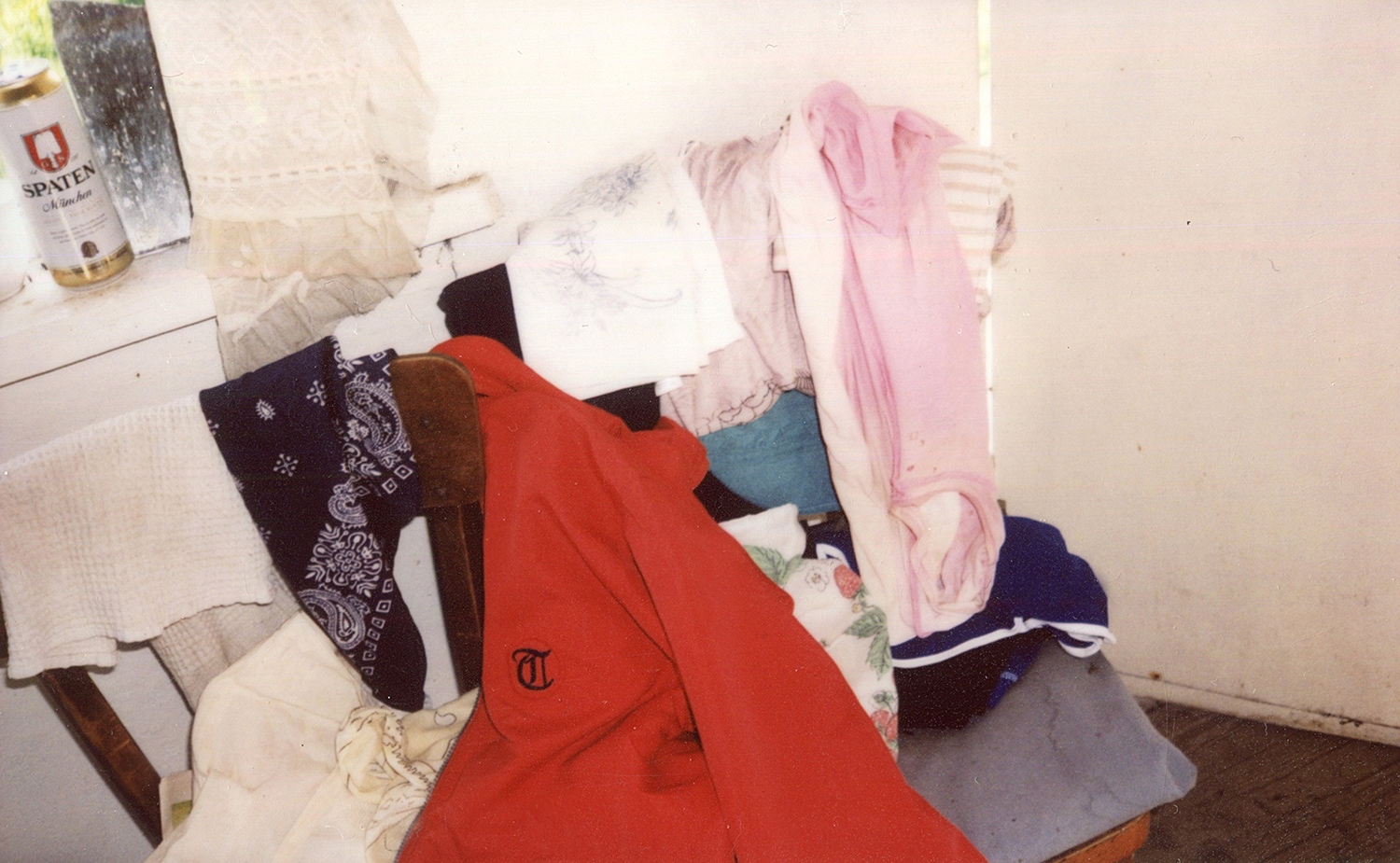
With snapshots of cars, graffiti, tattoos and guns juxtaposed with portraits of the men who inhabit this world, we are transported to the intimate spaces of Moscow’s rap scene. Some of the men are friends, some are strangers, and a few such as Sharp (TrueStar) and Scriptonite are key players within the Russian hip-hop landscape. Within these images, Kydeeva provides us with a rare glimpse into the reality of the young men shaping Moscow’s current rap culture. Here we talk to Kydeeva about Russia, identity, and hip-hop.
Did you grow up in Moscow?
I was born and grew up in Moscow. I’ve moved to different companies and areas. The city center and suburbs are like two completely different places with different architecture, mentality and rules.
What kinds of things influenced you while you were growing up?
I was influenced by people around me. Each person brought something new and always in such a radical way. That’s why it is difficult to trace all the steps to determine what I’m doing now.
Take me back to the summer. How did your involvement begin with the hip-hop scene?
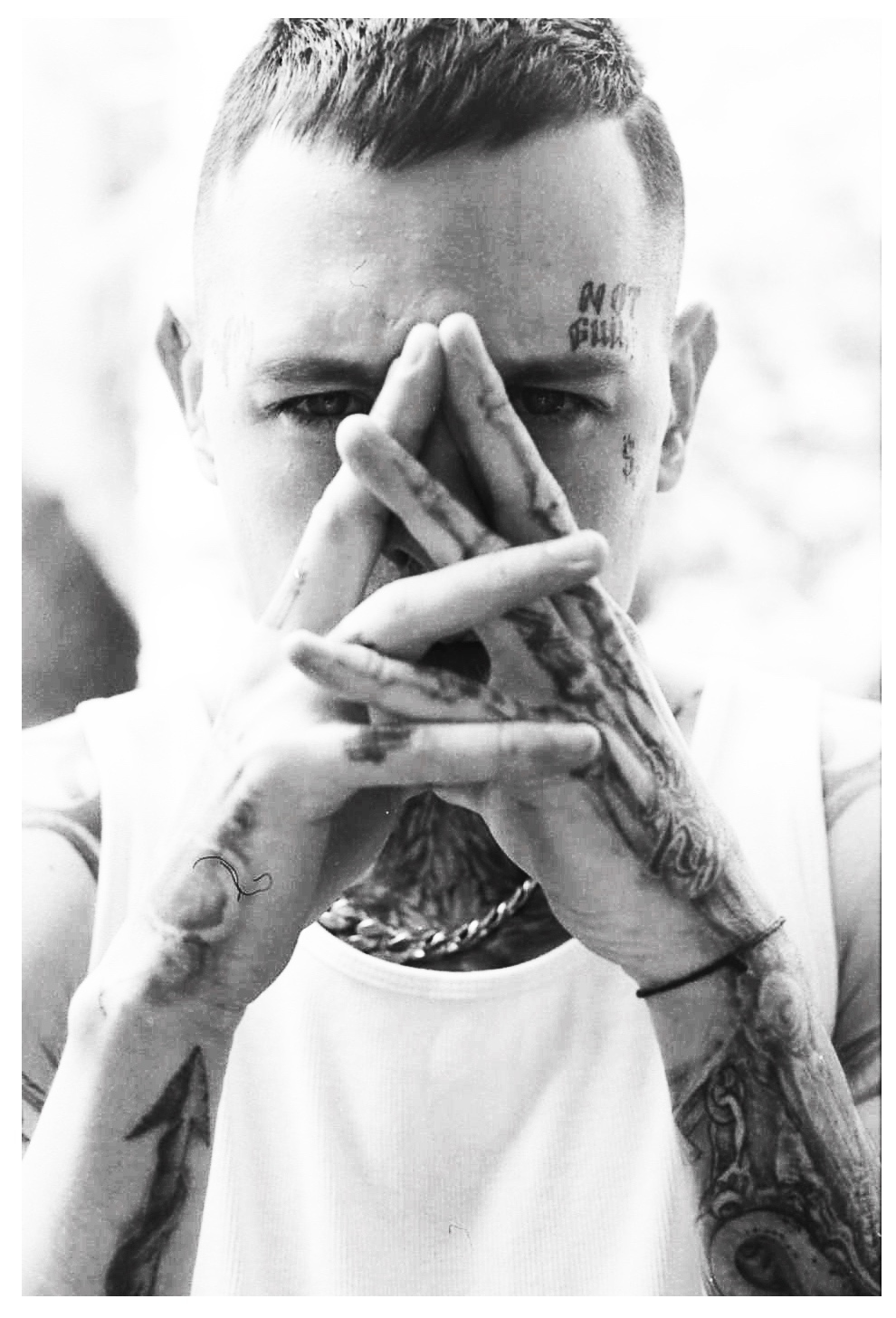
I’m not involved in the hip-hop scene. I only listen to the music. As a photographer, I engage in the study of man, identity, and the problems associated with this. It is my search areaand I’m using urban life directly connected with rap, graffiti, crime, cars and many other similar aspects. Rap music is more like the background accompaniment of it all, with language and a huge number of visual codes.
How did you start shooting these guys? Did they like having their photos taken?
I was around for different reasons and just shot. It’s a continuous, organic flow. It works like a magnet. I’ll meet a person in different circumstances and after a while it might turn out that he has a street background. In the car there is a gun and he makes rap or has a connection with it. Of course guys like it when I shoot them and publish the photos. I always ask for more print copies for the boys. It’s very important. If someone asks me not to shoot their face, I won’t do that. They always help me in different ways. They always give me inspiration and ideas, and protect me if I have problems.
Some of the guys you shot are from different labels. What can you tell me about that?
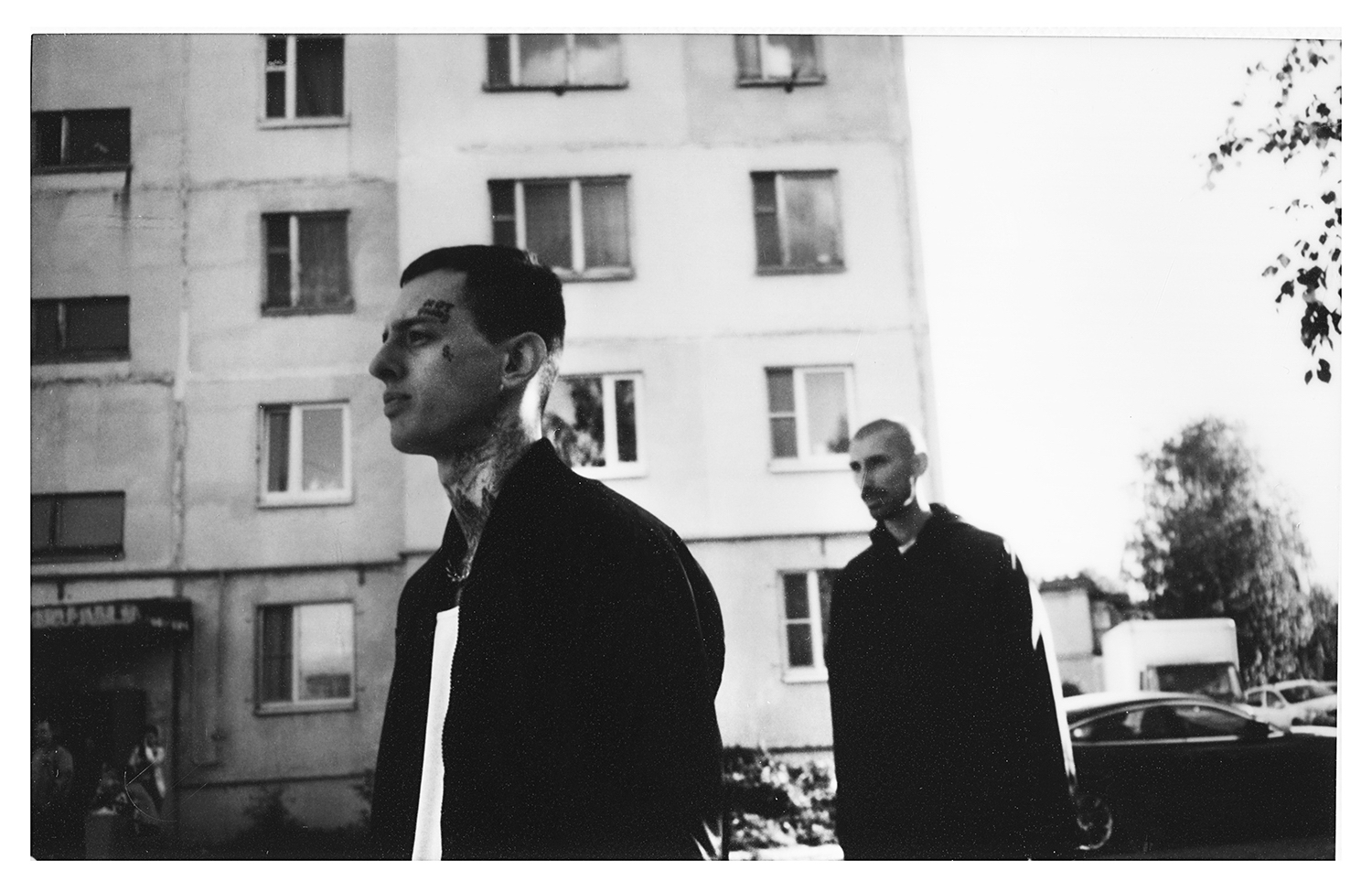
In Russia, rap is young and delayed by 20 years. Each label in Moscow was a main label until another one came along, and then another and so on. Everything is built on a hierarchy and every rapper has his own niche. In Moscow, there are two commercially successful labels: Gazgolder and Black Star. There is the old label Respect Productions, and the most authentic are 100 PRO and CAO Records for underground hip-hop and new-school.
What are most of these guys rapping about?
I don’t think there is a difference between rap themes in Russia and anywhere else – people, experience, everyday life and so on. It is very important to carry responsibility for what you say to the millions who listen. We have gangster rap and gangster themed rap about the zones [prisons], but it’s a completely different language and flavor. In Russia there is no universal hip-hop network, there is no concept of hip-hop brotherhood, but only trends towards wars between the labels. Rap culture is a language, a direct speech, a testament. In fact, it is a textbook for life.
How would you describe some of the cultural shifts you’ve experienced over the years?
Over the past five years, there has been a huge shift in the culture. From the utilitarian came the mass media, from the underground came commerce. This was due to the erasure of subcultural boundaries, as well as the lack of any alternatives. Previously, for rap or any other styles or looks, there were fights and brawls, but not anymore. Now it is fashion: clothes, tattoos, accessories, behavior – all copied from the streets and the West, and it is often fake. Just an image. The previous generations determined the subculture, now it all comes from the outside.
There’s one image of a guy holding a big gun. What’s one of the craziest things you experienced with this crew over the summer?
All stories are connected with criminal activity, so we don’t flaunt. In Russia it is impossible to try on a character or image, except for the truth. If you sing or speak about crime, you can go to jail. Without crime and deviation, the story wouldn’t be crazy.
Credits
Text J.L. Sirisuk
Photography Sonya Kydeeva