With its vanishing seedy side streets, shuttered shops and dimmed lights of gone-but-not-forgotten clubs, the landscape of Soho is undoubtedly changing. As sex shops are swapped for coffee chains and scene makers replaced with copy and paste gentrificators, the places and faces of this extraordinary enclave are evolving. Yet, the romance for this slice of inner-city remains. Despite the developers, it is a microcosm of London’s diversity, diy attitude and creative energy.Fond memories of what was, and hopeful visions of what could be, echo through and beyond this singular square mile. With What Soho Wore, Nina Manandhar is collecting these memories and mapping the hidden cultural history of Soho through people’s photography and stories.
London, urban life and youth culture are themes the artist, archivist, photographer and founder of What We Wore constantly circles and seeks to capture. So, over the course of this summer, Manandhar is in residence at The Photographers’ Gallery encouraging local and inviting visitors to share their experiences of London’s prurient playground. “There are so many communities that live side-by-side, that is what I think city life should be about and that’s why I find it such an interesting place,” she explains. “It’s also changing a lot, so it’s an important time to be here now to document it and reminding the area of its history.” As the project maps this rich cultural history, it’s demonstrating how photography has documented the multiple scenes, movements and communities that have shaped and continue to shape Soho. Taking a break from scanning as she goes, Nina Manandhar talks us through the project and shares a few of her favourite after-dark submissions.
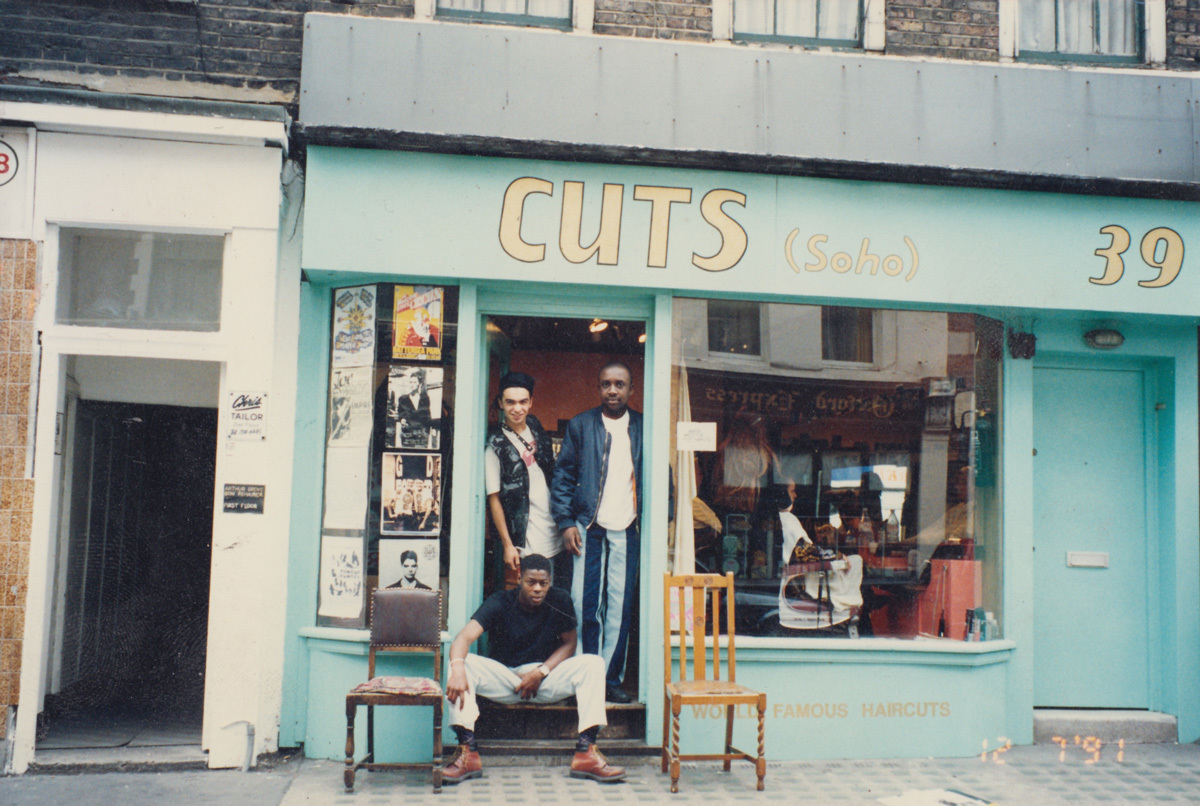
From Shepherds Bush to Dalston, you’re a born and bred Londoner who has lived across the capital. For you, what makes Soho such an extraordinary enclave?
Soho has historically been super rich in terms of the thriving communities that have co-existed side by side. That’s what city life should be about. As someone who grew up in London it played a part in my youth, from teen gigs at The Astoria to open mic nights at Deal Real to Trash at The End.
It’s not so obvious now, but it has had a significant place in club land and music cultures, with independent music shops on Berwick street, boutiques and clubs in and around Carnaby Street, (I also think of that as being part of Soho) and of course it’s been a cultural centre for the gay community. The seedy side of Soho has a certain romance too.
What excites you about this area and what was the catalyst for What Soho Wore?
Soho is changing rapidly and soon this may all disappear. I thought now was an important time to get in there and celebrate and document its history. The Photographers’ Gallery is pretty much in the midst of all this so the residency made perfect sense.
What would you say are scenes, movements and communities that have truly helped define Soho?
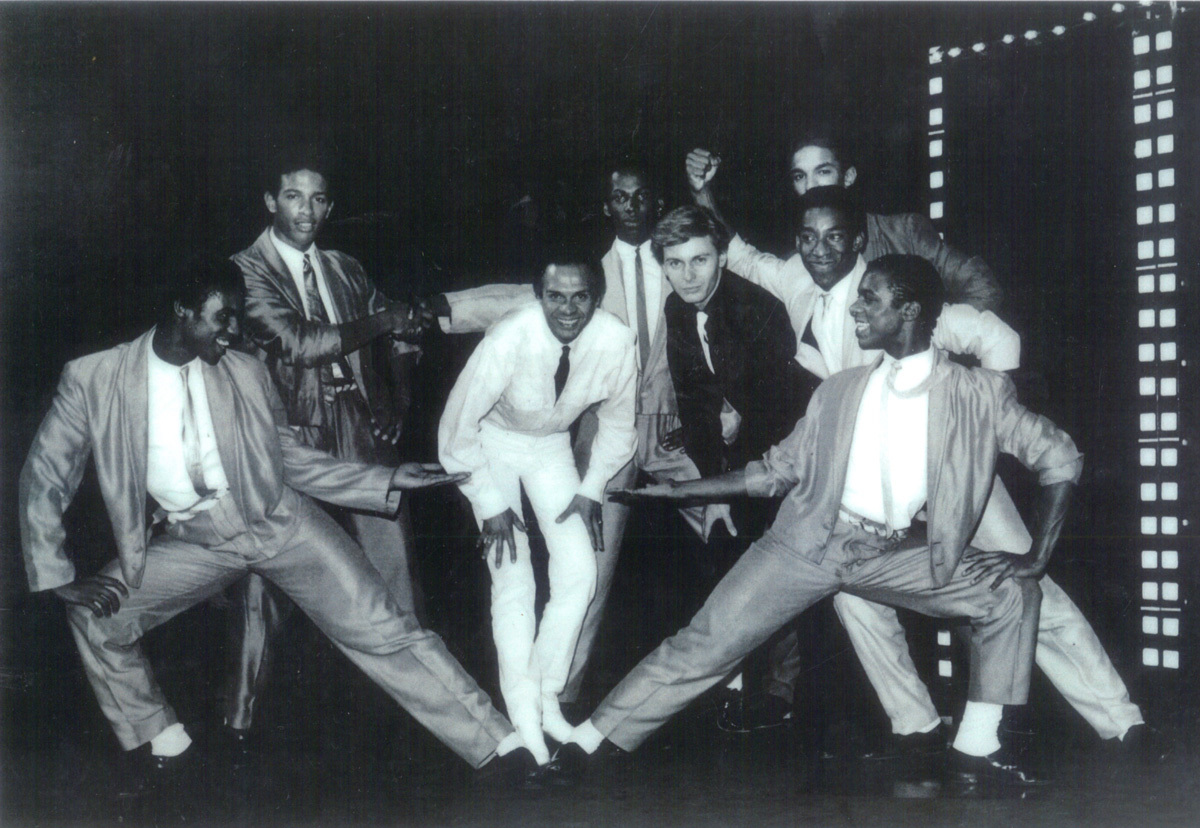
I can’t name all the movements, but I can say that’s I think Soho was always perceived as a place where individuality and difference could thrive. People could start and turn their own things, in the centre of the city. From Independent Record Shops to independent Italian Cafe bars and independent Sex shops, as weird as that sounds!
It’s this spirit of independence which everyone fears is becoming lost, and with that the loss of a sense of style which has defined Soho.
Could you tell us a little about some of the entries that stick in your memory, the ones which left you laughing, crying and/or inspired?
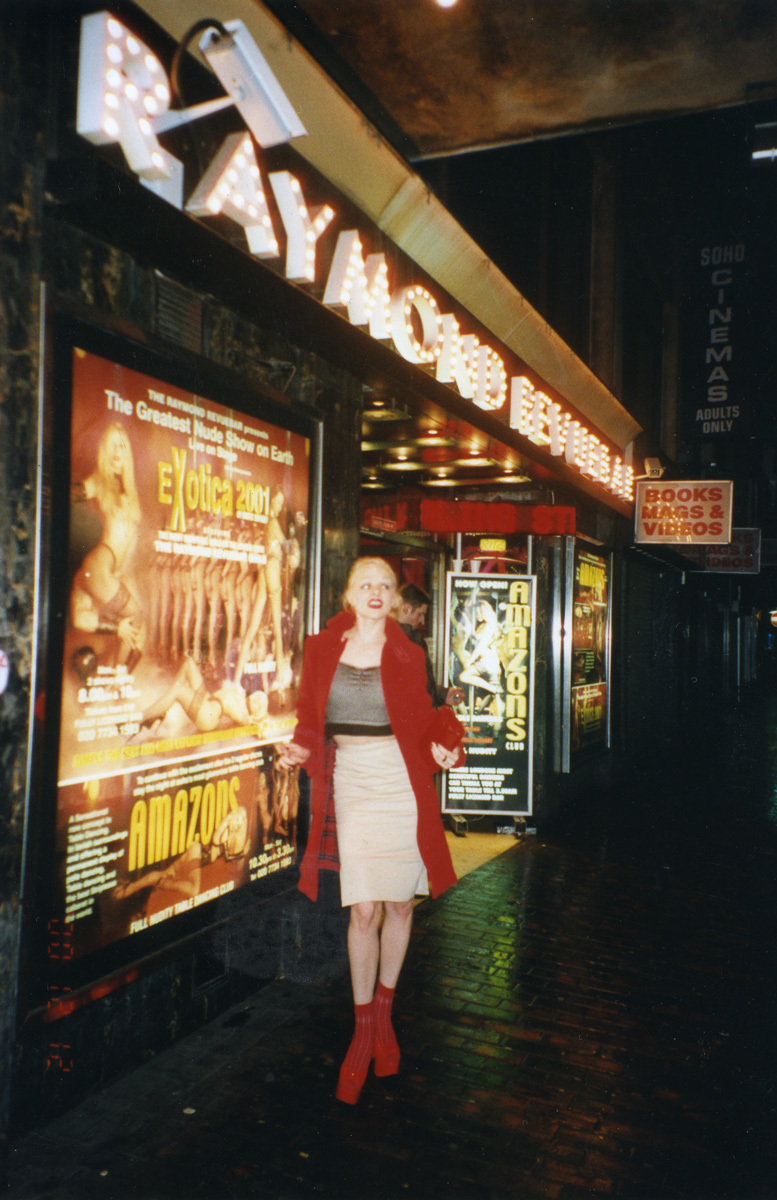
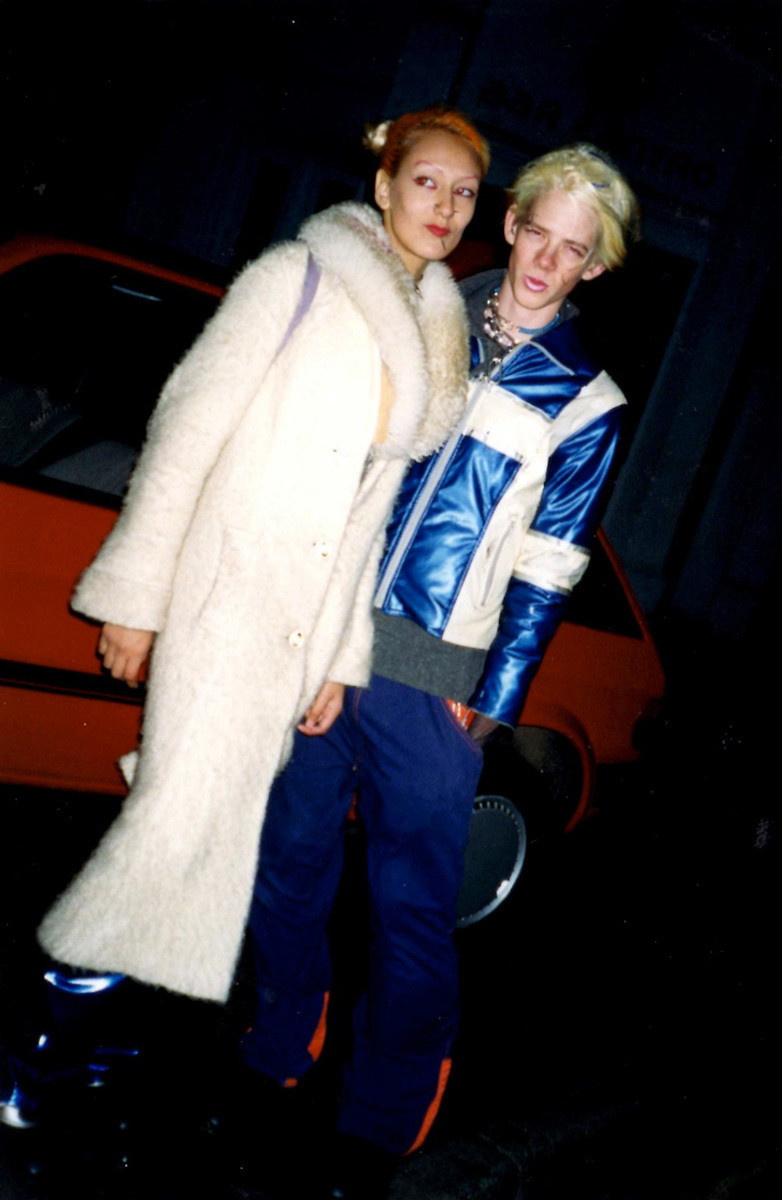
One which has made me laugh and cry at the same time (well not literally but kind of ) was this image from Pippa Brooks, former singer in the group Posh, and founder of the Shopgirl boutique. It’s very iconic Soho, Paul Raymond was actually her landlord. In Pippa’s words “At that time Soho was much more about sex and kebabs”. Kind of summed it up really.
As gentrification alters the landscape, life and soul of Soho, what do you hope What Soho Wore can achieve? What does the future hold for Soho?
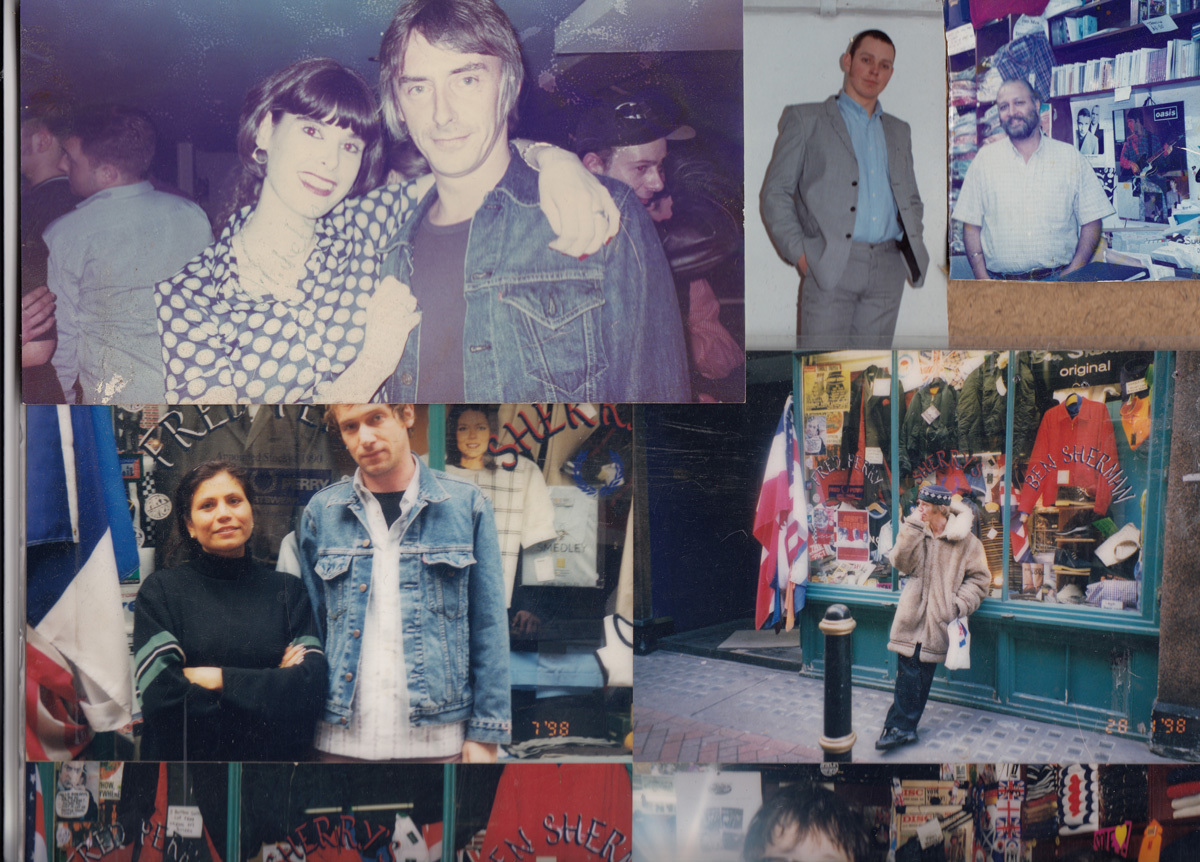
Last week I went to an interesting screening for a film called The Battle Of Soho. There are lots of campaigns going on about from Save Curzon Soho to Bohemians 4 Soho. There was a lot of discussion about the uses of nostalgia and whether it is a positive or negative thing. I think exploring the past can help us affect and change the future. What Soho Wore is not fist in the air activism, but for me projects like this are a kind of activism, using social history to bring communities together. Gentrification happens and cities do change, that’s the enduring nature of the cities. But it has to be done in sympathy with an area, it can’t just be about replacing independents with corporates. The big concern for everyone is the assetisation of place.
What has this process taught you thus far? What’s the biggest misconception about the area?
Going out into the community physically is still a really important thing to do, even if it’s is hard work! I’ve been taking my mobile archive unit out, scan as you go vibes. People think it’s dead but there is still stuff going on and it’s still a place for youth culture. Just look at Palace, Supreme, Other Store and Oi Polloi.
Who are Soho’s unsung heroes?
You’ll have to come along on September 18th.
Beyond unsung heroes, what can you tell us about the event on 18th September?
We will be having a Soho Social at The Photographers’ Gallery. There will be panels and talks about Soho style, London regeneration and a whole host Soho advocates coming in to share their memories and stories.
Here’s your chance to call for submissions, what would you like to request from i-D’s readers?
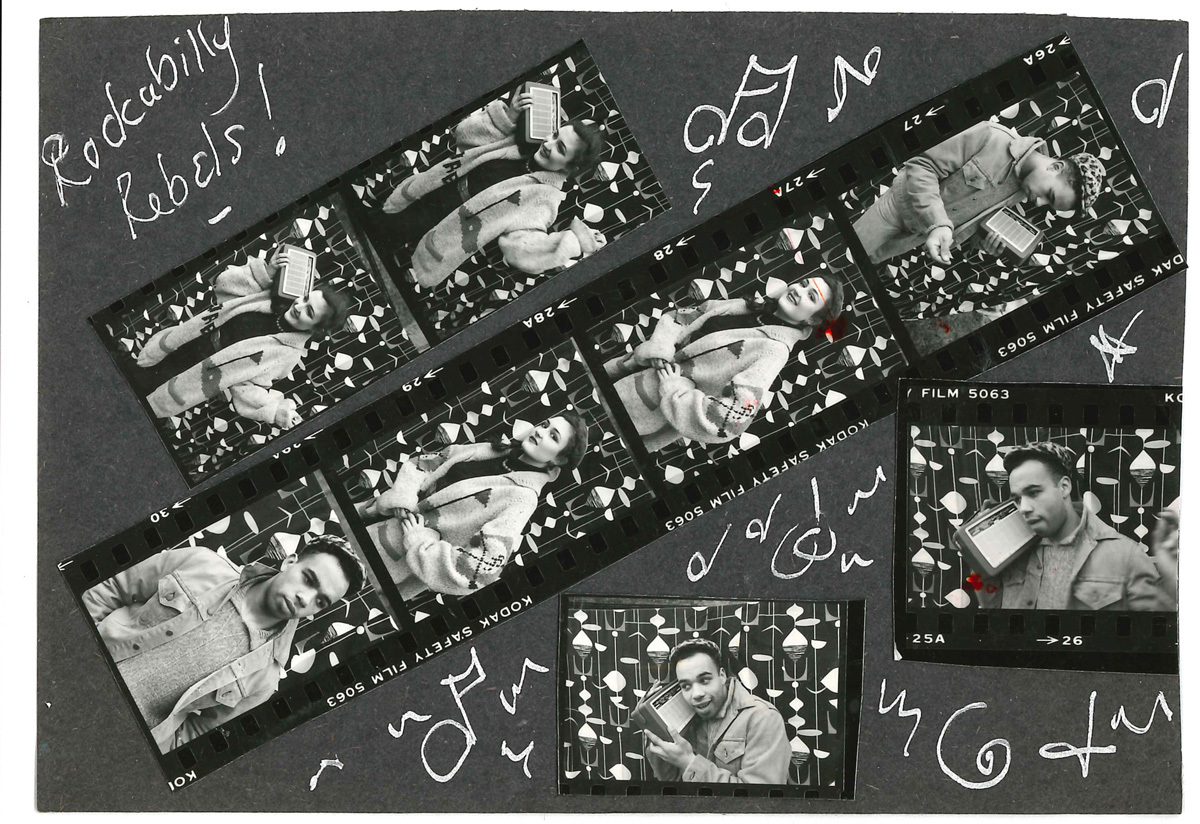
I’d love to see Soho images from years gone by. It sounds quite specific and I’ve had to hunt hard to find my own ones but they can be from when you have passed through Soho you don’t have to have lived there. They can be from when you were getting ready to go out on a night out in Soho. Or from your Saturday job in Soho.
Finally, what’s next?
It would be nice to turn What Soho Wore into a printed publication of some sorts. Or get some of the images up on the Berwick Street billboards! Aside from this, I’m also working on a photographic project about Thamesmead Estate, which is on the outskirts of London, the infamous Brutalist Estate where Clockwork Orange was filmed.
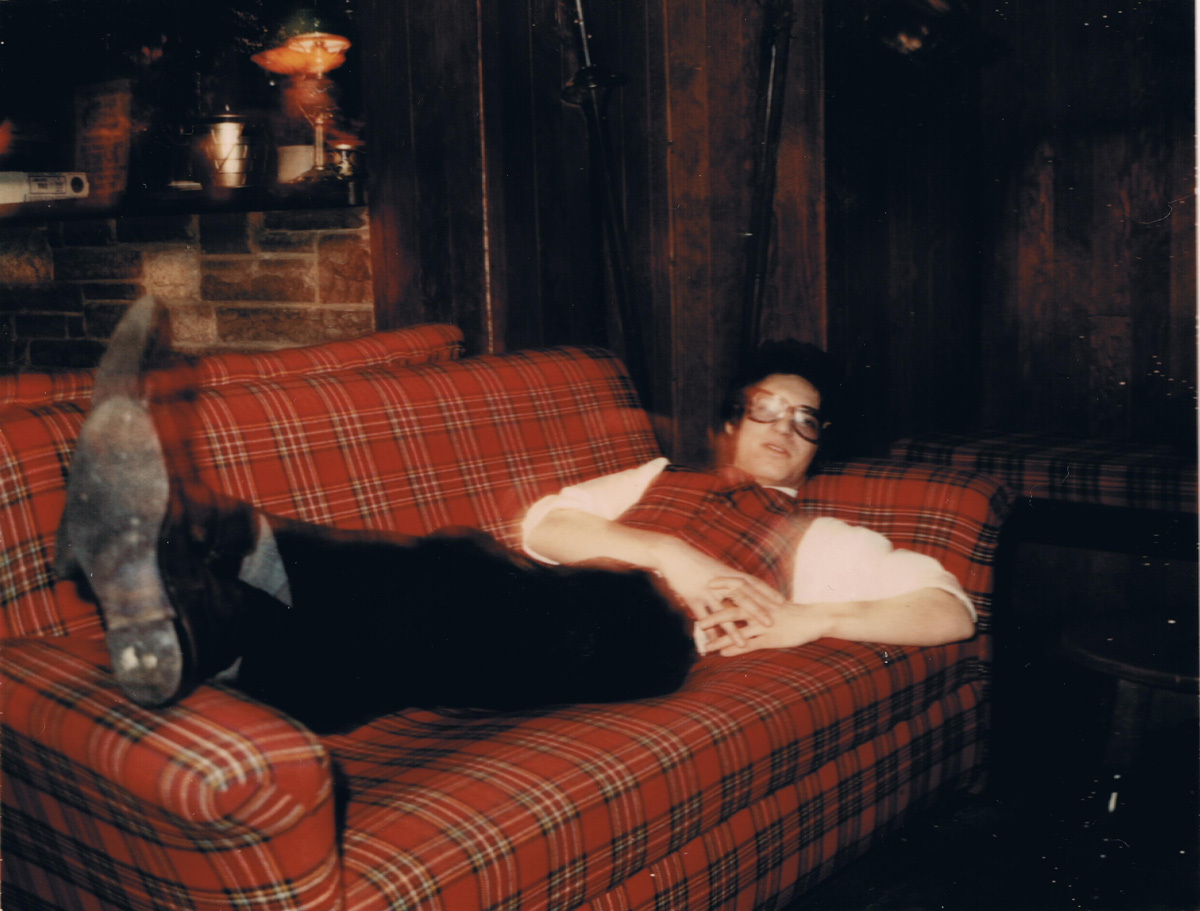
Add your memories to the archive by sending in photographs and stories. Submit online, email submissions to submit@what-we-wore.com with the subject line SOHO or share on Instagram with the hashtag #whatsohowore
Credits
Text Steve Salter