It’s Friday night in Paris and Antonin Tron is cooking Japanese food. He has friends coming over, and occasionally pauses mid-phone conversation to stir something. This is just the sociable, relaxed vibe he wanted to create for the first presentation of his newly launched line, Atlein. And so he showed the clothes from his fall/winter 16 collection right there in his apartment in the Marais. His mom made coffee for editors. “I wanted something quite intimate where people could literally be in the kitchen,” he says.
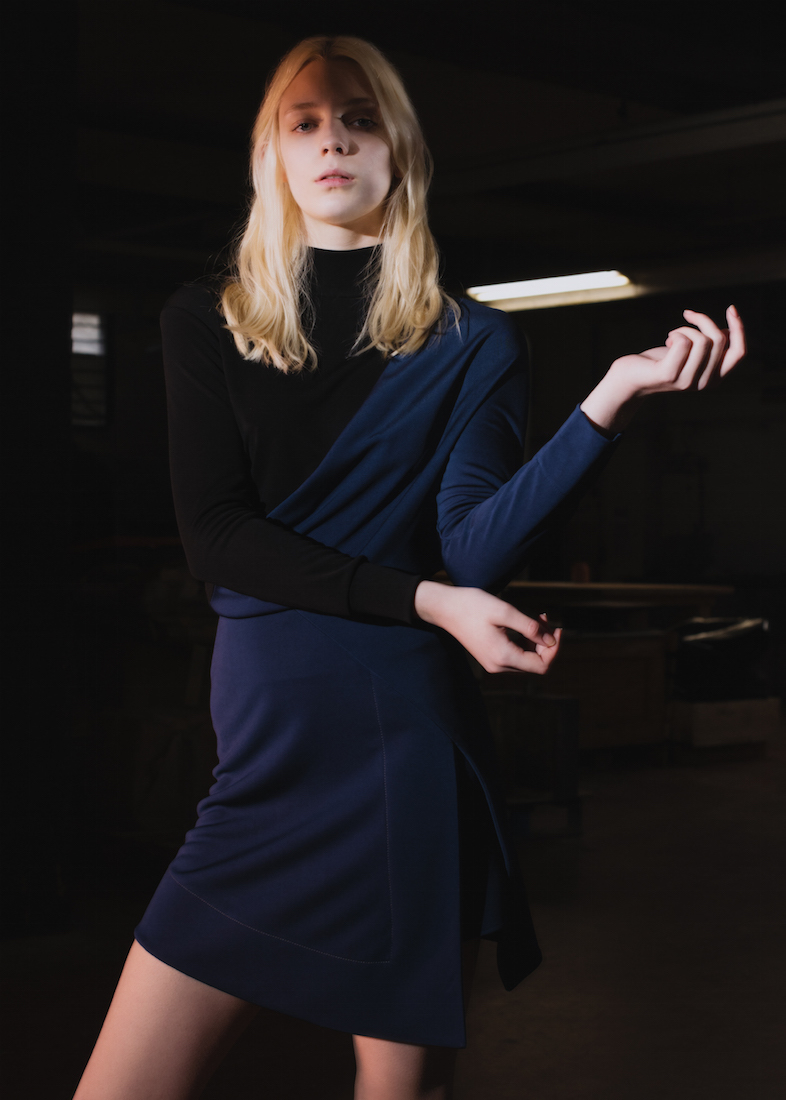
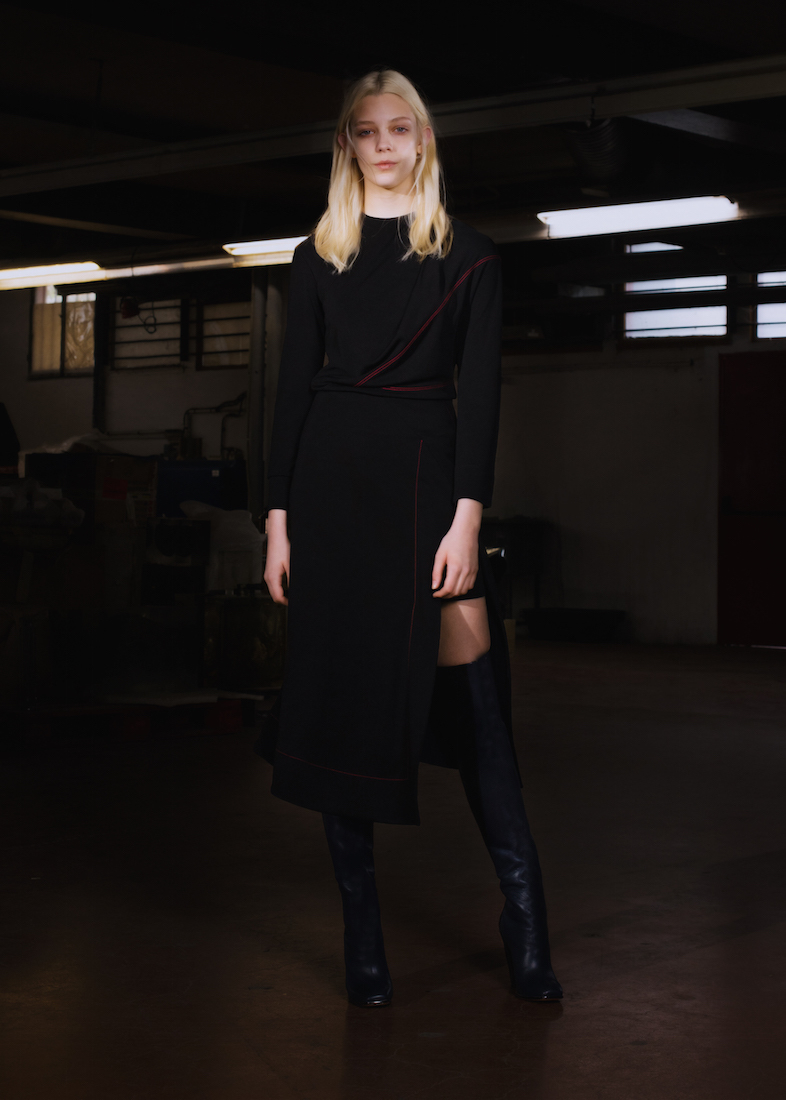
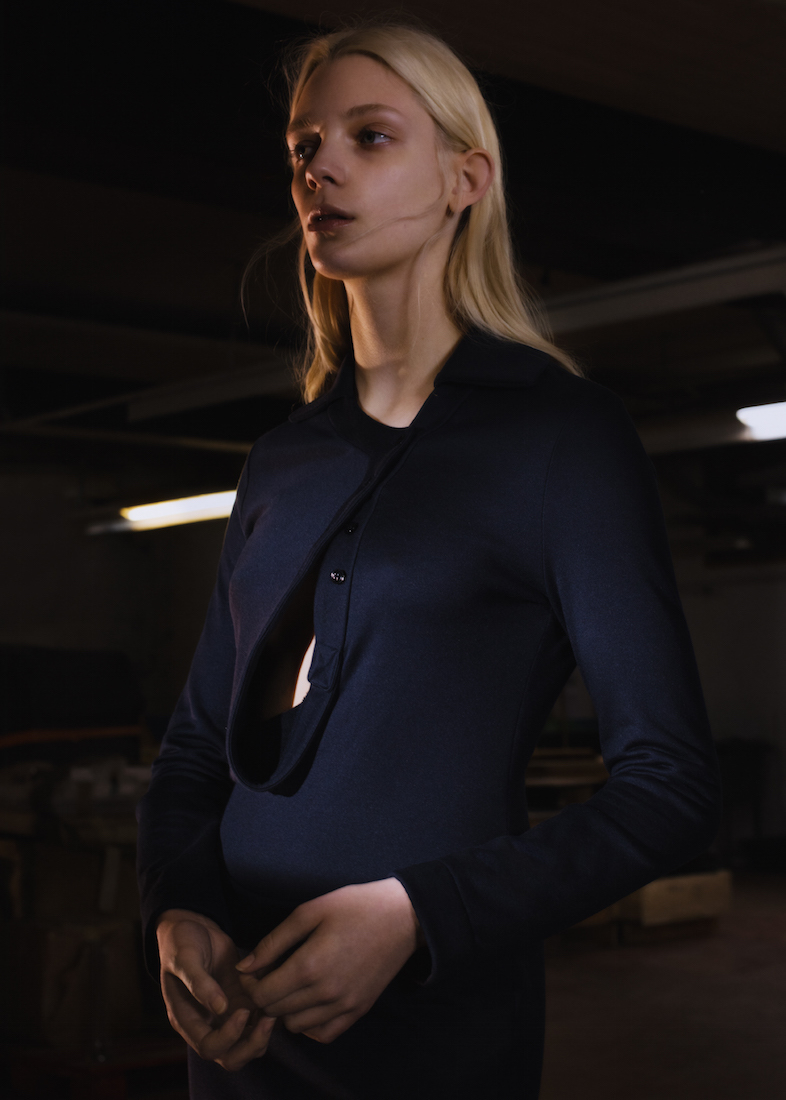
That was March. Since then, Atlein has received both a handful of ecstatic reviews and a nomination for the ANDAM First Collection Prize — awarded most recently to fellow buzzy French brands Léa Peckre and Coperni. In other words, excitement is steadily building for what Tron is making: namely, crisply modern, discreetly cool pieces — pleated A-line skirts, draped dresses, athletic-looking long-sleeved tops for layering — made entirely from comfortable, crinkle-proof jersey.
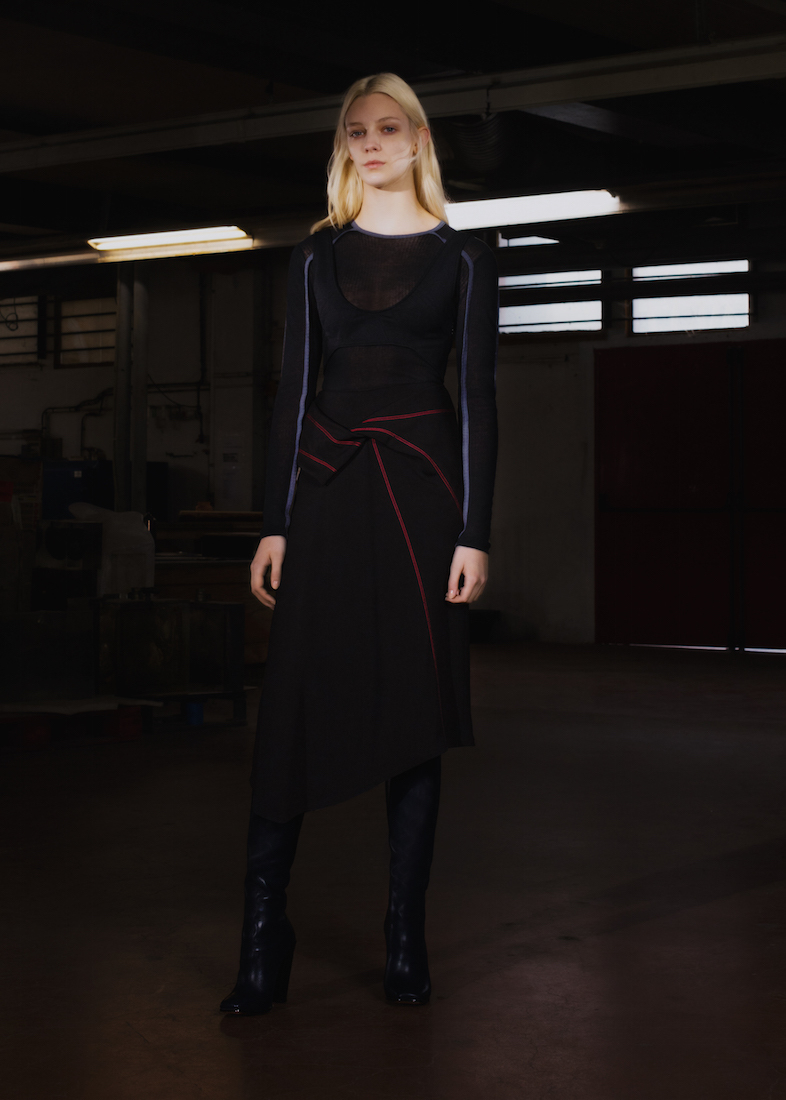
The first collection introduced Tron’s vision — of the city surfer girl from a futuristic planet that looks a lot like Paris. But the pieces also call to mind the clever construction of some of Nicolas Ghesquière’s most beloved Balenciaga collections. After time spent in the design studios at Louis Vuitton and Givenchy, Tron worked with Ghesquière at Balenciaga and still freelances at the house under Demna Gvasalia. “For Nicolas, it’s really about having an idea and pushing it and developing it further and further until it truly becomes something else,” he says. So, while Tron has dreams of growing Atlein into a legendary Parisian design house, he’s happy to stick with jersey for just now.
Why did this feel like the right time to start your own brand?
Working at Balenciaga allowed me to think about my own project, how I wanted to do it, and also to save up some money. I had worked with a jersey supplier, a factory in the east of France, and for me, it was a great way to start because I love working with jersey. I wanted to work especially with them. It’s a family-run business — now it’s the son, who’s almost 70 years old, who runs it.
What makes their jersey so wonderful?
More and more products are sourced abroad and fewer brands are doing “Made in France.” [This family] has a really special hand in their product, in terms of the quality and also how they interpret what the designer wants. It’s a collaboration. They also work with a lot of big brands — so people [in the industry] know who they are.

Why did you want to start with just one fabric?
I like the feel of jersey, I like how it drapes. And it’s easy. I want the girls who wear my line to be comfortable. Jersey can be a T-shirt or more refined. It’s a bit like knitwear, it’s more a category than one fabric. Also, I love Jean Muir, the designer from the 60s. She was super modern somehow. It feels right for now. So I really looked at what she did and I found some of her pieces in vintage stores, which were really inspiring.
She was very clear that her clothes should be functional. Was it her designs or her mentality that really inspired you?
It was the mentality. She really thought that a fashion business was a collaboration between industrial [manufacturing] and design. I also feel that — that it’s almost like making a furniture.
She was also so un-trend-based and consistent. How do you want to grow the line from here?
All the designers that I respect followed a similar outline. Whether it’s Rick Owens or Alaïa, they’re people who have consistency in their design, which gives the garments value beyond the season. It becomes something permanent.
Can you talk about the shapes you created for this collection?
I’m a very sporty person. I find a sensuality in sport — being in the body, being active — that I wanted to translate into the clothes. So it’s a mix between something that is more elegant and something athletic. I surf, which is something that you can see in the clothes as well. That simplicity of putting on a wetsuit and going out to sea.
Will you introduce new fabrics for fall?
For now, jersey. Then eventually we’ll incorporate other materials, but with the same guidelines, finding the right factory and so on. But I’m in no rush!
It’s amazing that you’ve worked at Balenciaga during three different regimes. What did that teach you about building and maintaining a brand?
Working in a big house is a very different job from working on your own brand. Working on your own, it’s about pure fashion. At a big brand, you design differently. I didn’t get to work that long with Nicolas, but the little I did was great. It’s a challenging design process, and that’s interesting.

How do you balance the two jobs now?
I practice yoga regularly! It just never stops. But that’s the way it is!
Credits
Text Alice Newell-Hanson
Images courtesy Atlein