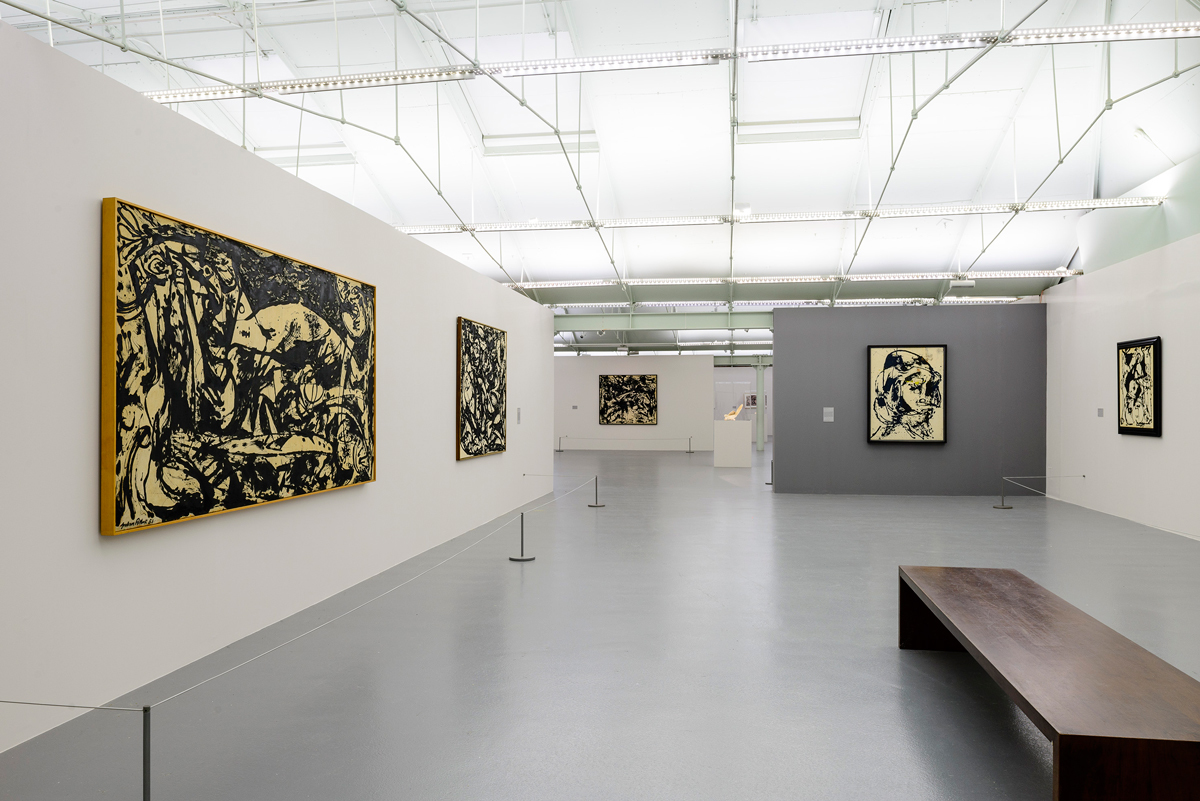
Having become known in the 40s for his colourful, all-over (the canvas) “action paintings”, Jackson Pollock’s work between 1950 and 1953 became indecipherable to many art lovers, curators and, latterly, art historians. Pollock’s new style, created from thinned black enamel paint poured, if not sparingly, then at least deliberately, over new absorbent Japanese paper, bemused the art world, and – with the exception of a few small exhibitions, decades ago – was left largely unconsidered and unexhibited.
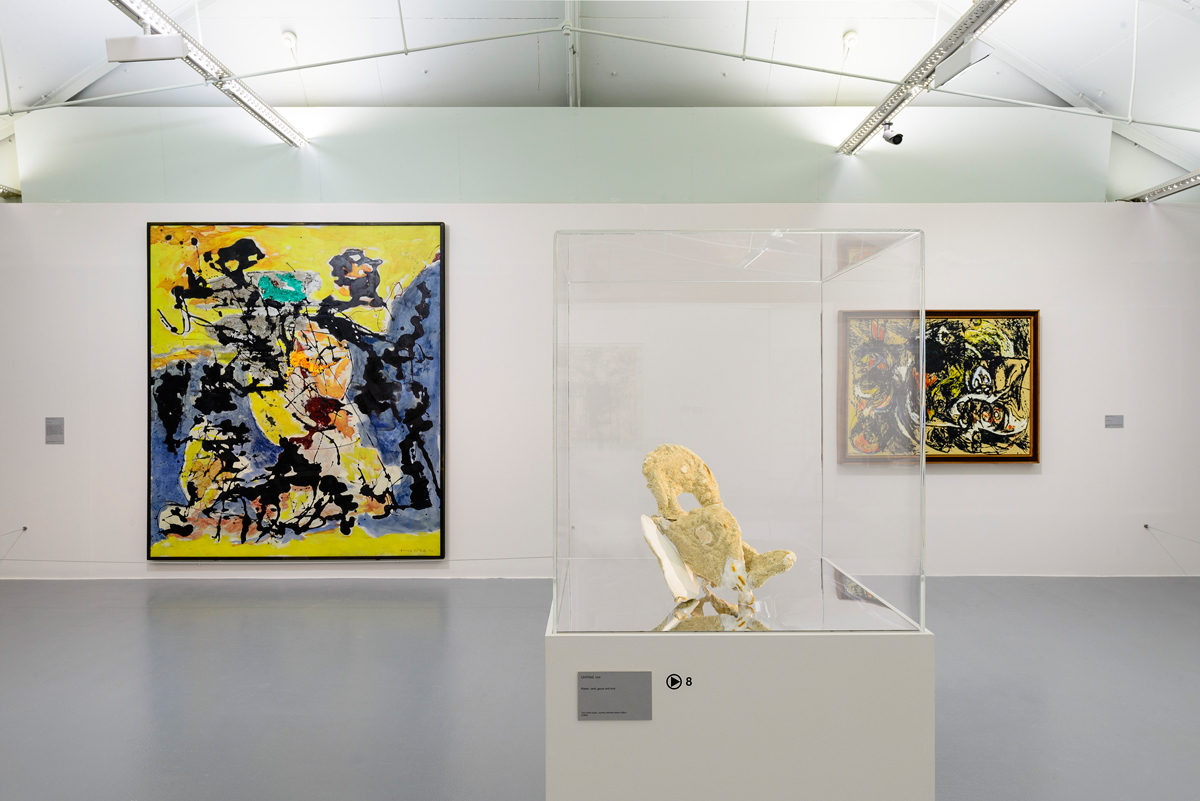
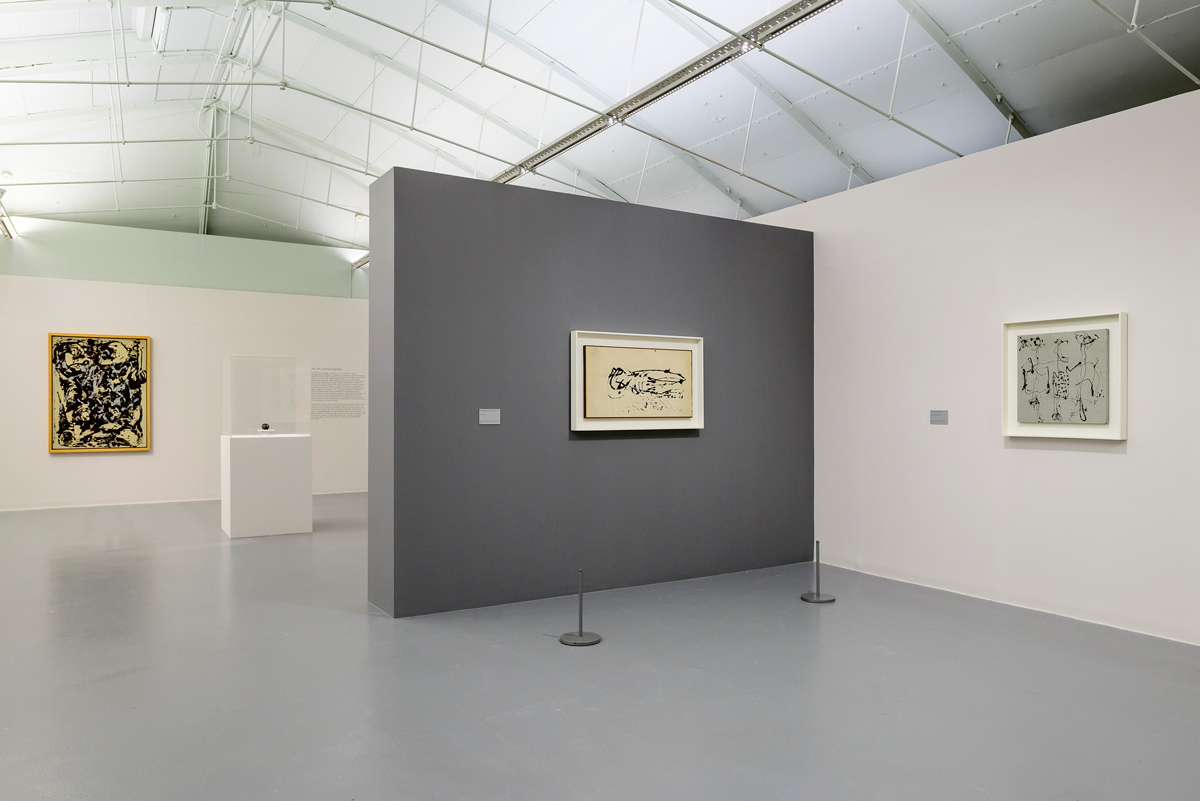
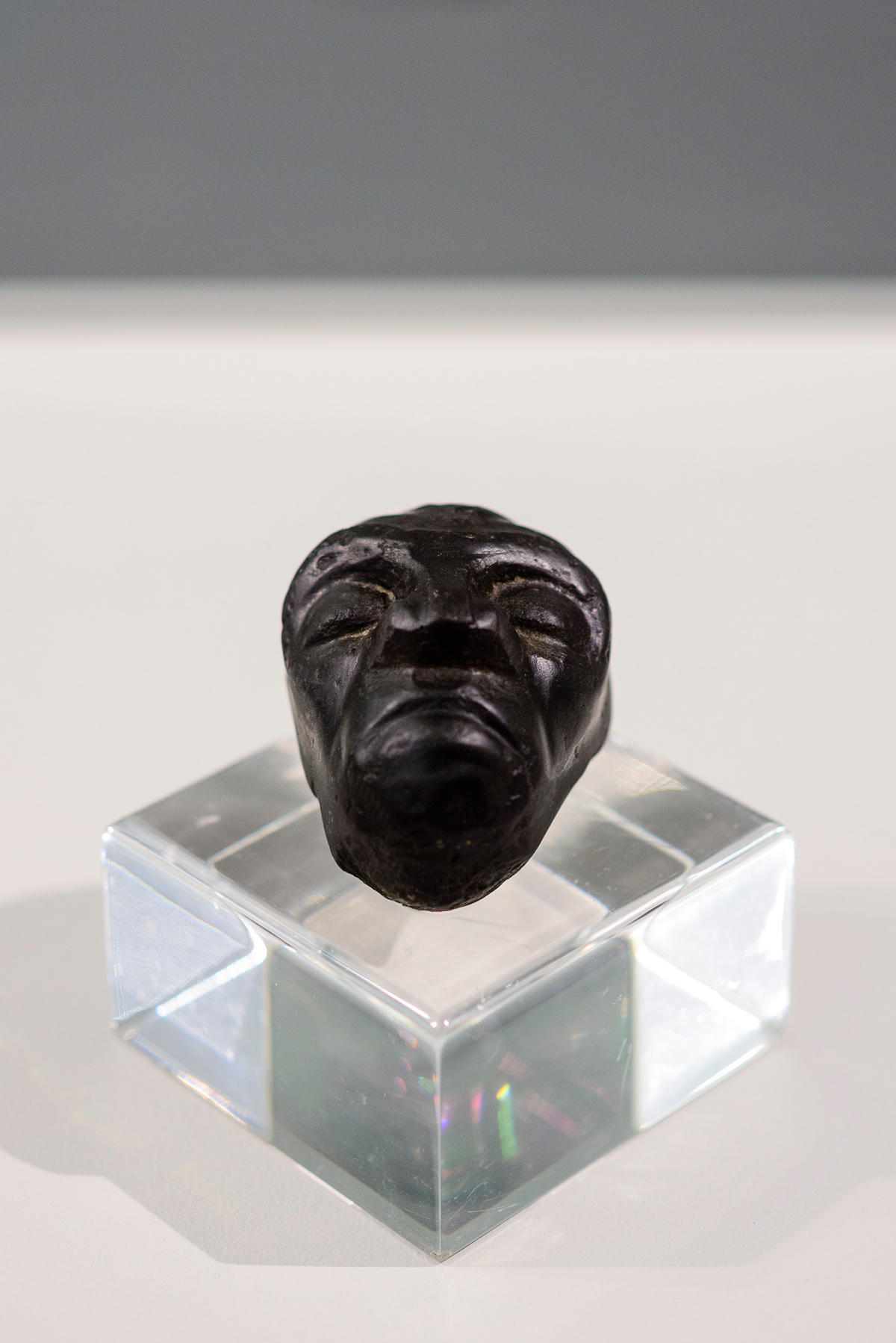
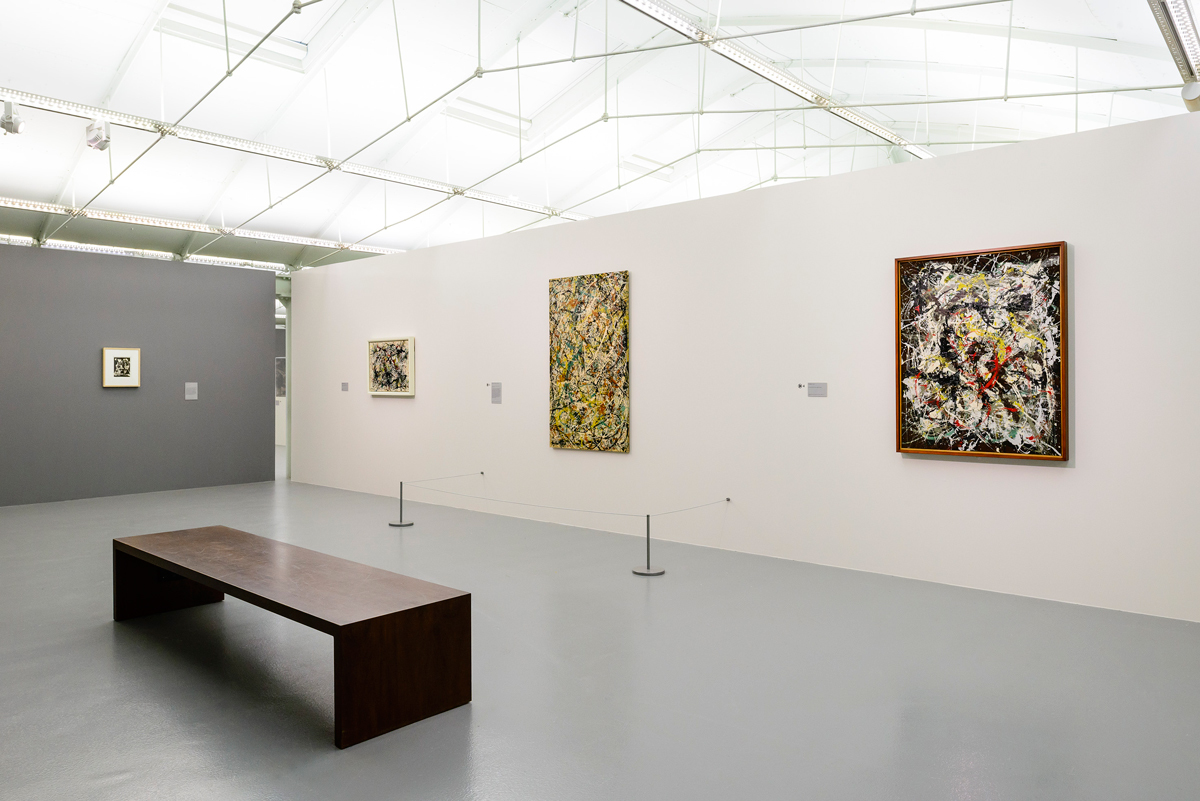
Jackson Pollock: Blind Spots (that’s the art world’s blind spots, not Pollock’s) is a new exhibition opening today at Tate Liverpool; bringing together an unprecedented number of the Black Paintings, alongside incredibly rare sculptures, the show presents an exciting new vantage point on the work of one of the most important and influential artists of the 20th Century.

Credits
Text Charlotte Gush
Images courtesy of Tate Liverpool