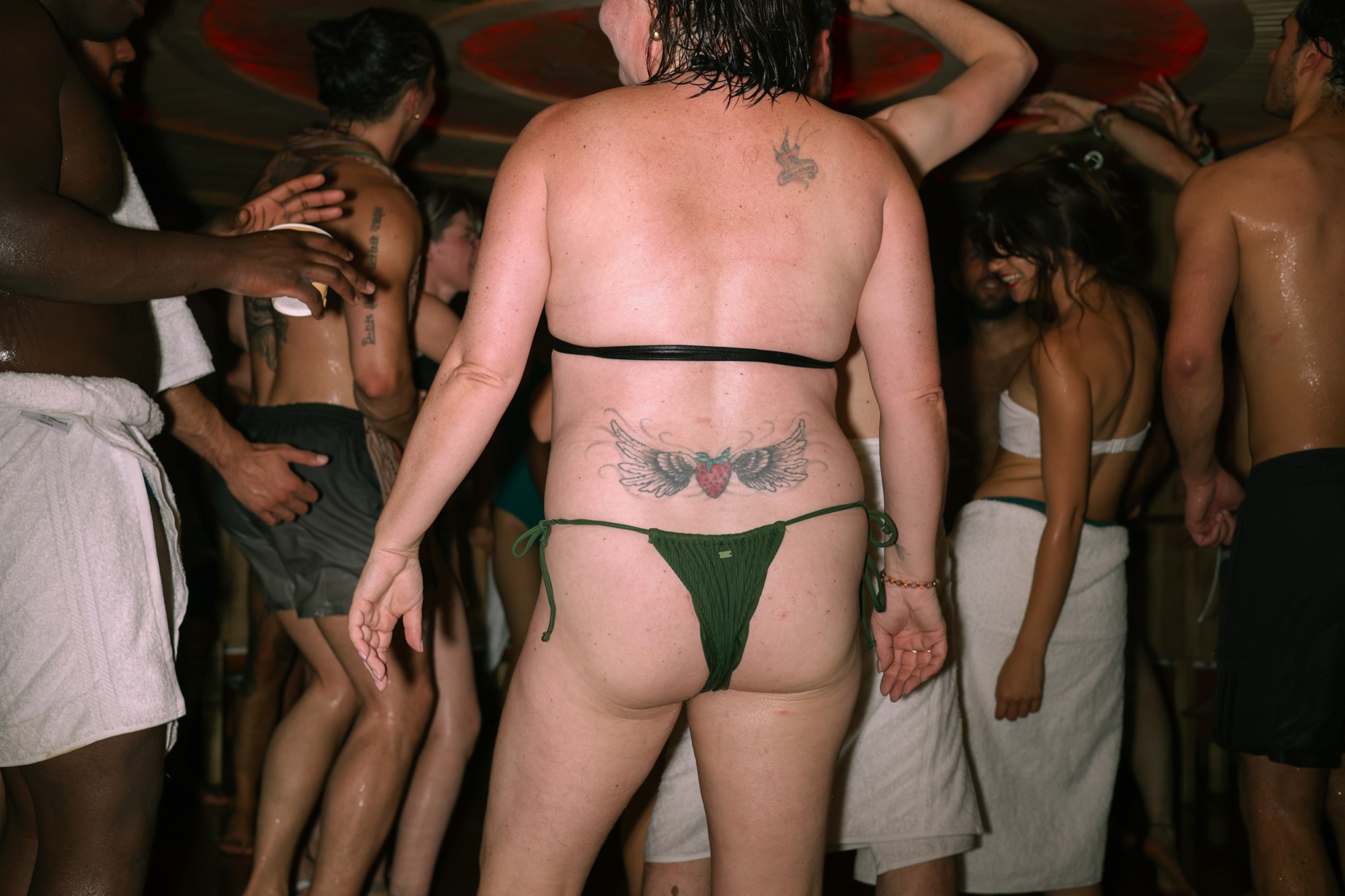
It is a truth universally acknowledged that the fewer clothes worn at a party, the more fun the party will be. In New York City, this is common lore. Since the pandemic, Big Apple parties have been nakeder than ever, with a growing number of steamy soirées taking place in bathhouses, saunas, and spas. Tech bros are starting their mornings dancing in saunas in Manhattan, literary circles are shvitzing at Wall Street Bath, while techno-heads are sweating it out Bacchanalian raves in Brooklyn banyas.
(Partial) nudity amps up that effervescent feeling of possibility inherent in all good nights out. So when I heard that The Sanctuary, an “experimental social wellness space,” was hosting its first sauna rave in East London, I knew I had to be there. The party was taking place in the basement of the Bethnal Green building, in the “sensorium”: a dimly lit “moon room”—decorated with blue swirly tiles, fitted with spaceship-like plunge pools, rain and cold mist showers—alongside a “sun room”—a pink-lit, 40-person circular sauna equipped with a heat-resilient audio system.
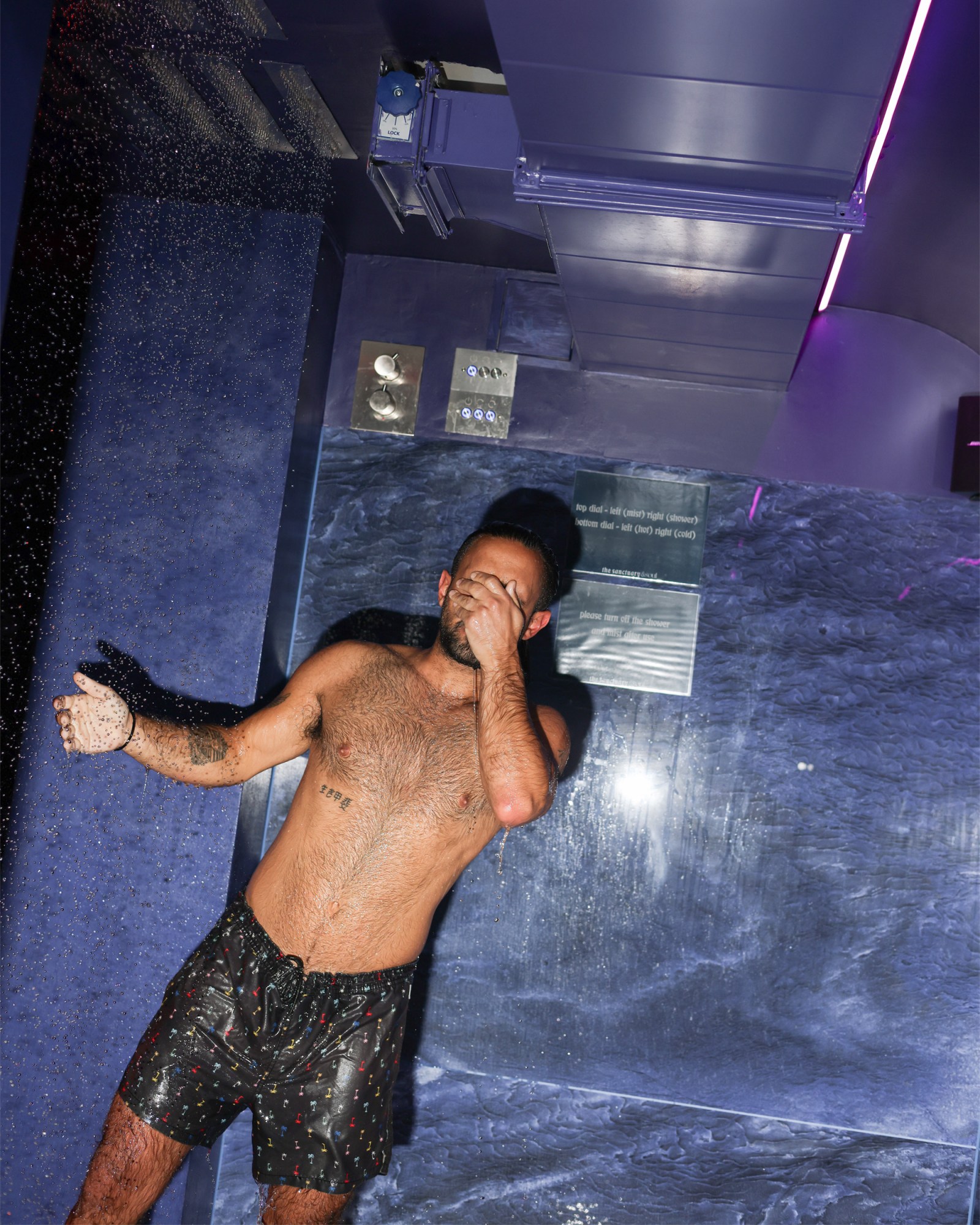
I arrive just past 8 p.m. and grab a glass of non-alcoholic prosecco (the event is strictly sober), downing it on the cold tiled surface next to the ice baths. Afterward, I wander into the sauna, where a DJ is sitting on a wooden stool next to the blazing sauna rocks, playing a house set.
“The idea of this sauna rave is really to explore and experiment with what’s possible in the space,” says community and culture director Zak Avery, who has shoulder-length brown hair, a smattering of silver piercings, and a woman’s face tattooed onto his back. Avery had his fingers crossed that the decks would survive the sweltering heat—he’d placed them on a low table, where temperatures were cooler, and he’d lowered the room temperature to around 50°C (122°F). While venues such as Social Sauna Club and ARC host DJs, this would be the first London sauna—to Avery’s knowledge and mine—to have DJs playing in the sauna itself.
If all went to plan, Avery was excited about the unifying power of a circular sauna dance floor. “There’s this difference between looking at the performer… to being in a circle,” he reflects. “There’s something that is less hierarchical. It’s more egalitarian… already we’re seeing magic in there.”

By 8:30 p.m., guests dressed in floral bikinis and garish trunks begin to fill the sauna, swaying their glistening bodies to the percussive beats. At one point, a trombonist steps into the red-lit room, blasting jazzy notes alongside the house tracks. The sweat-soaked, boogying crowd claps, grooves, and cheers.
I begin to feel unpleasantly hot and step into the moon room for some cool air. By the bar, I spot Reza Merchant, who co-founded The Sanctuary with Avery, glinting with sweat. “It’s ultimately about stimulating senses and making people feel like they’re transported into a different world,” he says of the sauna rave, as our “Naked and Aimless” 0% mezcal cocktails are placed on the counter. I take a sip: acerbic orangey lime expands into a smoky, barbeque-like aftertaste. “It’s like the holy grail,” he says. “It’s having a reset without being hungover the next day.”
As I mull this over, I order another Karmaceutical cocktail, opting for a “Sweet Flame.” The bartender, who is called Karma, warns me that this is their most “controversial” drink. The “Turbo Tonic Elixir” (mixed with 0% tequila, ginger, strawberry, jalapeño, and chipotle) can feel like cocaine. After reassuring me that yes, the tonic is safe to drink on SSRIs, I take a sip. It tastes like a spicy marshmallow—like the lovechild of a Tangfastic and a Picante.
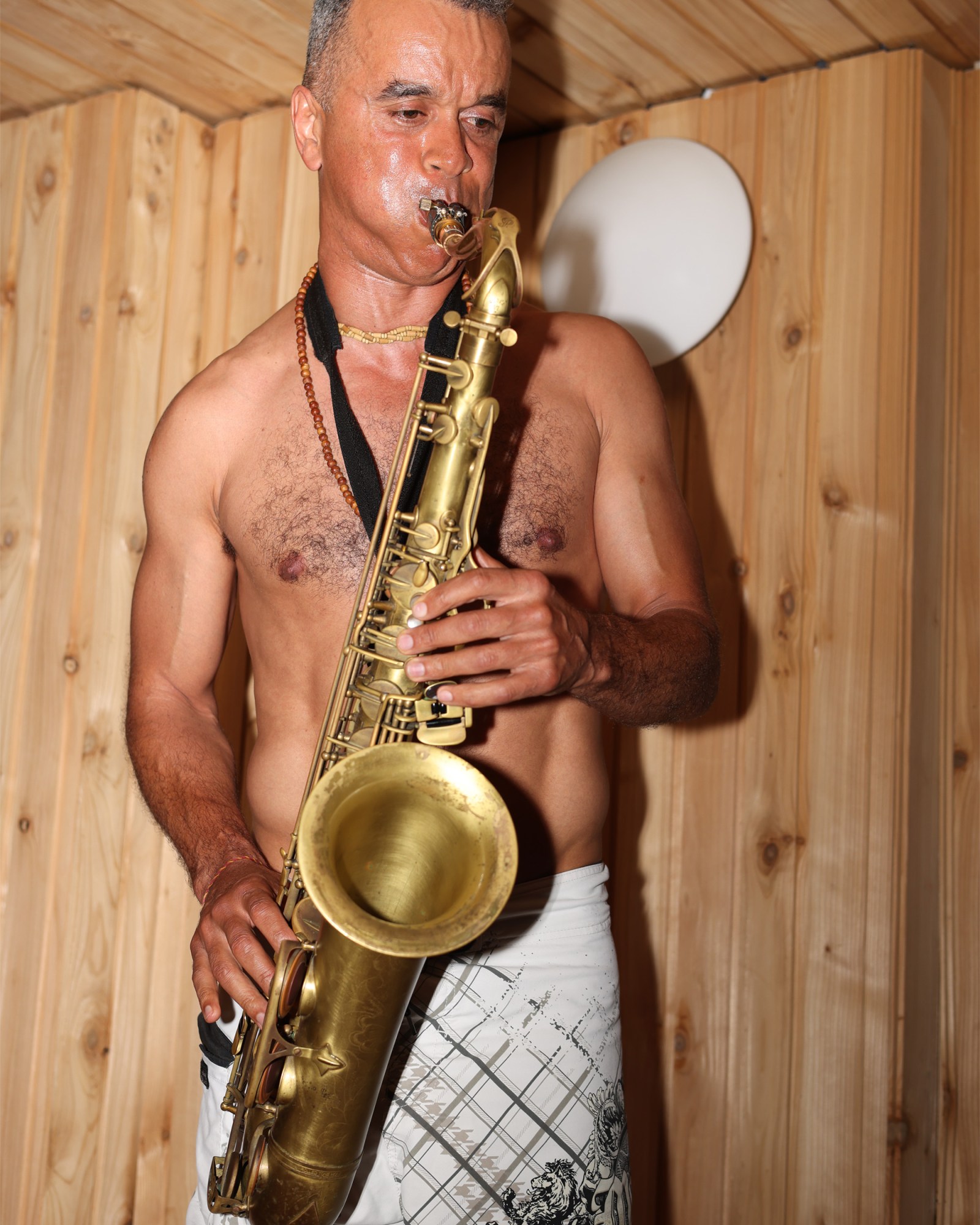
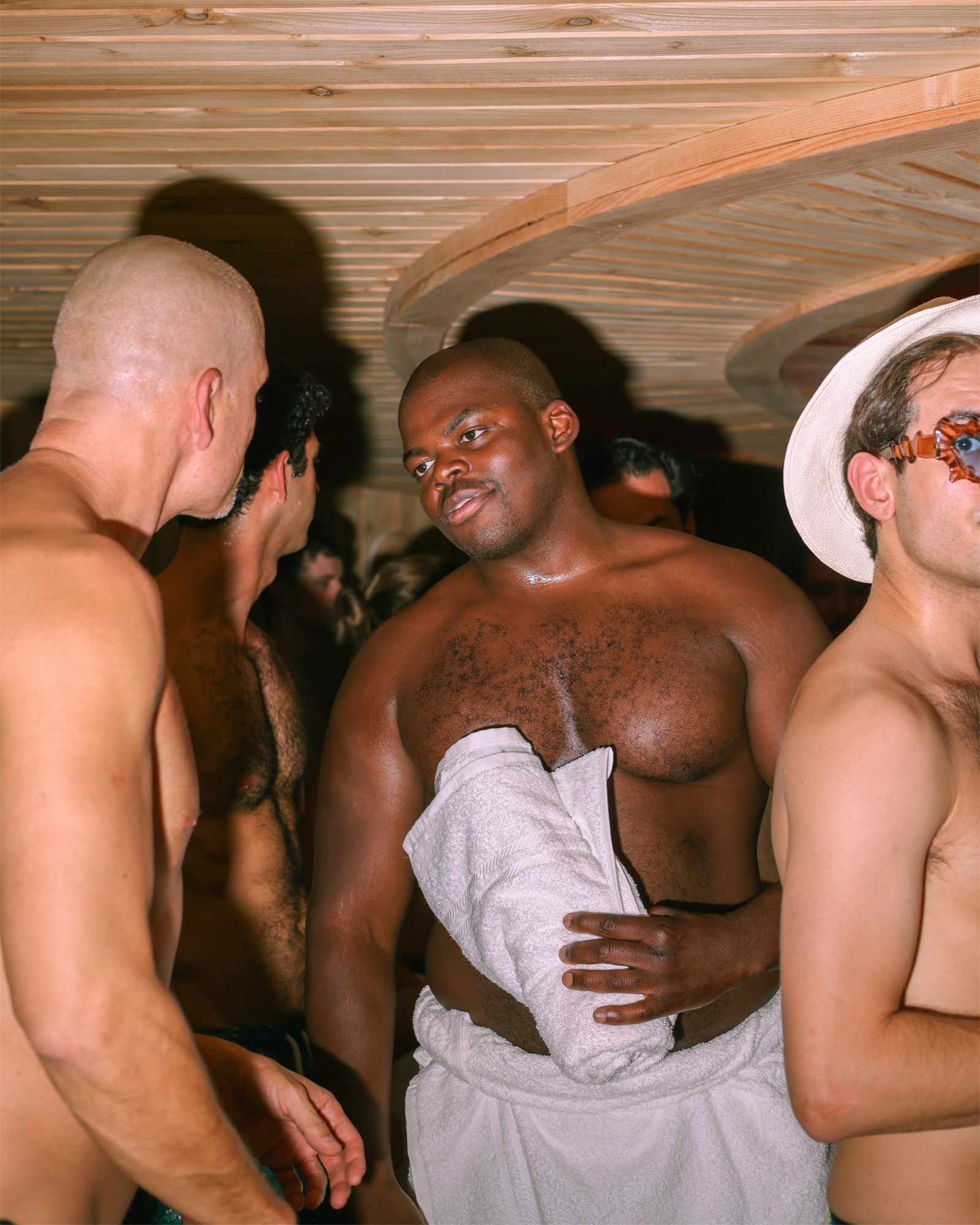

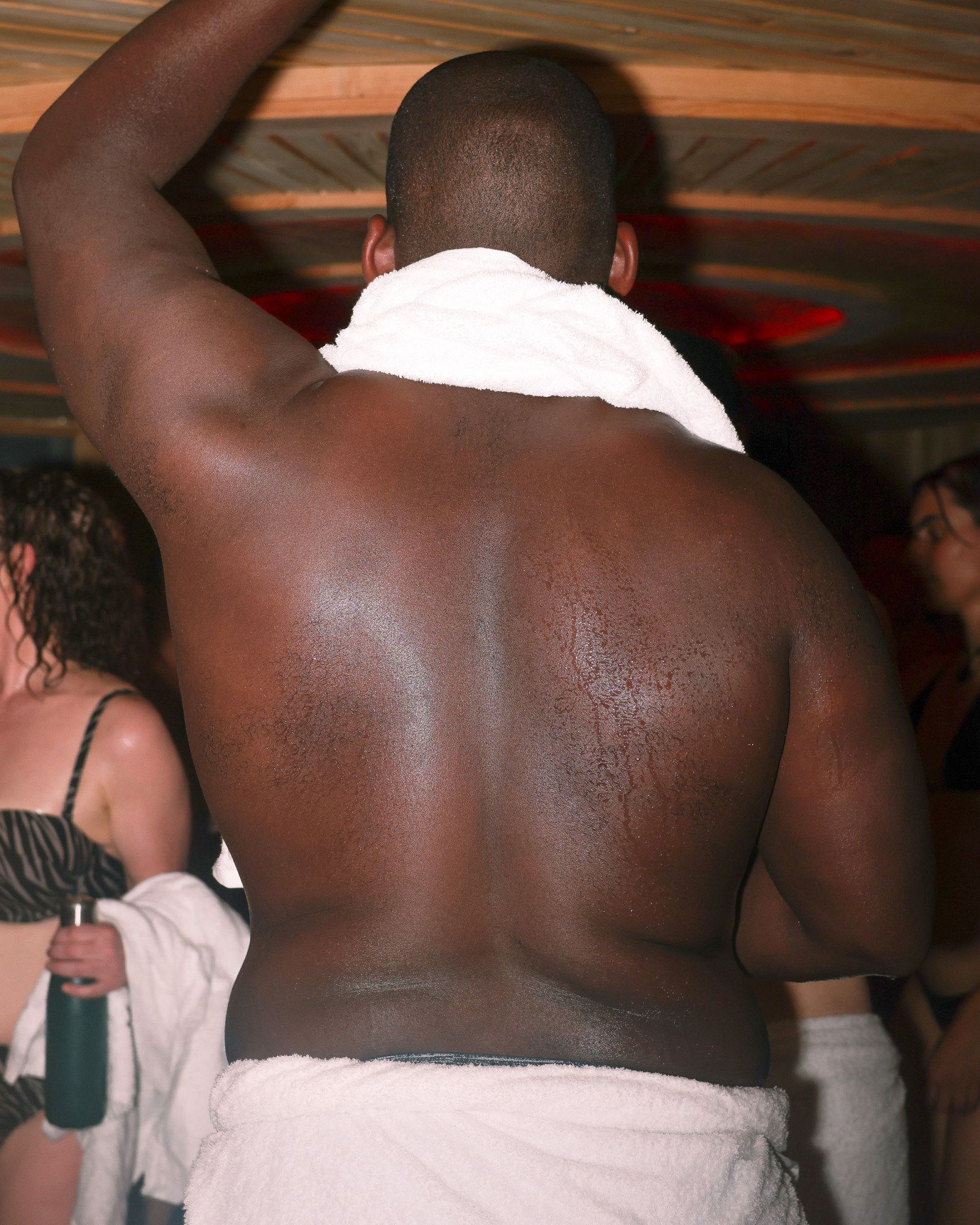
Feeling warm and tingly, I decide to have one more burst in the sauna. I walk past the cold plunges, where the trombonist is serenading the brave bathers, riffing off their spasmodic expressions (he’s reading their aura, he tells me as I pass by). Inside, the ravers have formed a circle and are clapping their hands, while a handful of dancers float around, eyes closed and trance-like. It feels a bit kumbaya for me, but Avery is definitely right about the sauna’s circular structure creating a communal atmosphere, (or, in his words, “moving away from competitive individualism and the march for materialistic technology into community”).
As I leave the party, I wonder whether we’d finally done it: found a way to be hedonistic without paying the price the next day. I stroll past Brick Lane’s Indian restaurants and bagel shops, three drinks in but feeling lucid. Could sauna raving recreate that inexplicable exhilaration of a night out—the build-up, the twists, the turns—without the booze? Maybe. Though, knowing Brits, I’m not holding my breath.