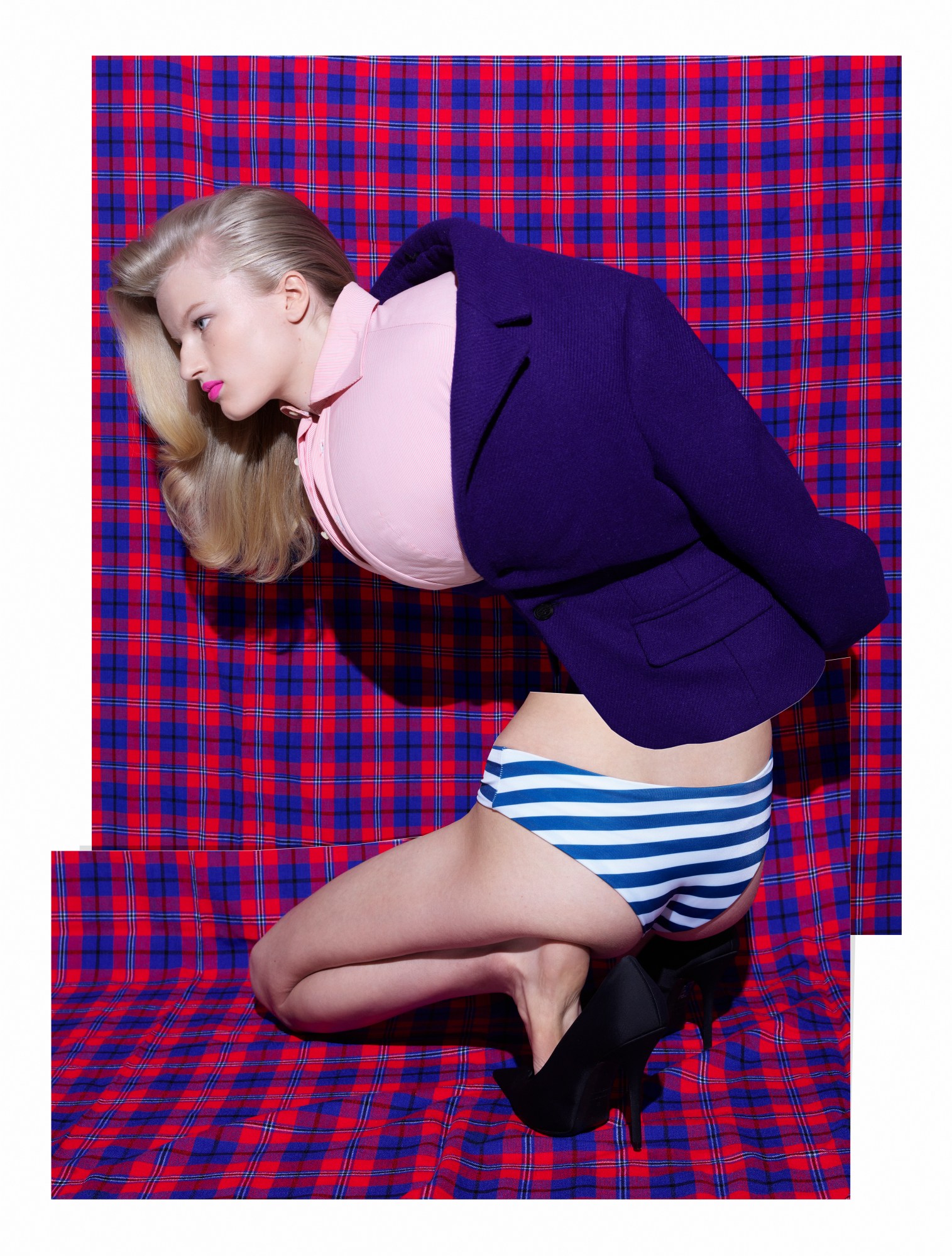
This story appears in i-D issue 375, on newsstands September 22. Sign up to the i-D newsletter to be the first to see the new issue.
written by STEFF YOTKA
photography VIVIANE SASSEN
styling LAETITIA GIMENEZ ADAM
Picture this: A white minidress, so crisp and so Cupertino white, cut in the most direct 1960s shape. Round neck. Hemline at the tippity top of thighs. And in the centre, across the stomach, a void. A perfect egg-like hole is gone, scooped out, and replaced by a screen that projects–live–what’s behind the wearer. You see a woman in this dress, such a proper dress in pure bridal white, and you see right through her.
Now picture this: A man in a denim jacket and jeans, medium wash American-blue denim, like James Dean in California, like Martin Sheen in Badlands, like Marky Mark in Calvins. He’s in profile as he walks past you, as it falls apart. His jeans are suspended on a metal belt that juts like daggers at his hipbones. The jeans have no back—there is his bare, pert ass. You see a man in this outfit, the picture of rugged masculinity, and then you see his soft, kinky parts.
I’ve got a couple more: An Alpine sweater, cosy, snowflake-patterned, but padded, and puffed up around the body like two life preservers fastened about the chest and groin, so the bare belly is exposed like the white of an Oreo. What about a red stunner of a dress so va-va-voom and curvaceous (even Jessica Rabbit’s own bosom and buttocks seem pumped into the dress) that it vibrates around the torso as the woman inside it walks? Or the Queen’s Barbour jacket—proper and unfuckable—except, my god, it’s cinched at the waist so constricted, so “her body tea,” and it’s worn by a man whose shoulders peak upwards past his ears, obscuring his face.
Now, Mica Argañaraz and Chandler Frye are on the runway. They’re wearing jeans. They’re both shirtless. Their faces are stoic and moisturised, no big hair, no wacky glam. Mica wears a fake chestpiece with rock-solid, six-pack abs. Chandler wears a fake chestpiece with buoyant E-cup breasts. Everybody has an opinion on the morality of the fake breasts, but nobody cares about Mica’s butch realness. Picture it. What do you think?
“I’m not trying to take the piss out of people.”
duran lantink
The man behind the mischief is the 38-year-old Dutch designer Duran Lantink. He first gained international interest during the pandemic when he presented a collection through drone cameras that every guest could operate remotely to watch his fall 2021 show. Since that viral moment, he’s produced upcycled collections, he’s won LVMH’s Karl Lagerfeld Prize, he’s rethought his entire design language to be about foam-padded pret-a-porter, and he’s moved to Paris with just a suitcase and a dream. That’s not all. He’s now been named the creative director of Jean Paul Gaultier—making the clever and charming Duran Lantink as integral and important to the fashion industry (and to France) as cheekiness itself.
To date, Lantink hasn’t done many interviews, and he hasn’t talked about himself much. He prefers the work, big-brained and bulbous, to speak for itself. This is to the ire of many fashion journalists, who feel everything must be explained on paper, as though the act of getting dressed isn’t a romantic and sensual ritual that, if done correctly, defies clear and mundane explanations.
“We are in a time where we need lightness, and we need this escapism from what is going on in our daily lives.”
duran lantink
When Lantink arrived at his post as Paris’ High Priest of Provocation, I sent an all-caps email to his publicist (six exclamation points) saying, “I gotta meet this guy!” And we met a couple months later in Paris.
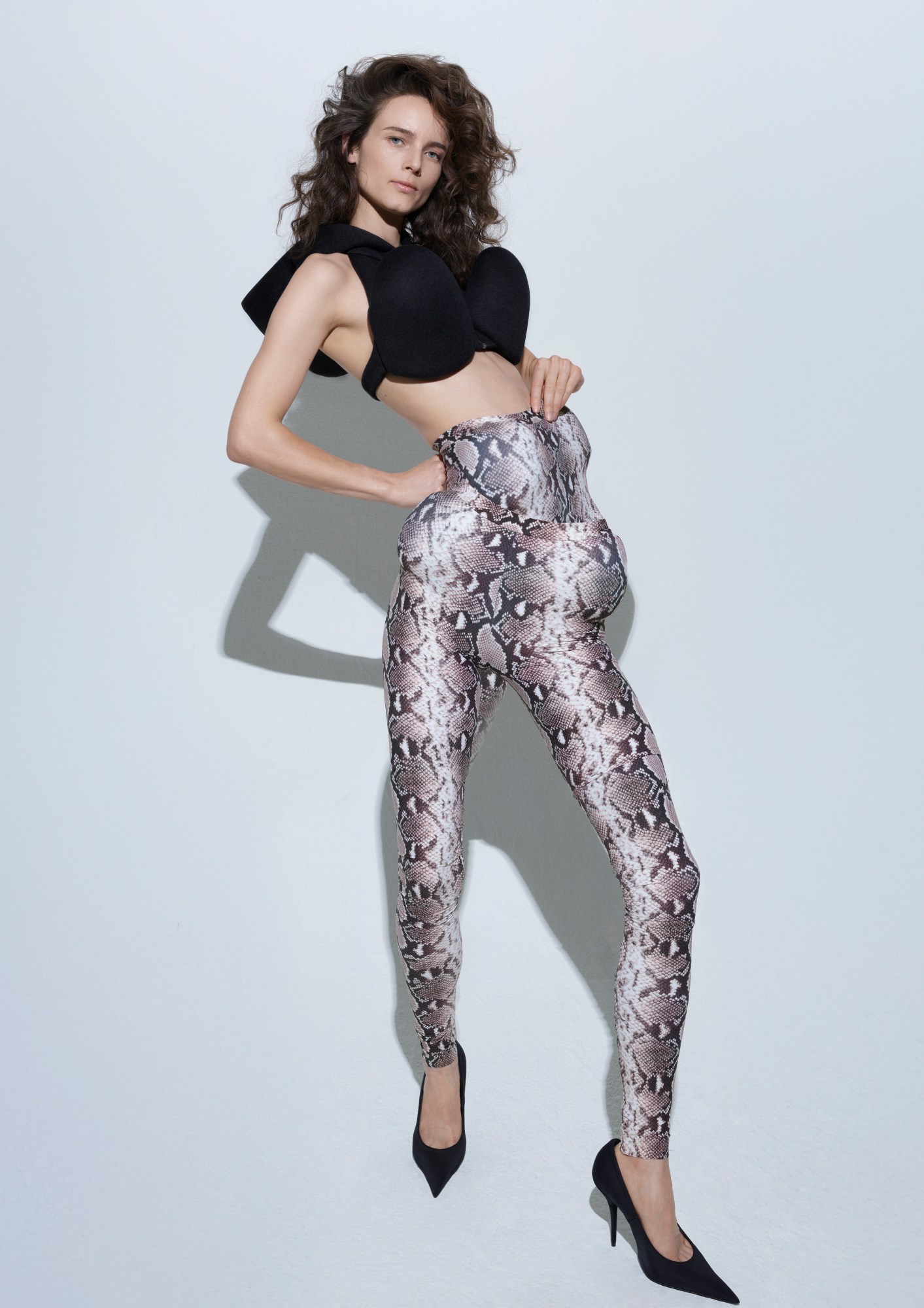
Picture it: Two people in their regular spring clothes in the back room of a traditional Parisian office with ivory crown mouldings. They are surrounded by escaped zoo animals: A snake-print bodysuit with a conical collar and built-in hipbones struggles on its hanger. Metal belts with camouflage and tartan pleats dance crammed on racks. Foam hats that look like buttons or nipples stand at attention on a shelf. A hand-knit cable knit dress with exploded cables that wind around the body like the rings of Saturn is on a mannequin across from us, staring us down. So many ways to transform our bodies against the world’s perception of us, and yet we’re sitting here in pants with two legs.
“I’m not trying to take the piss out of people, you know what I mean?” Lantink says, smiling, as he takes stock of our situation in this room of magical beings. “Maybe I am doing that, but it’s not with the intention of, ‘Ha, ha, look at you being normal.’ It’s more about my mind and a world that I find interesting. There is obviously a lightness to it. We are in a time where we need lightness, and we need this escapism from what is going on in our daily lives. You should find yourself surrounded by things that feel like a different proposal—a different way of looking at life.”
We get up and put some of those hats on our heads, smiling. Take a selfie in the mirror. Paw at the super-stuffed, white button-down. “I hate it when people say the bubble shirt is funny,” Duran says smiling. “It’s not. It’s fucking nice. It’s not funny at all.”
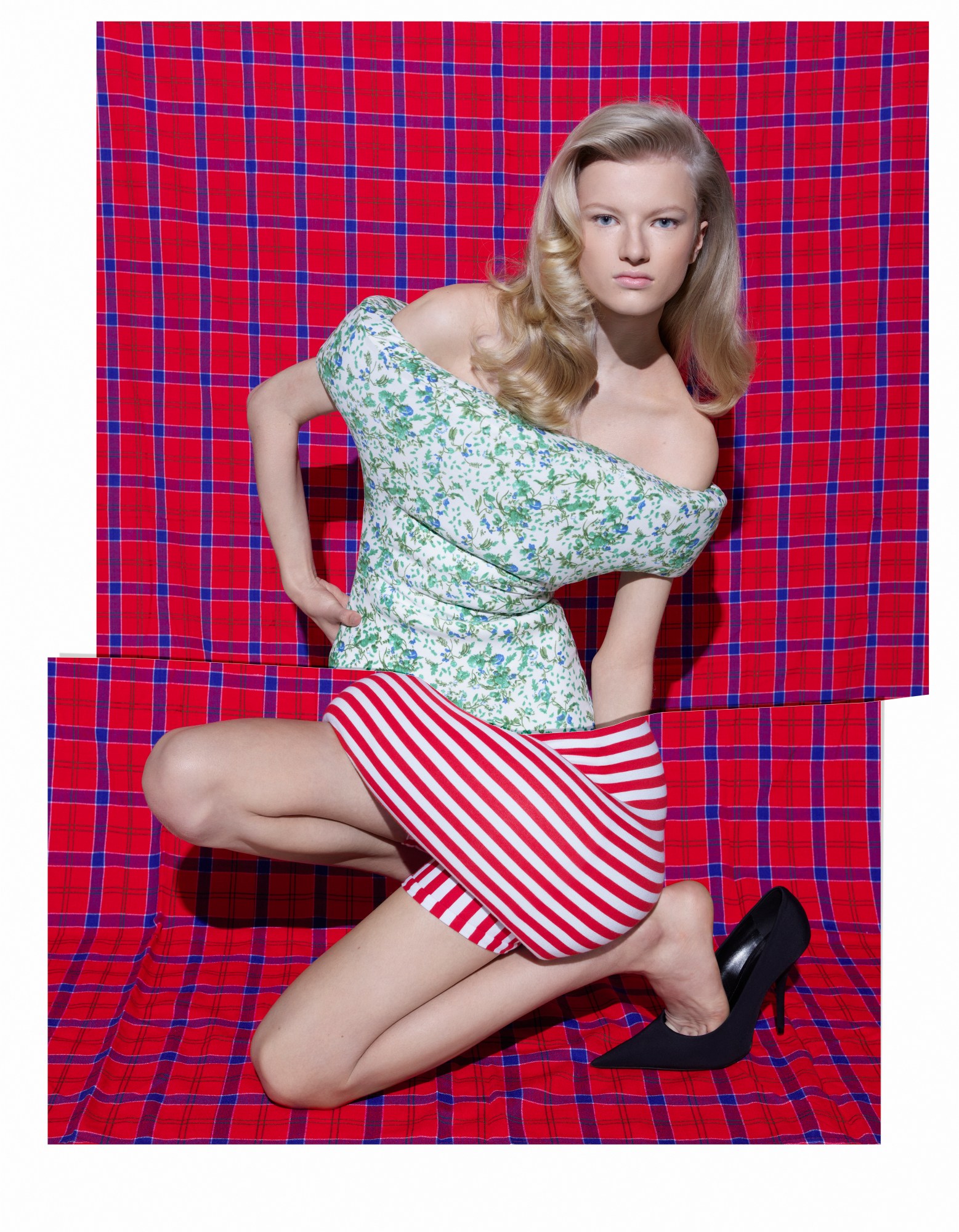
Duran Lantink had his first fashion show at age 14. “We had this mini fashion show on the beach in The Hague,” he remembers. His friends modelled his repurposed wares. “I cut my stepdad’s Diesel jeans. I would do pleats with my grandma’s tablecloth. I think it was my biggest commercial success until now—it went really crazy. We created 50 skirts or something.” All 50 sold out at Roppa, a “kind of Cyber Dog” fashion shop in the Netherlands. After that, Duran was sure he’d made it. “I was like, ‘Mum, I’m not going back to school. I’m a designer now,’” he laughs. “She was like, ‘Well, fuck that. You’re going back to school.’ Those were hardcore times, high school.”
Lantink was raised by a single mother—his father died when Duran was just six months old—in the beachy lowlands of The Hague. His mum was still in her 20s when Duran was born, and through her, he was introduced not only to fashion but to glamour. “She’s quite fab,” Lantink says, recalling her bright and exuberant ’90s outfits. “She would go out on the weekends. There was always dress up and there were always people coming in—there was always House music on or Massive Attack playing.”
His sense of adventurousness—both in life and in fashion—came from his family giving him the freedom to experiment and be himself. By 11 years old, he already had pierced ears and a pink mohawk. “They’ve always been very supportive,” he says. “They’ve never said I had to be a doctor. Imagine? The bodies would be kind of Edward Scissorhands,” he laughs.
“Why is this even shocking?”
duran lantink
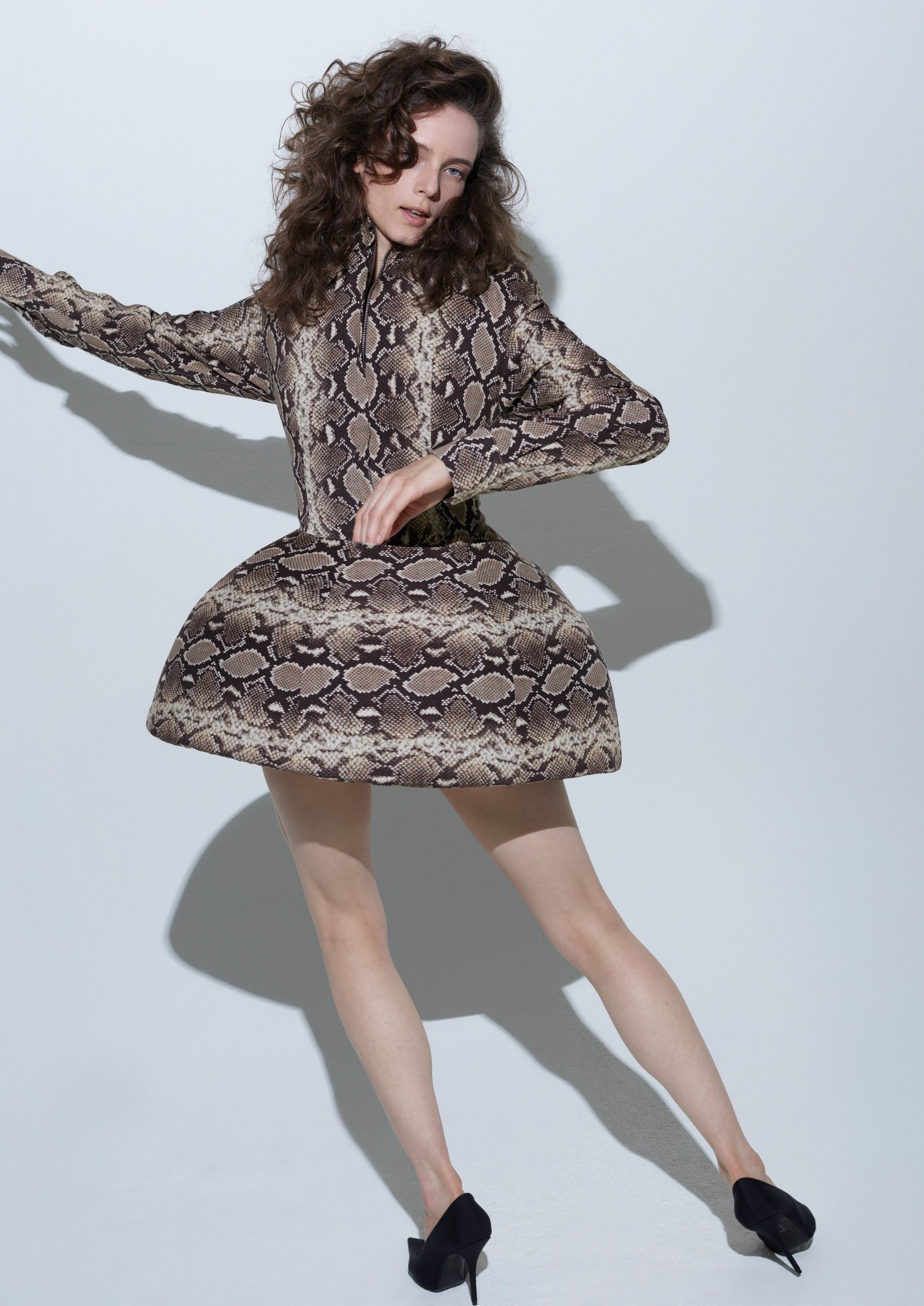
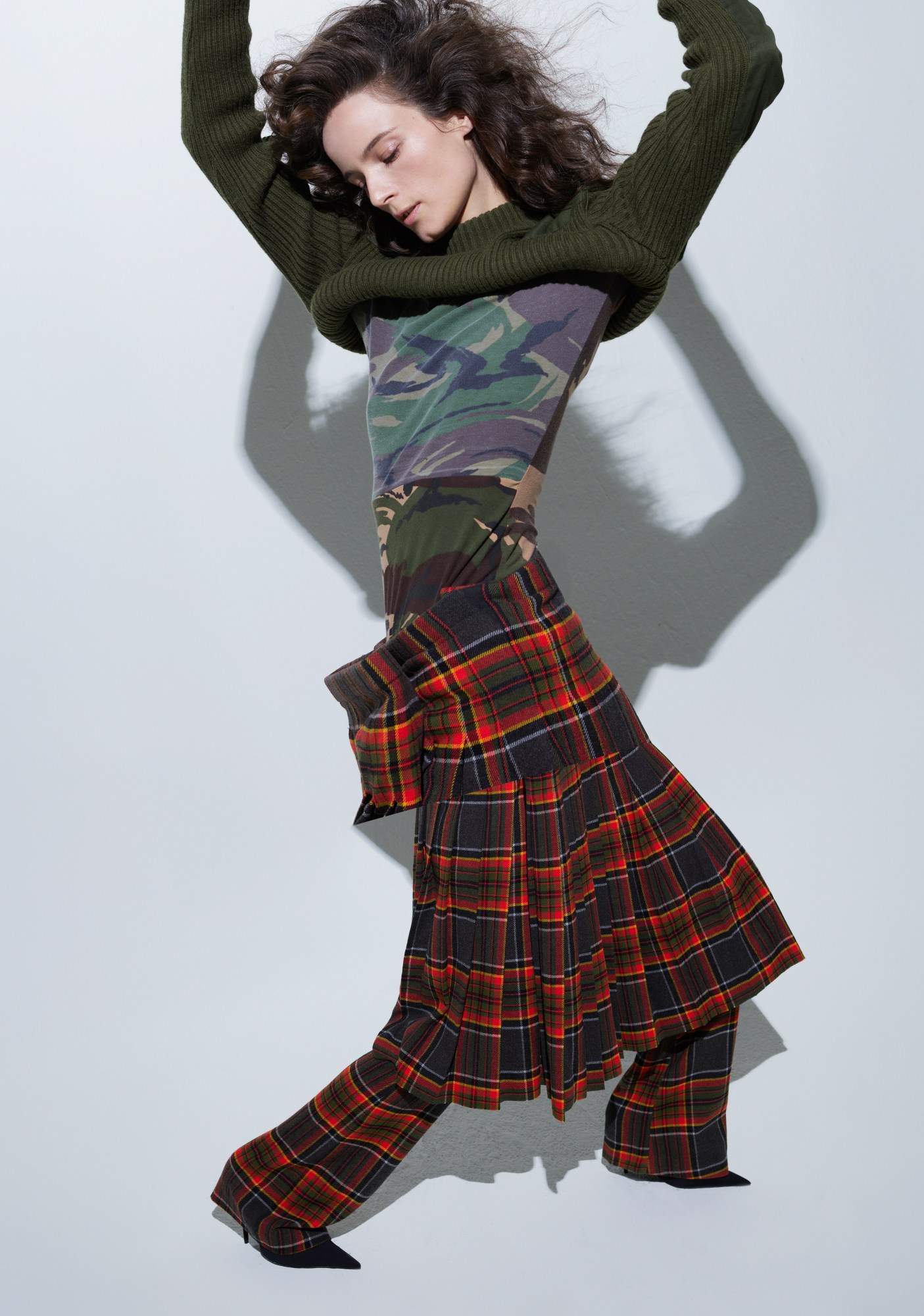
Lantink’s family let him channel that energy into the design program at Gerrit Rietveld Academie, where he received his bachelor’s degree, and the Sandberg Instituut, where he received his master’s. In the midst of idolising Walter Van Beirendonck and Jean Paul Gaultier, Lantink was producing and selling his own clothes.
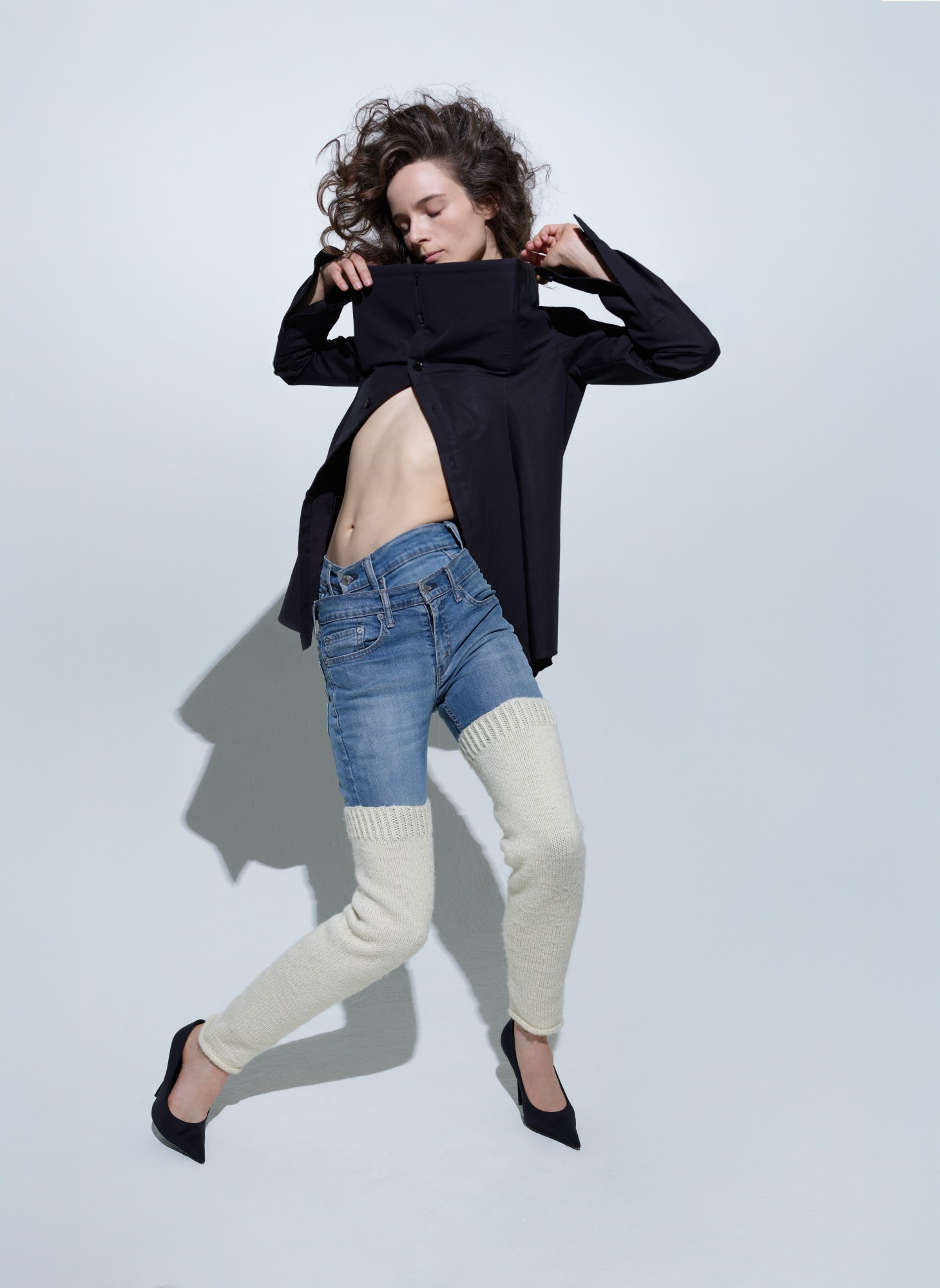
It was the mid-2010s, and with the success of e-commerce, many local stores in the Netherlands were shuttering. He called Van Ravenstein, a local boutique that sold designer goods from Maison Martin Margiela, Balenciaga, Raf Simons, and more, with a proposition: “Would you allow me to select a few pieces that you haven’t sold, completely mash them up together, and then restock them?” The owner agreed, and so Lantink and his small studio chopped into some of the decade’s most historic garments. “The Nicolas Ghesquière Balenciaga pieces, those were the hardest ones to cut up,” he remembers. “That was the beginning of my idea to mash up all these different brands to help prevent it from going to an outlet store or to a landfill.”
The pieces sold out—and Lantink kept mashing. His collaged pieces became so recognizable in the Netherlands that he was chosen to participate in an international display of young designers.
Around that time, Lantink took a detour to South Africa, working with his friend the photographer Jan Hoek and local trans collective SistaazHood. Lantink produced clothing with the group and Hoek photographed them. They held a fashion show in the Netherlands and created a photo book, with all proceeds going to the collective. “We gave them all the money to do whatever they wanted,” Lantink says. Creatively, he found that the members were working in a way similar to him, “with taping and safety pins—and then we created amazing outfits.”
Then came his drone show for Fall 2021. “I heard about his drone show during Covid and loved it,” recalls Lucien Pagès, the master of Parisian PR and Lantink’s representative, “Jonathan [Ros], who works closely with me, persuaded me that we had to do Duran’s first show.”
So in 2022, the firm that reps Versace and Sacai took on a Dutch upstart. “I was stressed about adding another show to our list that season, and it was a challenge to be off [the official Paris Fashion Week] calendar,” recalls Pagès, but they got him a space and invited all their best contacts, from Vogue to The New York Times. The show, for Fall 2023, got rave reviews. “His work brings me to the essence of why I love fashion,” Pagès says. “He really works on the clothes, proposes new shapes, and incredible ideas—it’s rare now to be amazed by new clothes.”
More and more people became amazed by Duran Lantink. Andrew Bolton, the chief curator of the Costume Institute at the Metropolitan Museum of Art, perked up at the sight of a young designer with new ideas about sustainability and silhouette, acquiring a bustier made from old Louis Vuitton bags for the museum’s permanent collection. “I thought it was such a bold move for Andrew to select that dress,” says Lantink of his hijacked logos.
Bolton remains enthralled by Lantink’s ethos, hoping to acquire even more items for the museum’s collection. “I find him really exciting,” Bolton tells me. “He is making radical statements, human statements, about how we go beyond the confines of the physical body, the constraints of the social body, and the values and heteronormative conventions that are placed on the body. … He is also engaging with issues of sexuality, issues of gender, issues of race.”
“He makes you question ‘What is going on?’ in the best possible way,” says Nick Tran, the head of merchandising and buying at Dover Street Market Paris, where Lantink has been stocked since the store’s opening in 2024. “The clothing itself is conceptual, refined, daring, and technically difficult while being relatively straightforward; something you’re familiar with but at the same time feels alien.”
That surreal tension isn’t just for show—it’s made Lantink a career, as well as a long list of clients. “Duran’s padded denim hot pants sold incredibly well, we had to rush order more,” says Tran. “The rounded padded denim jacket and shirts were sold to the most interesting characters, including a fashion archivist. I think that speaks to the potential that people see in Duran’s work.”
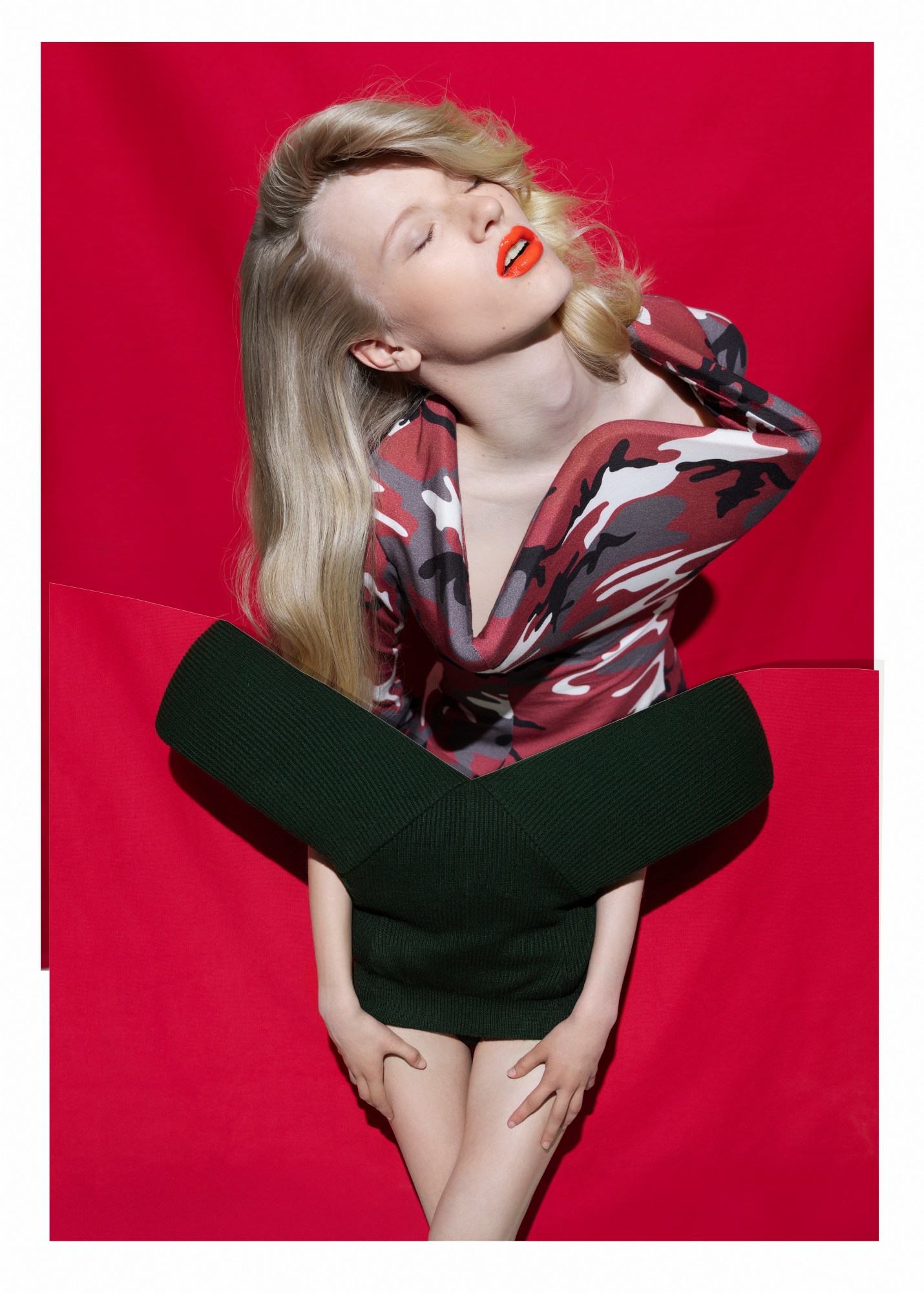
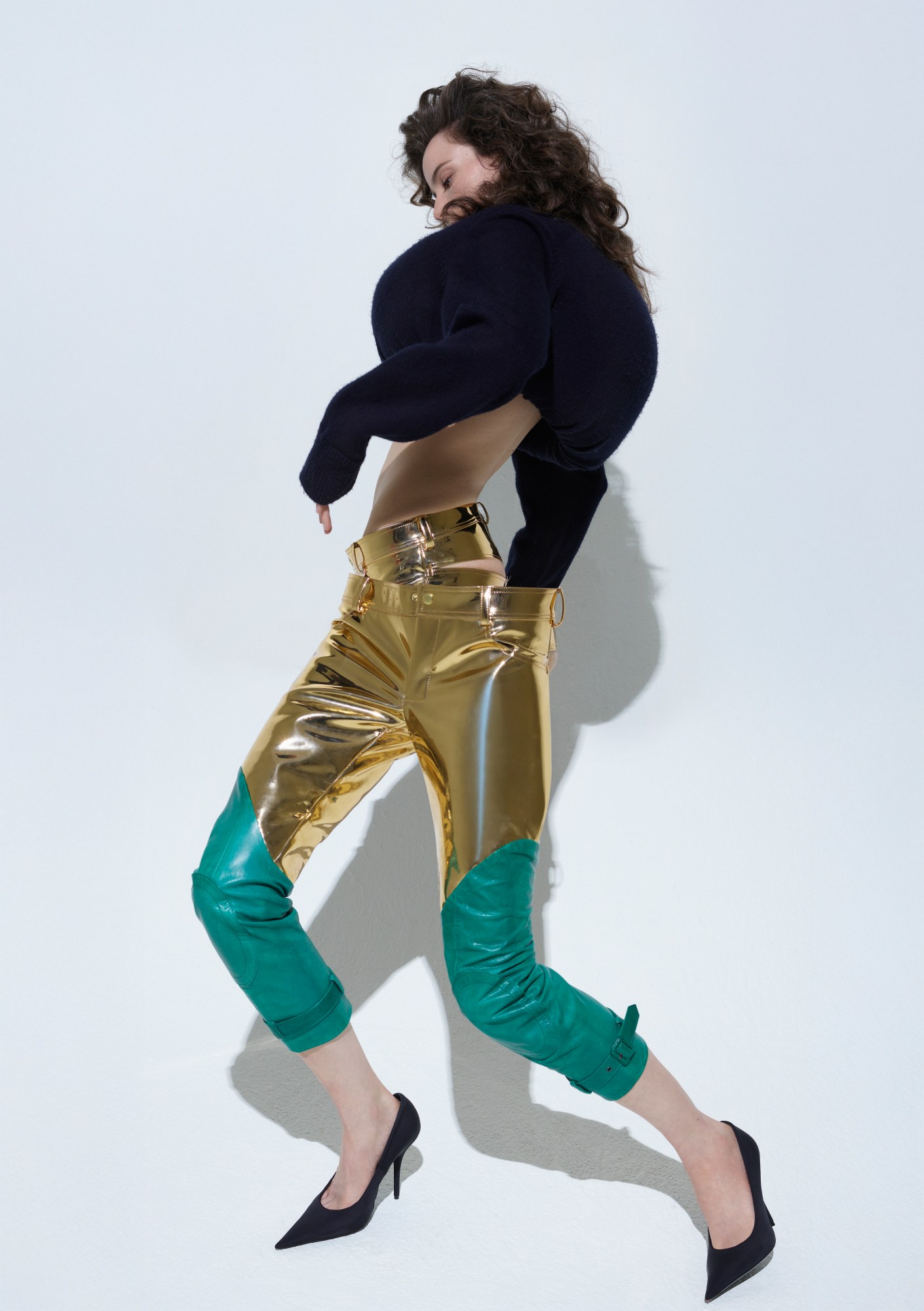
Which brings us to the present day—almost. Around 2023, Lantink noticed that collaging garments together was gaining steam across the industry. “I was like, ‘Oh, fuck. I need to move away from it, don’t I?’” he remembers thinking, “But I was still very much interested in repurposing.” His solution was to “actually change the silhouette of a traditional clothing piece—that’s how it all blew up.”
Using the computer to morph and sketch, Lantink and his studio max out proportions and then create them in foam, adding the garment over the padding like a skin over an avatar. The process is painstaking, but rewarding, with the team “having very serious conversations about shape and trying to find something really beautiful.”
“People started saying I was changing the body, which obviously happens when you wear a clothing piece, but, very naively, that was never the starting point,” Lantink explains. “It was more about changing clothes that I am obsessed with. Only recently did I think of changing the body.”
Now we’re talking about the present, about his Fall 2025 show with Mica’s chestpiece and Chandler’s jiggling breastplate. “It was a bit of a commentary on reporters saying that I’m changing bodies,” he says a little deviously, “I’m going to take that to a very first degree. And if you put Mica in a male torso, you need to put an anatomically male body in a breast plate.”
The appearance of a blonde, white male in synthetic breasts sent both conservative and free thinkers over the edge. Some thought it was a joke on women. Others thought it was a joke on the trans body. Even more just thought it was wrong. Chandler Frye, the model in the breasts, thought it was fun. “There was a whimsical feeling to closing the show wearing the breasts,” Frye tells me, “A feeling that didn’t exist in my first look, where the masculine met some form of light and playful femininity.”
“Why is this even shocking?” deadpans Lantink. “Are we really there? Especially in the fashion community. The interesting thing is, would it have been okay if Chandler was in a wig, with makeup, a skirt, and a top because it becomes drag in a traditional way? Why is drag not possible just natural––short hair, pants, and a pair of boobs? That’s an amazing look.”
The alternative: In the United States, there is the hyperfemininity of the Fox News anchorwoman and the quiet luxury snoozefest of minimalist doyennes. Neither is that compelling, or unique. “I find this a very dangerous moment we’re living in, where we are hyping up this normalcy, this is norm-core. It’s very conservative,” Lantink says. “We’re normalising and we’re even fetishising conservatism. I find that really dangerous because we are definitely at a point in time where we should go against those values.”
Then there’s the future—the scariest part of being Duran Lantink because it’s the part where he stops. The Duran Lantink brand is on pause as he takes on Jean Paul Gaultier. No more runway shows, no more products, no more boobs. It’s not goodbye forever, just for now. “I will have my own brand again because it’s too important for me. It’s been a lifelong journey,” he says. He just arrived in Paris, and will stick around for a while. “I literally packed one suitcase and never went back,” he shrugs. “It’s really crazy. But it’s really important for me to keep that same energy and not change that too much”
Picture this: The year 2045. Imagine the outfit you wear to provoke and challenge and revel—it’s beyond your wildest dreams. It’s probably by Duran Lantink.
In the lead image Aniek wears JACKET DURAN LANTINK FALL 2025, TOP DURAN LANTINK SPRING 2025, BRIEFS DURAN LANTINK
models ANIEK PIETERSMA & ANNA DE RIJKA AT PLATFORM AGENCY
hair HESTER WERNERT USING AUTHENTIC BEAUTY CONCEPT & UKYSAH AT BALLSAAL ARTIST MANAGEMENT
makeup MATHIAS VAN HOOFF USING SUQQU EUROPE AT LGA MANAGEMENT
casting PIOTR CHAMIER
digital technician MATTHEW MIZIOLEK
styling assistant GIJS TAHER
production WE FOLK
producer AMY GALLAGHER
post production JAN HIBMA
location STUDIO 8 AMSTERDAM