This story appears in i-D issue 375, on newsstands September 22. Sign up to the i-D newsletter to be the first to see the new issue.
written by ALEX KESSLER
photography RICHARD KERN
styling CLARE BYRNE
You know the dress: jewel-toned, poofy, proper. A satin glove. A ribboned waist. Maybe the faint suggestion it was paid for by Daddy Warbucks, fresh off a shareholders’ call. It’s a look that once signalled conformity (yes, Daddy!), whispered wealth (please, Papa!)—and, let’s be honest, screamed whiteness. Its femininity was crisp. Its politics, crusty. But now, something’s shifting.
After a decade of normcore, streetwear, and pandemic-era loungewear, when the highest status symbol was looking like you didn’t try at all, it suddenly feels like a flex to be overdressed. Wearing an organza bolero to brunch isn’t embarrassing. It’s subversive. Satin mules with Ed Hardy jeans? That’s not irony; it’s power dressing.
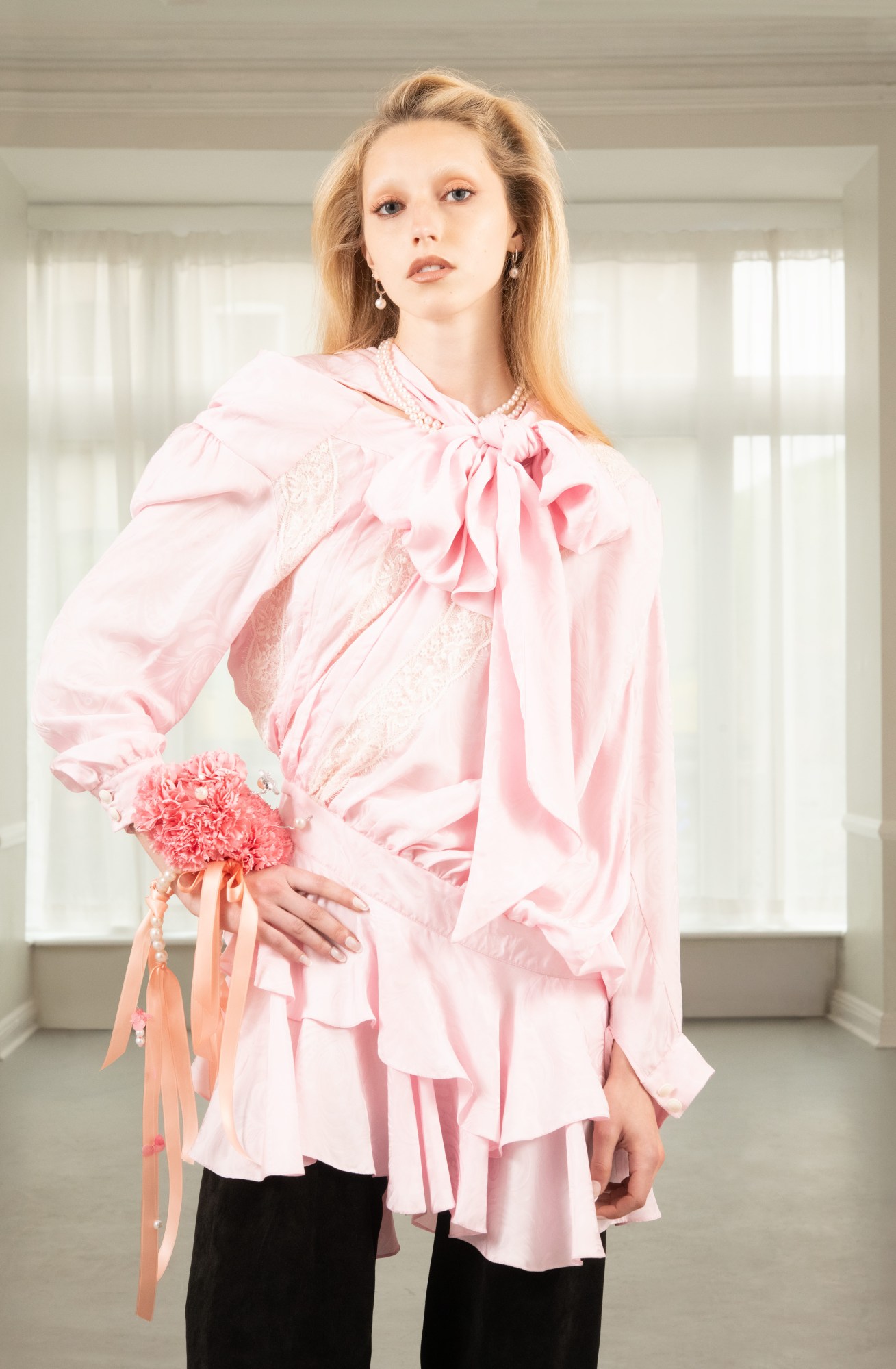
A new generation is wielding the most traditional of formal codes and freaking them. Stylists, designers, and It girls are embracing the lace and pearls, the hemlines and heirloom silhouettes, only to contort them into something stranger, sexier, and more unruly. This isn’t about elegance. It’s about irony––making debutante drag feral, manic, and entirely one’s own. Let’s call it Freaked Formal.
What was once a rigid standard of beauty has become a chaotic playground where self-expression trumps etiquette. The silhouette is skewed, the bow is too big, the hem is uneven, and this time, the girl is in on the joke. But this isn’t just about girliness. It’s about the act of dressing up, leaning into fashion’s most ceremonial rituals and reclaiming them with humour, irony, and intent. Where informality once reigned, the new status symbol is effort.
This tension appears in the work of designer Cynthia Merhej, founder of the Beirut-based label Renaissance Renaissance, who has built her brand on “woman-led couture” since 2016. Her collections marry souped-up ball skirts, structured bodices, corsetry, and romantic fabrics that nod to old-world formality with classic debutante silhouettes and tropes—poise, polish, delicacy—adding a ghostly glamour laced with unease. “People kept calling my clothes feminine, but I didn’t see them that way,” she says. “I grew up in Lebanon, where everything’s falling apart, but women still show up elegant, coiffed, composed. That’s not weakness. It’s survival.” Merhej’s garments are often modular and mutable—capes become dresses, frills fold up or away. “You don’t have to stay soft,” she says. “But you can if you want to.”
Formalwear has long doubled as social instruction, conjuring an antiquated image of “closer to God” pageant hair, sweetheart necklines, and good posture. Dressing like a society girl can feel like playing by the rules—rules written centuries ago, when girls were raised to be quiet, passed from fathers to suitors like well-mannered ornaments. From 18th-century drawing rooms to 1950s charm schools, from Southern cotillions to mid-century pageants, the dress was never just a dress. It was a manual: Be polite, be pretty, be pleasing. Today, thankfully, things are different. Add a beat-up sneaker, a draggy bow, a provocative stare, and the whole thing short-circuits. Suddenly, tradition is turned inside out.
“Wearing heels when you’re broke, when the city’s dirty, when your date might ghost you—that’s bravery.”
Born
Dressing up has always been tethered to conservative ideals—propriety, purity, polish—especially in the US and UK, where rituals like pageants and finishing schools trained girls to become visual markers of respectability and soft power. In recent decades, these “trad” visual cues have been co-opted by reactionary movements, where appearances become political weapons used to promote tradition, gender essentialism, or national pride. But today’s generation isn’t just riffing on formalwear. They’re reclaiming it. Across continents, a new cohort is queering, glitching, and democratising those same aesthetics, turning formality into its own kind of flex.
Now, whether in Beirut, Copenhagen, London, or Seoul, that’s the energy: The people who dress like the heiress set don’t want to be presented to society, like their hyper-feminine forebears. They want to fuck with it––exercising autonomy where they traditionally had none. “There’s privilege in dressing however you want,” says Born, a mononymous model and hot girl about town, raised in Pittsburgh. “But that’s also what makes it punk. Wearing heels when you’re broke, when the city’s dirty, when your date might ghost you—that’s bravery. It’s delusion. It’s sexy.”
Born describes her 2016 high school prom as a “personal wedding.” She wore a white strapless mermaid gown with gold sequins dripping from the top. “I thought I could get married in it too,” she says. The tailoring process felt like magic, “like the fairies in Sleeping Beauty altering my dress. Rags to riches.” She was asked to prom with a bag of Cheetos in English class—and was dumped the same night.
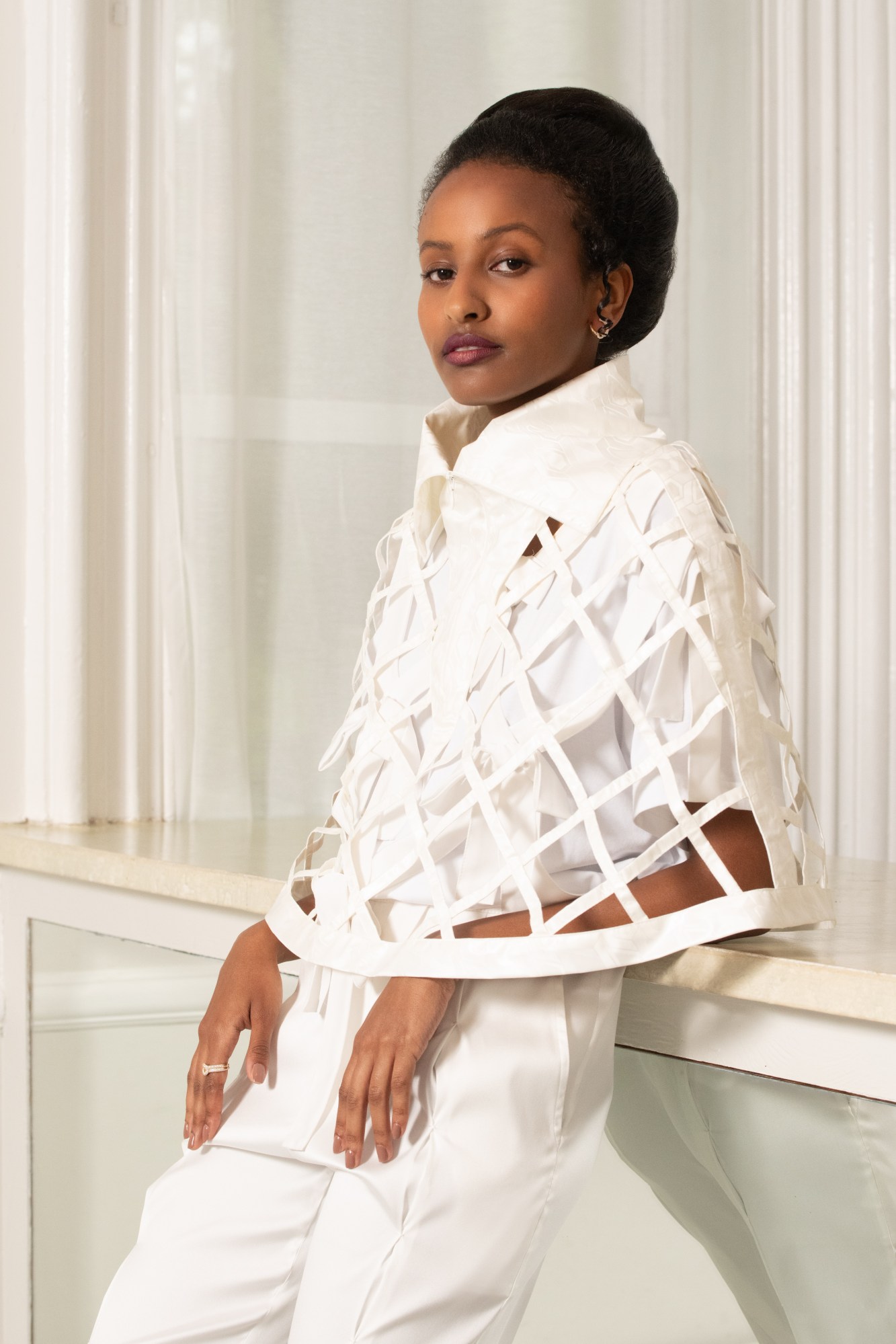
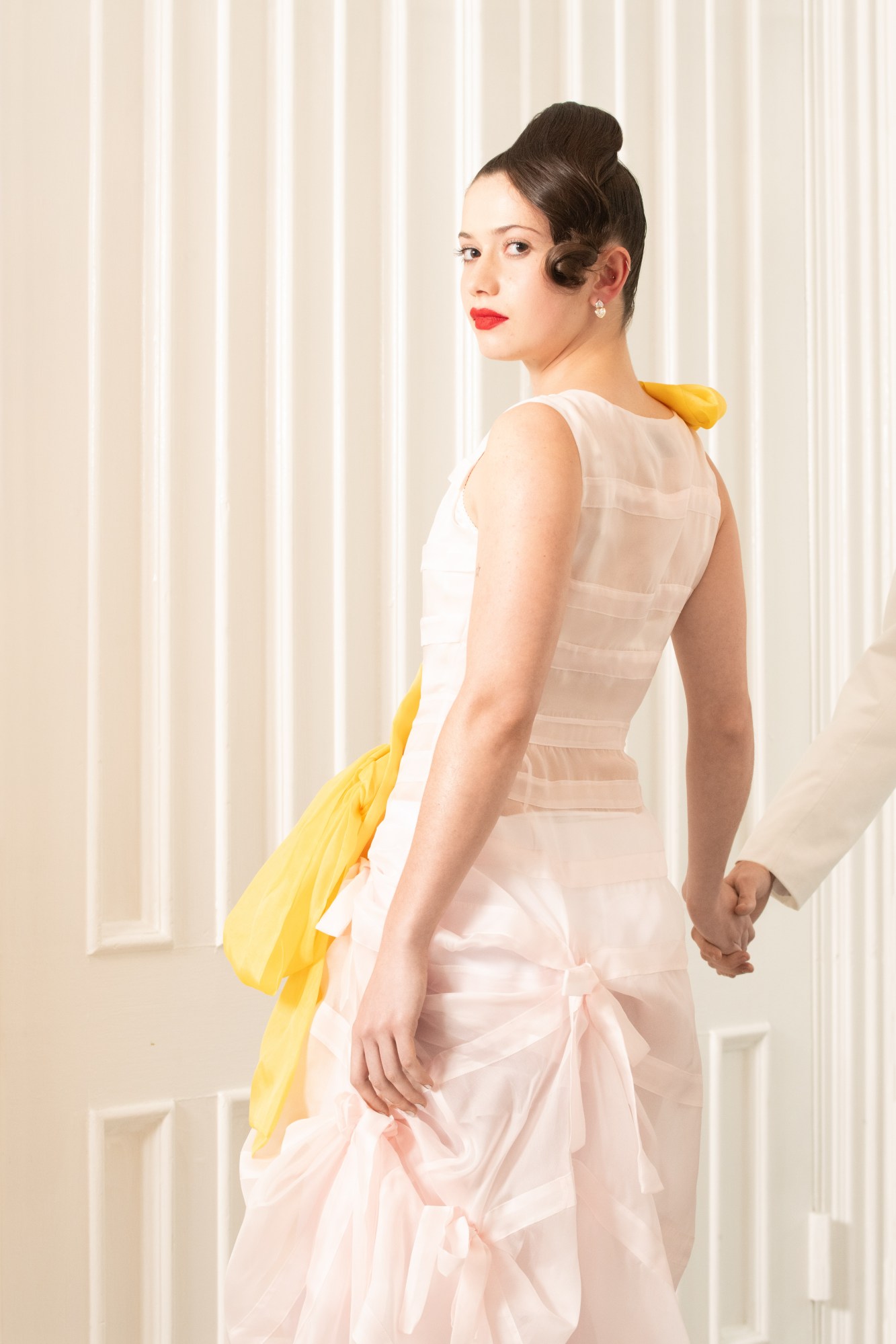
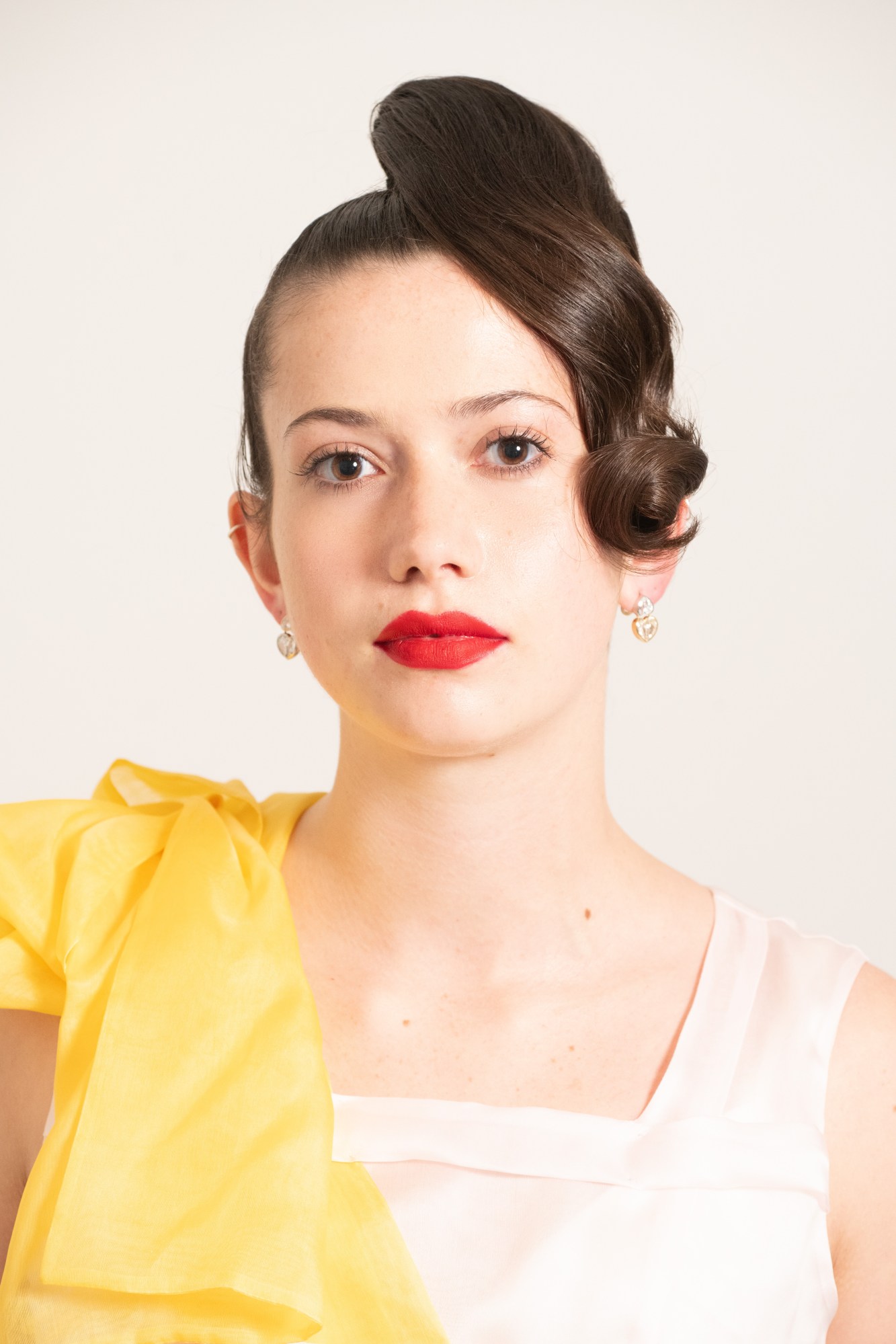
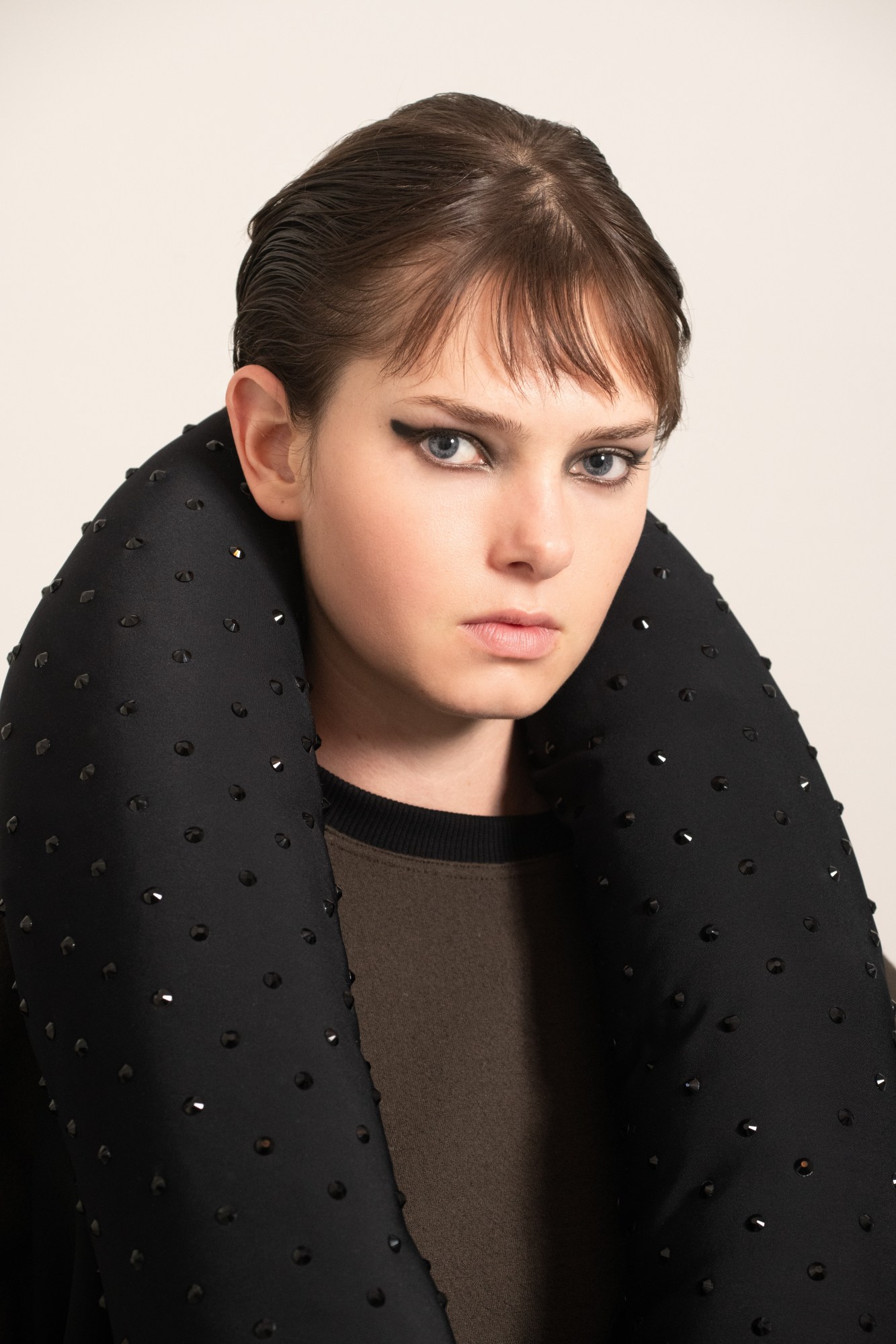
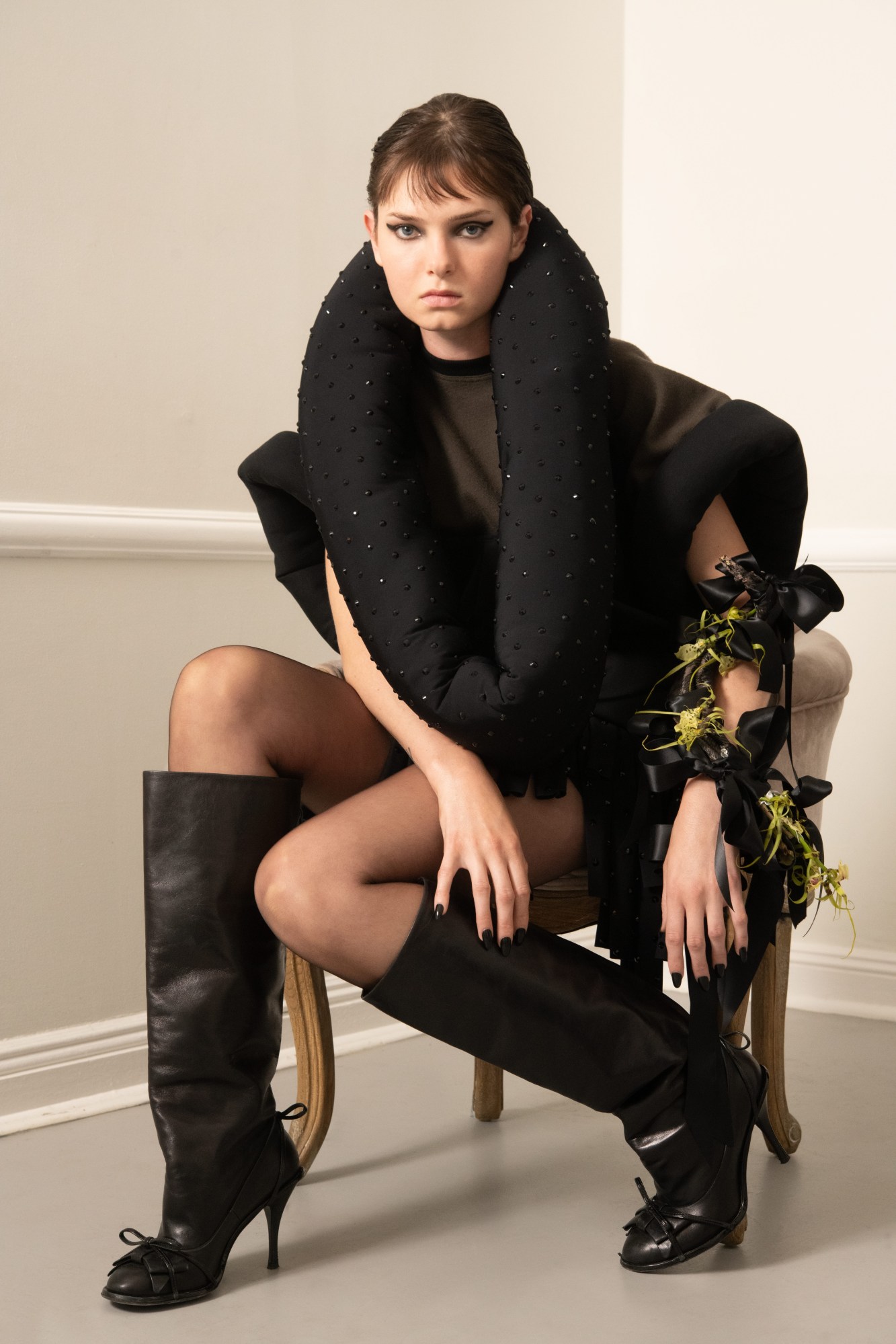
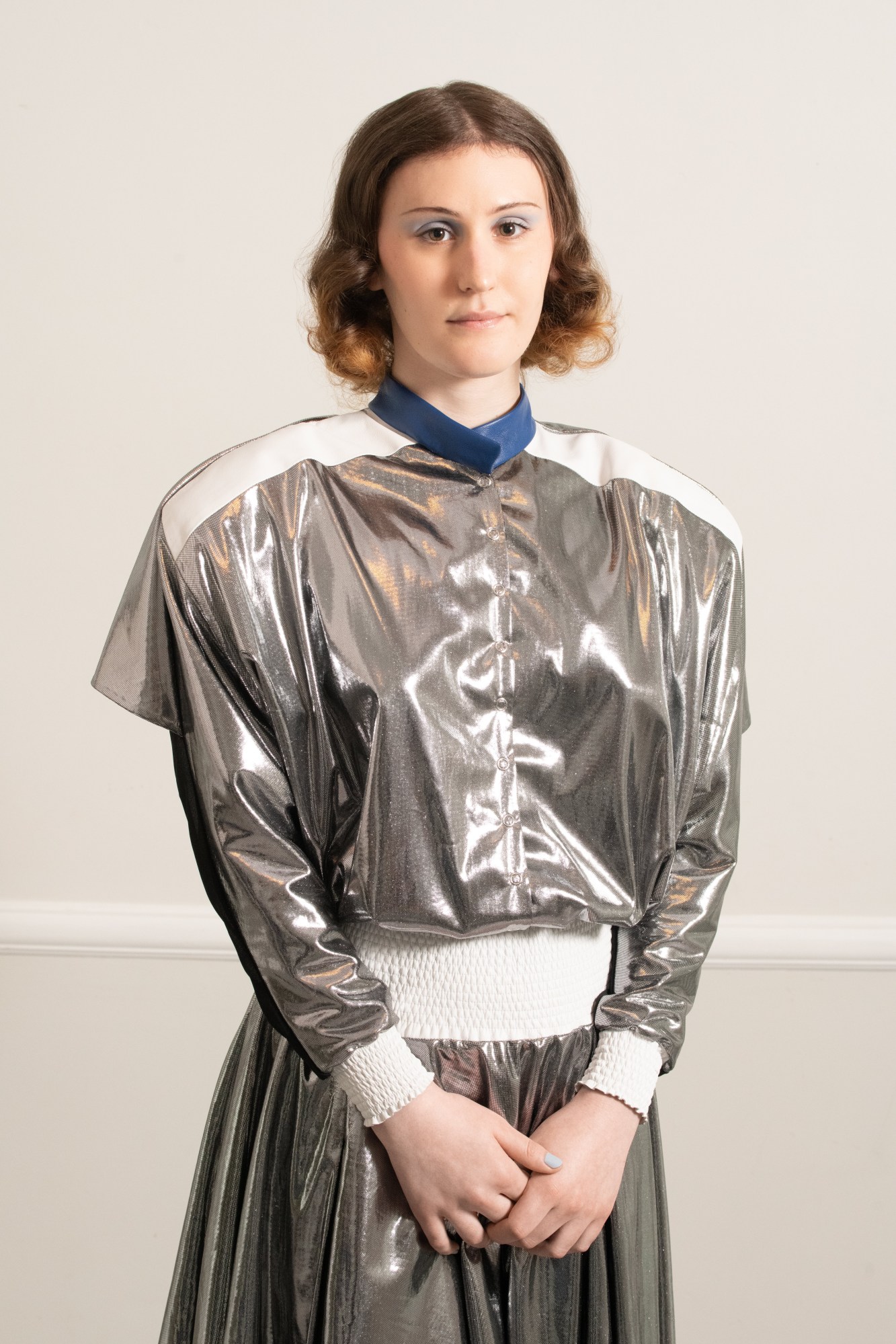
There’s something radically inclusive about the new formality, permeating everywhere from Ritz Paris ballrooms to wine-stained Bushwick basements to Tokyo karaoke-club afterparties. Freaked Formal goes beyond the rich or runway-ready. It’s for the girl who DIYs her gown, like content creator Cierra O’day Johnson, who hot-glued pom-poms to a thrifted dress and went to prom with two dates. “I didn’t want to wait to be picked, I wanted to pick them,” she says. Her style is all contrast: part lady, part retro-flirt, part twisted-chaos. “My personality is masculine,” she says. “But the older I get, the more I lean into femininity.”
For her, dressing up isn’t about looking polished—it’s about circling back to the version of herself who wanted to be a princess, who loved the drama of tulle, and secretly adored pink. “Even in my mid-20s, when I wear tiaras and satin pumps, I don’t feel elegant,” she says. “I feel like a little girl playing dress-up.” If she were invited to a ball today? “I’d wear a casual 1951 Balenciaga gown,” she deadpans. That blend of precision, play, and irony is the point.
Zoom out, and this off-beat vision of high-gloss formal style is everywhere. On social media, it’s a visual language more than a trend: tulle skirts on sidewalks, opera gloves at house parties, vintage slips styled with soccer cleats, and smeared eyeliner. What was once high-society costuming now thrives in curated disarray across our feeds. Pop girls like Charli XCX are in on it, trading tank tops for a ruffled polka-dot frock by August Barron for her “party 4 u” video (more glitch-core debutante than ingénue)—and the aesthetic belongs to more than just girls.
This warped girlhood has become a shared visual language across genders, untethered from biology or tradition. Troye Sivan now dons pearls and sheer lace with club-kid abandon. Nettspend, known for his signature looped fringe and statement earrings, walked Miu Miu’s Fall 2025 show, bringing chicness into e-boy territory. Hyperpop duo Frost Children channel goth-punk flair with bravado-in-blush looks, built for downtown raves. And Mechatok leans sleek and spectral, favouring leather, dark palettes, and sheer details that turn softness into subversion. These aren’t drag acts—they’re declarations of formality without submission.
That mix of sincerity and satire runs through the work of Danish designer Nicklas Skovgaard, who founded his eponymous brand in 2020. Skovgaard grew up watching his mother switch from tracksuits to glamour with ease, and now designs garments that do the same: whispery lace paired with raw hems, and delicate details worn like armour. “At prom, everyone looked like they were playing dress-up as adults,” he says. “That awkwardness, that desire, it’s beautiful.” His clothes honour that moment: wanting to be someone, trying too hard, and gloriously misfiring.
Seoul-based art director Youngjin Kim channels that same instinct. Her campaigns for brands like We11done, and collaborations with stylists like Lotta Volkova and photographer Willy Vanderperre centre on surreal, often subversive reinterpretations of hyper-femme codes. “I love taking something girly and making it off,” Kim says. “That’s what I like about brands like August Barron. Femininity feels feral, not cute.” August Barron’s Spring 2023 “Debutante” collection looked like it was styled by a bored heiress on acid: gloves, slips, satin—all off- tempo. “It’s about misinterpretation,” August Barron designers Benjamin Barron and Bror August Vestbø explain. “About trying to be someone and failing fabulously,” using the tools of feminine rigor—frills, gloss, bows, pageantry—as visual misdirection.
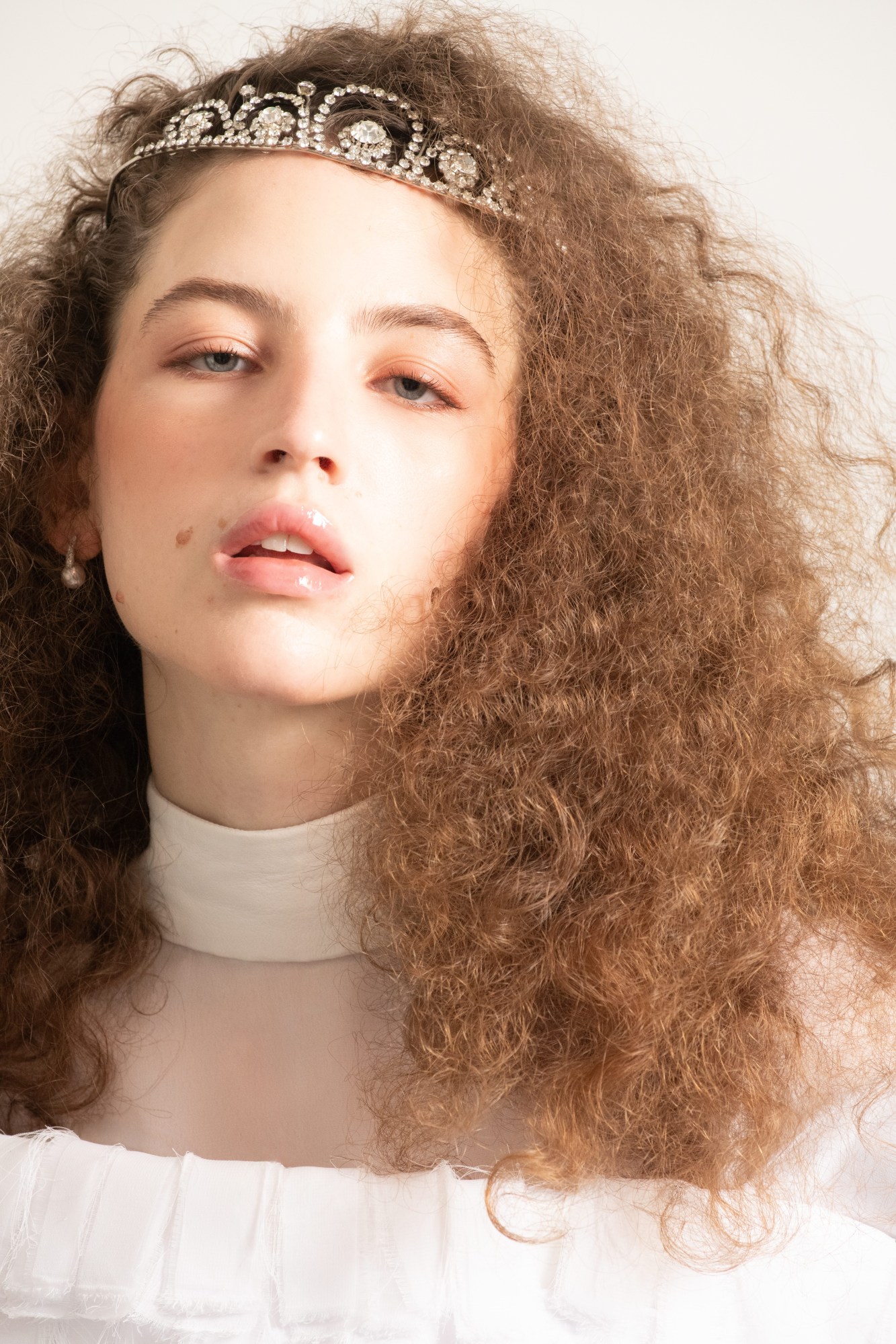
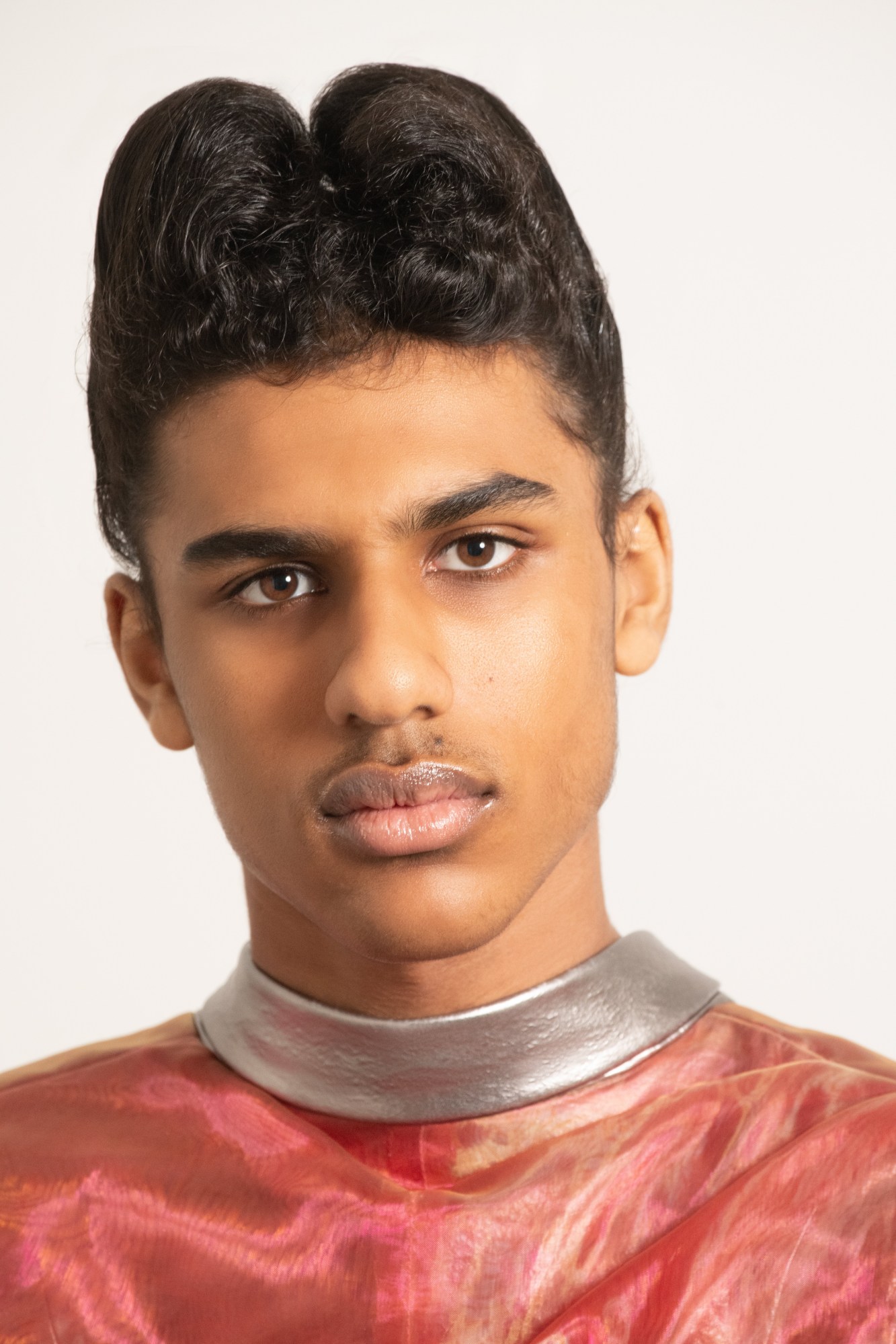
They’re among a cohort of indie designers and image-makers distorting the rules of dress bestowed upon them by fashion’s biggest players: éminences grises of haute couture––from Dior and Chanel to Armani Privé––upholding an image of polished restraint with formal silhouettes reserved for the ultra-rich. It’s a vision cut for red carpets, a country wedding in the Cotswolds, or Apple Martin’s debut at Le Bal des Débutantes (the ultimate status-signalling runway for heiresses, Hollywood daughters, and political nepo-babies, with past next-gen swans including Lily Collins, Margaret Qualley, and Kyra Kennedy).
August Barron, Renaissance Renaissance, and Nicklas Skovgaard are rewriting dress-up protocol for a new age. The result is a broader shift filtering its way into the mainstream, where even fashion’s old guard is bending the blueprint. Miuccia Prada––who shares stylist Lotta Volkova with August Barron and whose vision of womanhood has shaped fashion for decades––continues to dismantle its aesthetics. Most recently at Miu Miu, crystal tiaras collided with librarian skirts, visible underwear, and smudged makeup. We’re increasingly seeing formal femininity crack open, and what spills out is hot, untamed, and impossible to ignore.
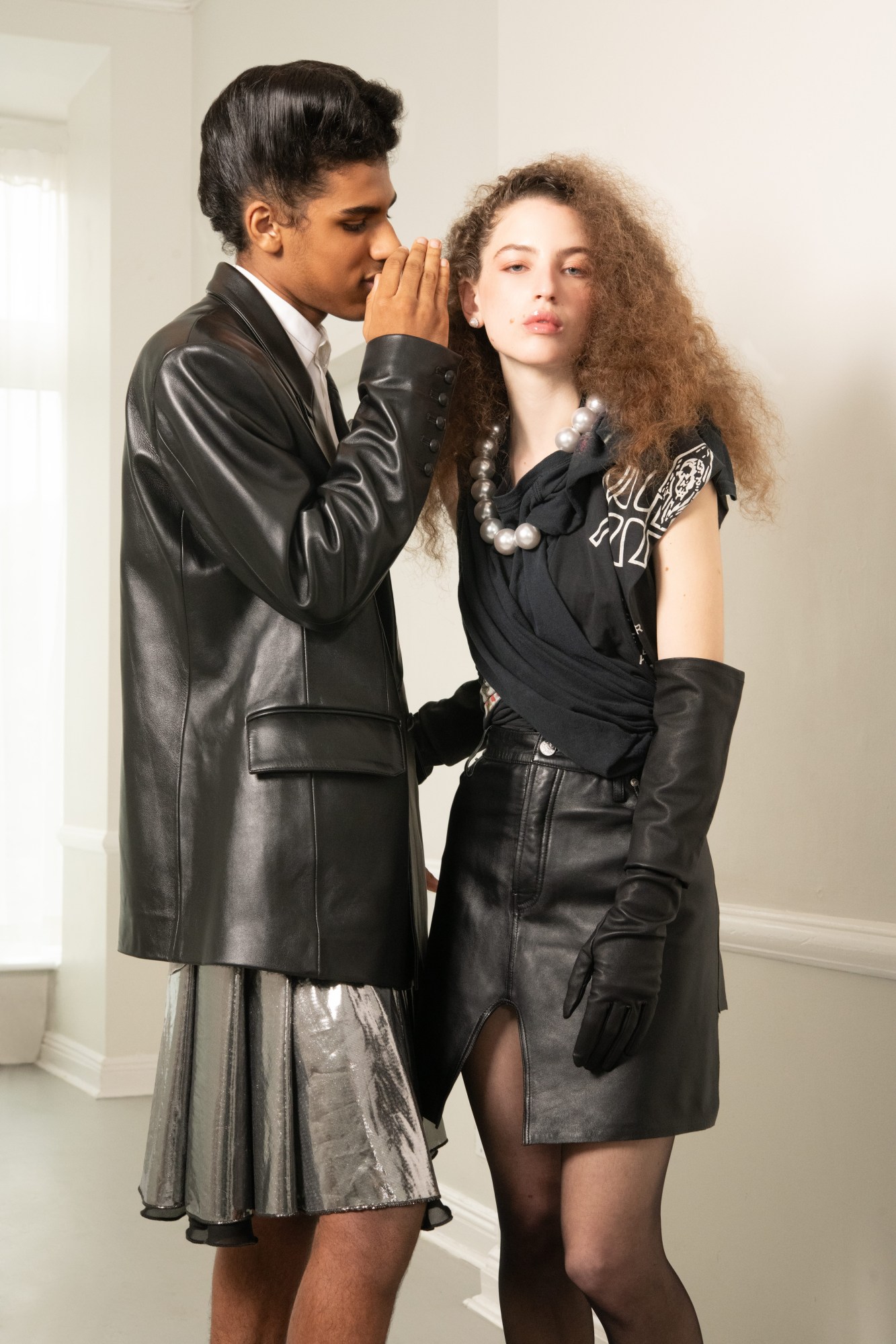
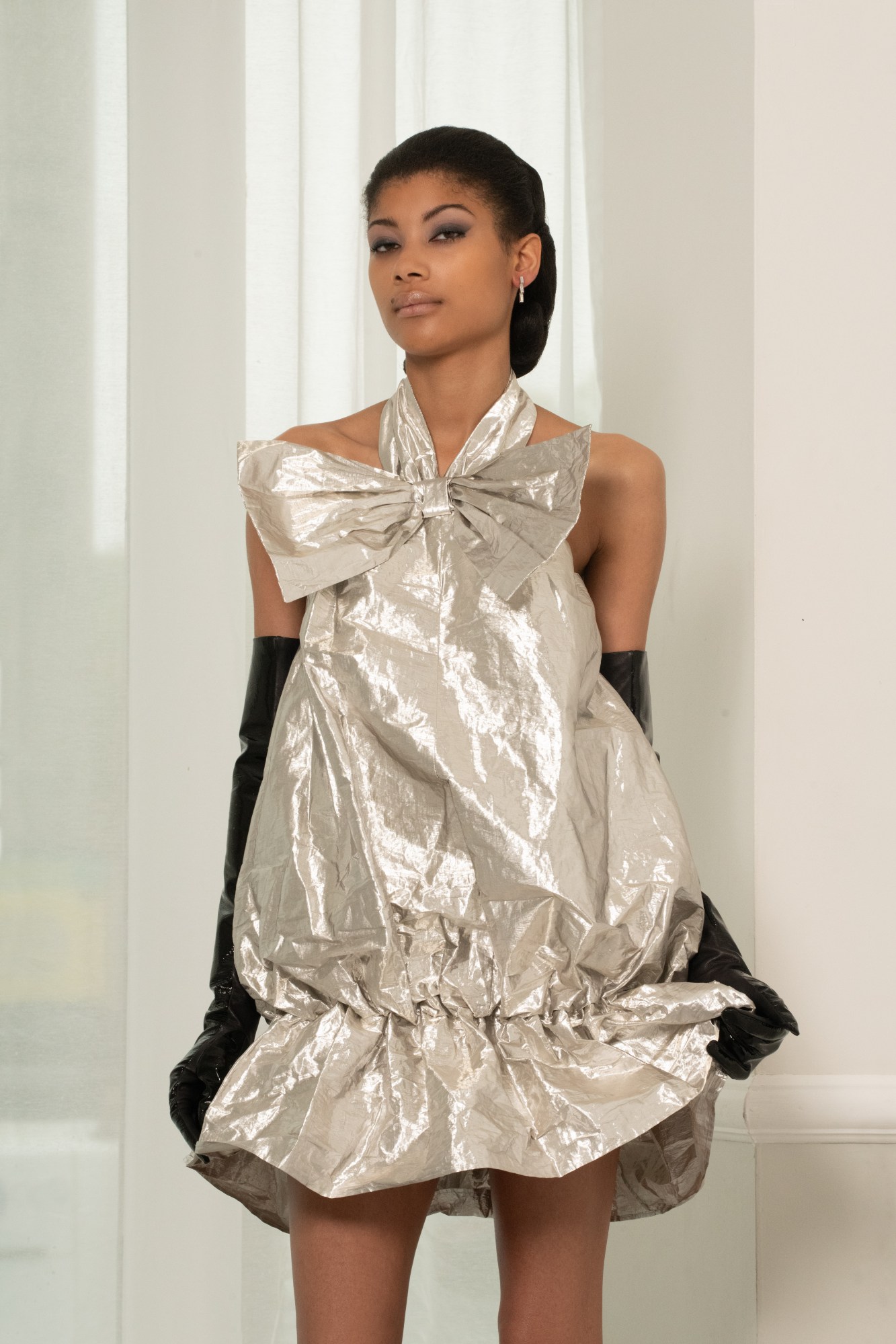
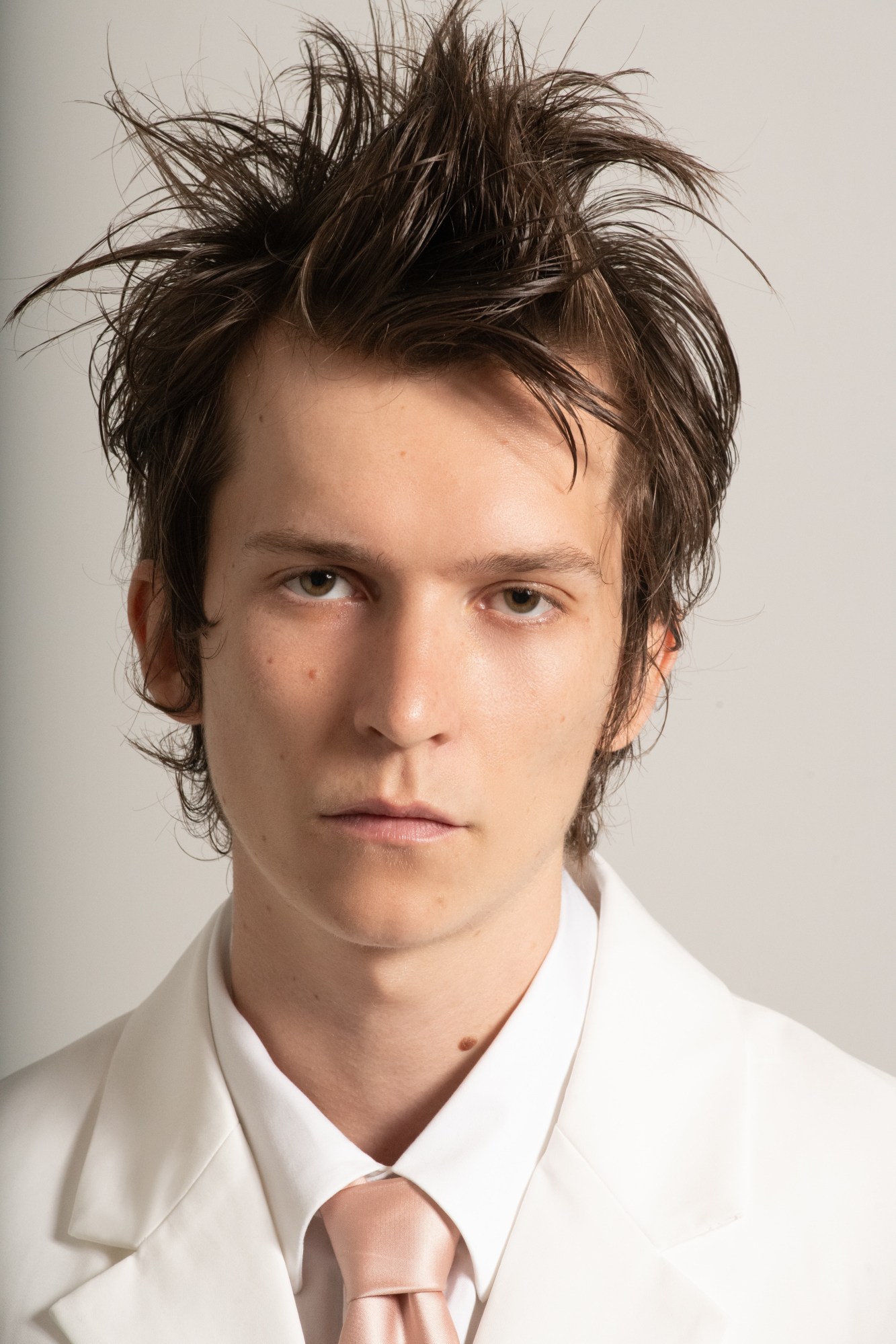
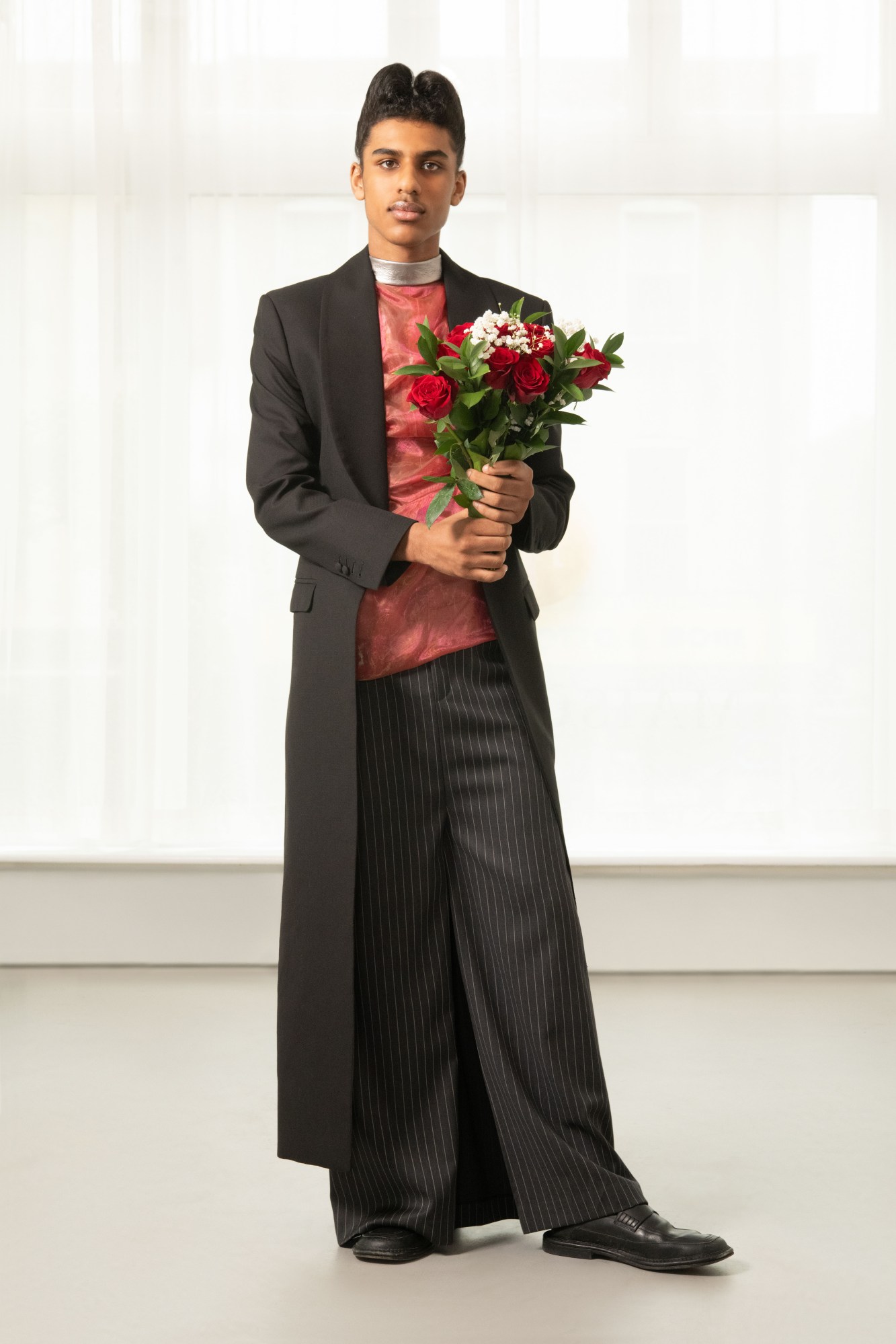
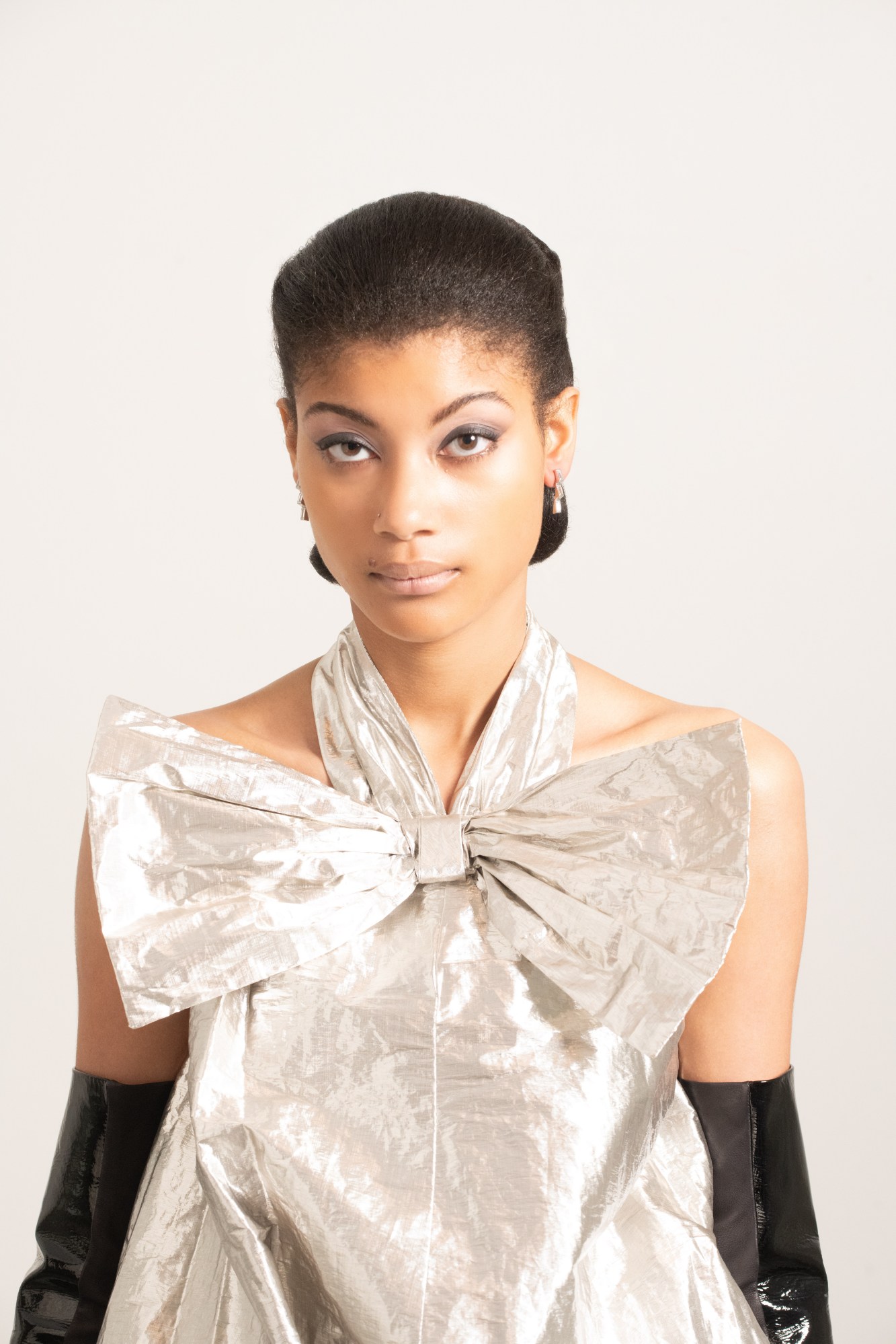
Stylist Clare Byrne explored that in the shoot that accompanies this story. “We were pulling from designers who already interrogate girlhood in interesting ways,” she says. “I liked the idea of placing that in the context of debutante portraiture, something so rigid and uniform, as a point of contrast.” She dug into Cecil Beaton’s archive of high-society photography as a reference. “The sameness was striking, like teenage girls dressed for marriage. I wasn’t trying to replicate that, but to flip it,” she says. That meant oversized pearls, ironic glamour, and the kind of styling that emphasises what today’s debutante has that her predecessors didn’t: personality. “Femininity feels punk right now. Expressing it—loudly—is its own form of mutiny.”
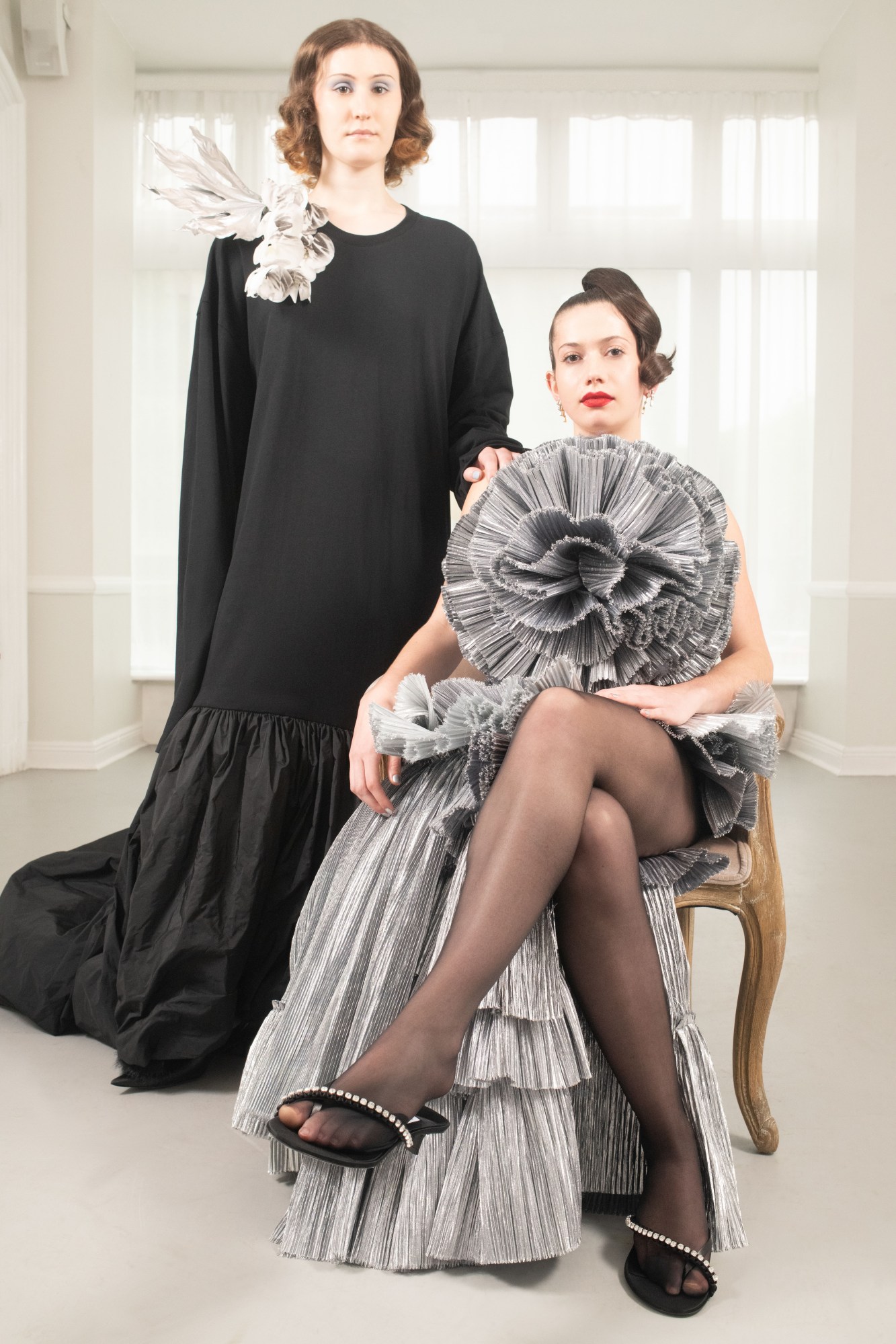
New York–based stylist Nancy Kote often thinks about that evolution of femininity in her work with Clairo. Each ensemble treads the line between dreamy and disobedient, romance and rupture. Kote’s styling fuses bygone silhouettes with unexpected textures, nodding to historical codes while gently unraveling them. “The lace and florals and shiny pearls and big skirts are symbols of restraint,” she says. “It’s nice to let them fray. There’s power in that unraveling.”
The debutante used to be a symbol of arrival—of being presented, accepted, and approved. But the formal misfit arrives messy. She’s overdressed for the party. She’s performing, but not for applause. She knows the system is fake, but she’s in the gown anyway. And she makes it look freaky-fab.
In the lead image Hendrix wears JACKET MAX ESMAIL, SHIRT STYLIST’S OWN, DRESS WORN UNDERNEATH NICKLAS SKOVGAARD; Ava wears TOP AND SKIRT AUGUST BARRON, TIGHTS STYLIST’S OWN, EARRING MIKIMOTO, GLOVES WING & WEFT
models VIVA VADIM, BLIZZY MCGUIRE, LEIF JONES AT NY MODELS. ILYASAH SHABAZZ AT V MANAGEMENT NEW YORK. GRACE VAN PETTEN AT NEW YORK MODEL MANAGEMENT. AVA PEARLMAN AT MUSE NYC, MIMI WATSON AT NEW ICON NY, HENDRIX NEBLETT, RAEE KEBEDE AT NO SMOKING
hair DYLAN CHAVLES USING ORIBE AT MA+ GROUP
makeup EMI KANEKO USING TOM FORD MAKEUP AT BRYANT ARTISTS
nails NORI USING DIOR AT SEE MANAGEMENT
casting TANGUY GAVIGNET FOR JE SUIS CASTING AT MINI TITLE
photography assistant ZOE DE BLASIS
styling assistants CHARLOTTE FOLEY, EMILY WALKER, STONE JARBOE
hair assistants OLIVIA MAIRÉAD & ALEXIS CORREA
makeup assistants WAKANA ICHIKAWA & SHOKO KODAMA
nail assistant TSUBASA KAWASHIMA
production THE MORRISON GROUP
production assistant HENRY RODRIGUEZ
post production CAMERIN STOLDT
location MAISON MAY