I jetted into Tokyo to spend time with family—my sister, her husband, and their kids—and by happy accident Rakuten Fashion Week lined up perfectly. Celebrating its 20th anniversary, the event carried extra charge: two decades of Japanese fashion staking its claim as one of the most original style capitals on earth. The city was sweltering—an asphalt-melting heat that made even the neon shimmer differently—yet Tokyo thrived in its usual organized chaos: subway breezes carrying perfume and sweat, cicadas buzzing over Shibuya crossings, the smell of yakitori mixing with crisp fabric fresh from ateliers.
From my perch at the InterContinental ANA—the only way to do luxury in a scorcher—I toggled between life-changing lunches and front-row seats, watching collections that felt charged with ambition. The whole week buzzed louder thanks to Soshi Otsuki’s LVMH Prize win in Paris, a triumph that reminded everyone that Japanese fashion is both fiercely local and globally untouchable.
These were the moments that defined Spring 2026.
Pillings
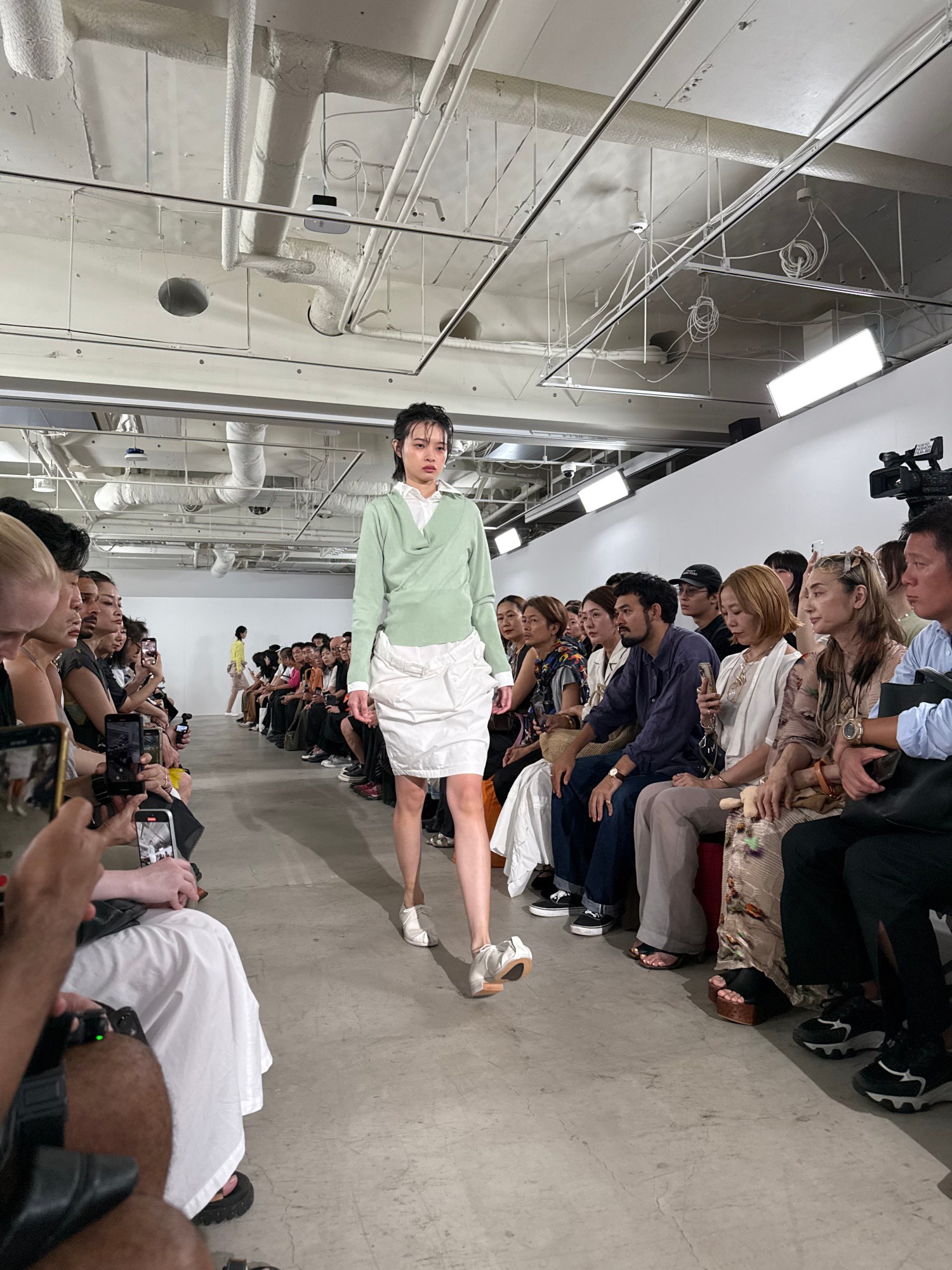
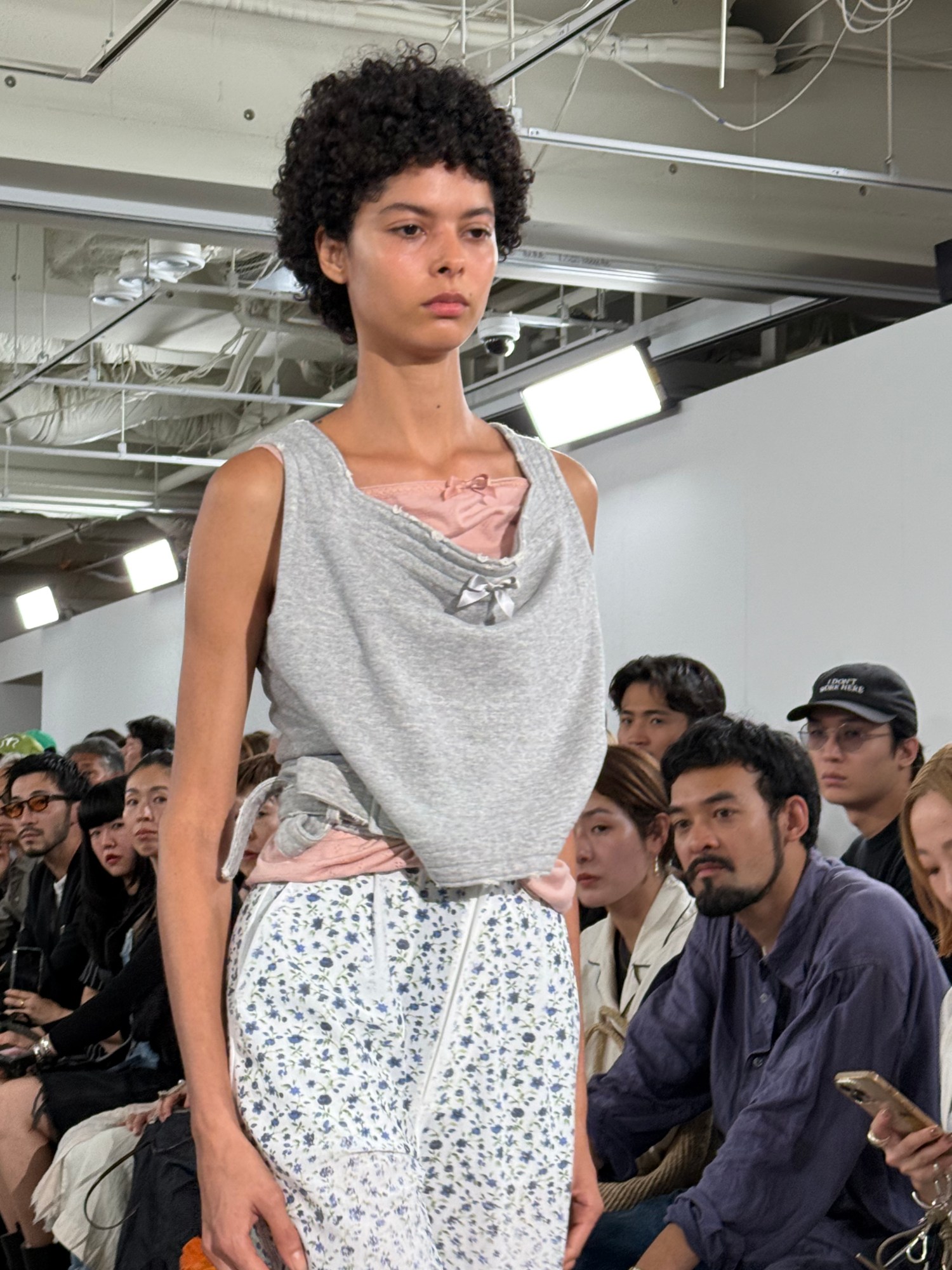
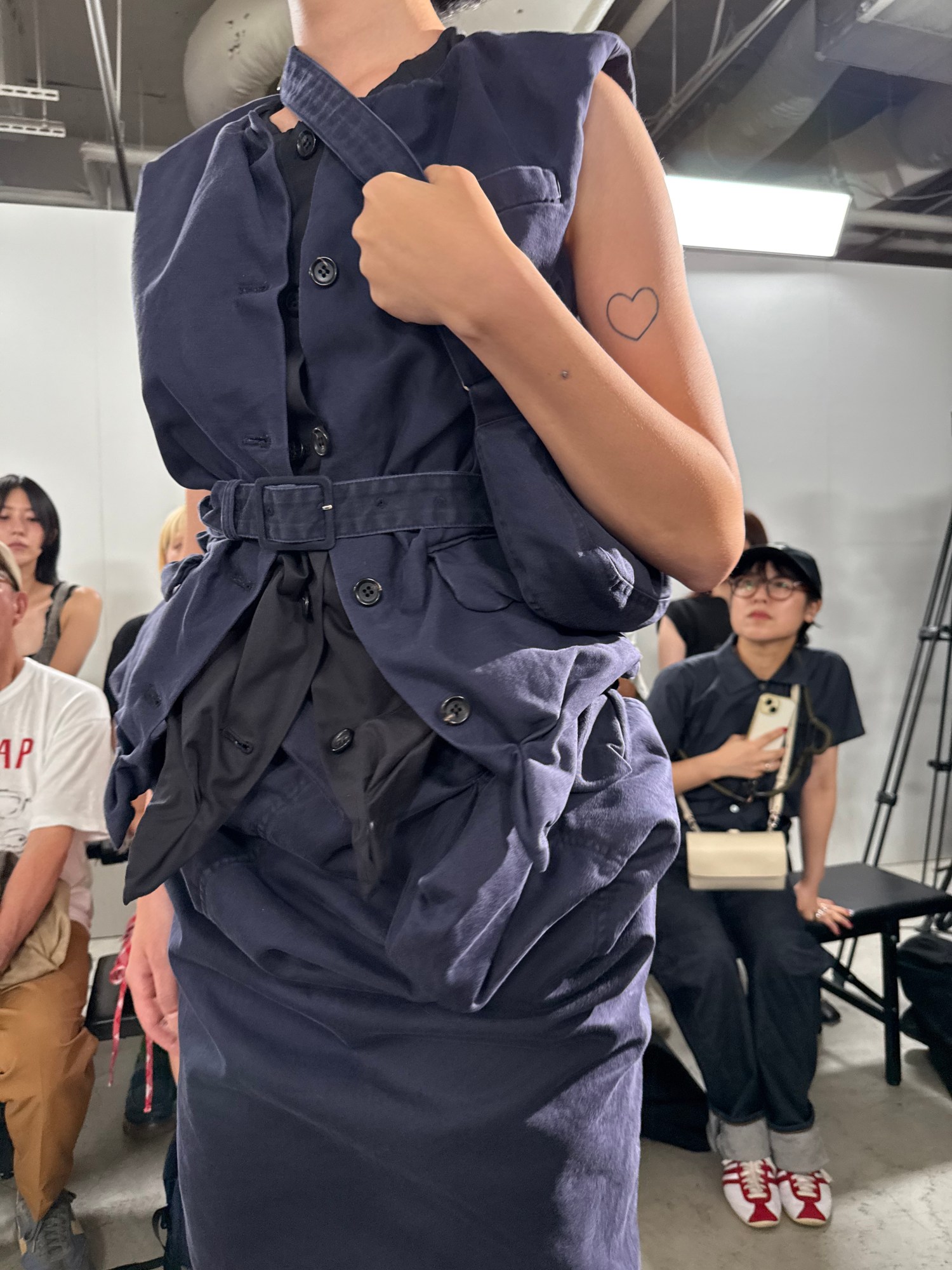
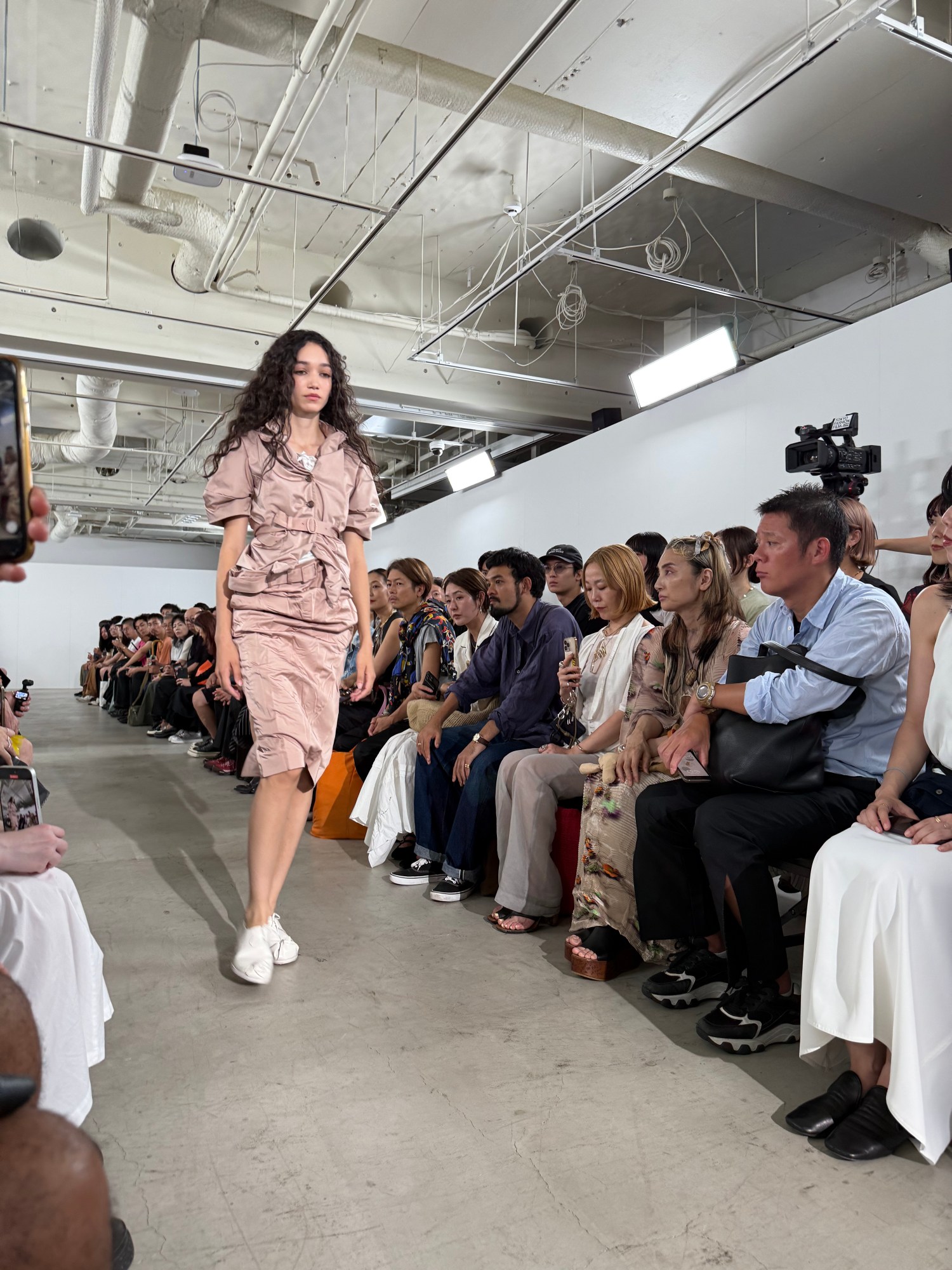
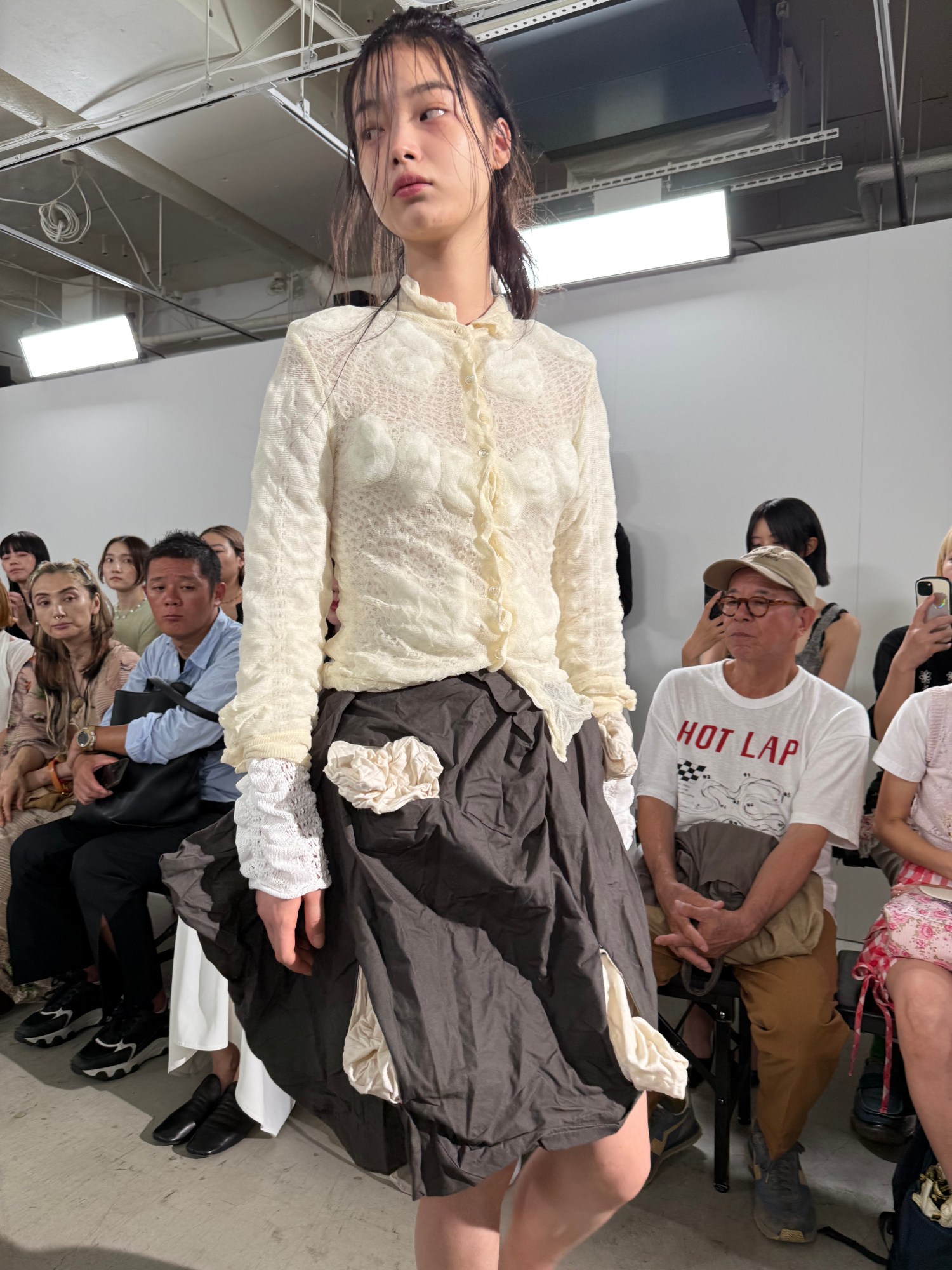
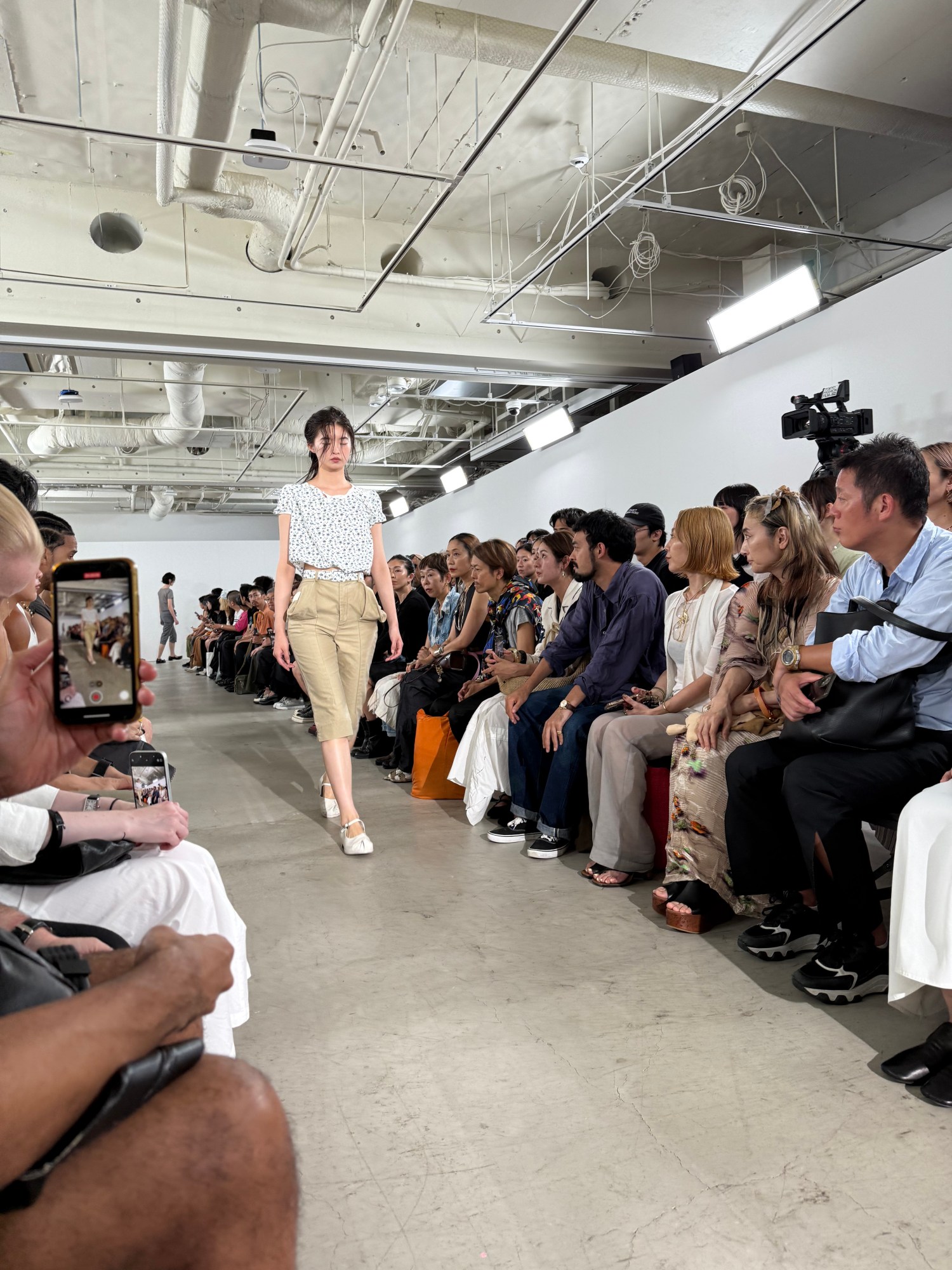
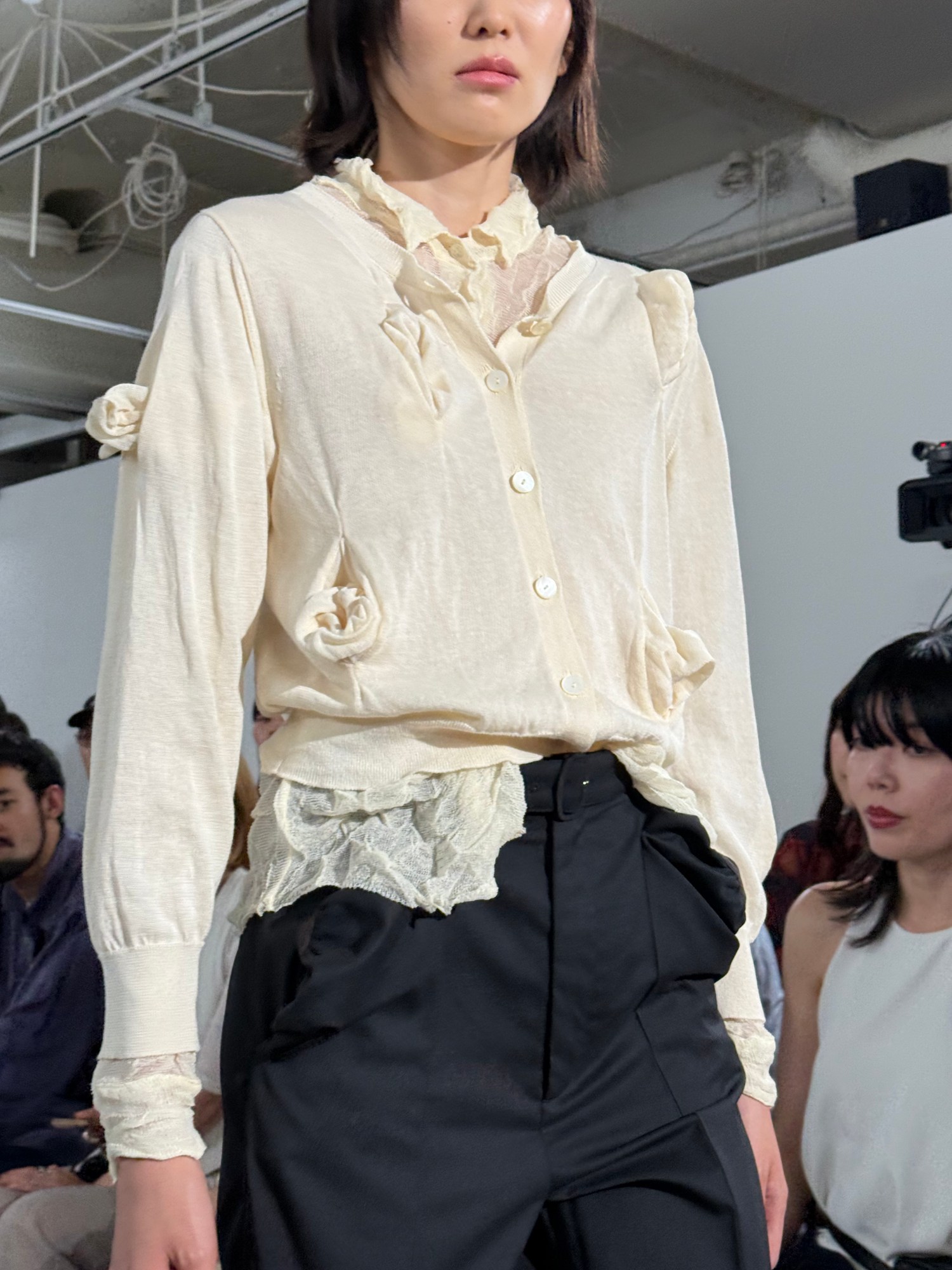
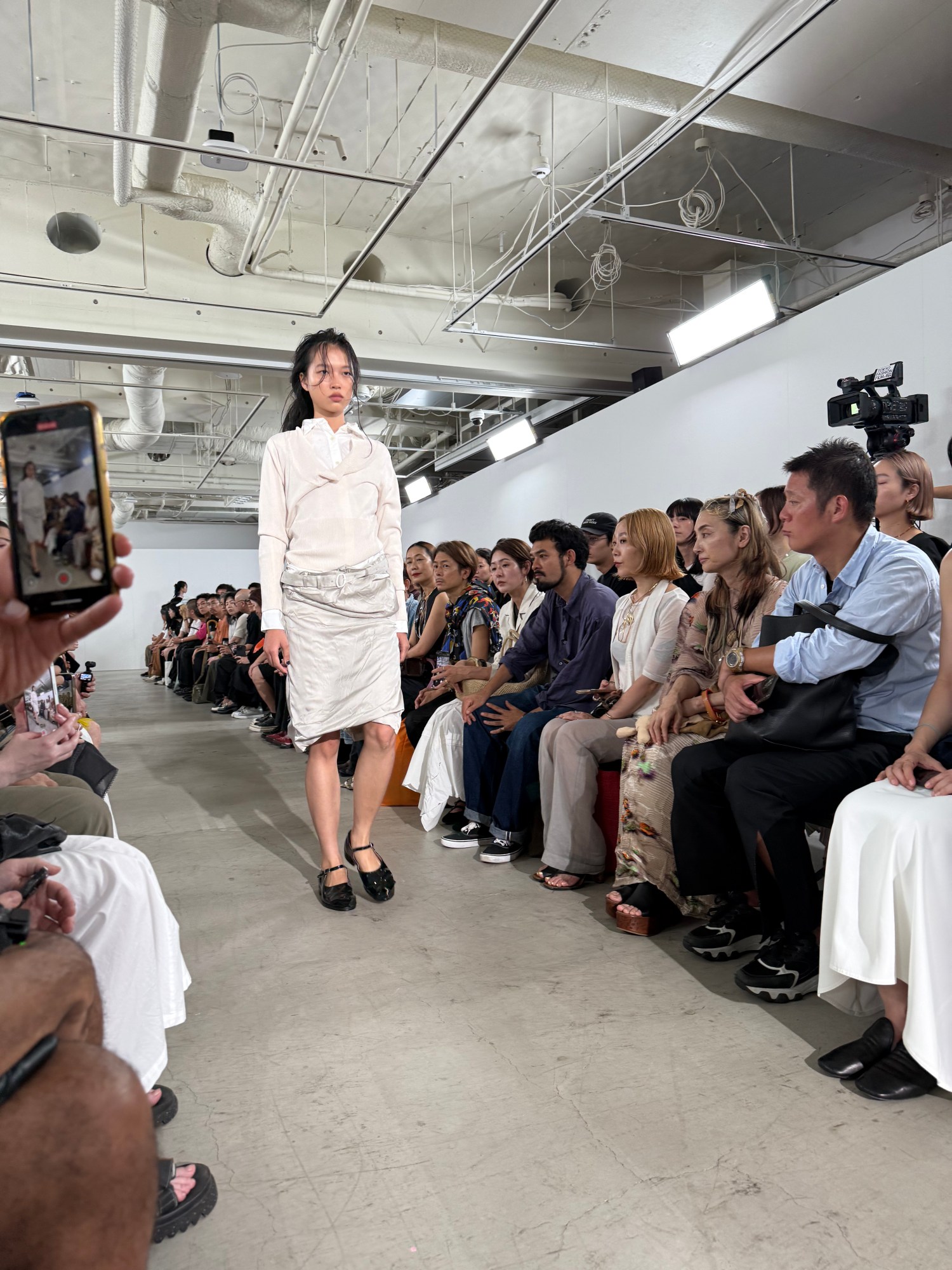
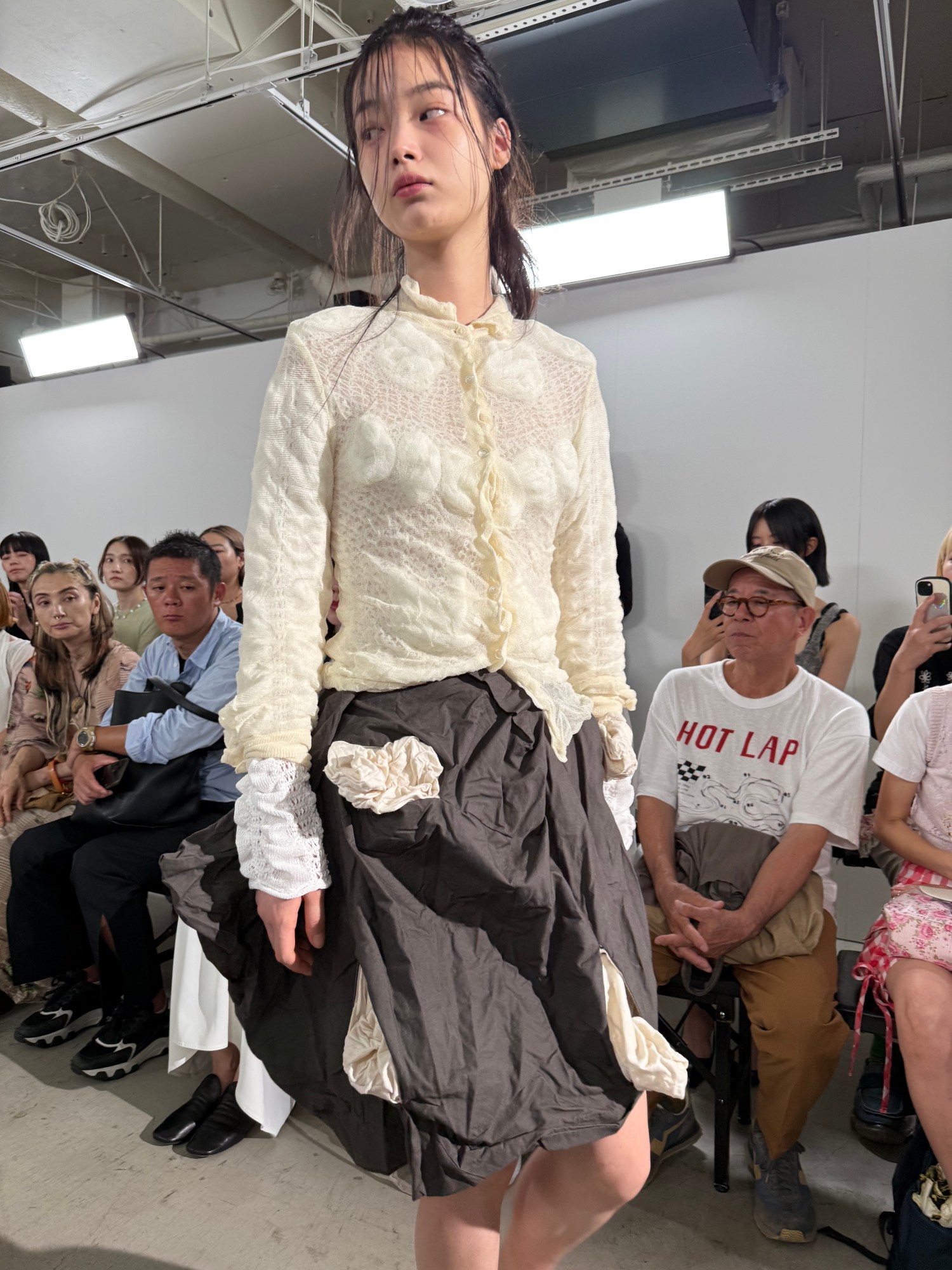
Ryota Murakami, who was shortlisted for the LVMH Prize this year, turned the mundane into magic. “My Basket” was about everyday clothes from the supermarket, full of little wrinkles, imperfect knits, padded tailoring, faded floral prints, cross-body bags, granny knits and belted shifts. There’s a tenderness to the wonky here: those imperfections feel intentional, emotionally resonant. Street style meets poetry. I loved the contrast between rough-around-edges and very careful craftsmanship—it felt like fashion that knows what it is.
Fetico
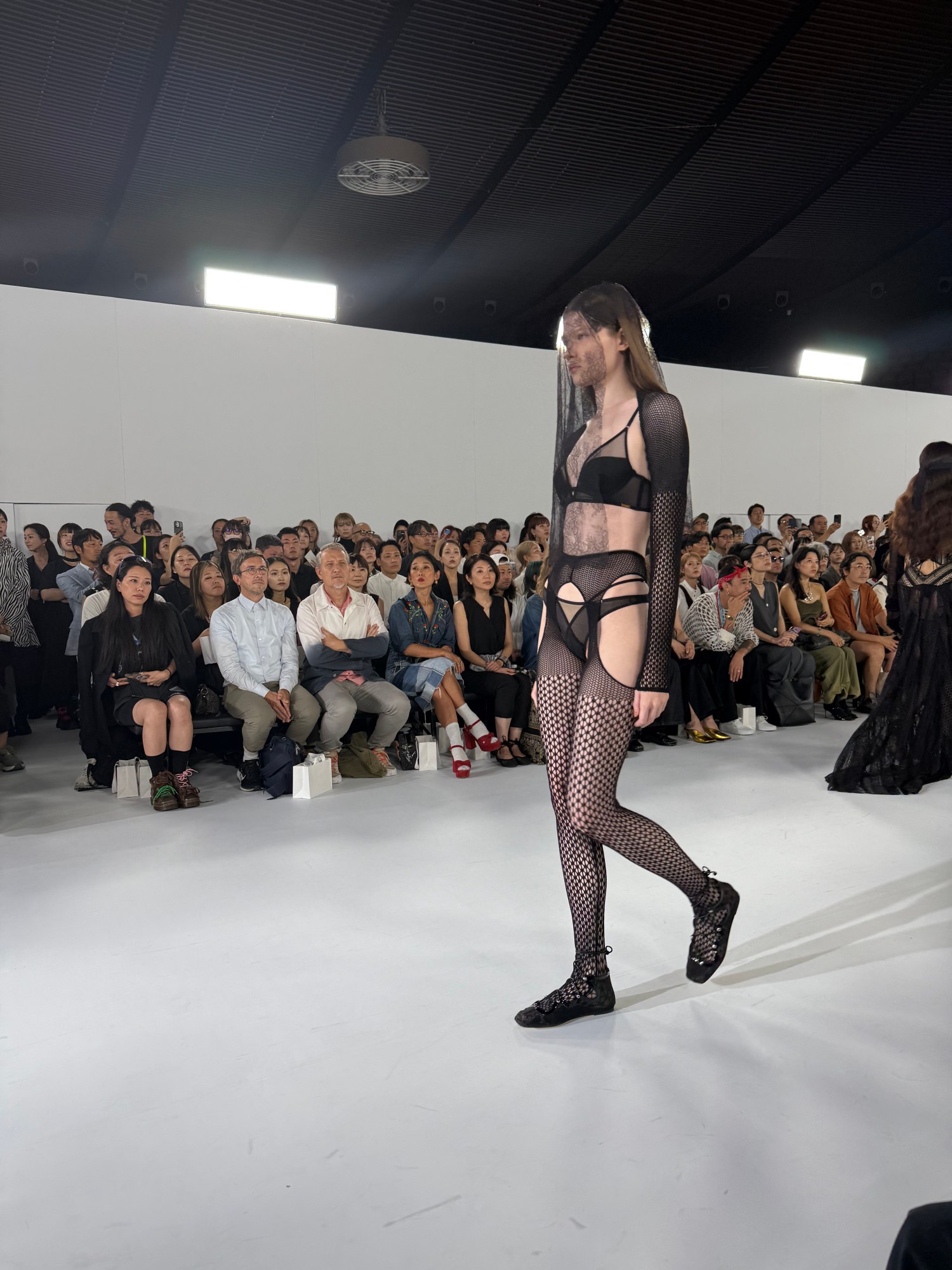
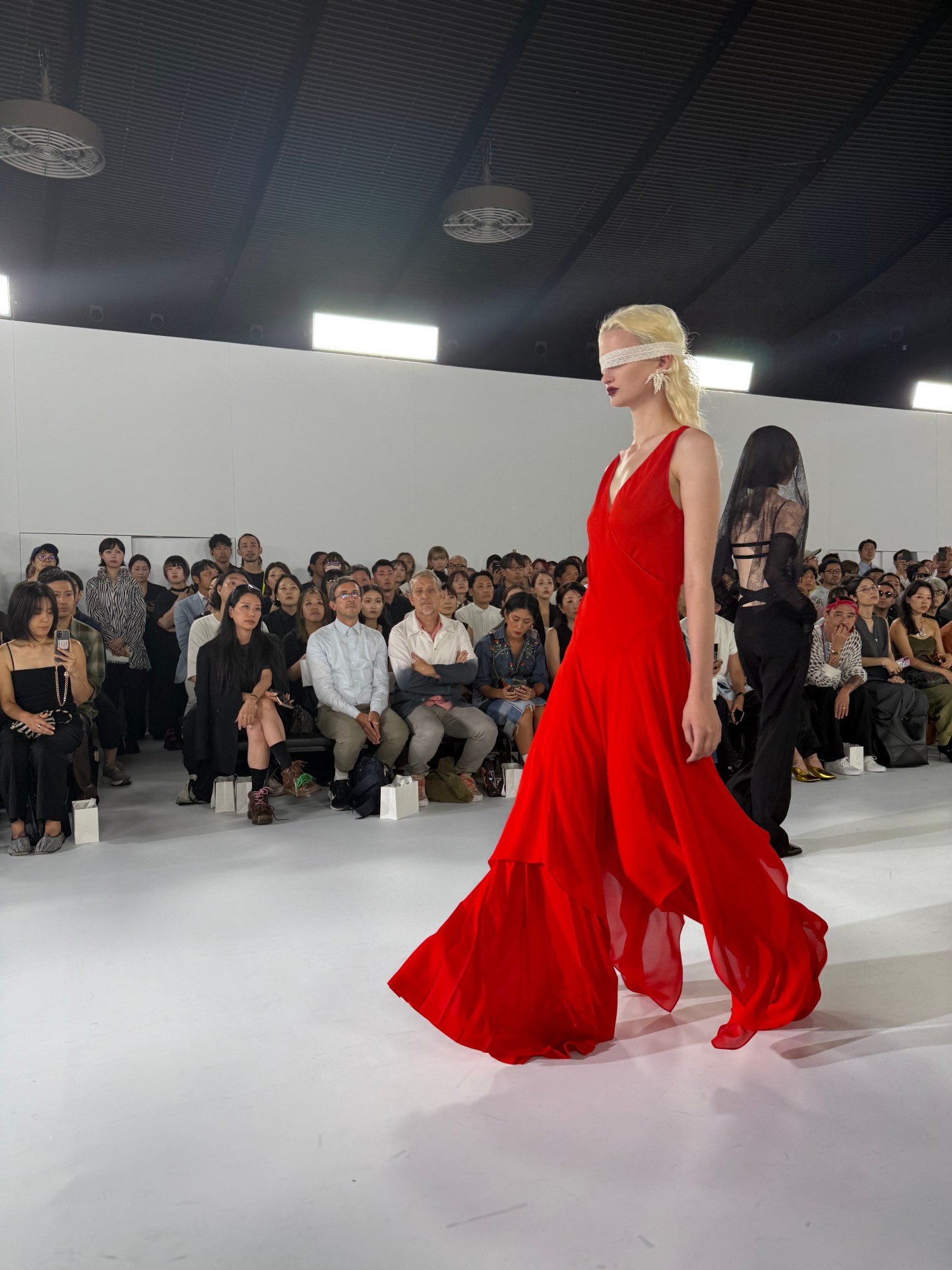
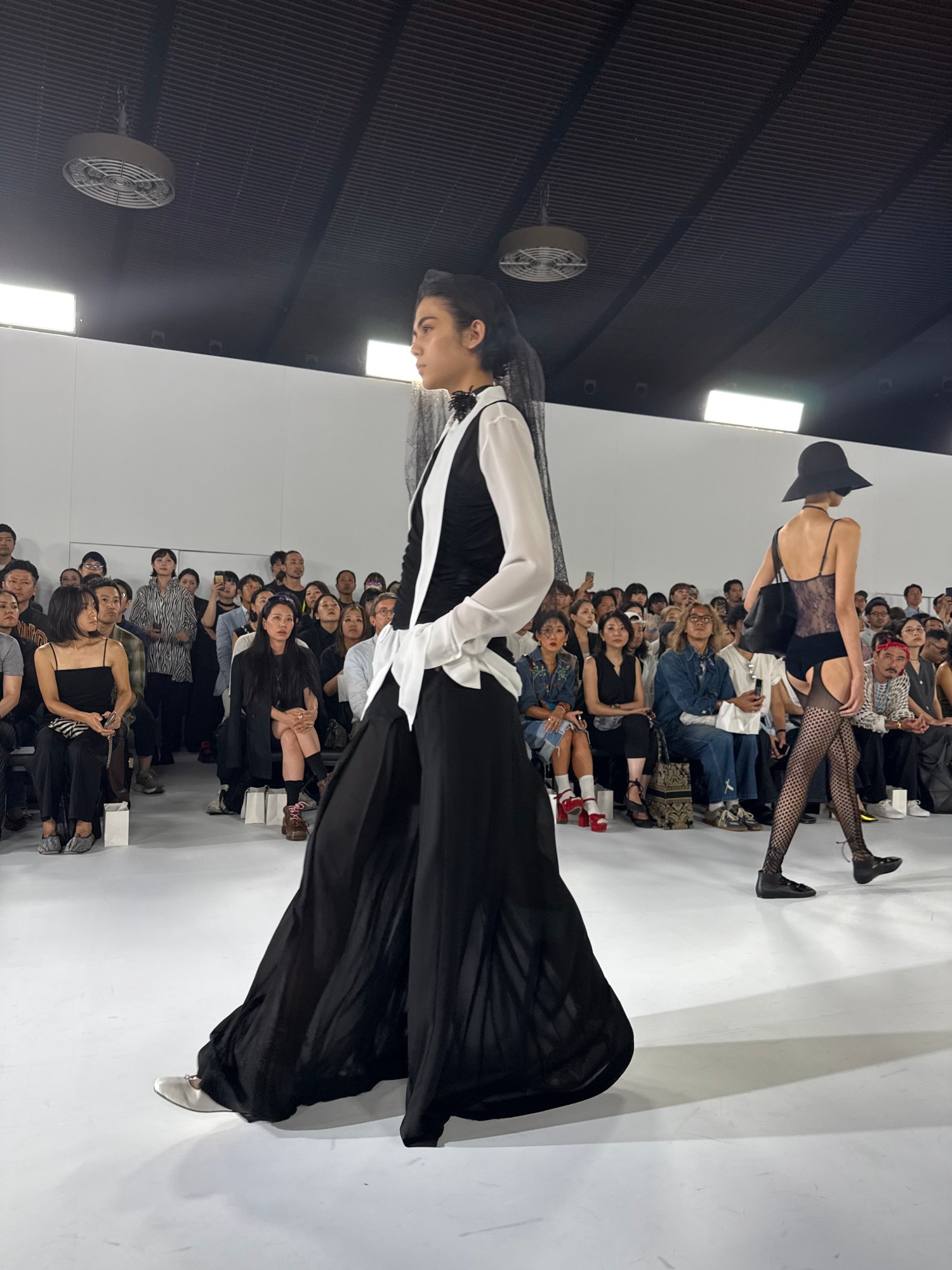
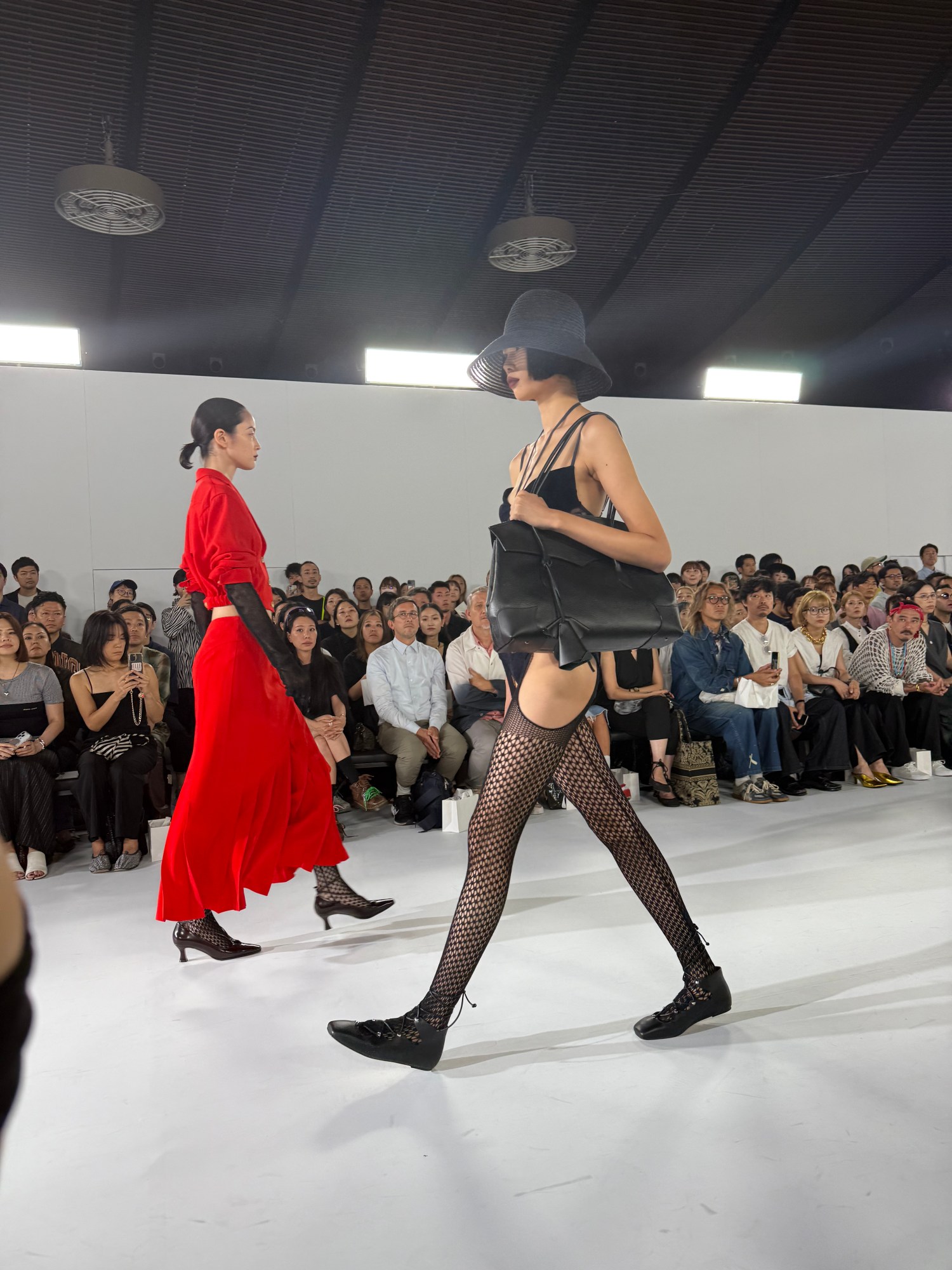
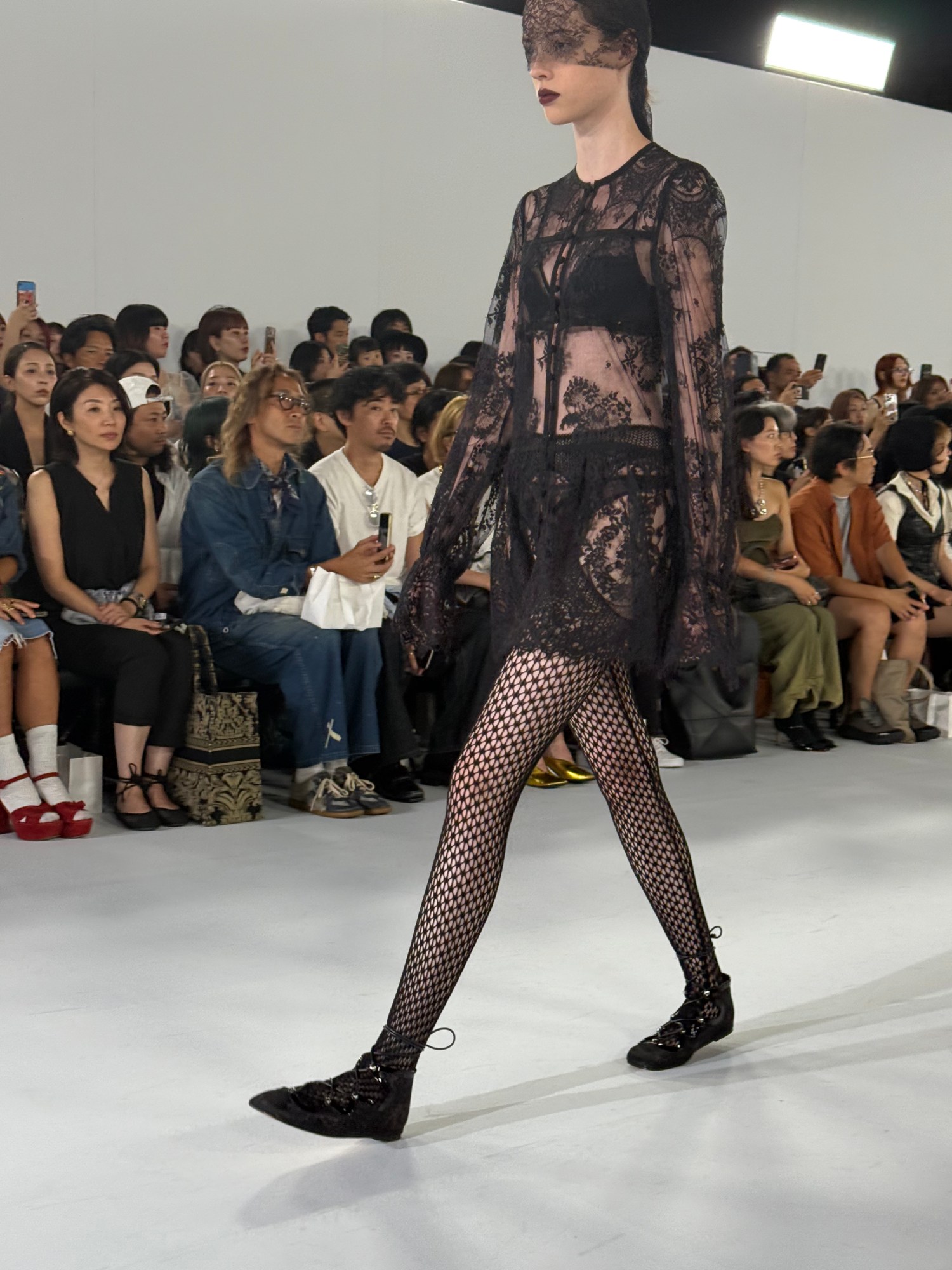
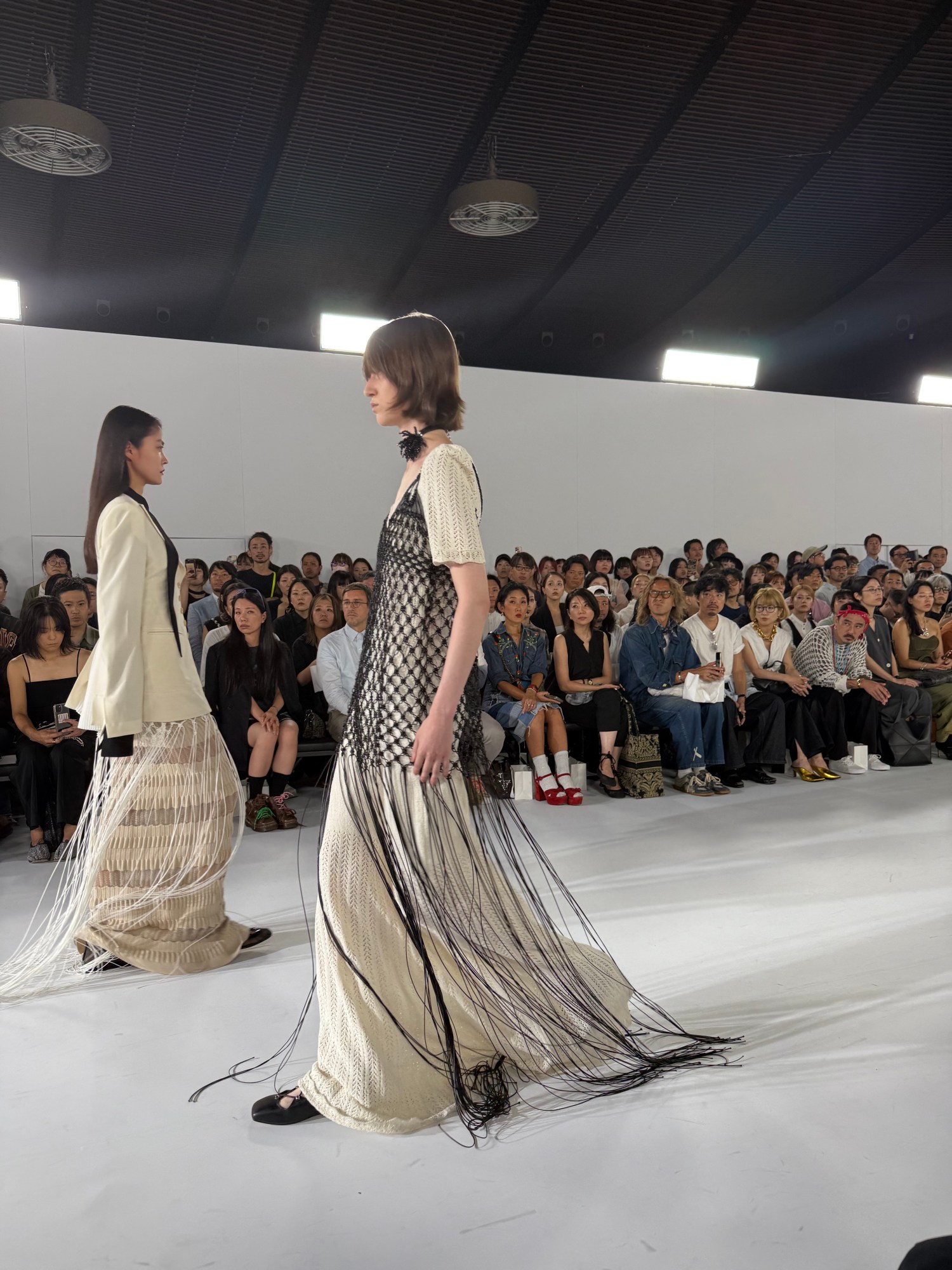
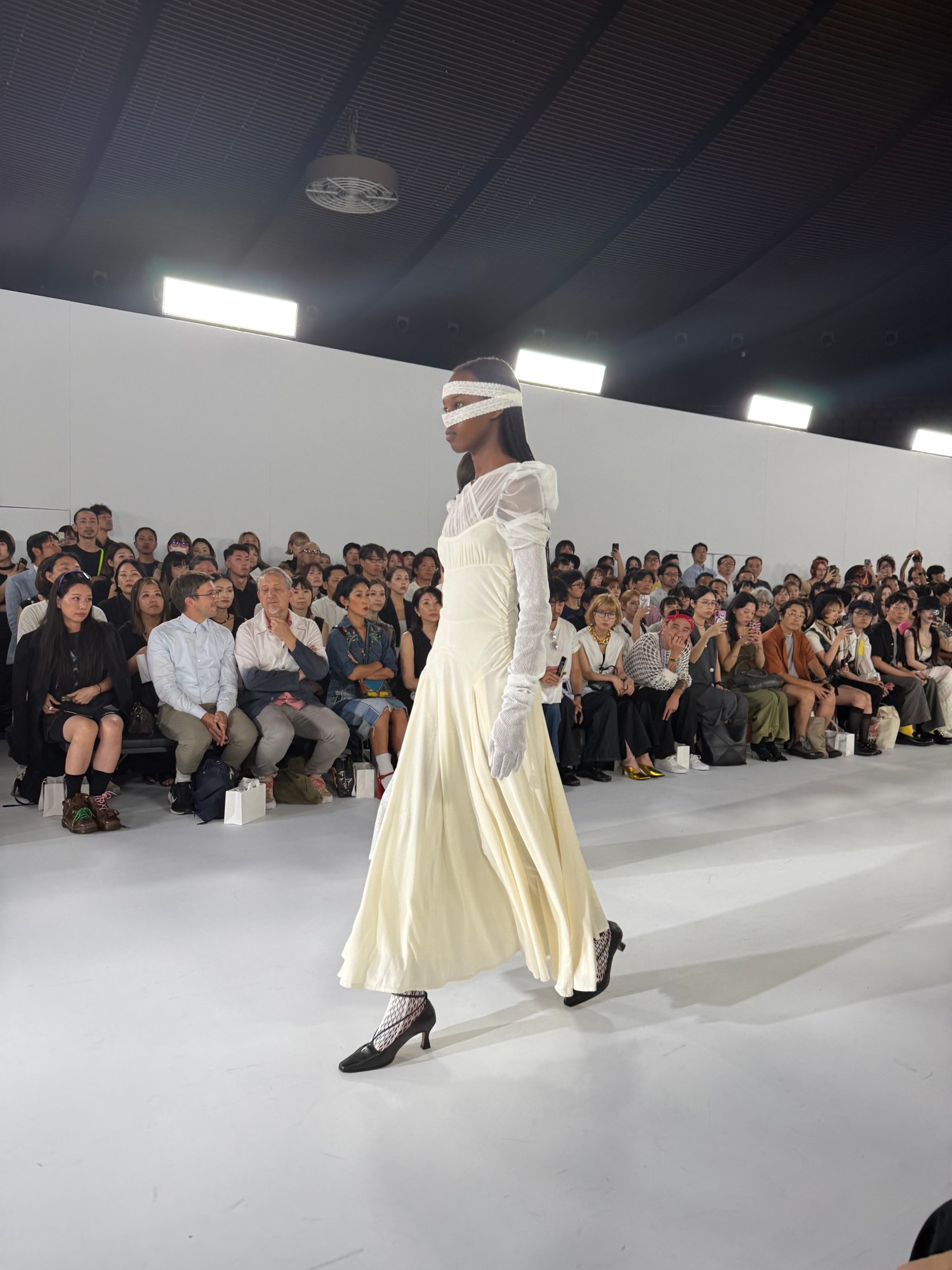
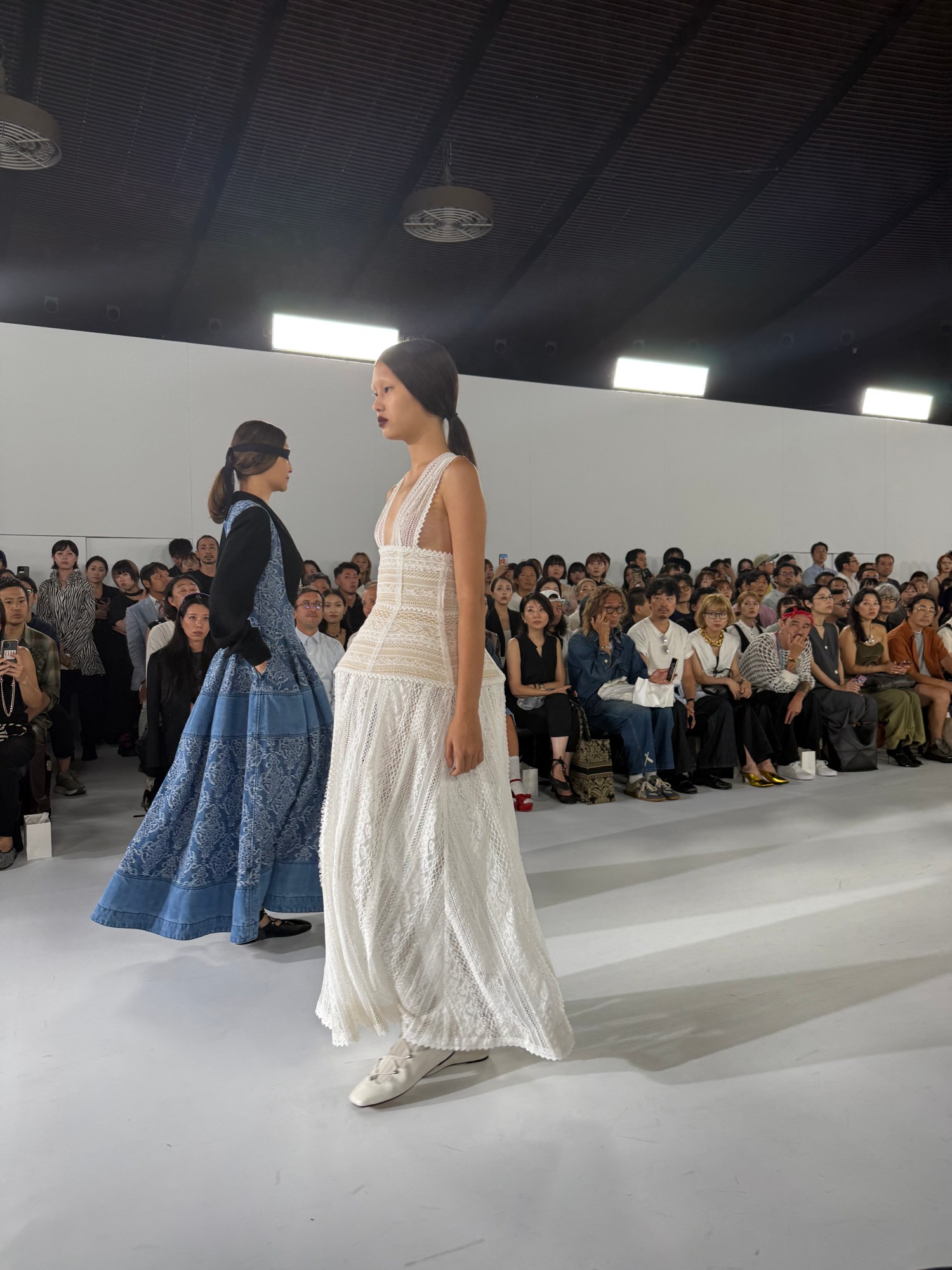
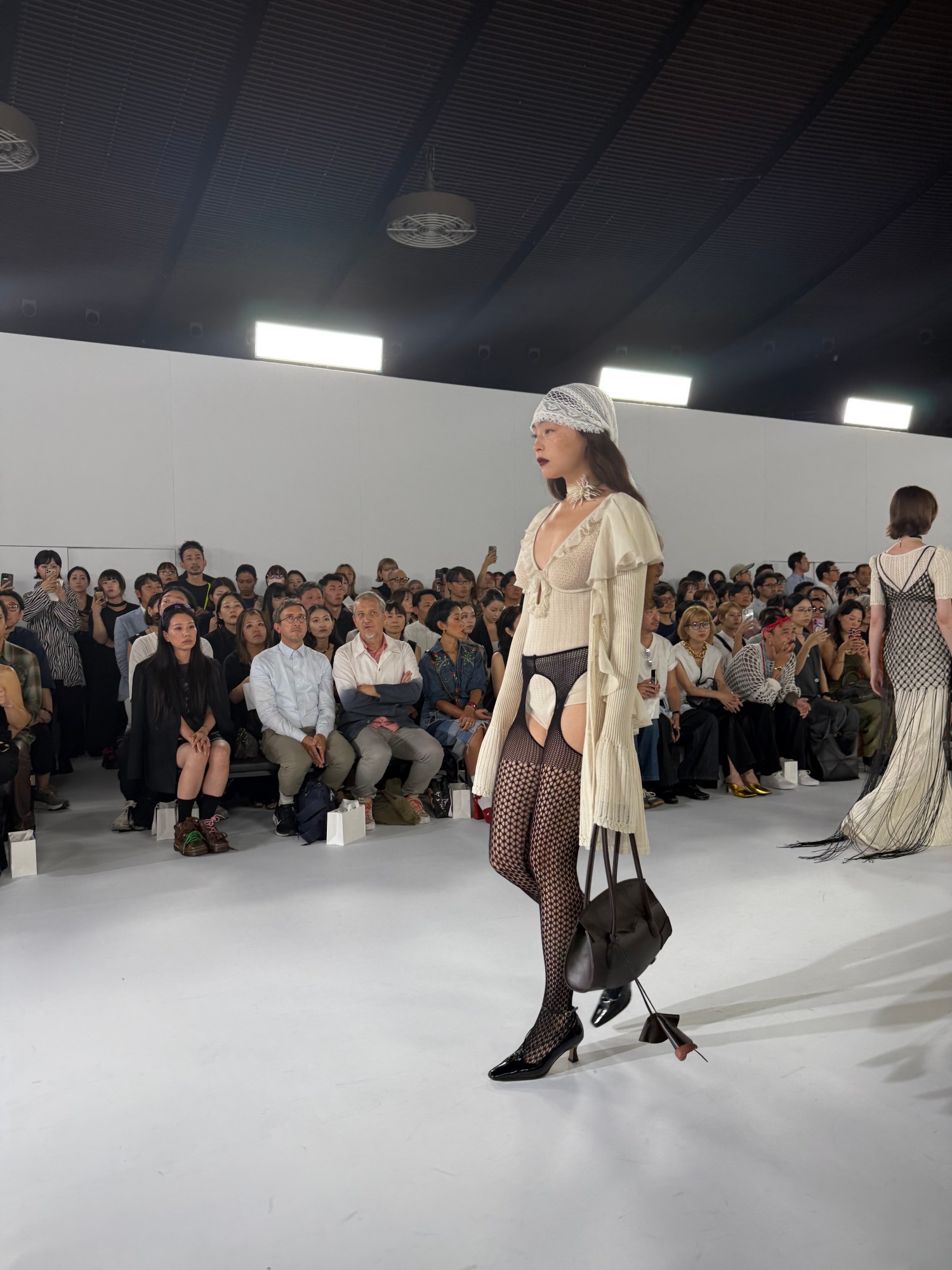
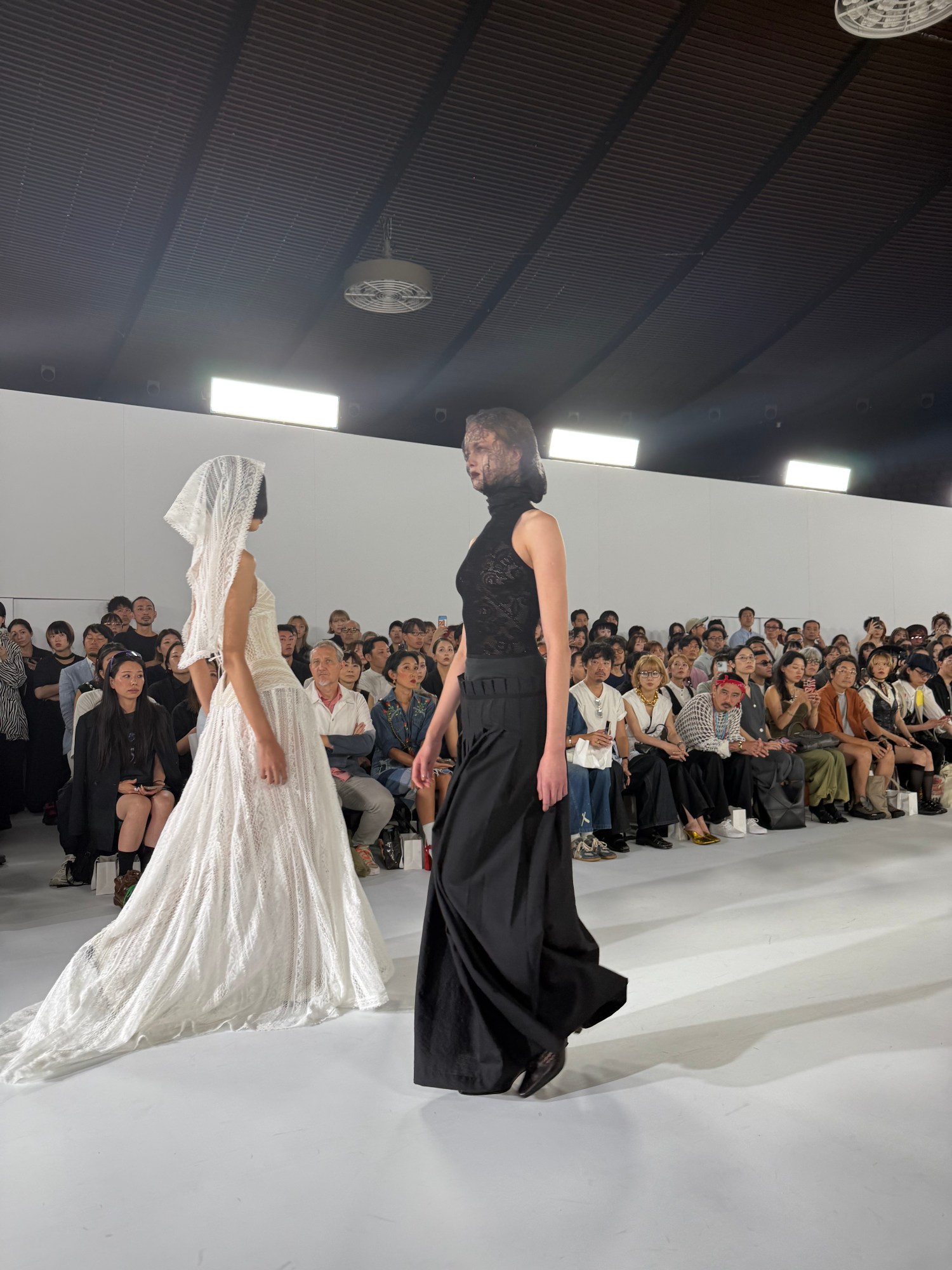
Emi Funayama’s show was sharp and soulful—and, at times, delightfully freaky. The collection channeled artist Rebecca Horn and photographer Irina Ionesco in sensual shapes, damask jacquards, delicate lace-ups, ballet flats, and that first Arch bag which felt like something between art and armour. It was powerful with feminine identity and inner worlds given form. Apparently, it was the biggest Fetico show yet, and easily the one to be at.
Viviano
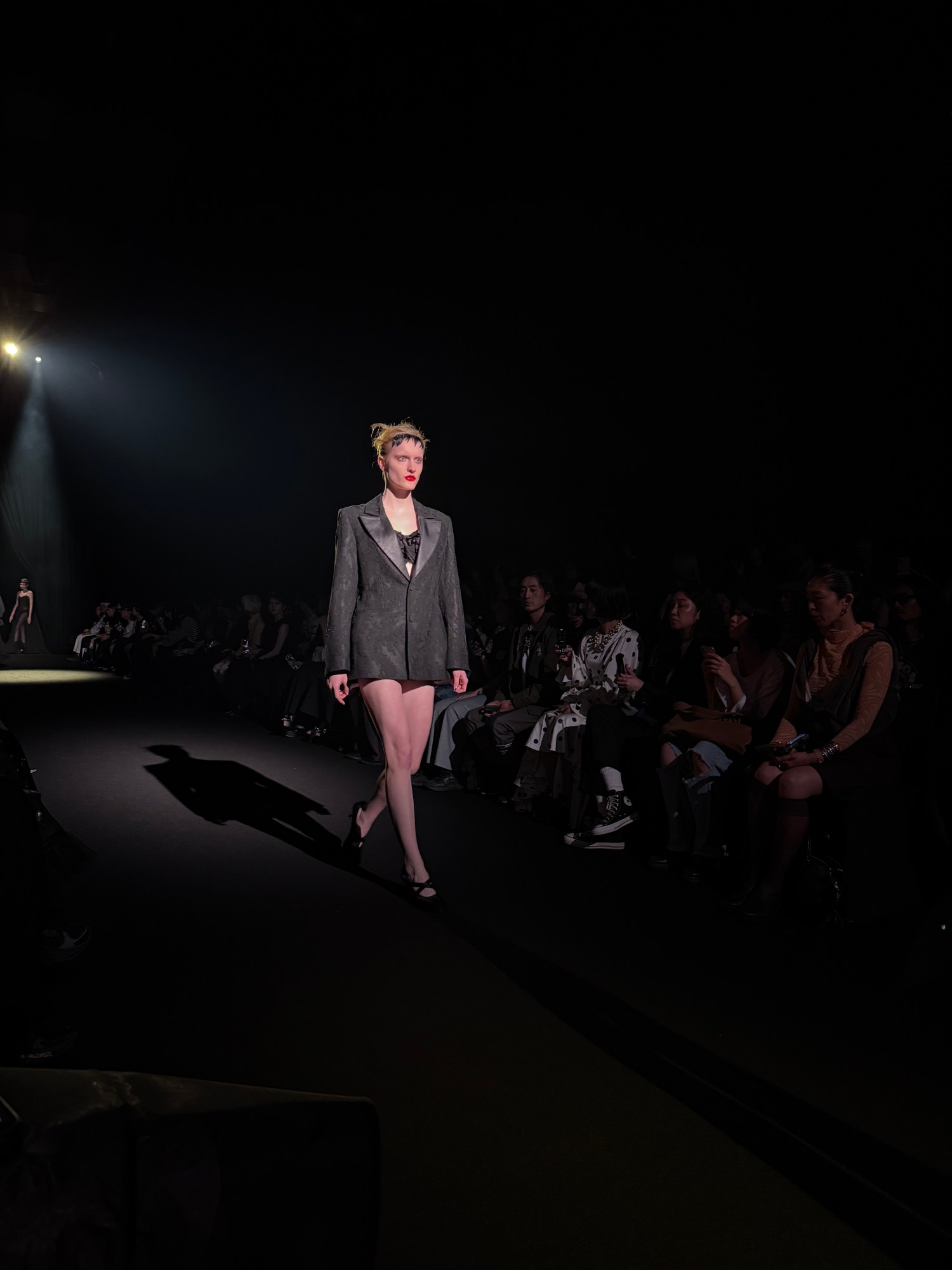
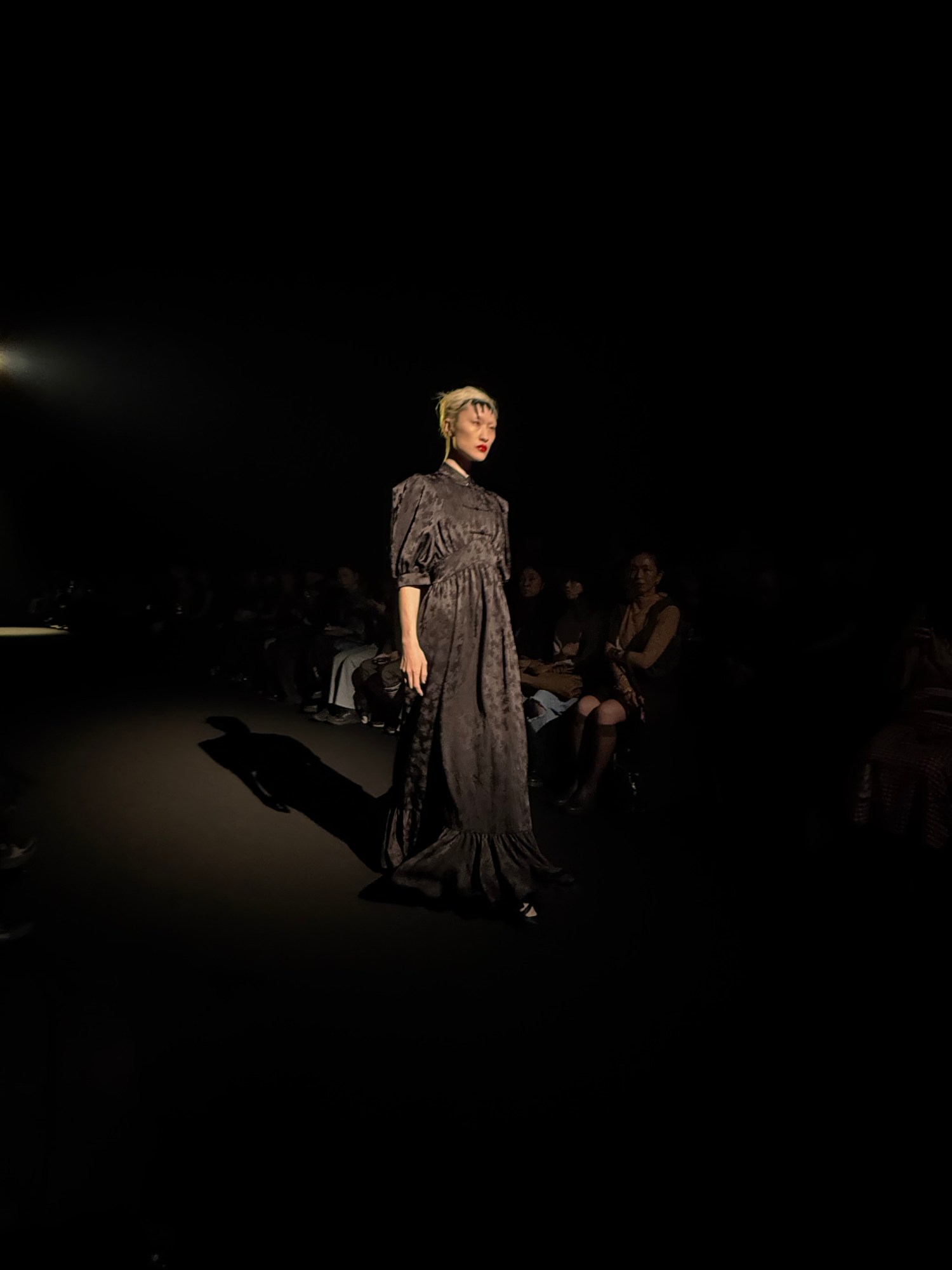
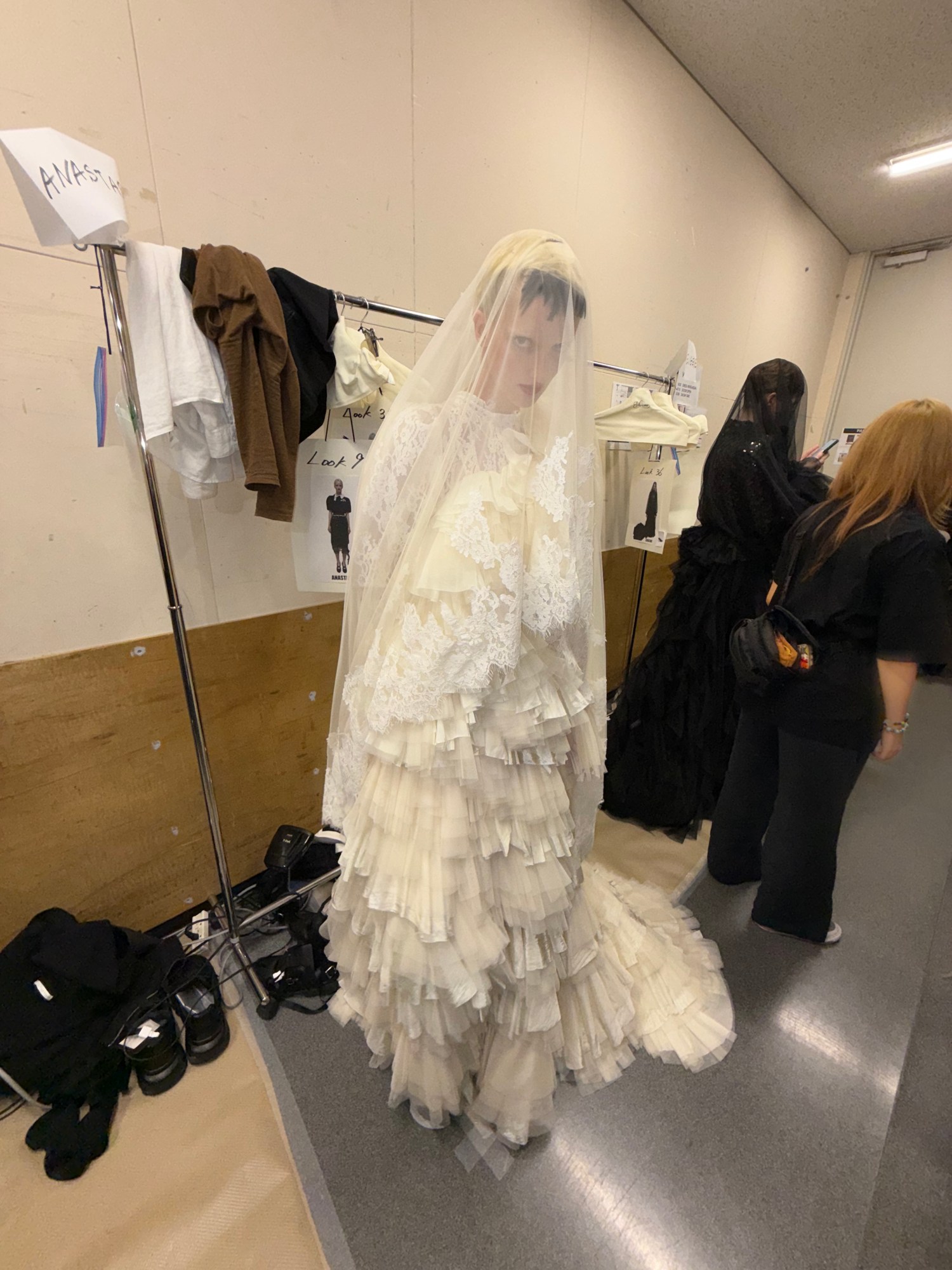
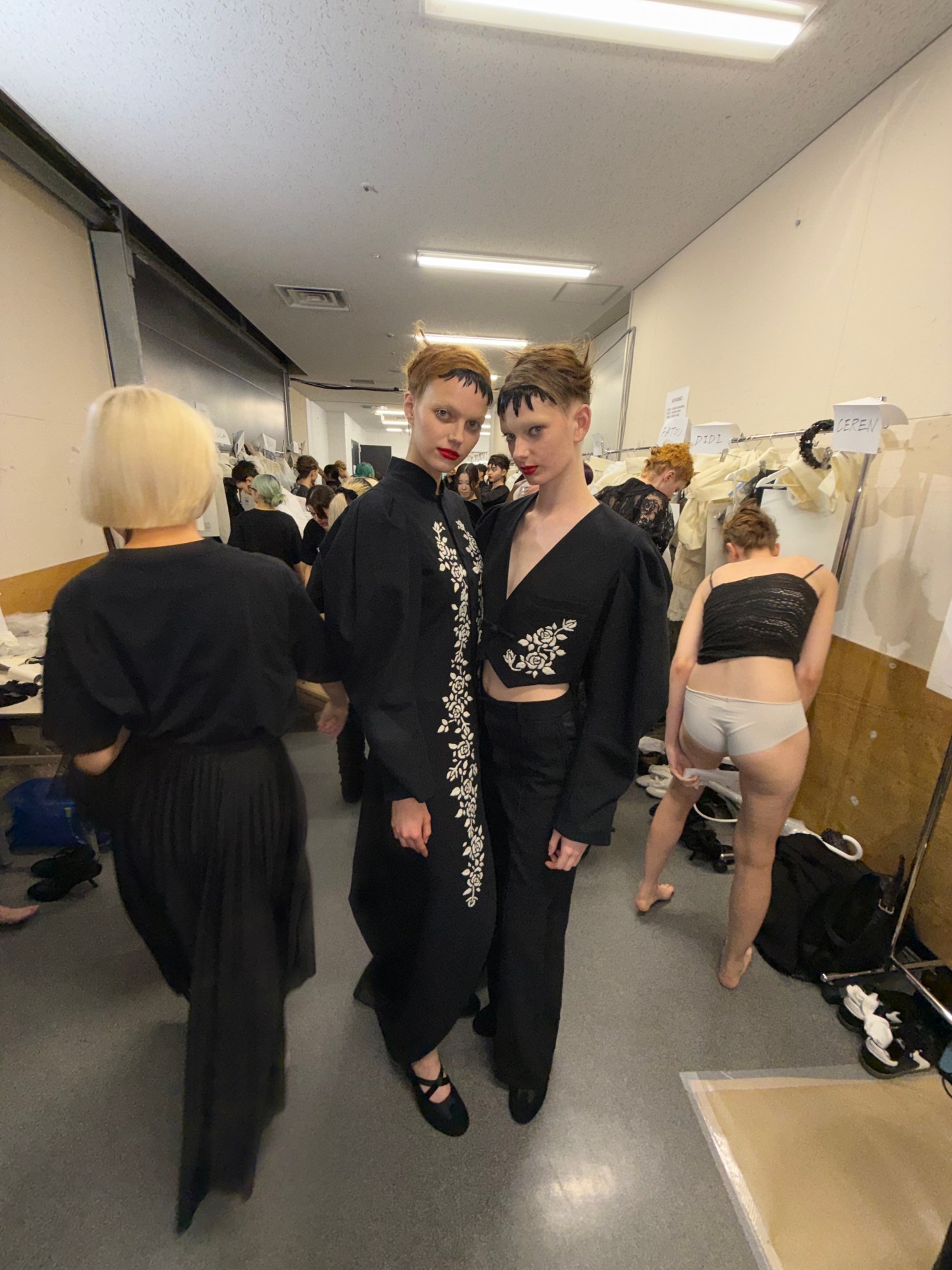
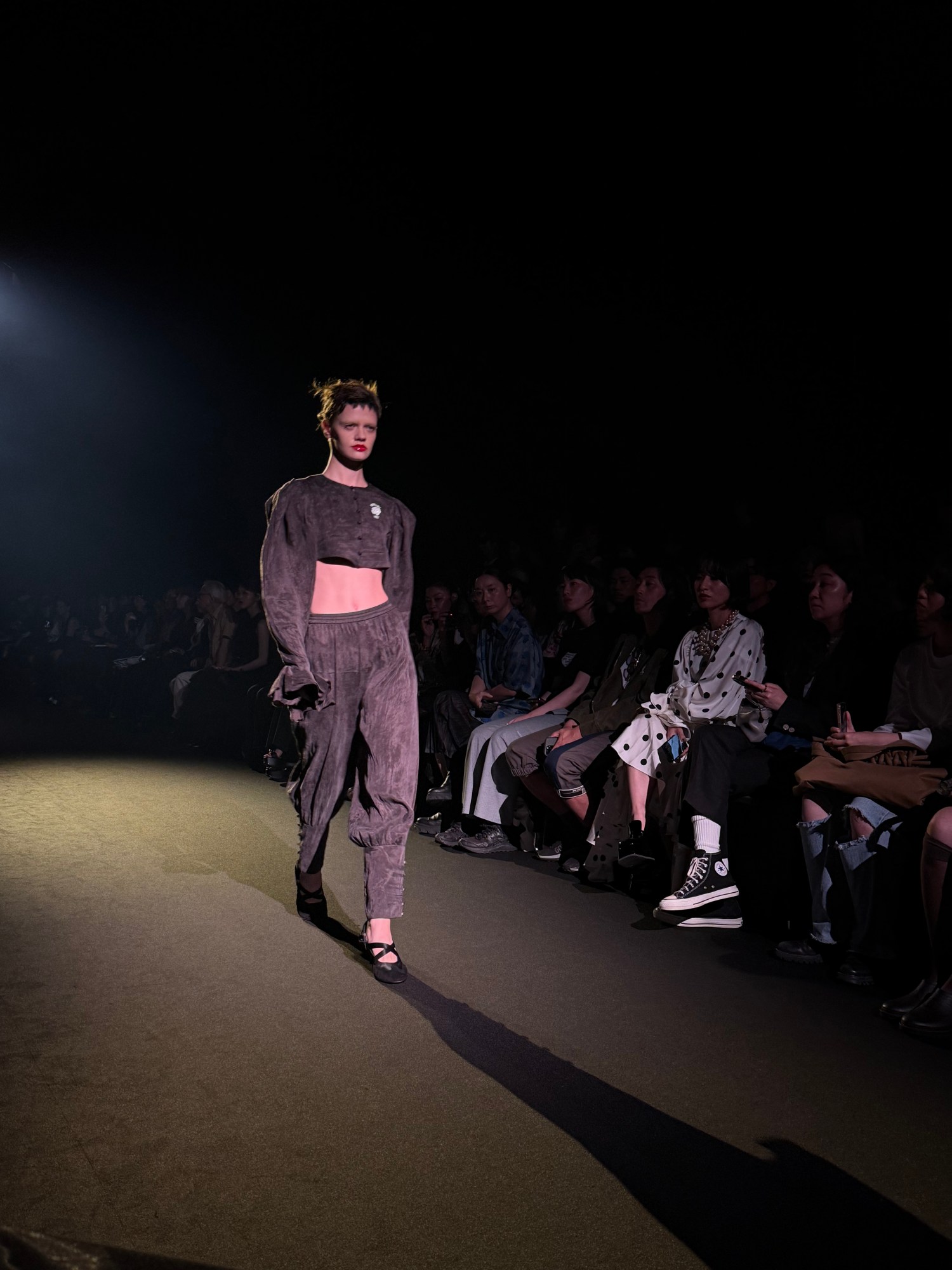
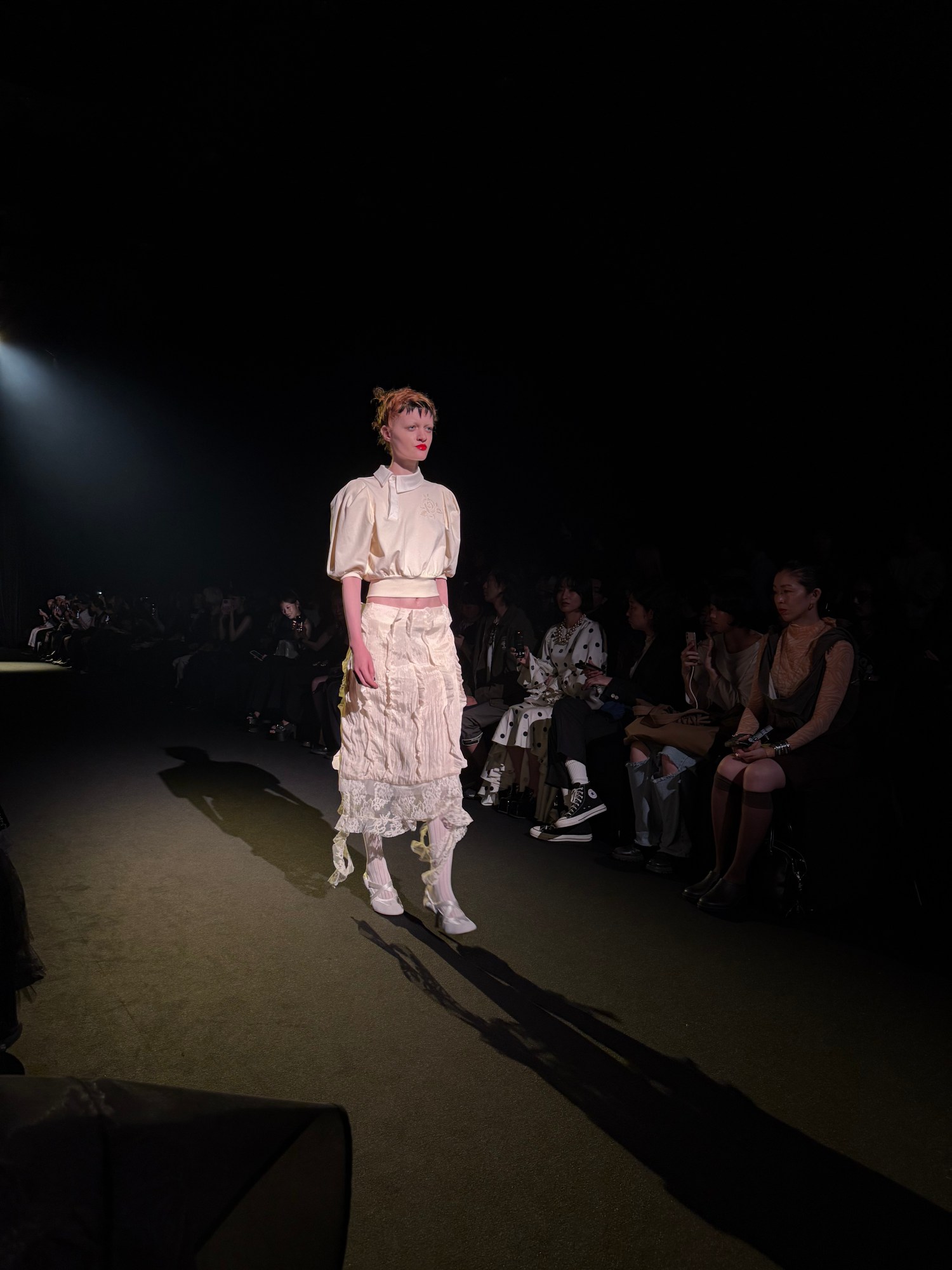
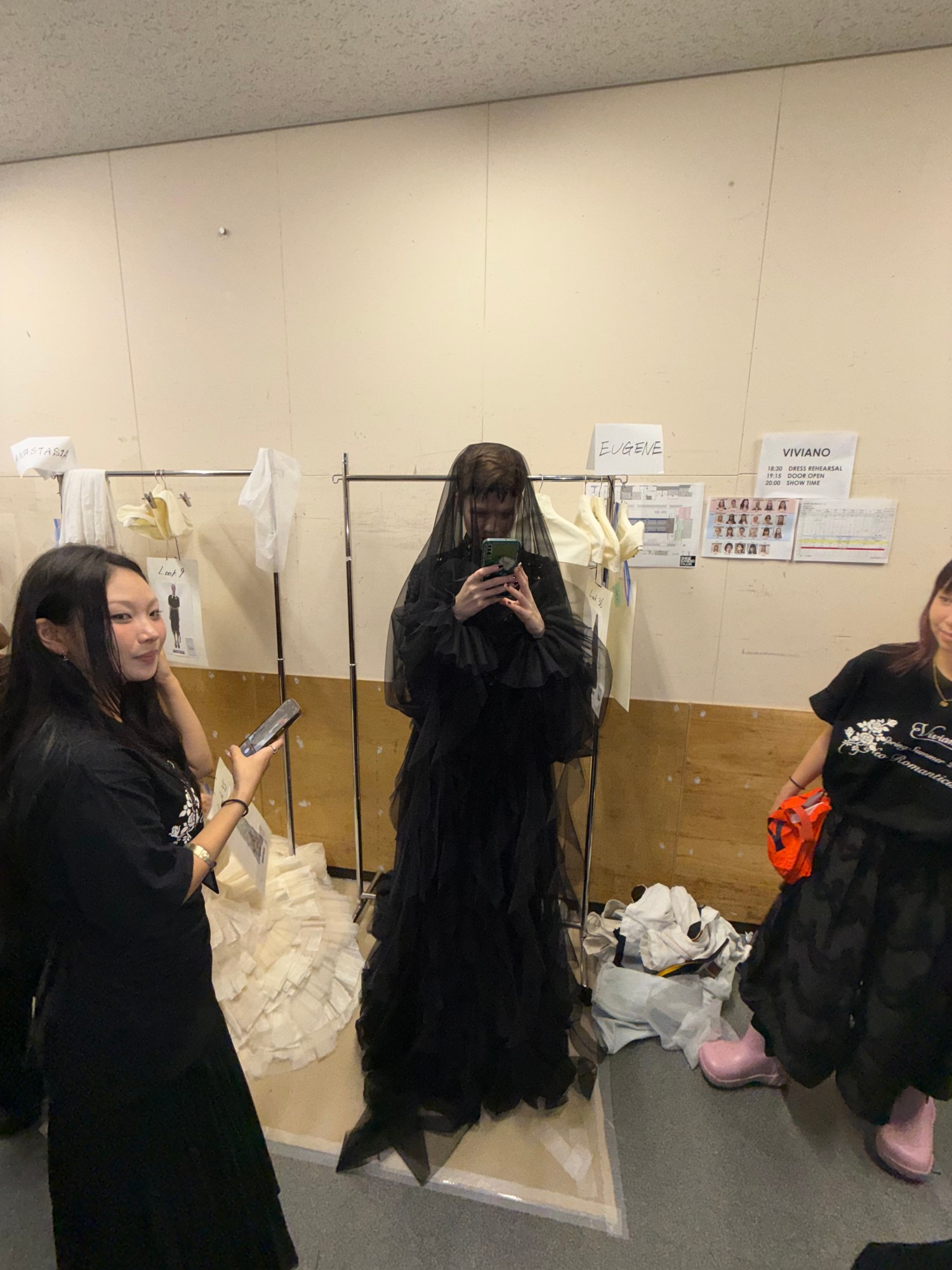
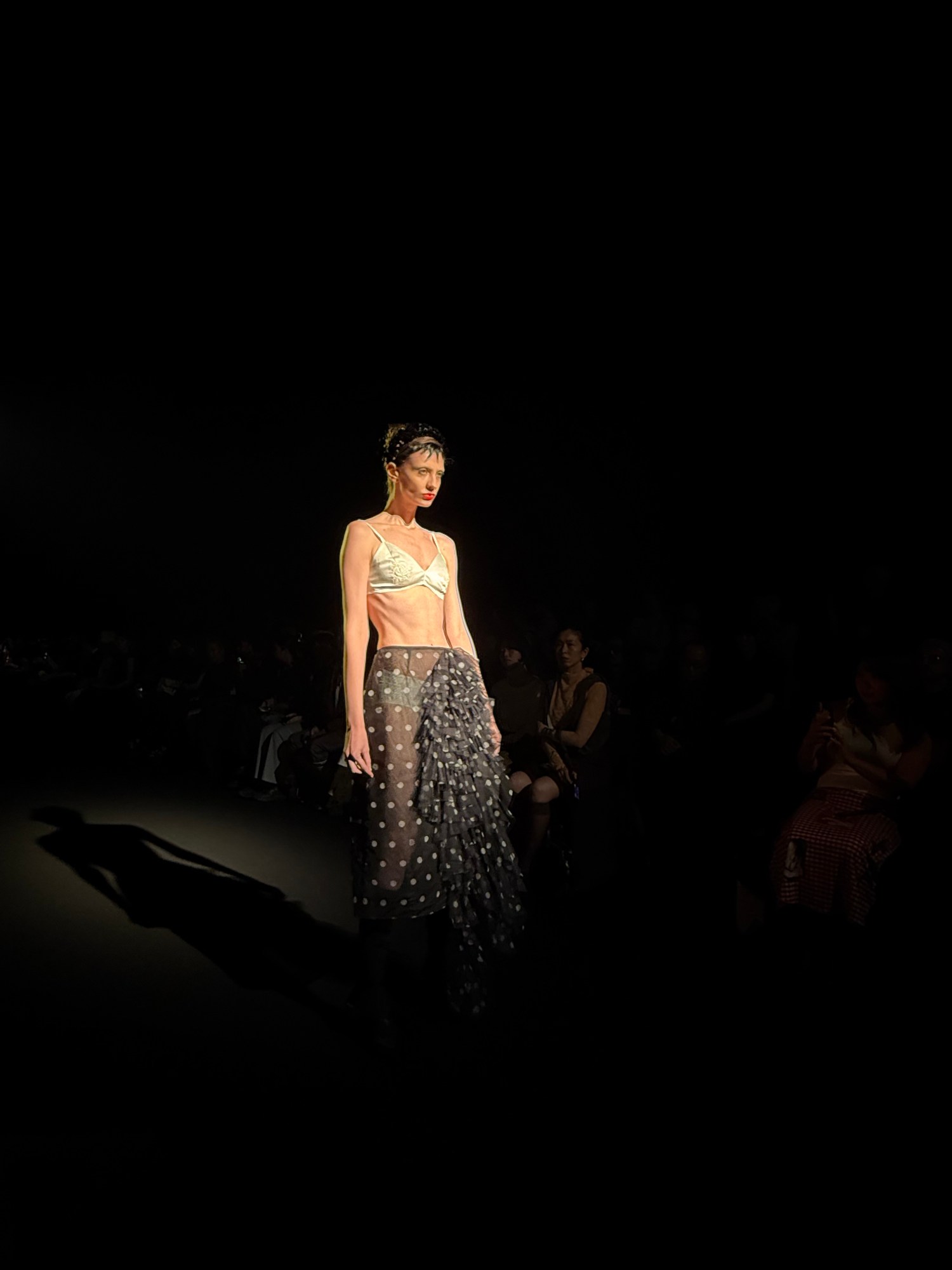
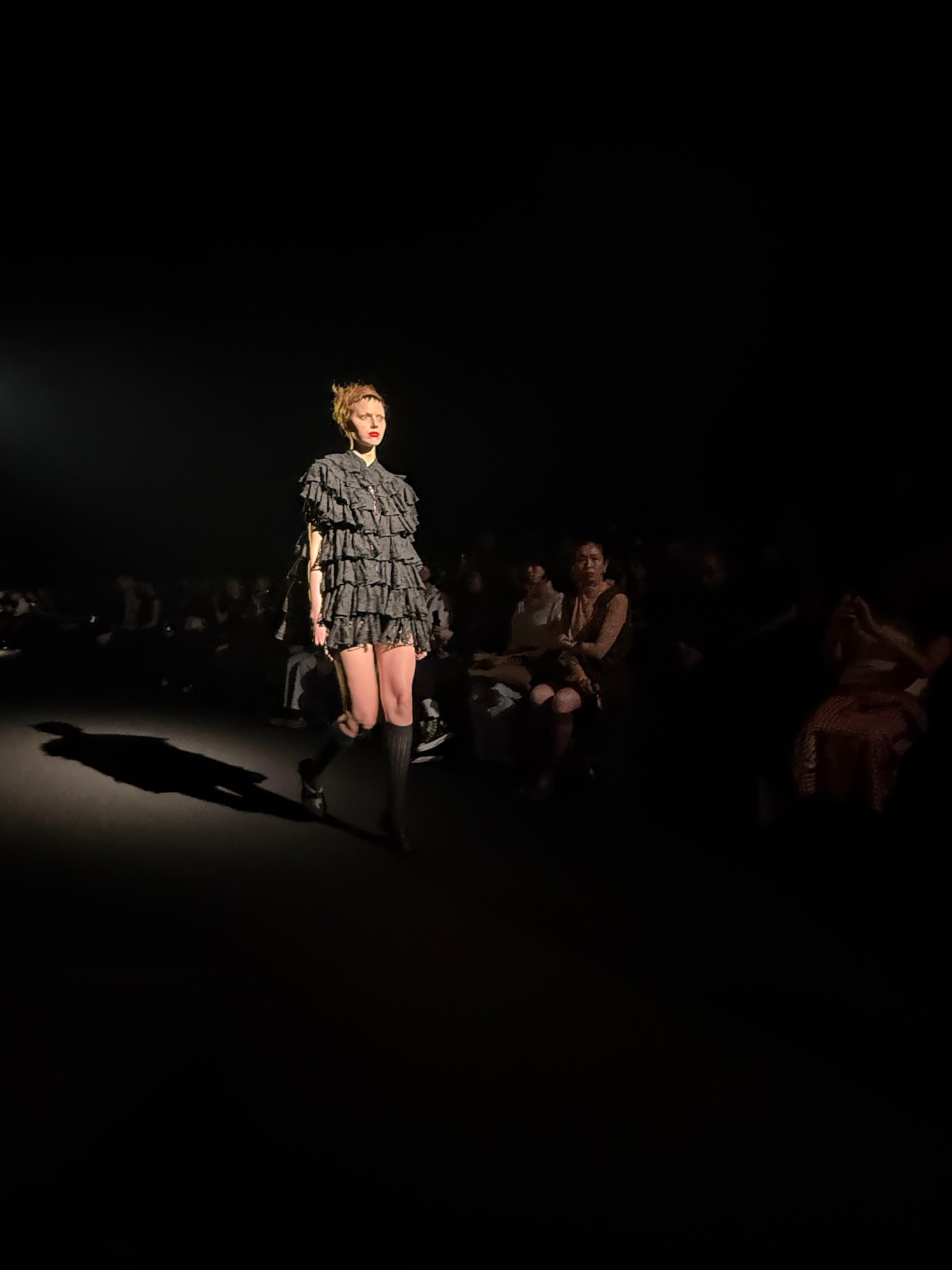
Viviano turned expectations on their head this season with his first-ever all-black collection. Instead of the rainbow he’s known for, the focus shifted to craftsmanship: moiré taffeta, delicate lace, and tulle layered into sculptural, curve-conscious silhouettes, offset by oversized, dramatic shapes. As he put it, “I was really inspired by haute couture from the 1930s to the 1970s…for me, that’s a kind of romanticism. So this season, which we call Neo Romanticism, is really about redefining what Viviano-style romanticism means now.” Plus, I loved showing up in my striped shorts-and-shirt set from last season, complete with its massive 3D bow.
Chika Kisada
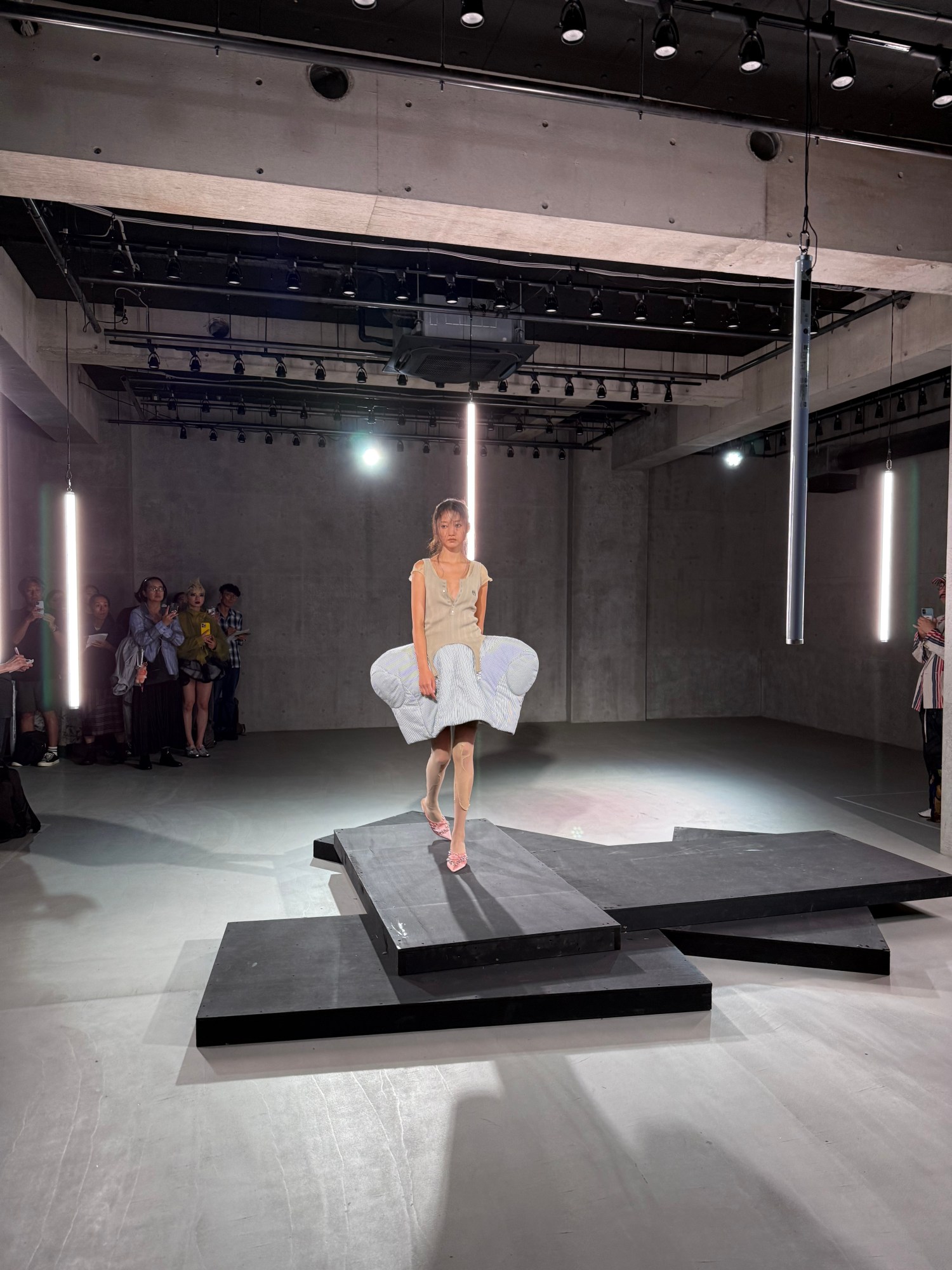
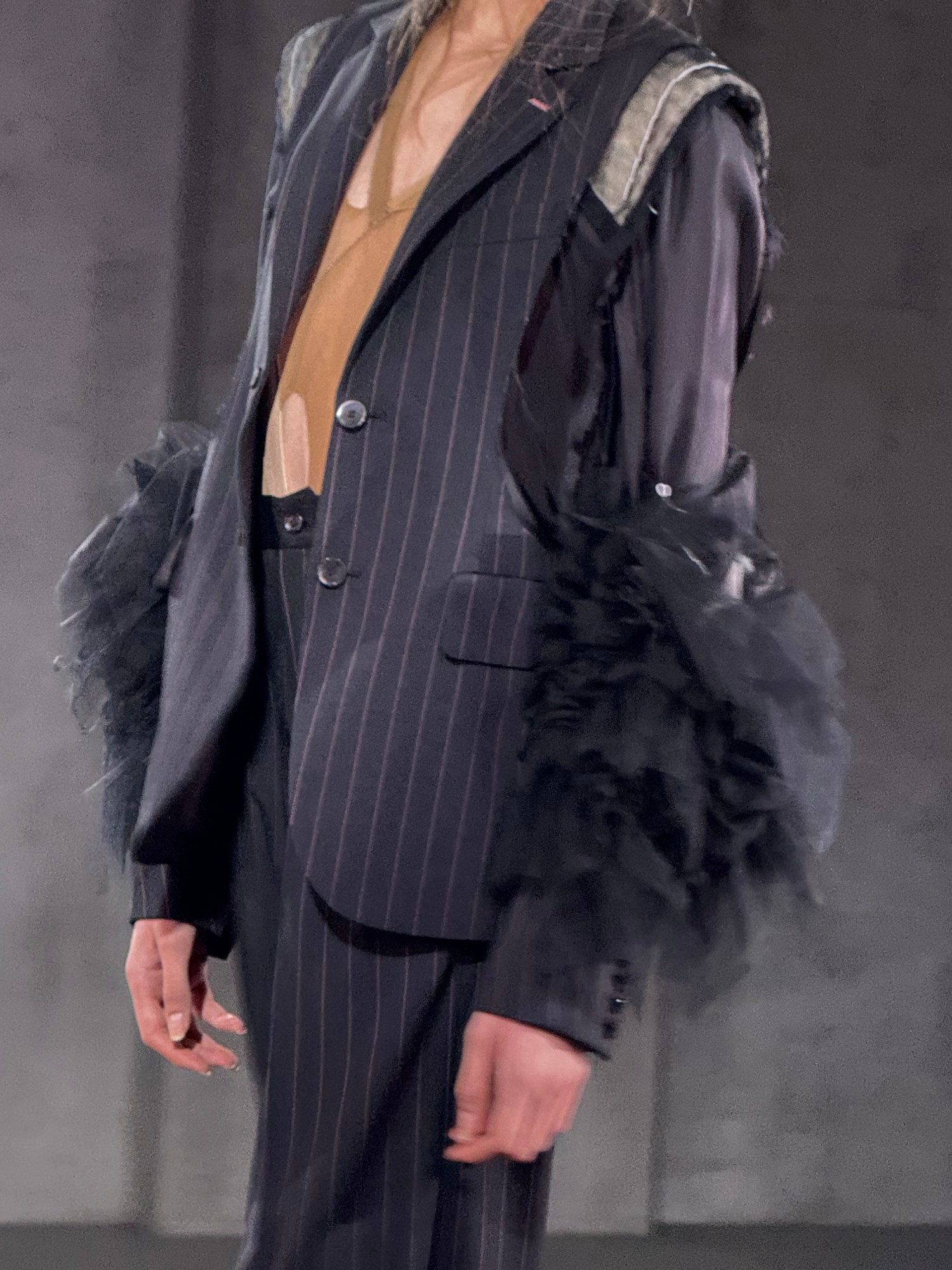
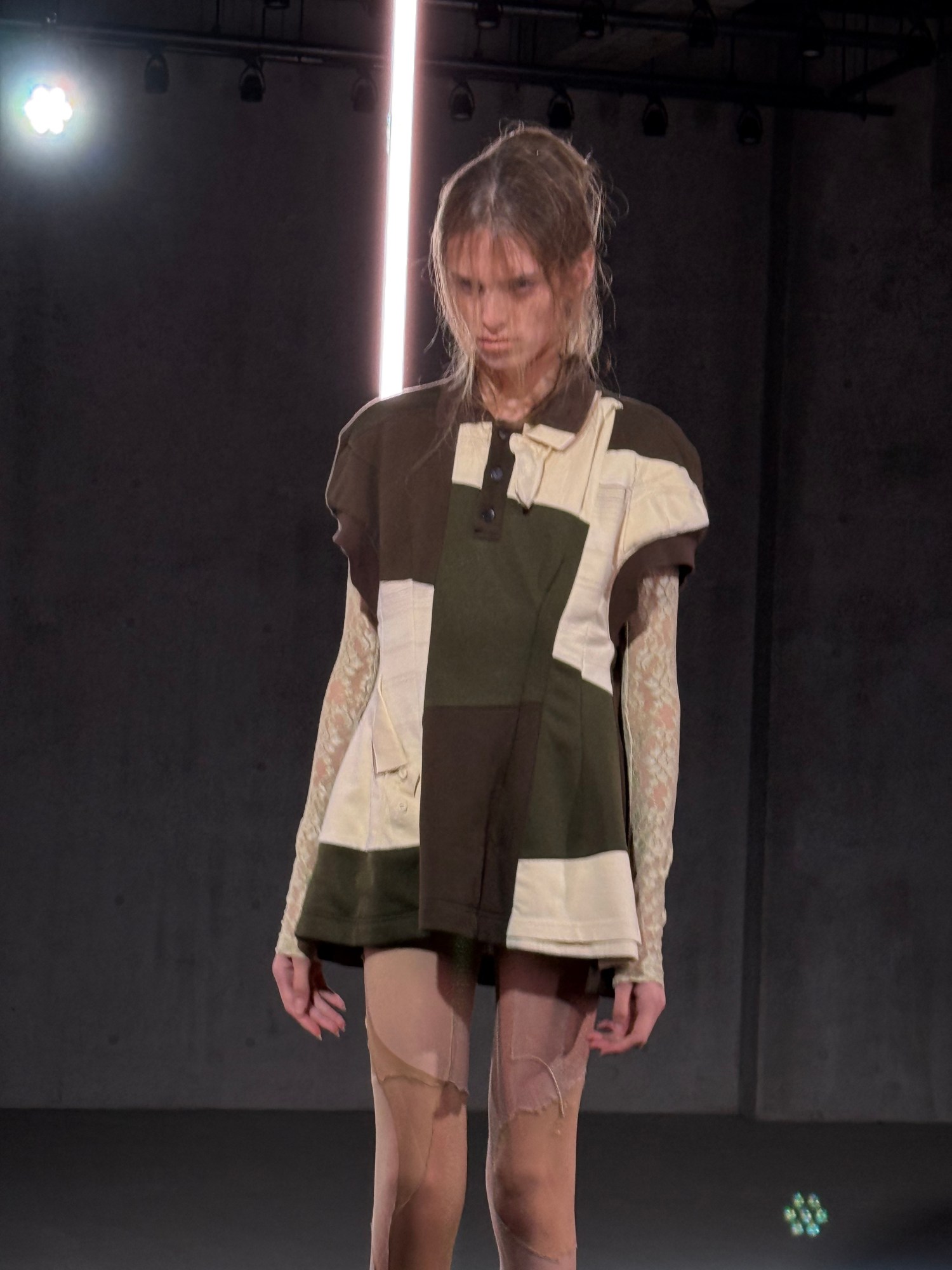
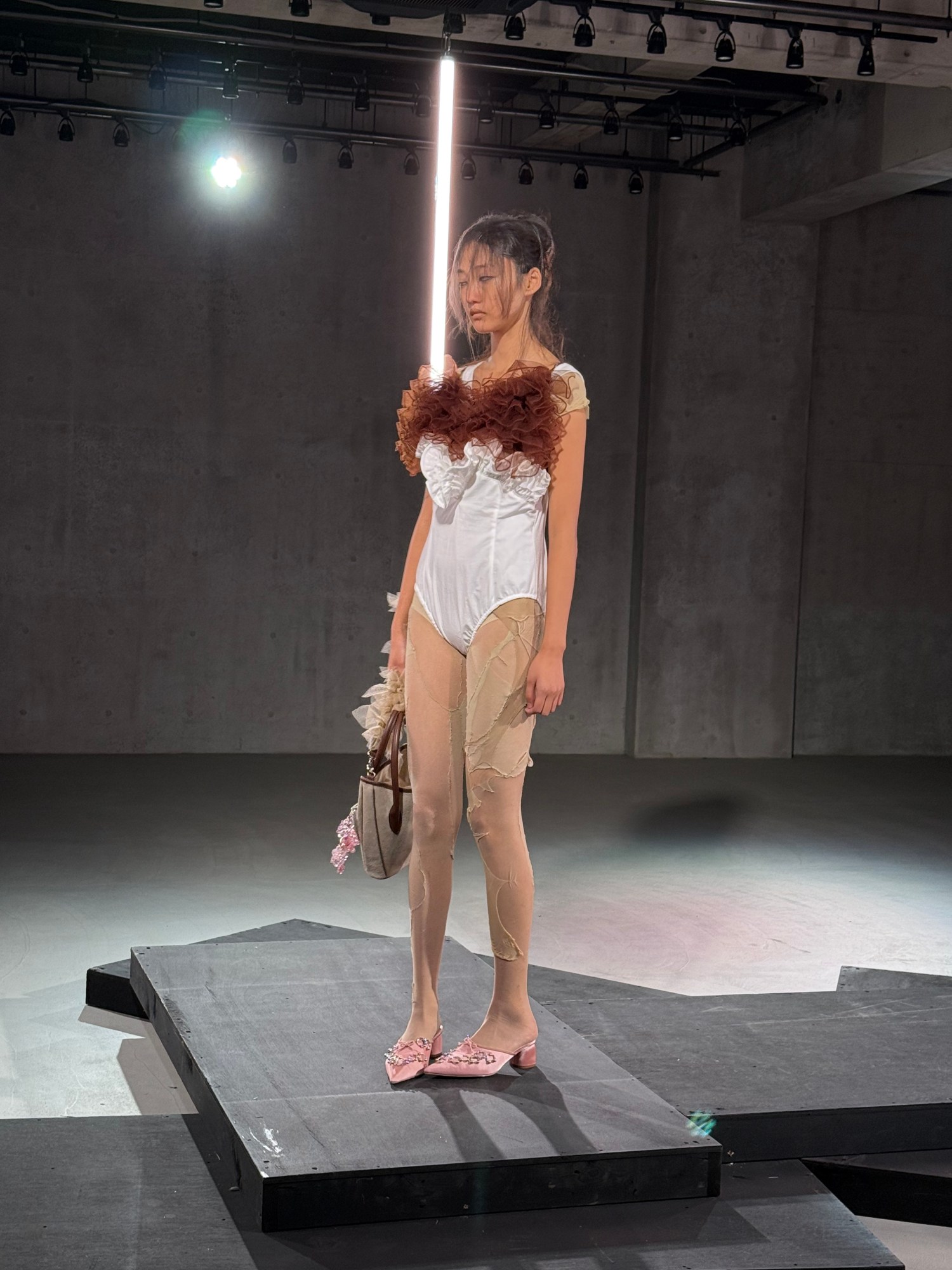
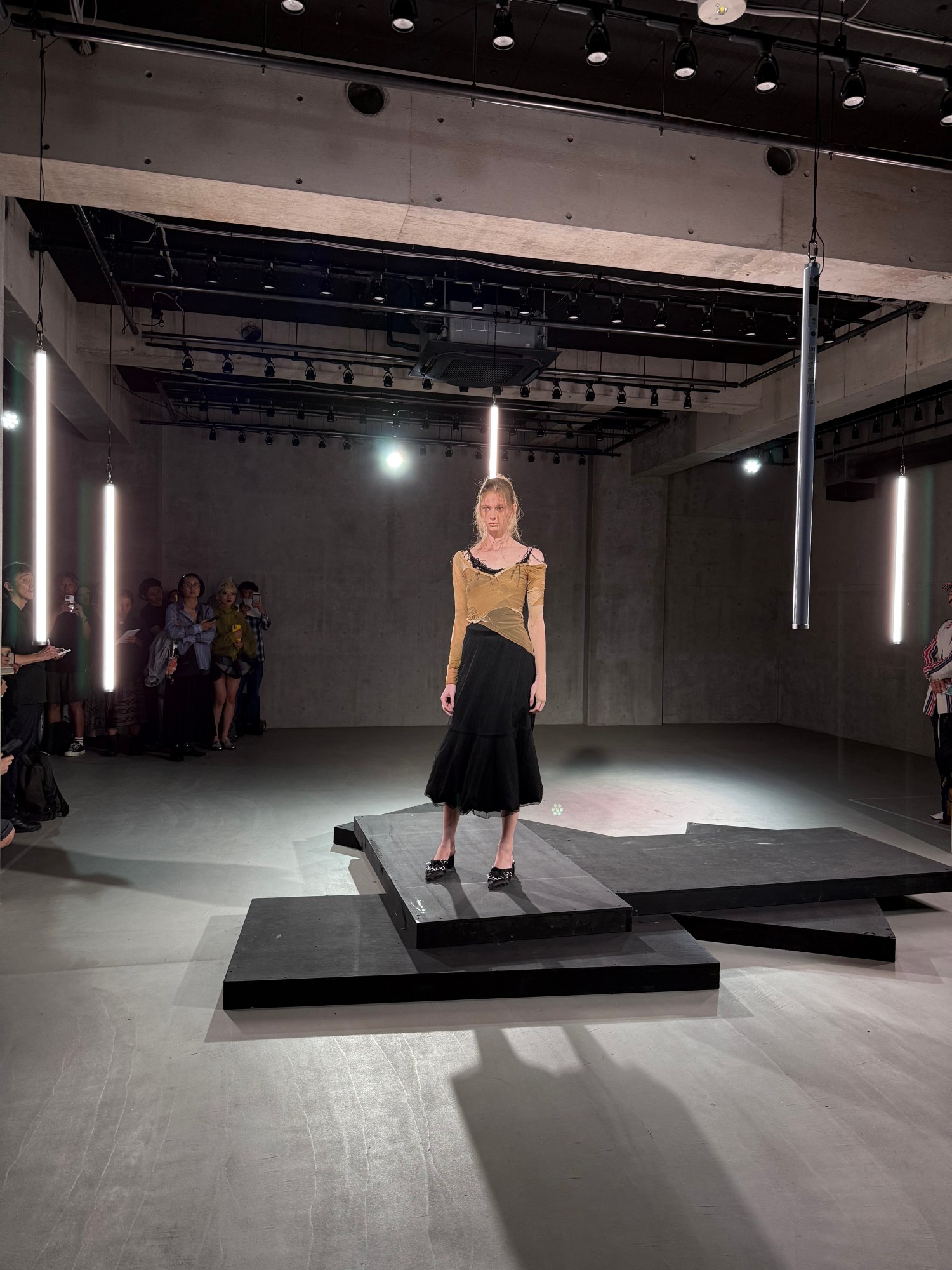
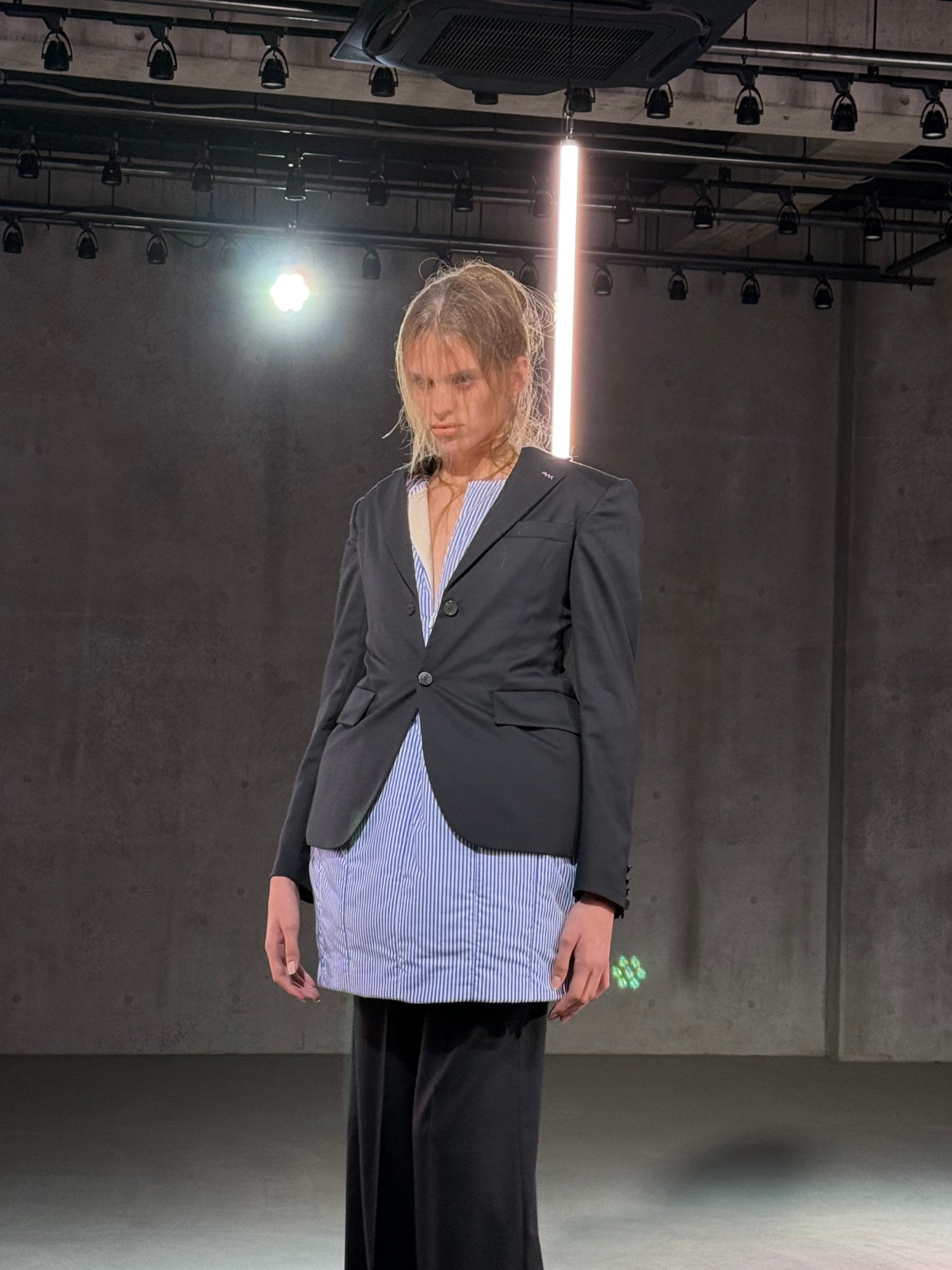
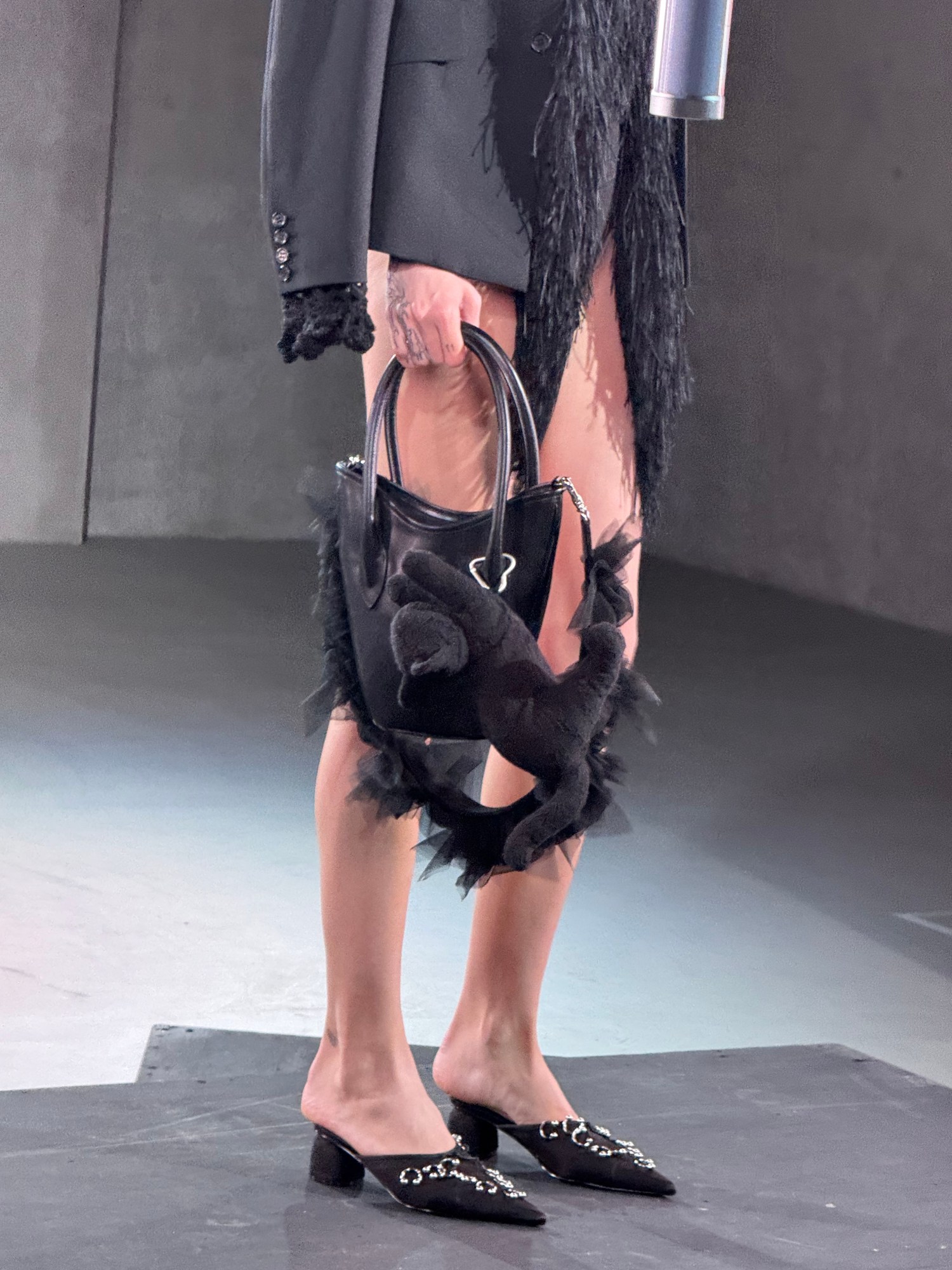
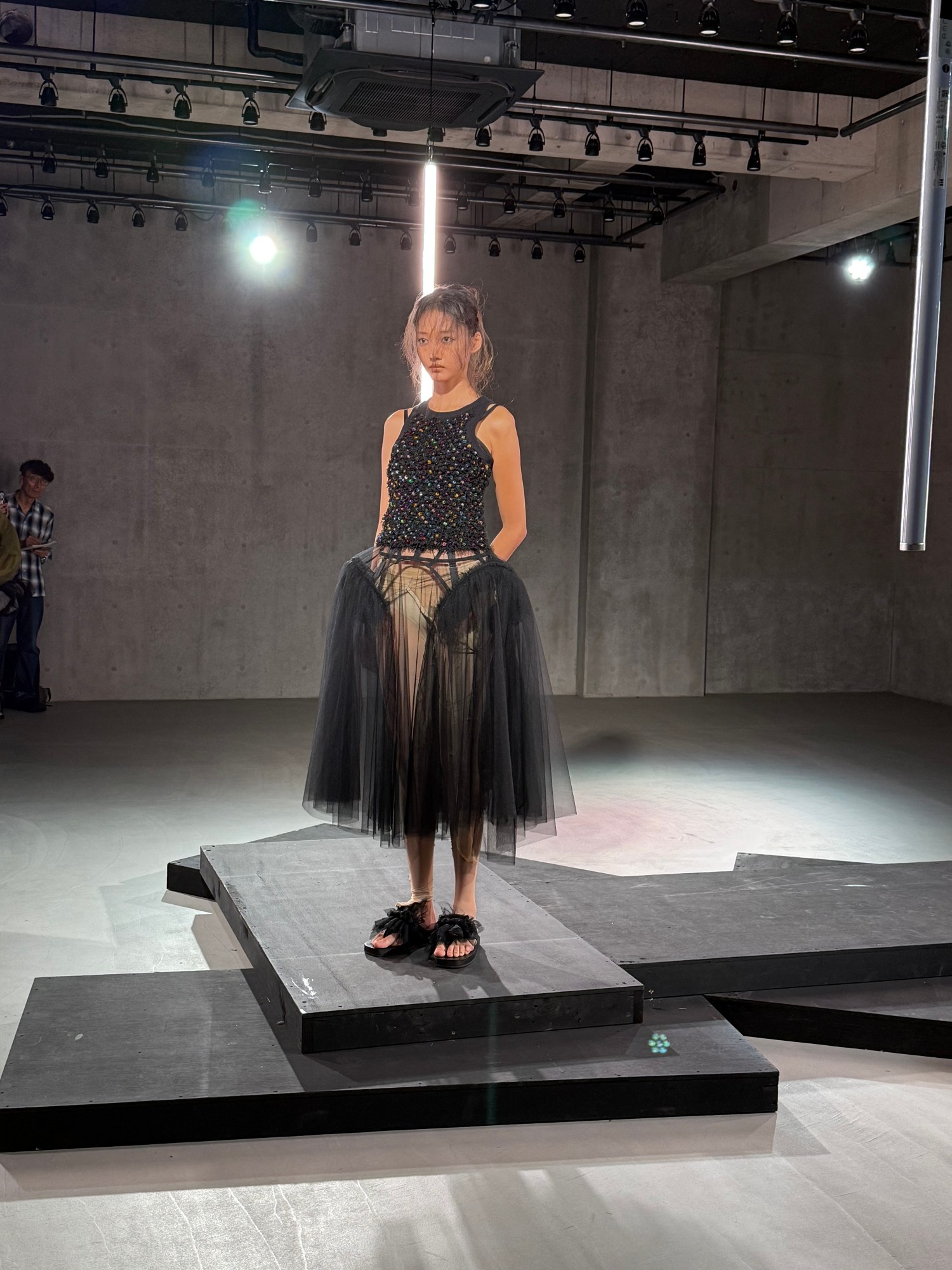
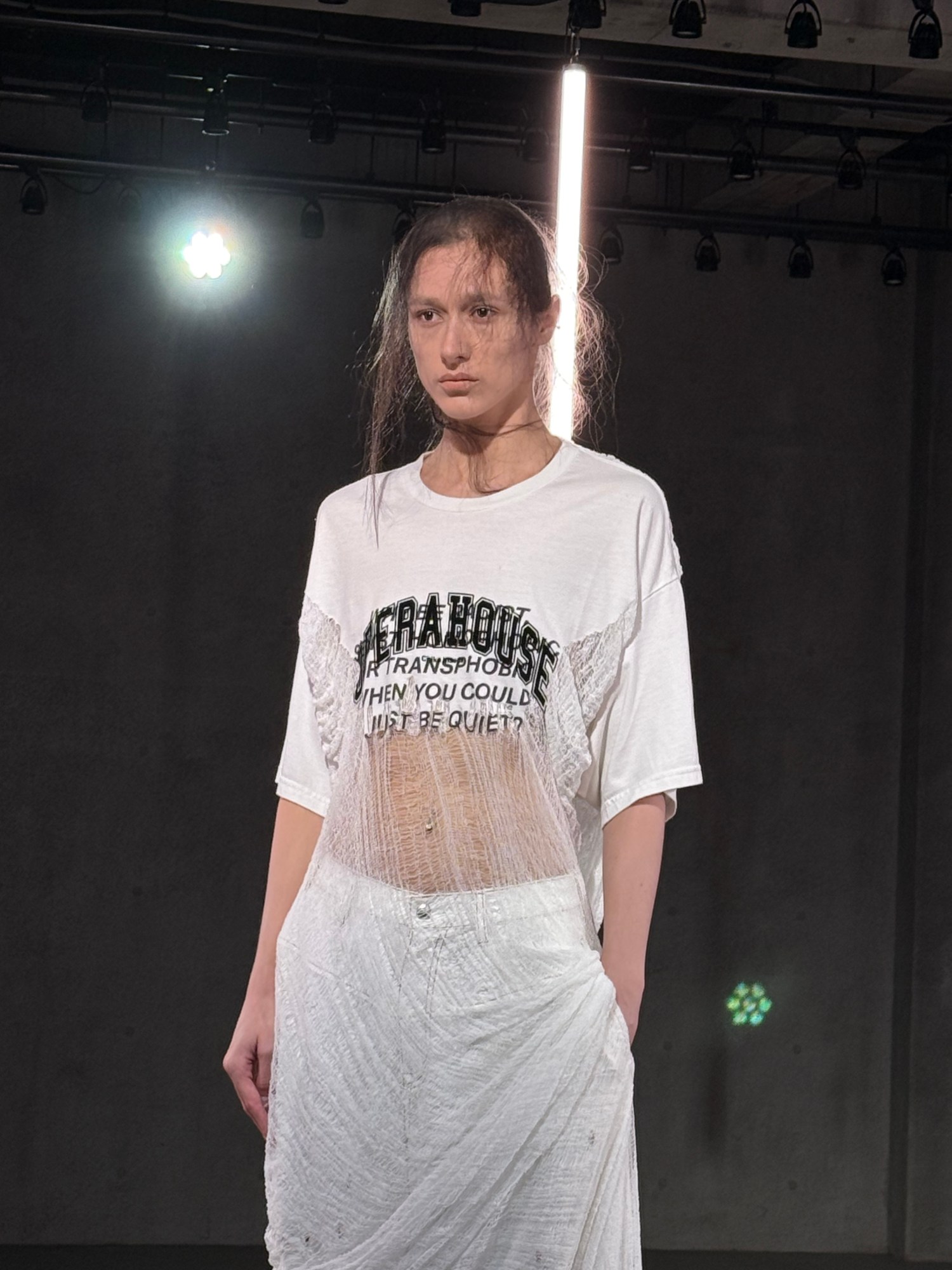
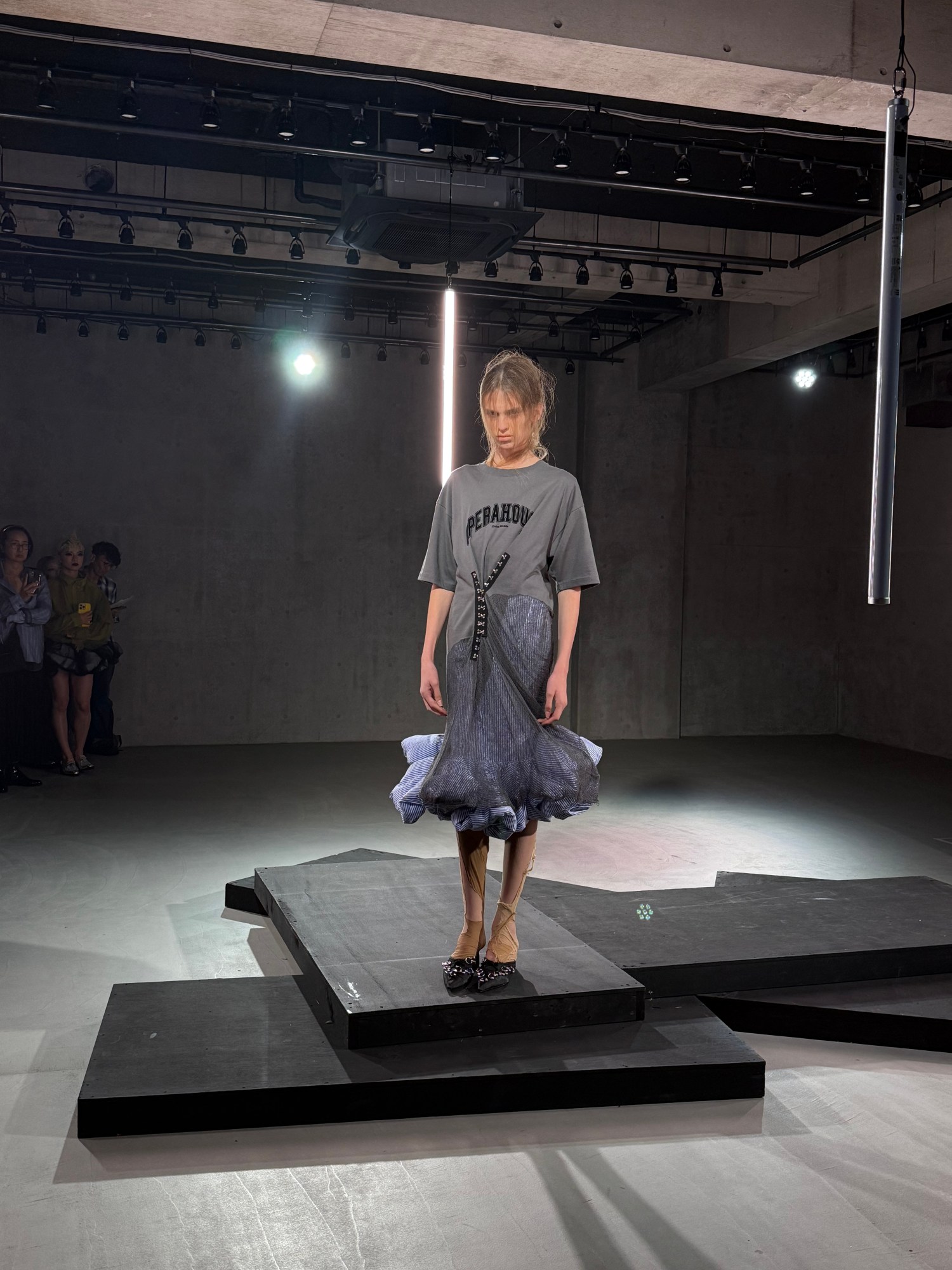
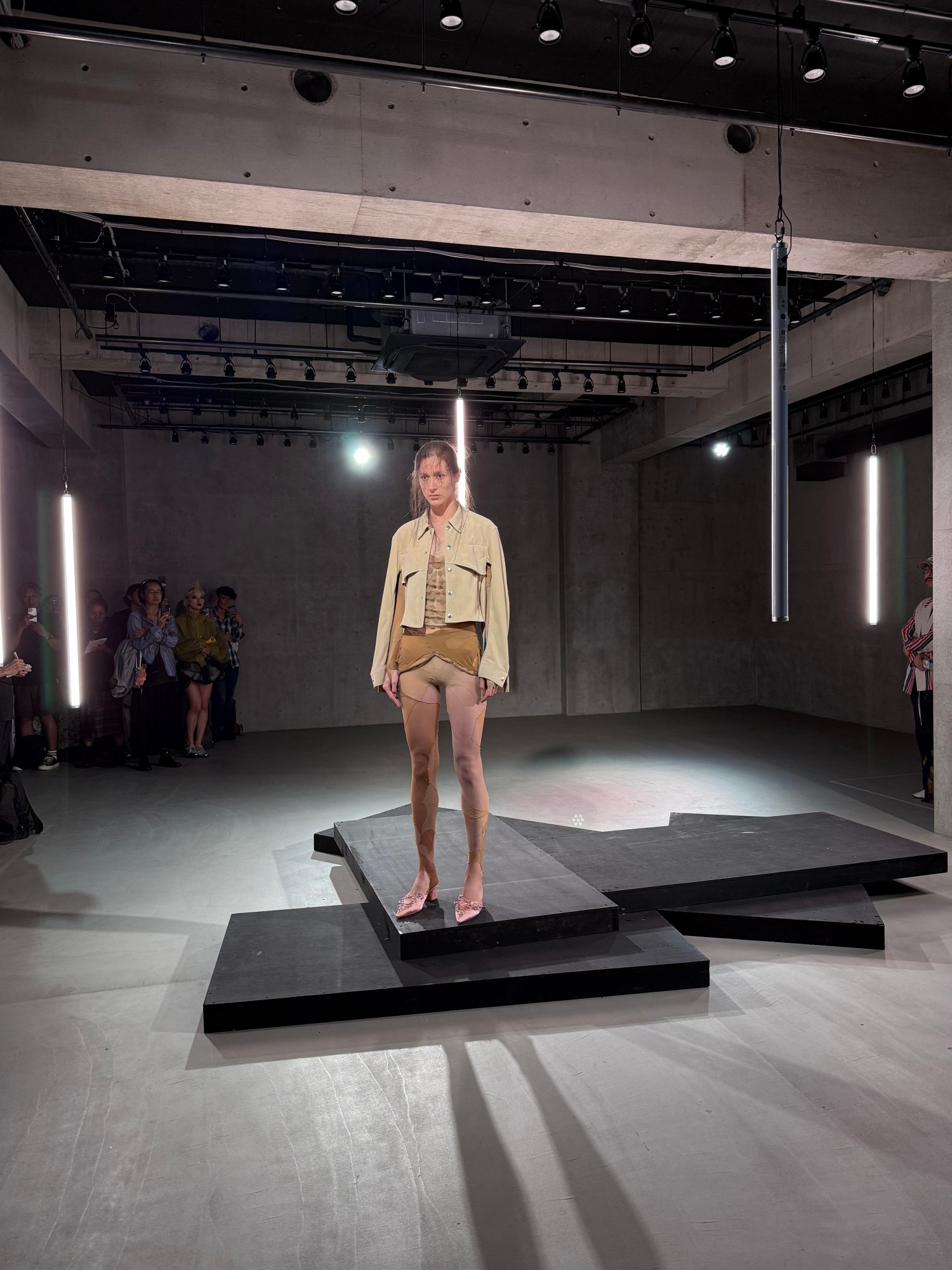
Her show bridged precision and poetry. Given that her partner is a pattern cutter at Comme, some of that technical prowess showed—not just in cuts and seams but in how pieces draped, how geometry interacted with softness. There was a refined restraint, but also surprises: unexpected textures, layered fabrics, refined tailoring with a heart. It felt confident rather than flashy. And cool as hell.
Yueqi Qi
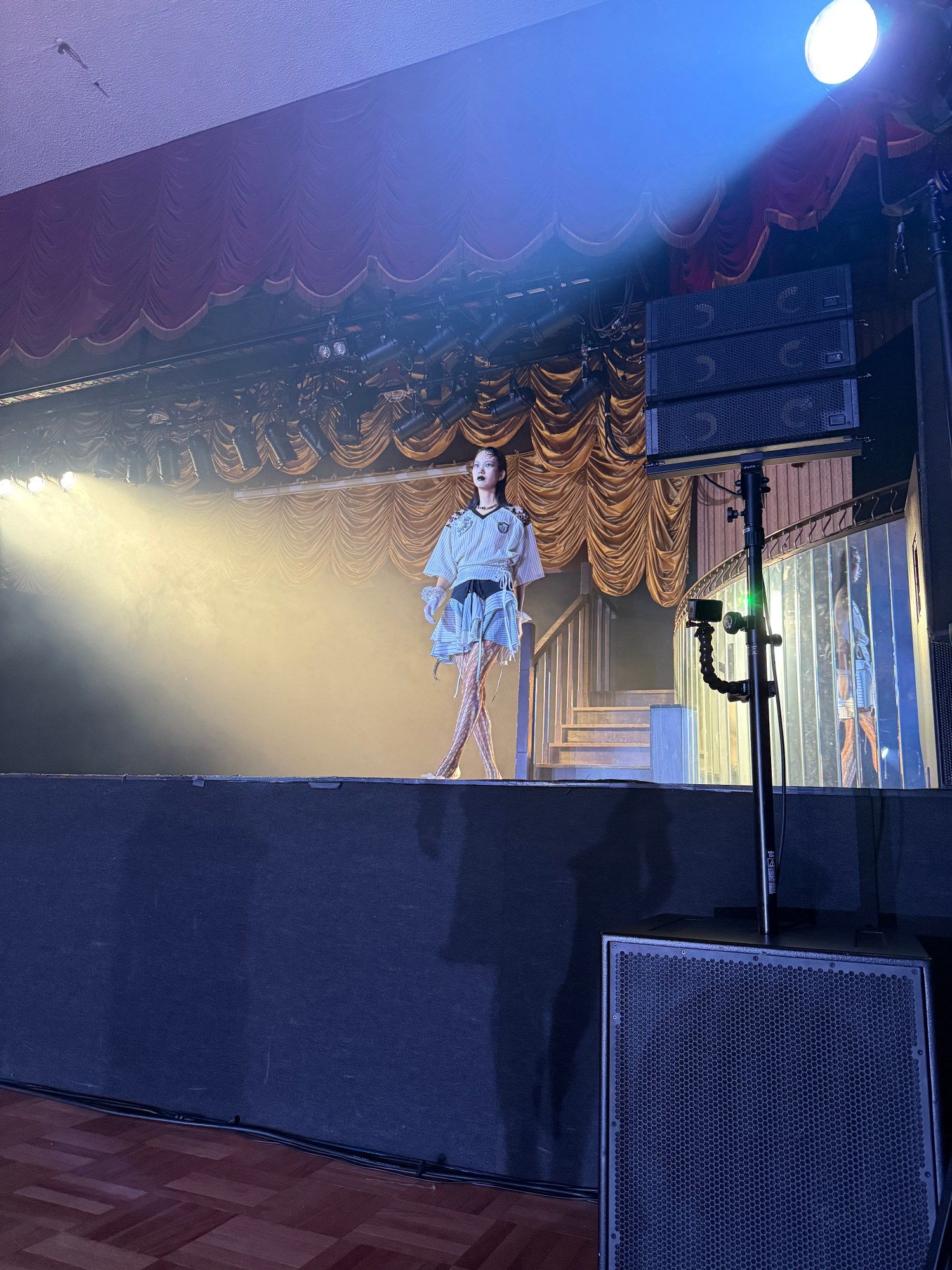
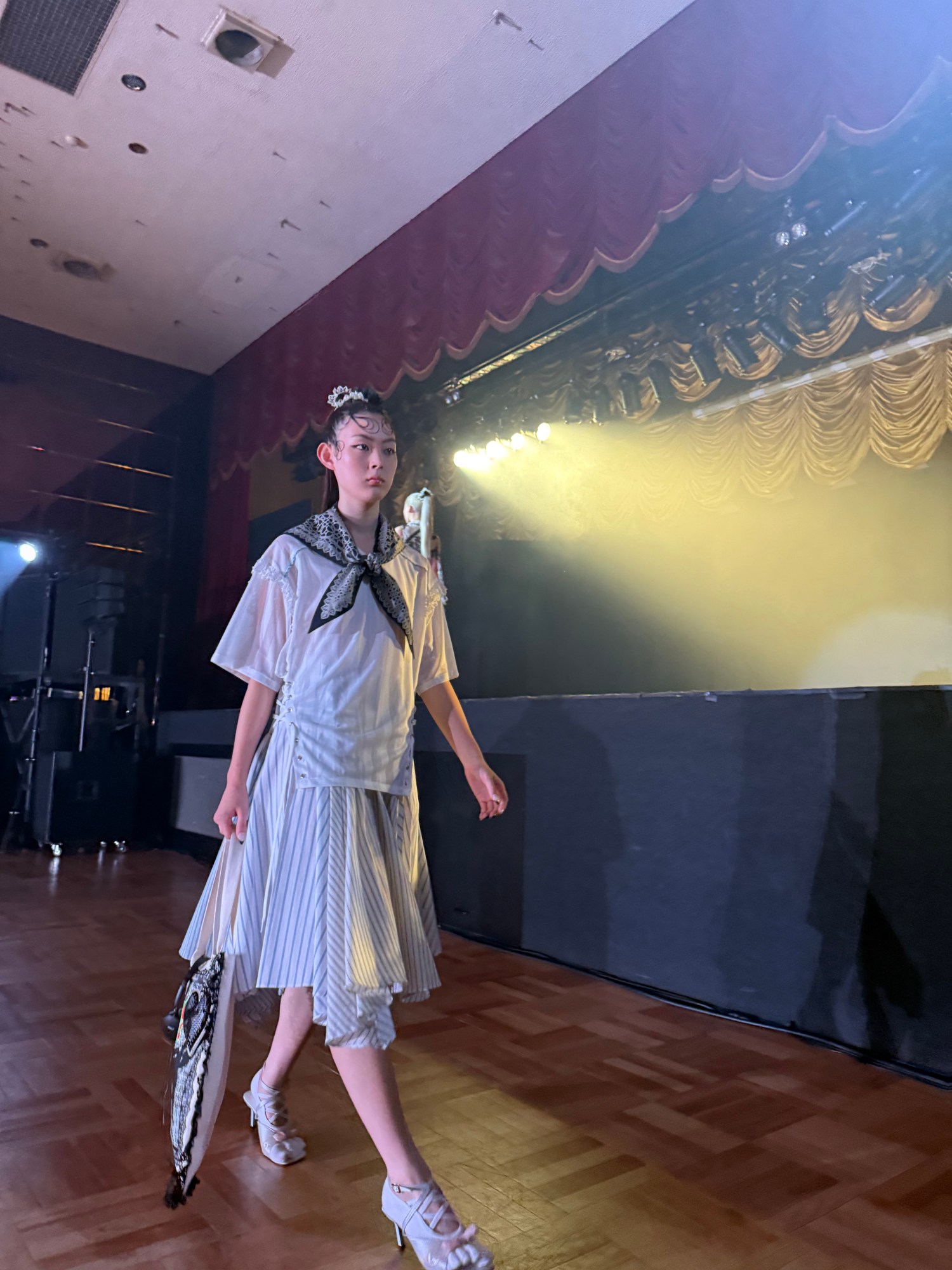
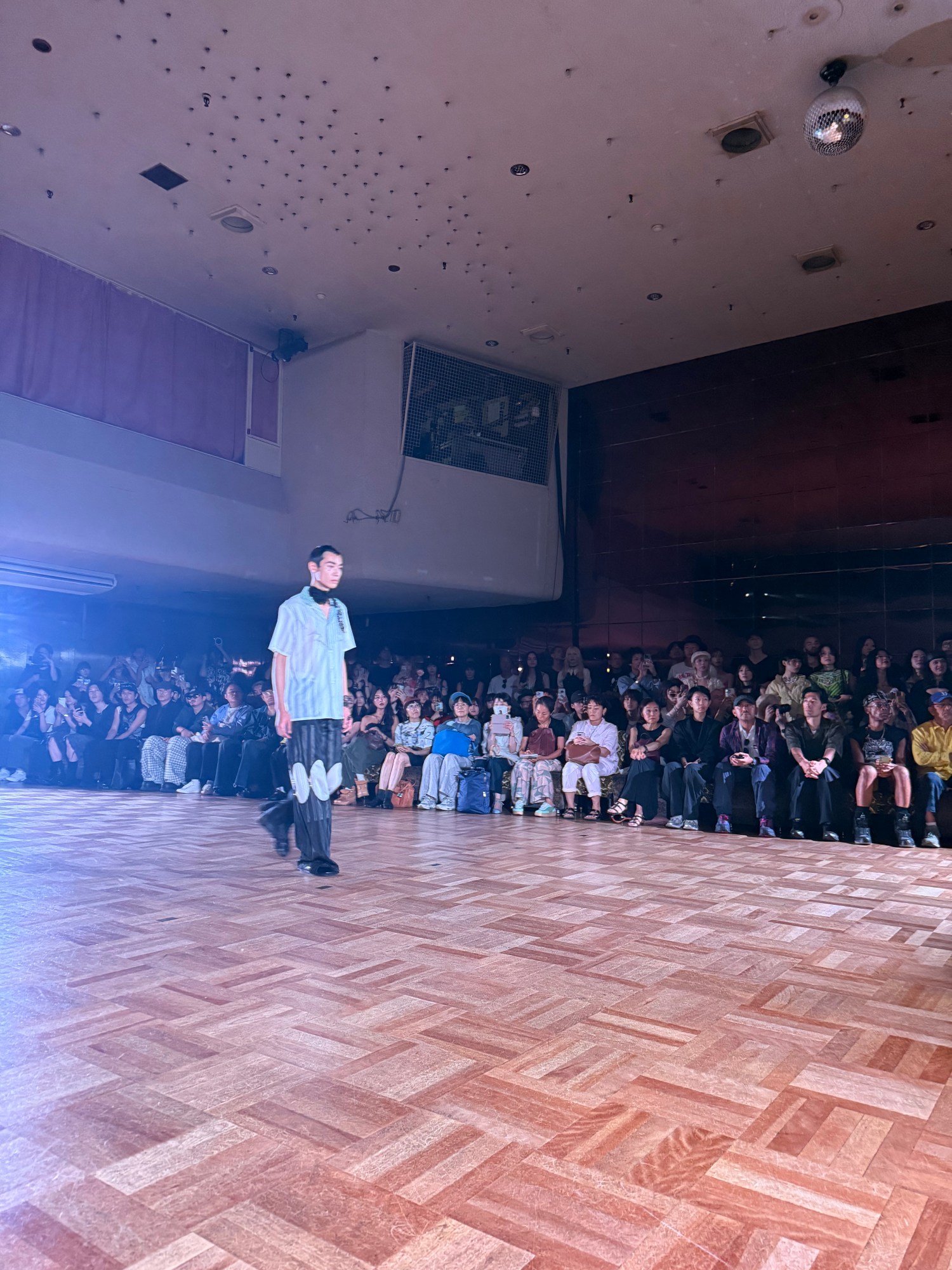
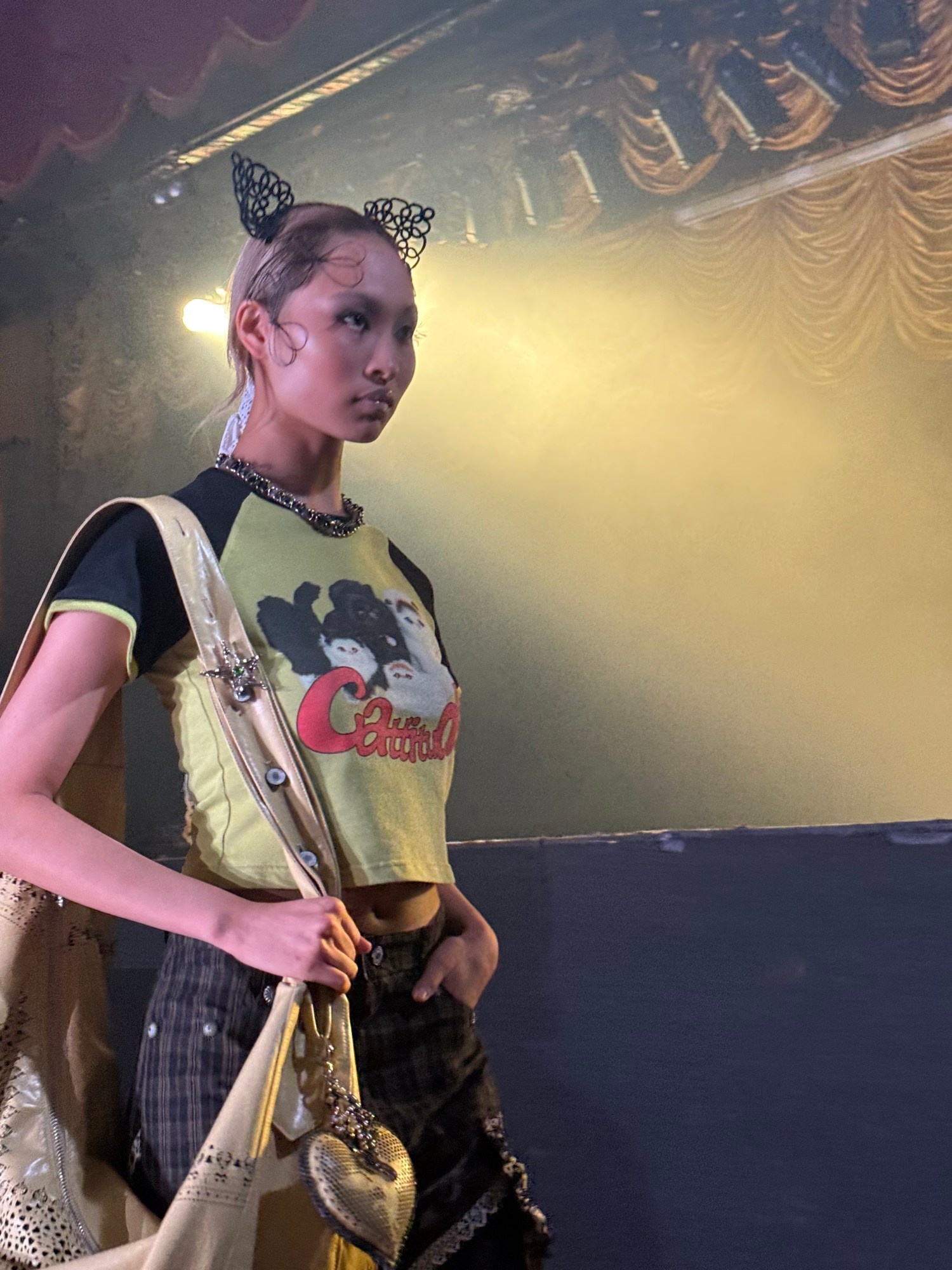
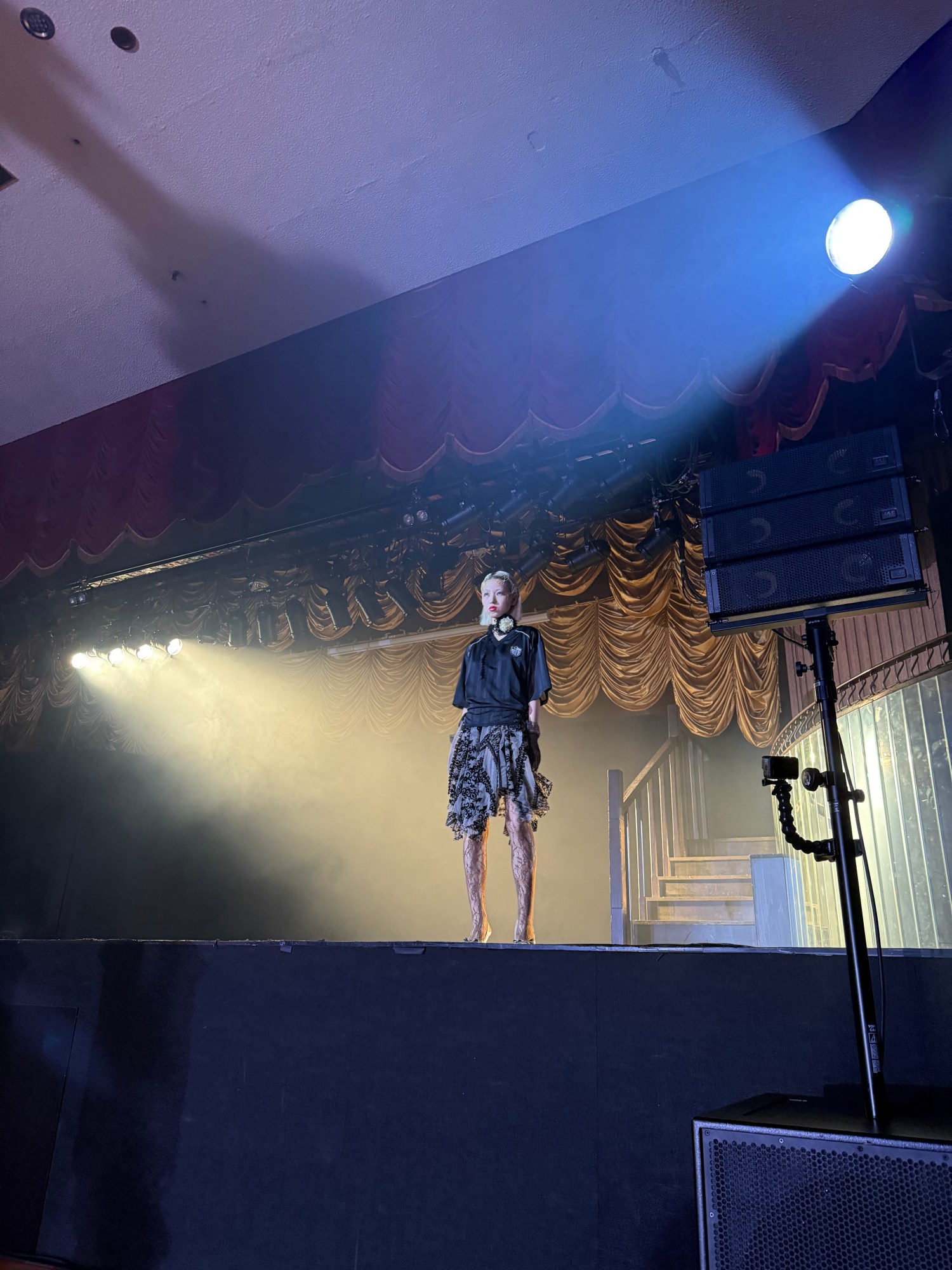
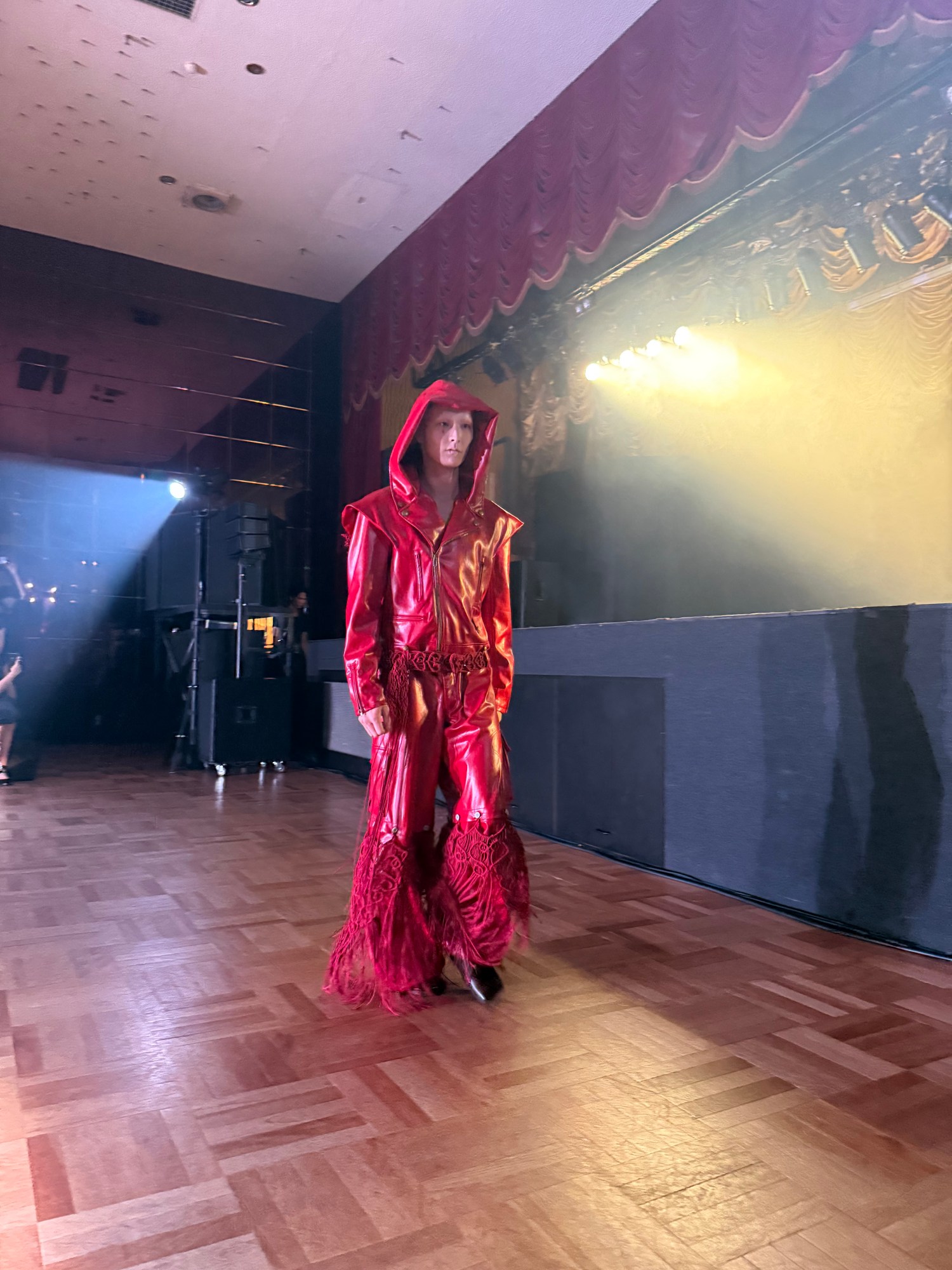
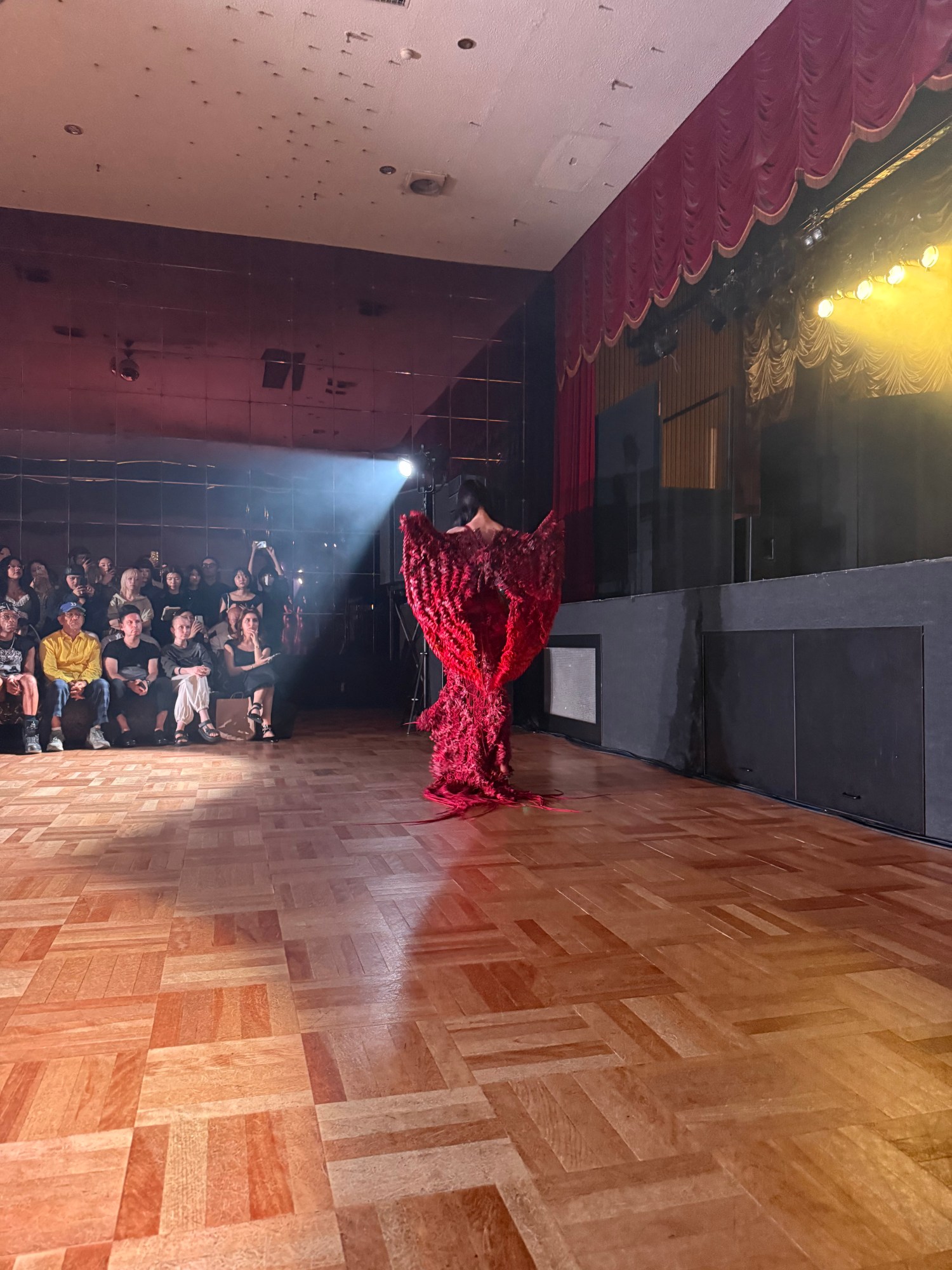
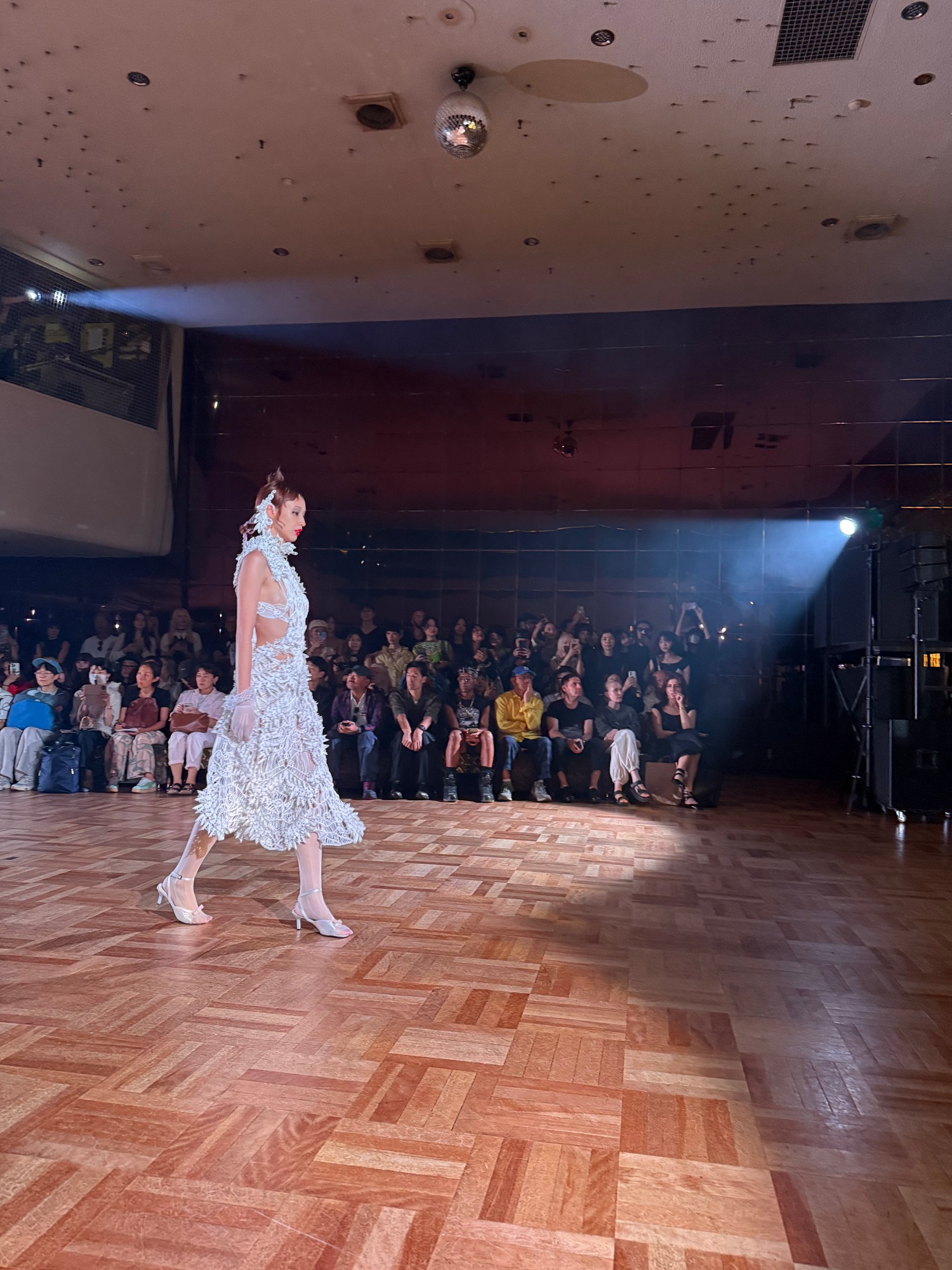
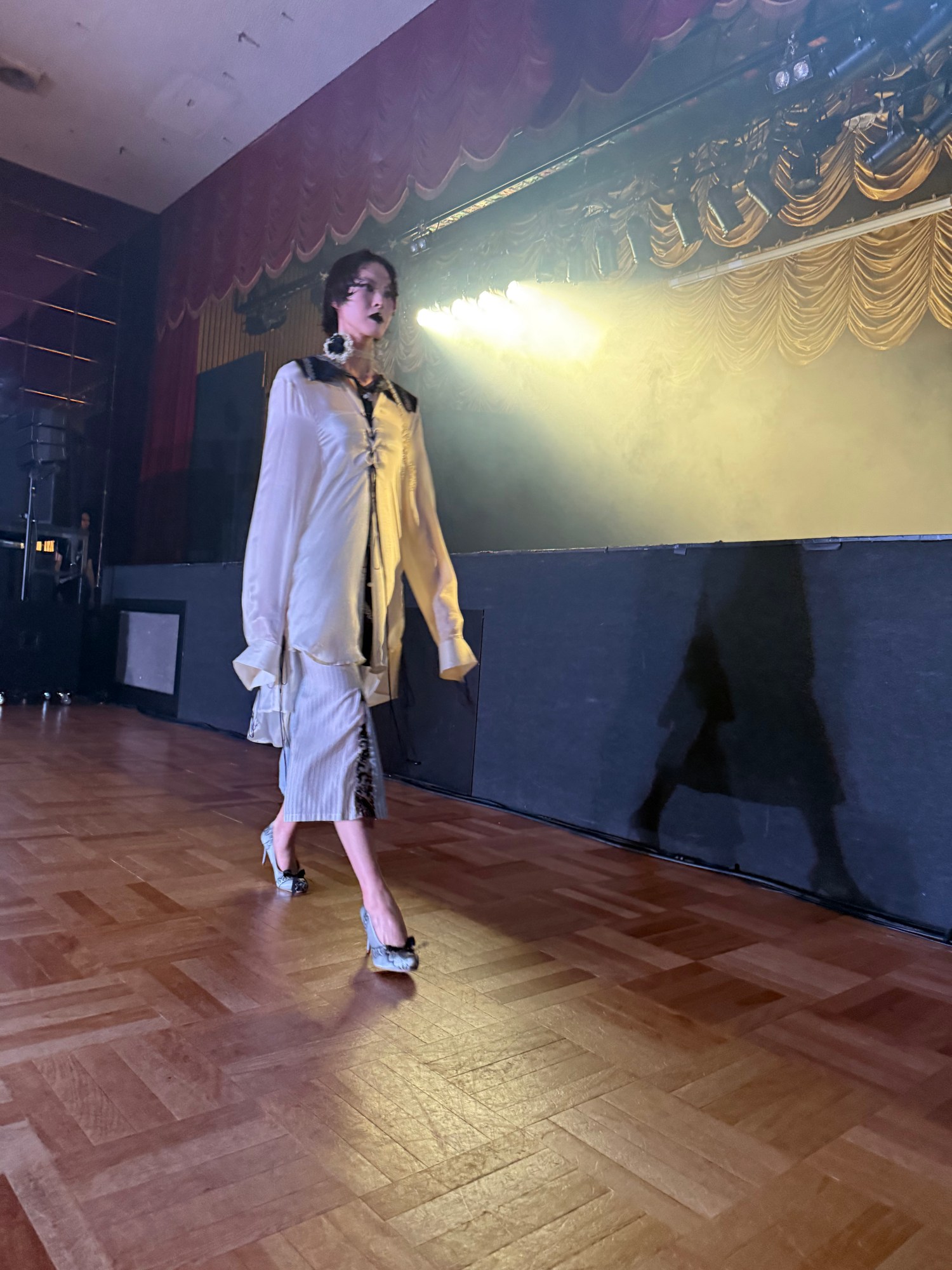
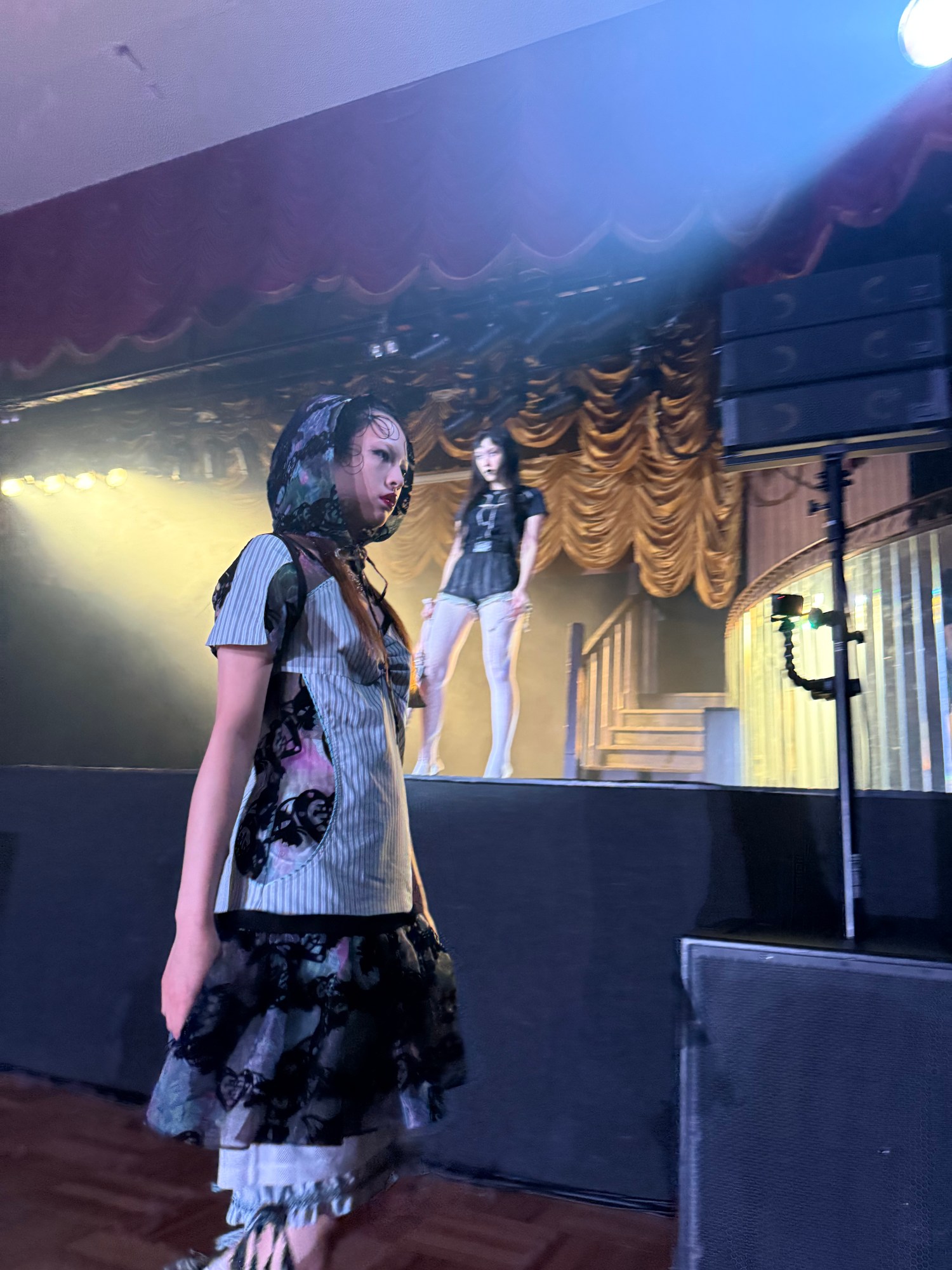
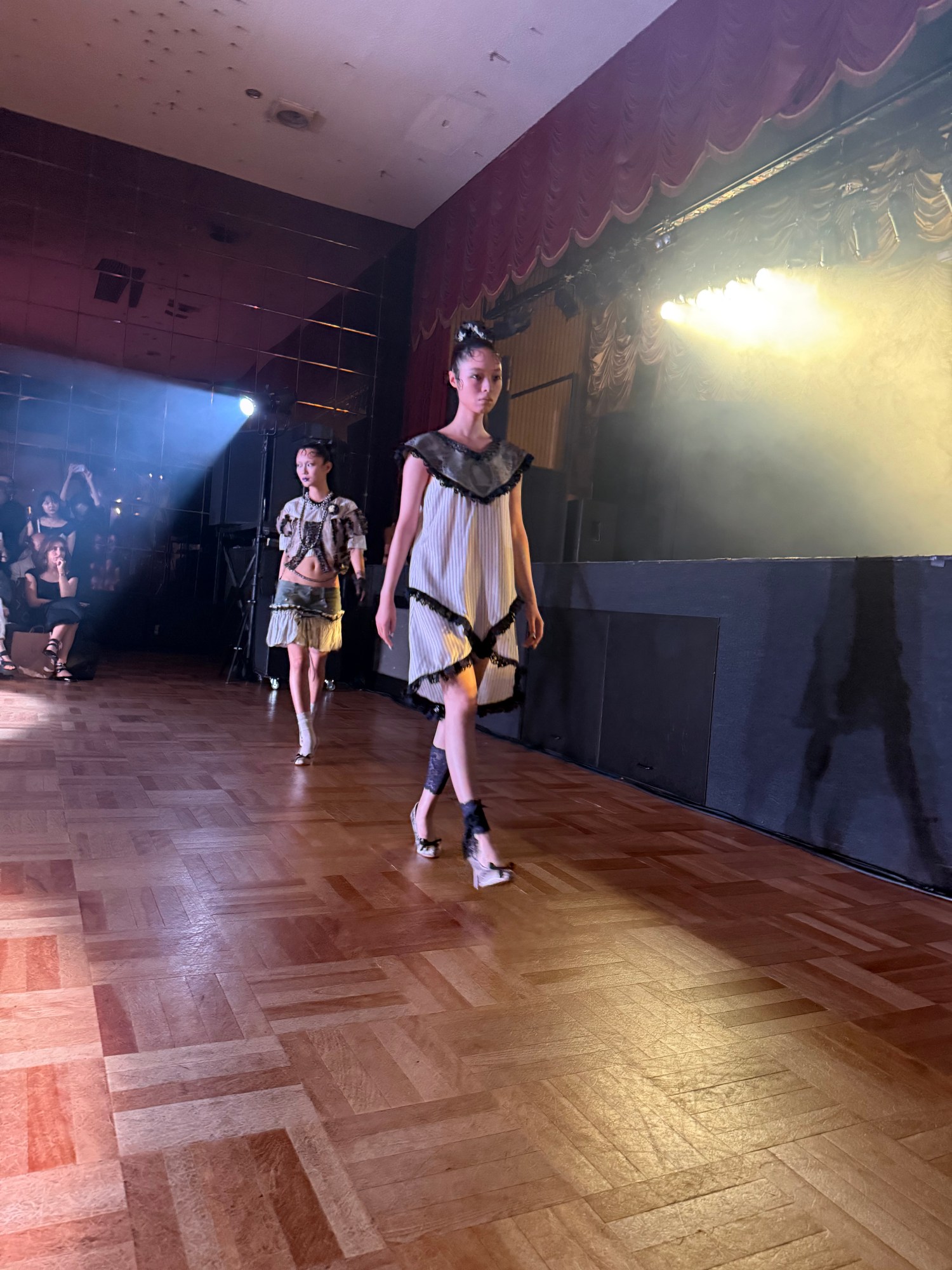
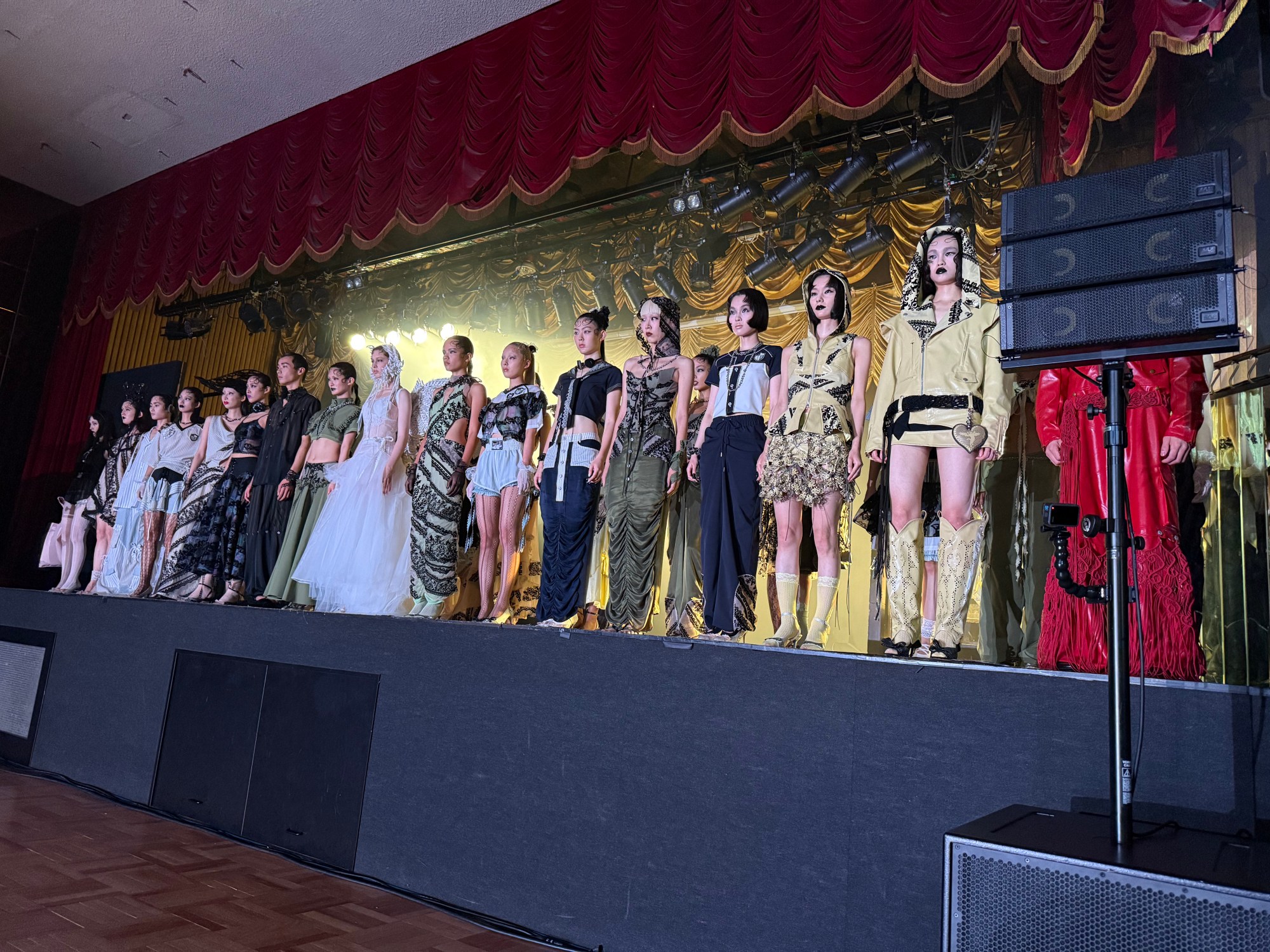
From China but seamlessly part of Tokyo’s rhythm, Yueqi Qi delivered a collection heavy on audacious decoration and tactile richness. Strong textures and couture-level detail gave the clothes their punch, but never at the expense of wearability. What stood out was the character play—looks that felt lifted from anime, from a dazzling angel to the glamorous devil who closed the show. It was theatrical, witty, and global in outlook, while still respectful of Tokyo Fashion Week’s local craft DNA.