Coming into yourself is always a challenge and doing it in the public eye, notoriously more so. For Lío Mehiel, the journey of becoming a public figure has coincided with their journey becoming their full self. The actor and artist first gained recognition after their leading role in the 2023 indie film Mutt, for which they became the first trans actor to receive the Sundance Film Festival’s Special Jury Award for Acting. They filmed Mutt soon after top surgery, and started testosterone after their role in 2024’s In the Summers. Currently you can see them on the big screen with Julia Roberts in Luca Guadagnino’s After the Hunt. Their performance as Alex, the partner of Ayo Edibiri’s Maggie, marks one of the first times top surgery scars have been seen in a major studio film. The androgynous among us are accustomed to being pushed to the fringes of society, but despite the best efforts of people with power to keep us on the outside, our stories are becoming more accessible every day, with people like Mehiel leading the brigade with love. Beyond the screen, they’ve acted in Jeremy O. Harris’ newest play, Spirit of the People, and joined forces with cultural icons to fight for trans justice through the three-part fundraising project Mother, Daughter, Holy Spirit.
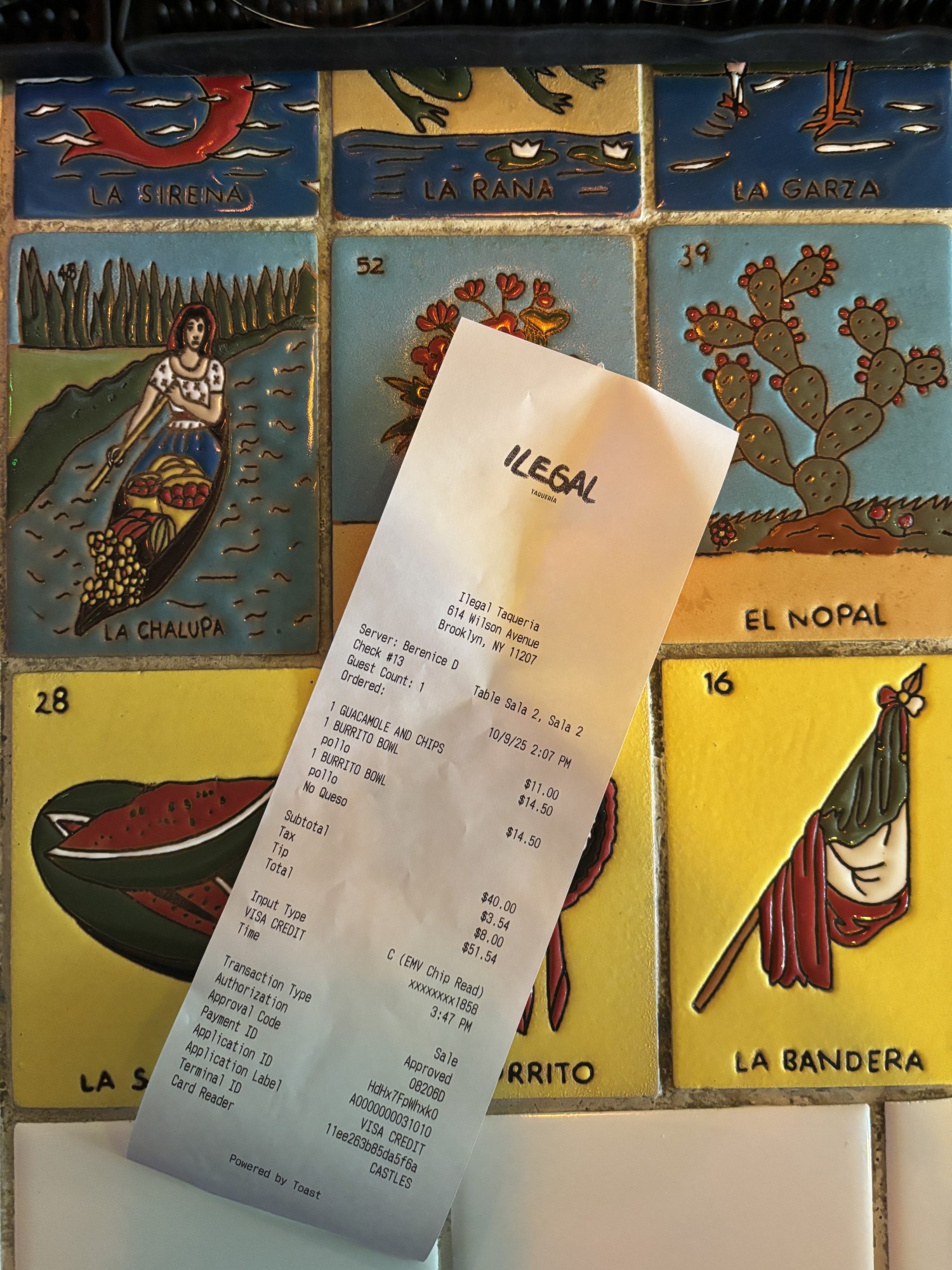
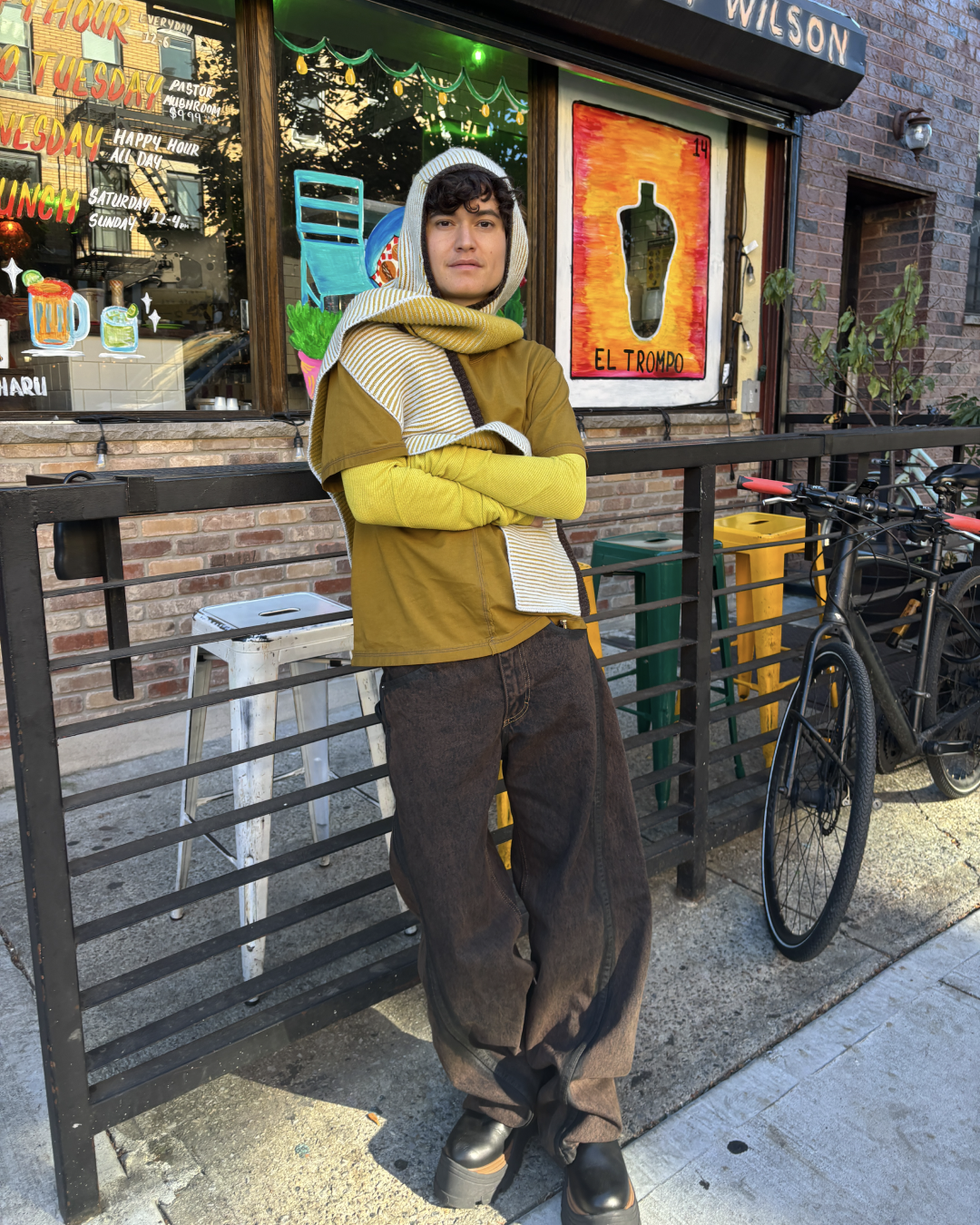
When I meet Lío Mehiel at Illegal Taqueria in Bushwick, it soon became apparent we have far more connecting us than the “Global Latiné Belt” (referencing regions like Central and South America, the Caribbean, North Africa, and the Philippines), though I couldn’t help but feel like I was sitting across the table from my own queer, biracial, masculine-of-center future. In our two hours together, their self-proclaimed “painfully earnest” nature leads to fruitful conversation that stimulates each and every spiritual, creative, and intellectual fiber of my being and feels less like a traditional interview and more of a symbiotic ideological exchange. They’ve lived a life enriched by creativity, community, and transness as a philosophy of life, a life that is in many ways just beginning.
Flora Medina: You’ve spent the majority of your life in New York, tell me about your childhood in the city.
Lío Mehiel: I lived in Puerto Rico until I was five, and grew up in Chelsea. My mom’s had a loft there since the ’70s—rent control does, in fact, work. It’s very old school New York, and is zoned for commercial and residential, so throughout my childhood, we were able to transform it into all these different things. My sister and I were dancers as kids so my mom turned the living room into a dance studio. We taught other kids dance classes and called it Dance For Kids By Kids. We had business cards and everybody paid like $20 for the class. When I was into basketball my mom put a hoop in the living room. She’s just the best.
Do you consider yourself a spiritual person?
My spiritual practice is like my main vocation in my life. I meditate most days. I’m a big journaler, I talk to my astrologer, I have a tarot reader. She’s amazing, her name is Mysdix, she’s so hot. I have my altar, I do little rituals, it makes me feel grounded and less alone. Humans have been experiencing these waves of violence and suffering for a long time,I think the more we can engage with love-centered practices, the more we’ll see there’s another way of being. Willow Defebaugh from Atmos magazine recently pointed out to me how Western culture is so based in Darwinian thinking—competition is what drives nature forward. But Darwin was just one thinker, there’s so many other ways of thinking about how nature is actually structured. Indigenous cultures think about the natural organisms as in collaboration with each other. When there’s a tree suffering from not having enough water, other trees grow their roots in its direction. We don’t have to be in competition, that narrative just serves capitalism. That kind of foundational rethinking of things is so exciting, and I feel my spiritual practice allows me to be more available to that kind of information and be like a conduit for it.
What’s your big three?
I’m in Gemini sun, Gemini rising, Capricorn moon. That trio gets a bad rap. I could really slip into jack of all trades, master of none territory if I didn’t have the Capricorn holding it down. I do want to say to the wider public that Gemini is getting this reputation of being two-faced but it’s actually not about having multiple personalities, its about your biorhythms—multiple old school astrologers have told me this. Geminis don’t have consistent access to their energy, so when they’re rested and feeling energetically full, they’re the life of the party. When they’re depleted or burnt out, the felt-experience of their mood is so heavy that people think we’re mad. They actually just need to go into their little cave and recharge before coming back out. We’re not two-faced, we’re just moody.
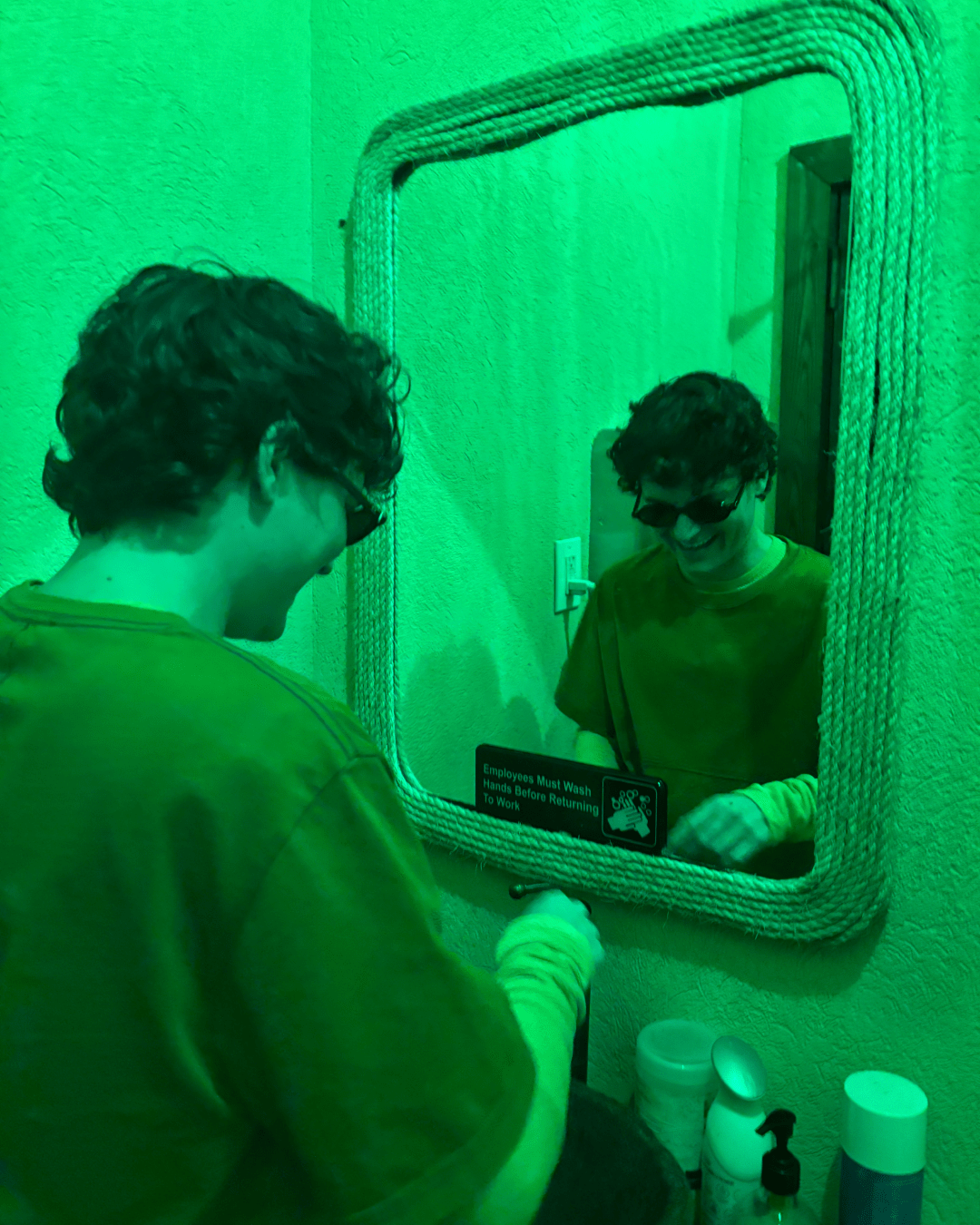
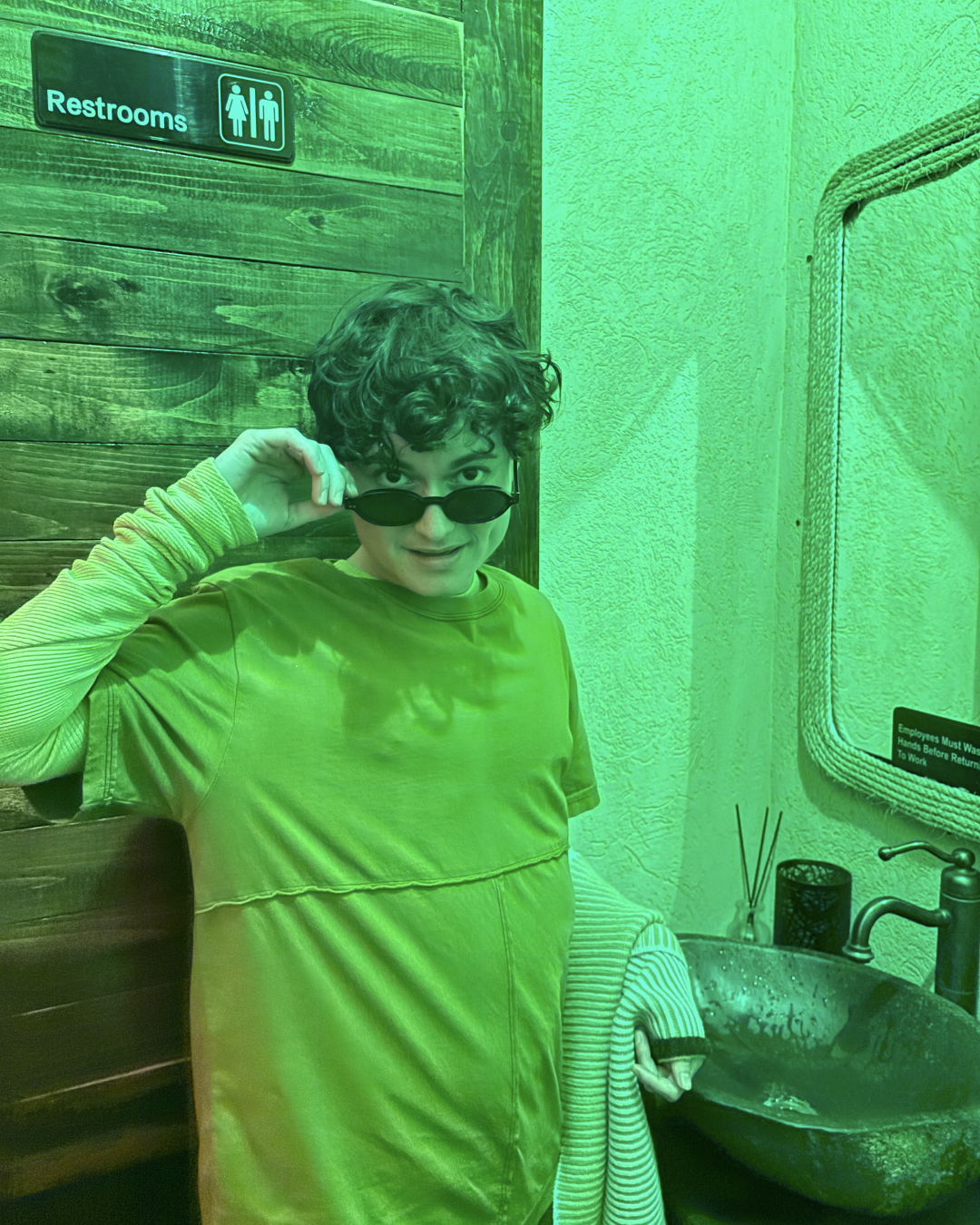
Can you tell me about your summer at the Williamstown Theatre Festival in Spirit of the People?
It was like summer camp for adults. The process itself was great, it was really a vehicle for Jeremy to write the play. He’s such a collaborative writer and maker, I think having the cast there working on the material in real time inspired him to get out this epic, currently 250-page play. He was literally in rehearsal with these headphones on, blasting gay dungeon music to the point where we can hear it, and he’s typing, and then he’d be like, ‘Wait, what’d you say?’
Katina Medina Mora directed the piece, which was cool to bring in her perspective growing up in Mexico into the play, it’s really a love letter to Mexico. Right now our government is just kidnapping people—many of whom are from South and Central America. There’s this narrative that immigrants are coming here and changing the fabric of our society, infiltrating it in this negative way. I actually think that’s a classic tale of projecting. Many of the people that come here are interested in assimilating, they learn English, they want to fit into the fabric of society. They’re not trying to recreate Mexico here, whereas Americans are notorious for going places and being like, ‘okay, but where’s America?’ It’s about the difference between people moving to a different place as immigrants and engaging with other cultures without colonizing them. I think the difference is when you’re interested in the culture you’re becoming a part of and want to flow into it, rather than erase it or dominate it.
“To be trans is to imagine beyond the narratives you’ve been given about who you are and how you should be in the world”
Lío mehiel
Performance in general impacts anyone’s relationship with their body and being perceived or seen. What has that looked like for you, working while transitioning?
The films I’ve been in are a visual archive of my changing body and voice. I have work I did before getting top surgery, before cutting my hair and “becoming” gay. I shot stuff just after top surgery where I’m shirtless so you see the early scars. There’s things pre-T, one year on T, two years, it’s actually kind of amazing. I know not all trans people would feel this way, but I’m really grateful to have that living, breathing archive, because I think my work, more than being an actor, is myself, my existence in the world.
There’s this thing called Human Design, which is sort of like astrology, you put in your birth time and get information about yourself. This website was like, “You’re a construction worker of the new human beings.” That’s such a niche, crazy thing to say about someone, and it resonated with me so hard. To be a construction worker is to be one of many. You’re not the architect, you aren’t doing it alone. It’s about showing up each day and building towards something you understand is much larger than the brick you’re laying down. The idea of working towards a new understanding of what being a human being is, feels to me so trans and creatively embodied. I’m one of those people that thinks everybody is trans in some way. What I mean by that is to be trans is to imagine beyond the narratives you’ve been given about who you are and how you should be in the world, and we all have that desire and truth within us to imagine for ourselves who and how we could be. Trans people are just people who don’t really have a choice but to move in that direction of transformation. As a result, we serve as an example and invitation for other people.
How did you get involved with Mother, Daughter, Holy Spirit?
The founders of Mother, Daughter, Holy Spirit are Bobbi Salvör Menuez and John Mollett. Bobbi brought me in at the beginning of this year to serve as the head of production. This project has been so special because it’s really based on our community. It harnesses the talents and inspirations of cultural workers, artists, and activists to raise awareness and money for the Trans Justice Funding Project.
The center of culture does come back to queer community, always, and often, trans women. The best DJs are trans women, let’s be real. Everybody wants to adopt the language of queer and trans community because we are culture makers. Oftentimes the work to support our community looks like people on the streets or traditional drag shows or ballroom—cultural activations and events the wider public associates with the queer community. What Mother, Daughter, Holy Spirit is doing is saying our impact is much larger, to the point where Chloë Sevigny is here, your sort of consummate cis girl It Girl, saying ‘Actually, Candy Darling, a trans woman who Andy Warhol was obsessed with, is a taste maker. I’m inspired and influenced by her.’ It’s been so cool to bring together all these different folks, of whom some are queer and trans, some are not, to create something beautiful and centered around joy.
Where do you see fashion in this larger philosophy of transness?
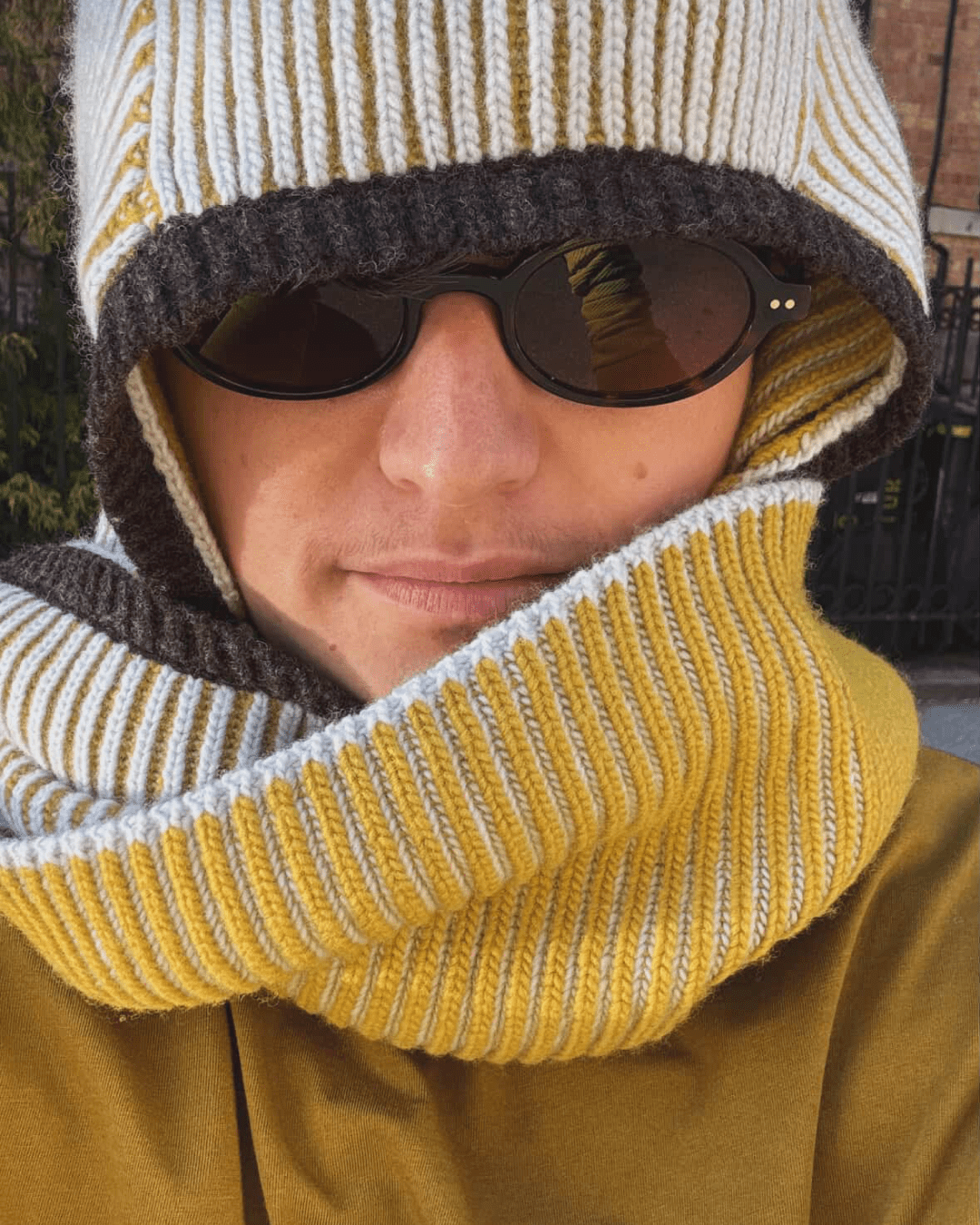
In Hollywood everyone is sucking at the teat of fashion. If all the creative industries were girlies, fashion is the bitchiest one. She gets to be the coolest, so everyone in Hollywood wants to be at the fashion show. Same thing with the art world. Since fashion holds this power in our weird, twisted society, I think it’s important then to be activated as a place to showcase not only the queer influence on everything culturally, but we get to have glamour too. We get to use Valentino beauty and turn a face, and it’s hot. Fashion would be nothing without the queers. So many of these contemporary fashion trends can be traced back to queer community, to the club, to all the community spaces.
Do you have a favorite queer or trans party or space in New York?
Definitely the peeps that throw Zero Chill and Faggots Are Women. They just opened up this space in Brownsville, Queer Nightlife Community Center. During the day there’s programming, and then at night, we get crazy. It’s satirical shit that’s smart and funny and we need that outlet. And the DJs are fucking amazing. Juliana Huxtable playing from 10am to 1pm on New Year’s Day? My friend group all had our New Year’s Eve moment, went to bed by one o’clock, woke up at six, had coffee, ate a banana, then went to the rave at 7am.