1. Don’t quit the day job
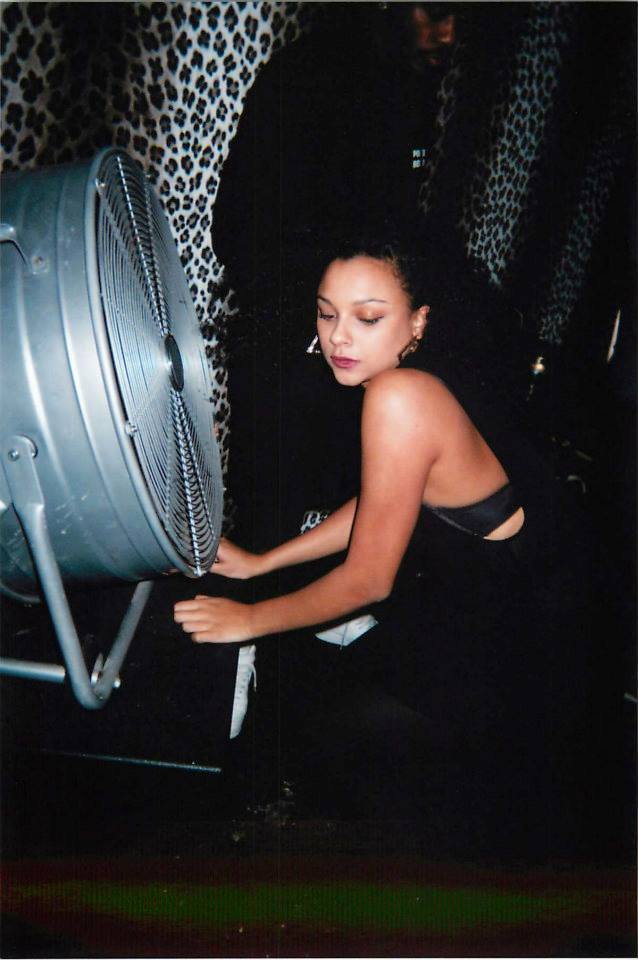
If you can, don’t make it your prime source of income. Ideally get it to supplement your day job. This keeps it fun- it’s not a disaster if no-one turns up, you won’t feel the need to harangue and cajole your friends into coming. Build it and they will come of their own accord! I started Local when I was a marketing assistant at a record label and beginning to get really bored of writing never ending promo reports. I never relied on the night as steady income towards rent, instead me and my friends would re-invest the money and occasionally pay ourselves enough for a pair of trainers. I think people can feel the difference at the night when there isn’t that anxiety to succeed commercially, just on having a good time. And you can take risks and book who you want to hear play but may not ram out a club.
2. Gap in the market?
A few years ago it felt like there weren’t many places where I lived that played the music that I wanted to hear. I was constantly trekking to east London with friends from Brixton. It seemed silly when there were so many venues locally and so many of our favourite DJs and producers around too. (Actress, Micachu, Oneman, Bankhead and loads more!) So Local was born to change that.
3. Venue. Start small
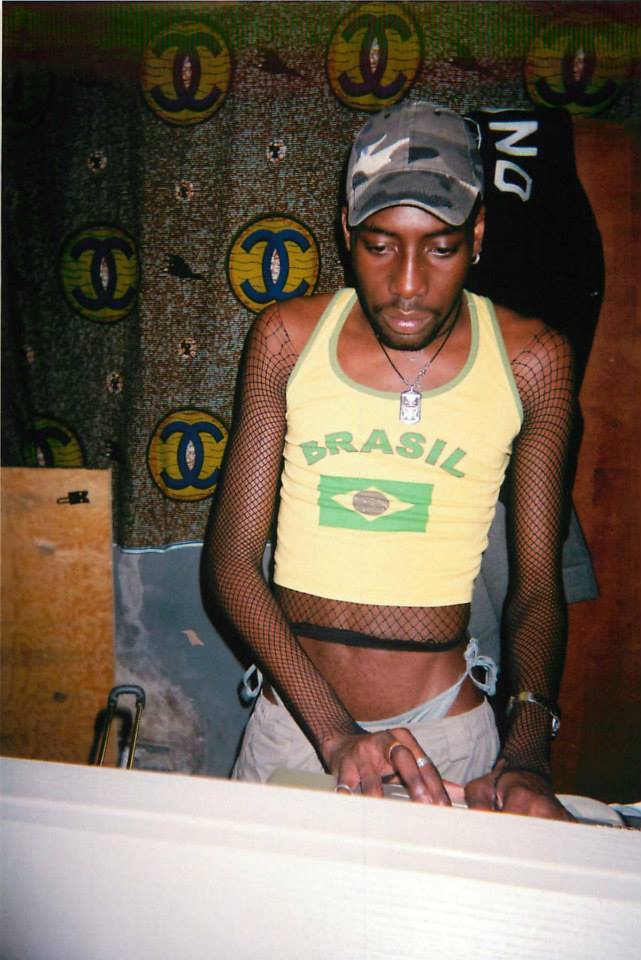
The all important venue question… always start small. If you create something really fucking fun with great music off the beaten track for you and your friends, it will be contagious and more people will come. It’s not rocket science. It’s good if there’s a queue, it means you’re doing something right. We started in a small basement in Tulse Hill (RIP Club 43) where the manager seemed to change every month and they would forget to charge their card machines and run out of every spirit until everyone would be left with warm Guinness foreign extra stout. Then we moved to a very dodgy railway arch in Loughborough Junction run by some fairly intense people. Then a pretty mad Congolese nightclub. We’d only go bigger when we knew we really had to. Sadly loads of these places have shut – in Brixton there are lots of well established rave spots (Jamm, Phonox, Dogstar, Hootenannys etc) but less of the smaller rough and ready spots which were great. It’s happening London wide and it’s pretty dire. You can read more about it here.
4. Venue continued: Layout
This is something I think about a lot in clubs. A lot of the new clubs in London seem to be in the basement of hotels. And they are big rooms where you can see everyone who’s there instantly instead of exploring and bumping into people. I instantly feel quite self-conscious in these spaces – I like a place where there are nooks and crannies for avoiding wallies or flirting with other wallies, etc. If you think about it, you’re likely to be in a club for anything from 2-5 hours, so you need little journeys to break that up – whether it’s going for a cig, getting up to nonsense in the loos, dancing, queuing for a drink, finding a mate; all these are how we break up our time and keep us from getting bored.
5. Unselfconscious dancing
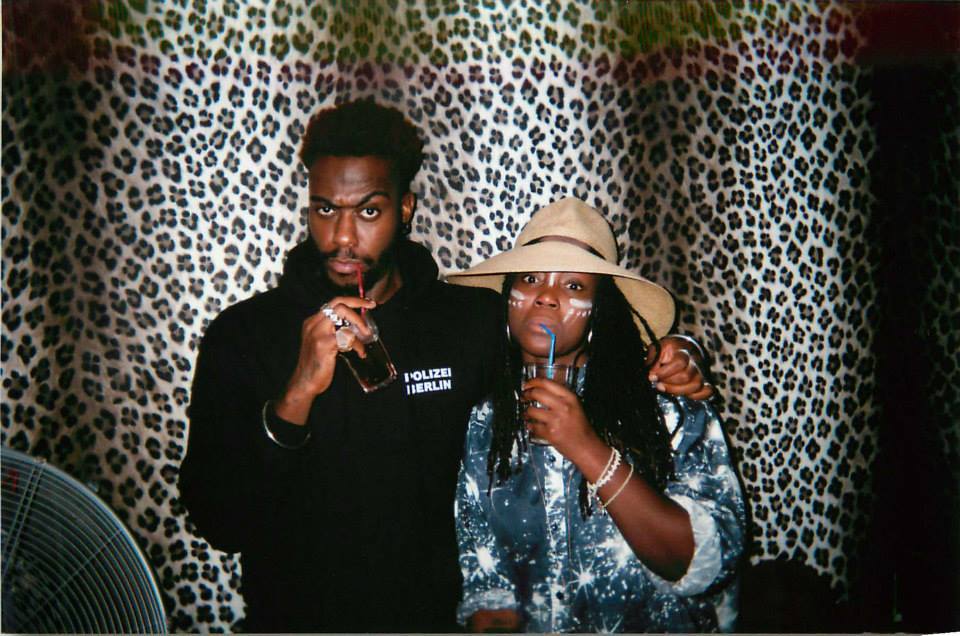
For me this is what it’s ALL ABOUT. Getting people to dance and lose their shit. This is where your programming comes into play. Book people whose taste you trust, who you would pay money to see. Which brings us onto DJs.
6. Play good music (well, duh!)
Book big and small DJs. Support people as they come up. If someone does you a favour on their fee don’t forget it. Occasionally ask people who are very well known to play with their bookers blessing but without their name on the flier. This says a lot about your confidence in your night and your crowd. That way you aren’t capitalising on their name or pissing off other promoters and also means you don’t have to rely on having to plead bookers to let their roster play. Be adventurous and trust your taste. Take risks if you can afford to. Sometimes the DJs we’ve booked have brought their mates who’ve ended up on the mic – Toddla T with Shola Ama, Oneman with Nyke doing Southside Allstars (very fitting).
7. Don’t just book blokes.
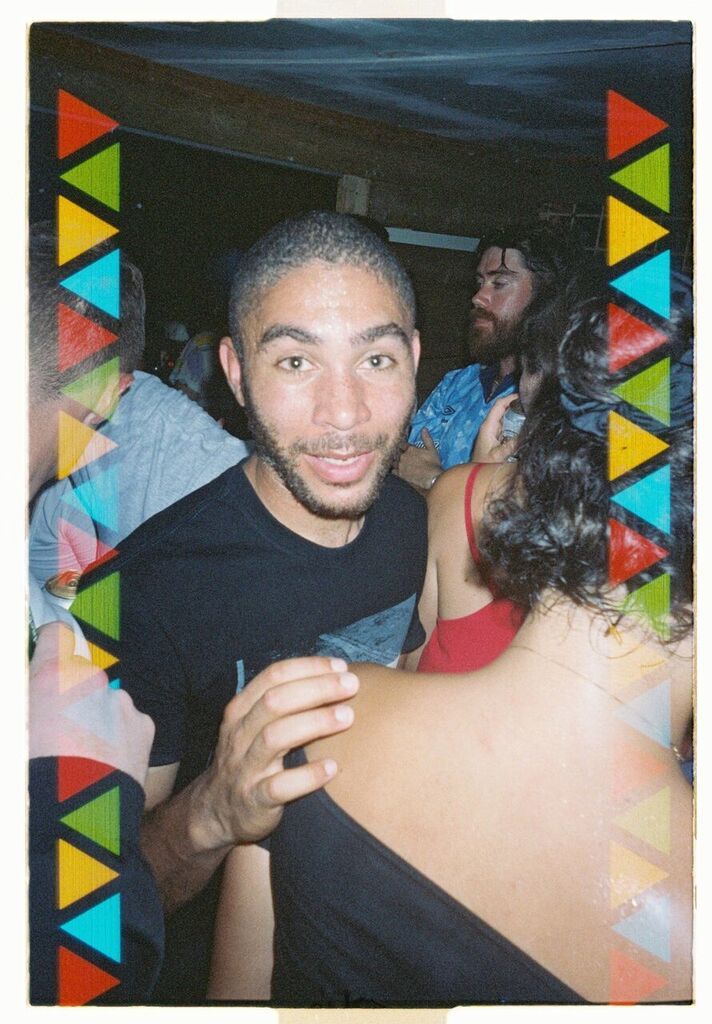
Seriously, please don’t. It’s too boring for words!
8. Don’t bombard people with promo. Use socials wisely.
Word of mouth will grow your night for you and build a community of like-minded people if you are patient. If you advertise it can become all about the names on your line up and how well known they are. Obviously if you are a professional promoter then advertising makes sense! Our Instagram has lots of broader posts about local politics or history and things we care about beyond the night so people can see what we’re about if they follow it. We don’t do anything beyond asking our friends to make a flier then inviting our friends to an event on Facebook and hoping that they will invite theirs because they want to party with them. So far it has worked pretty well. It’s definitely a sign of success if you can get the east London crowd down south and means that it’s a vibier mix of people – not just the same cliques in the same spaces. It’s always a good feeling to see people out of context, it adds an interesting tension.
9. Be nice. Create a safe space
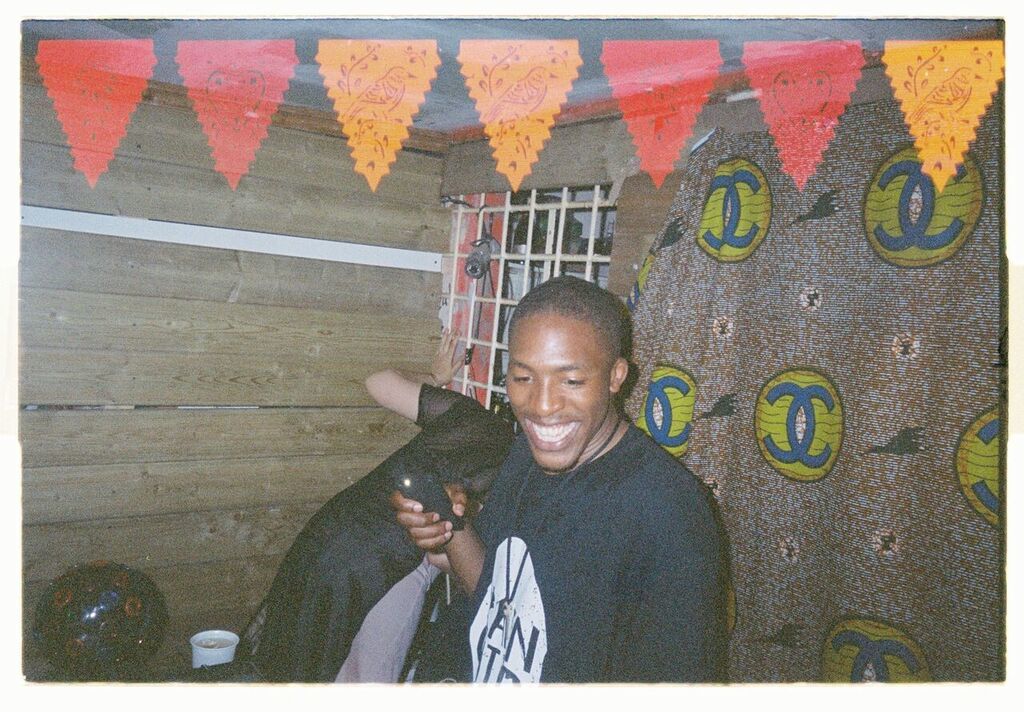
We always strive to return lost property to its rightful owners and reply to messages about set times. There is no door policy so no anxiety about having to look the part to get in. That twerp from Bloc may have slagged off the safe space policy, but it’s important to me that everyone who comes can have a good time with no aggro or lecherous hassle to be bothering with. Amen.
10. Get a great door person and pay them fairly.
You don’t want to spend your whole night sorting out the cheaplist or getting an anxiety attack because so-and-so from somewhere or other can’t get in. I usually get so anxious at my own nights I find it really hard to enjoy them for the first 2 hours while I stress out. Then something switches and I relax and look around and think yes, we did this.
Sidenote: Great nights
World Unknown
Loverboy
Black Atlantic
PDA
Swing Ting
Siren
Body Hammer
Horse Meat Disco
Credits
Text Hannah TW