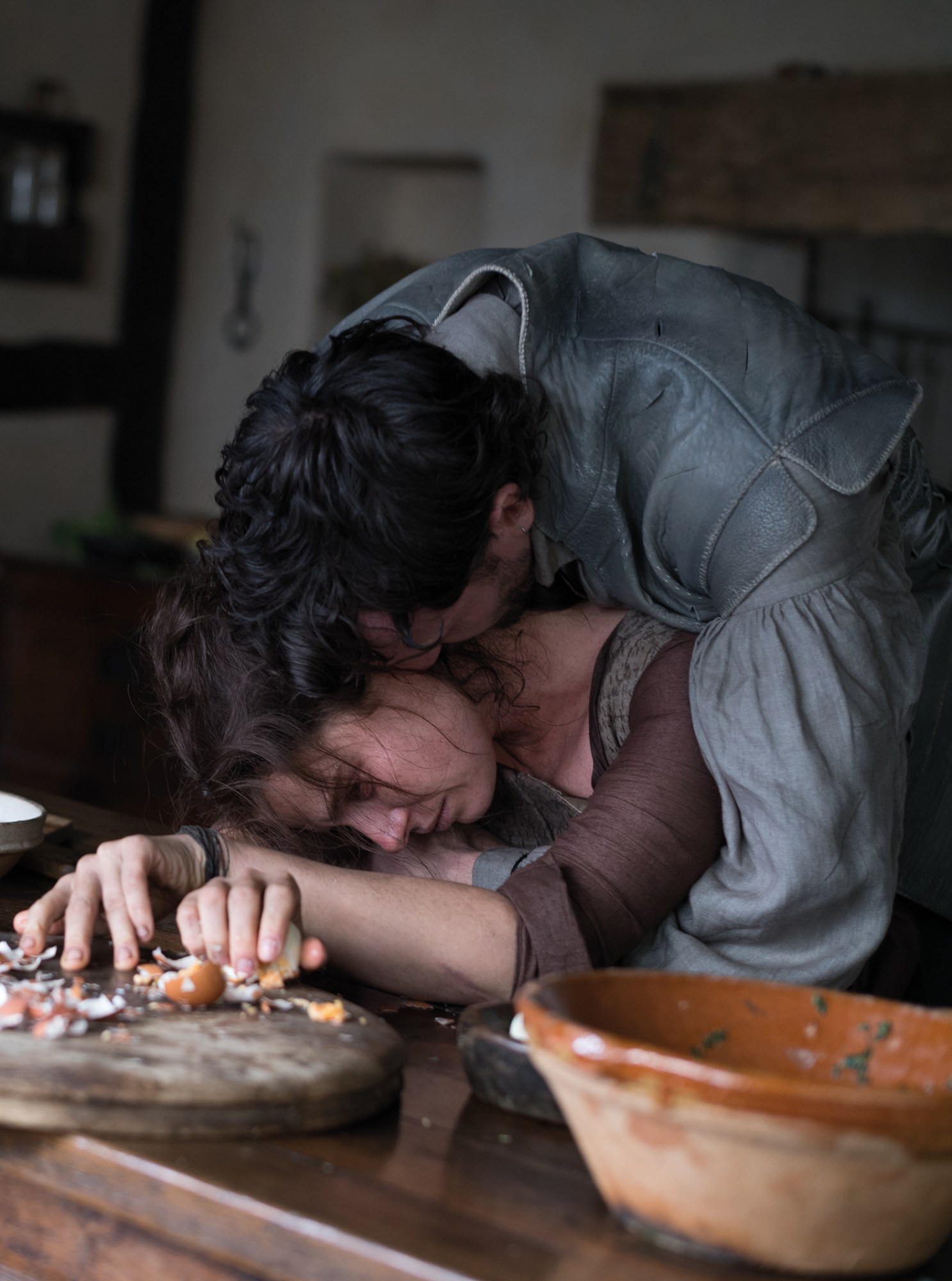
For her new movie Hamnet, Oscar-winning director Chloé Zhao didn’t want a traditional set photographer, or even someone from a fashion or art space. Hamnet is a domestic story, based on the book by Maggie O’Farrell, which takes cues from the life of William Shakespeare and his wife Anne Hathaway. The film captures how their life changes after the death of their first born son. It’s sweeping and heartbreaking, and stars Paul Mescal as Shakespeare and Jessie Buckley as Agnes, the character based on Anne.
Instead, Zhao chose Agata Grzybowska, a Polish documentary photographer, who’s previously captured the Egyptian revolution and the civil war in Syria. On the rare occasion they have been called to a movie set, it was to apply that same frame to equally wrenching films like The Zone of Interest.
With Hamnet, however, Grzybowska seems to be shooting from a different plane altogether. As if they, as a photographer, are not guided by beauty but looking through its gaps to find something real and true.
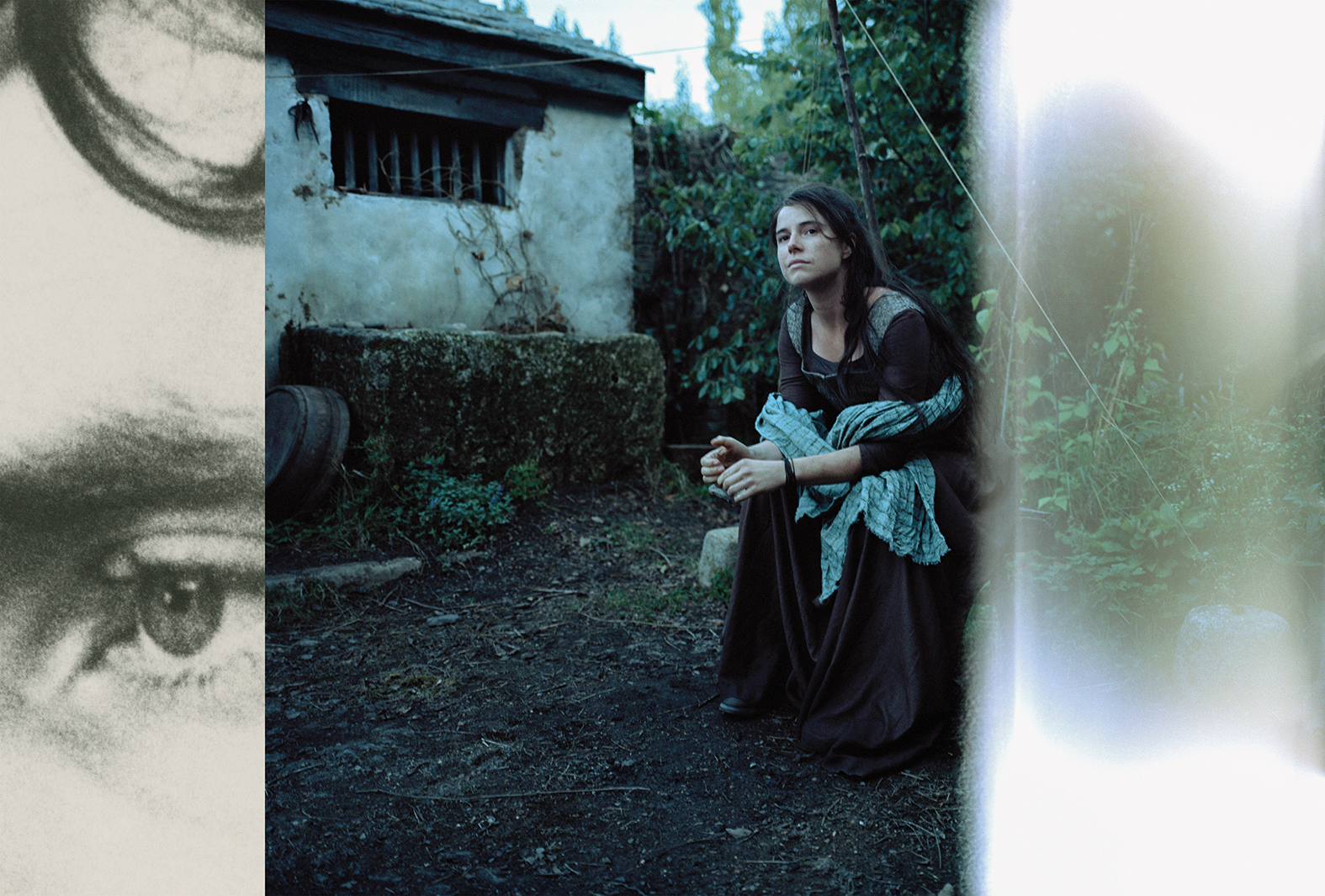
The images they took on set are part of a new photobook, published by MACK, titled Even as a Shadow, Even as a Dream, as well as a new exhibition running in London from December 9. Here, Grzybowska reveals the similarities between capturing war and Hamnet, dividing real people from their characters, and being guided by the light of Chloé Zhao.
Douglas Greenwood: You have a background in war photography, so I wanted to ask about this tension between peace and agony. It plays such a big part in Hamnet – how do you capture the full gamut of that experience when working on a project like this?
Agata Grzybowska: People and their stories have always been at the centre of my work. It’s true in my documentary practice, and it was true while working on Hamnet. In war zones, I am with people in their pain, their loss, often in situations that are dangerous or impossible to fully comprehend from the outside. My intention has always been the same: to listen, to stay close, and to tell the stories that are so often unheard. I deeply believe that everyone has the right to their own story — and that we have a responsibility to listen, because their lives and their experiences matter.
I believe this tension between peace and agony is present in this very act of staying close, being a witness and, in a way, a companion. Leaving is always the hardest part. So, when you ask how I capture the full spectrum of that experience, the answer is simple: I don’t leave. I stay with people, I stay with the story, with the emotion, until the very end.
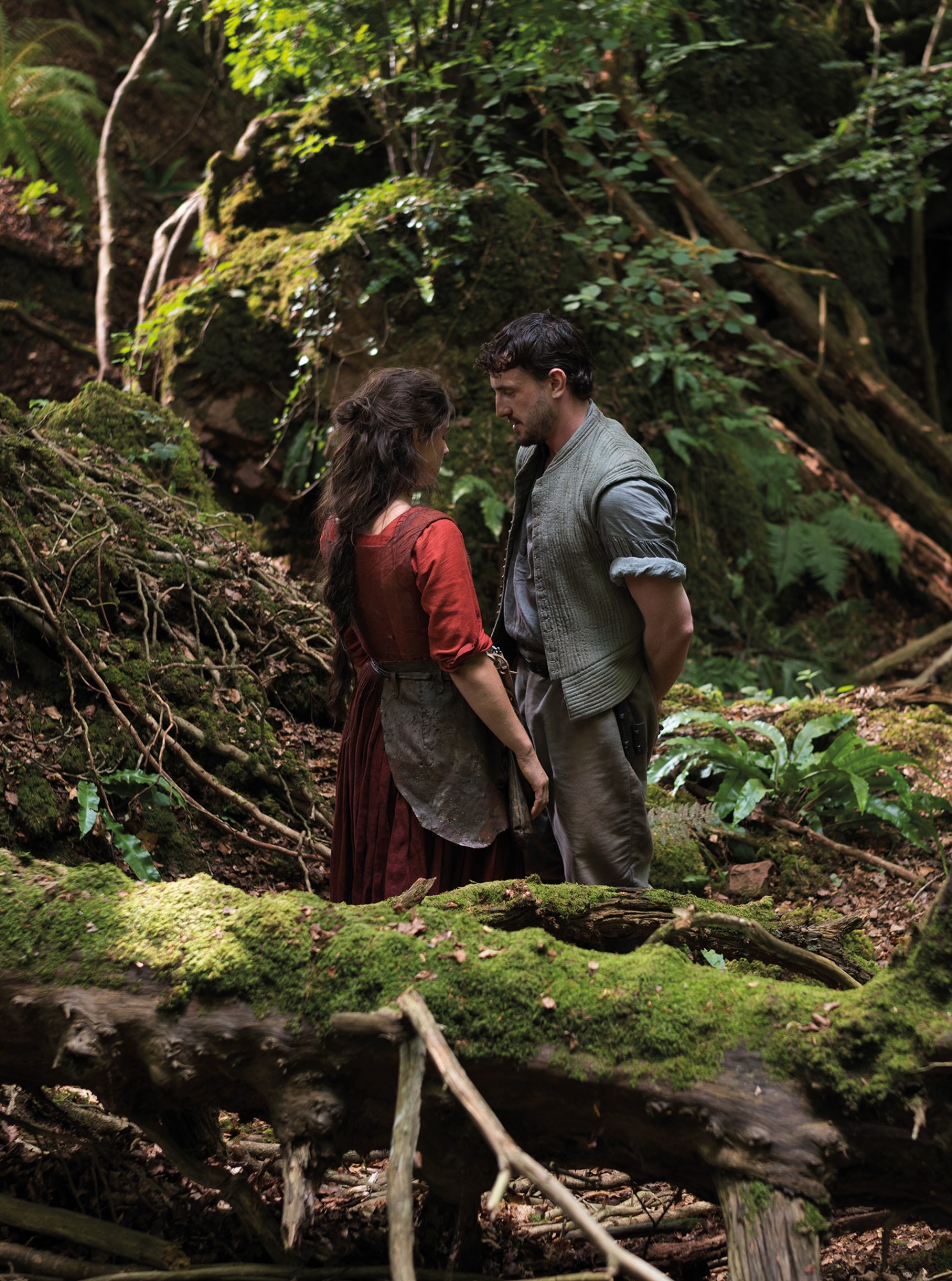
Working on Hamnet, I followed the same instinct. I stayed, observed, and listened. I tried to remain both careful and close, to give space for love, grief, and loss to exist in the frame. Those emotions are universal; they define our lives, and they shape every story we tell. The only difference was that, in this project, I was constantly moving between two worlds—fiction and reality— and trying to honour the truth that exists in both.
What was it like working with actors like Paul and Jessie in this way? Did you see them as their characters?
It was a very intimate experience. On the one hand, I did not know them, when we embarked on this journey together, on the other hand, I never approached them as “actors.” I approached them the same way I do while working with people in my documentary stories—as unique and complex human beings in a very specific emotional space.
I never asked them to pose or perform to the camera. It is basically not my way of working. Instead, I observed them quietly, often unnoticed. I photographed them as Agnes and Will, at times as Paul and Jessie, and very often it was something in between where the boundaries were blurred.
What struck me was how deeply they inhabited their roles. There were moments when their emotions were so raw and true that I could only follow them, almost like photographing a real event unfolding rather than a scene being created. I tried to respect that—to stay close, but never interrupt, never disturb. So yes, I saw their characters, but I also saw them. And the photographs live in that meeting point, where reality and fiction touch each other for a moment.
Chloé is such a distinct visual filmmaker. Did she set you a brief, or let you explore this world in your own way?
When I first met Chloé, she simply said to me: “You can do whatever you want.” I was genuinely grateful for that trust. I work in a very specific way—at the beginning I can seem a little distant or withdrawn, but that’s the time I need to absorb the atmosphere, to observe quietly, to understand how the energy on set is unfolding.
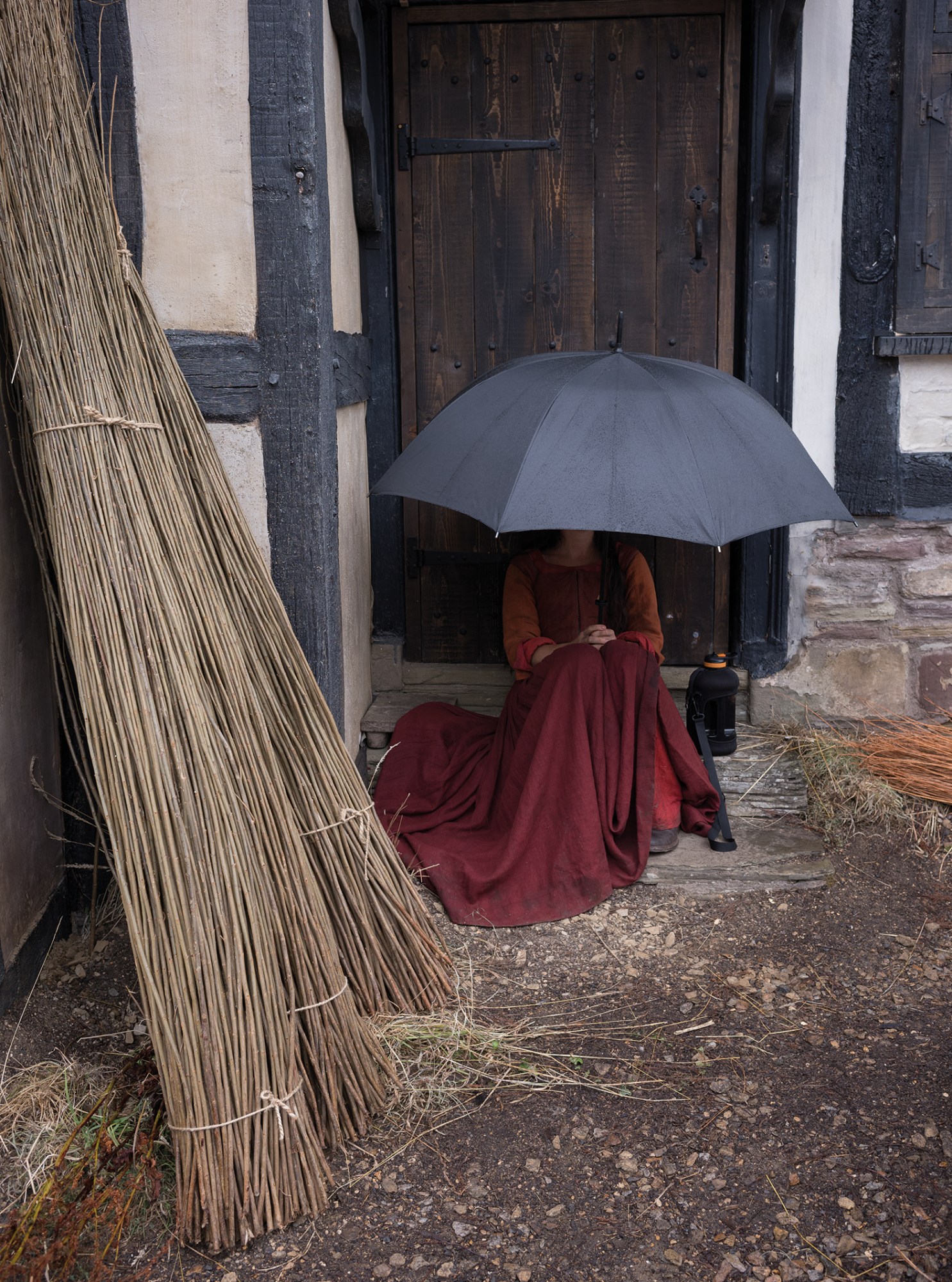
Later, she told me that she had never wanted a traditional still photographer for this project. She’d wanted a photojournalist. Someone who would not just document the scene, but the spirit around it—the emotions that linger in the air. And this is what I have been always trying to do in my work: to photograph the unseen, unnoticed, unintentionally ignored, missed or skipped.
That is how I approached Hamnet as well. I tried to capture those “spirits”—the unseen, the unconscious elements that surround us. All the layers in between: the space between reality and fiction, presence and absence, love and loss, life and death. Chloé gave me complete freedom to explore that world, and that trust allowed me to work intuitively, in the way I know best.
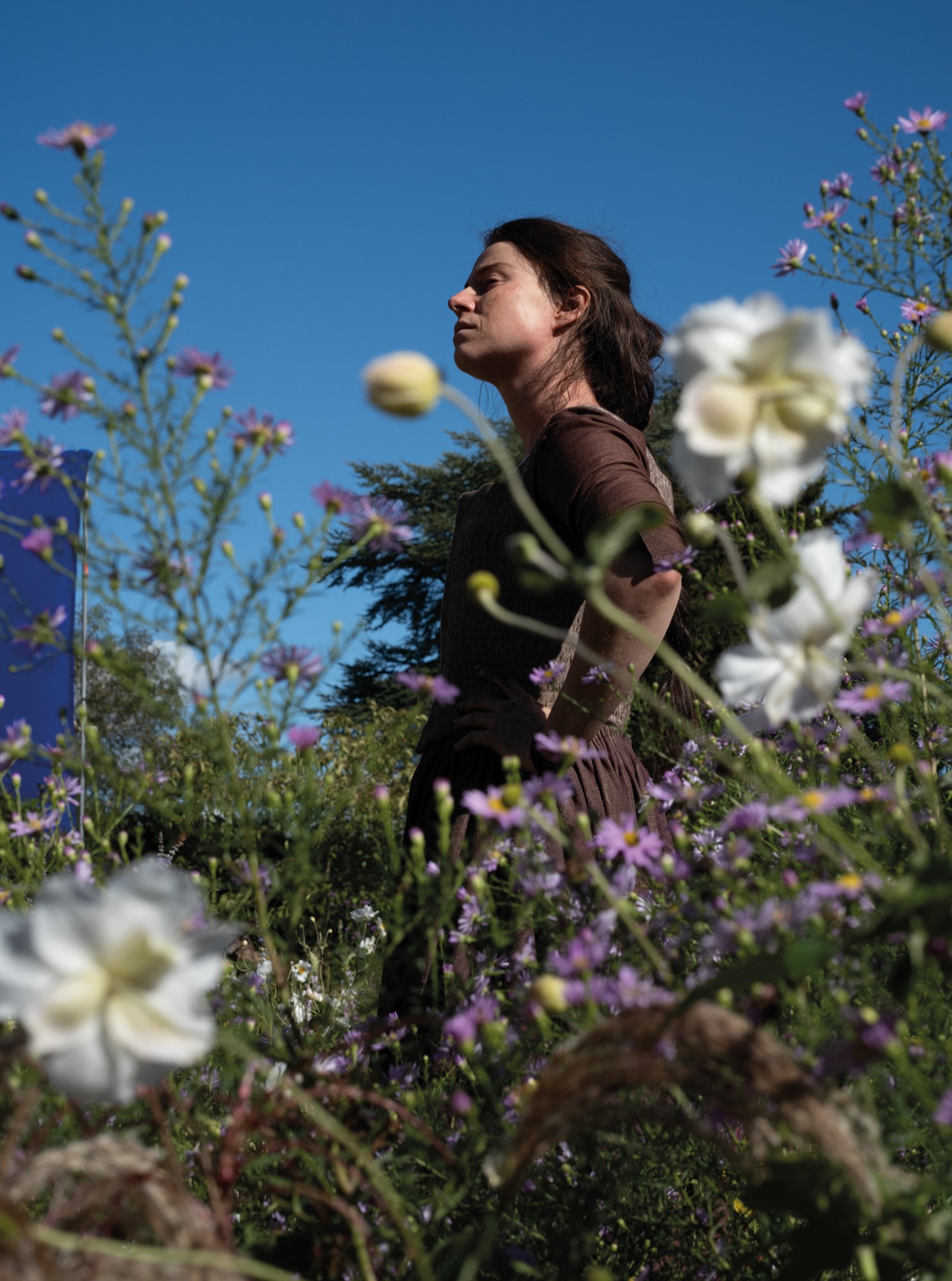
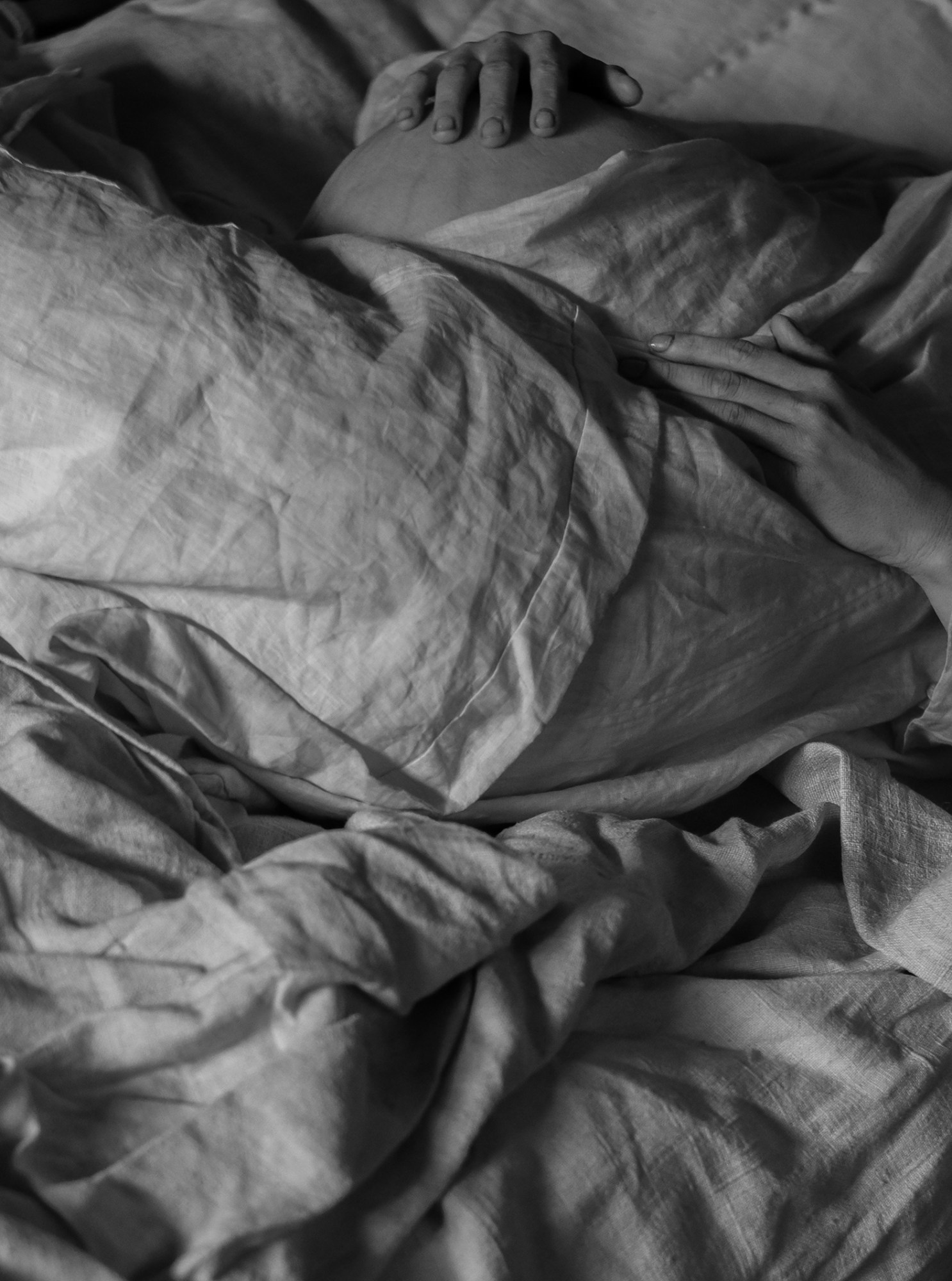
‘Even as a Shadow, Even as a Dream’ (2025) by Chloé Zhao, Jessie Buckley, Agata Grzybowska is published by MACK