Nowadays, nothing is original. From the musicians we propel to the top of the charts to the artists showcasing work on the walls of our favourite galleries, everyone we admire relies on inspiration and homage to get there. But the shitty state of the world today has left us in a weird kind of stasis when it comes to consuming culture – especially movies . We can’t decide if we want to push past all the bullshit and engage with angry, revolutionary work that can make change, or retreat back to our childhoods, to simpler times, and live in a little bubble again.
Perhaps that’s why we’re living in the golden age of the big movie reboot: vintage favourites and childhood classics returning to the big screen to tap into our obsession with nostalgia. We see it everywhere: Disney are its pioneers, with fairytale adaptations like Alice in Wonderland, The Jungle Book and Beauty and the Beast all returning as bigger, more boisterous live action movies decades after their animated counterparts were first released. For movie studios like these guys, the success is often triple-fold. Critics fawn over the return of childhood favourites, fans follow suit, and box office numbers, in many cases, soar past the billion-dollar mark.
But Disney aren’t the only ones doing it. In a few months, we’ll be treated to a Mowgli spin-off movie courtesy of Andy Serkis, while rumours of Pinocchio being remade under the helm of Guillermo del Toro (albeit set in a fascist-era Italy, which sounds insane) and The Craft having a Gen Z revival are still doing the rounds. It’s difficult not to be cynical considering how successful financially Disney’s versions have been, but are we reaching a point where original movies are becoming too much of a rarity, with studios exploiting our infatuation with nostalgia?
“Are we reaching a point where original movies are becoming too much of a rarity, with studios exploiting our infatuation with nostalgia?”
When news broke that Warner Bros were planning to give us yet another entry into the Charlie and the Chocolate Factory franchise, it felt like the whole ‘reboot’ shtick had reached tipping point. The Roald Dahl novel it’s based on — which is still a classic read by school kids these days and would probably bang if you sat down and read it in your adult years, too — has already spawned more candy bars, movies and video games than we know what to do with. Just how much can we get from a book that’s been picked apart, stitched back together and rehashed several times before?
While talks of the movie being made have been doing the rounds for a couple of years now, people properly paid attention when it was revealed earlier this week that Donald Glover, Ezra Miller and Ryan Gosling were being optioned for the zany part. While the idea of a new Wonka film isn’t exactly the most invigorating thing , those names are: a queer Wonka in the form of Ezra would be a fitting choice for Roald Dahl’s most eccentric character, while Donald’s cheeky charisma could carry the whole bloody film on his back, whether it wound up being good or not. But we still have that one question: who out there is actually desperate to revisit the legendary chocolate factory, barely a decade after we last stepped through its doors?
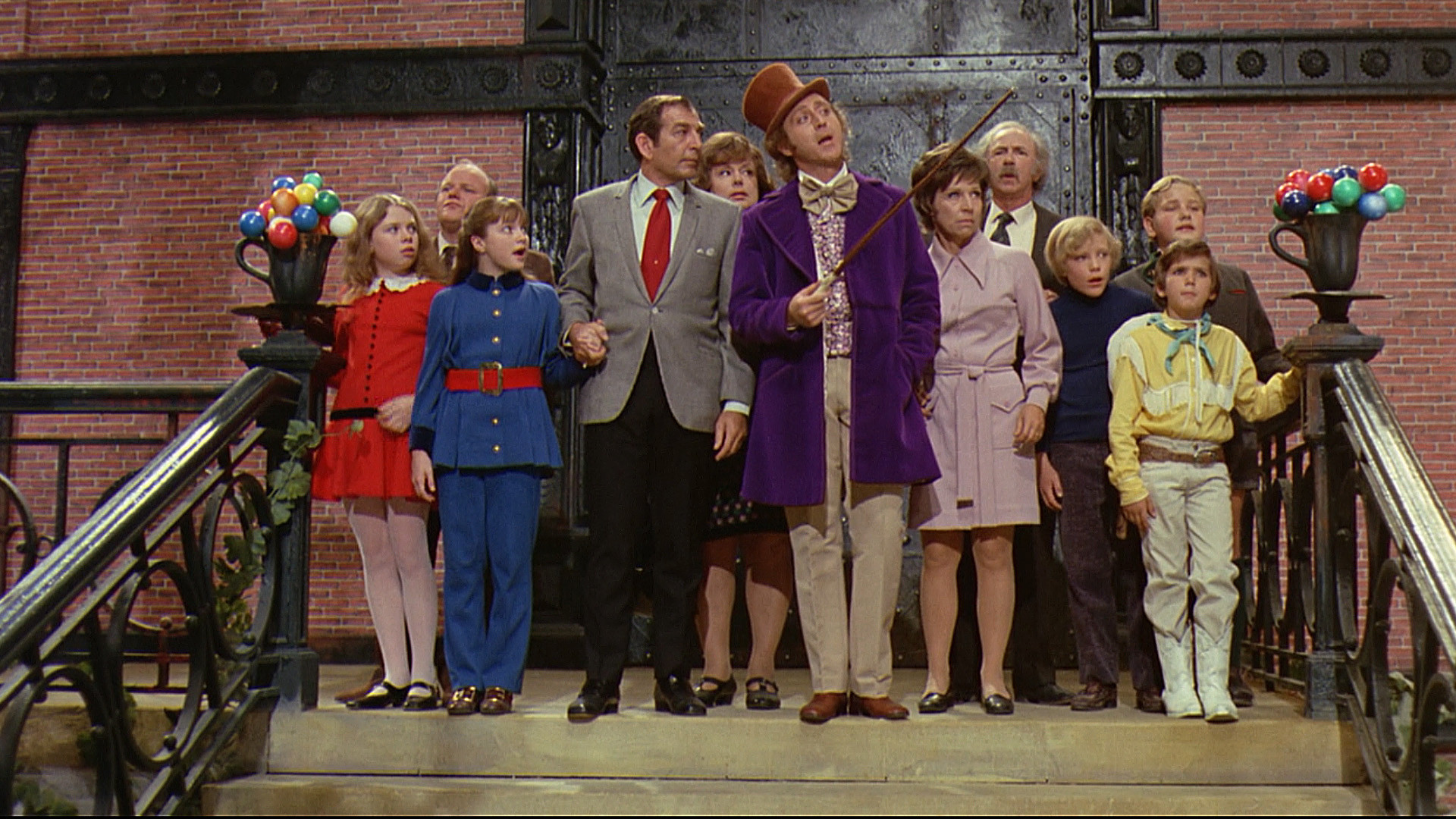
At 10 years old — an age at which I probably should’ve known better — Burton’s pop-art vision of the Wonka factory dragged me back to the theatre six times during its cinema run. I was hooked: I was there on opening day, buying scrumdiddlyumptious bars and scrambling to find rare merchandise so I could stick it on the shelf in my bedroom. Even then, that reboot of the Wonka world was probably a clever exploitation of my childhood nostalgia already. Since I was a kid, I’d been plonked in front of the telly every Christmas and school holiday to get lost in the story’s first movie outing, Willy Wonka and the Chocolate Factory, released in 1971.
“If we keep asking for these endless reboots, as pleasurable and halcyon as they can be at times, we risk dampening the imaginations of the generations after us too.”
I remember feeling like it was a relic that parents passed on to their kids. Now I realise there aren’t many of those left. Think about it: how many films in popular culture have been adored and considered sacred, or too good to toy with? In an age of filmmaking where merchandising and sponsorship deals play a huge part in a film’s success — heck, the first Cars movie spawned a merchandising empire worth over $10 billion — remaking tried and tested films makes sense.
People are less willing to take chances on originality these days, and the proof is in the numbers: the top 10 highest grossing films of 2017 were all either reboots, franchises, or adaptations of stories or comic books we loved as kids. It’s like the base-level understanding of what our generation is looking for is stuff we’ve seen before with a glossier finish — but we are the ones to change that. It’s already underway: 2017 was also the year Get Out became the highest grossing debut film based on an original screenplay, while pluckier gems like Baby Driver and Lady Bird also pulled in surprisingly big numbers at the box office.
If we keep asking for these endless reboots, as pleasurable and halcyon as they can be at times, we risk dampening the imaginations of the generations after us too. We’re going to reach a point where every person we see in film or on TV is a derivative of one we’ve seen before, until the kind of character a generation holds dear to its heart just doesn’t exist anymore.
Even with Donald Glover’s name in the mix, it’s hard not to think the hundreds of millions of dollars being spent on this Wonka reboot might be better spent creating a whole new world, with the kind of childhood heroes that generation Alpha (that’s kids born after 2010, btw) can call their own. Of course, they can still love Willy Wonka, but let them enjoy the classics, and fall in love with Roald Dahl’s imagination the same way we did instead.
follow Douglas here