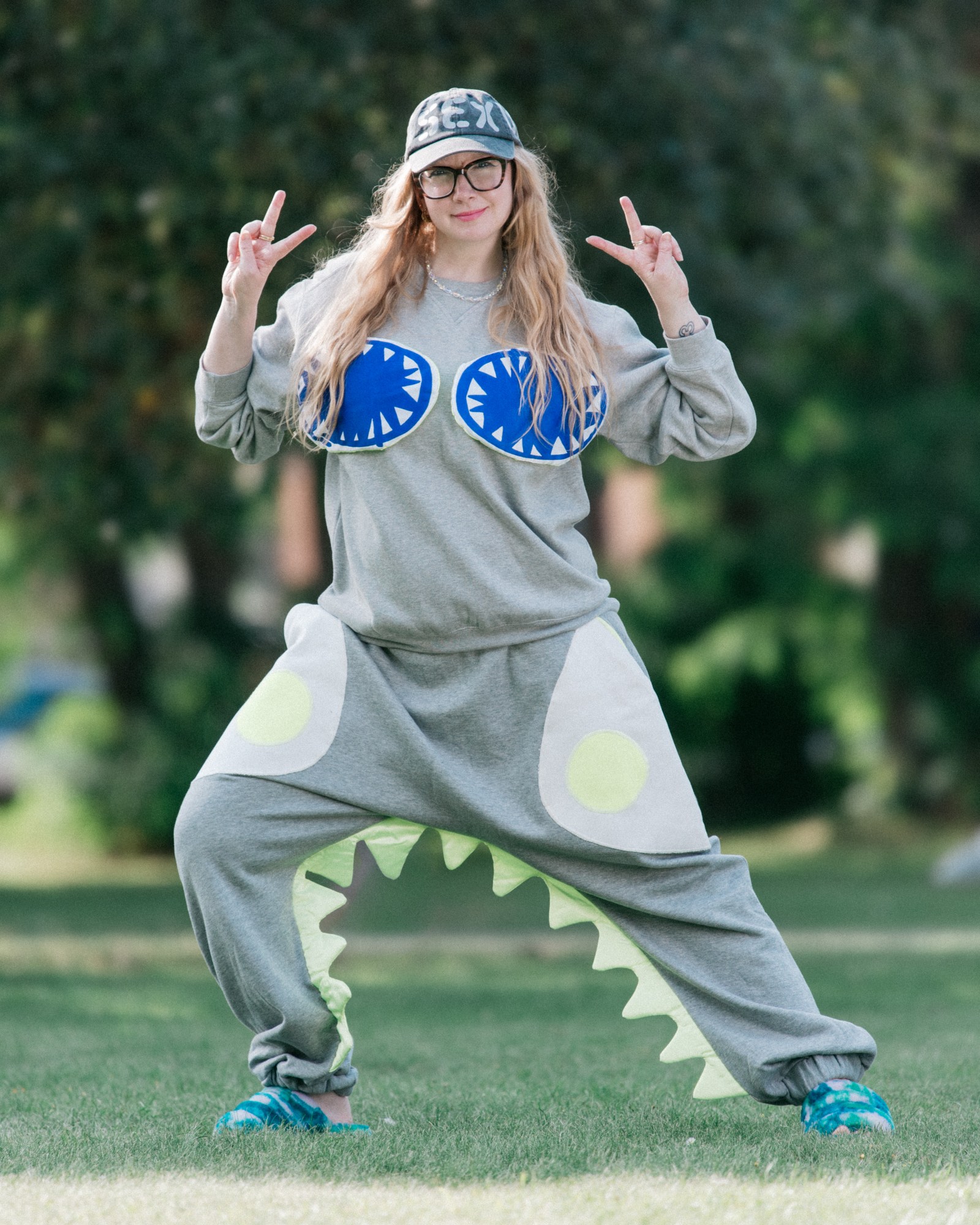
Carri Munden’s world was always louder, faster, brighter. In the mid-2000s, when most of London Fashion Week felt like business as usual, her brand, Cassette Playa, tore through the scene like a glitching game-over screen: rave fluorescents, digital dinosaurs, and grime MCs marching down the runway alongside life-size Sonic the Hedgehogs.
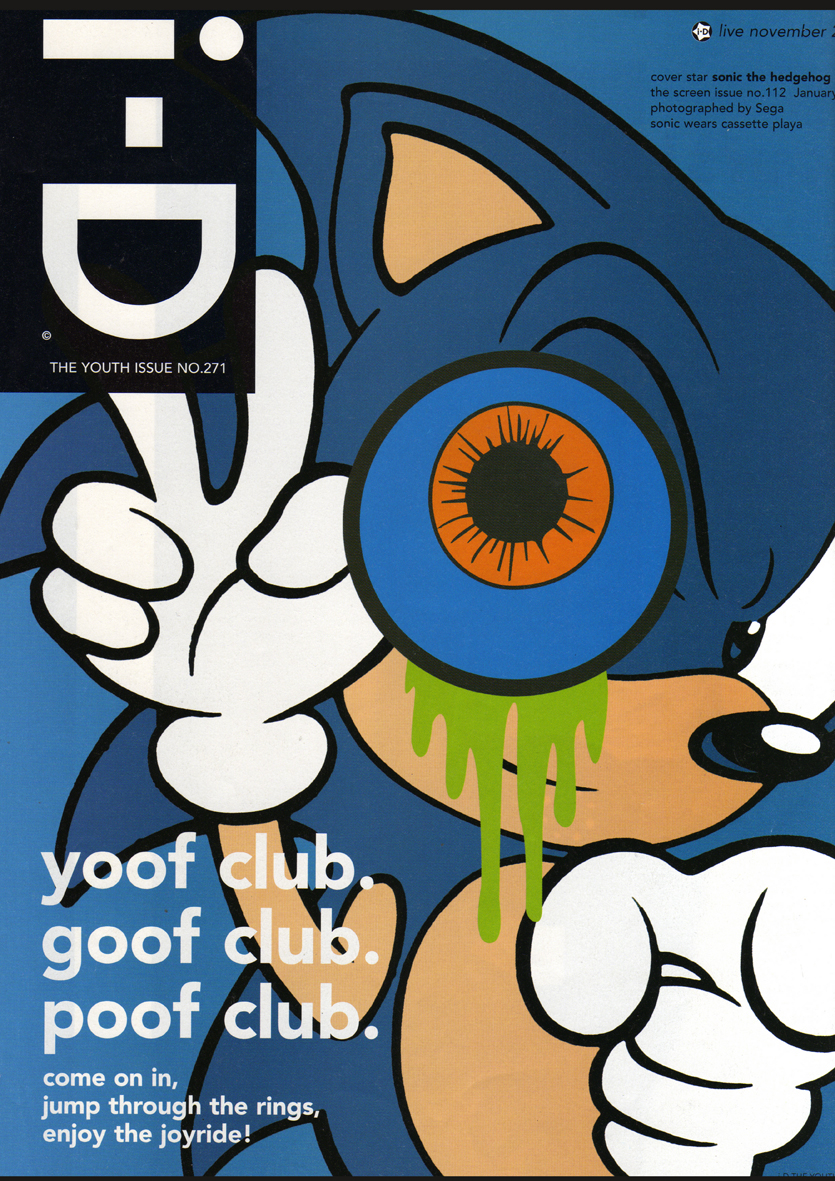
Twenty years later, those instincts don’t feel like nostalgia—they feel like prophecy. The convergence of subcultures, music, and digital culture that drives fashion today? Cassette Playa was doing that two decades ago.
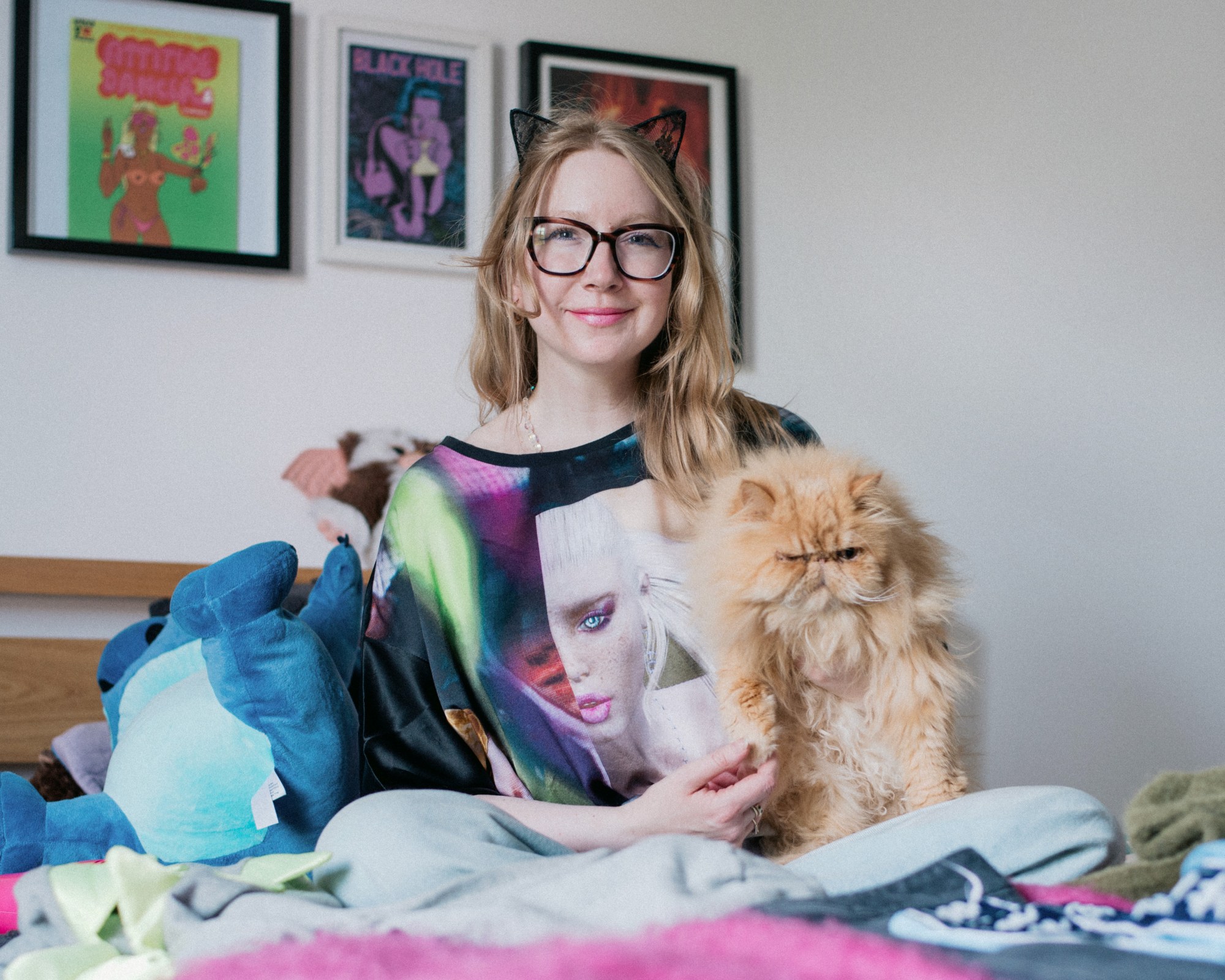
We meet Munden in her Margate flat, where she’s lived since 2017. The sea outside feels calm, but the conversation pulls us back to the chaos of the capital: pirate radio ringing out across Hackney, MySpace pages glowing with GIFs, clubs where grime kids and fashion insiders collide on the same dance floor.
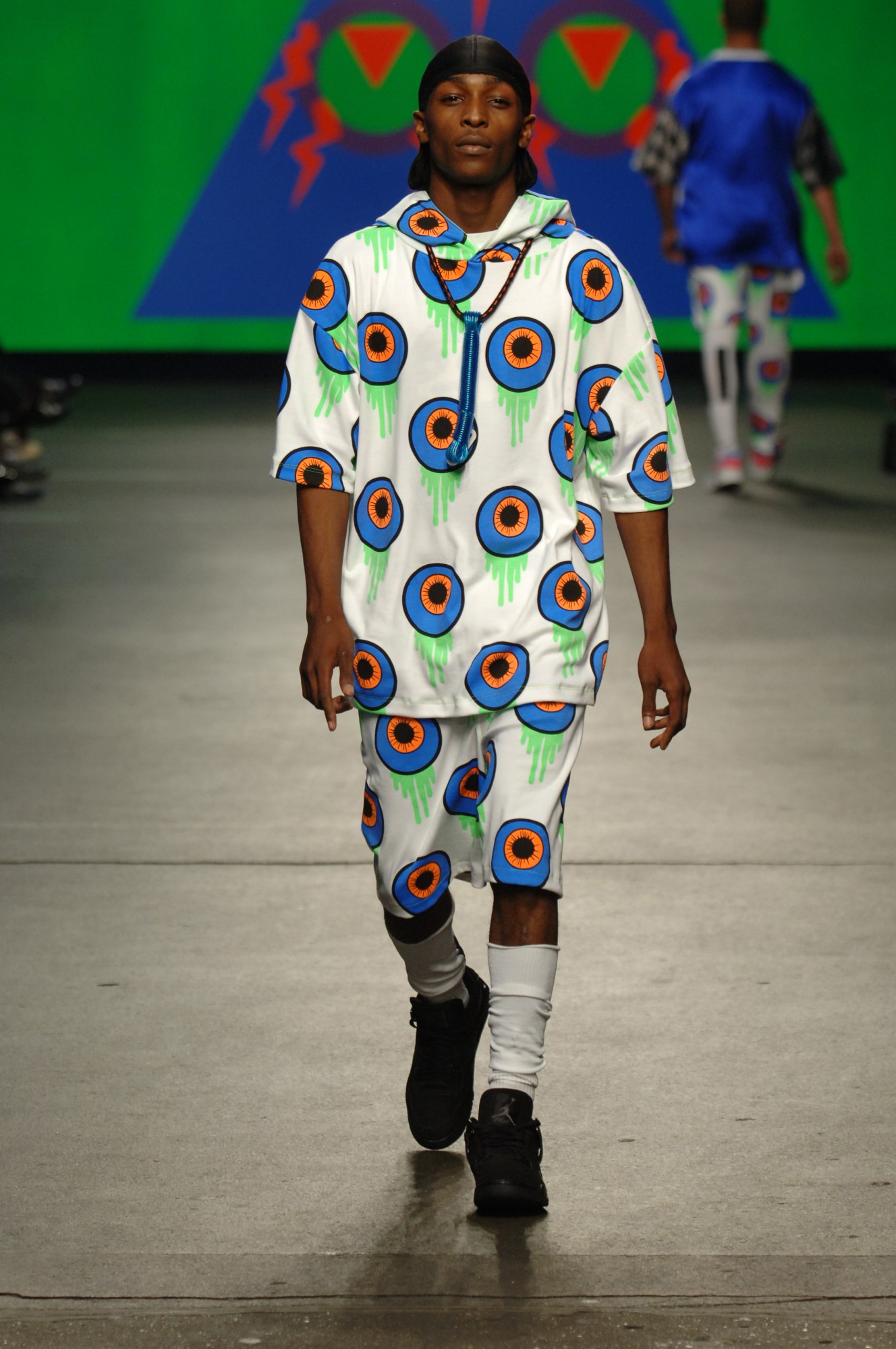
“What was and is still so special about London is that there is such individuality and diversity,” says Munden. In the mid-2000s, when Cassette Playa began taking its first steps, that diversity showed up as friction: couture-level looks rocked at squat parties; grime MCs swapping gray tracksuits for neon tees and Lego pendants; offline nights wired with online aesthetics. The city made opposites collide, and Cassette Playa turned that collision into a language.
Within the industry, that support took form. “Fashion East and other young London designers were my family, and there was infinitely more love in the city than competition back then.” That network—Fashion East, Lulu Kennedy’s incubator, alongside figures like writer Charlie Porter, stylist Nicola Formichetti, and PR powerhouse Mandi Lennard (“an incredible force to be around. I learned so much from her”)—gave her the backing to push something new.
Munden’s Hackney studio sat right in the middle of London’s shifting soundscape. “I listened to pirate radio all the time and went to grime nights in the area,” she recalls. “I immediately connected with grime… the energy felt metal to me… real future rave or a rawer and more British version of Detroit techno.”
The underground connected with Cassette Playa first, already coded in rave, jungle, garage, and grime—the same worlds fueling London’s clubs. “London understood what Cassette Playa was because it was so rooted in subcultures and club culture,” Munden explains. “It had been a while since fashion was an authentic part of that, not since the ’80s maybe.”
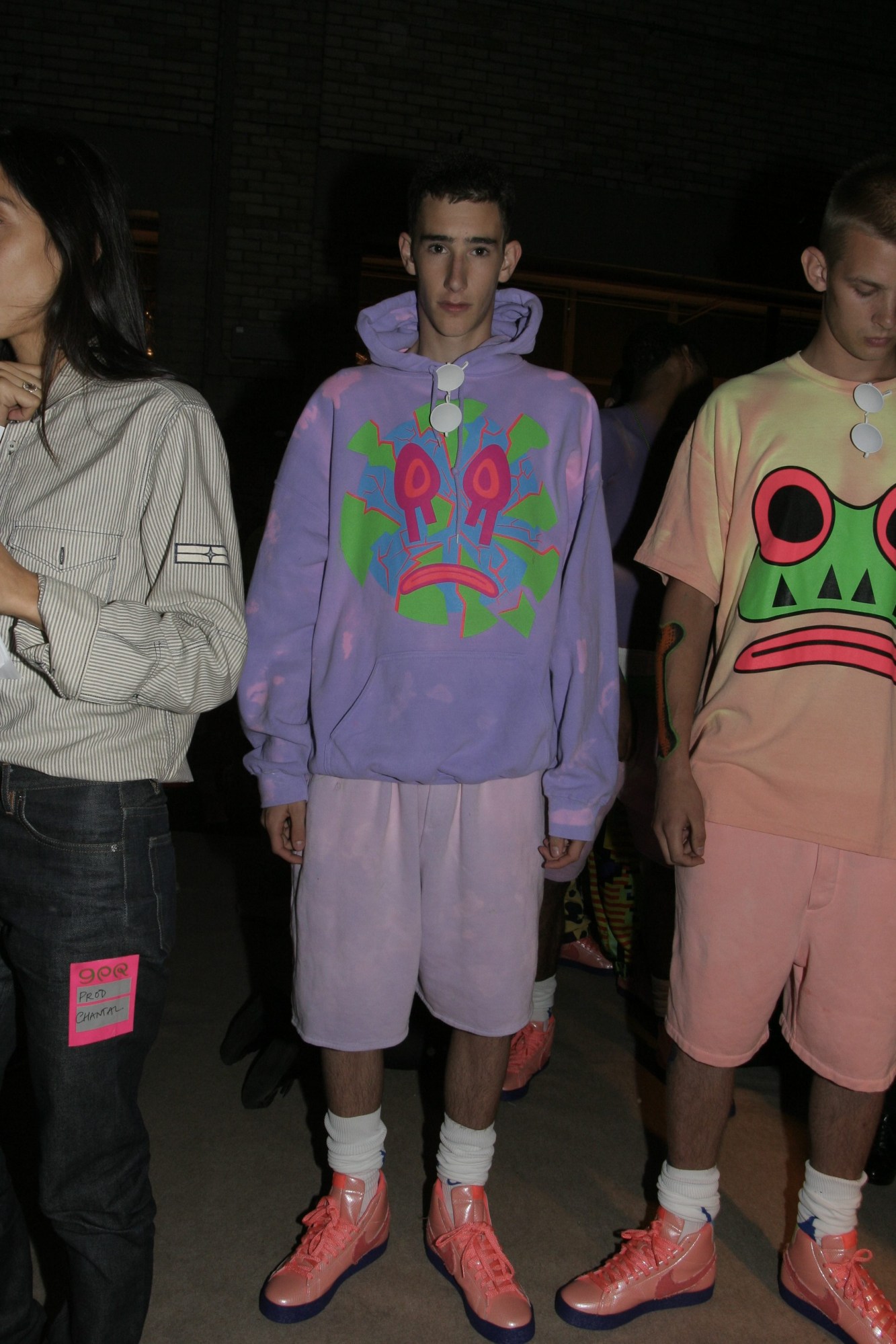
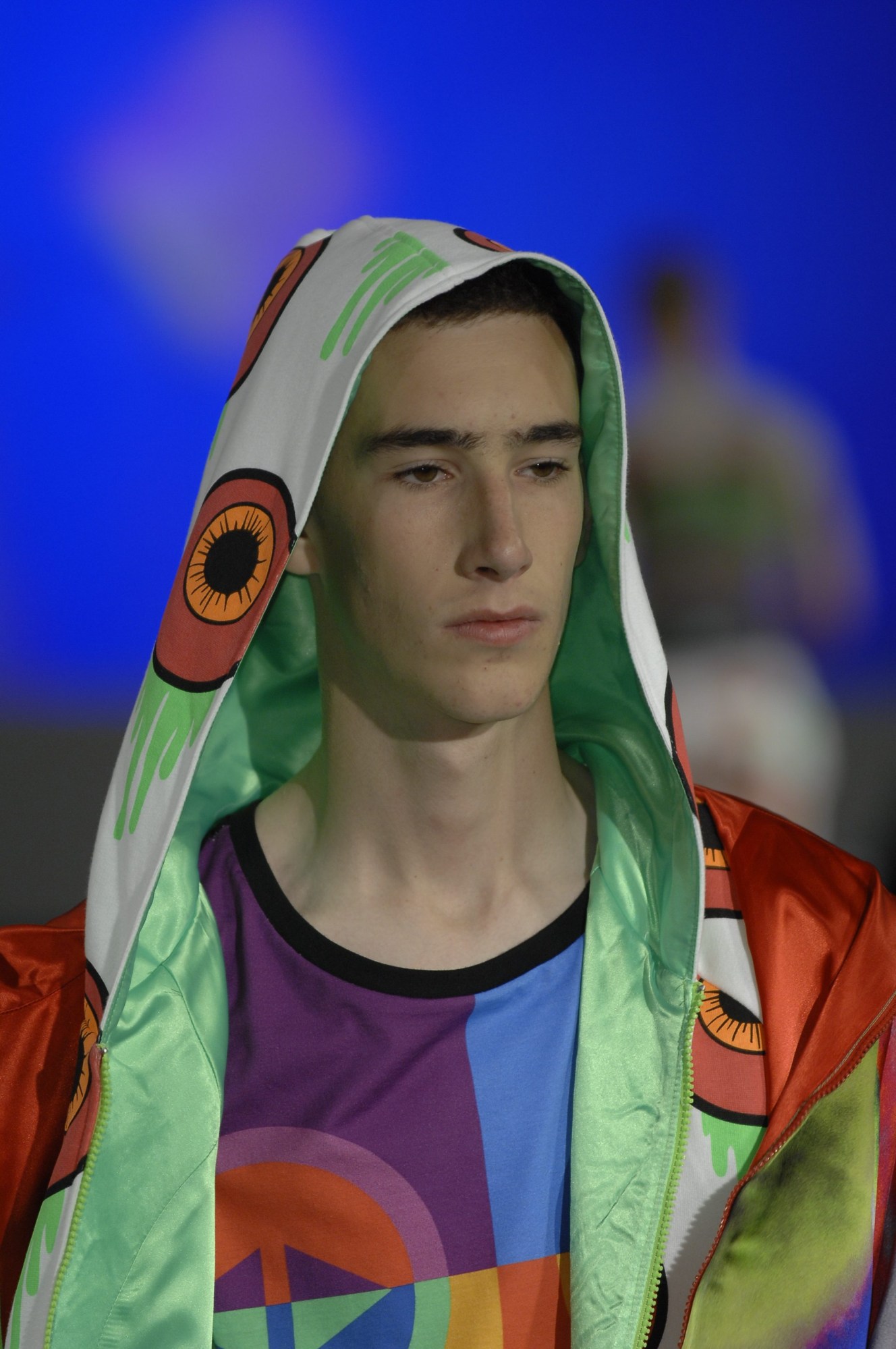
Across the Atlantic, she recognized a similar current. “Later, when I began to travel to NY regularly, I connected with Shayne from HBA and Telfar Clemens,” she says. “Even though our aesthetics were completely different, I felt more affinity with them and their visions than any of the designers in London at that time.” The two designers were building fashion out of their cities’ underground, the same way Cassette Playa was rooted in its own scene.
That cultural crossover truly came alive at the Cassette Playa runway shows. In 2006, JME walked the debut Cassette Playa runway, an inevitability of the crossover between grime and fashion that was already happening in the clubs. “He got it 100%,” Munden remembers. “JME already had his own clothing brand with Boy Better Know and we shared a love of both gaming and streetwear.” Almost a decade later, she was working with his brother Skepta on his Shutdown video. “Full circle,” as she puts it.
Each show became its own audio environment. The soundtracks warped grime into drone metal, acid, Southern rap, psych, prog, gabber—even pagan chanting. “The soundtrack would evolve into a psychedelic soundscape,” Munden laughs. “I don’t think anyone had ever heard sounds like that on a catwalk before.”
Sometimes the experiments went further. “My boyfriend at the time—Silverlink—was obsessed with certain frequencies, ones that could make you orgasm or even poo your pants. I had to convince him not to use them, even though I quite liked the idea of that happening!”
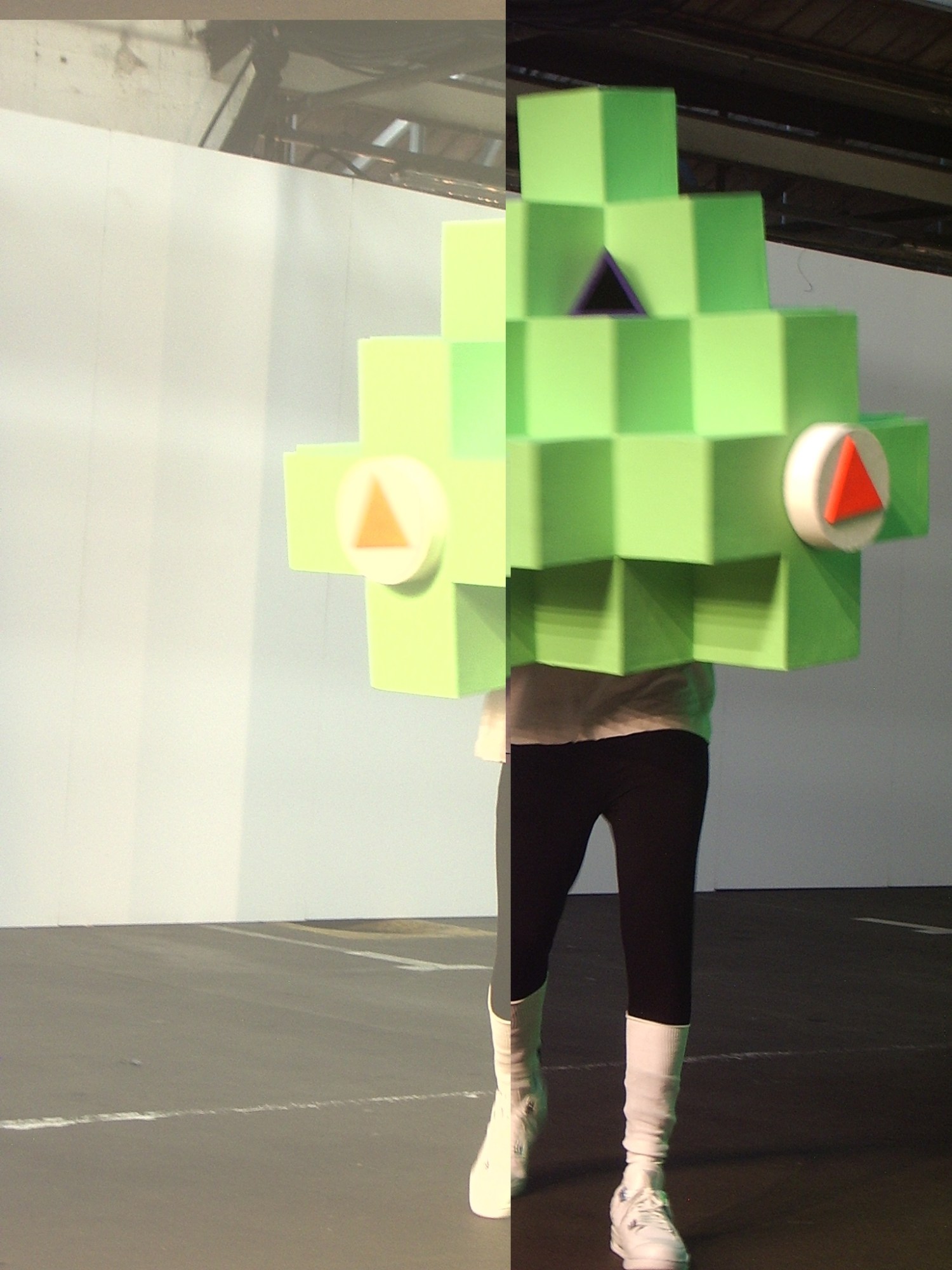
The visuals were just as unruly: glitchy short films, interactive installations, even the world’s first augmented reality runway in 2010. “My inspirations were always digital—gaming and digital art—but so were my processes: circuit-bending to create prints, 3D modeling graphics, and also my production: digital print and 3D printing.”
Cassette Playa wasn’t just borrowing digital culture, it was living it. Munden spent days in her “cave” studio with assistant Thom, working on files so big it could take an hour just to open one. The results looked like internet windows colliding, featuring saturated collages of film stills, symbols, photography, textures.
“Digital but also club culture was everything to me,” she explains. “I lived either online or in the club. My bio when I launched was: Cassette Playa is a techno technicolor uniform for pixel warriors—hard boys and girls battling real and virtual worlds!”
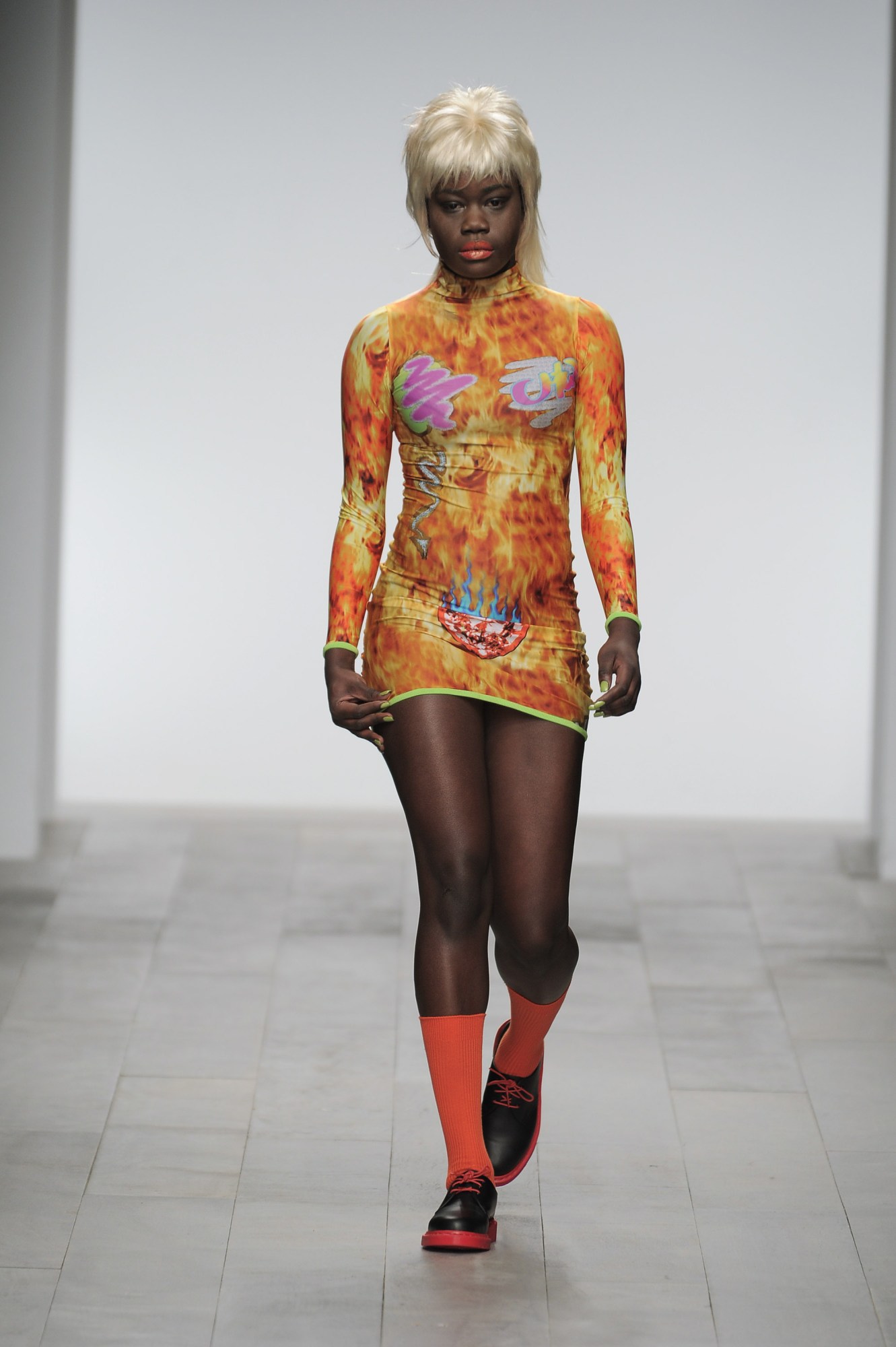
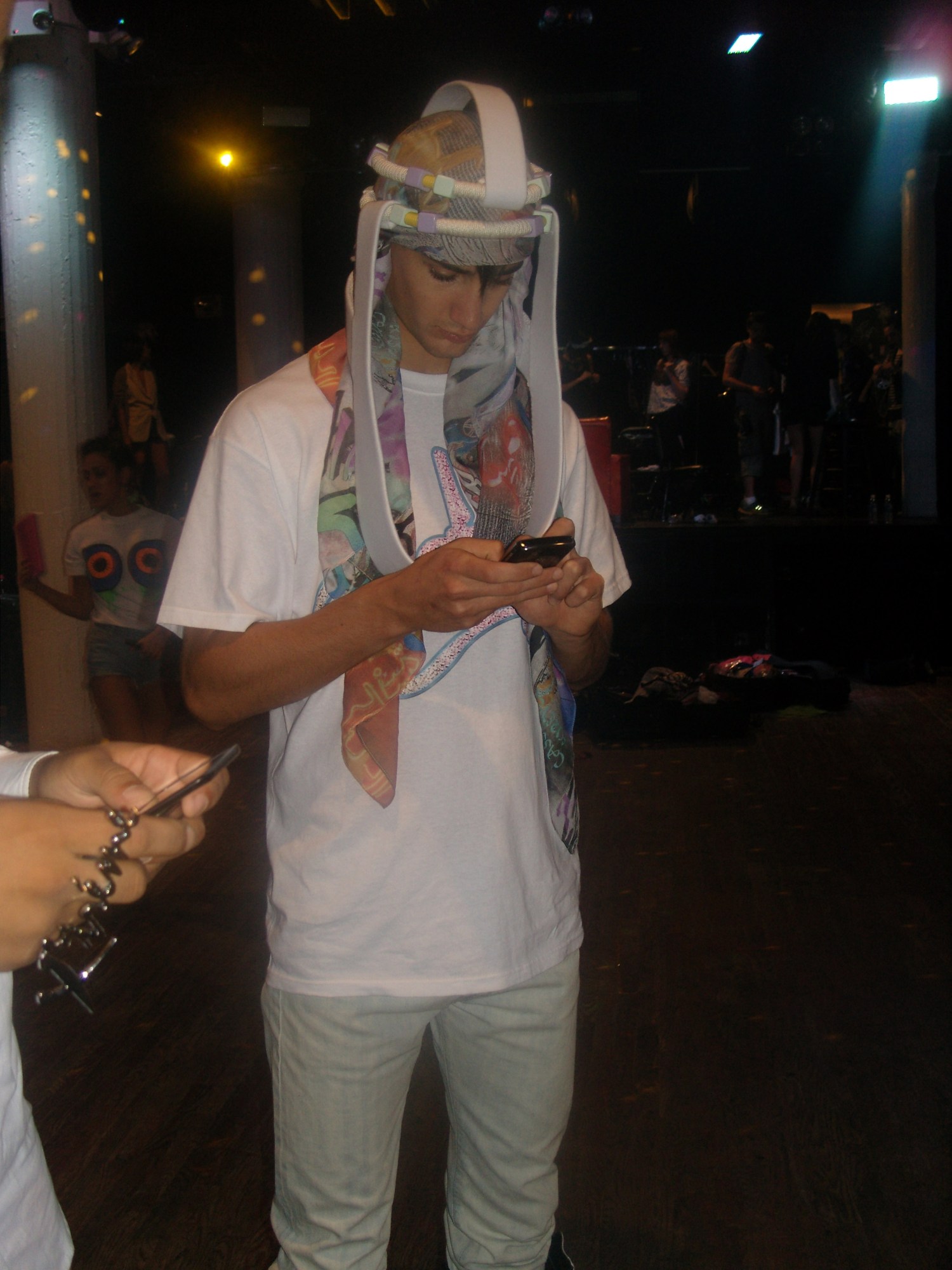
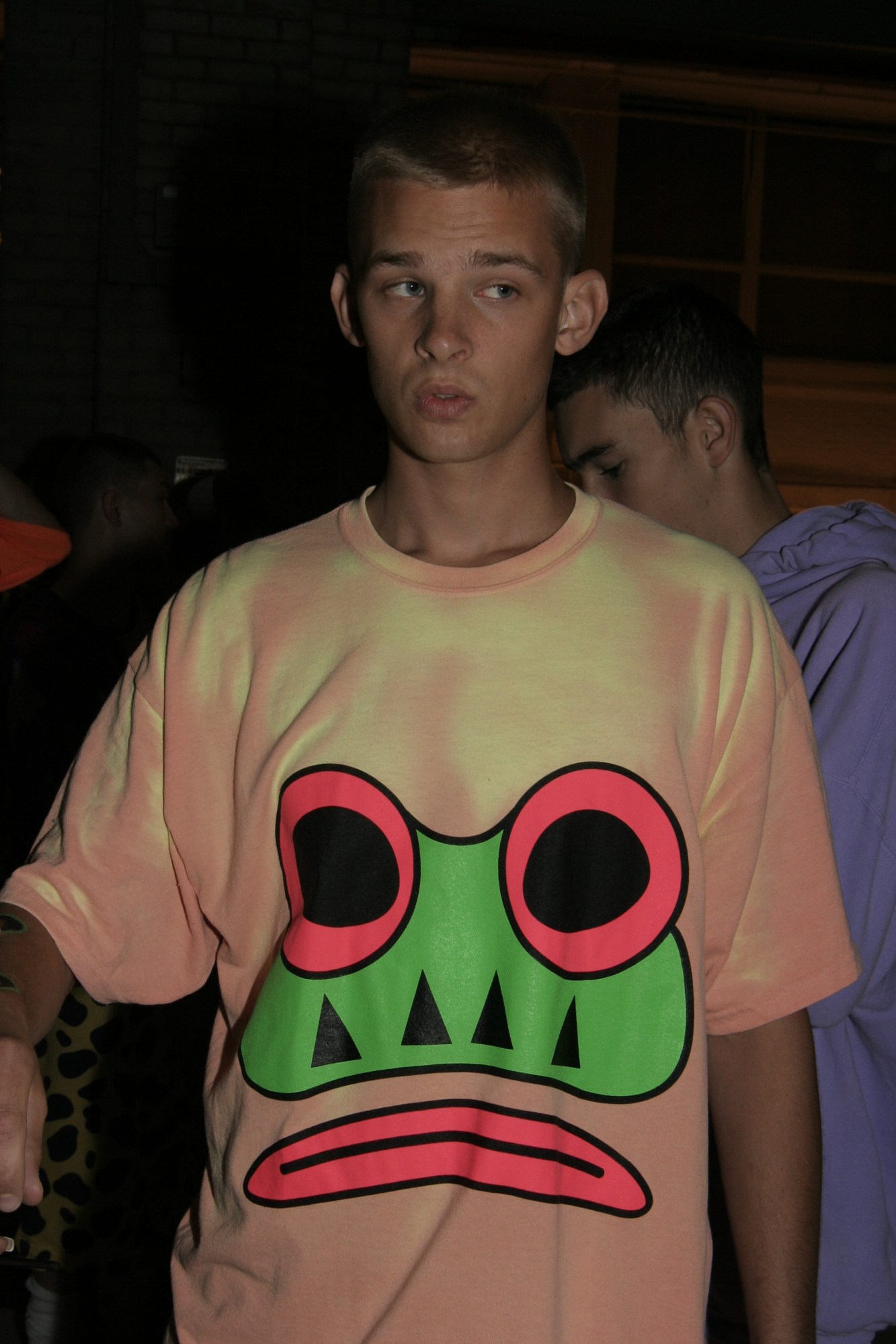
Digital print was still a new process at the time, but Munden used it as a medium in itself. “I think I was potentially the first to use it in menswear,” she points out. “I saw each digital print tee as part of an art series. I would love to exhibit them one day in a different context.”
This was before social media blurred online and IRL. “Of course, we were not on our phones then,” she tells me. “So there was a freedom and messiness… The internet was definitely better; it still felt utopian, before the tech bros destroyed those dreams.”
Two decades later, that world hasn’t faded—it’s everywhere. TikTok edits splicing gaming into streetwear, grime and drill stars on the runway, luxury houses borrowing the same print playbook. From Hood By Air and Telfar to streetwear in Tokyo and Seoul, Cassette Playa’s fingerprints are still all over fashion. What began in a Hackney studio wasn’t just a brand but a portal—a way of collapsing the boundaries between scenes. Twenty years later, we’re still inside it.