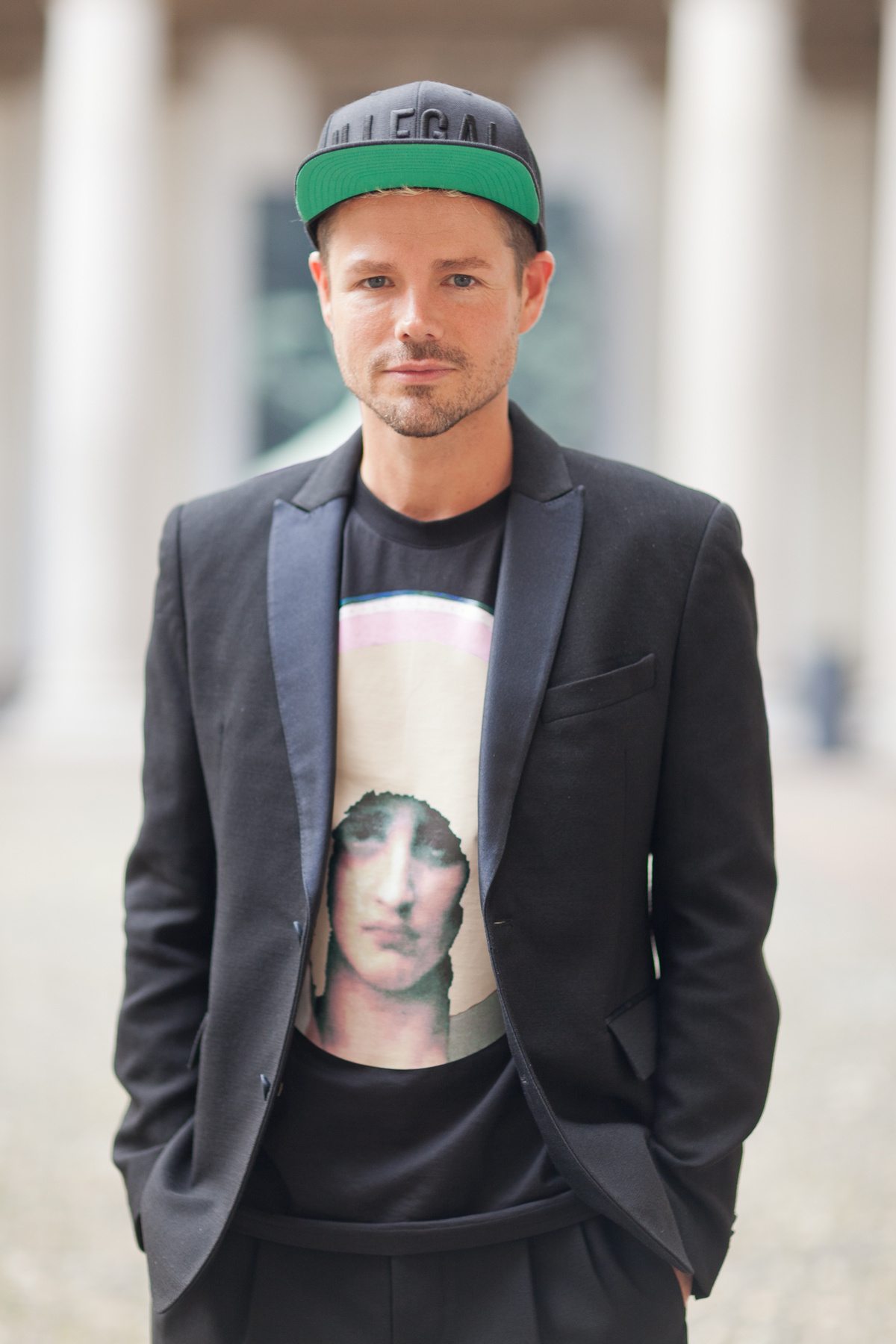
His first narrative film, Sunset Edge (which premieres at the Rural Route Film festival at the Museum of the Moving Image in Queens this Saturday) presents complex depictions of disaffected youth. Set in an abandoned trailer park, four aimless teens sip Slurpees, skate in the sun, and explore the skeletons of a once thriving community before discovering its secrets. i-D spoke with Daniel about youth, individuality, and what it means to be beautiful in 2014.
Can you speak about your upbringing in North Carolina?
I grew up on a dirt road in the South, and even though I’ve been in New York City for 20 years, a lot of my influence still comes from my childhood. The longer I’ve been in New York, the more I miss the woods and my rural, isolated background. Because my first two films were documentaries, when I decided I wanted to go ahead and make a narrative film, I knew I wanted to shoot it down South. It’s definitely the place that I have the deepest connection to. On an artistic level, I felt confident that I’d be able to do something really beautiful.
Can you tell me a little more about shooting in that trailer park?
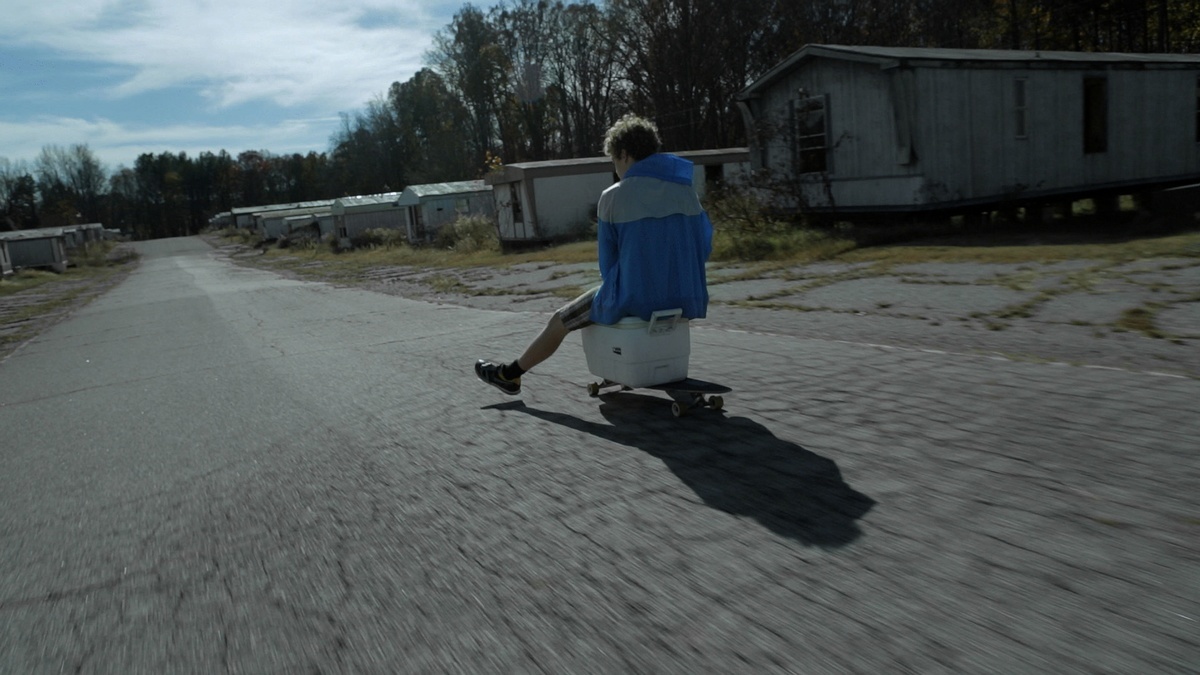
The moment I laid eyes on it, I knew I was going to make a film there. It was just this really creepy yet beautiful place: a dead end road surrounded by woods with the trailers in various states of disrepair. Some of them were completely gutted, but some were as if the family got up from dinner and never came back. It was really weird! Once the wind started blowing, the doors started creaking and you’d hear all these strange things – the place was amazing.
How did the Sunset Edge casting process work?
I like the process of directing non-professional actors, so I knew I wanted to do something with non-professional actors. When I was at NYU graduate film school, I was scouting my talent on the street instead of going through the various agencies.There was something about seeing my then 15-year-old nephew riding his skateboard and exploring the remains that grabbed me. Later when he’d bring some of his friends along, I knew that I wanted to work with a group of local kids. We had a pretty expansive casting, but in the end, I went with my nephew and his two best friends for three of the five leads because I really wanted to preserve the reality of their relationship.
Technology, how it factors into communication and relationships, plays a big role in the film. Is this specific to your characters or a larger trait of the millennial generation?
A little bit of both. The ways the leads interacted with each other both on and off camera are so different than the way I grew up. A lot of times they were together, but they wouldn’t be talking to each other, they’d all be on their phones. Sometimes, they’d even be texting each other around the park. I call their characters “disaffected” because they’ve seen so much in the world via their handheld devices that they’re just not affected by things in the way that I was. So I thought that was a really fascinating element to portray in the film, to get at the disaffected quality of that generation.

What draws you to someone on the street?
It’s hard to articulate what it is exactly, but because I’ve been doing it for so many years, I’ve developed a sort of radar for people who are photogenic outside the norm. I’ve always said that if you lined up a bunch of people and only let me see their backs, I could probably pick out the beautiful ones just by the napes of their necks! That sort of sixth sense has really paid off for me and is something that, in a weird way, is kind of collaborating with accident. You’re letting fate dictate in some ways. All of my art has been impacted by this willingness to put myself at the hands of fate–to encourage accident and collaborate with it.
How has the idea of a model changed?
It used to be that you had to be discovered, but now you can discover yourself. Nowadays when I’m talking with would-be models, I explain to them that it’s not just about looking beautiful anymore. Especially in the fashion world, people are looking for muses. They’re looking for people that have style, that have a unique voice. Even though the range has opened up so much, those types are still hard to find.

Credits
Text Emily Manning
Photography Melodie Jeng. Film stills from Sunset Edge.