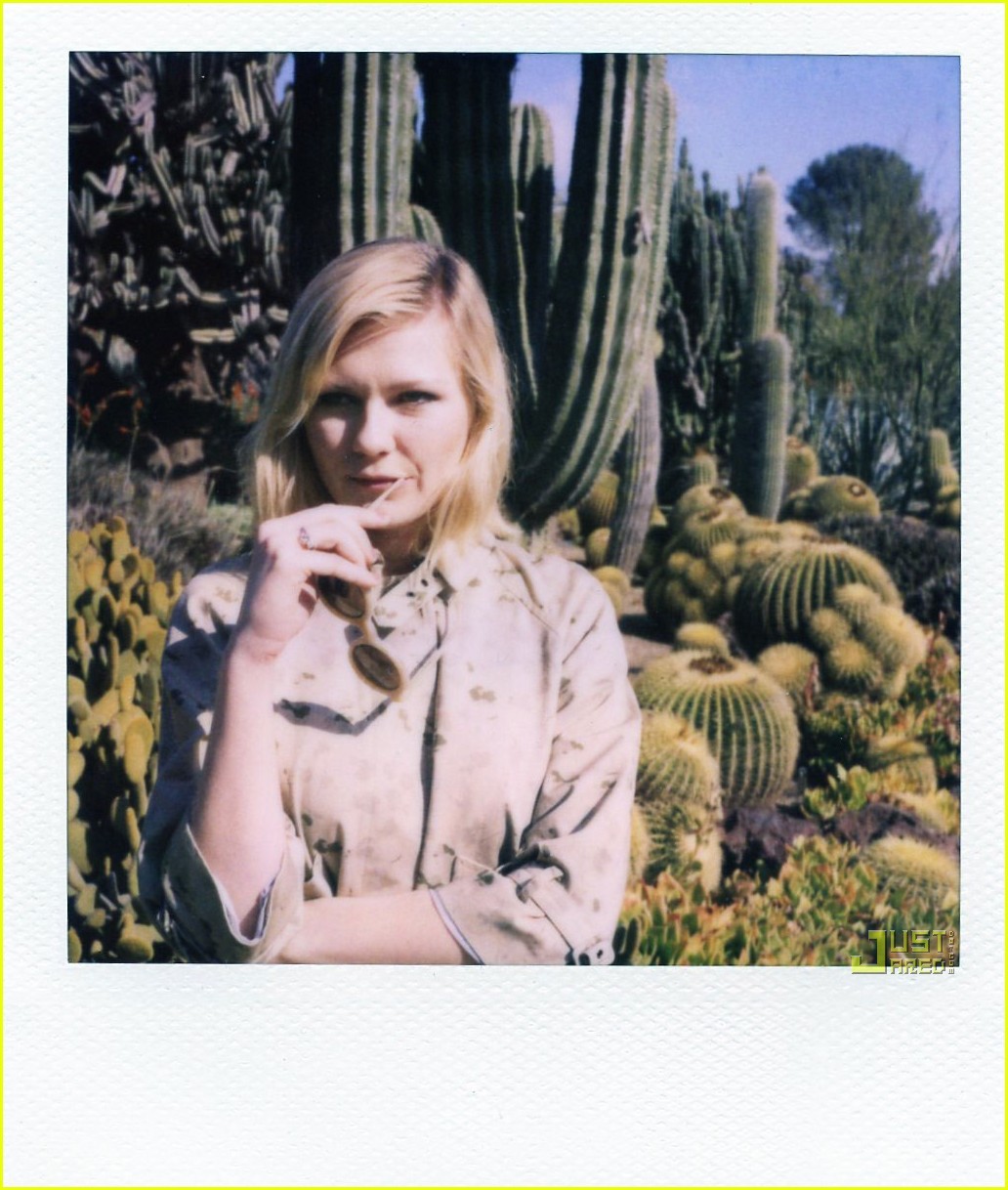
Since 2004, Scott Sternberg’s LA-based brand Band of Outsiders has been shaking up American sartorial staples by putting playful, rebellious twists on preppy classics. Whether he’s shooting all his campaigns with Polaroid cameras or convincing Momofuku to install a Milk Bar outpost next door to his Wooster Street store to feed his well-documented cookie addiction, Scott’s never been afraid to do things his own way. In addition to compiling some of his favourite campaign snaps (including a few unpublished outtakes), Scott spoke to i-D about what he’s learned over the last decade.
Let’s talk about how Band of Outsiders got started.
I worked in the entertainment industry for a number of years before I finally decided to start my own business. I very organically decided that it would be a clothing business and then very organically decided that it would be menswear. I had taken classes in illustration, pattern cutting, and all that stuff, so I knew what I was talking about by the time I quit my job at the end of 2003. I put together a pretty focused line of about 13 button-up shirts made out of fabrics I could find that just worked well together, as well as about 20 ties out of vintage fabrics. I guess what made those pieces so unique, relative to the time, was that they were distinctly American and clearly very preppy, but also European in the way they were cut: the shape, silhouette, and the way they were finished. It was actually easy to go after buyers because it was so clear. I just sort of put everything together on a rail or a rack, I didn’t even have to explain what it was. It was like the shirt and tie alone became this uniform that eventually became the brand. Finally, a few months later when I had enough samples and was selling to a number of other retailers, I went to Barneys where the buyer very clearly understood what I was doing and saw a place for it.
What was the climate like for an upcoming designer back in 2004? How do you feel that’s changed?
It felt like there were less young brands in the market at that time, especially in menswear. It also felt like there weren’t very high barriers to entry. I was clear about what I was doing, you know? I wasn’t an idiot; I priced the stuff correctly and produced it correctly, and it felt like things were pretty accessible. Magazines were excited about new brands, not that they aren’t anymore, but I think now it’s a much more dense and cluttered environment. The idea of a young designer, in a positive way, is capitalised upon by magazines, television shows, and fashion funds. It’s become sort of a cottage industry, harbouring young designers’ careers. And that’s a good thing, because it keeps those barriers to entry equally as low as when I started. But it’s certainly more noisy and cluttered now.

What references did Band start out responding to and how have those evolved over the years?
The reference points were very consistent; Sydney Lumet, Robert Redford, Warren Beatty, that sort of 70s American film mood. As the collections grew I started showing at NYFW and doing womenswear. I’m a storyteller, which is why I worked in and was attracted to the film industry, I started putting more of a narrative behind the collections as a means of being engaged. As I grew the staff here, those narratives really helped to keep the message clear internally. During fashion week, we try to complete those stories by building sets that represent their worlds so that people can really engage.
I think if you’re doing your job as a designer your brand should always be recognisable on a rack. It should always read ‘Band’ – the customers should feel familiar with it. But at the same time, you have to create something fresh and new, so these narratives and points of inspiration are very helpful to give you a new bent to get in there without straying too far from who you are.
What have been some of your favourite collaborative projects?
I loved working with Sperry Topsider back in the day. Not by design but just by chance, I really had a strong instinct that I wanted to make boat shoes – sort of fuck with them and bring something new to it. It opened up a whole new audience well beyond the core skinny preppy guy and expanded people’s perception of the brand. It was also really fun! We made some super imaginative product with them. They really gave us carte blanche to do whatever we wanted.
We also did something with Lego when Opening Ceremony opened their LA store. They had shop-in-shops set aside for us, Acne, Alexander Wang, and a few other brands like that, so we convinced Lego to work with us by providing bricks and a master builder. We built the entire shop out of Lego! It took a week to build; it was so nuts.

What’s the most important thing you’ve learned in the past decade?
I think the most important thing is to stay focused on a very clear message and very clear product. It’s so easy to be seduced by everything in the fashion conversation: other designers, what’s in stores, what’s selling, what might be a trend, what might not be, and everything in between. There are a lot of brands out there, a lot for a customer to buy, a lot of messages for them to take in and process and try to understand. So focusing and keeping things simple is the best approach for sure.
What’s the future looking like for Band?
Steady as she goes, I’d say. It’s not a race, that much I’ve learned. Fashion is a wonderful industry in that it’s run by younger people and older people alike; it’s not an ageist industry at all. Some of the most creative and powerful voices are not 20-year-olds. There’s never been a sense of urgency that things might expire or that my creative juices might dry up, so because of that, I’m actually pretty chill about the future. I take things as they come.
Credits
Text Emily Manning