photography JAKE EVANS
Paris, placement year, Vuitton. On paper, Neil Zhao sounds like a fashion prodigy with a five-year plan. At 24, he’s midway through his placement year at Central Saint Martins, studying fashion design with print while interning at Louis Vuitton. In person, he’s funnier, cooler, and far less rehearsed. He talks about clothes the way some people talk about philosophy—with calm conviction and the occasional punchline, just to let you know he doesn’t take himself too seriously. The pedigree is serious, but Zhao isn’t. He’s measured and mischievous, someone who treats fashion less like a status symbol and more like an ongoing joke about identity.
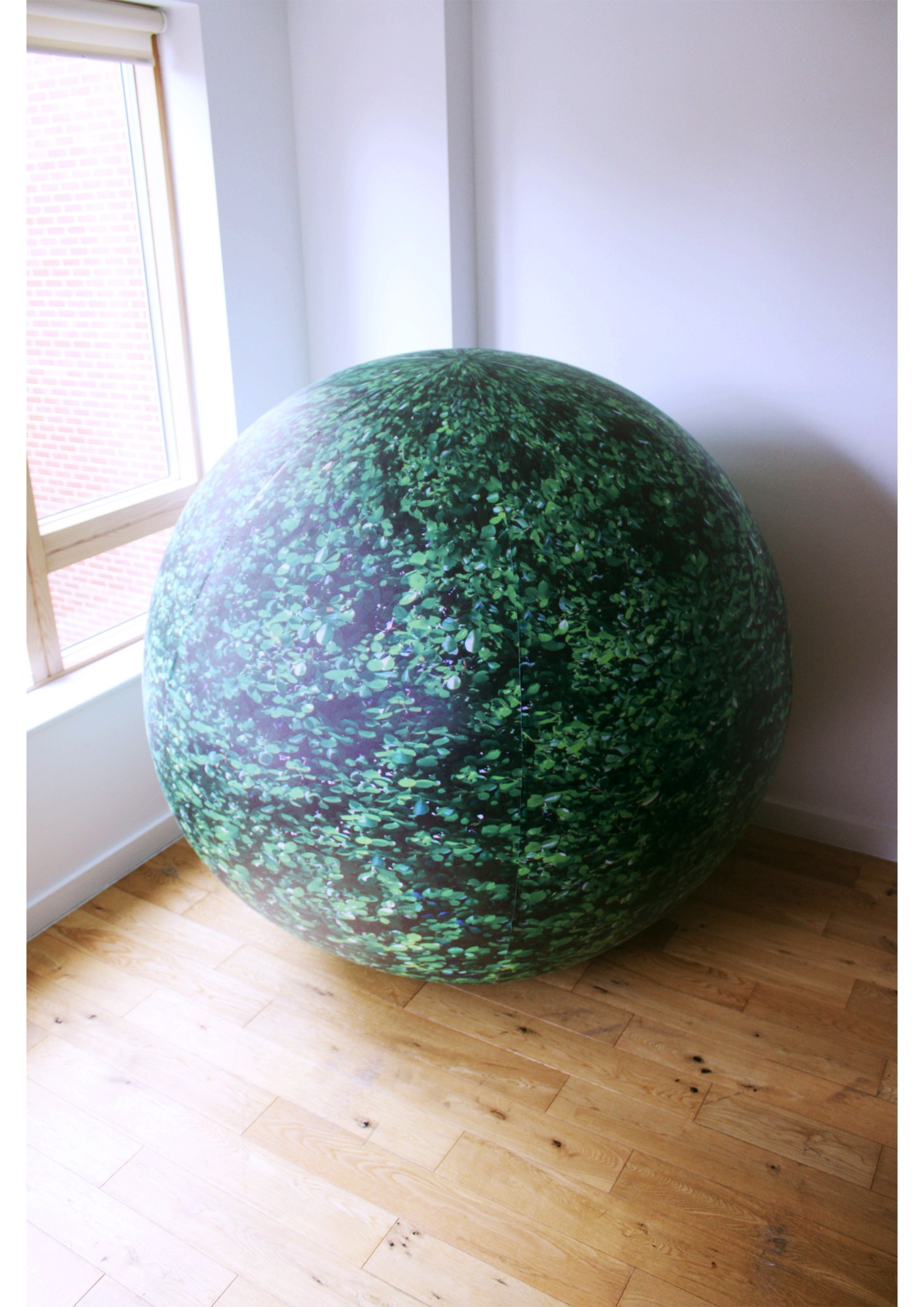
He never really meant to start a brand. “I’m still in school, and it sounded like stress,” he says, laughing. But after winning a Sarabande Foundation scholarship, he borrowed its gallery space for a show, mostly to give himself a deadline. What began as an experiment turned into a miniature collective of CSM friends. “It was very DIY,” he says. “People modeling, casting, directing—everyone doing three jobs and pretending we had a budget.” The 12-look presentation was an internet hit: Pin-cushion dresses, blown-up buttons, a handbag made from a wheel. “We just made things we wanted to see,” he says. “Then people started asking to buy them. So we thought, why not? It snowballed.”
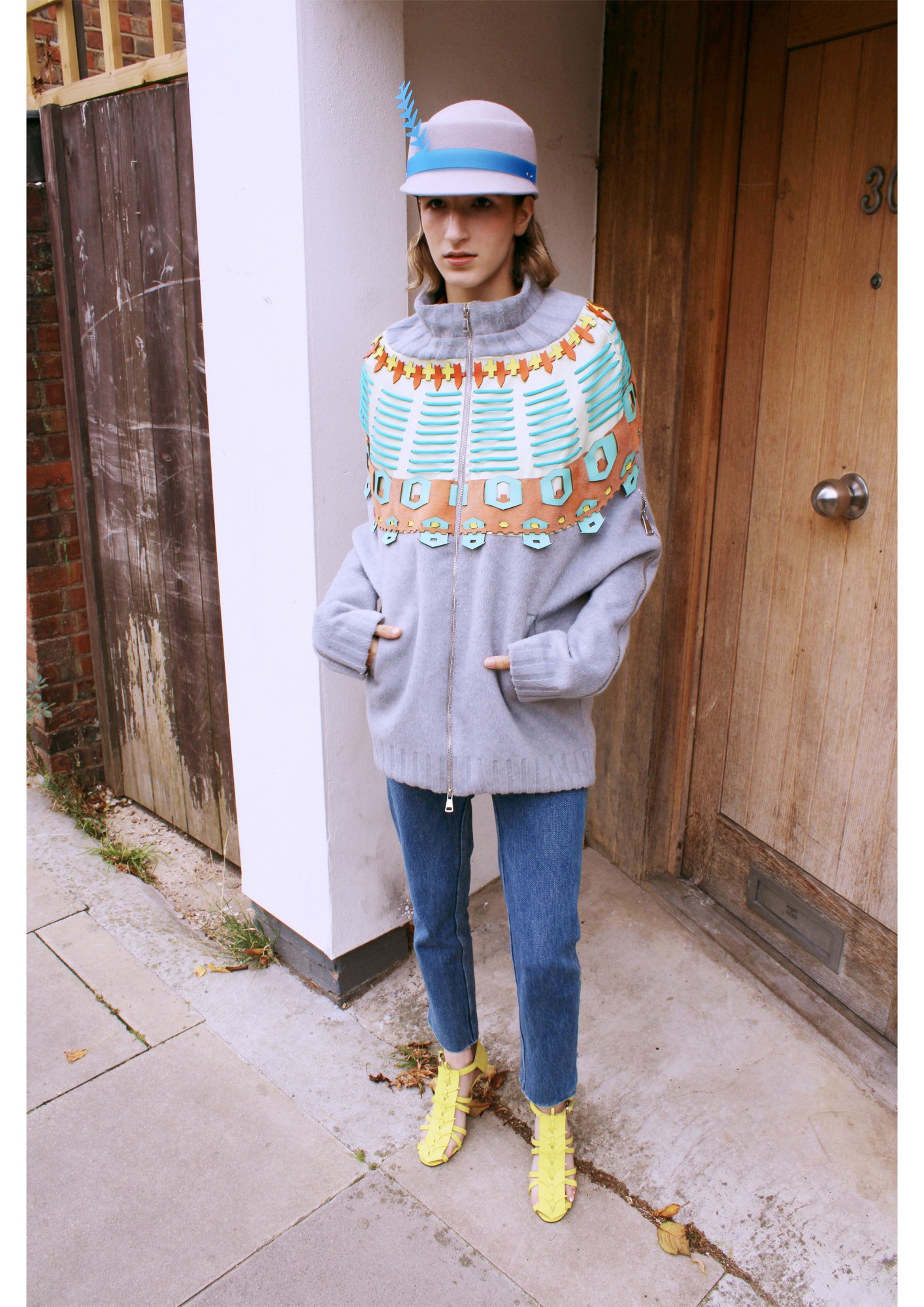
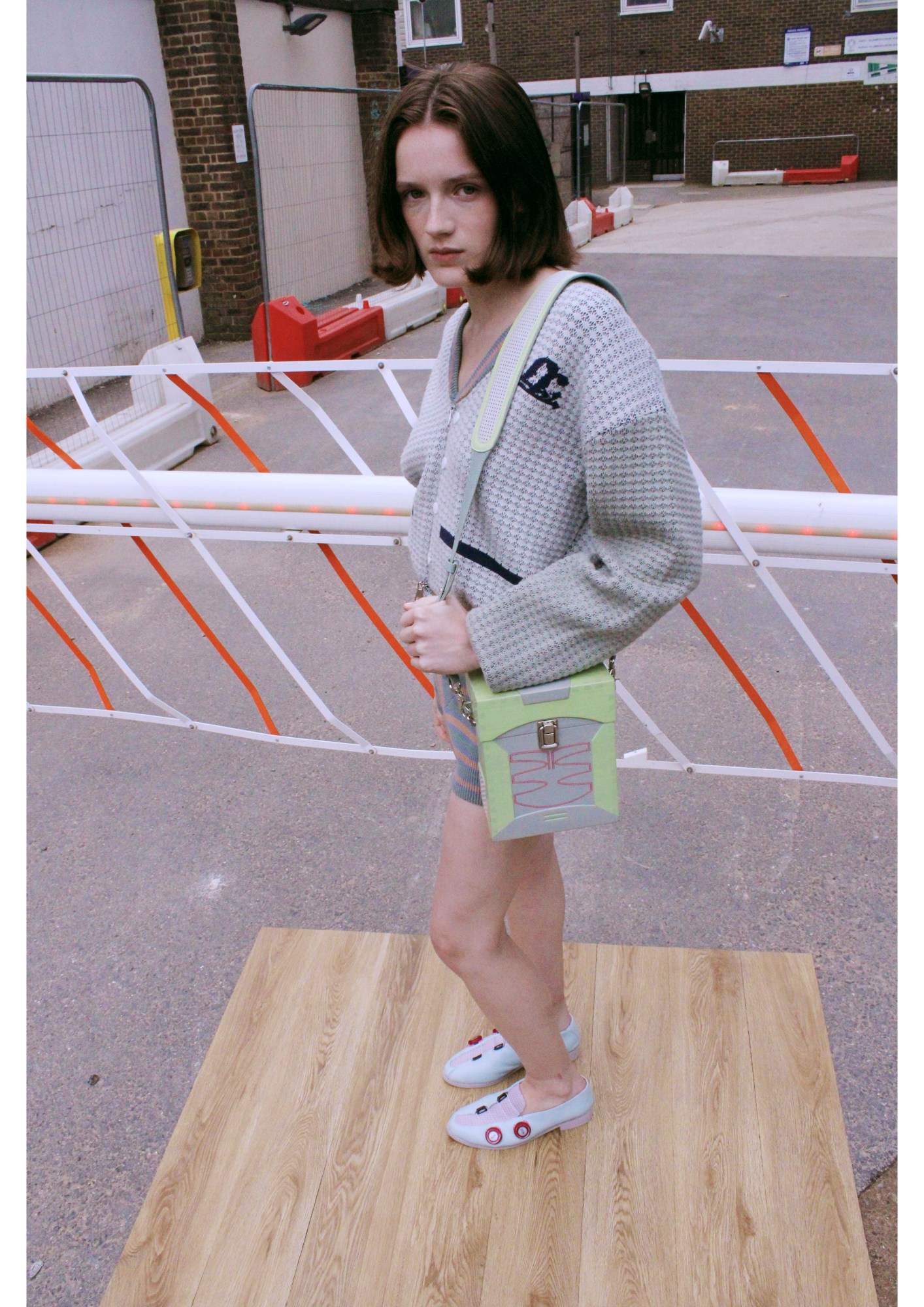
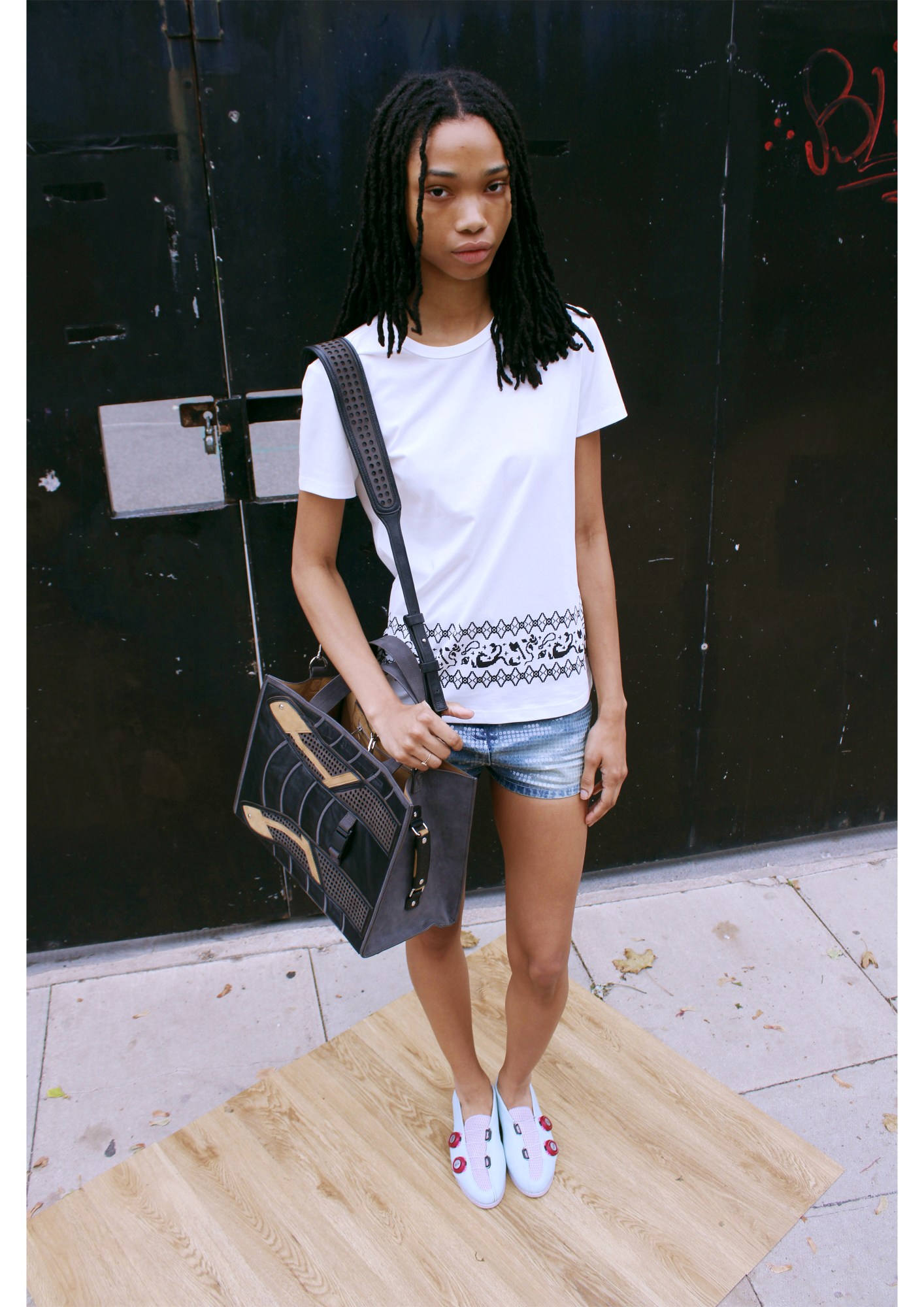
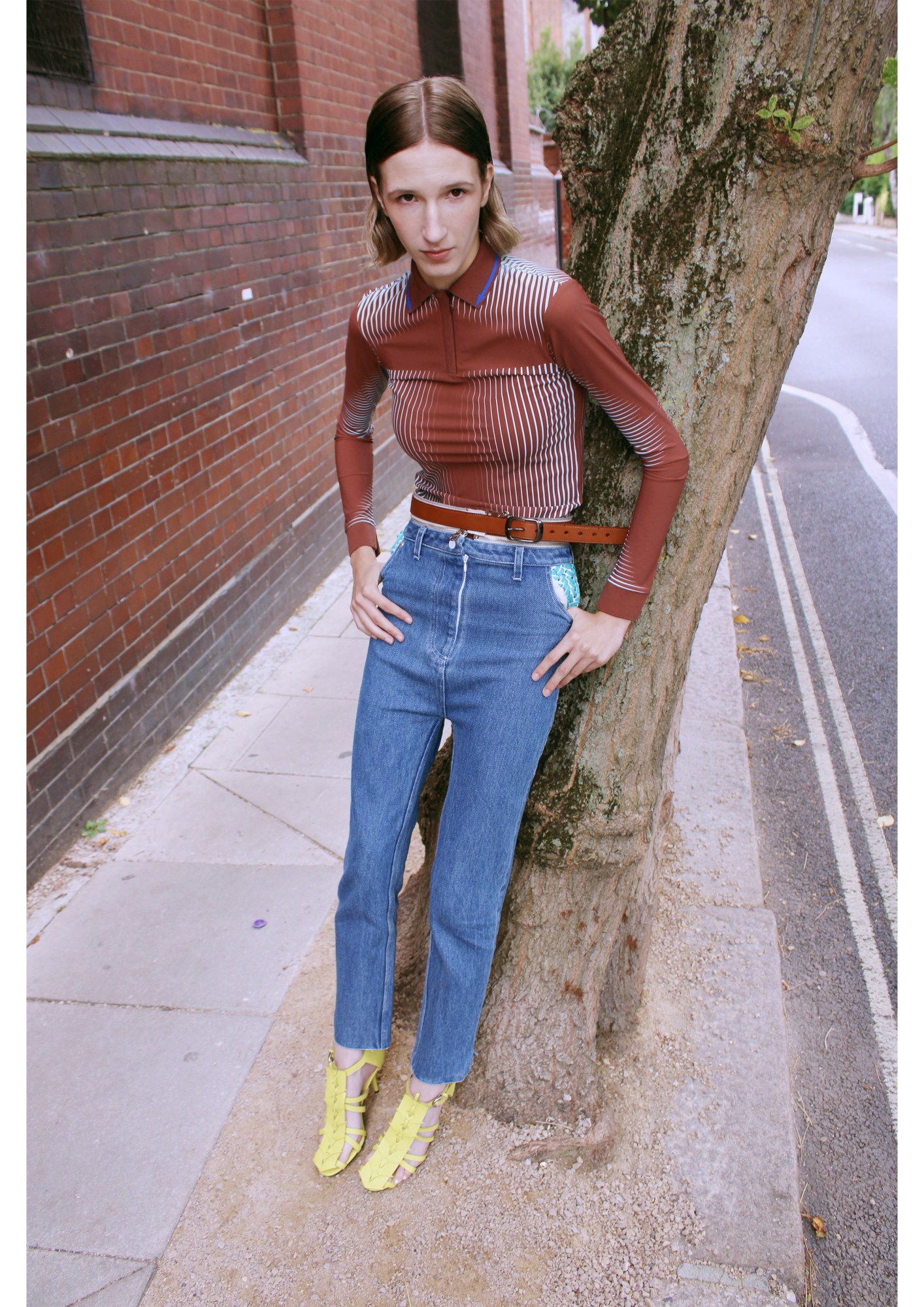
The brand became «chöke», named after Zhao’s old Instagram handle—@kan_du_choke_meg_litt—a Norwegian phrase that roughly translates to: Can you choke me a little bit? “It’s so stupid,” he laughs. “It didn’t mean anything; I just needed a name. But now it’s stuck.” It’s irreverent, unserious, and somehow perfect.
Born in Australia to Chinese parents, raised across China and Norway, and now, dividing his time between London and Paris, Zhao has turned cultural displacement into a design language. “When you move a lot, clothes become language,” he says. “Before you can speak, you dress. It’s how you tell people who you are, or who you want them to think you are.” His approach to fashion sits somewhere between anthropology and pop absurdism.
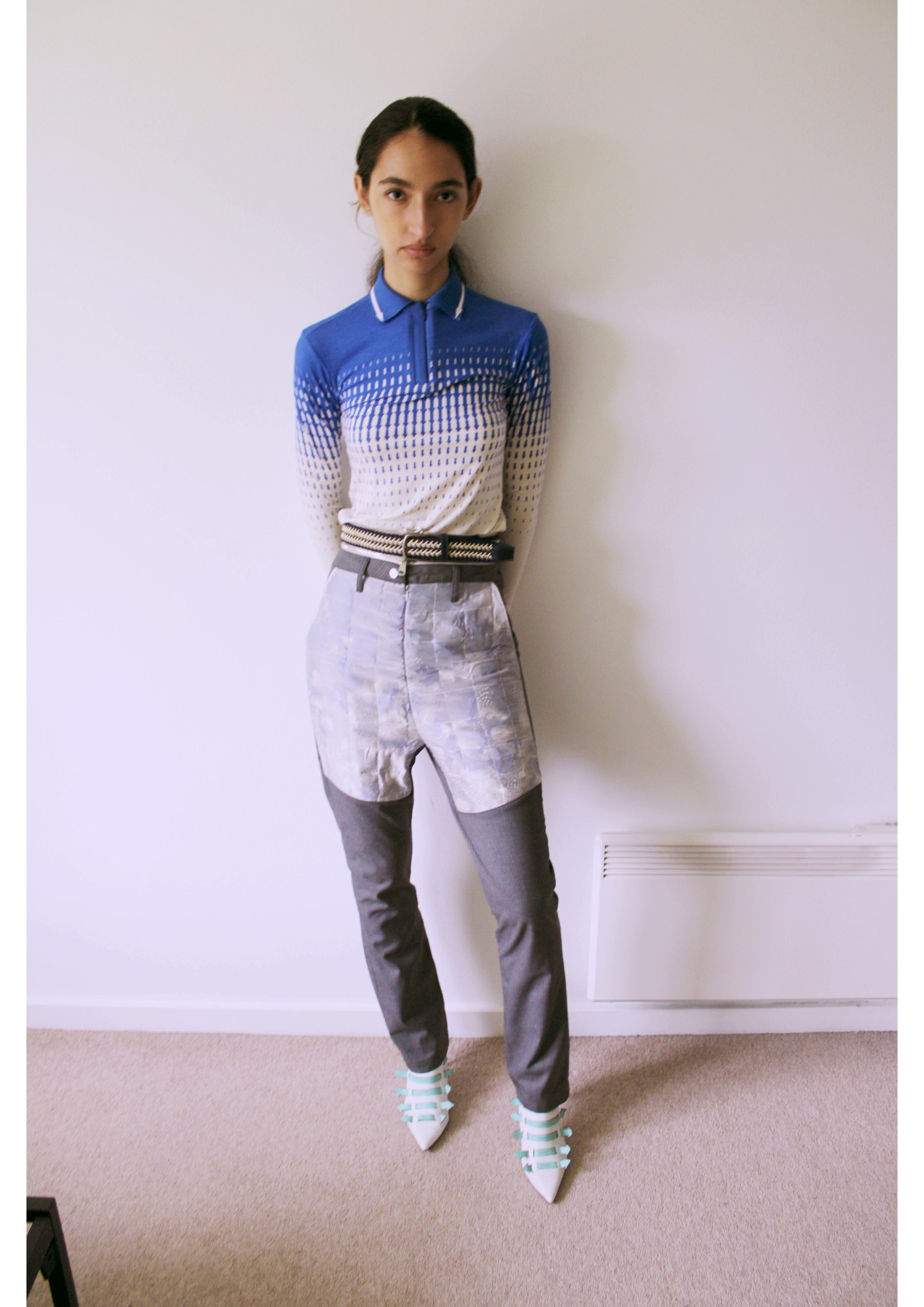
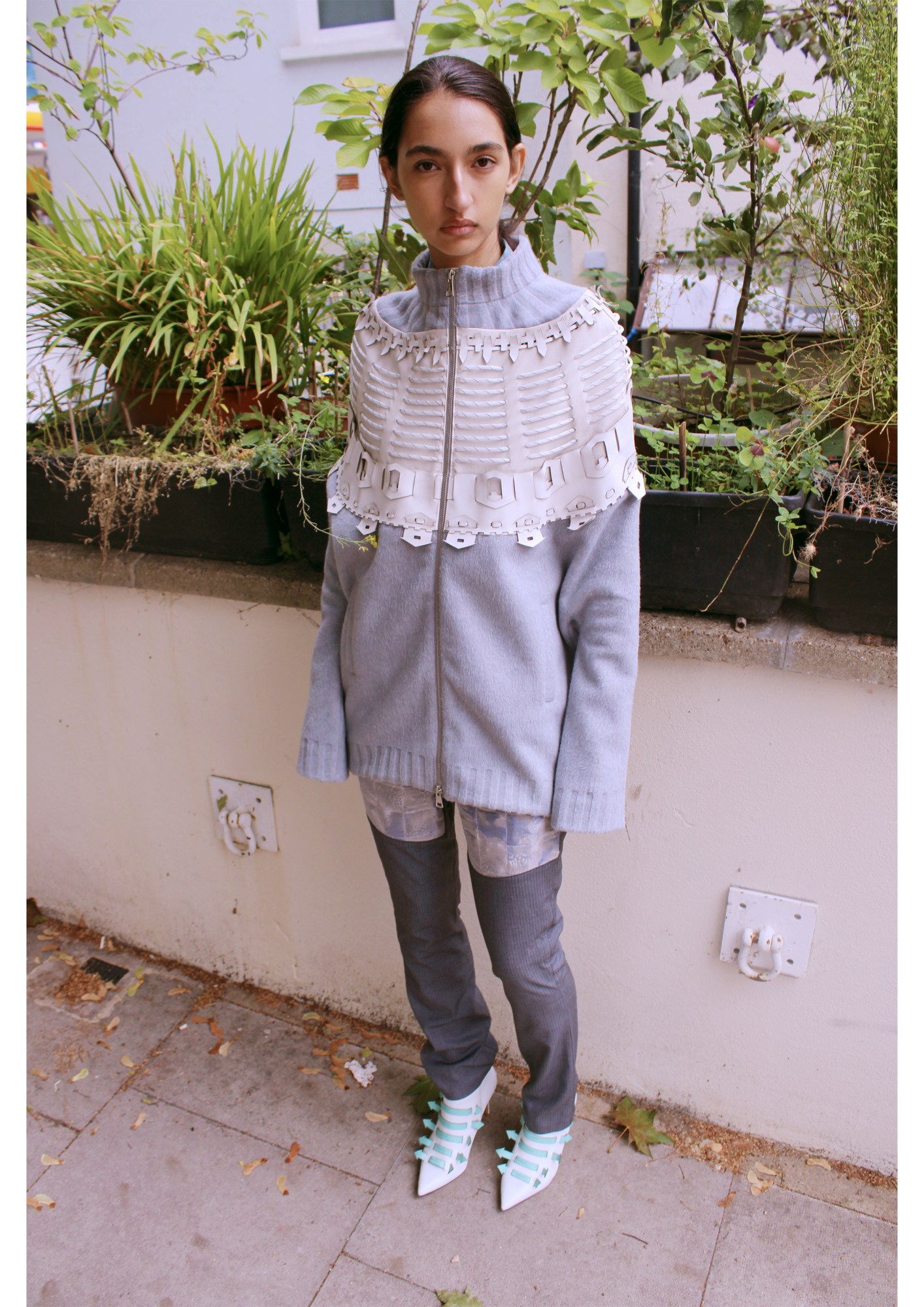
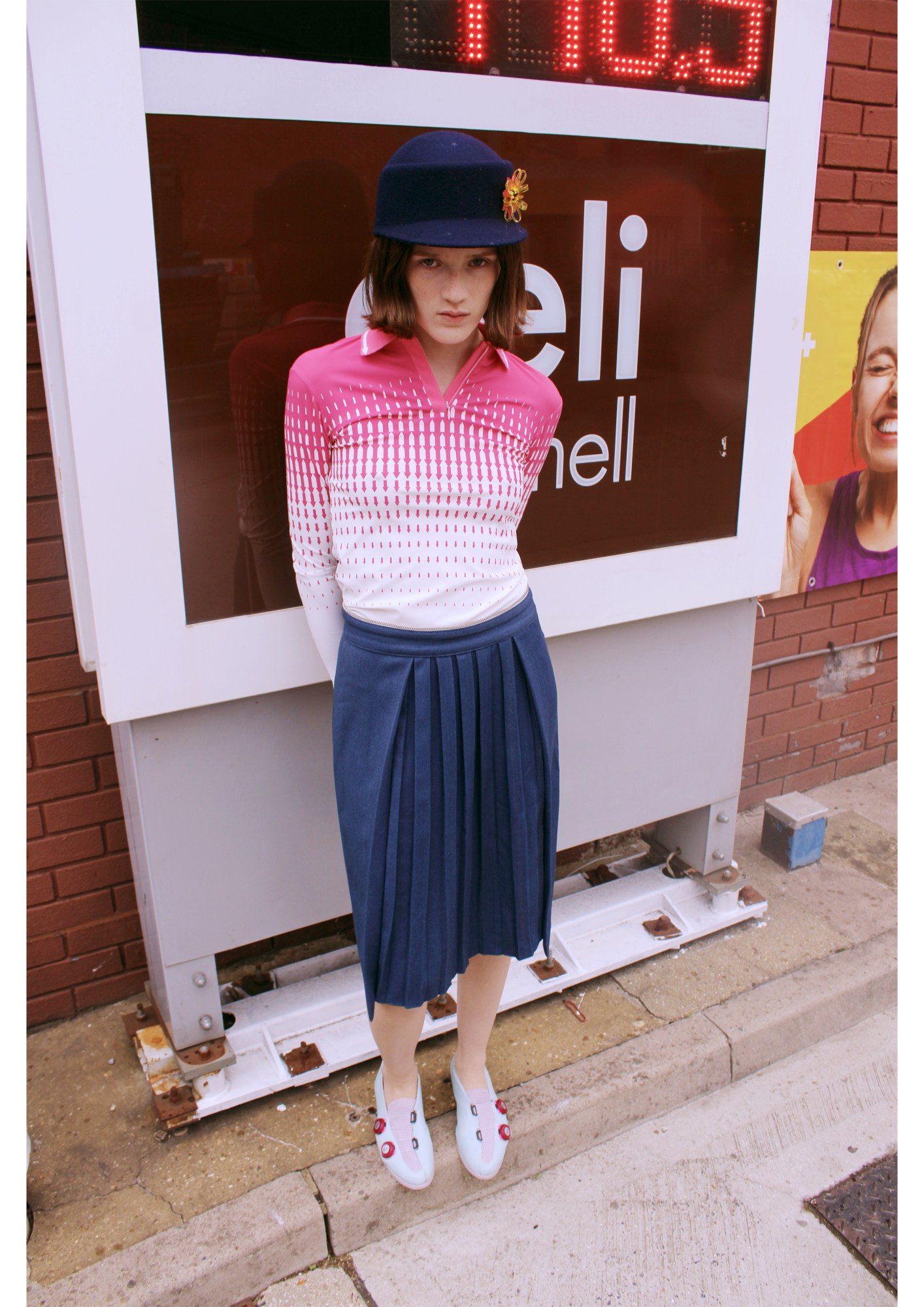
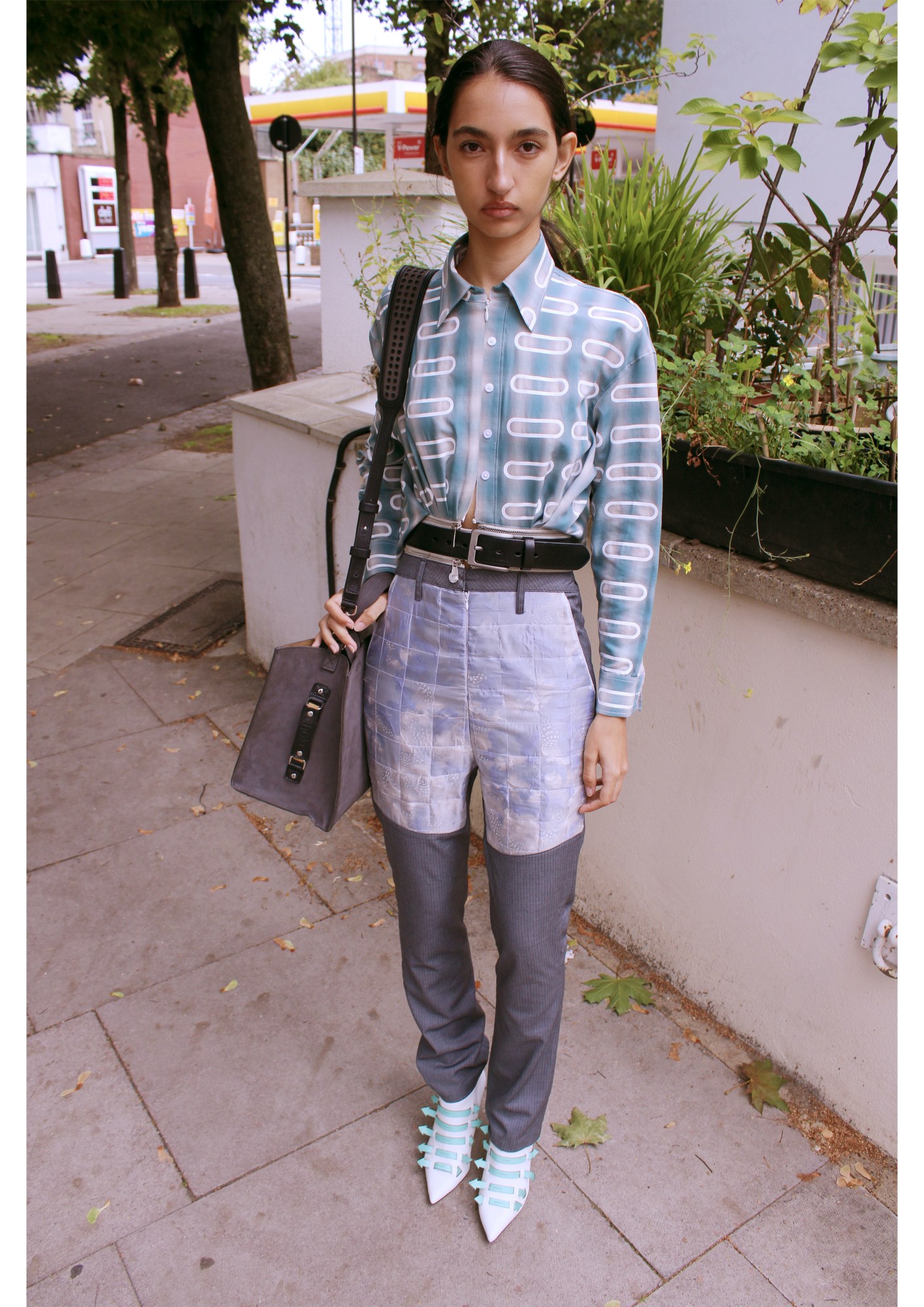
His latest collection feels more introspective, a kind of love-hate letter to Bergen, the rain-drenched Norwegian city where he grew up. “People there don’t really ‘do’ fashion,” he says. “They’ll spend £1,000 on an Arc’teryx jacket but insist it’s purely practical. It’s fashion denial as fashion.” That contradiction—wanting to stand out while pretending not to—became the collection’s core. “From afar everything looks normal,” he says. “Up close, nothing is.”
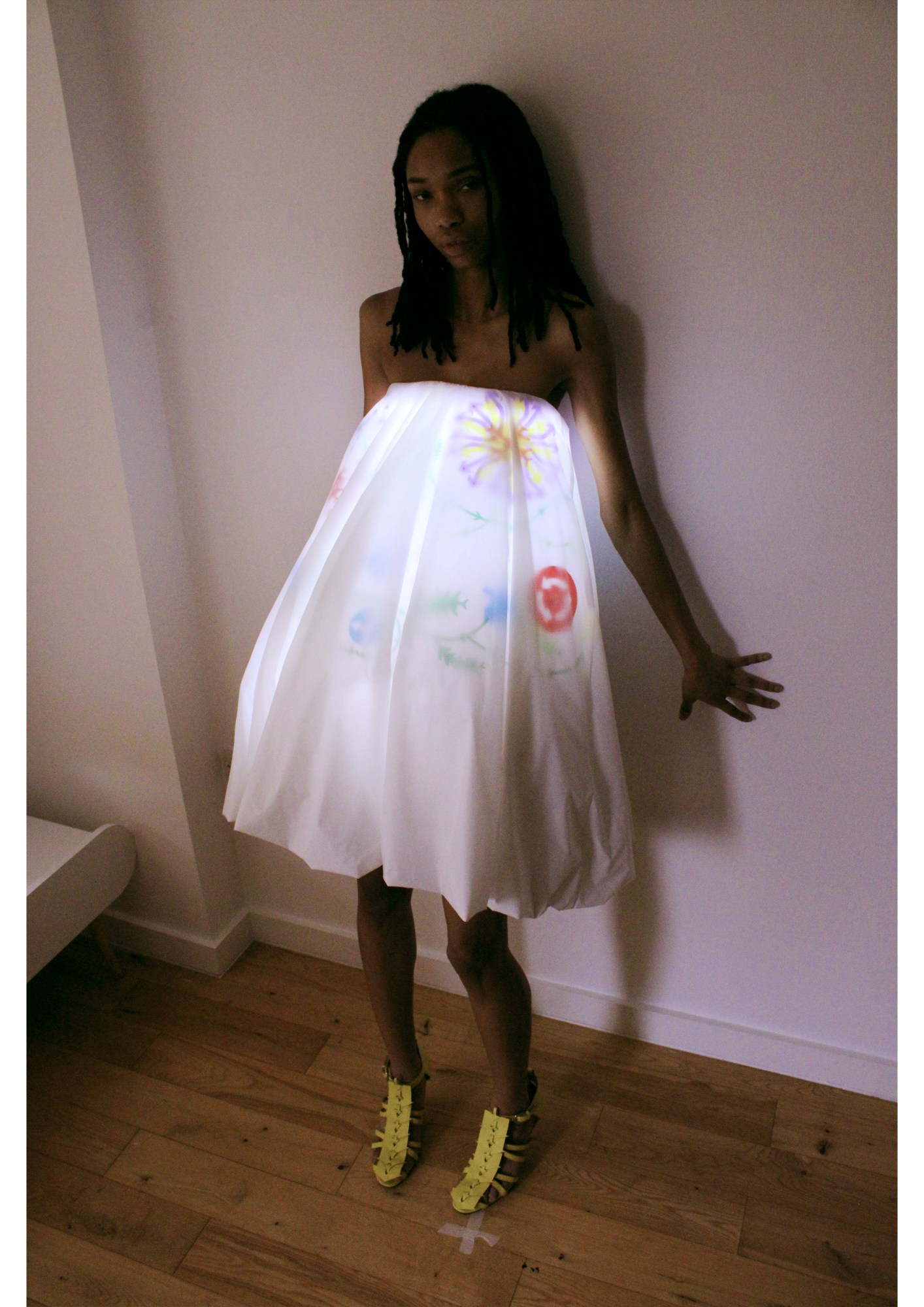
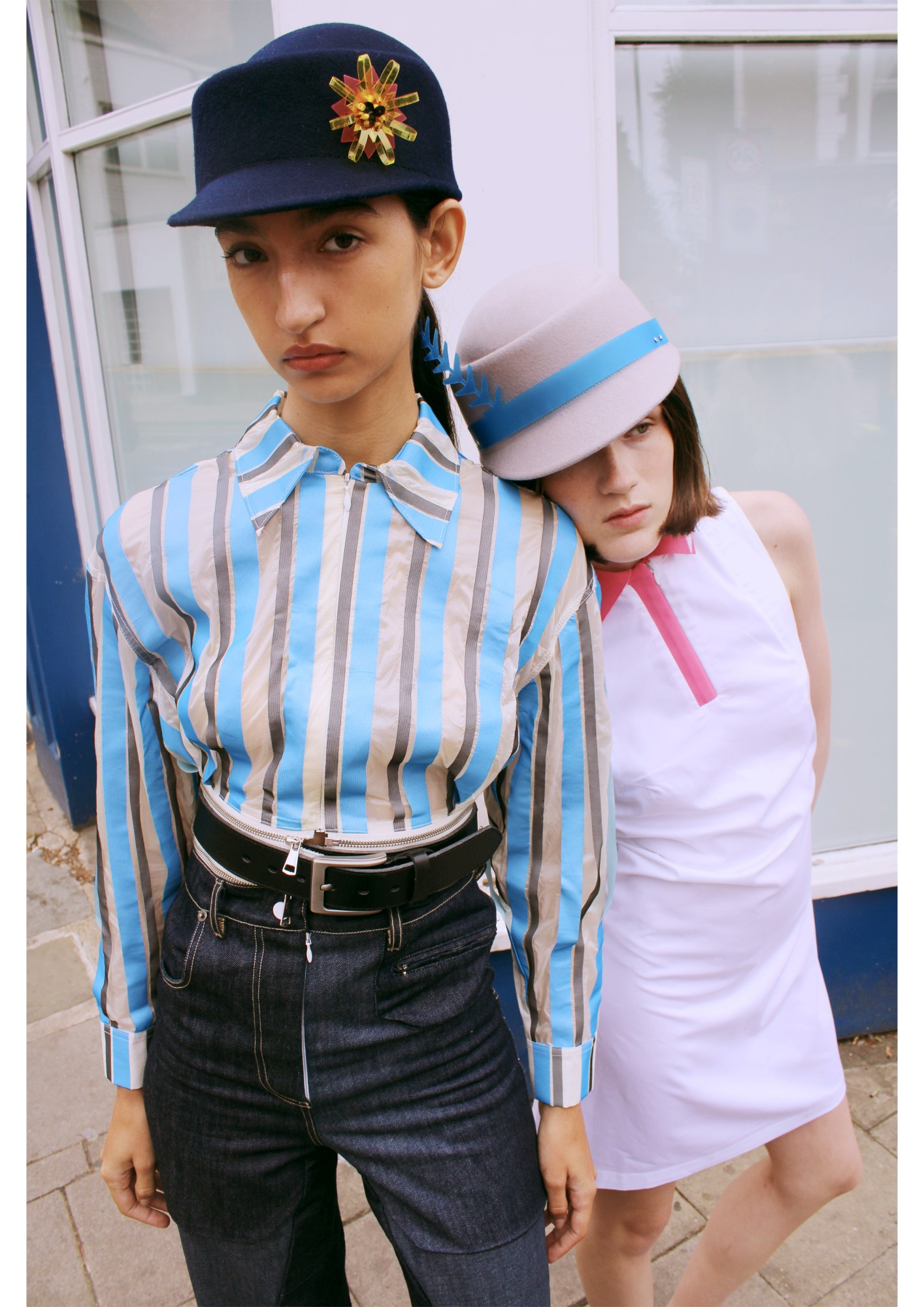
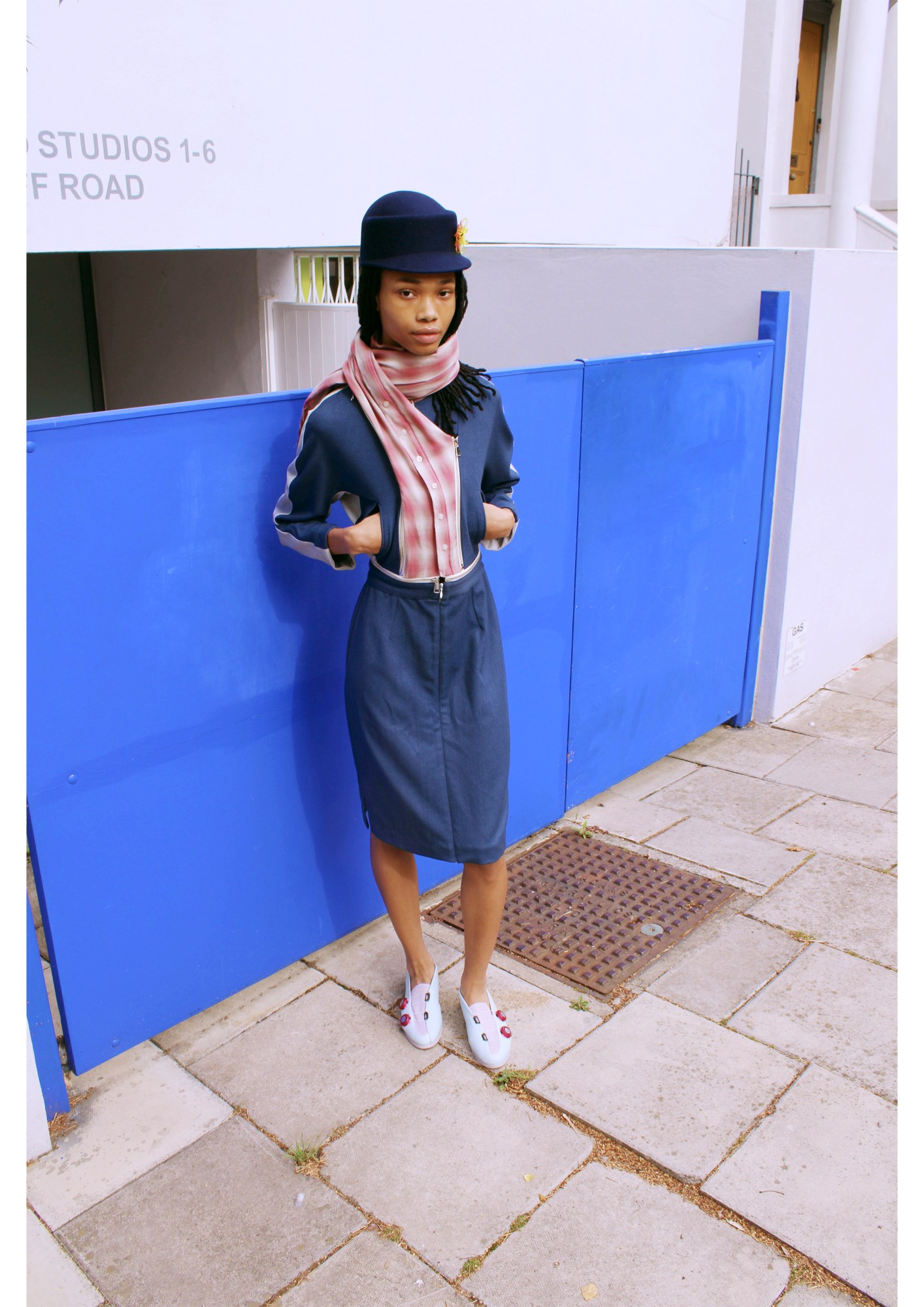
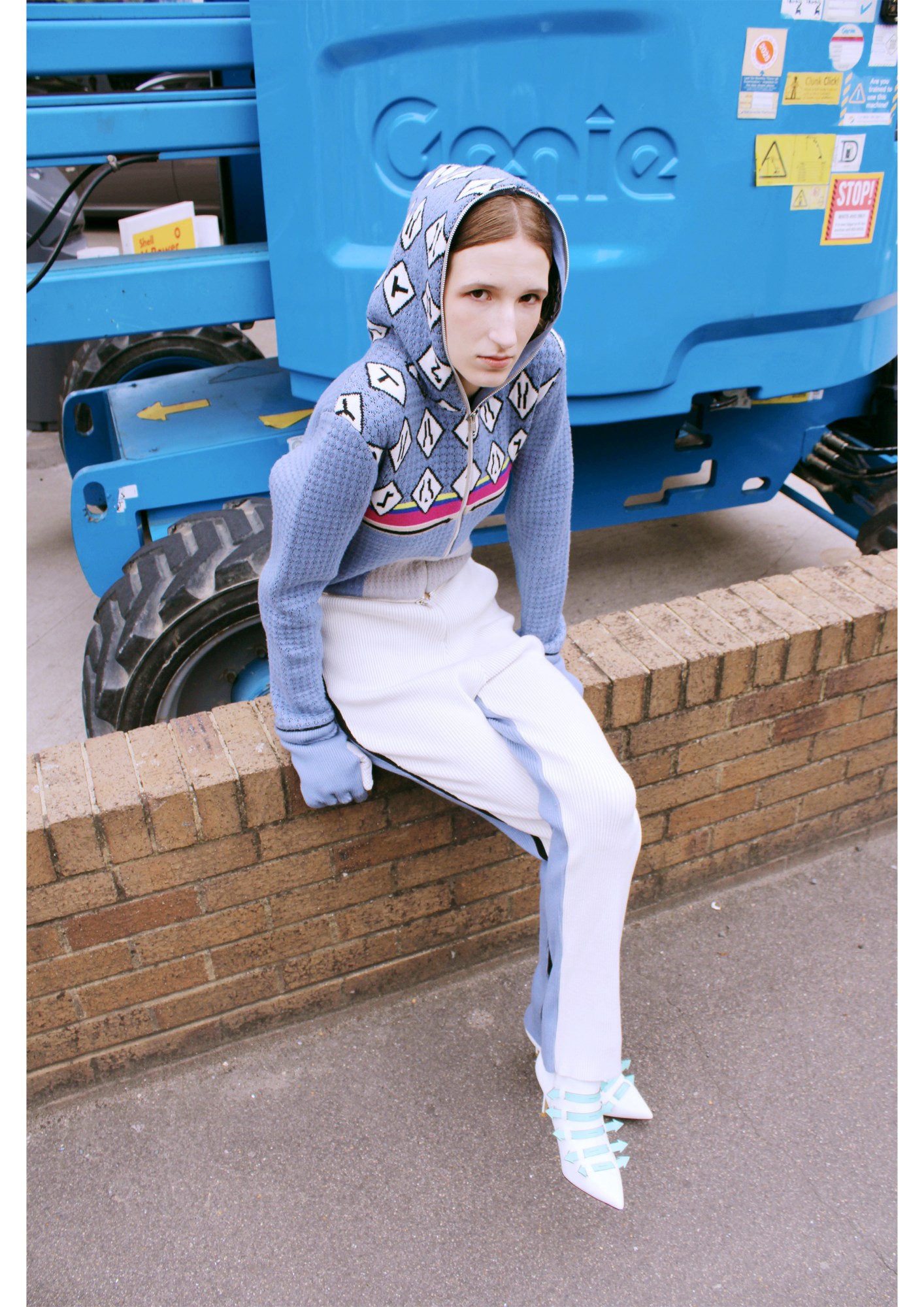
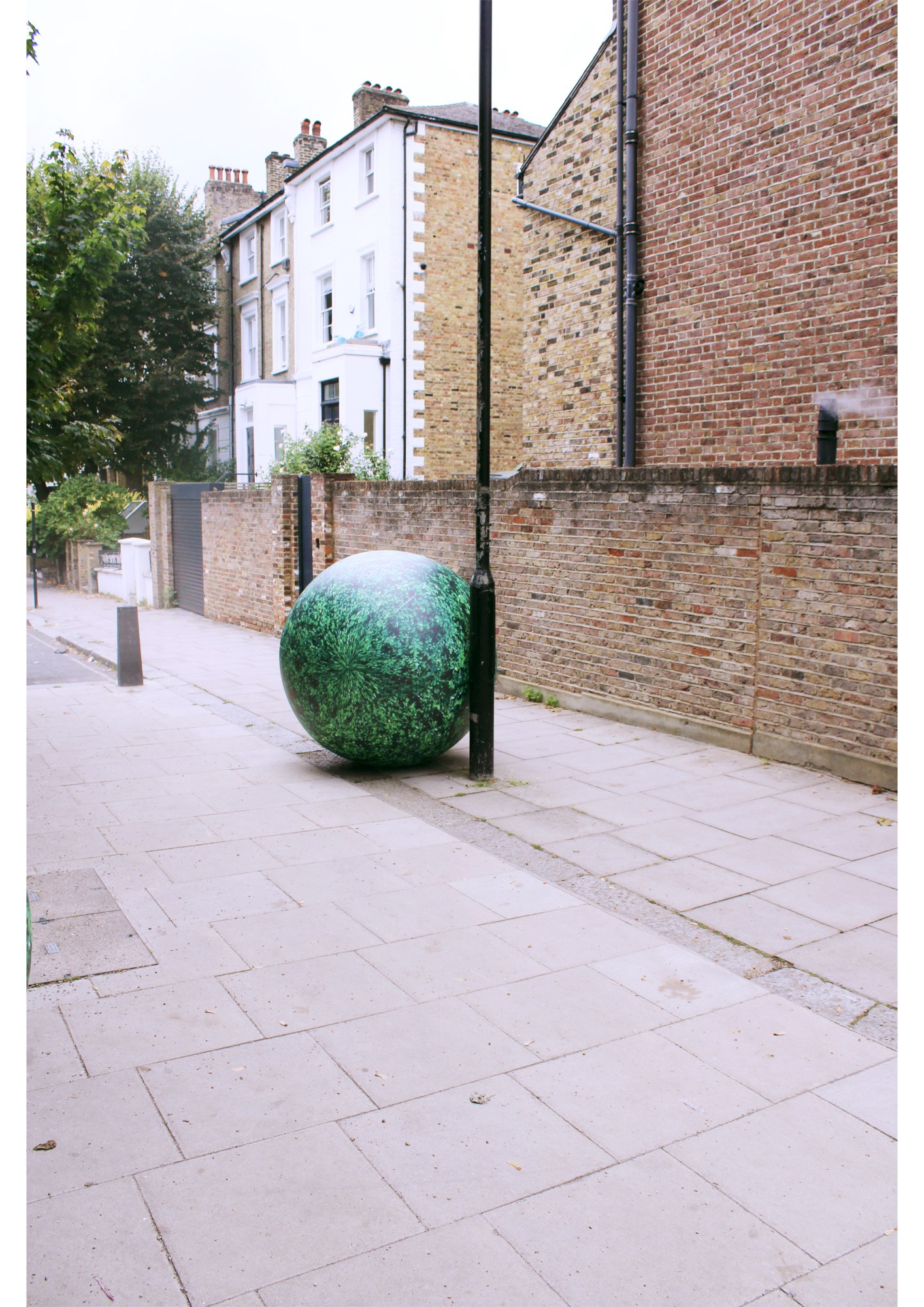
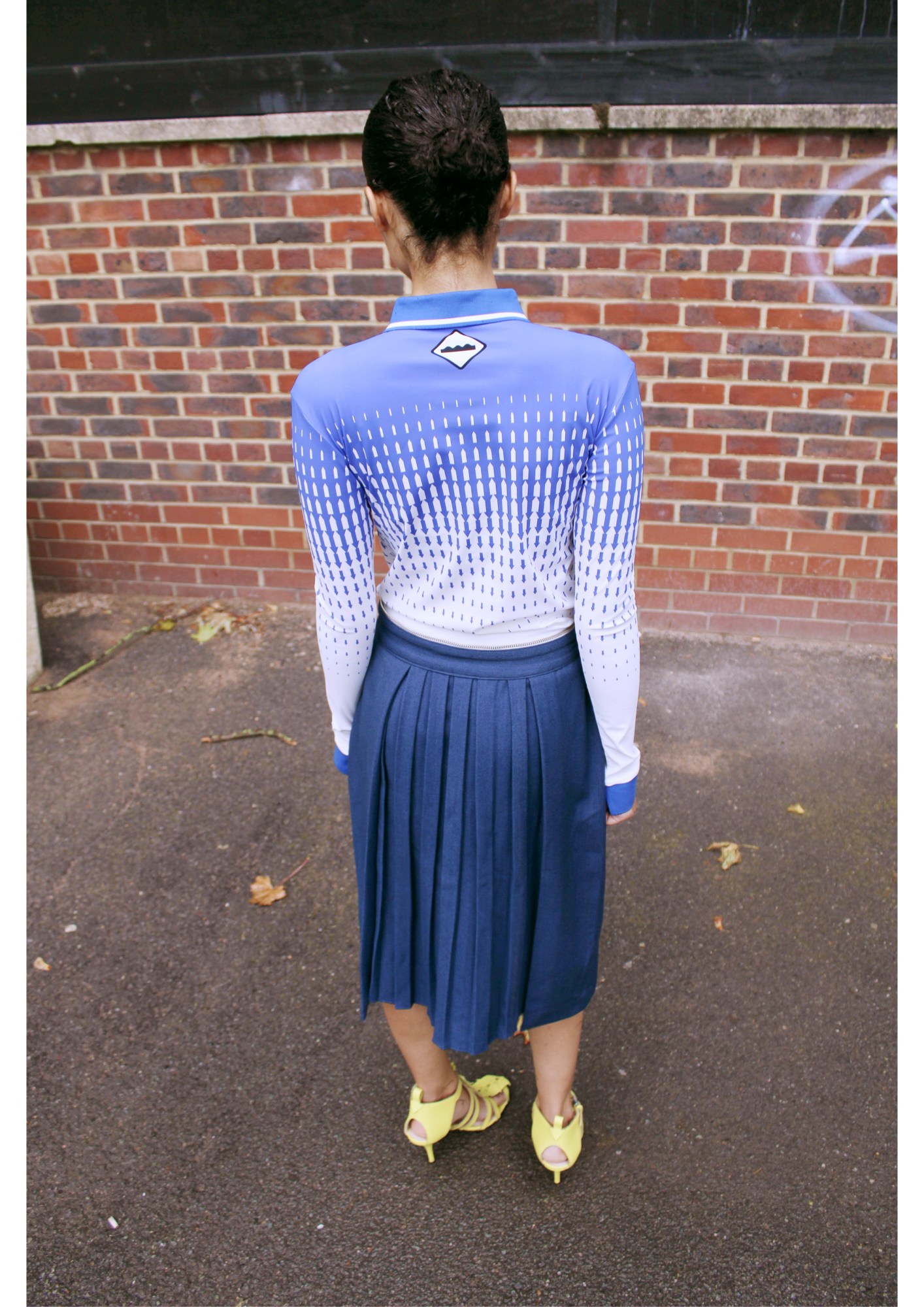
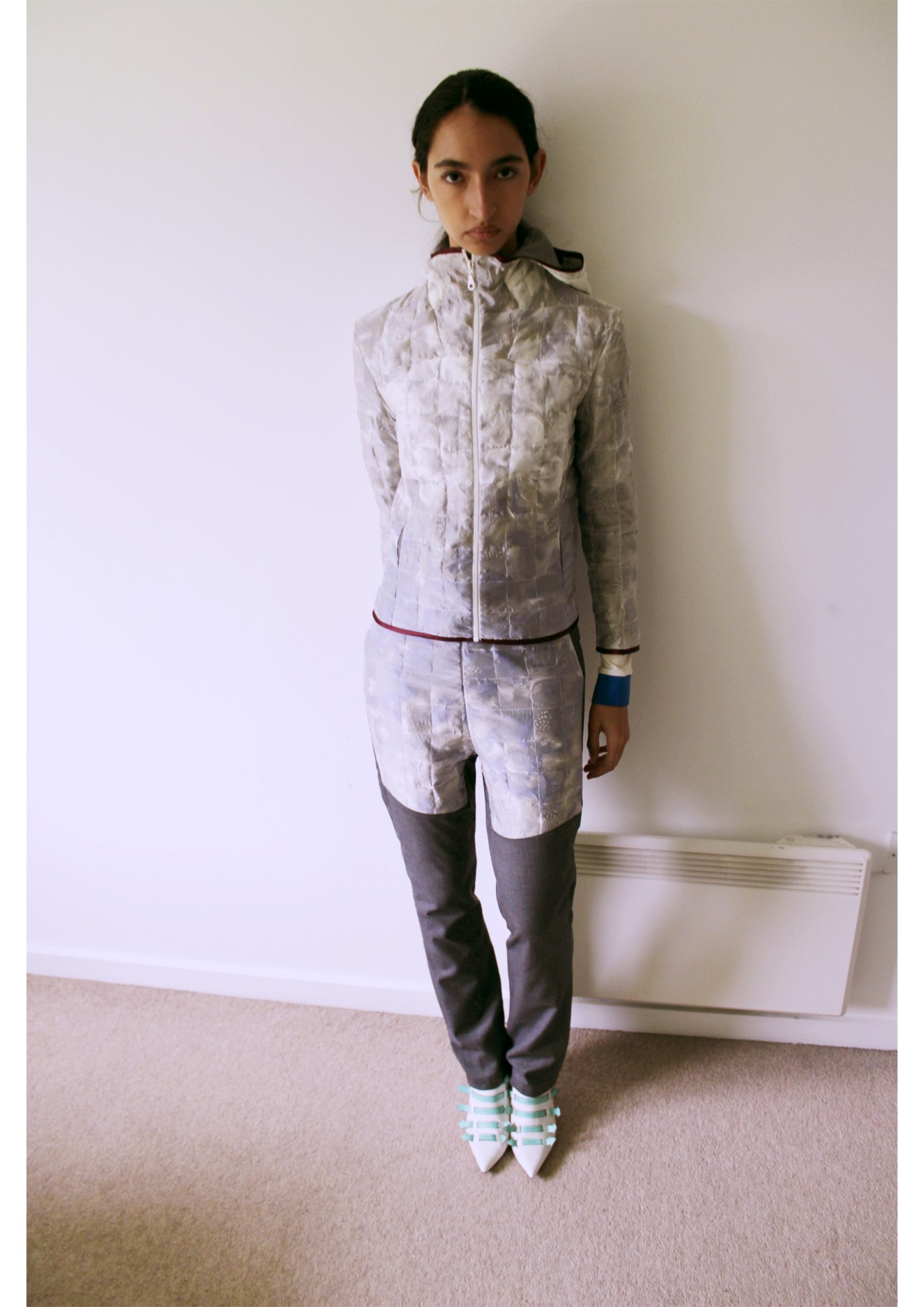
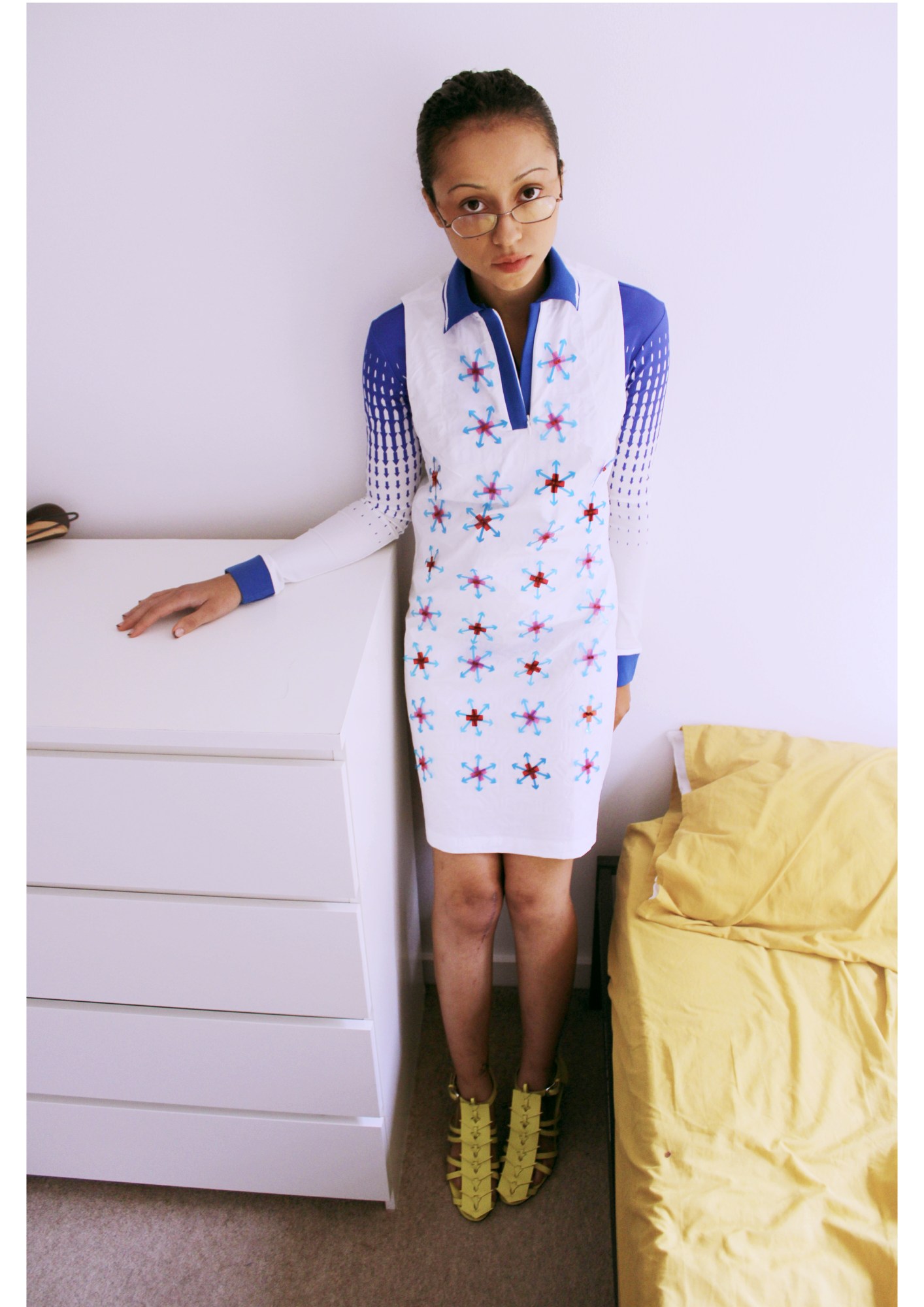
Shirts are stitched from seam seals used inside waterproof coats. Belts attach with zippers. Pockets open the wrong way. Jackets appear utilitarian until you realize they’re silk organza stuffed with feathers. “It’s about pretending to be normal,” Zhao says. “In Norway there’s this idea that you shouldn’t think you’re too special. I wanted to see how much fashion you can wear before it becomes socially illegal.” Prints are subtly built from road signs, reindeer warnings, arrows, triangles, rearranged into woven florals and even illuminated bubble dresses. “Road signs are pure function,” he says. “But rearrange them and they turn decorative. I like when something utilitarian accidentally becomes beautiful.”
That small-but-mighty operation now includes Label Chen on production and designers Xiping Wang and Ruitong Liu, both classmates and close friends, with Star Shannan handling production for the lookbook and Cael Devers overseeing its casting. “It’s really collaborative,” Zhao says. “Everyone brings a different perspective. I’m lucky to have people around who actually make the impossible possible.”
Ask Zhao what’s best about CSM and he doesn’t hesitate: “The people. The bubble. But while it’s amazing to be surrounded by so much creativity, it’s easy to forget the outside world exists. You can make something that gets thousands of likes but nobody actually wants to wear it. Real fashion lives in wardrobes, not mood boards.”
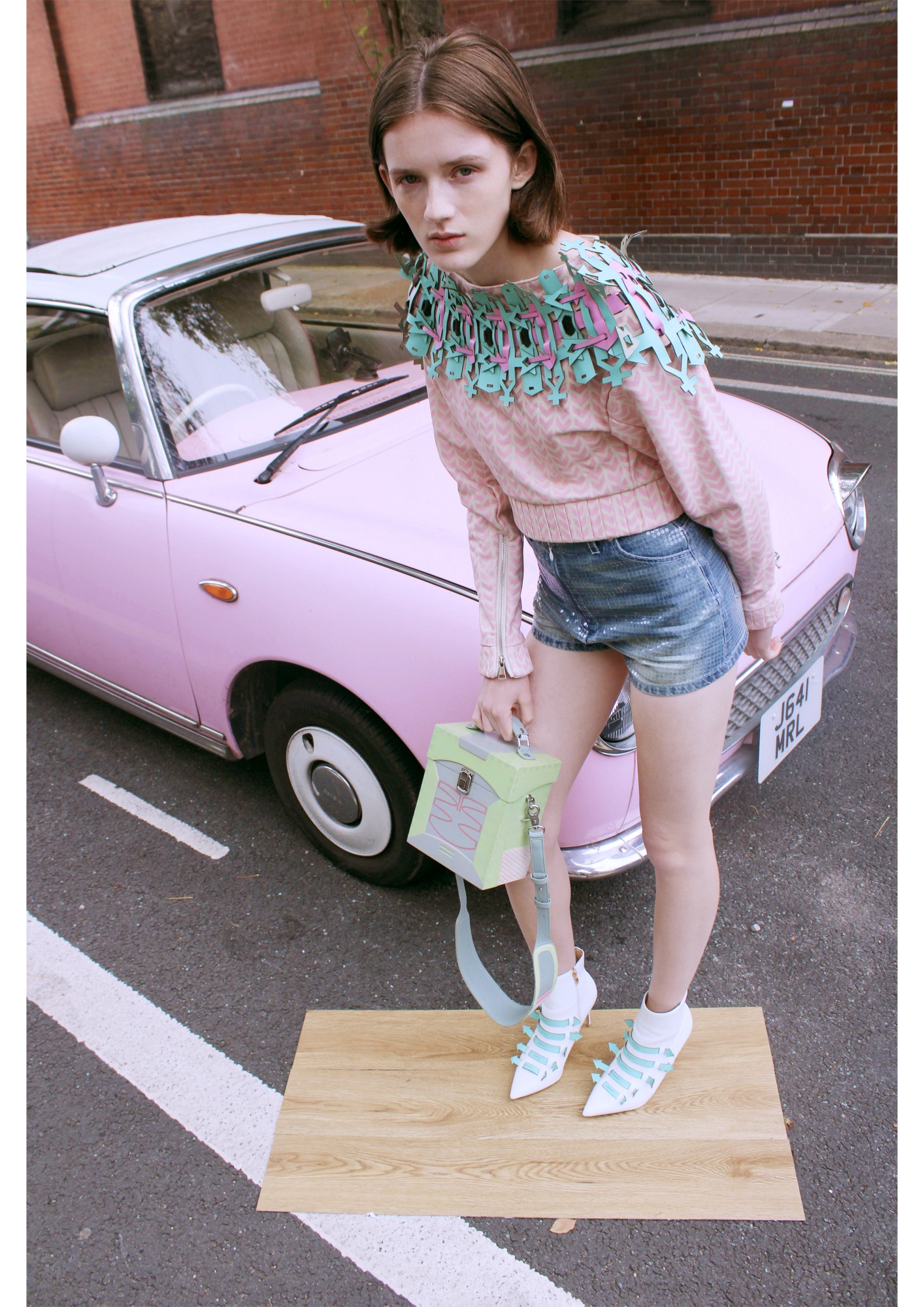
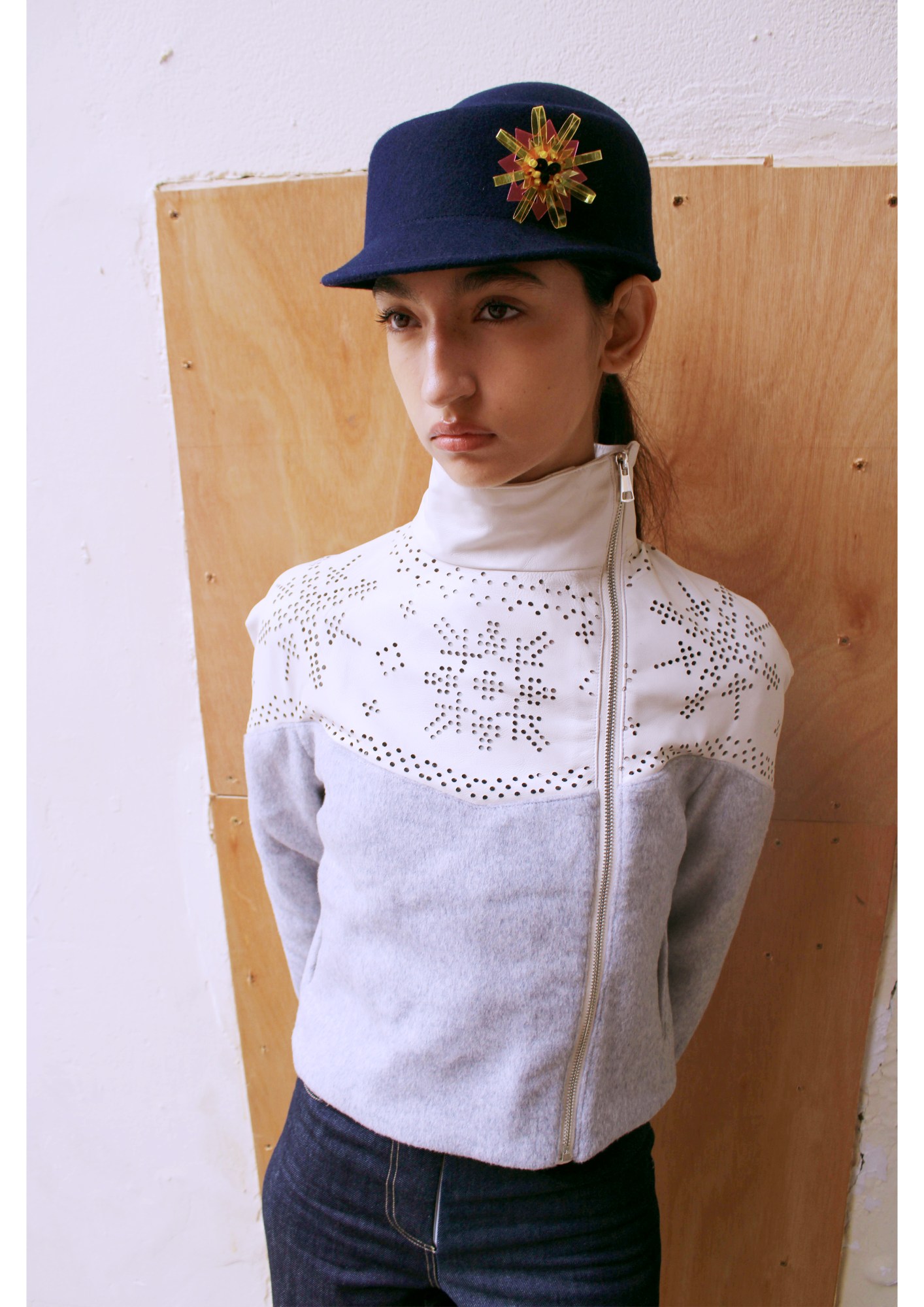
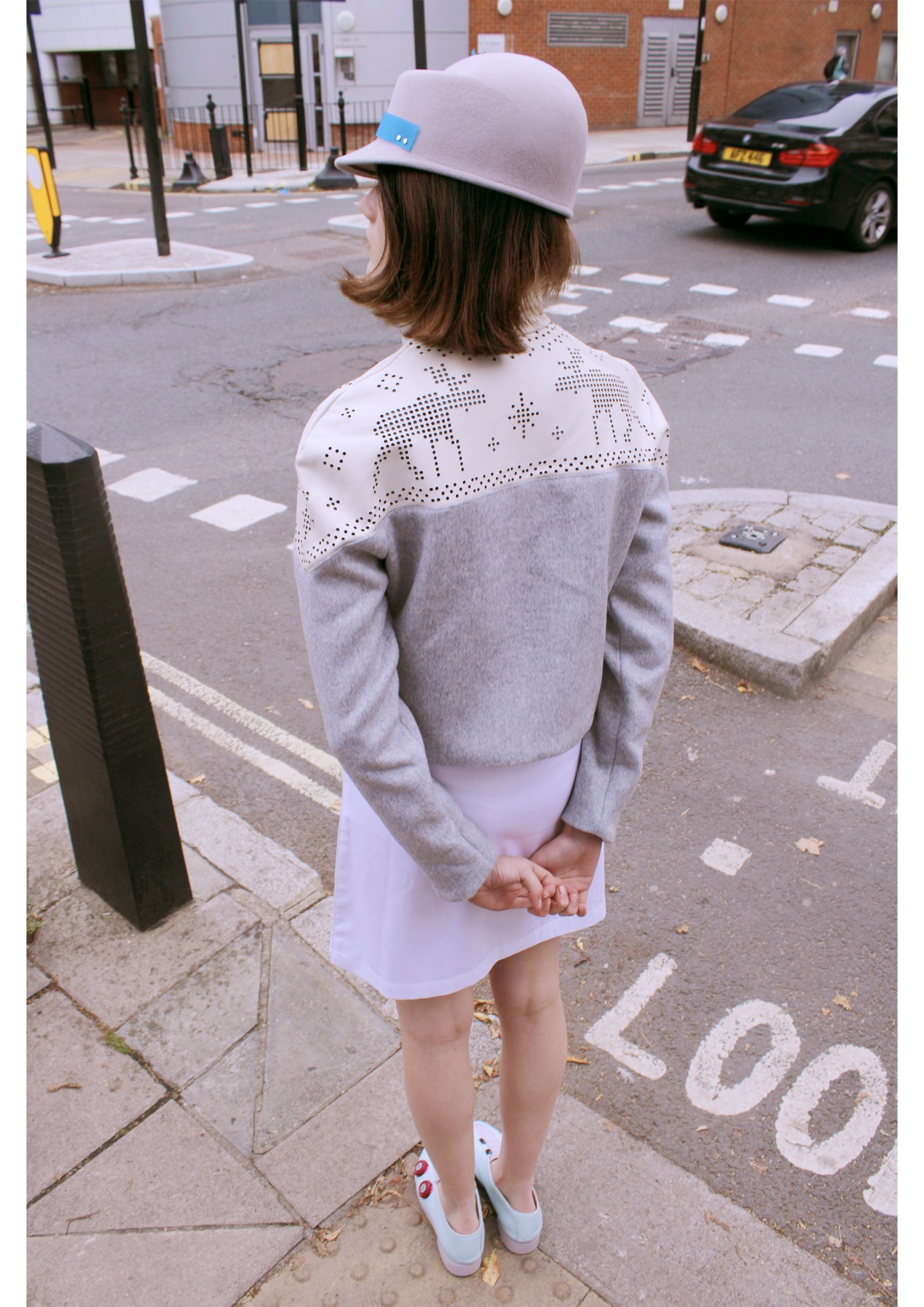
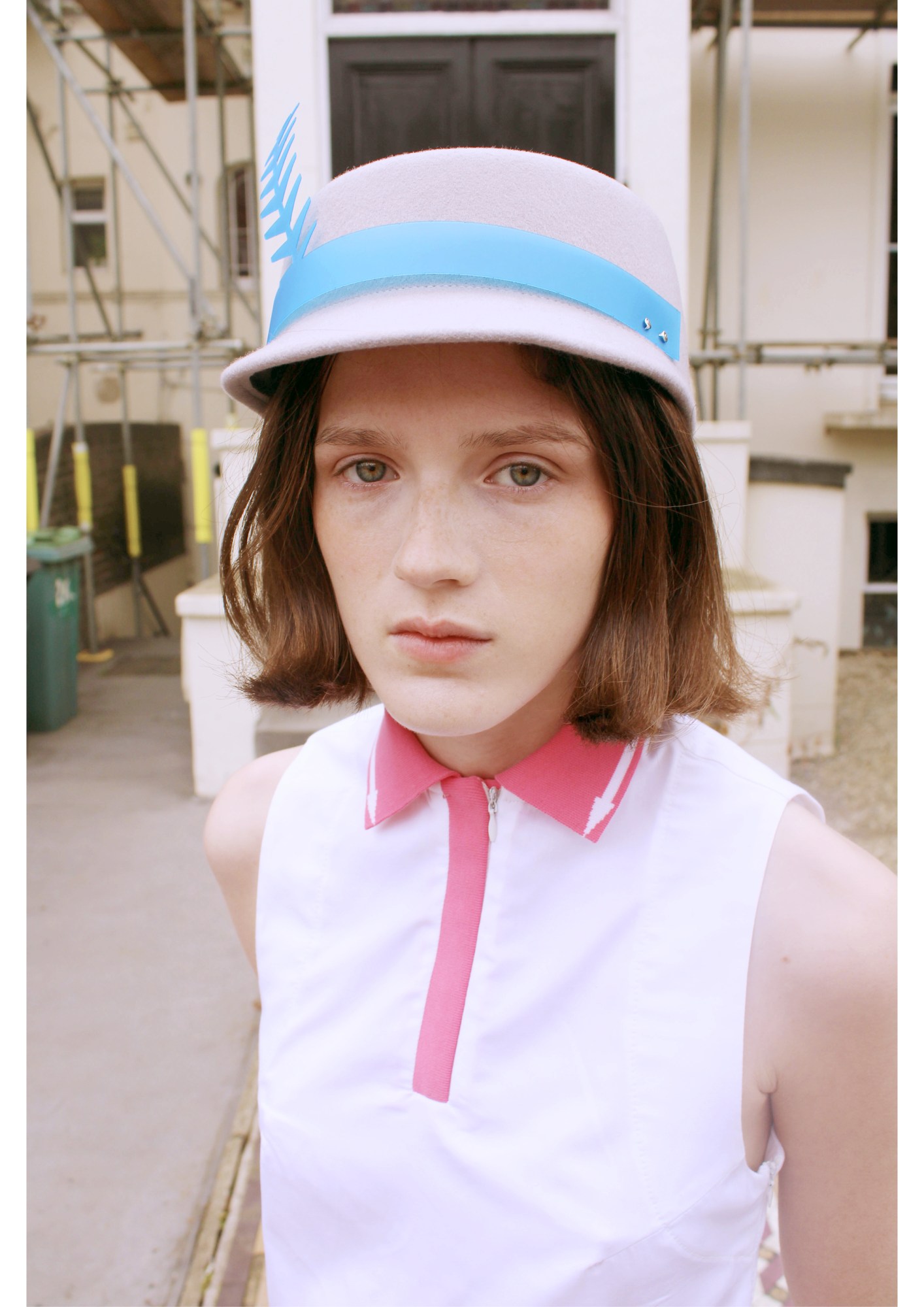
He’ll stay at Vuitton until March, then maybe move to another Paris house. When I suggest Chanel, he laughs. “That would be nice,” he says, deadpan. “If they’ll have me.”
As for his own brand, it will stay fluid. “The whole point is to evolve,” he says. “If people accept that I’m changing, that’s success.” He isn’t chasing celebrity dressing either. “I’d rather see a gang of teenagers wearing it—normal people, not shouting about it. I like when the weirdness hides itself.”