photography by CONSTANZE HAN
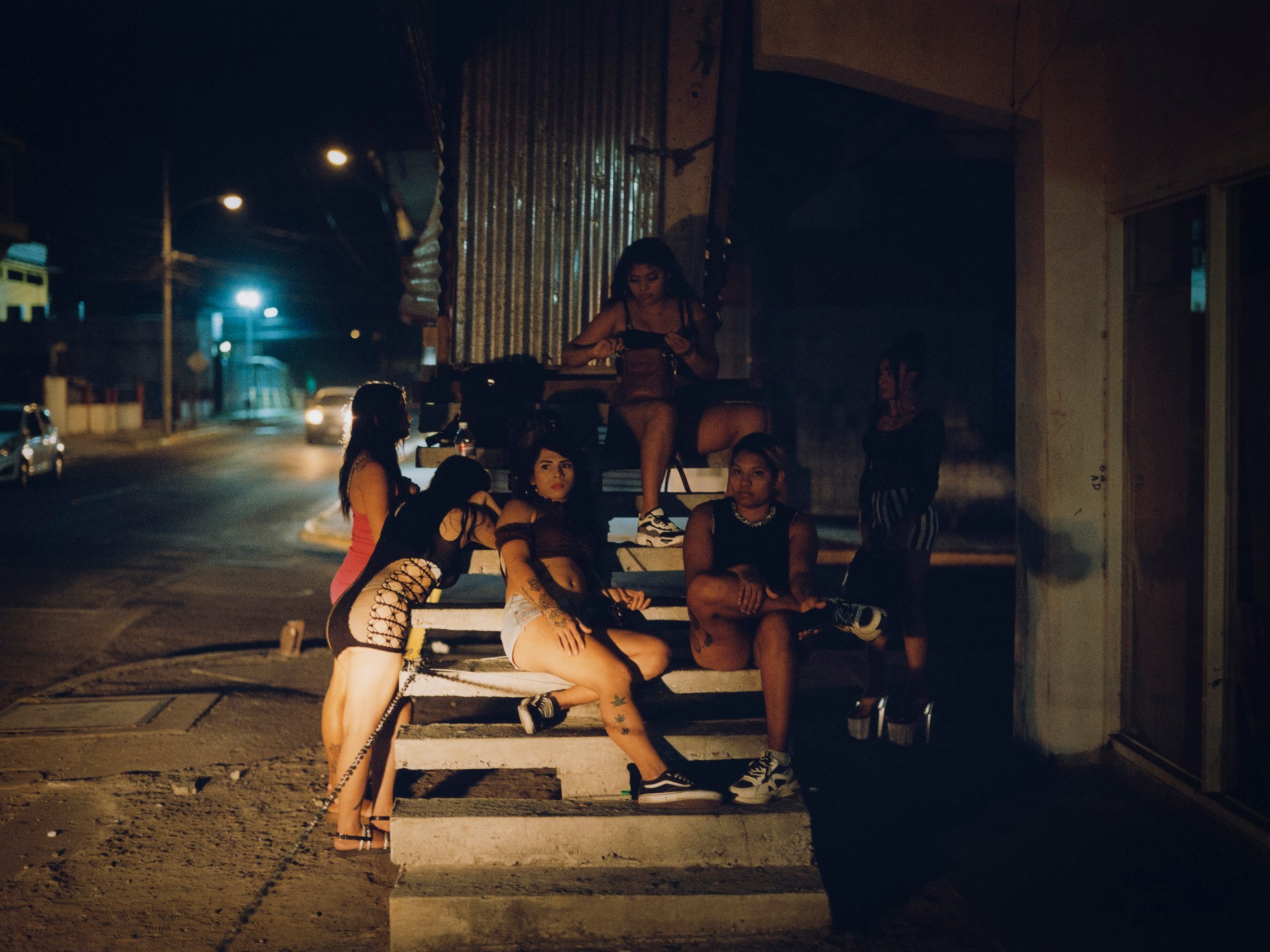
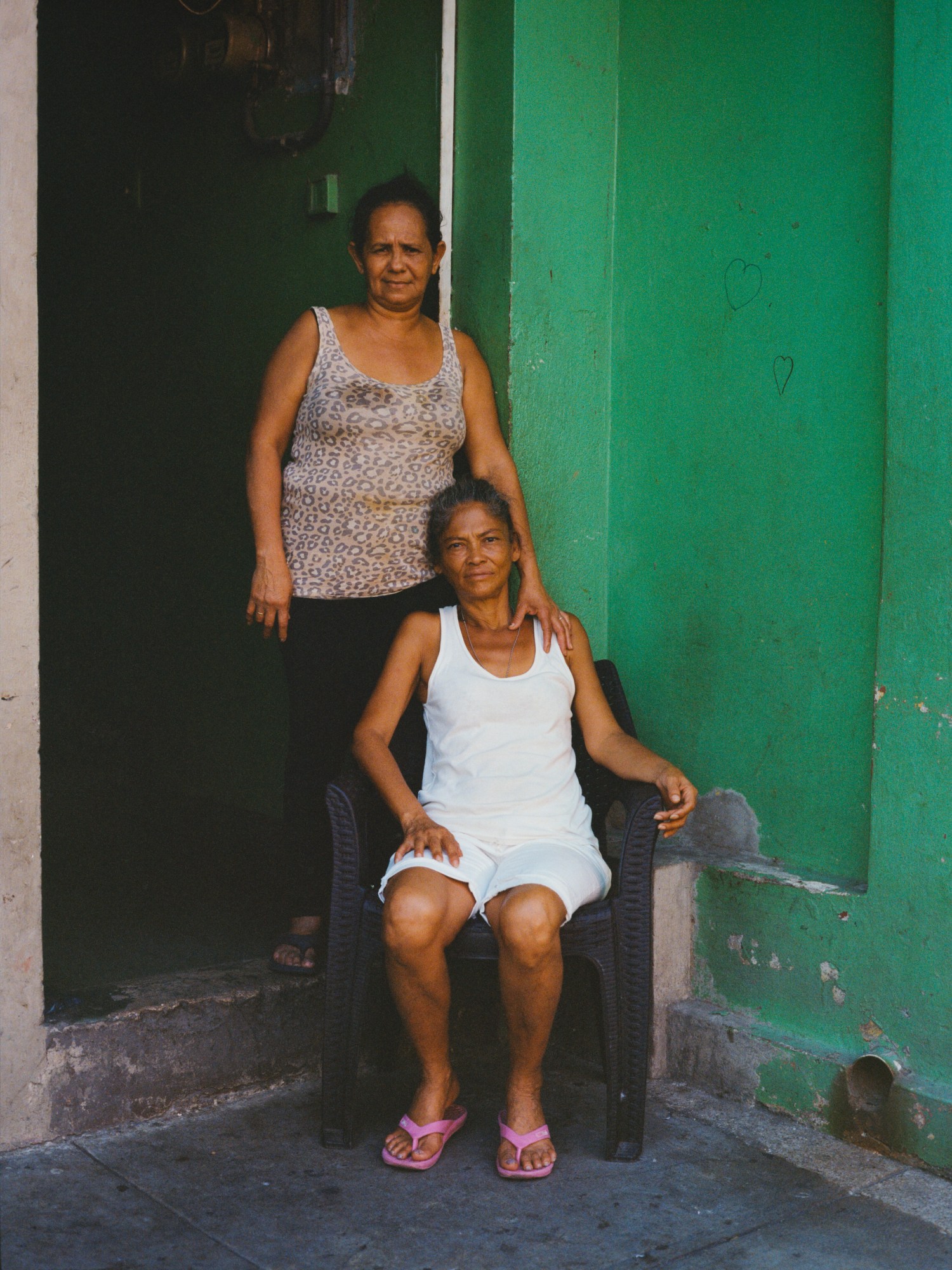
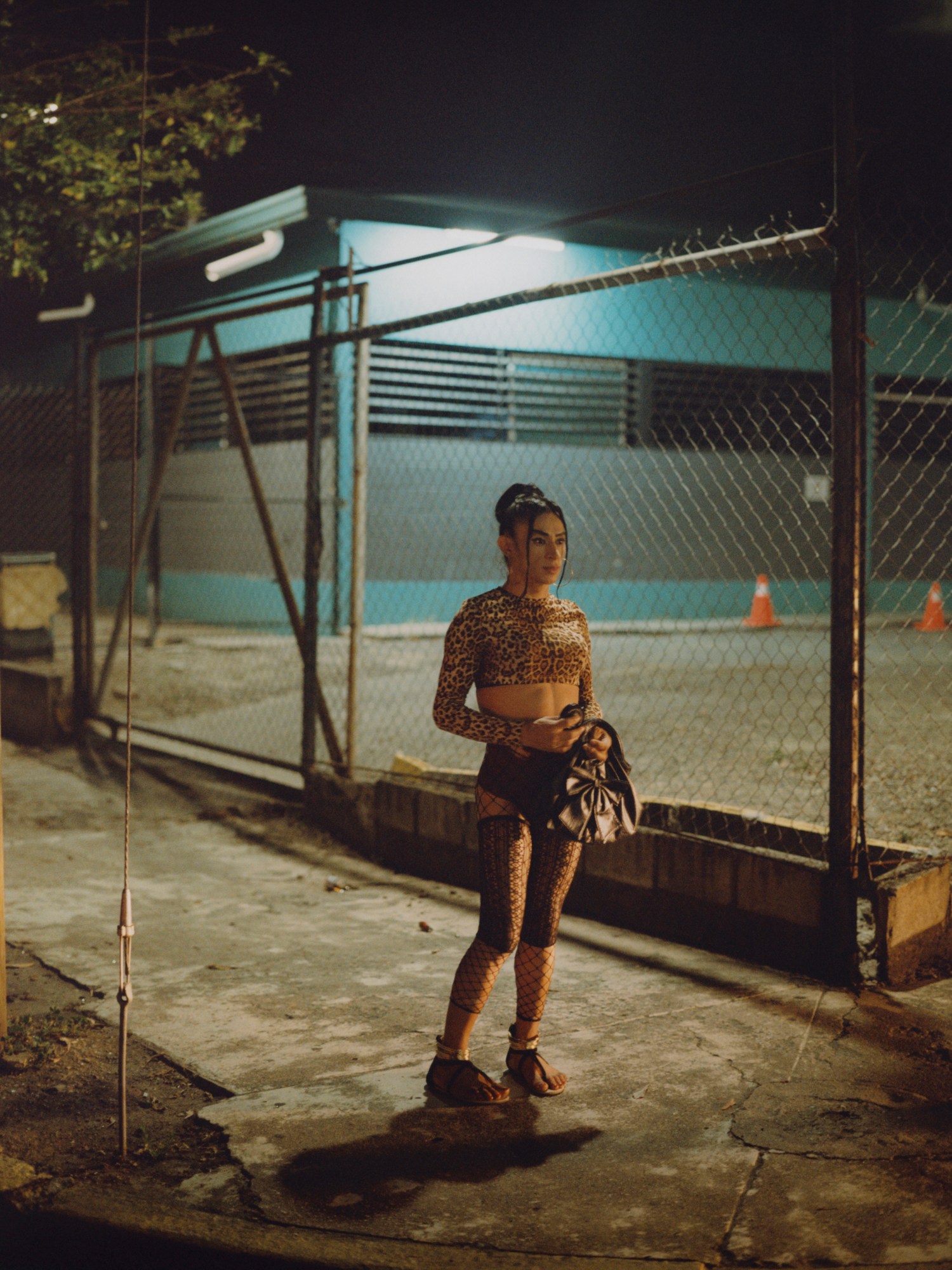
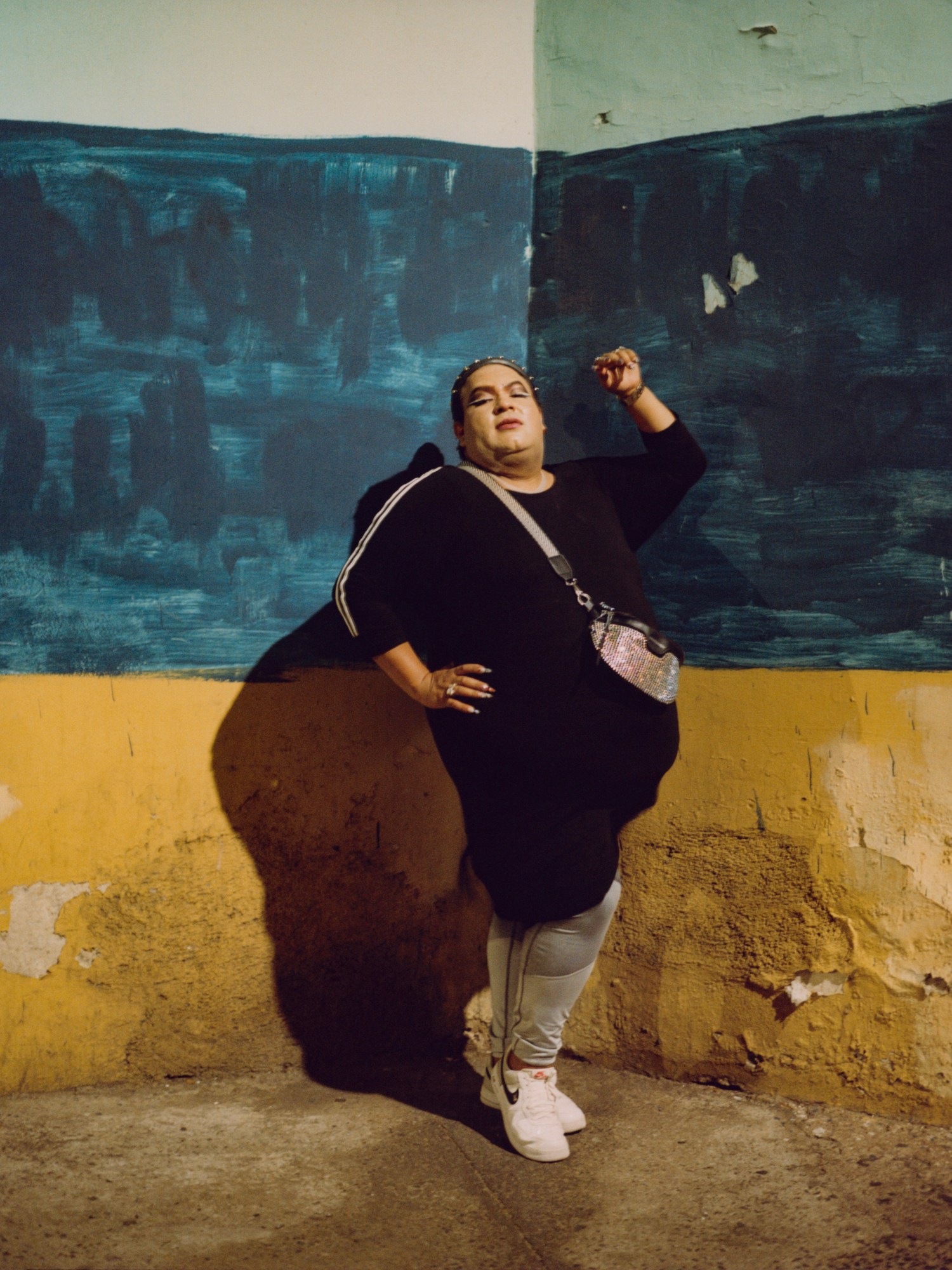
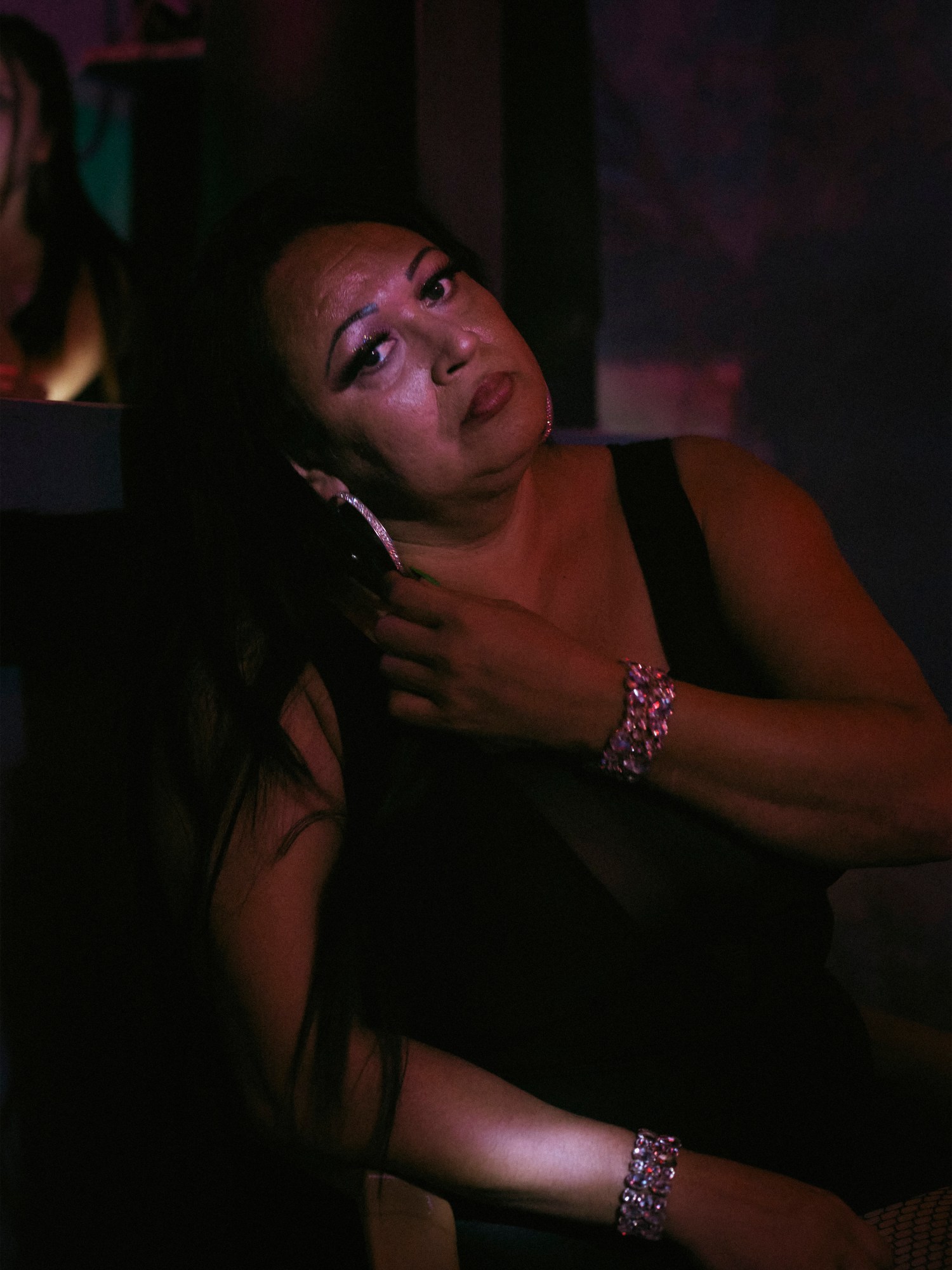
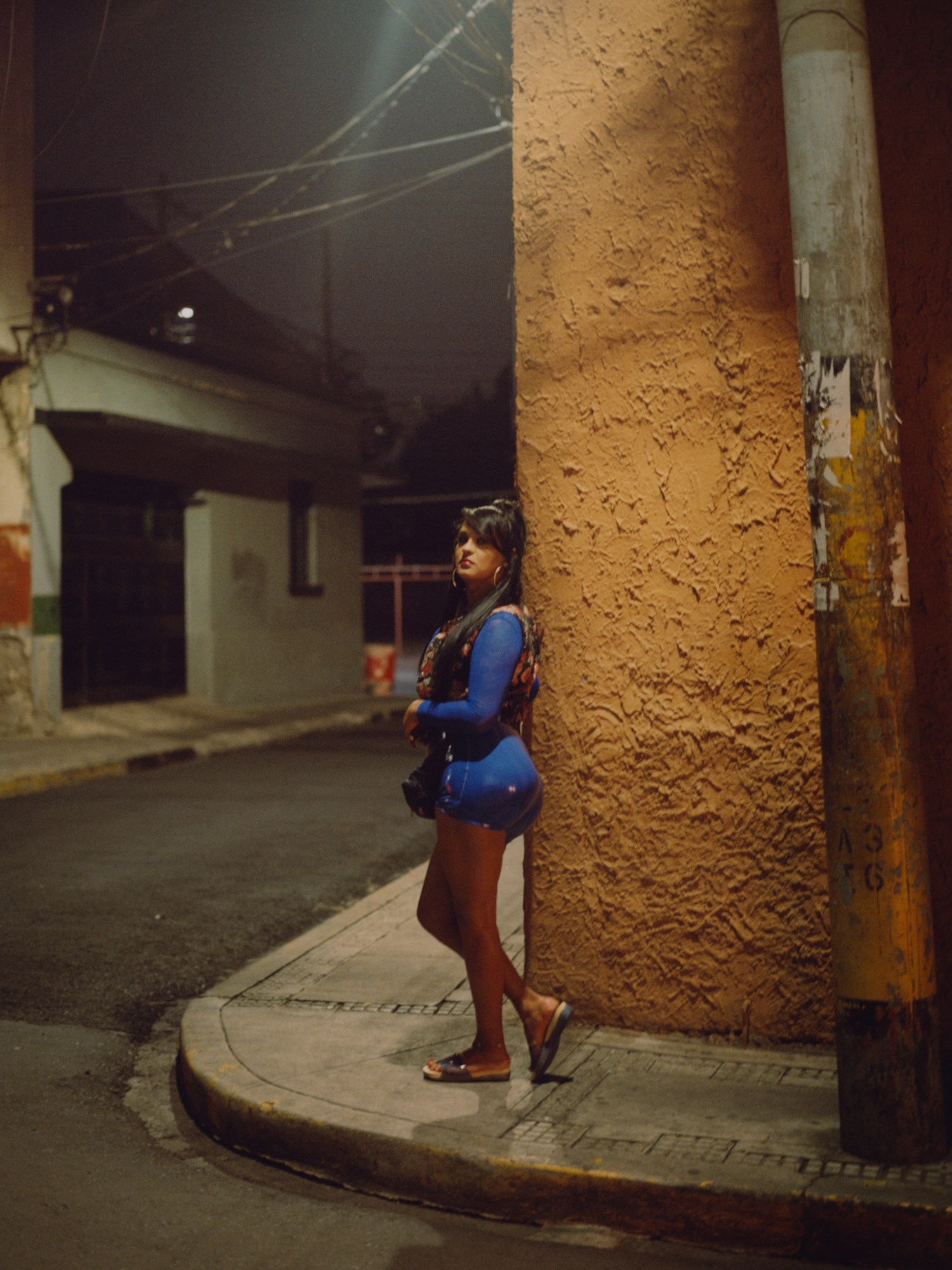
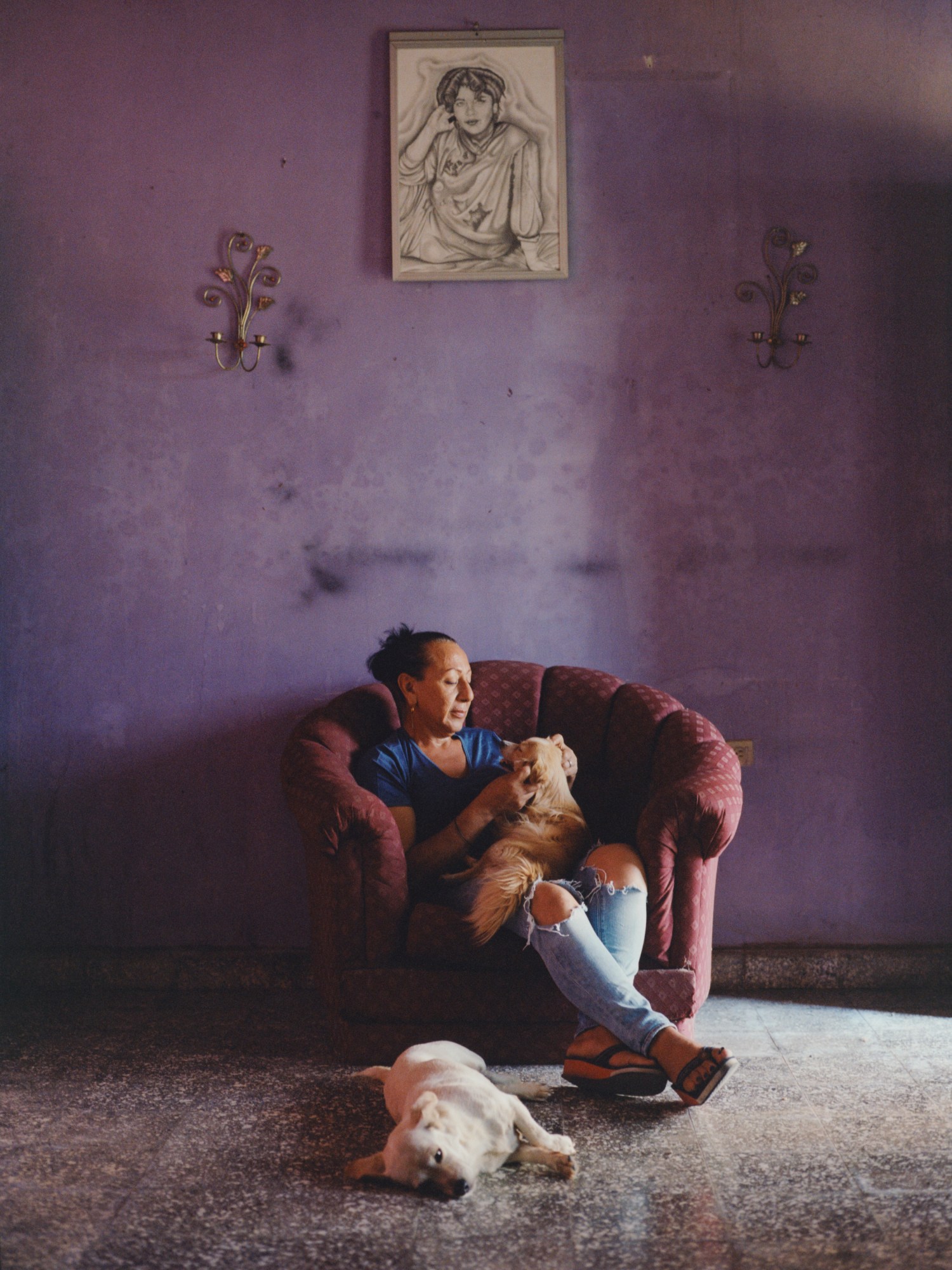
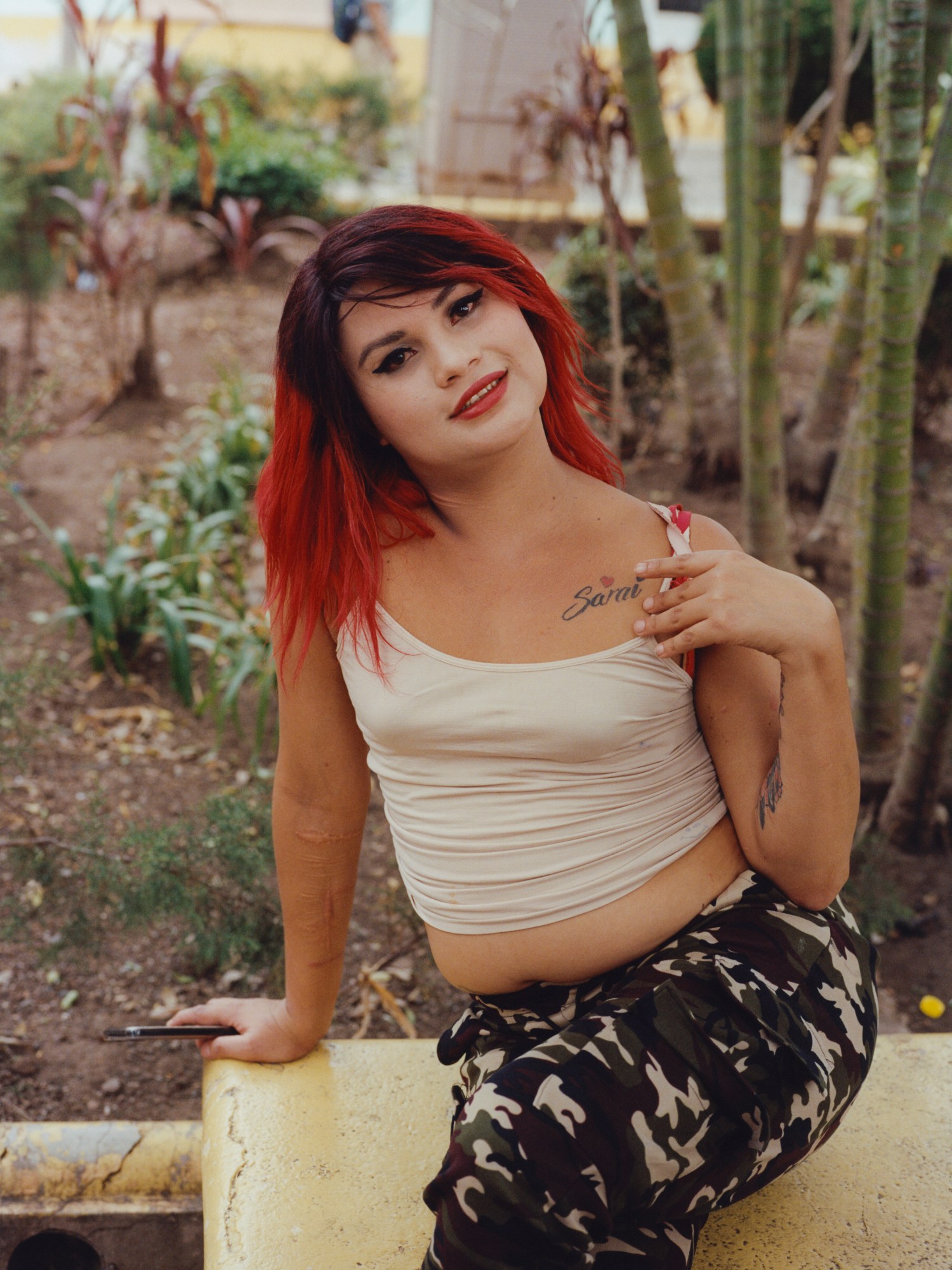
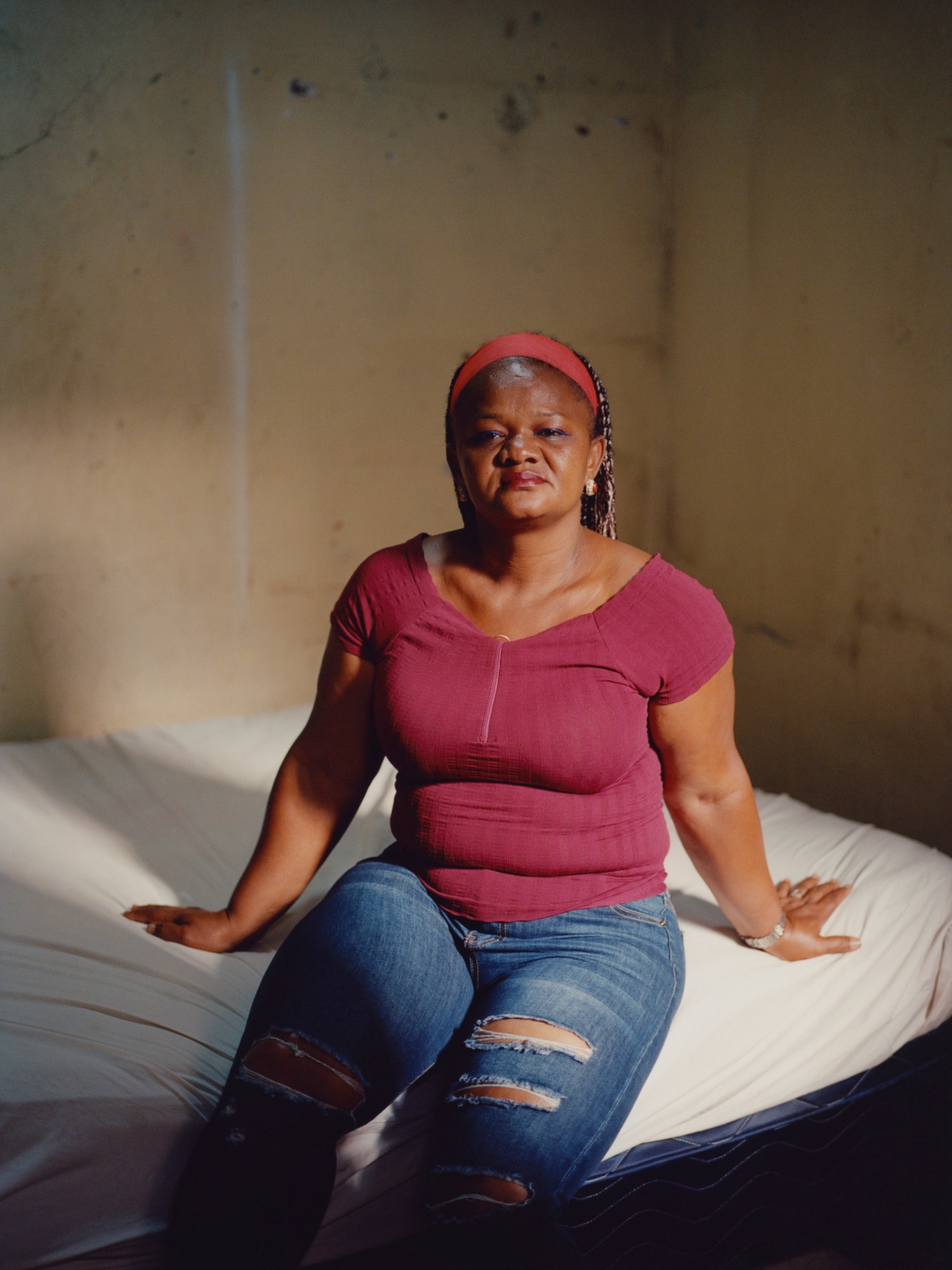
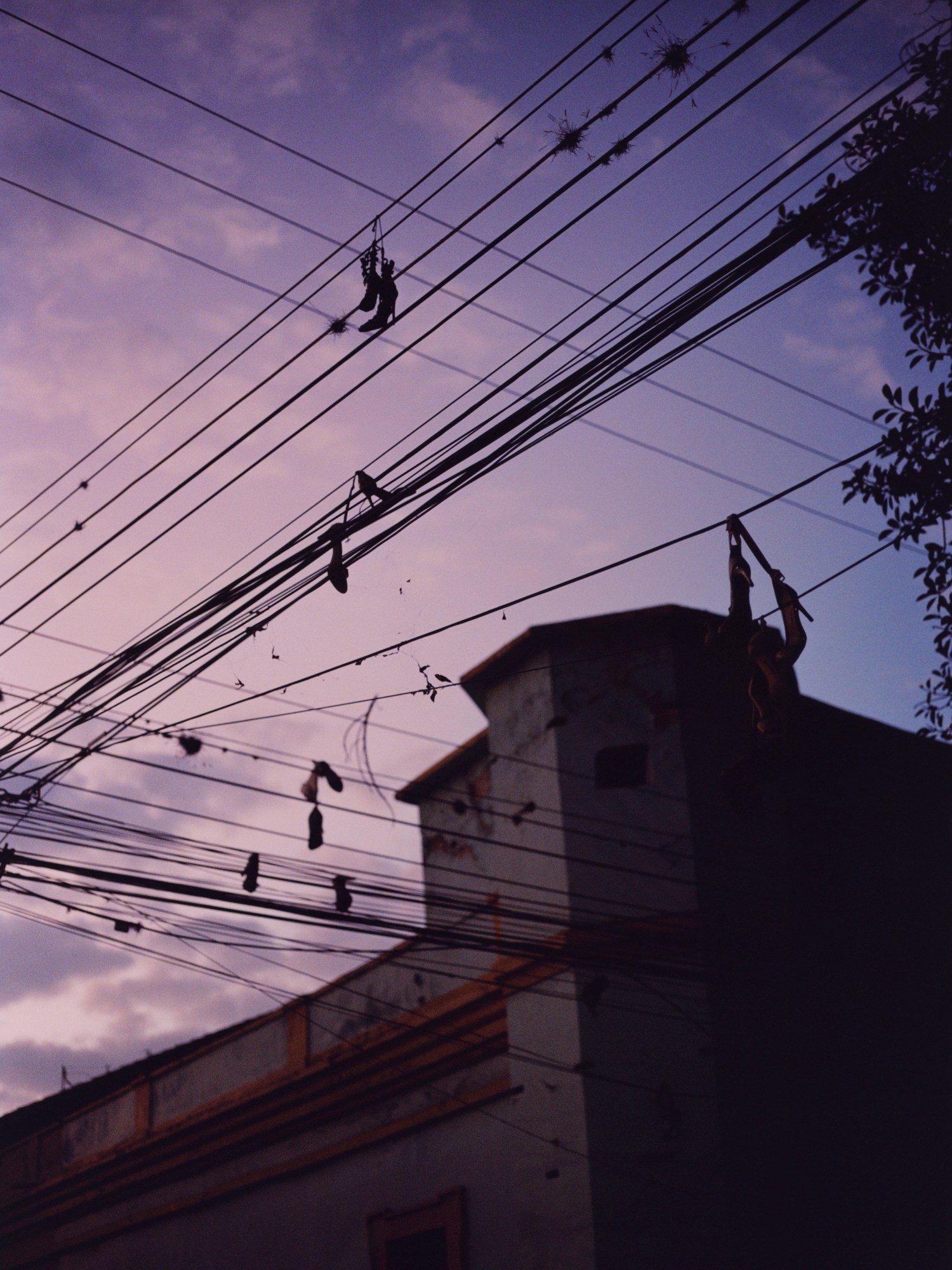
For years, the global conversation around Honduras has revolved around danger: homicides, gang control, police abuses, migration routes. These headlines flatten entire cities into crime scenes and rarely pause for the people living inside those narratives, especially those pushed to the edges. When New York based photographer Constanze Han began spending time with sex workers in San Pedro Sula and Tegucigalpa, she wasn’t chasing spectacle. She was looking for the individuals whose lives had been overshadowed—women who navigate constant risk with little protection and still hold on to their sense of self.
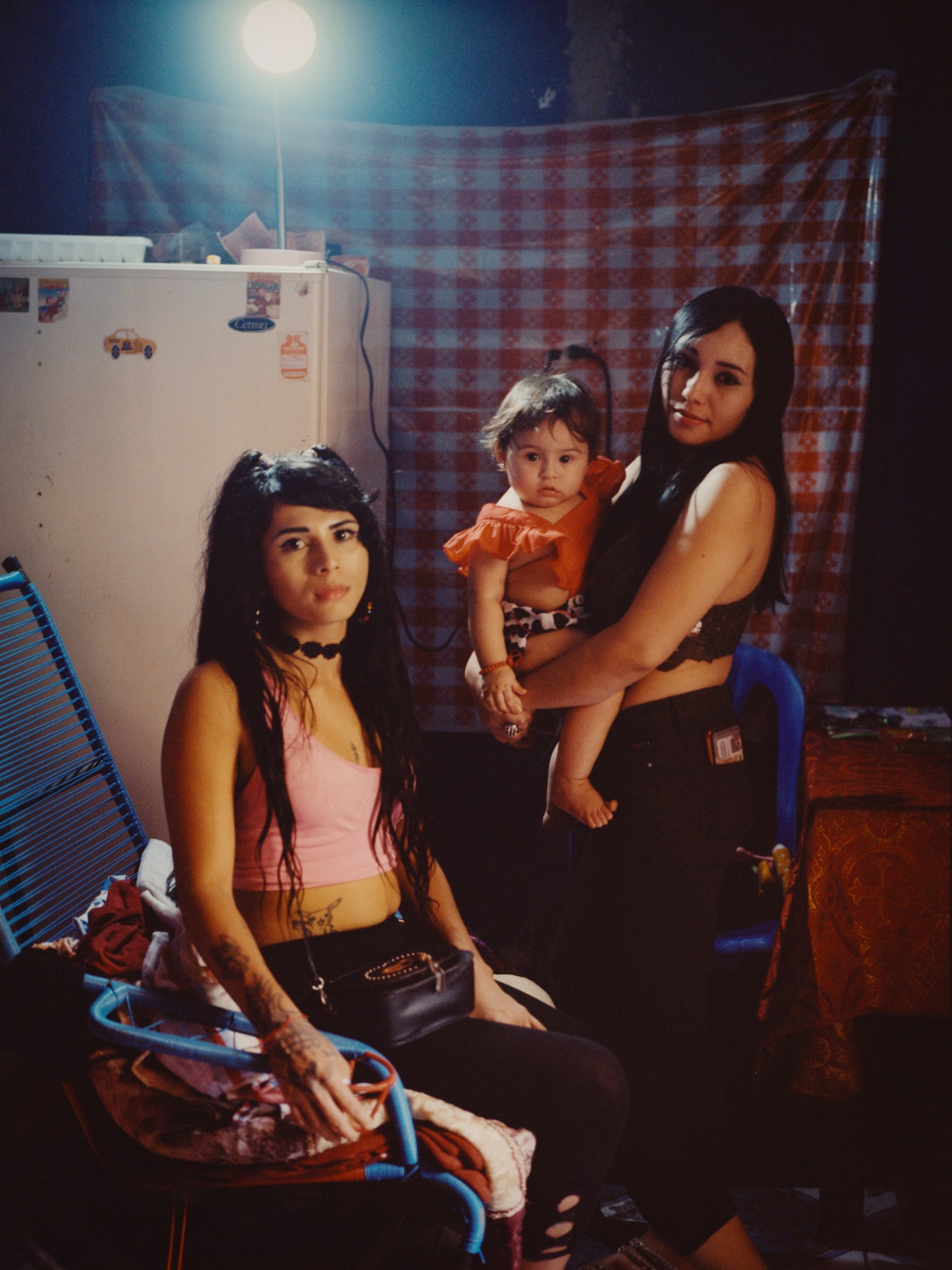
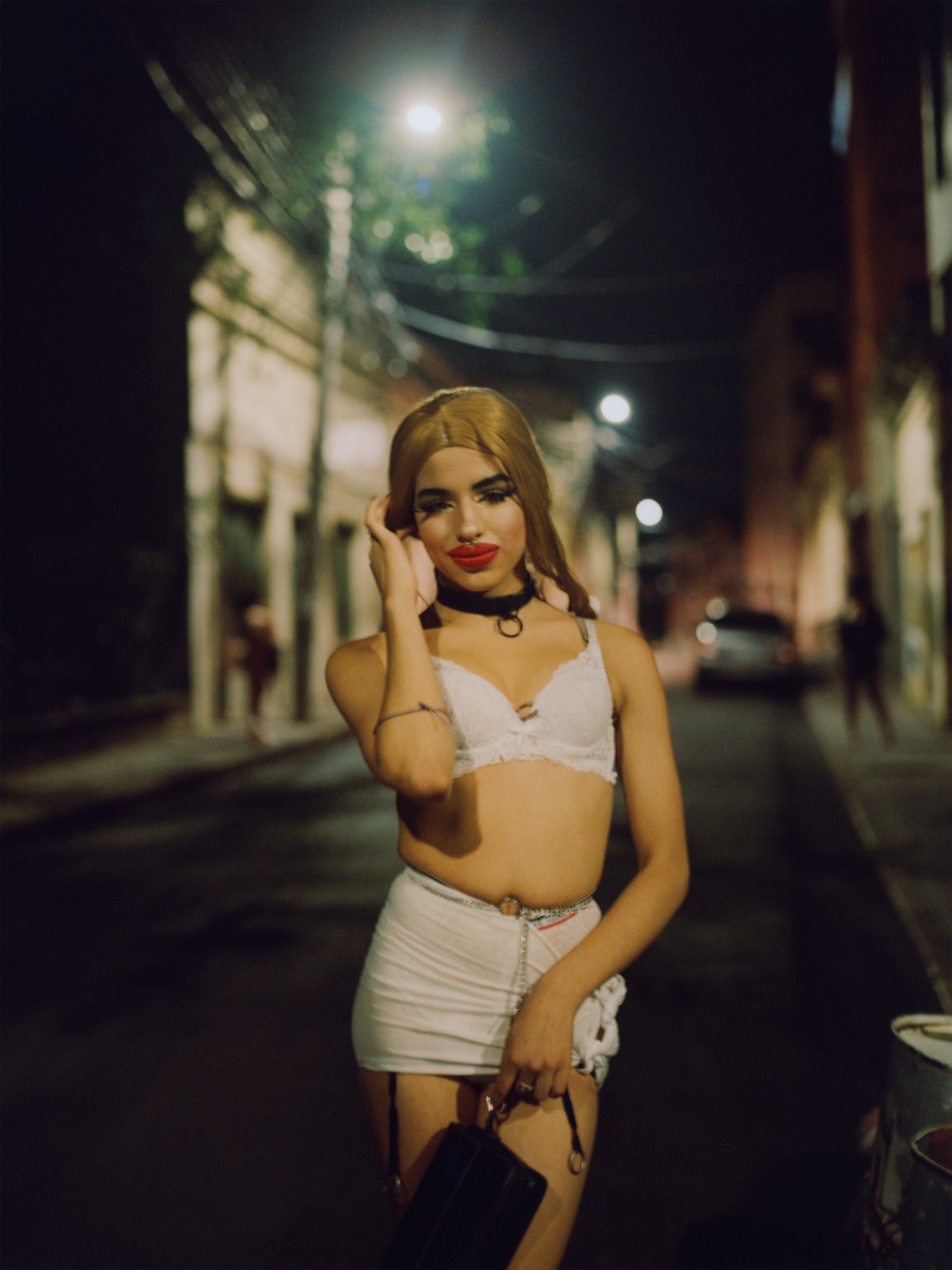
Her project, También Somos Mujeres (“We Are Also Women”), grew out of long nights beside the women during their shifts, hours of conversation, and a way of working rooted in consent. Han found an environment defined by quick jokes, sharp instincts, loyalty, and a sense of pride that refuses to disappear. Many of the women she met are trans, facing discrimination and violence that can begin within their own homes and follow them into public life. In the absence of dependable protections, they build networks that function like family.
It’s a pivotal moment for Honduras. Under Honduras’ first female president Xiomara Castro, women’s groups and LGBTQ+ organizers have pushed forward gains that once felt out of reach. Now, with a new election approaching, those shifts feel fragile. Han’s photographs cut through political abstraction by grounding everything in the people who bear the consequences when change unravels.
Here, she reflects on how the project began, the women who shaped it, and what she hopes viewers will understand when they encounter the images.
Alex Kessler: How did you come into photography, and what keeps you committed to this kind of work?
Constanze Han: I grew up between New York and Hong Kong. I started working in fashion while studying art history, and after graduation continued as a stylist and editor. I wrote my thesis on portrait photography. In 2015, while working on a project about dancehall in Jamaica, I started taking photos. My work focuses on community and culture in places shaped by political or economic uncertainty. I love engaging with the people I work with and having my perspectives constantly challenged.
What first drew you to the lives of sex workers in Honduras?
During the mid-2010s, I became interested in how U.S. involvement was creating difficult conditions like gang violence. Most reporting was dominated by male perspectives. I came across a 2009 story about Vicky Hernández—a trans woman, sex worker, and organizer–-killed on the first night of the military coup. Her case made me think about the power and persistence of the women organizing during that period. It also raised a larger question: if you are the most vulnerable in one of the most dangerous places in the world, what does that make you?
How did you approach collaboration so that agency and joy appear in the images?
If you stay anywhere long enough, you see the same patterns: talking, joking, sharing, competing, and bickering. The collaboration is simple; they know what I’m up to. When they’re okay with being photographed, I do so. If they’re not, I don’t. I have a lot of respect for what they do every day and the pride they carry. Some have a real light and sense of hope. I found them beautiful and lovely to be around.
What kinds of pressures and violence do trans women face in Honduras today?
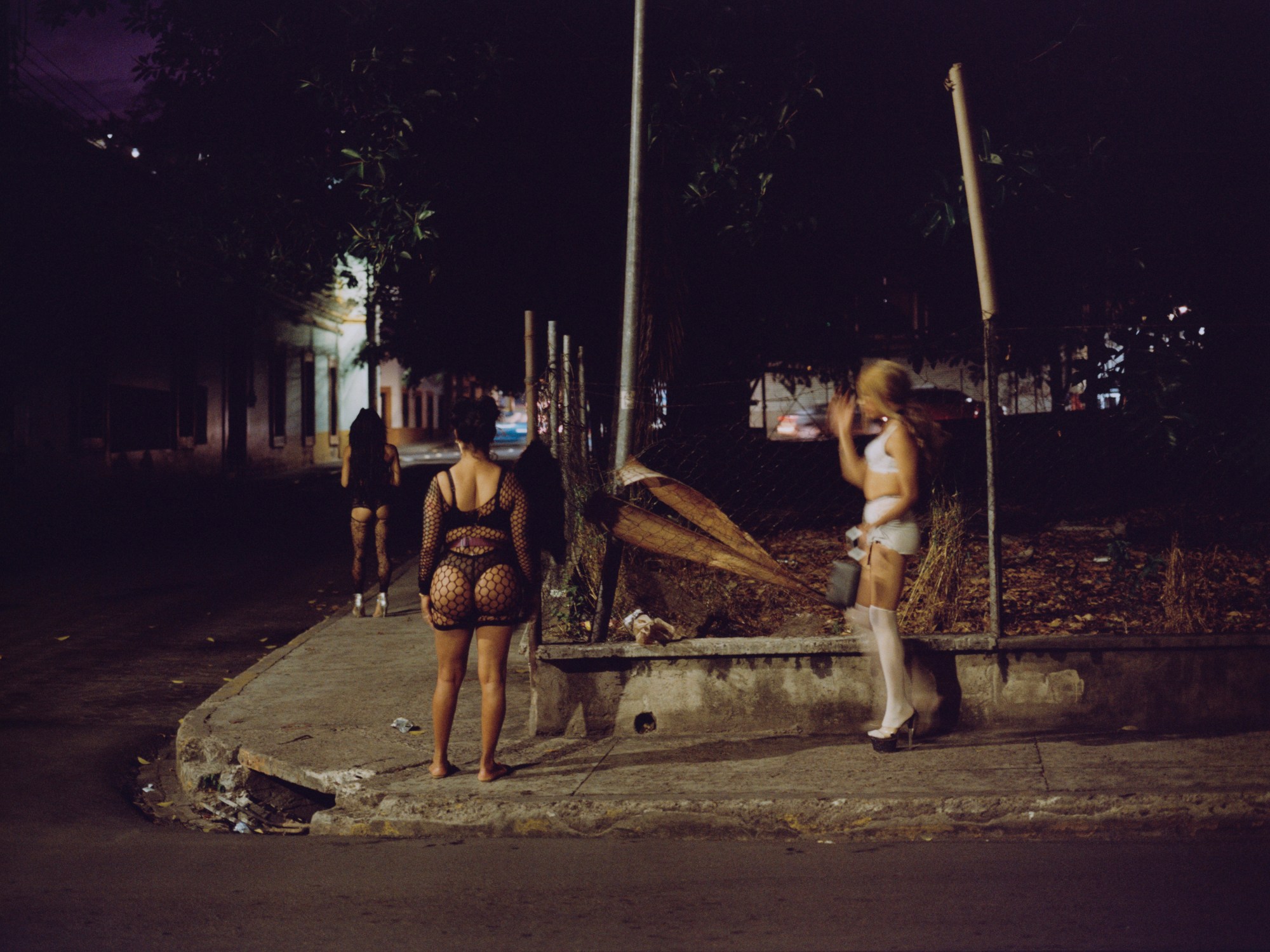
Violence and discrimination often begin at home, which leads to the streets and survival sex work. Every trans woman I spoke with had dreamed of having a “normal” job but experienced rejection in hiring. They face an added layer of hate-related violence, often from clients, gangs, or police. Most had been stabbed, beaten, robbed, or raped. The average lifespan of a trans woman in this context is around thirty-five years.
You also saw moments of progress. What stood out?
Nataly, an organizer, once intervened during a police checkpoint, explaining she is a trans woman who works with an organization. The police accepted this and addressed her by the correct pronouns. She later told me that one positive change has been gender recognition for trans people.
What forms of community care were most striking?
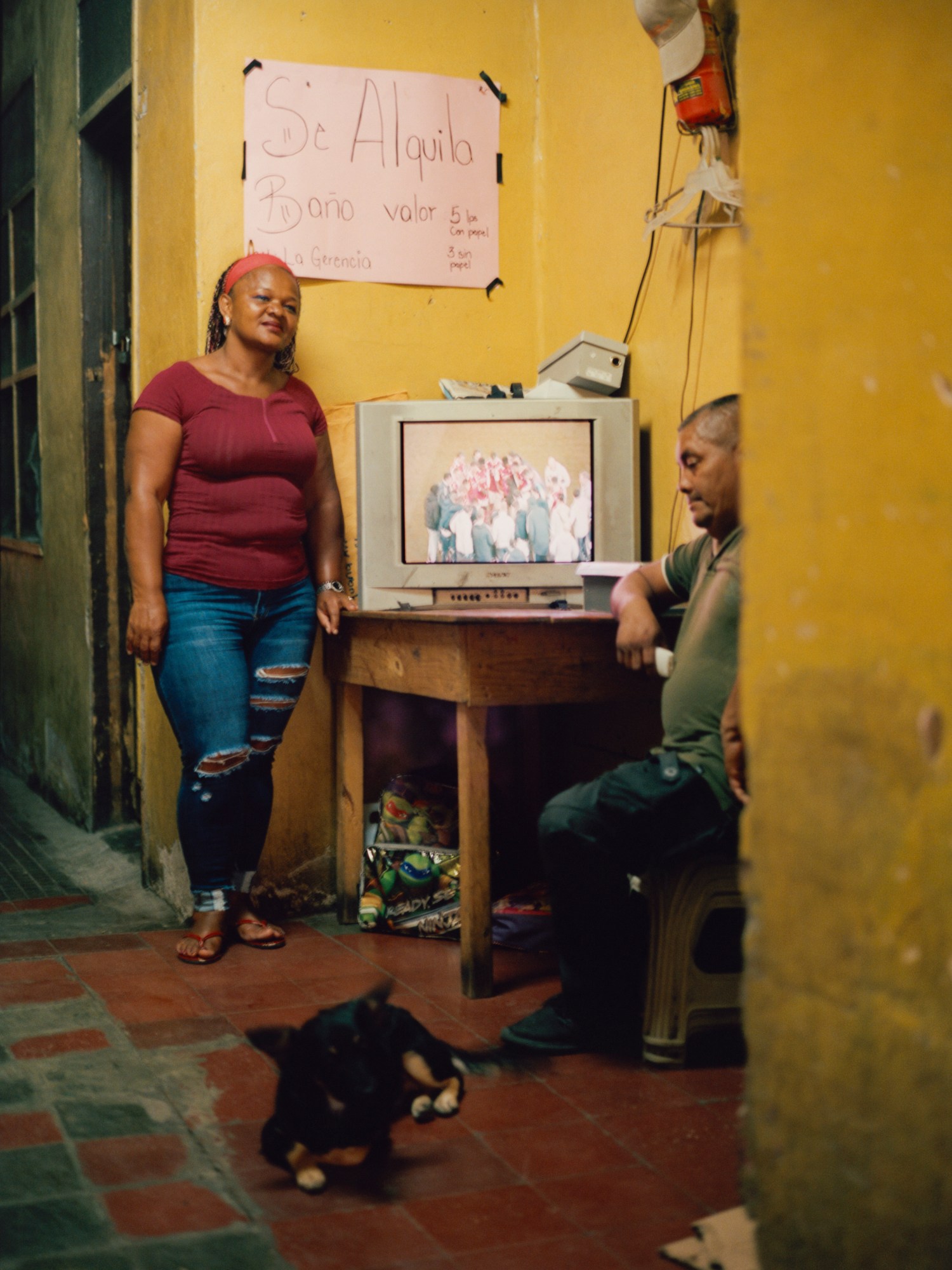
Organizing comes from within the communities themselves. The groups I worked with are led by sex workers and trans women who support workers’ rights, provide legal services, and run health clinics. On the streets, they teach girls how to be safe. They keep in touch through group chats about dangerous situations, and share food, clothes, and housing. They put differences aside to protect each other’s safety and survival.
How did you navigate safety while working there?
Much of the credit belongs to the local producer, Paulo Cerrato, who tracks the micro-details of gangs and police activity. We make sure any work does not compromise the women’s safety. Veteran journalist Susanne Ramírez de Arellano advised me throughout the project. Given the power dynamics of being a foreigner, honesty was essential. I was clear about my intentions and emphasized that while I could handle their stories with care, no other promises could be made.
Was there a moment that changed how you understood resilience or community in these neighborhoods?
Gabriela, an organizer, brought us to a clandestine bar in a gang-controlled neighborhood. Inside, she, her sister, and friends—all trans women—danced freely with other patrons. She told me, “We work to help trans women, but we are also part of the larger community. When people need help, we step in how we can. Because of this work, we have respect here.”
What do you hope viewers take from this project?
The hard-won gains in Honduras have been a long, difficult fight and are now precarious with a new presidency. Nothing can be taken for granted. I hope viewers can truly see the humanity of the women and that it sparks their interest and care.