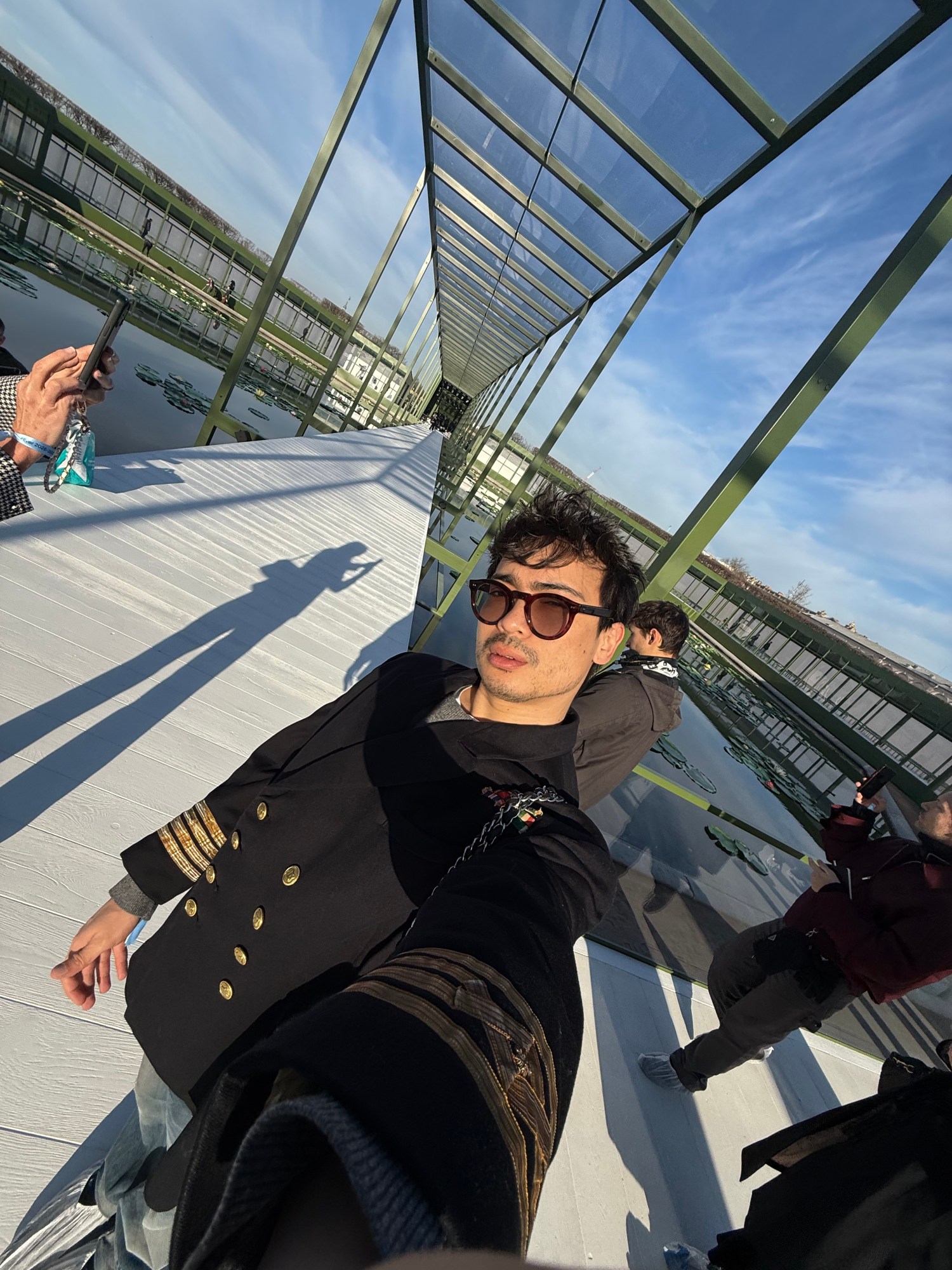
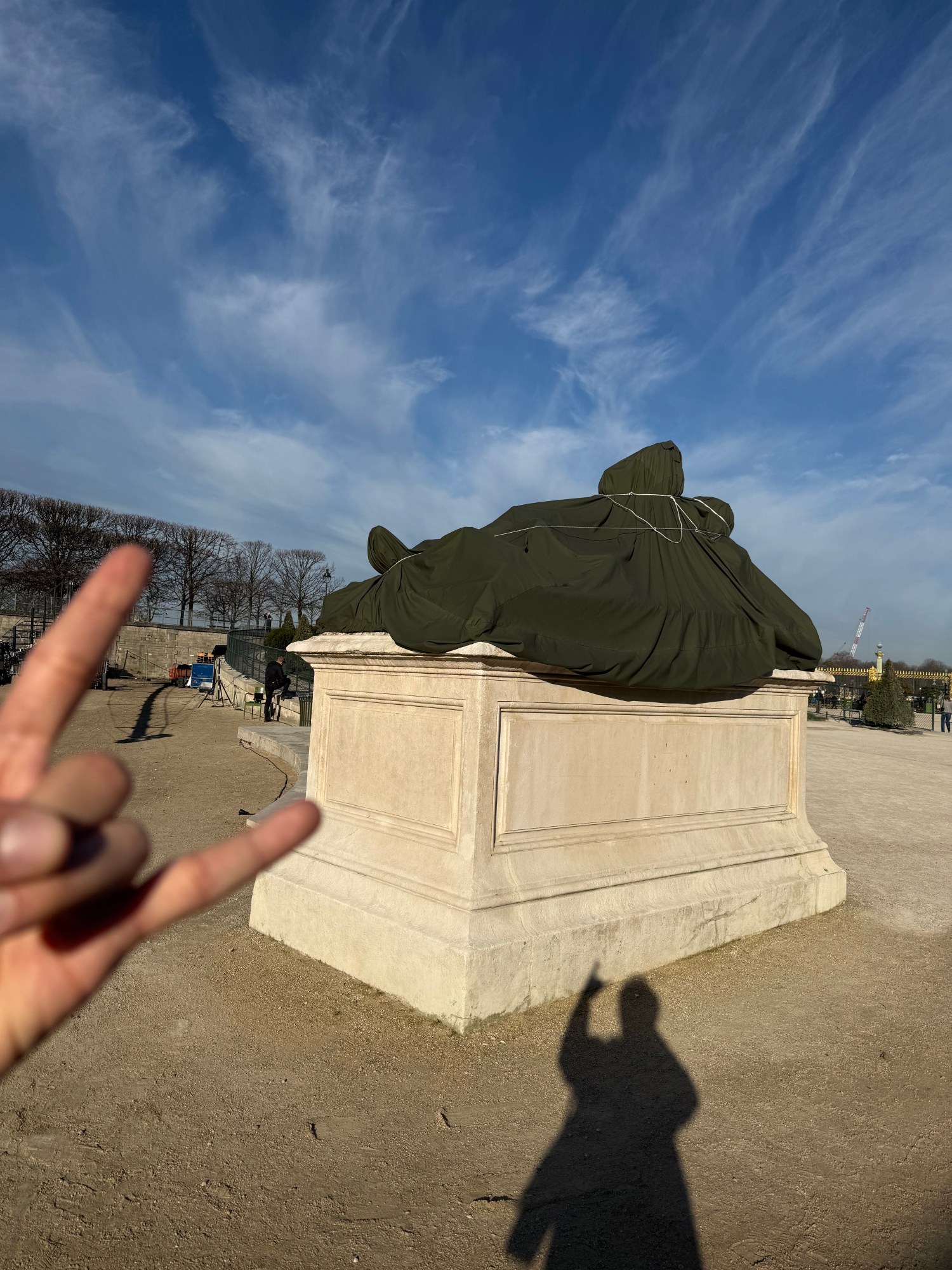
8:45 a.m., Jardin des Tuileries. I am standing in Paris with a small, formidable group of British critics for a private preview of Dior, and I am trying very hard to behave like this is normal. It is not normal. It is rare air—and don’t I know it!
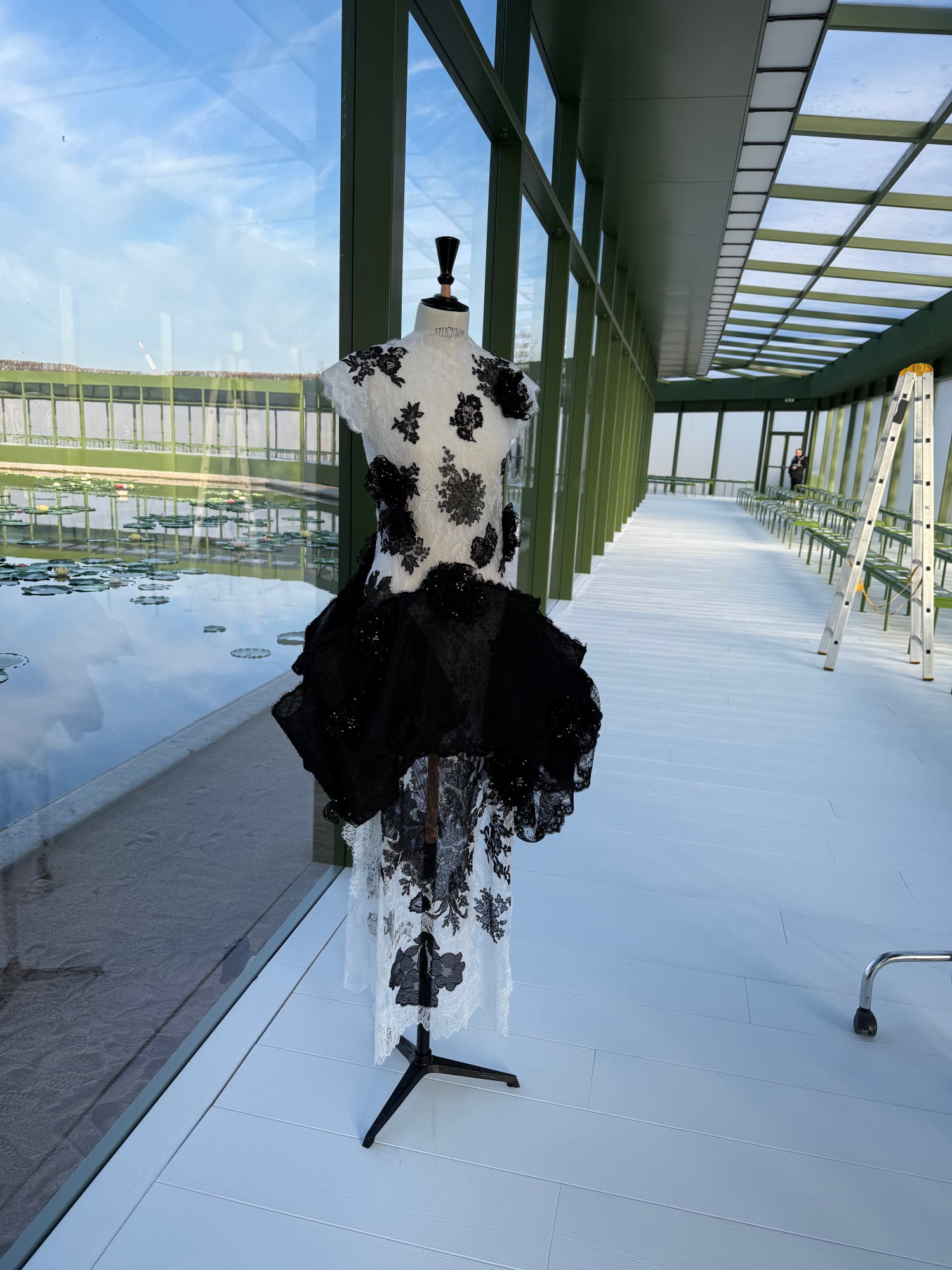
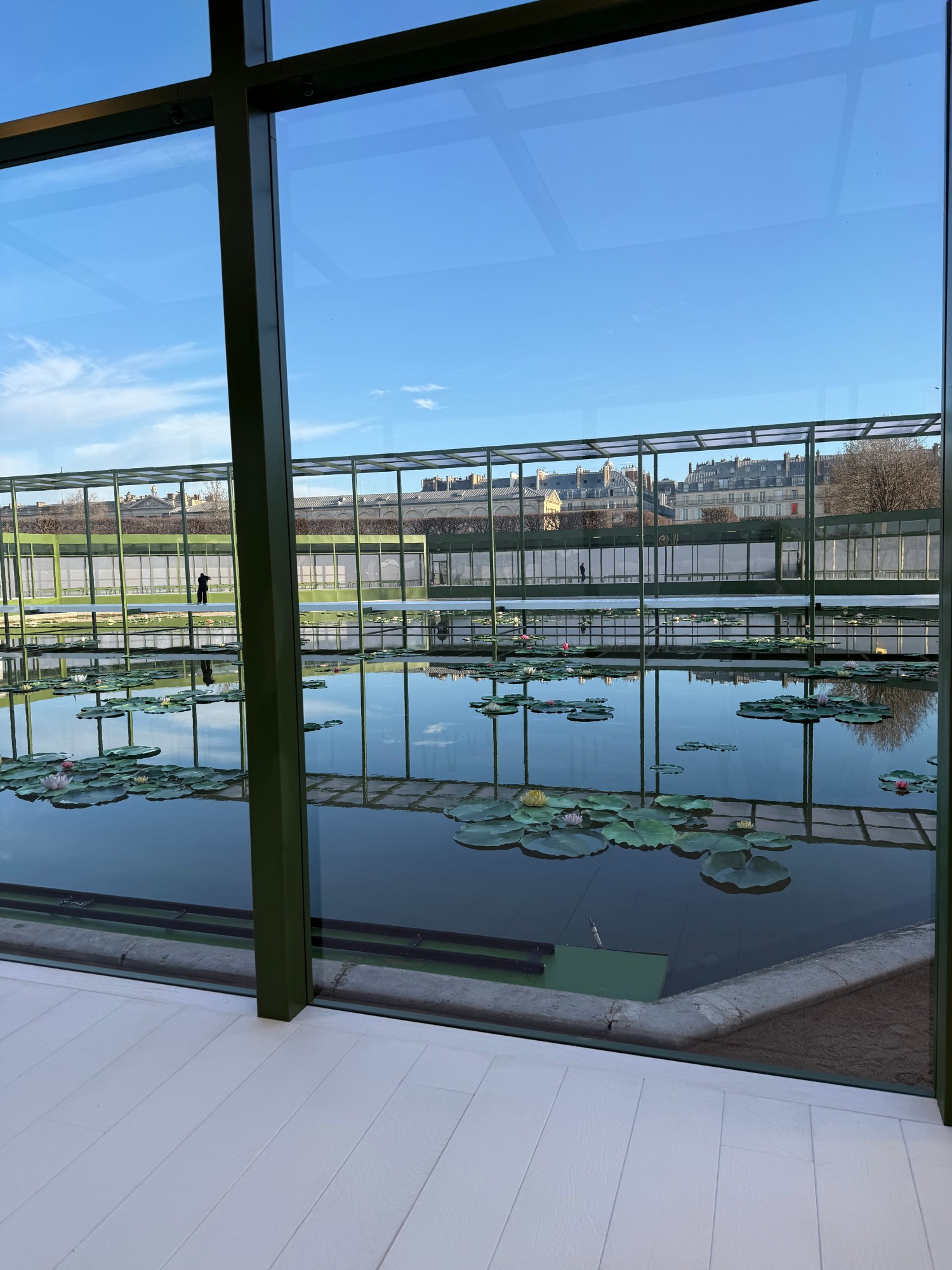
The fountains are tossing mist into the cold light, briefly catching rainbows, and the quiet of the hour makes everything feel sharper. We’re all here for context. Security escorts us up into an elevated octagonal glass structure. Inside is an expansive pond, its surface scattered with artificial water lilies. The real brushing up against the unreal.
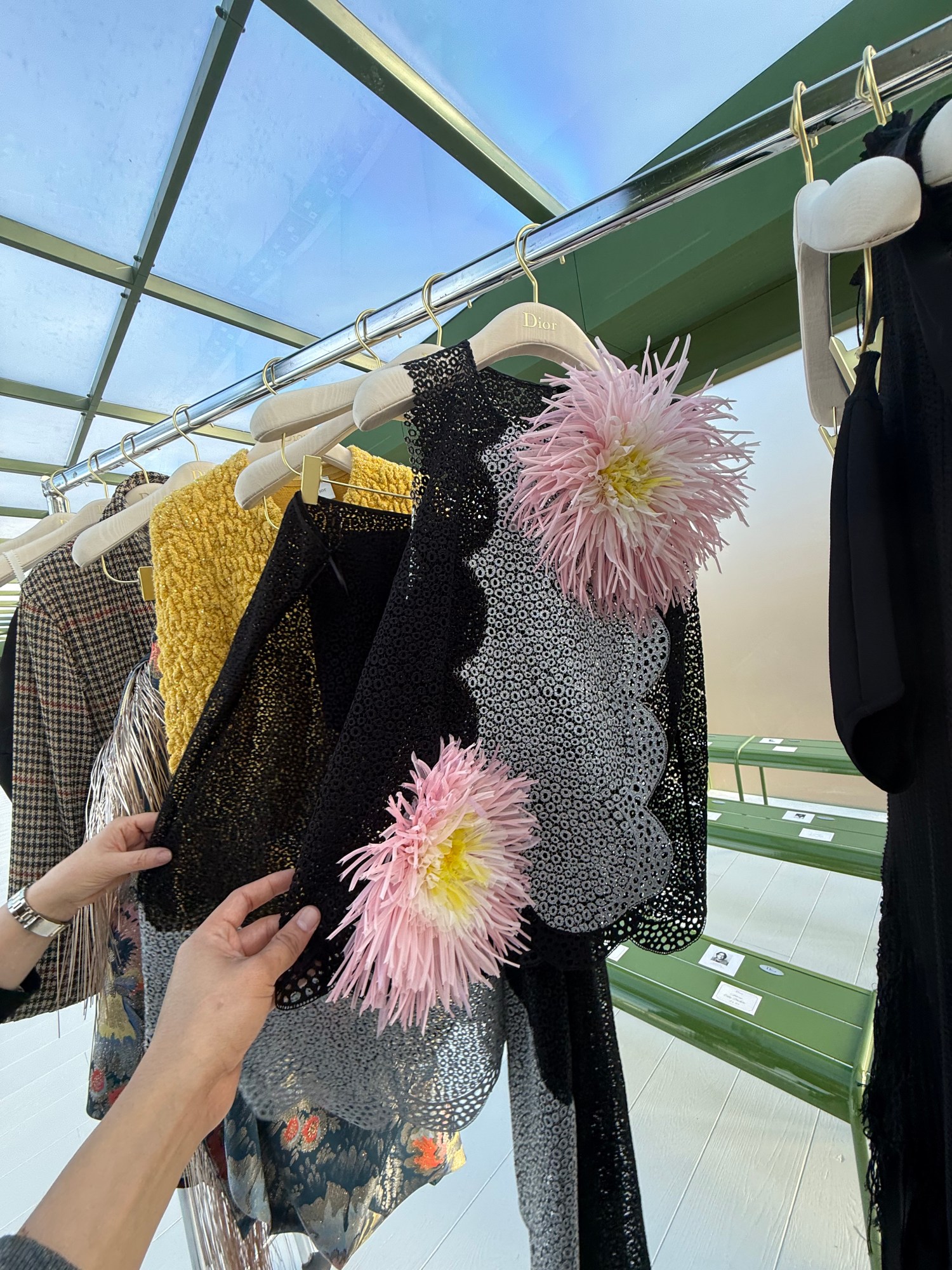
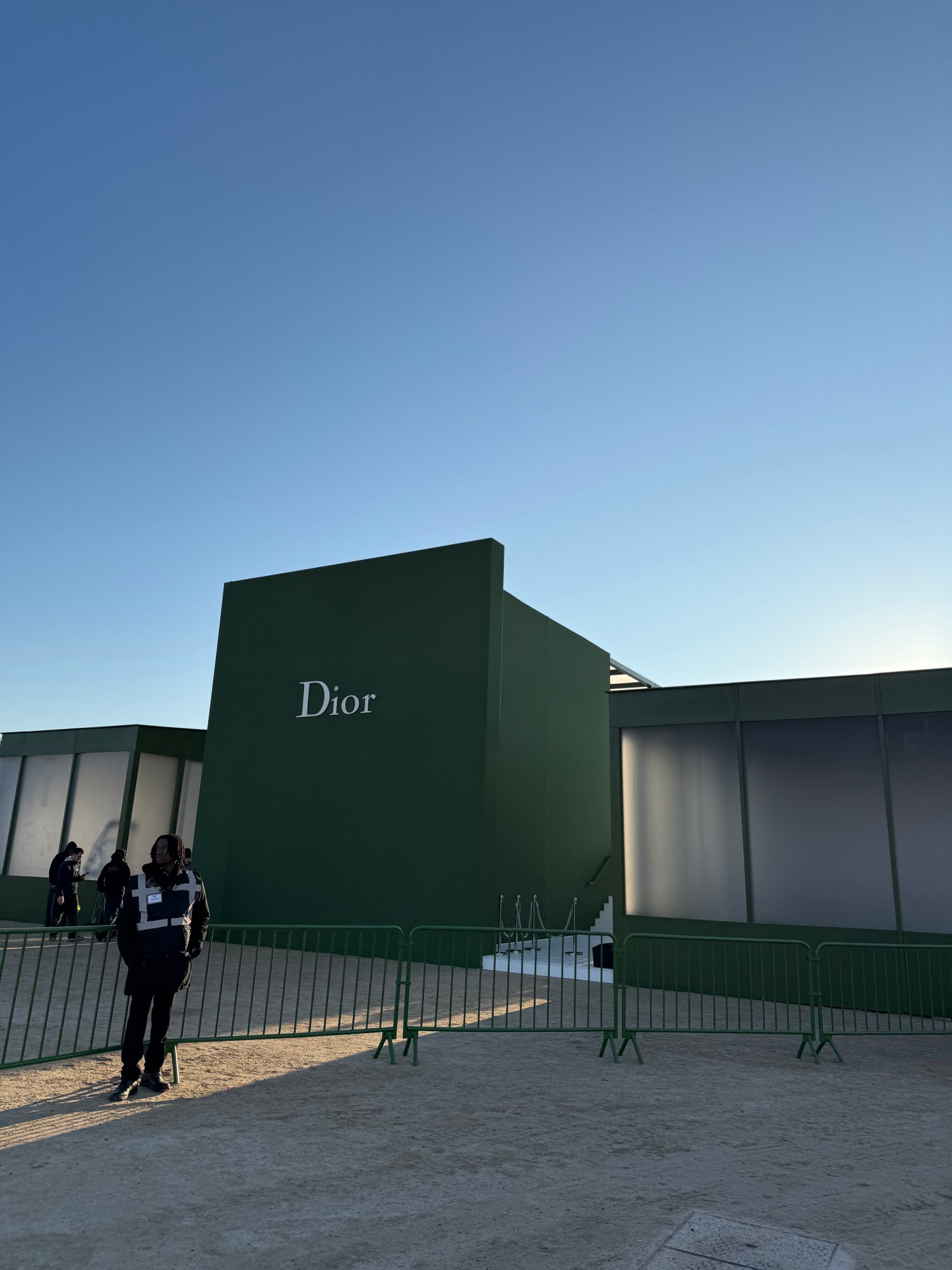
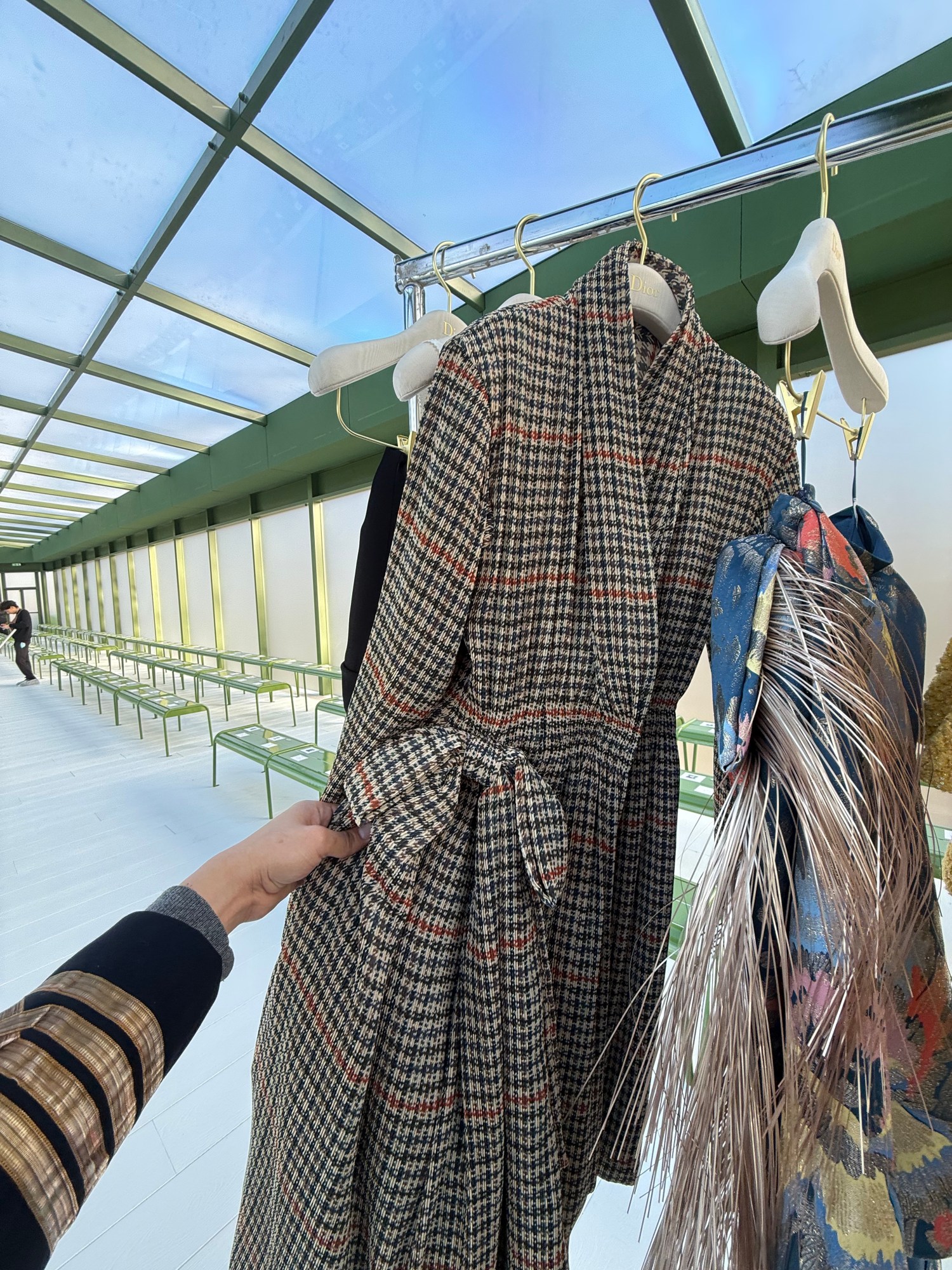
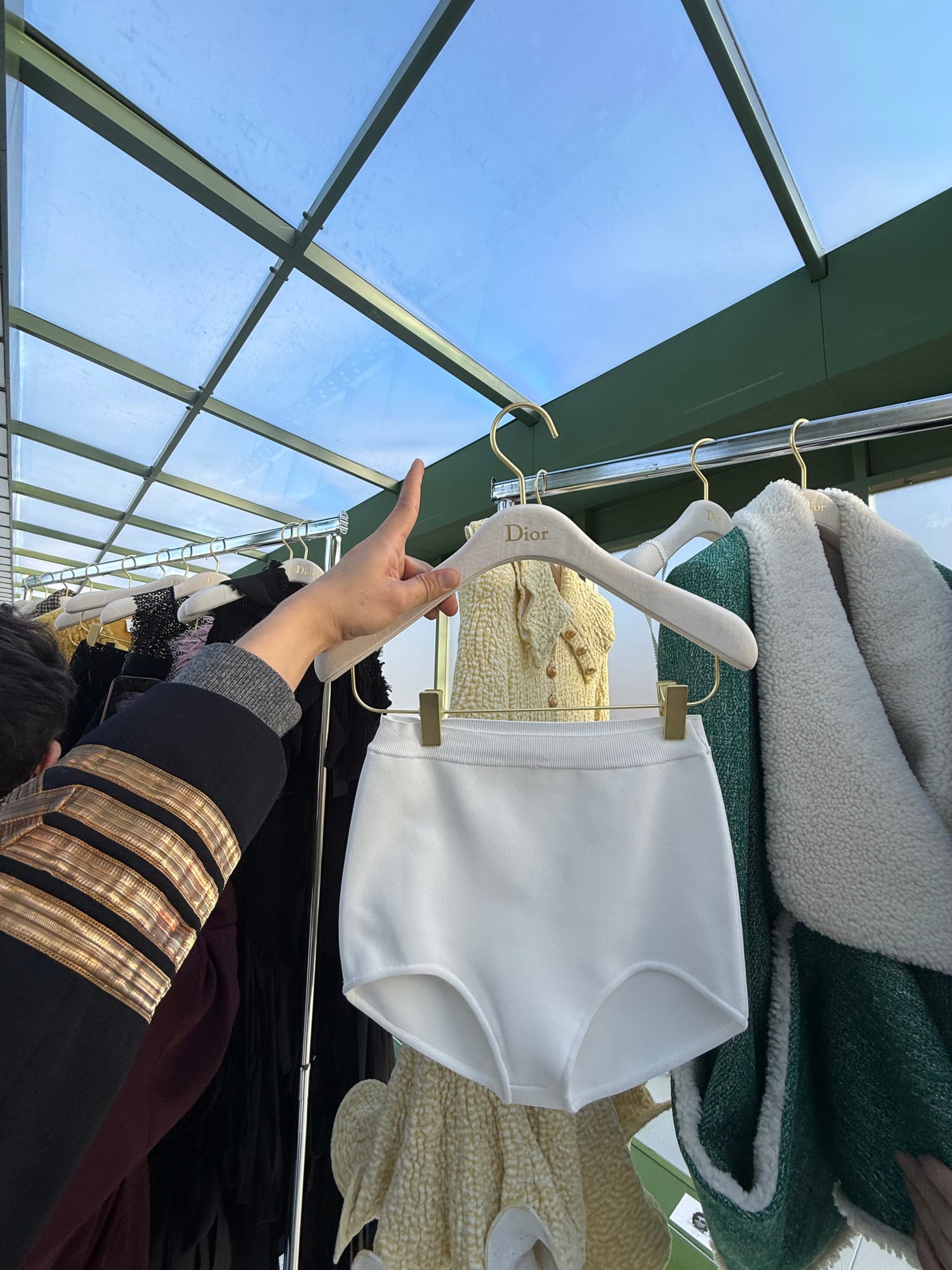

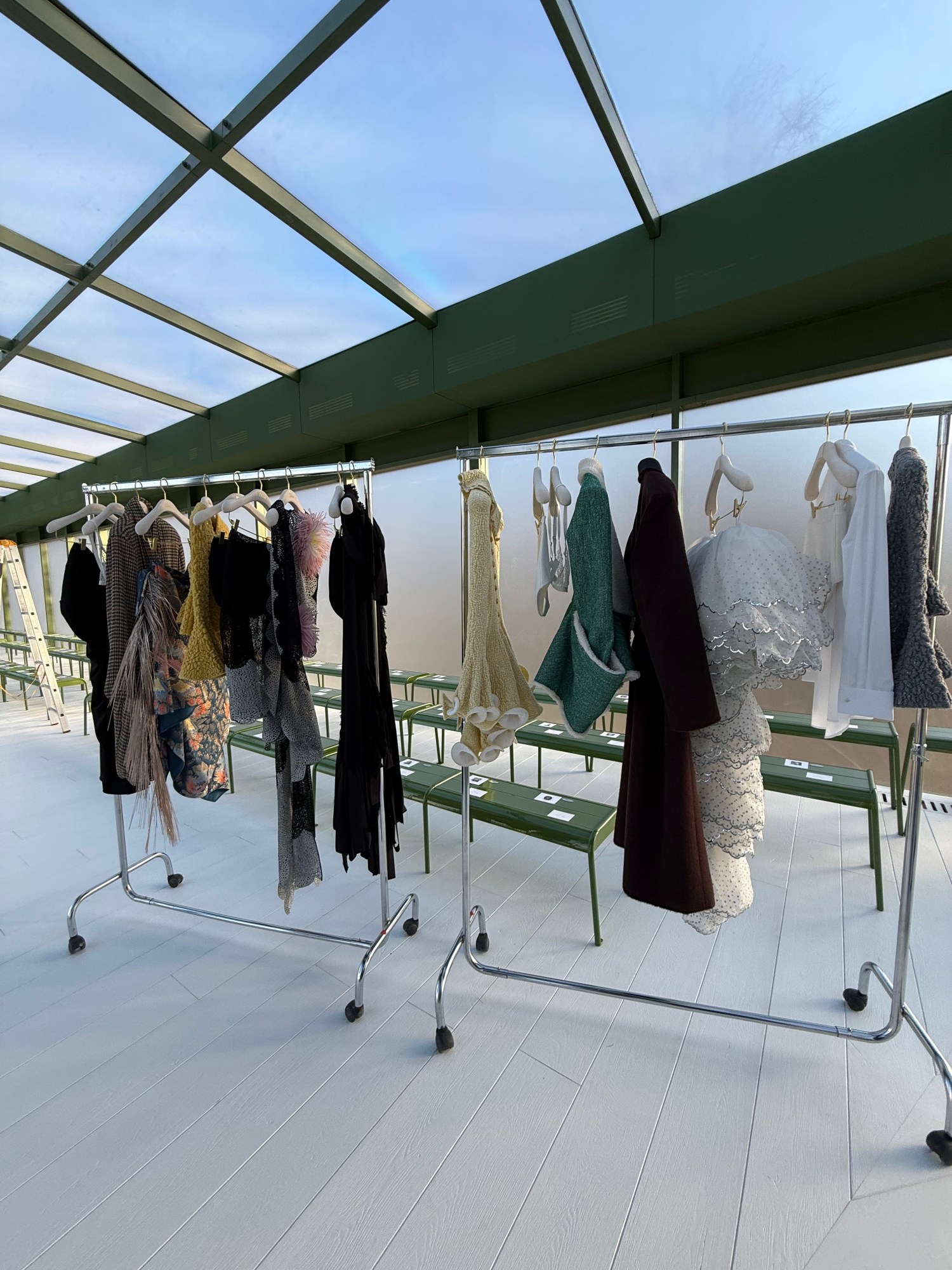
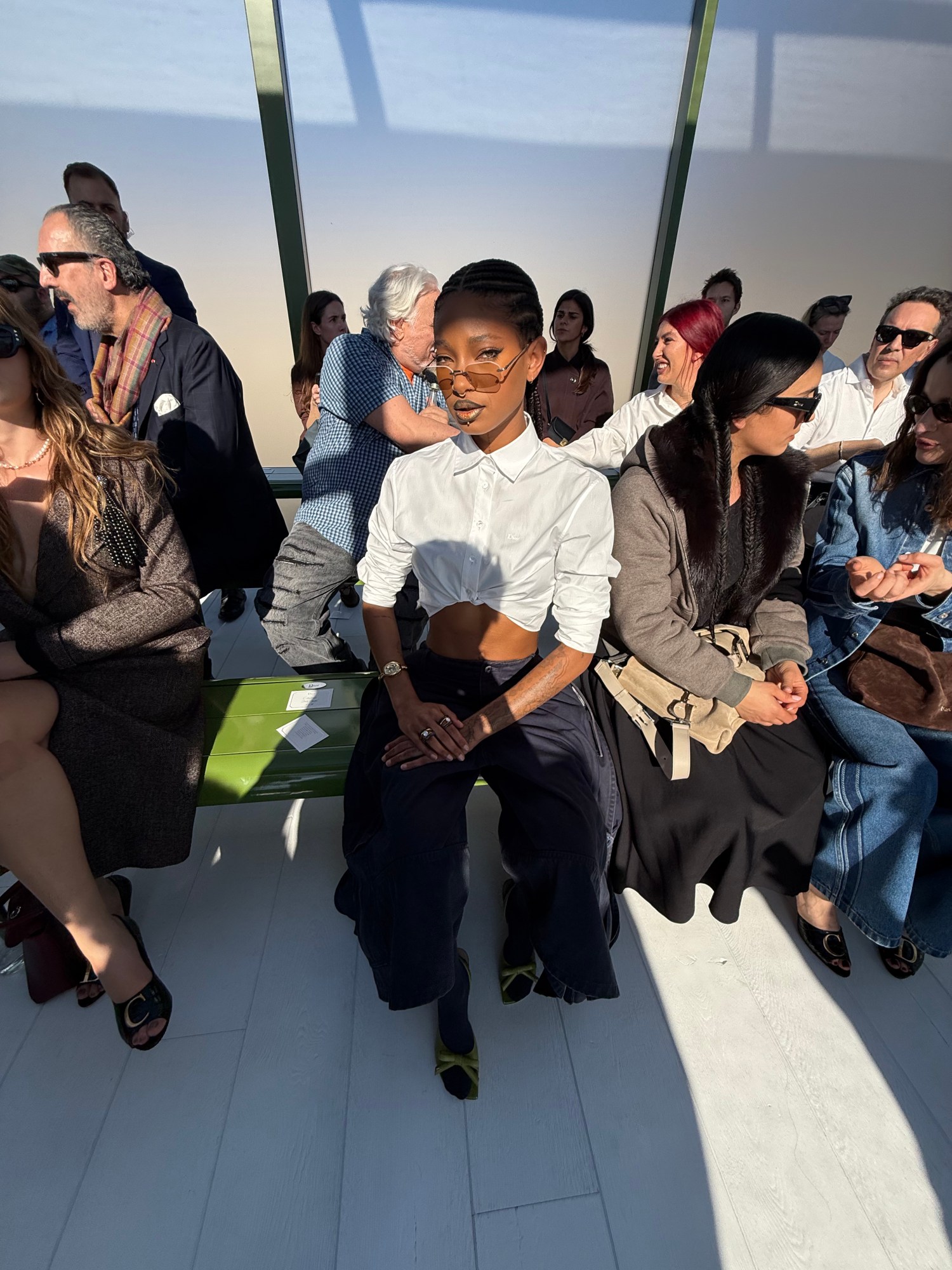
The promenade was the point before a single look appeared. The seating consists of those iconic Tuileries green chairs, that particular municipal shade that only makes sense in Paris, produced in collaboration with the company that actually manufactures them. Even the invitation had been a miniature version of the same chair. It’s well documented that Jonathan Anderson loves a chair.
“There was a period where you go to your garden to be seen, to walk,” Anderson begins, describing the promenade as a kind of social staging. “Nearly like a Seurat painting, you would go to be seen in different sort of class systems.” He’s interested in how that structure has dissolved. “That has all disappeared now,” he notes. Parks today are mixed. “People make out, people take kids,” he says. It’s a whole mixed collection now. The garden as performance remains, but the audience has changed.
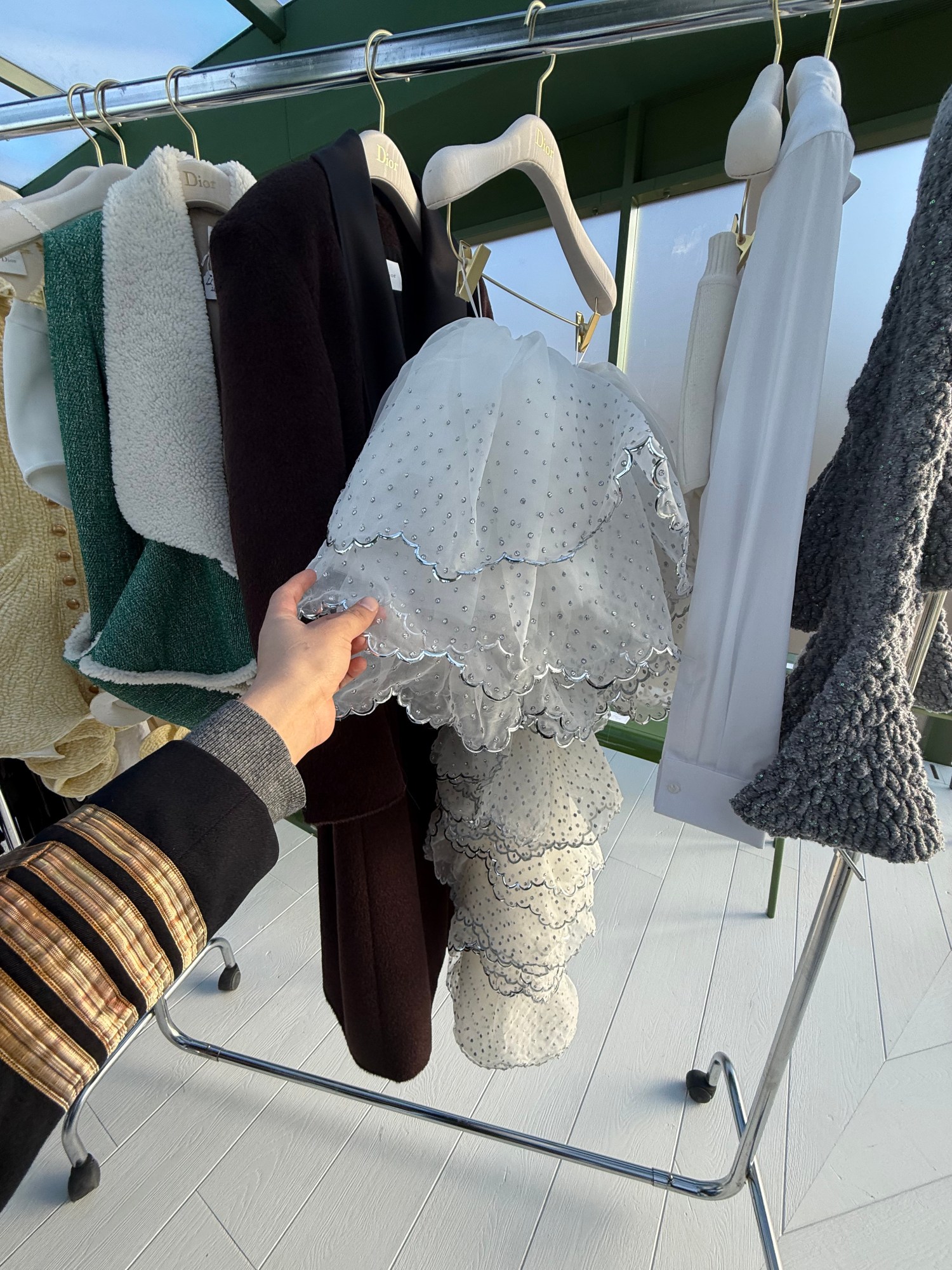
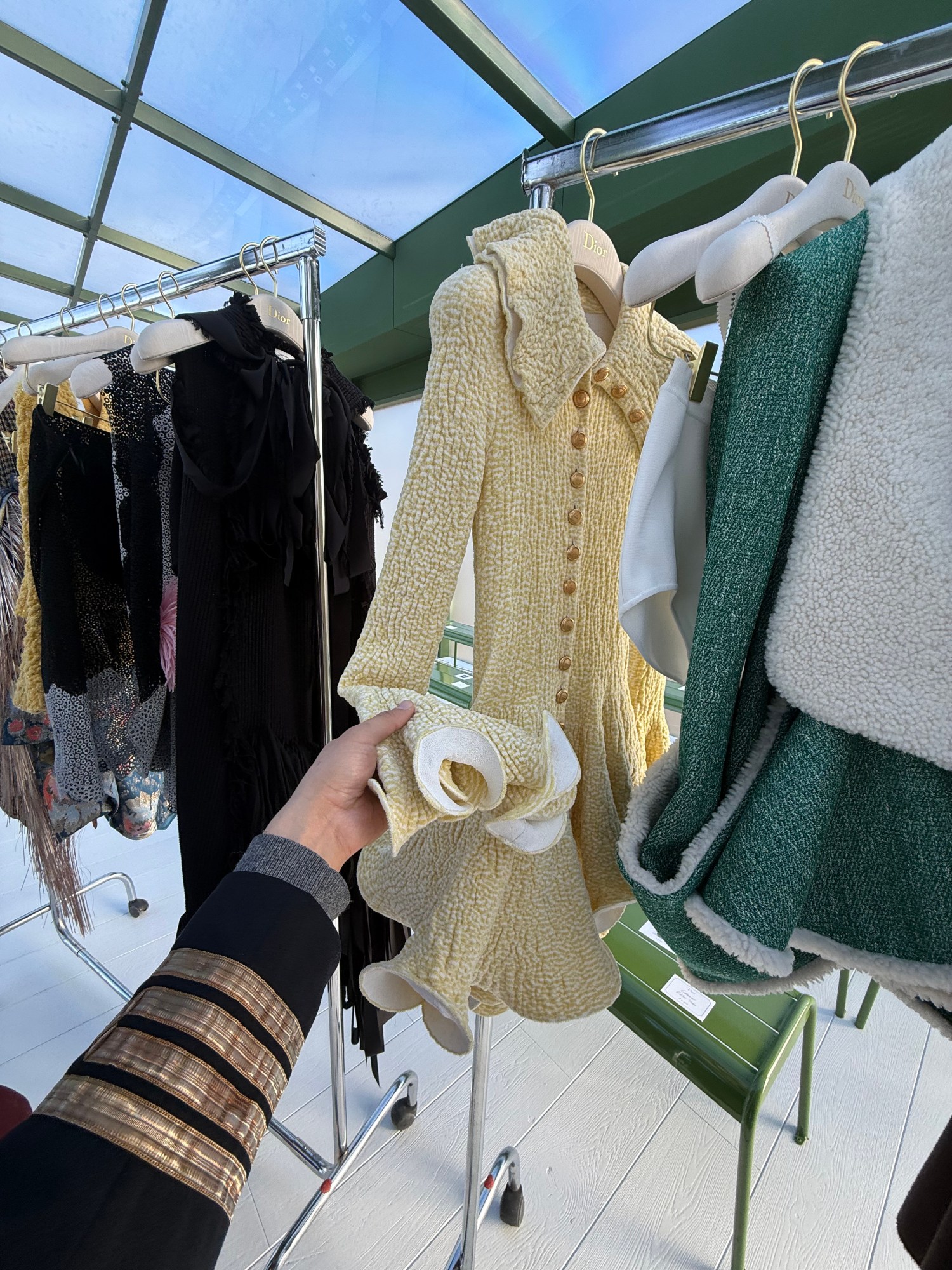
So what does dressing up mean when everyone shares the same stage? The clothes answer with tension. “It kind of goes heavy to light, heavy to light,” he explains, moving through undone brothel skirts paired with tuxedo shirts, palmette embroideries, pleats that appear rigid with a tweed pattern but collapse into ease. Shapes that look constructed yet feel relaxed. A push and pull between control and release.
The fabrics are not decorative gestures, they are engineering feats. “These are double jacquard,” he says, pointing to a board of looks. “So it’s a jacquard and then we print over again, so it starts to lose itself.”They were made on a loom widened to 150 centimeters to allow larger woven floral motifs. “Once you set the whole thing up, you may as well push it.”
On embroidered Japanese denim: “It’s sort of high-low, but in a good way.” On insisting the show be seen in daylight: “It’s quite nice to see clothing in daylight. You can’t really escape it.” He is clear about intention. “It’s daywear. It’s a wardrobe.”
When he talks about coats, his tone shifts. “People know Monsieur Dior’s dresses,” he says. “But for me, he did some of the greatest coats.” A cream Donegal flecked with multicolored ribbon feels anchored in that history without being trapped by it. Structured, yes, but not stiff. Authority without nostalgia.
There is also the question of myth. Artificial water lilies float inside the pavilion while the real garden sits just beyond the glass. “Has the water lily become quintessentially French because of Monet?” Anderson asks. Culture, he implies, is constructed. And so is taste!
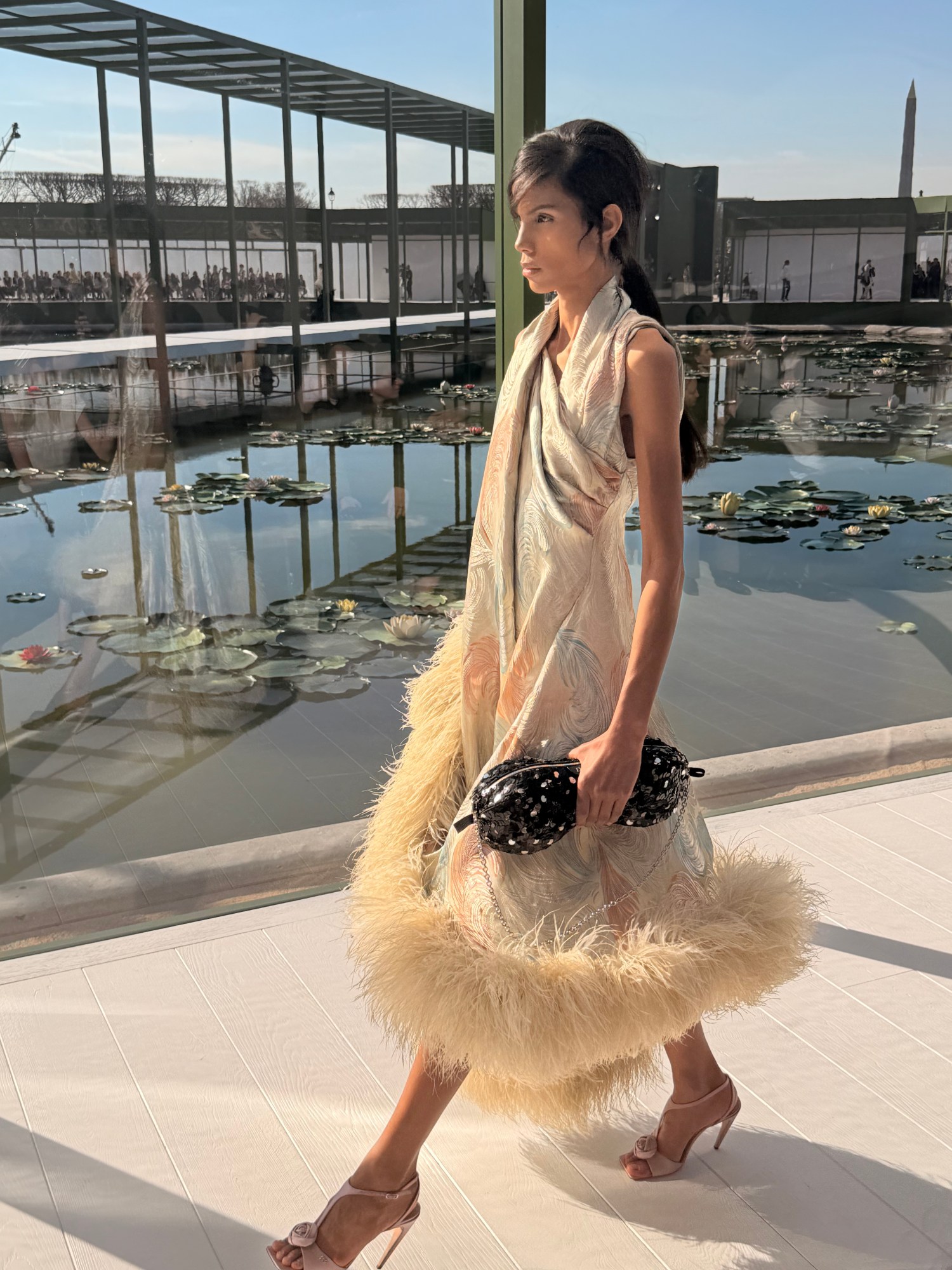
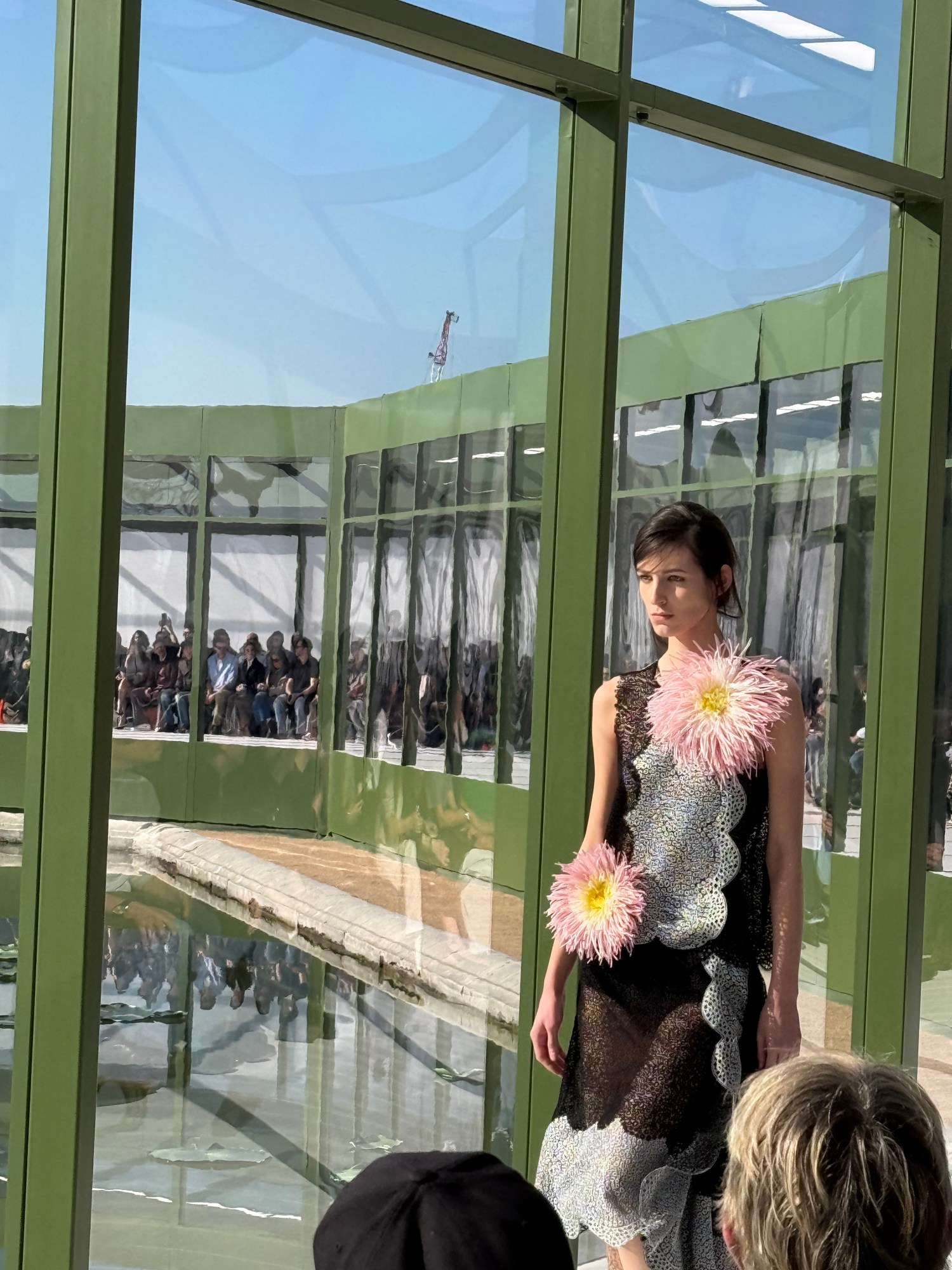
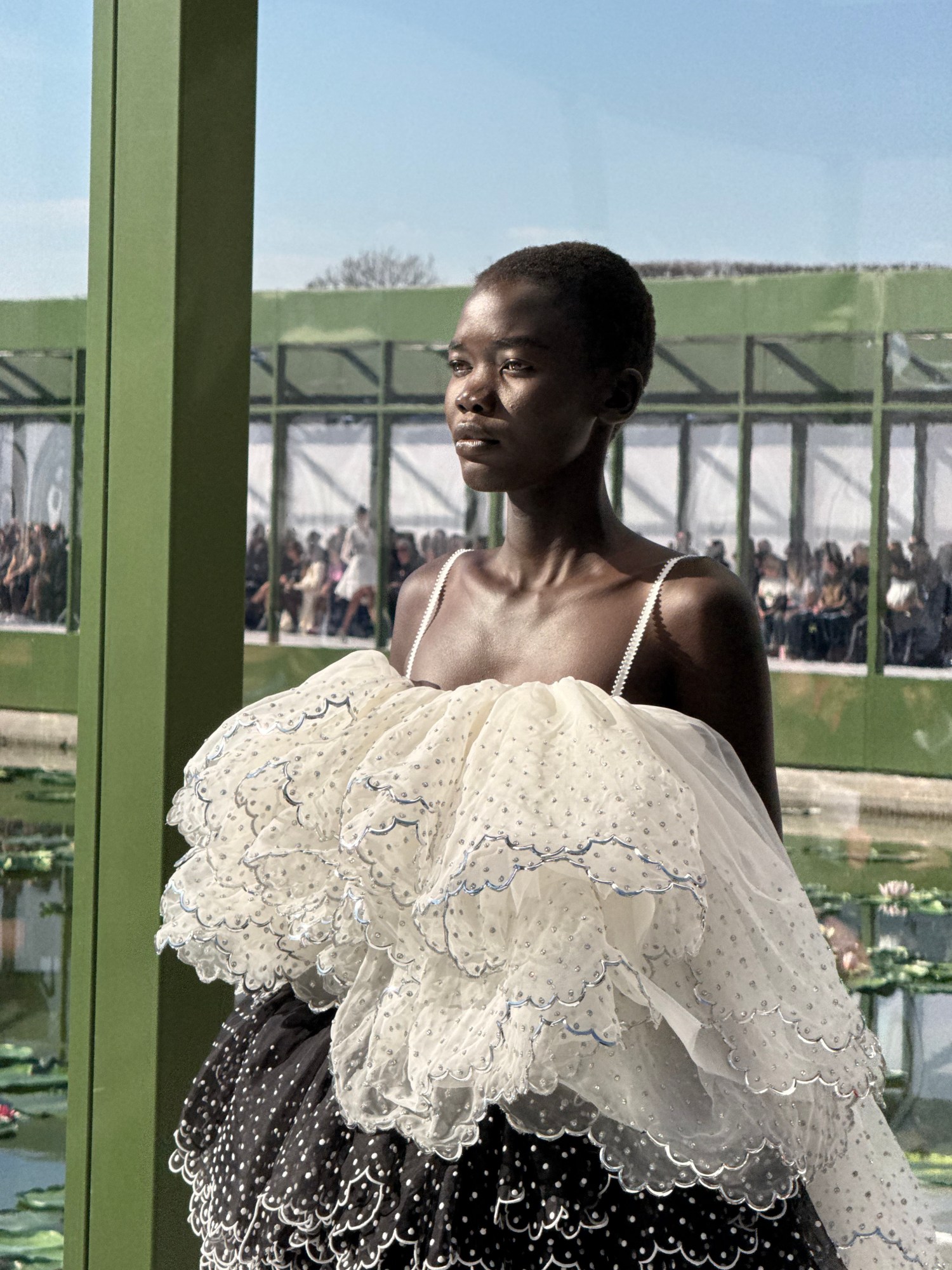
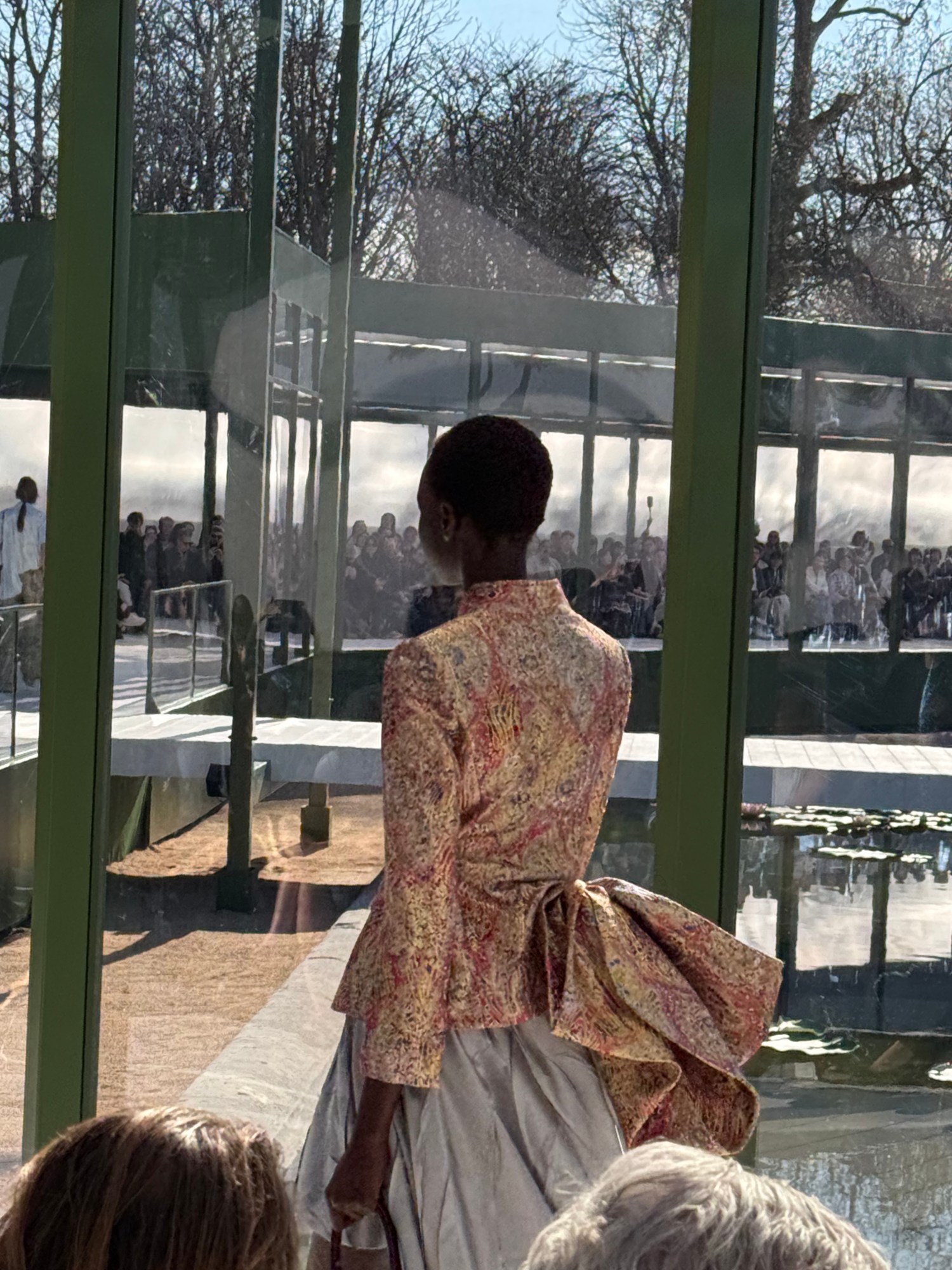
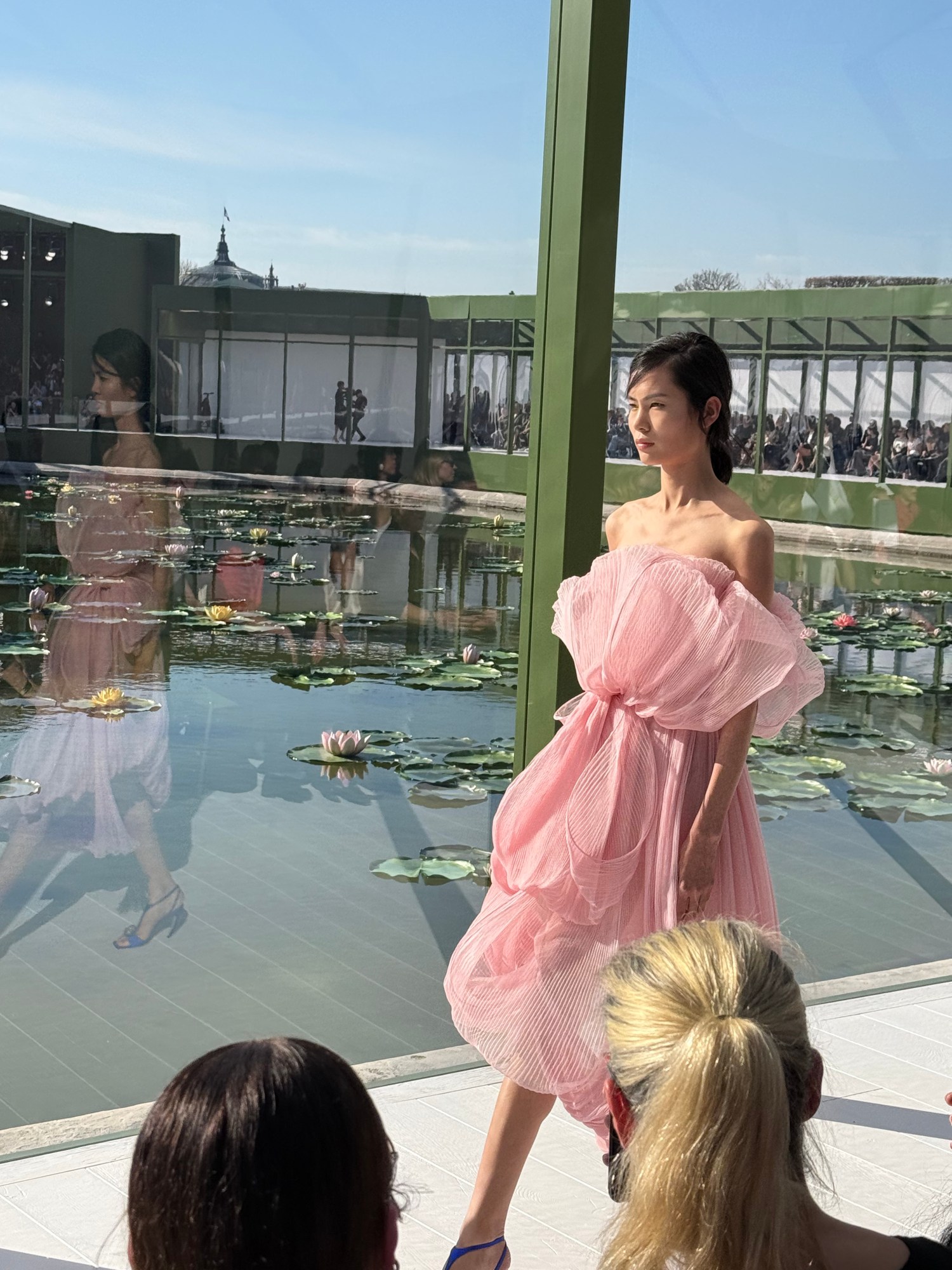
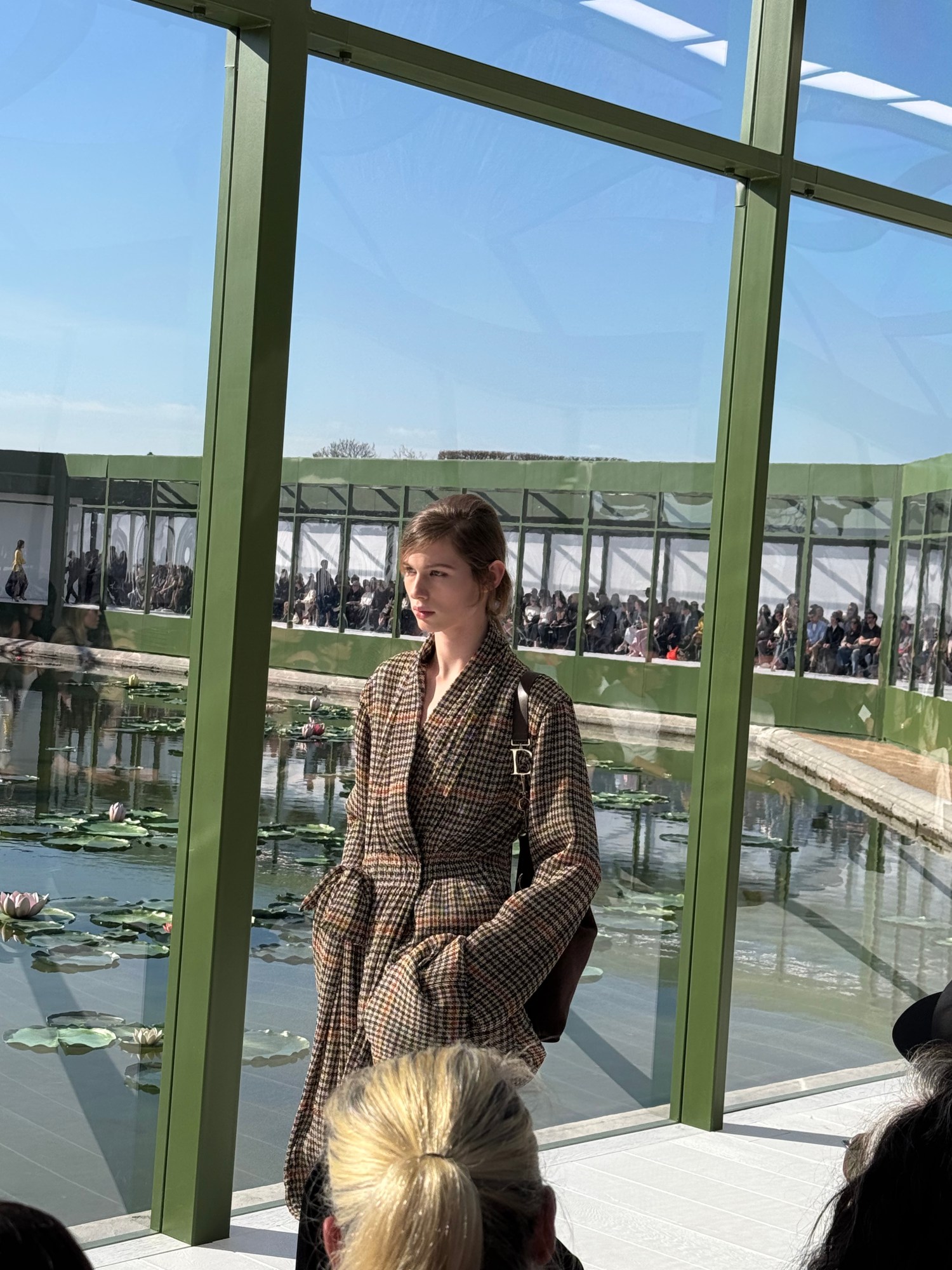
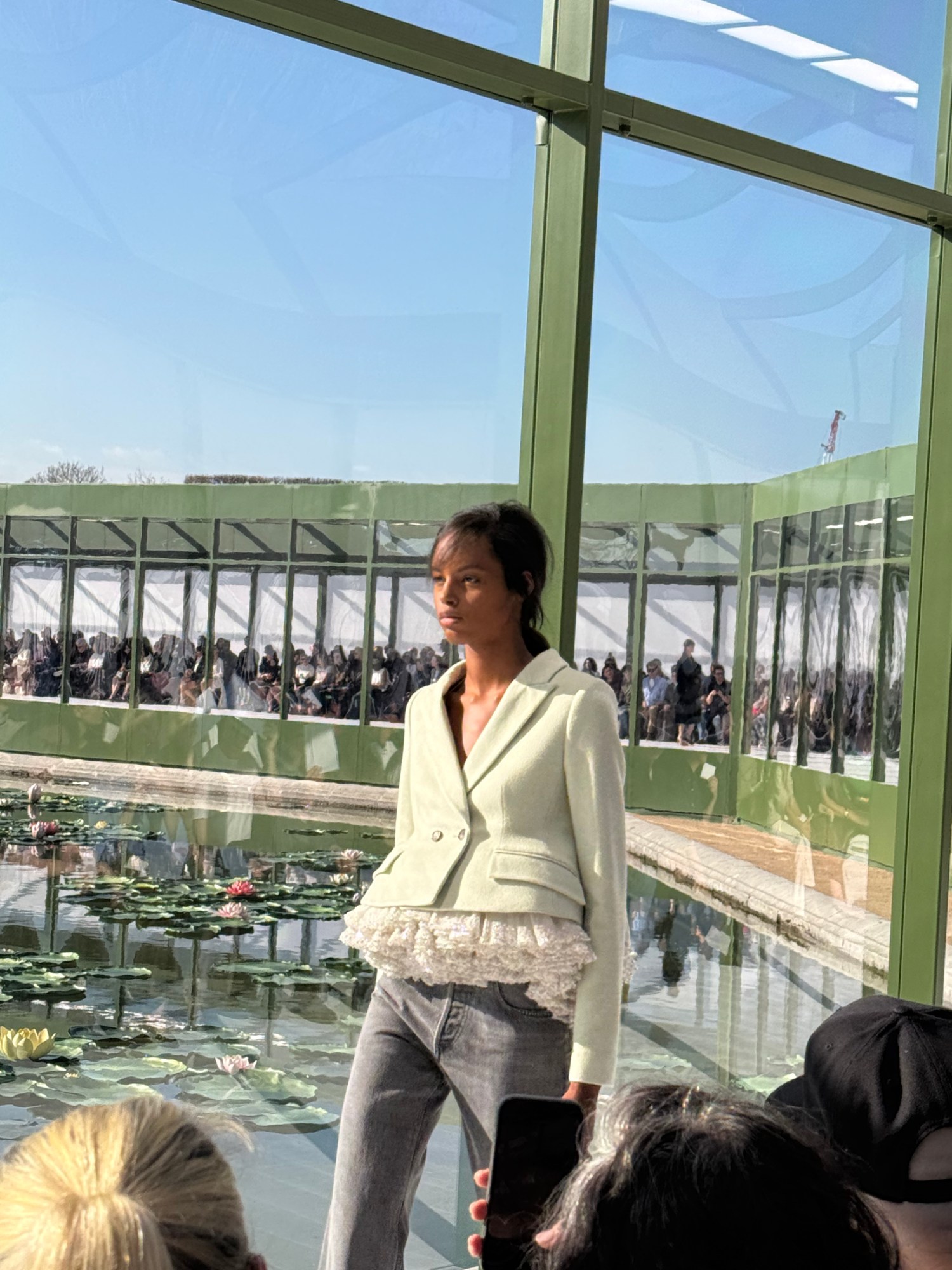
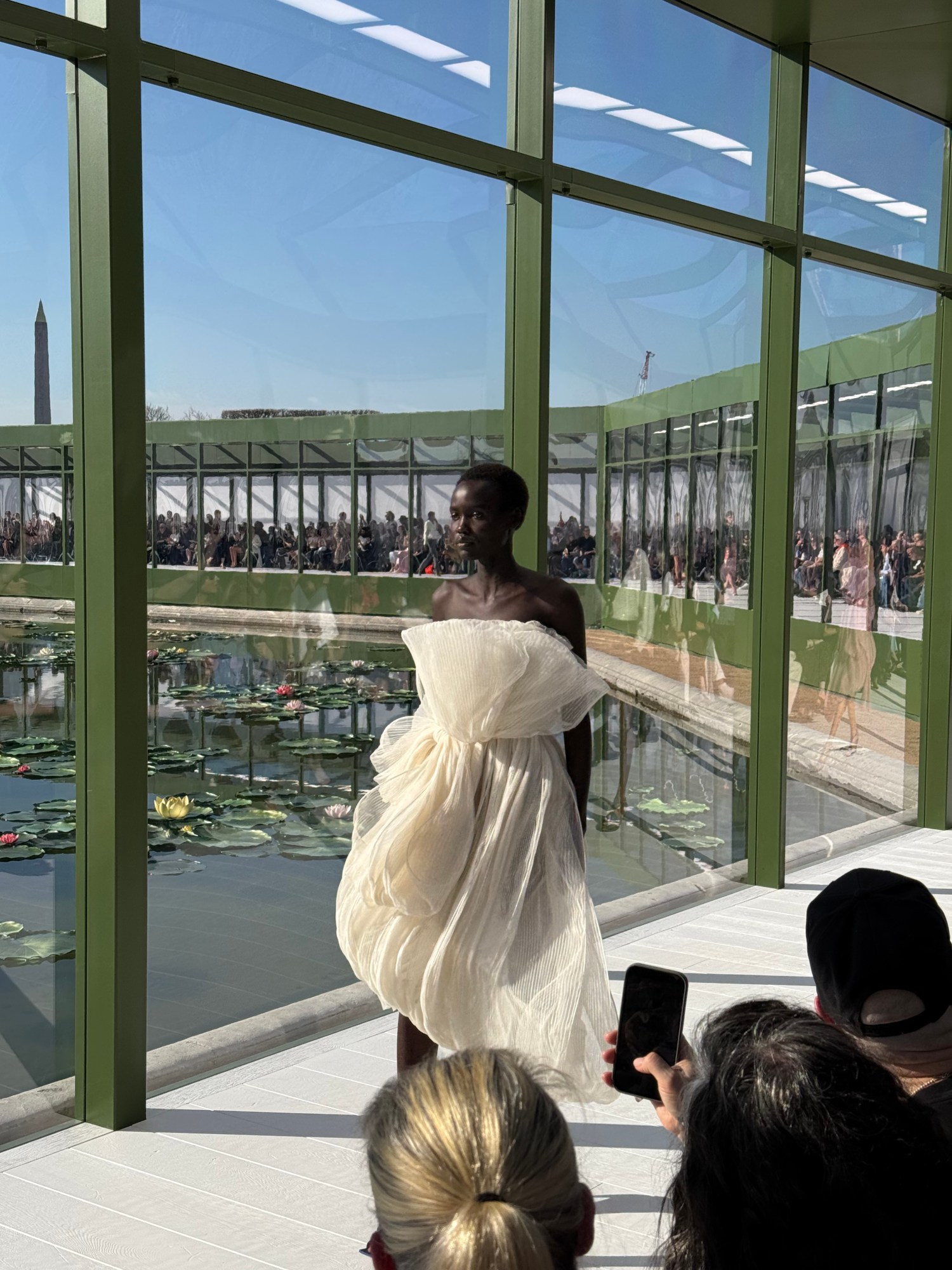
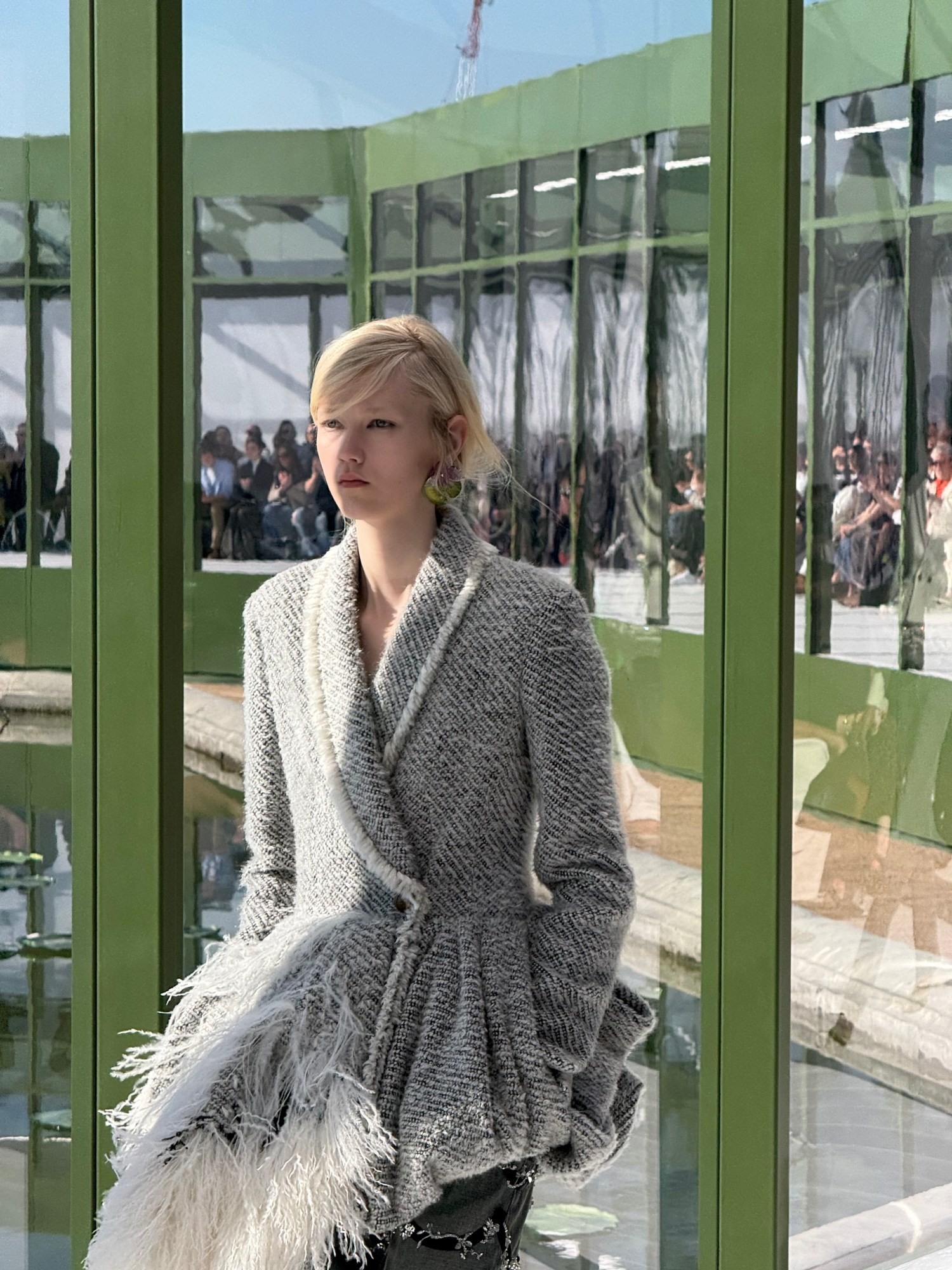
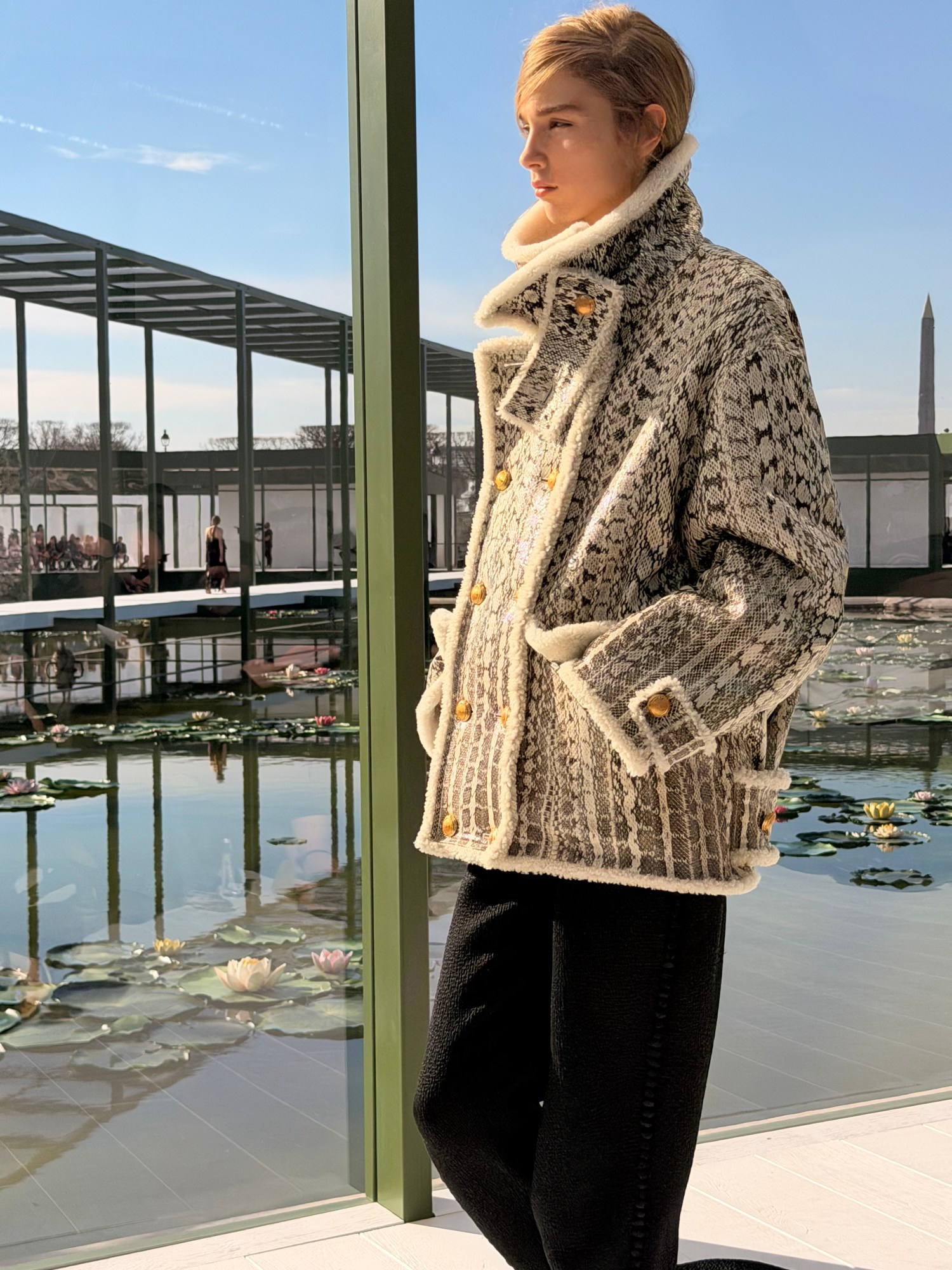
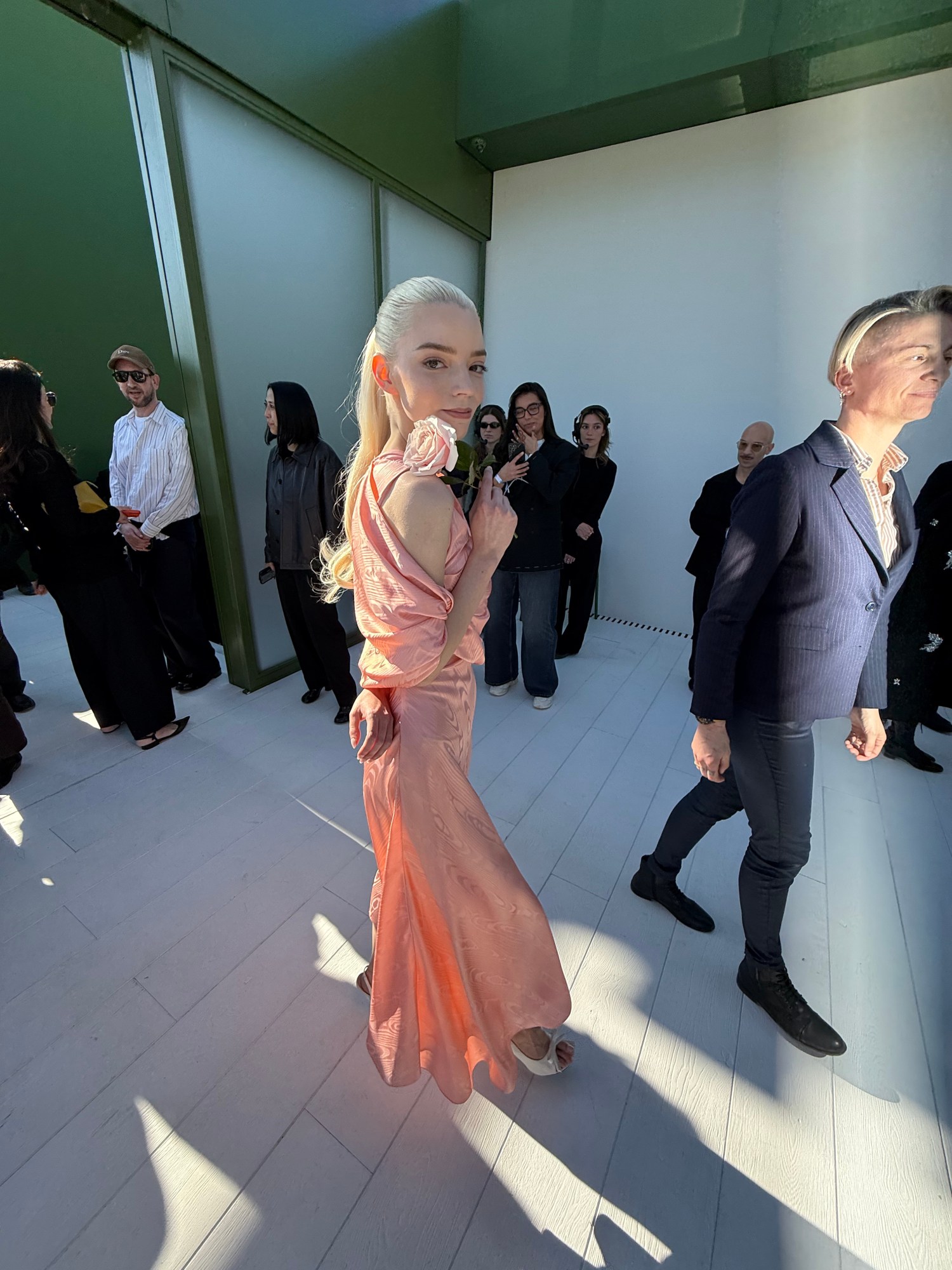
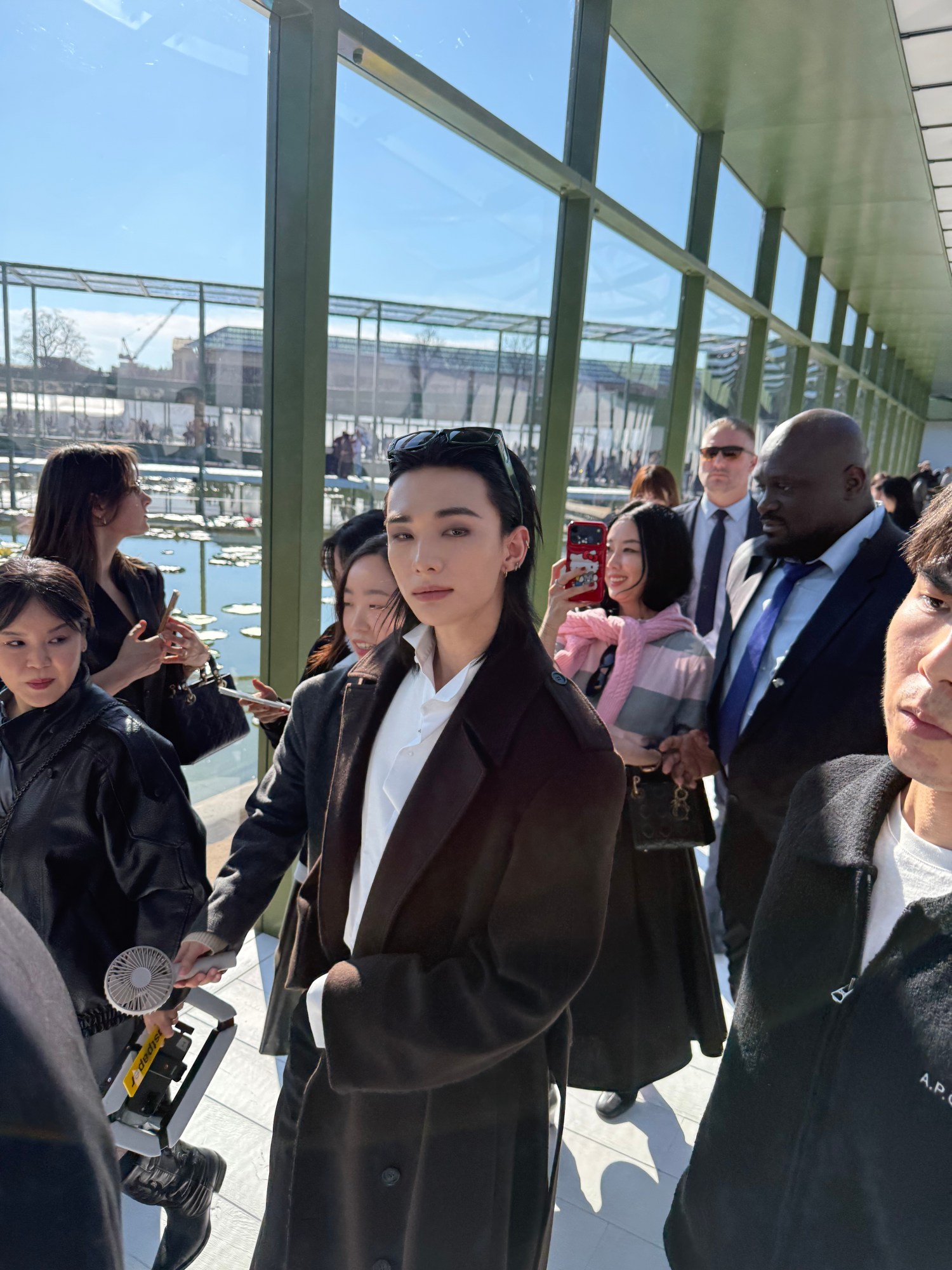
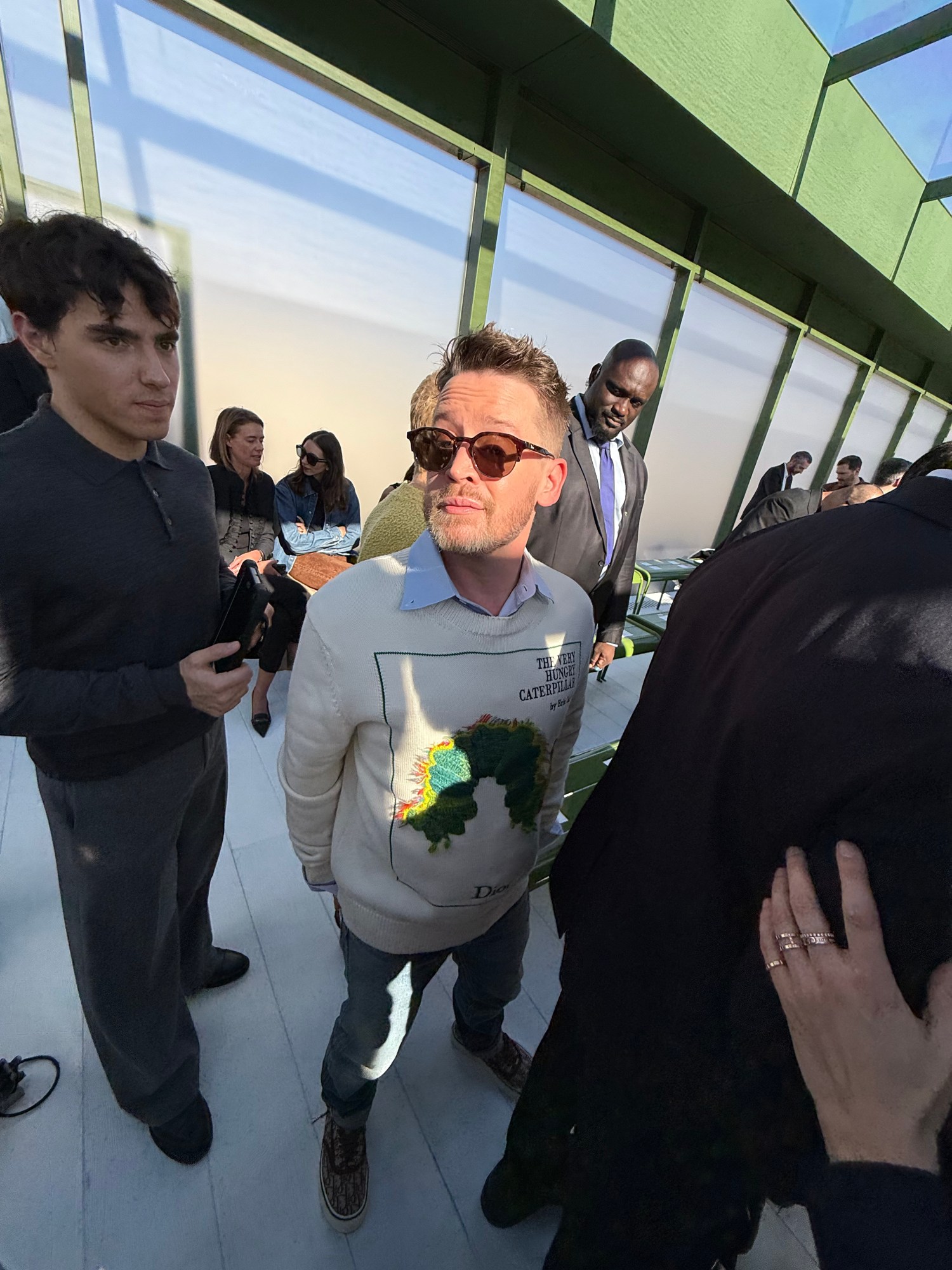
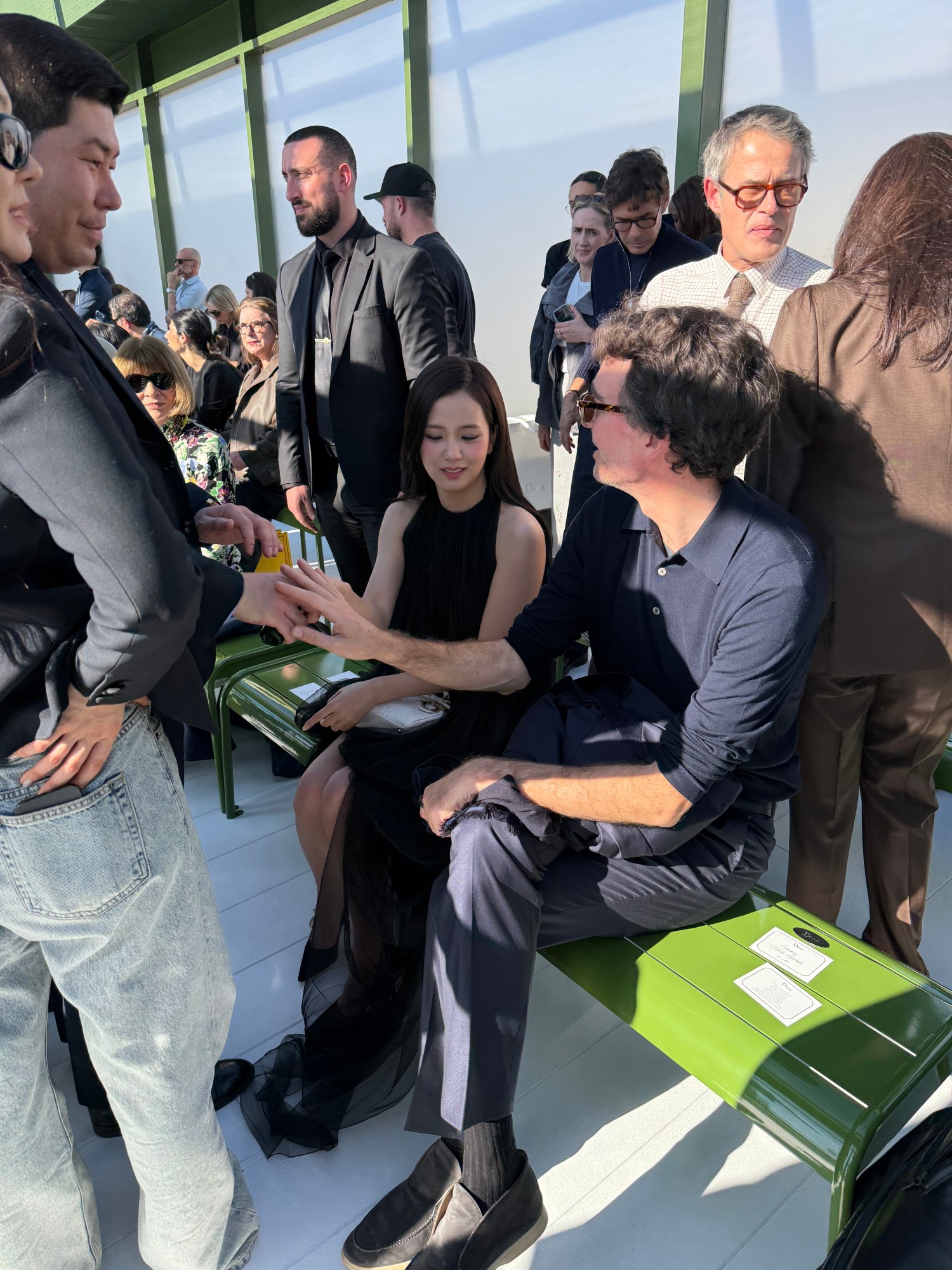
By the time I return at 2:30 p.m. for the show itself, the atmosphere is completely different. The octagon is full. Cameras are out. Energy humming. Across the room sits Anya Taylor-Joy, immaculate. A few seats down, Stray Kids’s Hyunji leans in as the first look appears. The same space. Different electricity. And now the theory moves.
Hammered silk catches the afternoon light and flickers. Chiffon edged with beading gathers weight at the hem. Embroidered denim grounds the romanticism. Porcelain-flowered shoes tap lightly against the wooden floor panels. The coats land hardest, as they close the show—a confident, deliberate move.
The morning preview gave us the intellectual scaffolding. The afternoon show delivered proof. At one point earlier, Anderson had said, “Yes, it’s Dior. But it has to release itself.” And you know what? That’s boots as hell.