photographs CRIS FRAGKOU
The Spring 2026 fashion weeks have been plagued by a sense of appropriateness and nostalgia. A sea change of new designers at historic brands means dozens of trips to the archive, and even more references to important jackets of the 1970s, important shoulders of the 1980s, and important midi-skirts of the 1990s.
Now, I too love the Vogue Runway archive, but this sense of looking backwards is sickening. We are living in a pivotal moment for design: Society is undergoing a catastrophic conservative swing while technology is ever-hastening the potential for creativity. A truly contemporary designer would be able to meet the moment—not find solace in the past.
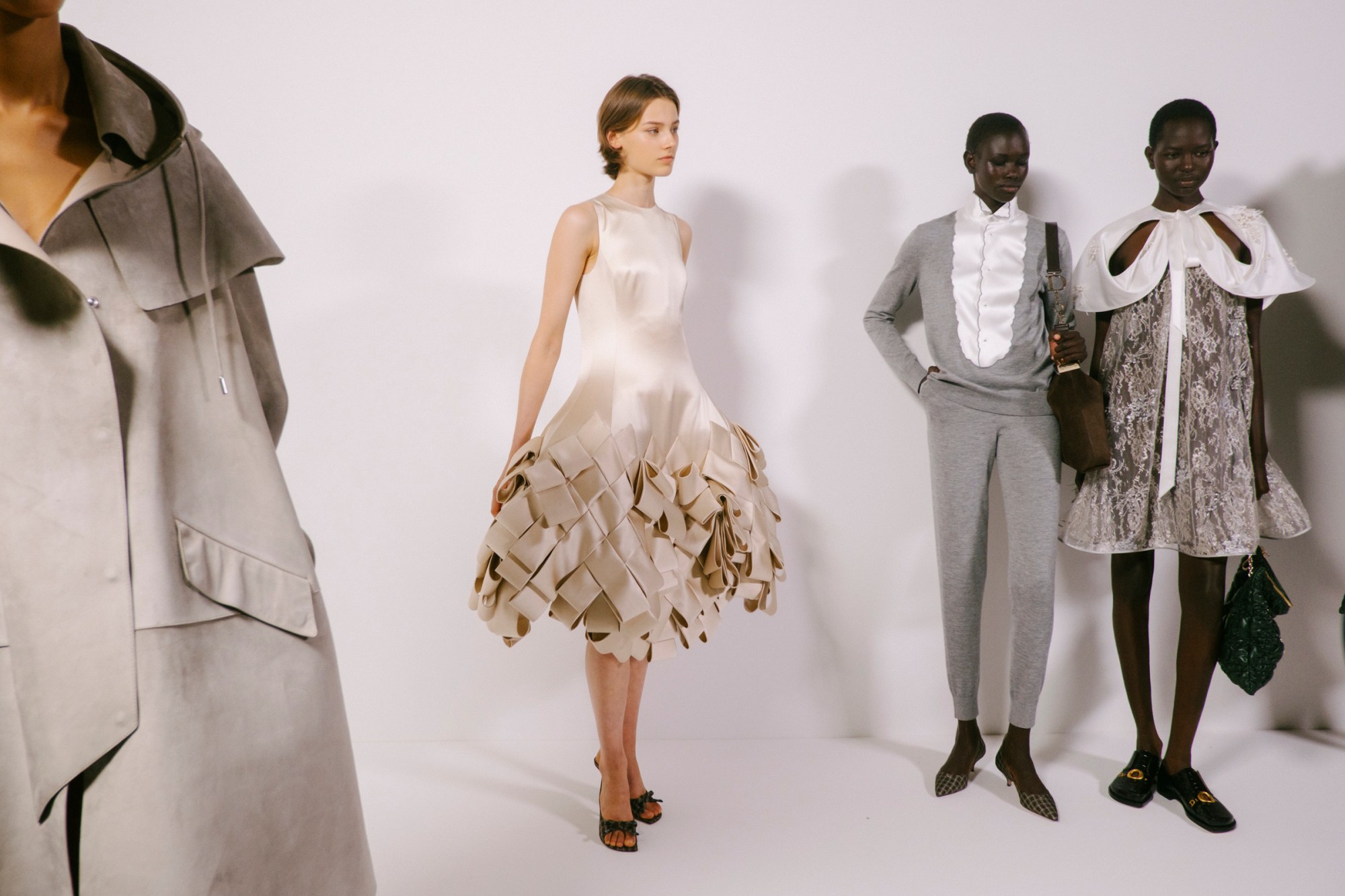
Enter Jonathan Anderson. His first Dior womenswear show began with a documentary by Adam Curtis that showcased the hits of Dior’s past—and then shoved them in a gray shoebox. Bye! While it was nice to honor the masters who helmed the Maison before Anderson, a sense of striding into the present feels much more exciting and urgent, especially in such a crucial season, where over a dozen designers will take the helm of historic labels. At Anderson’s show, only one direct reference to the Dior archive hit the catwalk: a lace collar designed by Yves Saint Laurent that hikes up over the cheekbones and falls down the back.
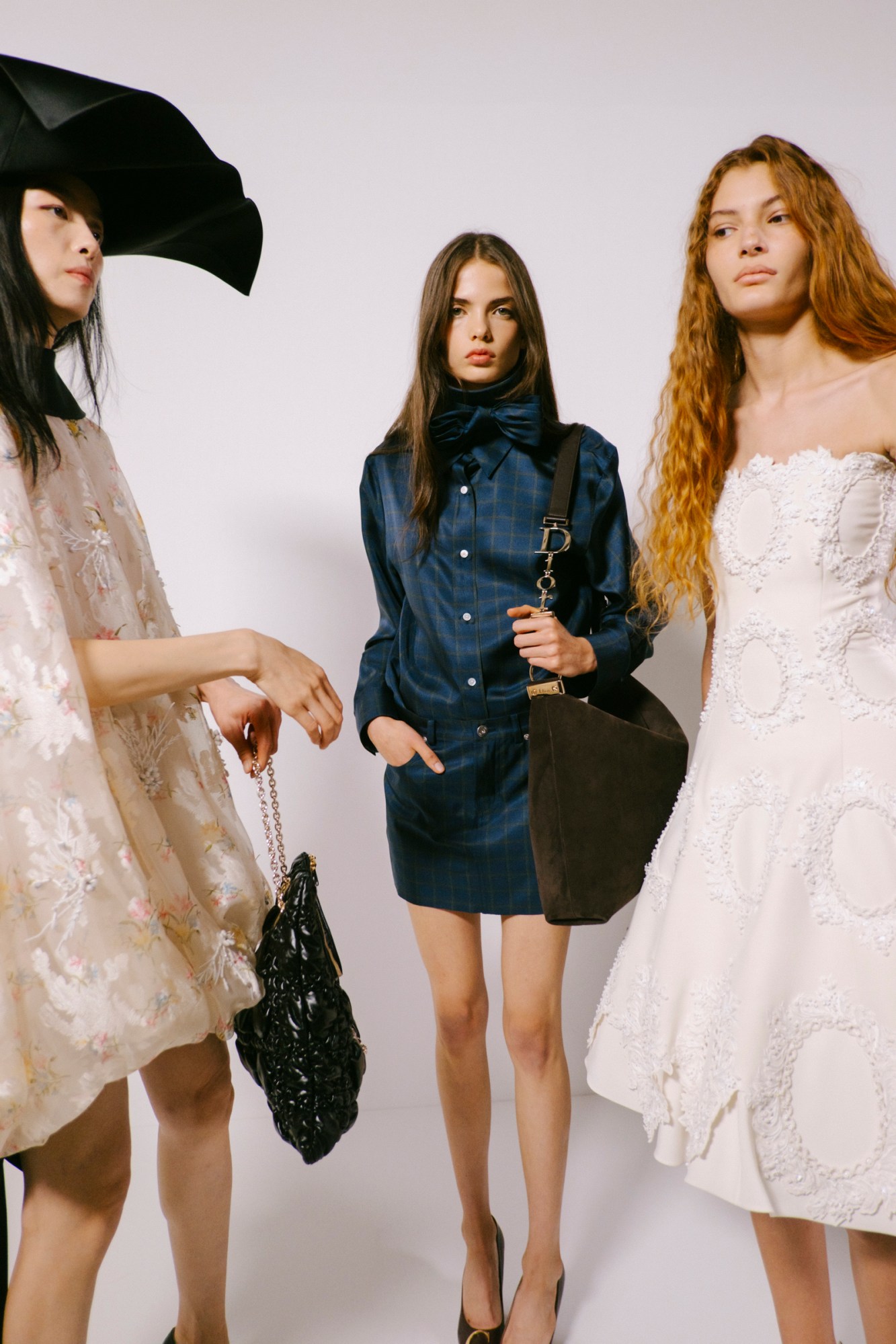
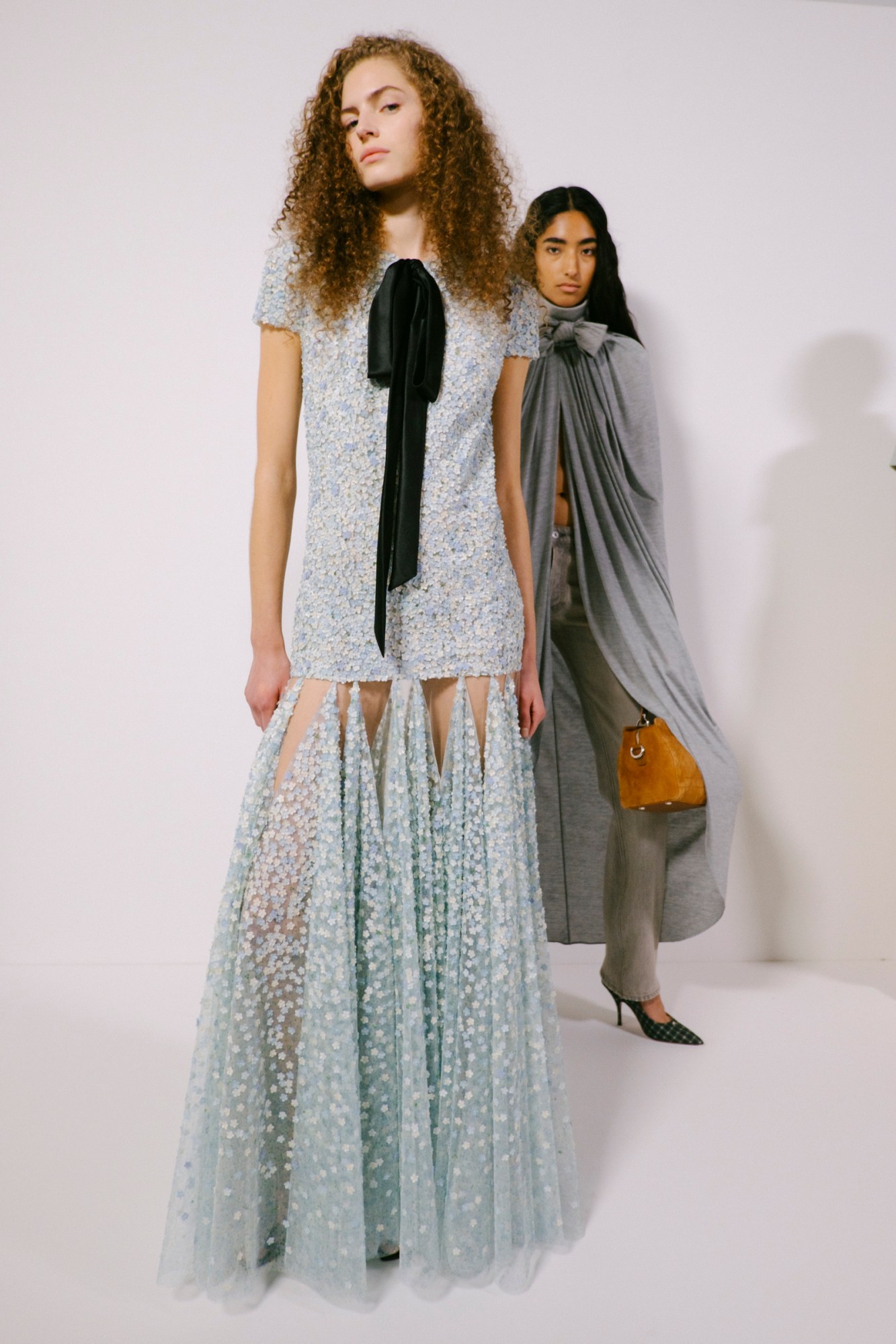
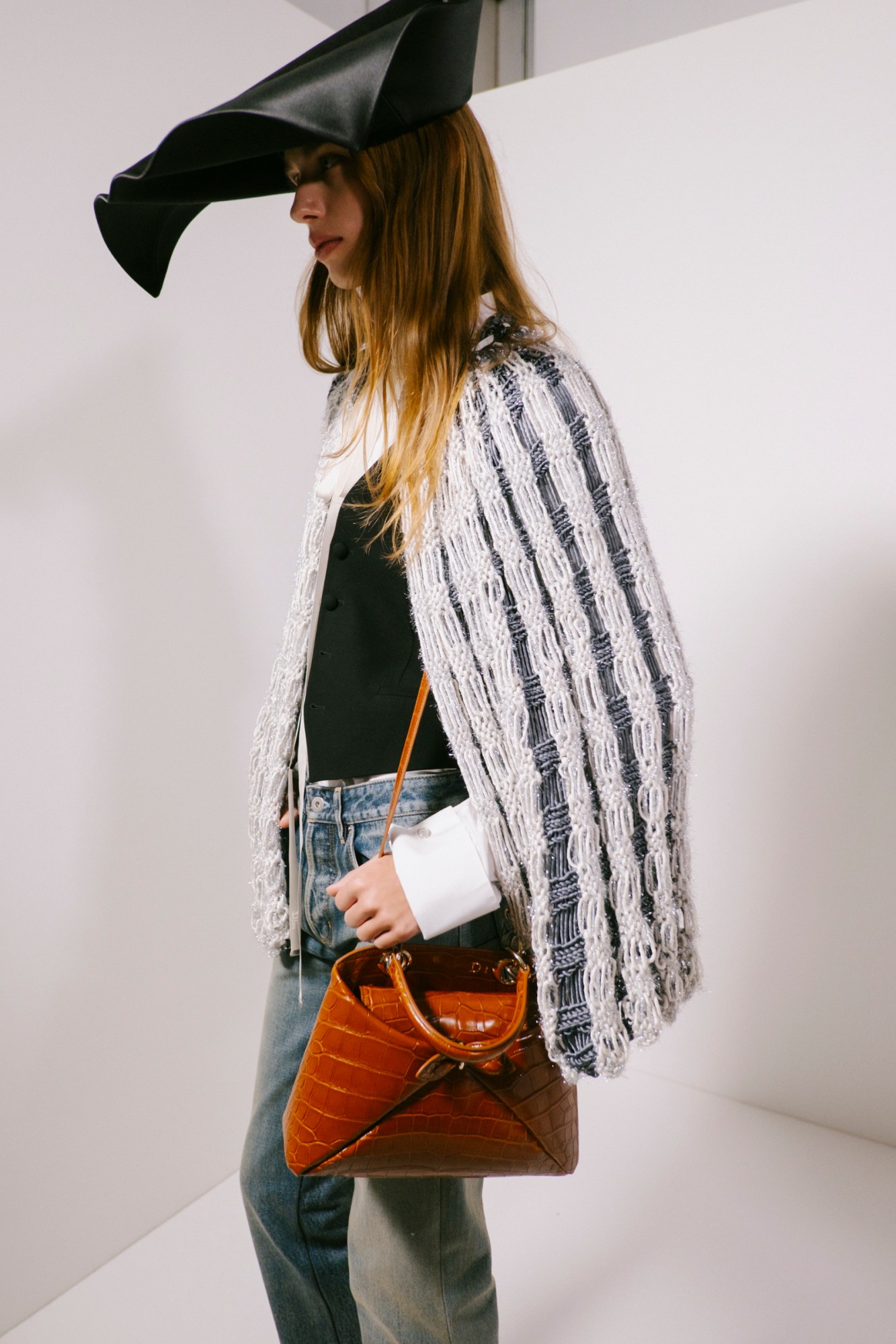
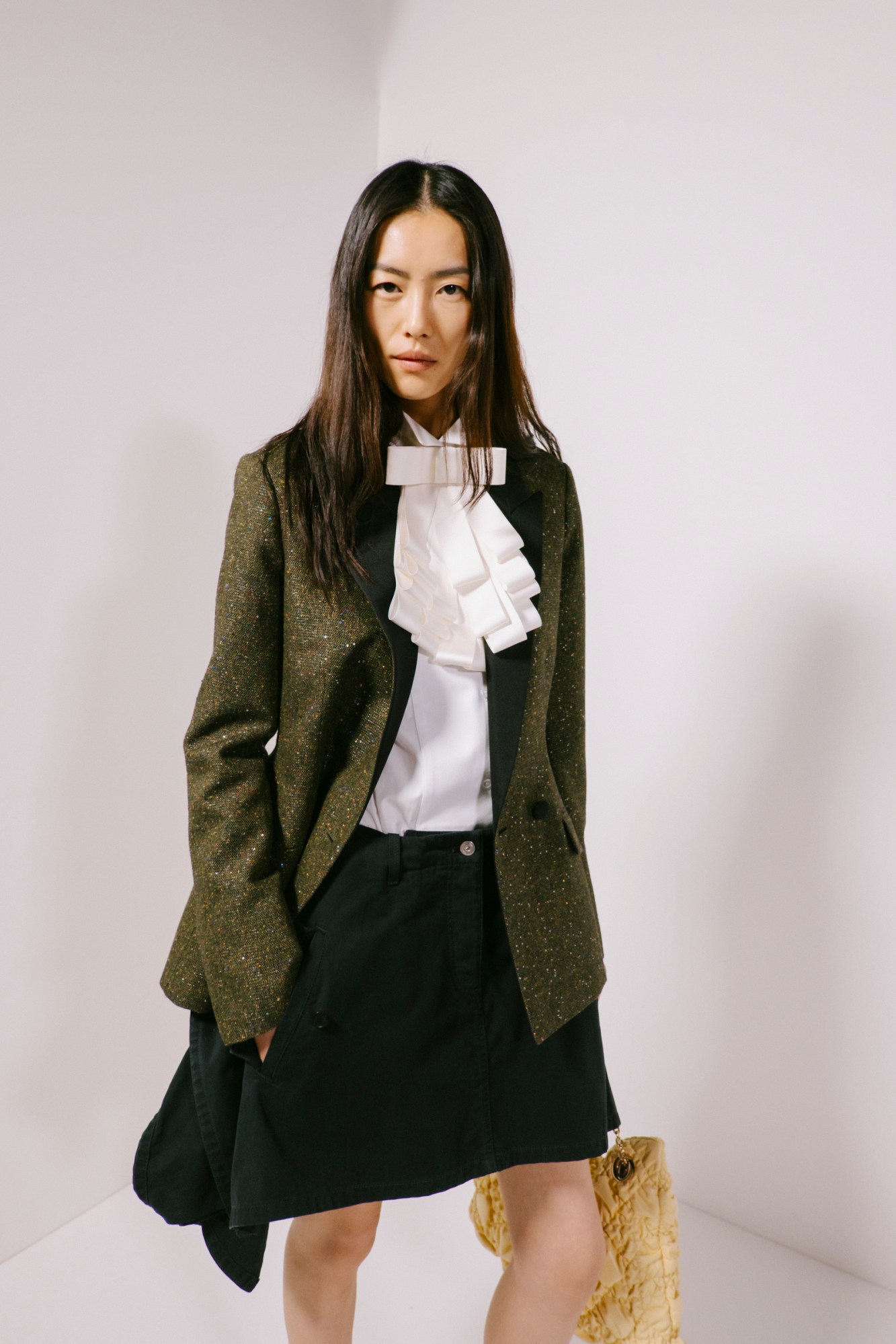
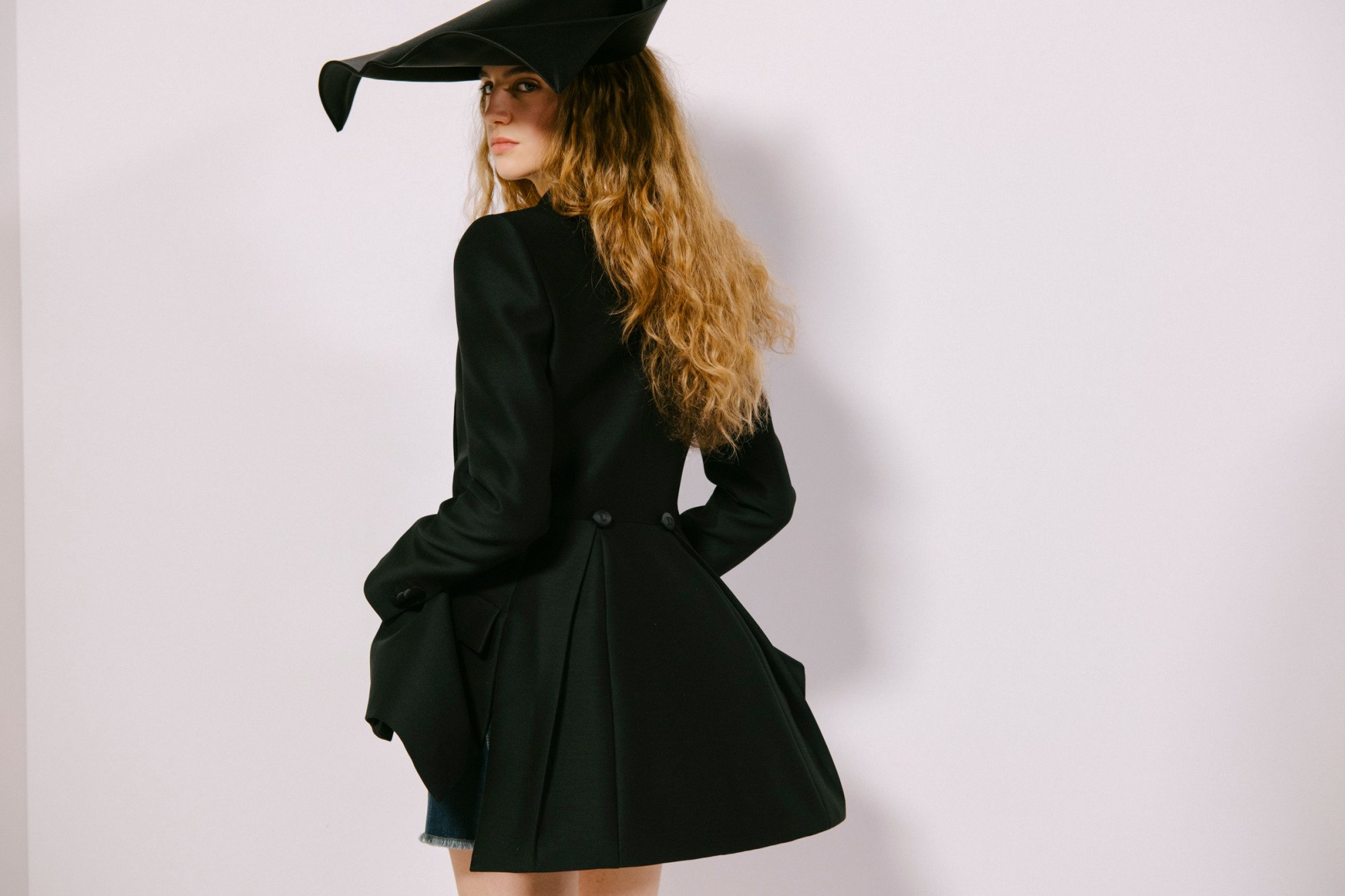
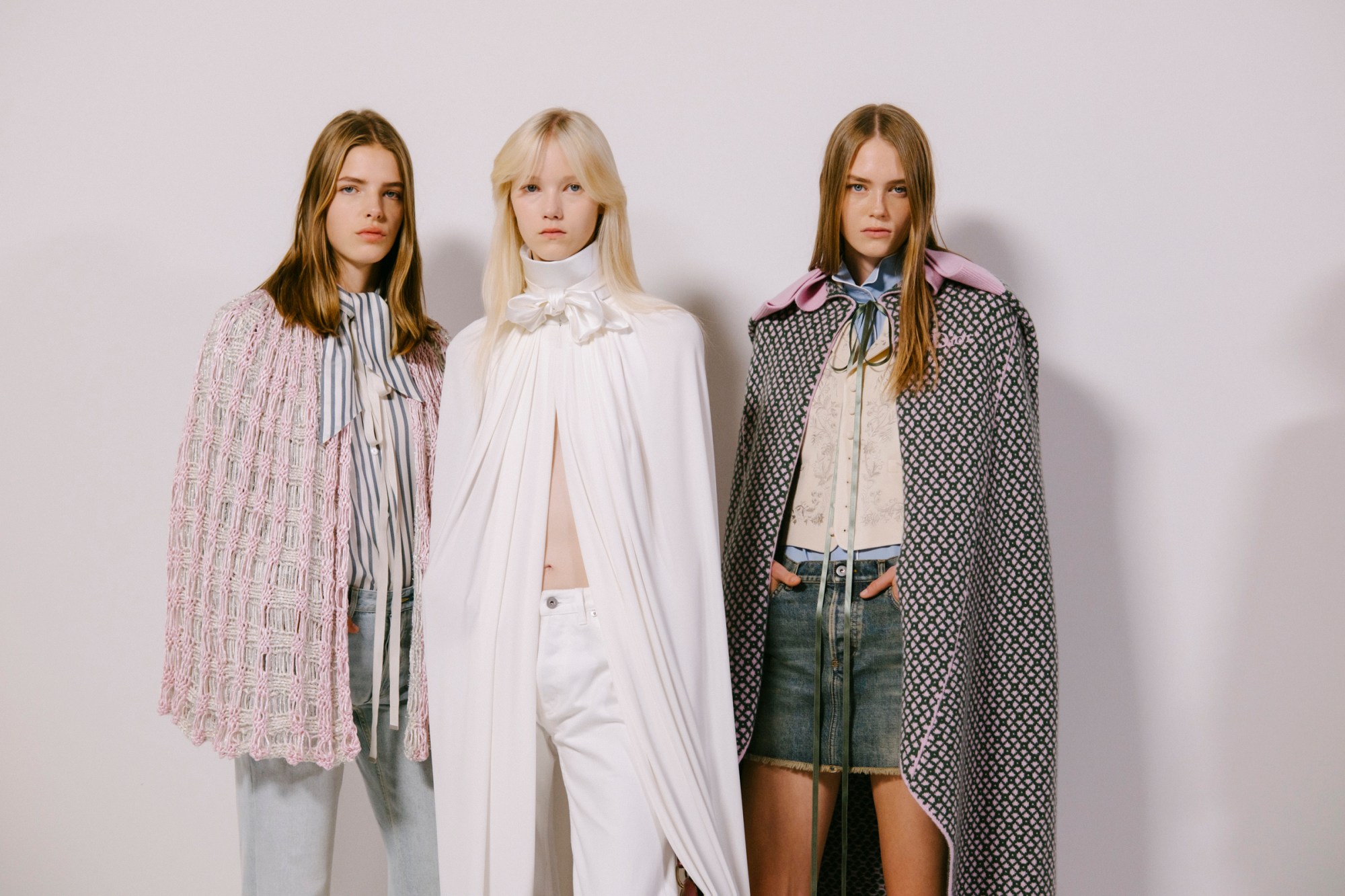
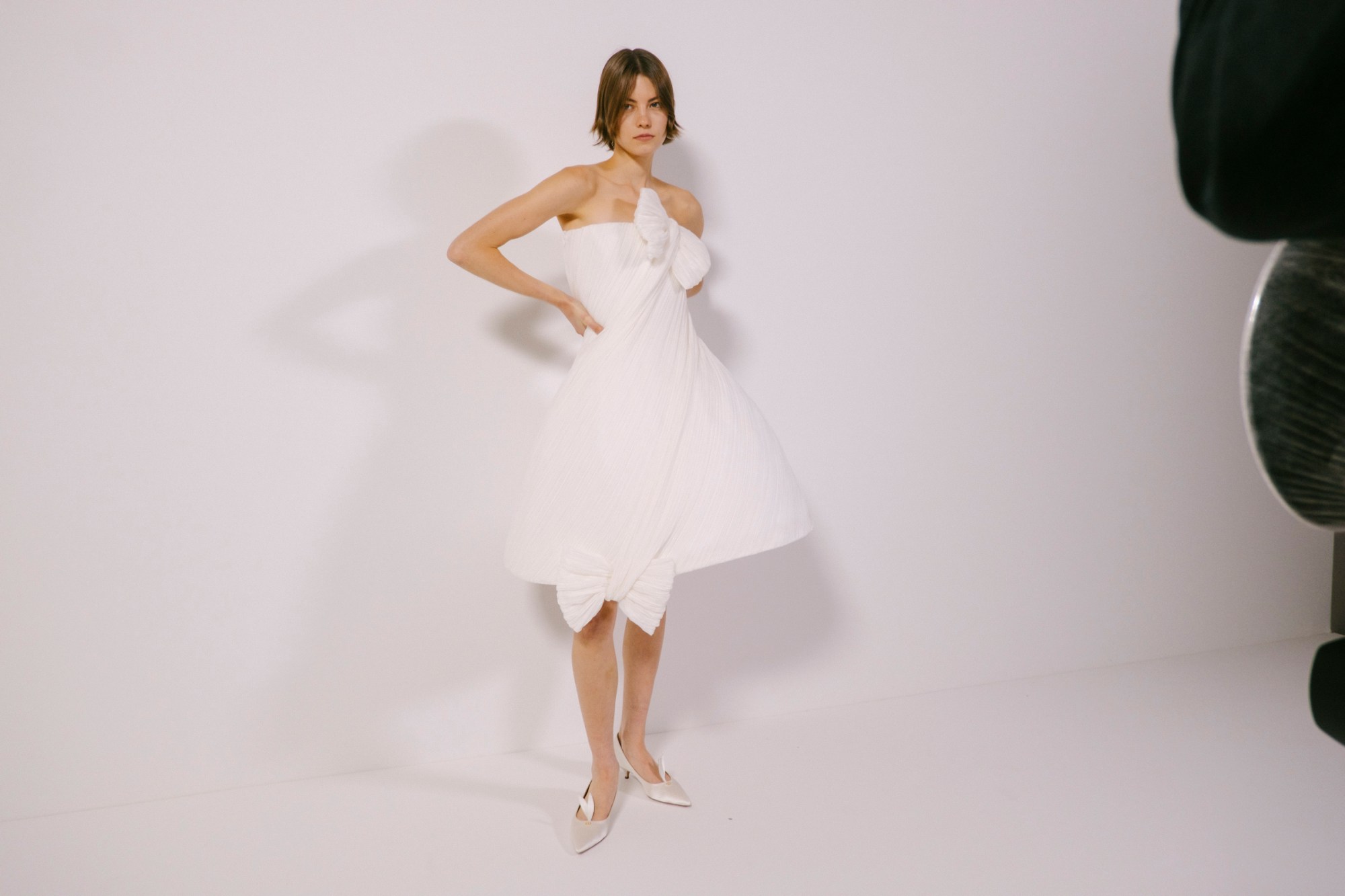
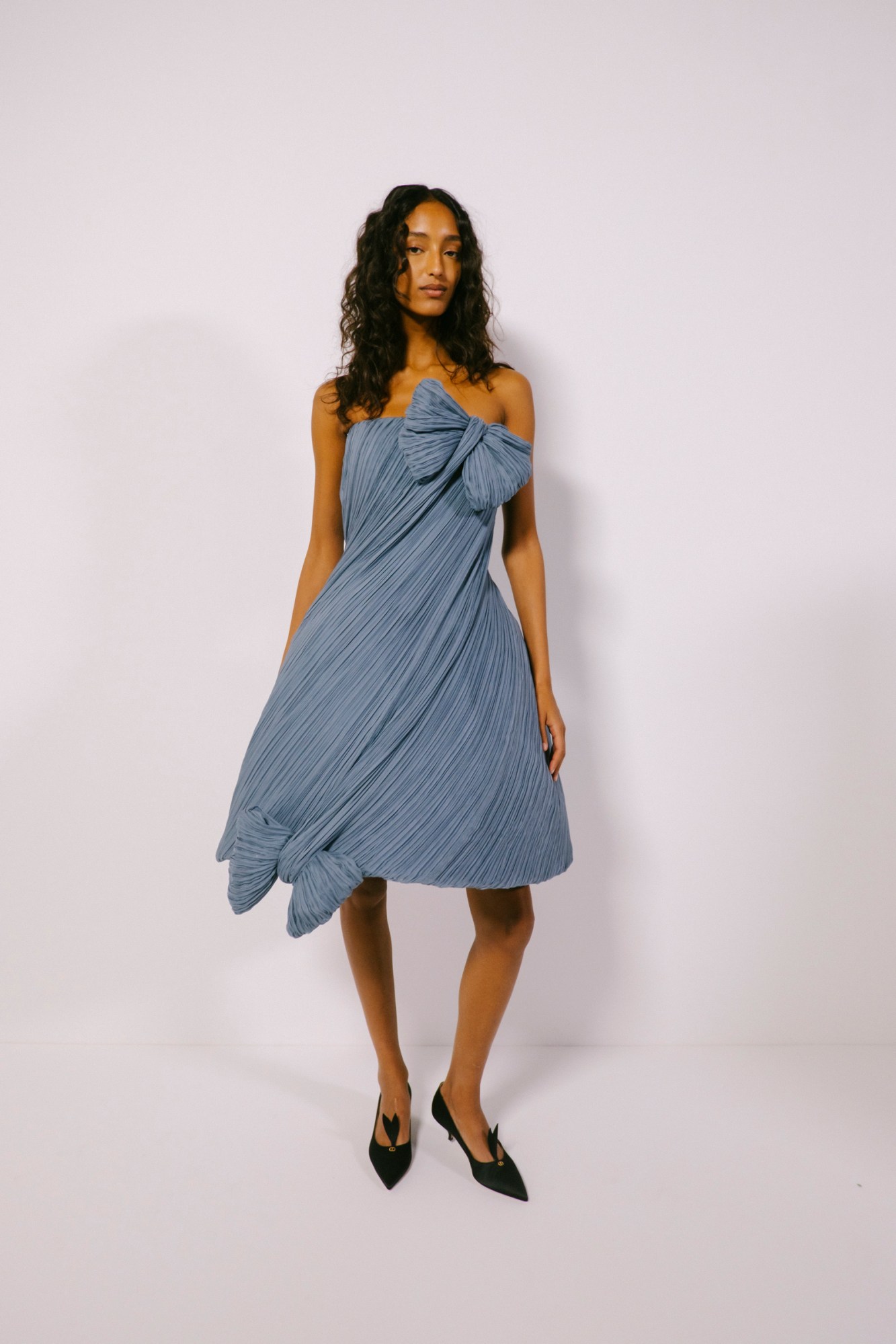
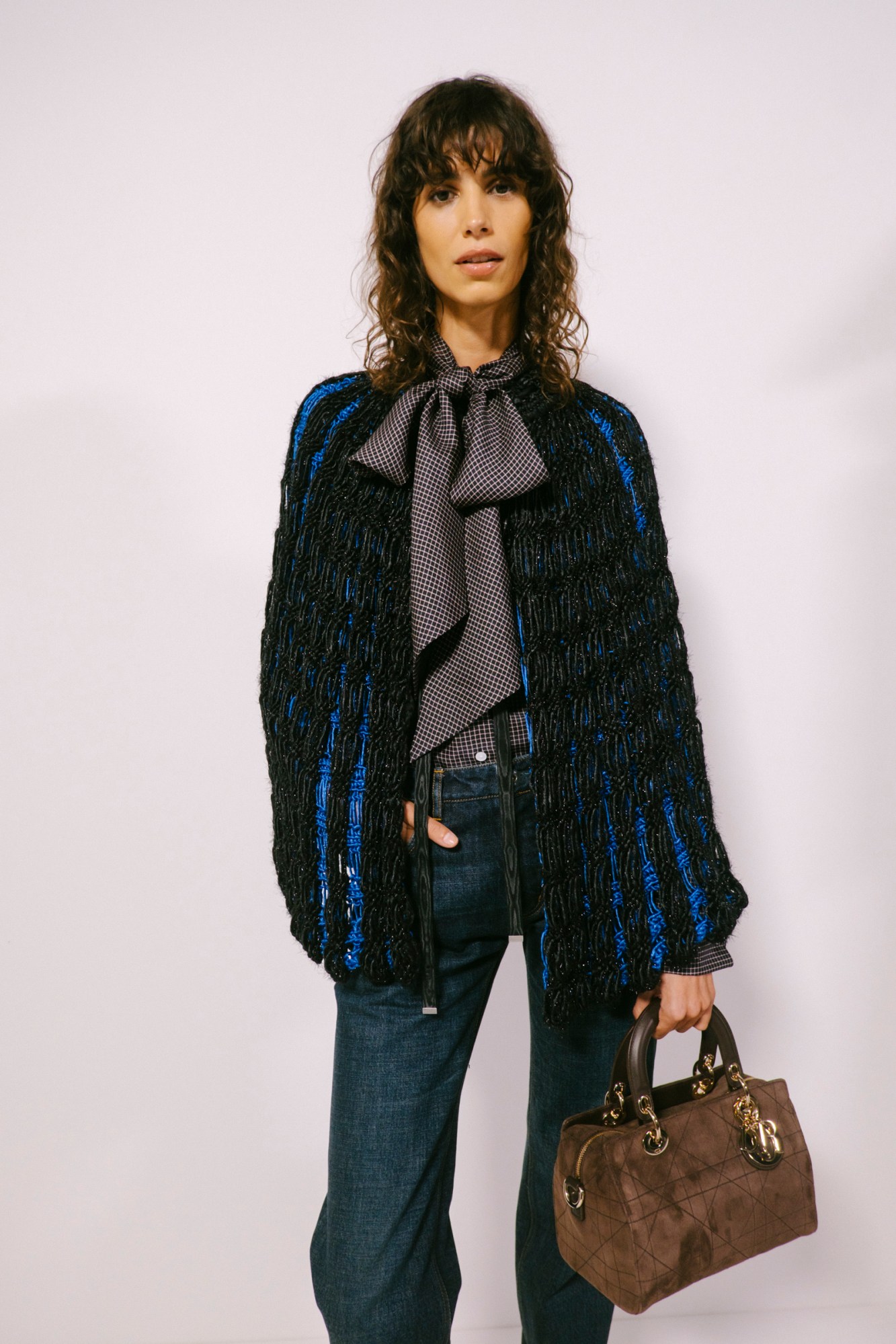
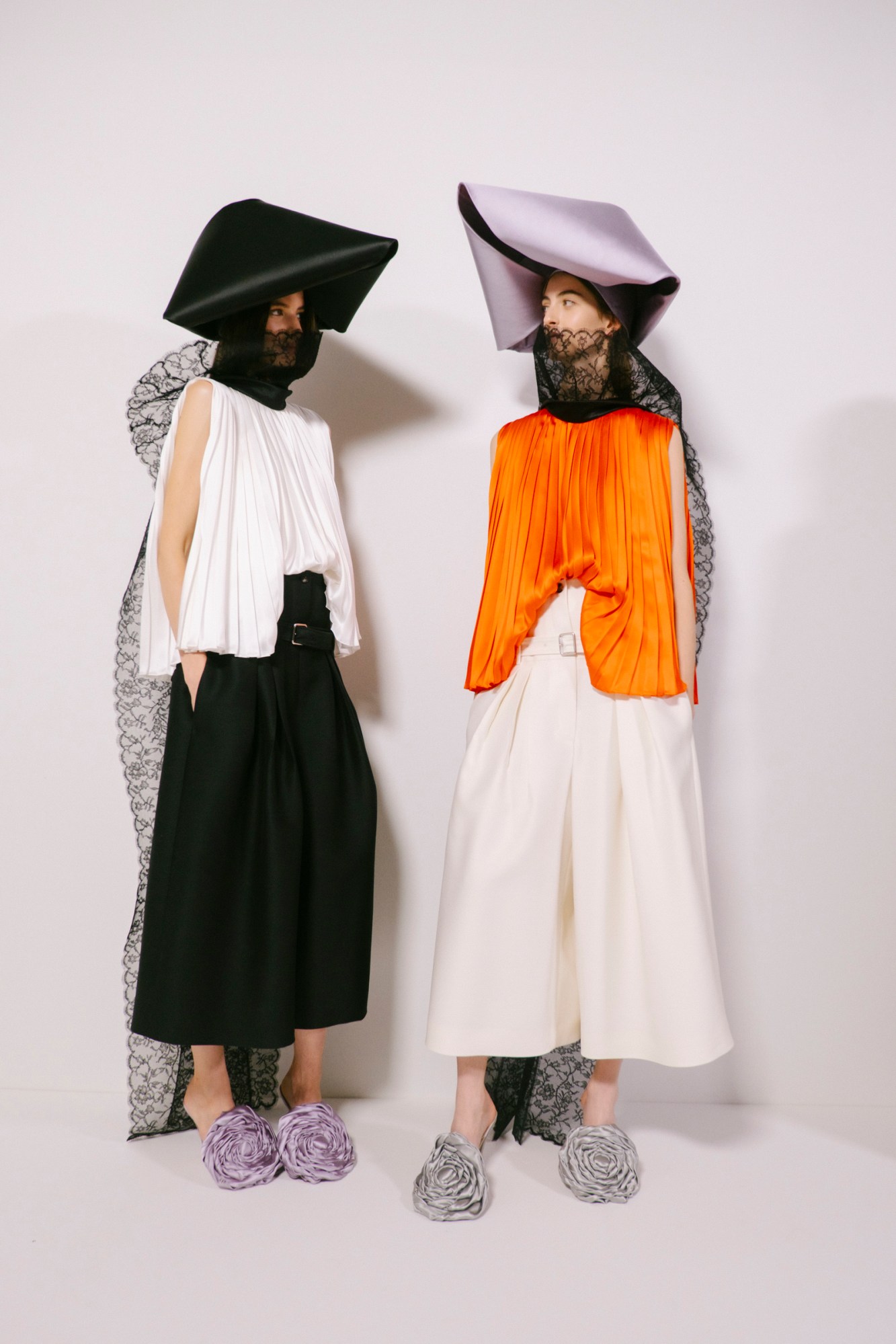
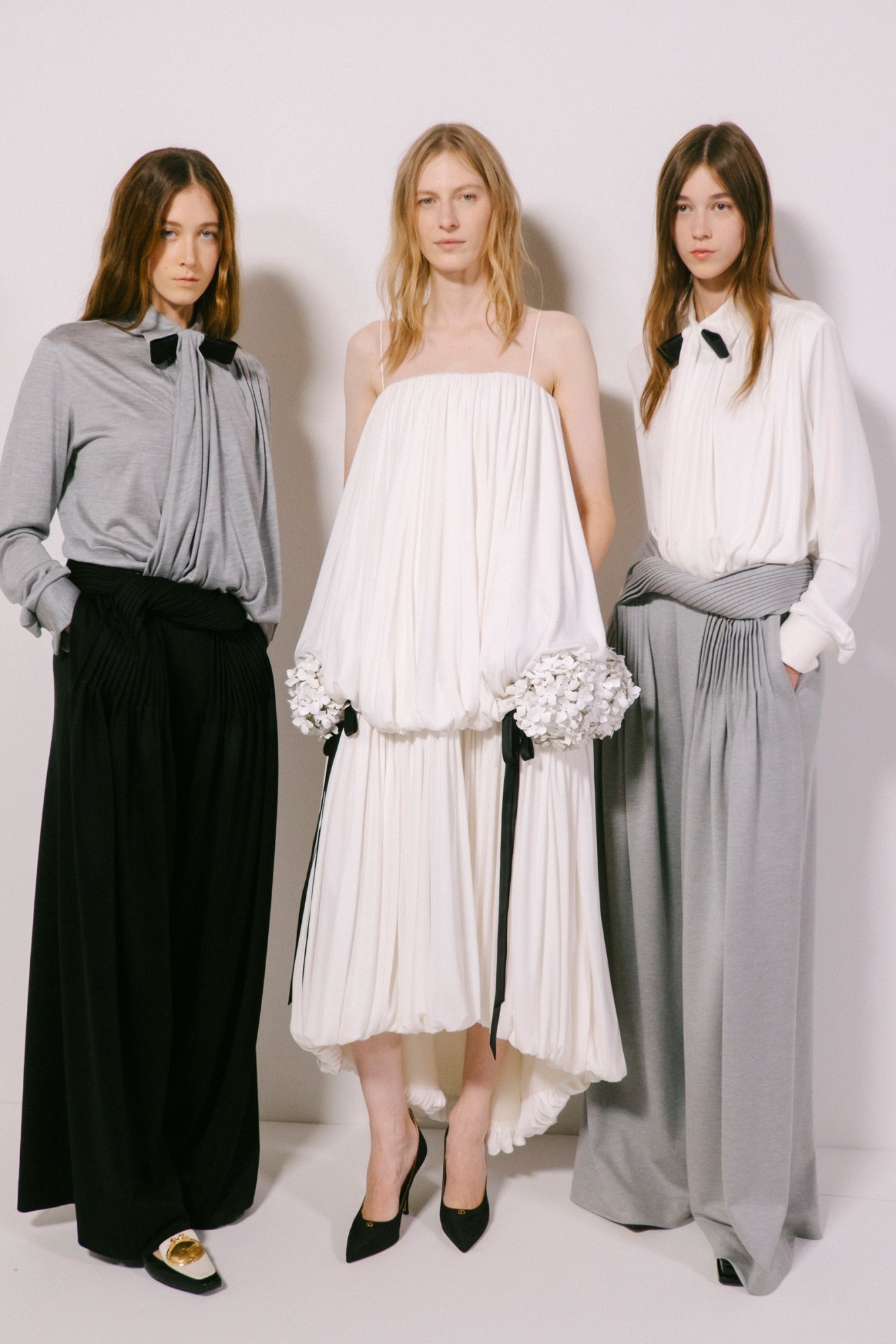
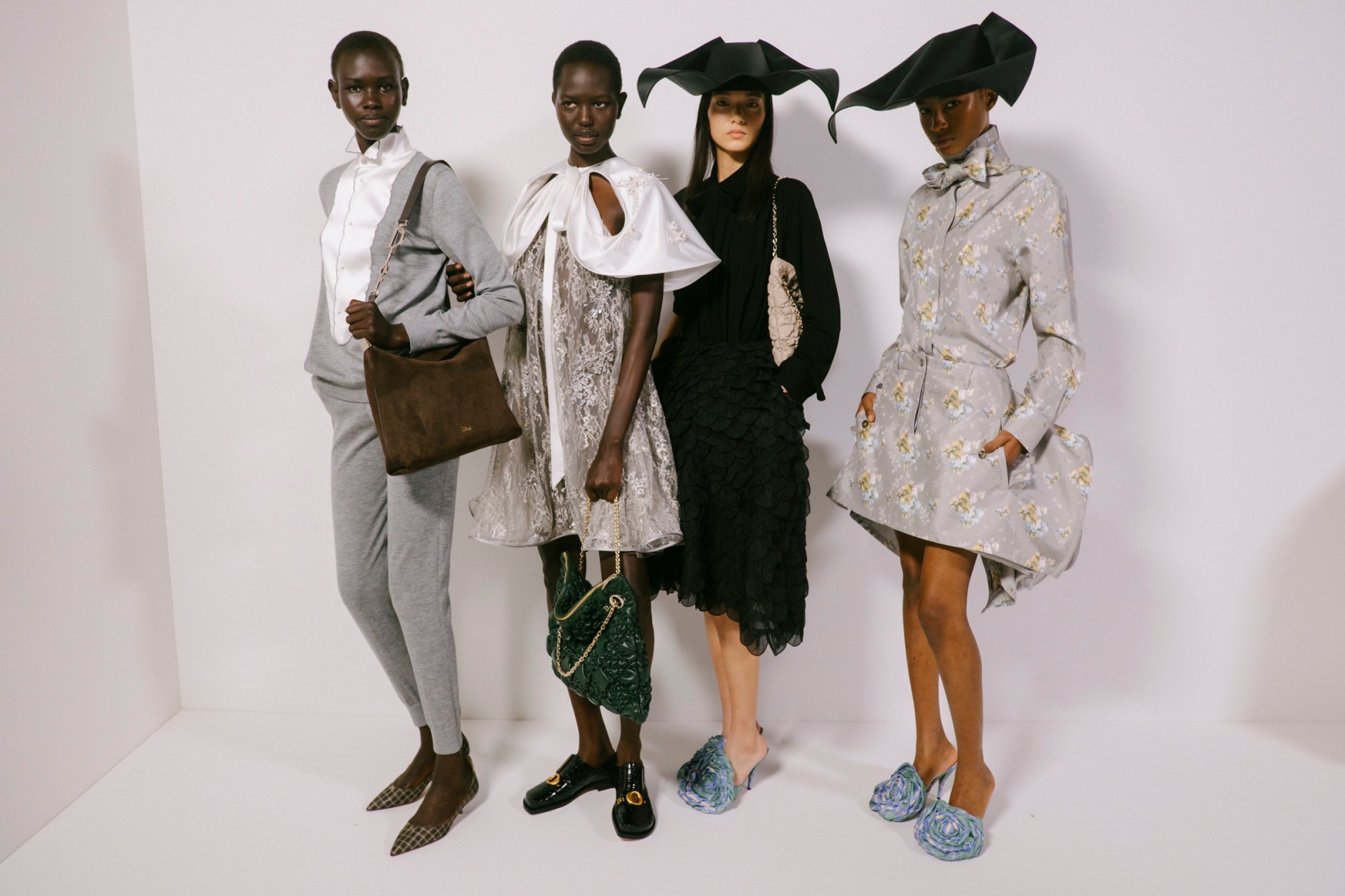
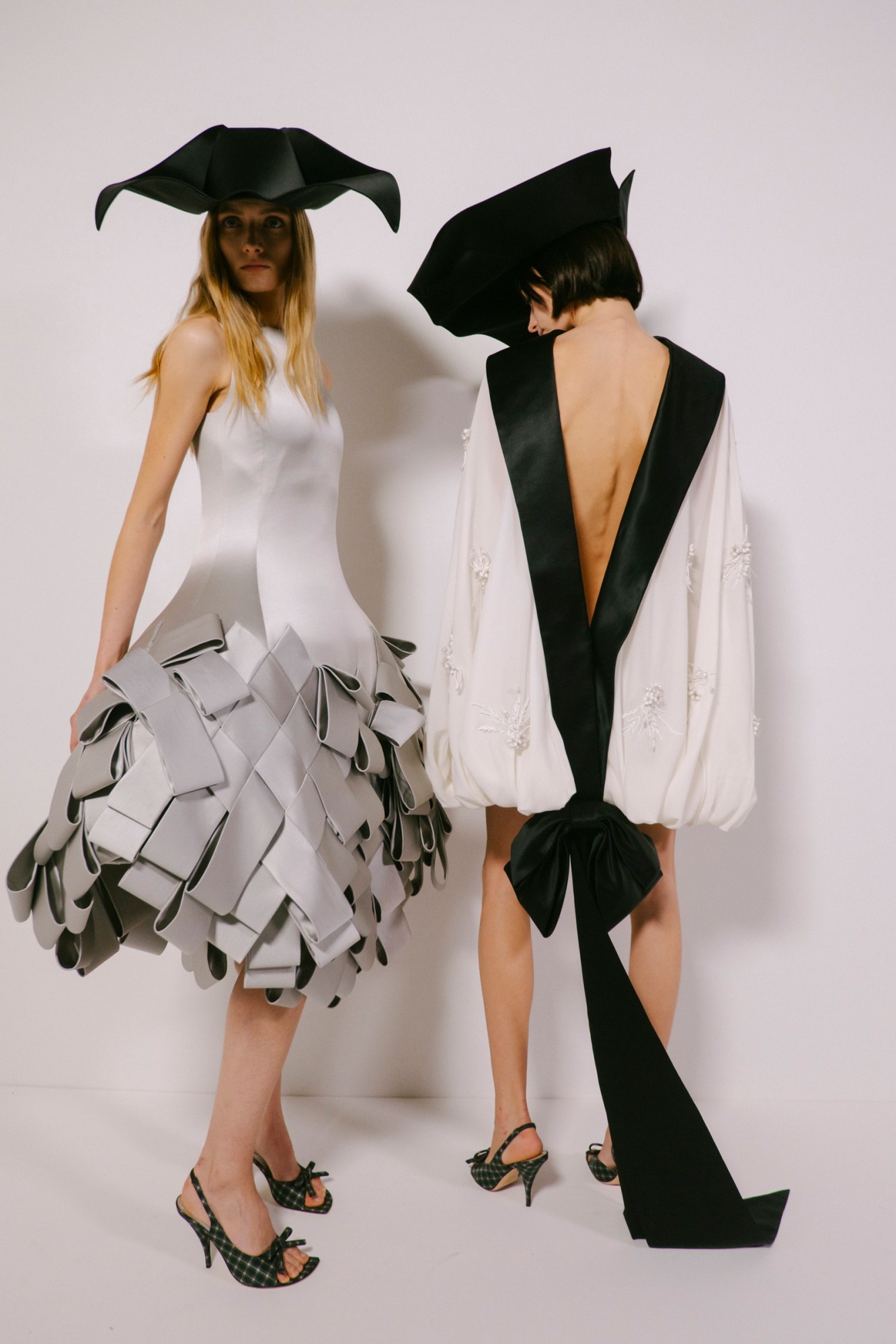
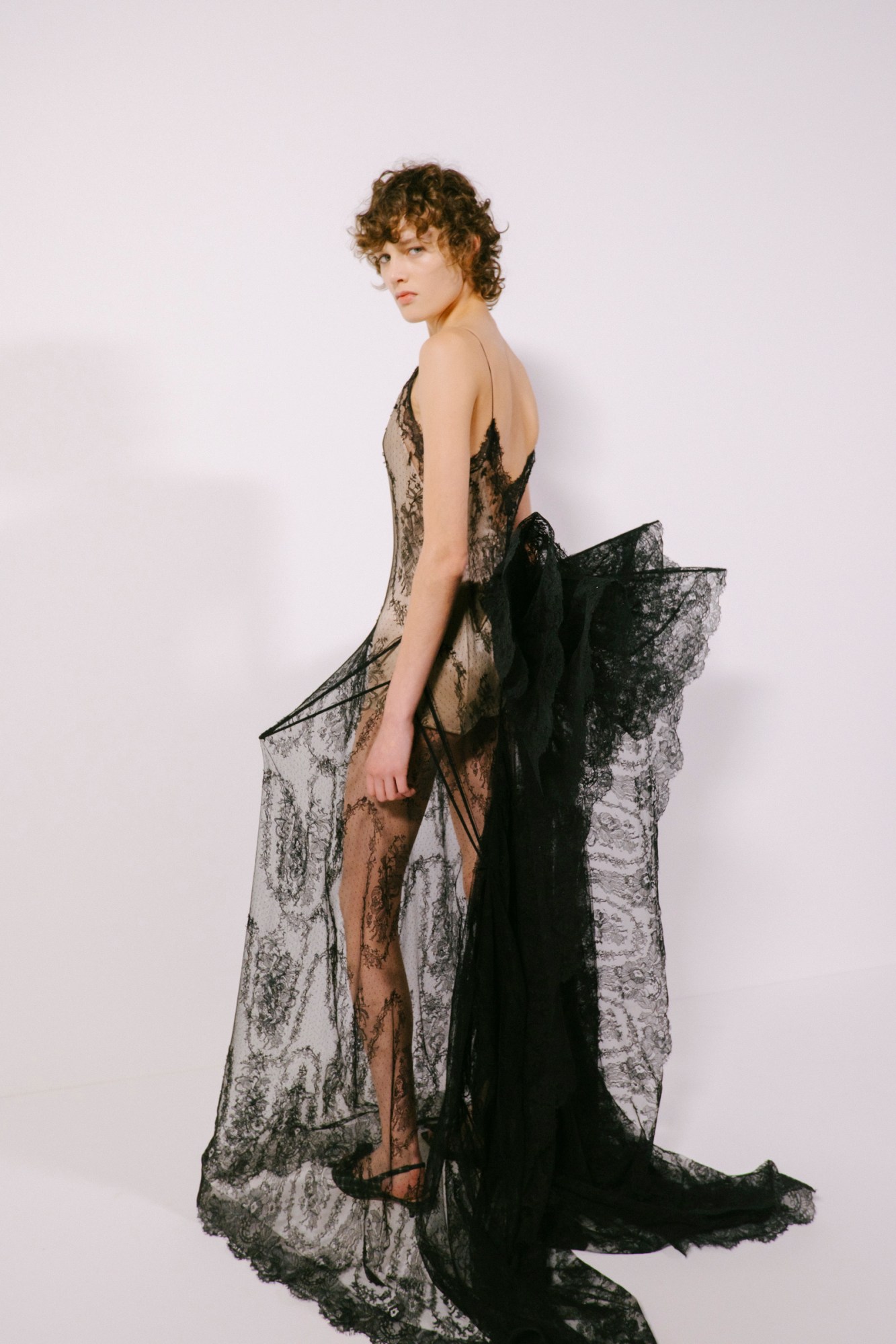
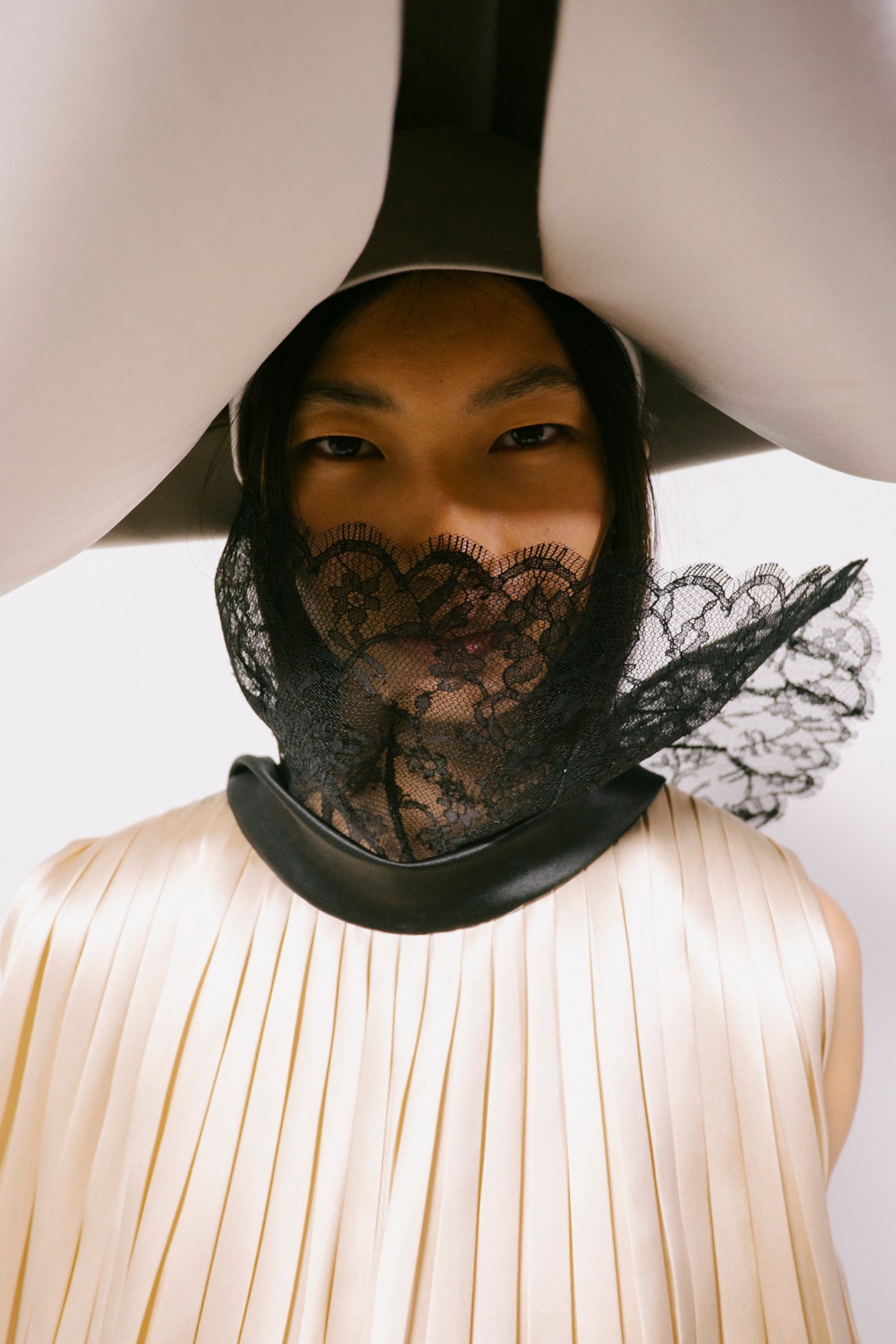
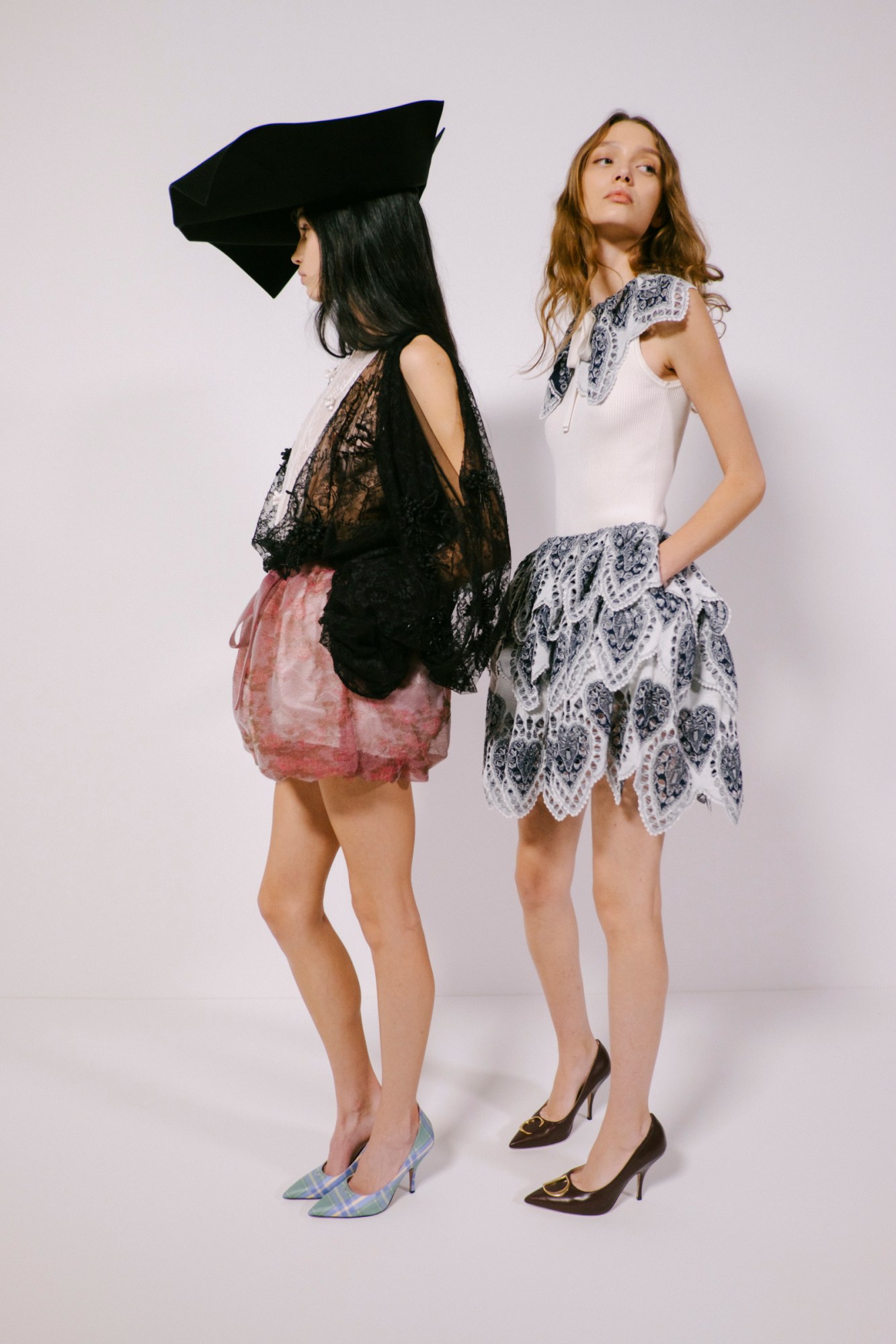
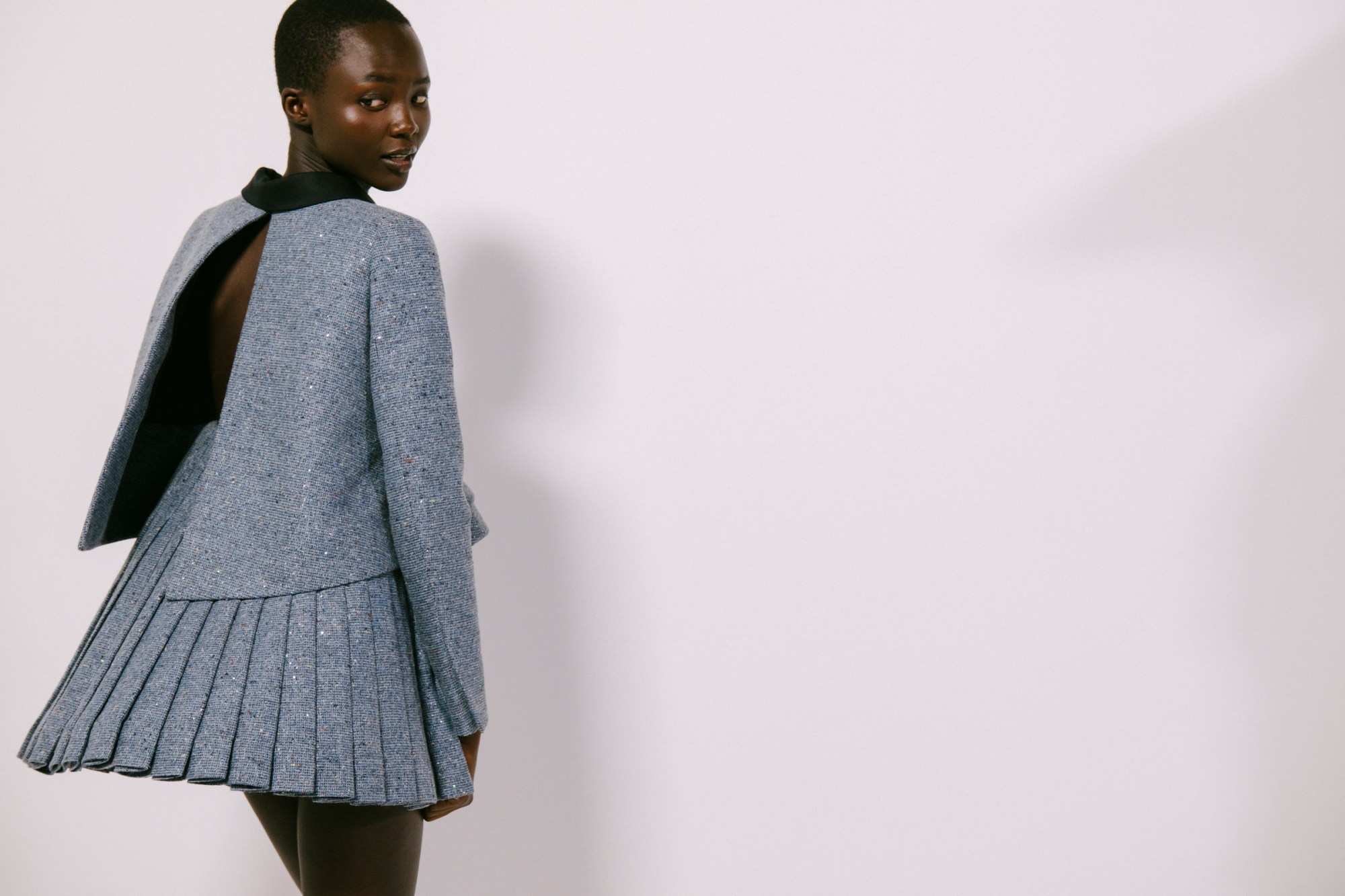
There were other nods to the brand’s traditions, but rather than design campy send-ups, Anderson sought to make historically Dior ideas more eccentric and contemporary. The most provocative were the Bar suits, the entire set micro-sized so that the blazer and skirt were the length of the original jacket alone. Sloped backs with a slashed center gave the effect of aggressive forward motion. They’re the kind of itsy, kinky things that would dazzle on the back of a sexy It Girl—and Anderson has many in his arsenal, from Taylor Russell to Greta Lee to Anya Taylor Joy, who all sat front row. Personally, I’d like to see it on Justin Vivian Bond, also in the FROW, who has the charisma (and legs) to really make such a freaky mini silhouette shine.
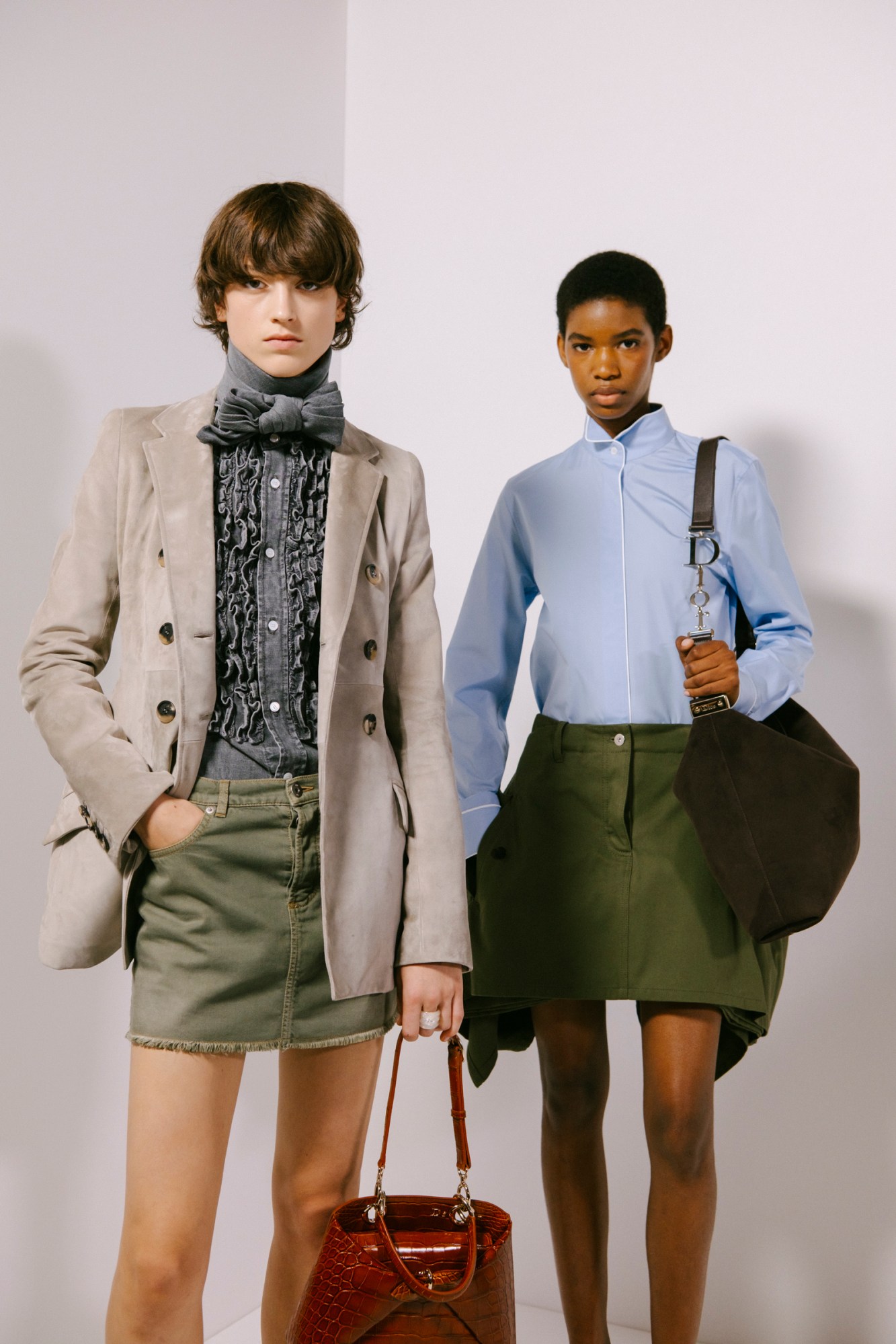
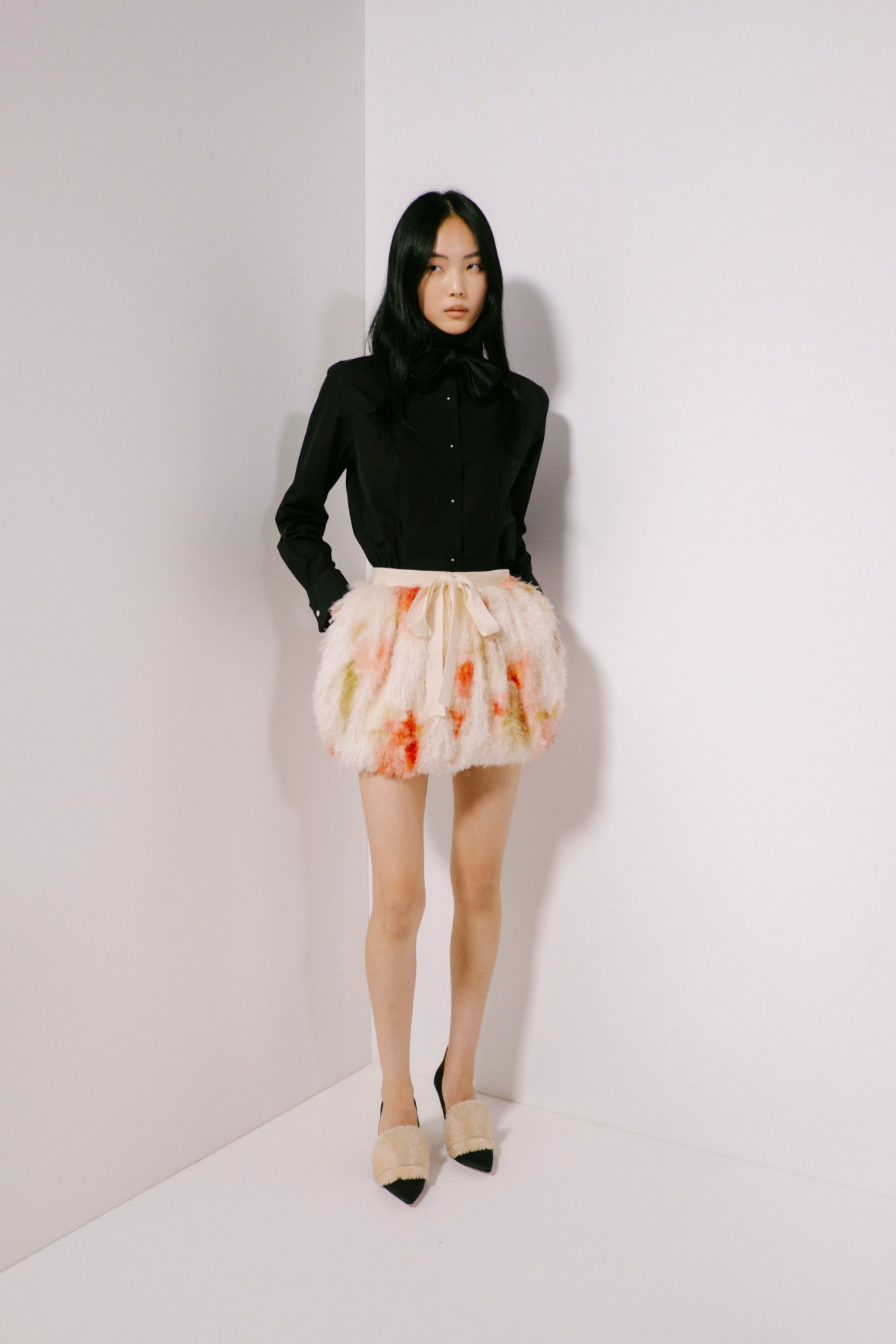
The shortness continued in brushed knit bubble skirts and foxy denim miniskirts. The denim looks—some with versions of the Delft shorts from the menswear show chopped into skirt pleats, others just strict and straight—felt the most in concert with the prepster, hipster spirit of Anderson’s men’s debut in June. These are the head girls, bags in the crook of their arms, stilettos across the cobblestones of some dicey bar, who you dream of being—slinky, catty, free. I thought these teenage spunky looks felt the most compelling for the daughters of the Dior clients who might have loved those previous iterations of the brand. As they clomped by on the catwalk, my brain autocorrected them to Apple Martin or Romy Mars.
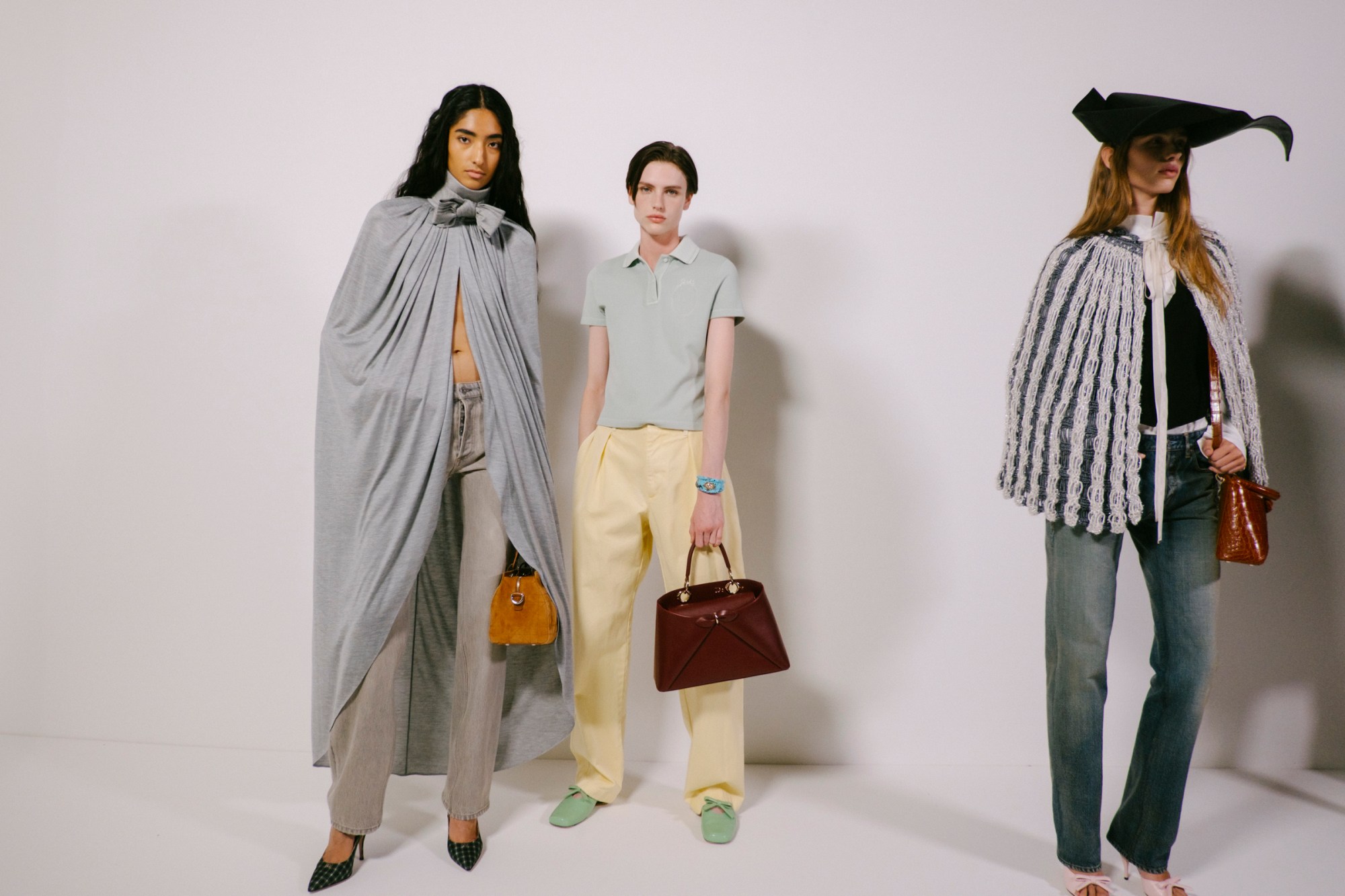
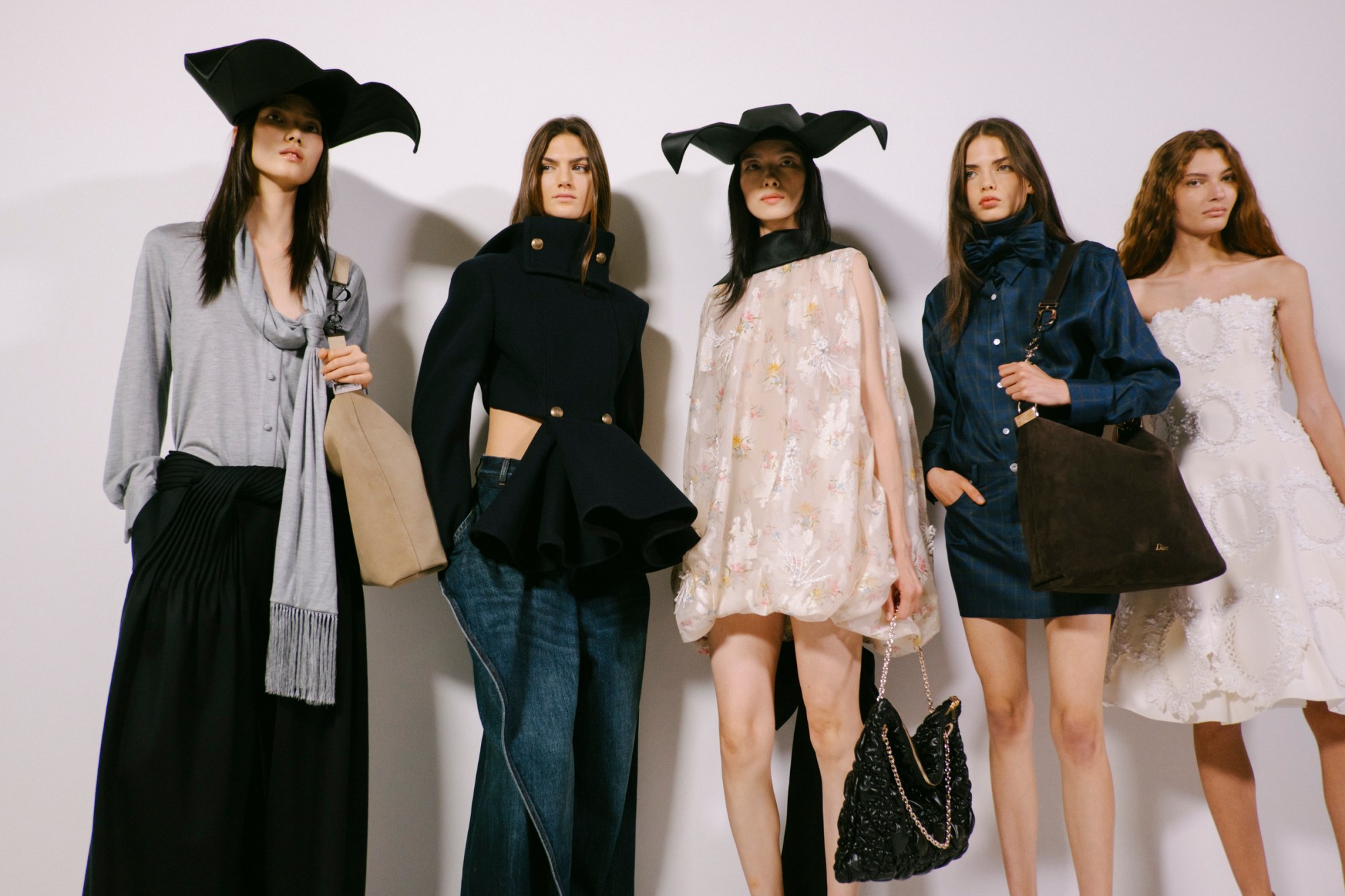
More of Dior’s clients will adore Anderson’s soft bow-peplum jackets, his twisted-waistband jersey trousers, and cotton shirting with silk scarves built in. In the loucheness category—so dominated by “quiet luxury” and “luxury basics”—Anderson had a knit jogger suit with a cotton scalloped placket, like a pajama tuxedo. A crinoline dress in greige made from the same jersey twisted and bowed. Baggy jeans worn with a classic, so-French navy blazer with gold buttons—except the blazer has been hacked up, reversed, and built into new dimensions. Even the twee peacoat had a big X-pleat at the front to mimic the gesture of holding it shut with a hand.
The morning of the show, an energized Anderson held a small preview for journalists where he stressed that his Dior would be about that tension between easiness and structure. That’s, in many ways, the key struggle of contemporary clothing design: Everyone wants the comfort of athleisure with the evocation of nouveau riche luxury. “I think there’s a tension happening that needs to happen in the brand to kind of take it somewhere,” he said, gesturing at his looks board. “I’m trying… to work out how we encourage a meeting of two points ultimately?”
Rather than pander to an audience of ladies or of clean girls aesthetic acolytes, Anderson challenges his own audience—and he challenges convention. It’s why his show has been so divisive and forced such dramatic reactions. It doesn’t look like anything we’ve seen before.
What could be more Dior than that? When Monsieur Dior debuted his New Look in 1947 it was just that: new. Forged in the fires of a World War, Dior’s New Look was a response to tragedy through glamour, beauty, and elegance. On the catwalk, Anderson’s 2025 New Looks offer insouciance, eccentricity, and sprightliness as alternatives to the burdens of a woman’s life. Rather than hide in a cocoon leather jacket or house clothes, the new Dior woman is stomping, legs out, head and tricorn hat held high, into the uncertainty.
That uncompromising charge forward is what makes Anderson his generation’s most exciting designer. And what makes him Dior’s most exciting leader.