When I first met Dove Bardin I thought she was an Angel.
No, literally.
We were in the cold hallways of Pier 59 studios this year on a shoot for Victoria’s Secret and I needed a gorgeous, gorgeous girl to come stand on my tiny social media set. After tiptoeing past Adriana Lima in the makeup chair, I found Dove by the catering, convinced she must be part of the VS girls new lineup, and tried to steal her for some social content. She told me politely she was not there to model, instead she was an AD, and I slunk away, all 5 foot whatever of me in search of a new tall girl for my little TikTok. After 10 hours we exchanged Instagrams and fled into the summer night.
Occasionally she’d pop up on my feed: One of those New York girls who can do anything. Dove is a musician. She once photographed the cover of New York magazine. She has great outfits. If you work in fashion or media or magazines long enough, you develop a sense for this type of creative person—a bit of everything, enigmatic, always the creative you need to make a story go from fine to riveting.
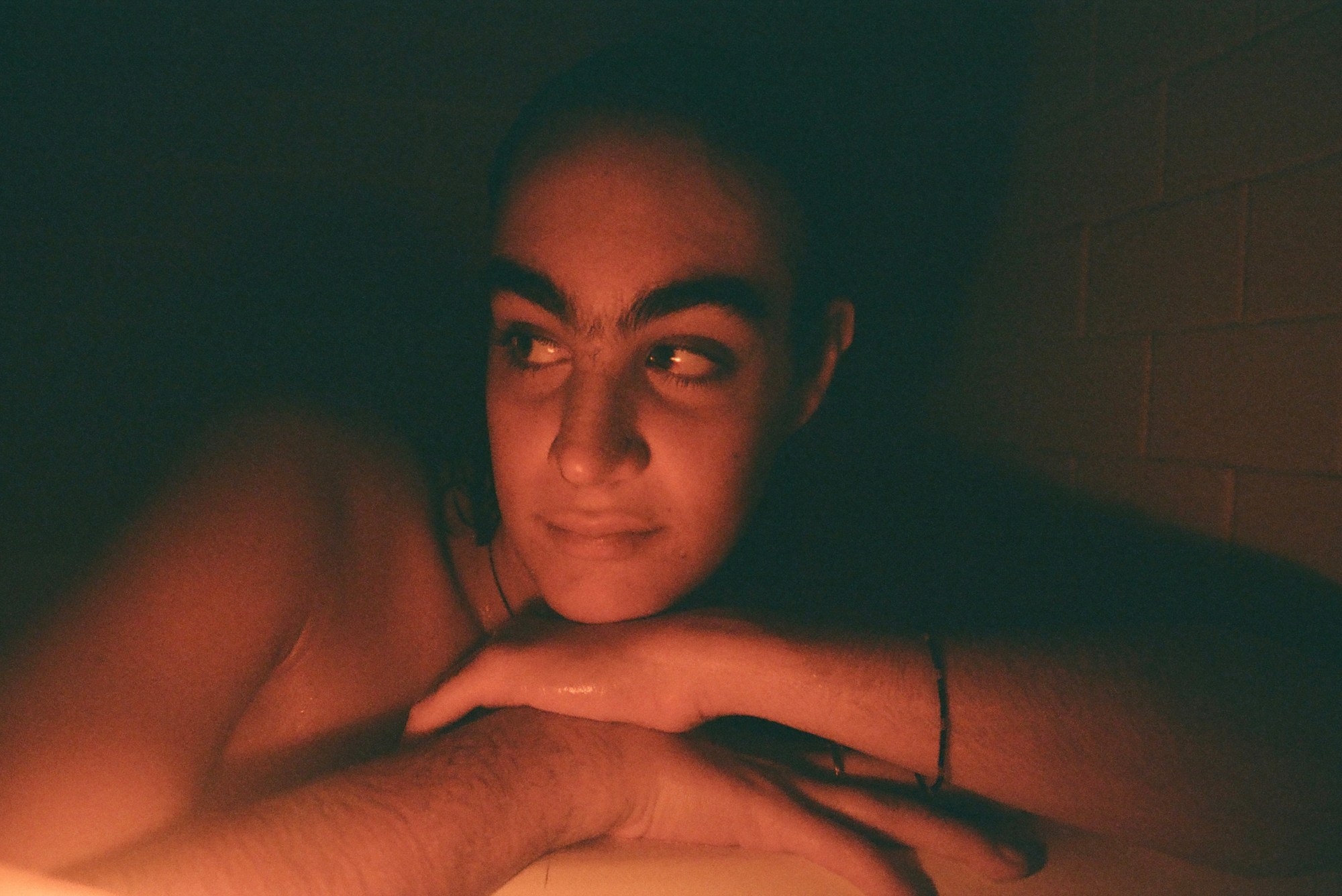
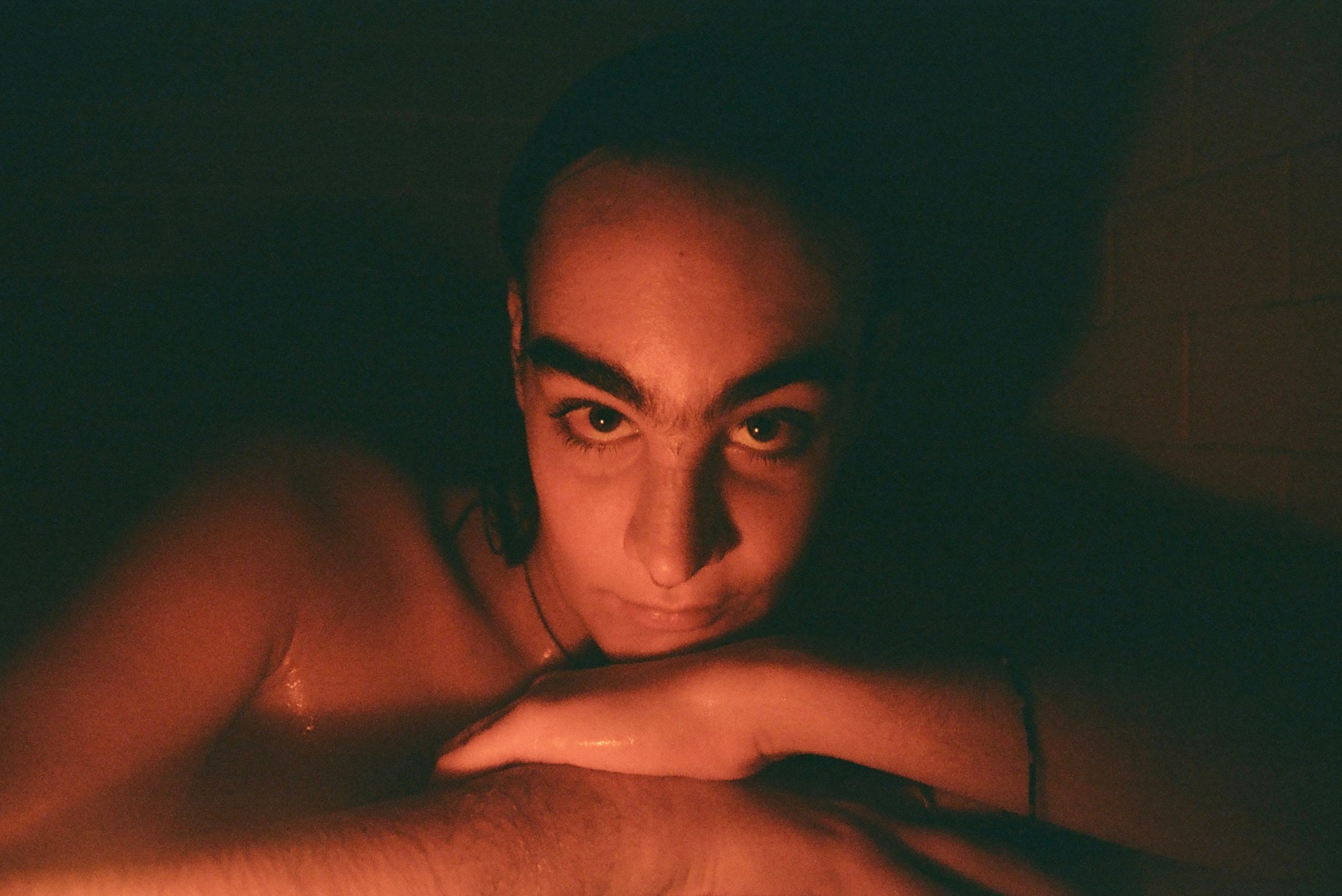
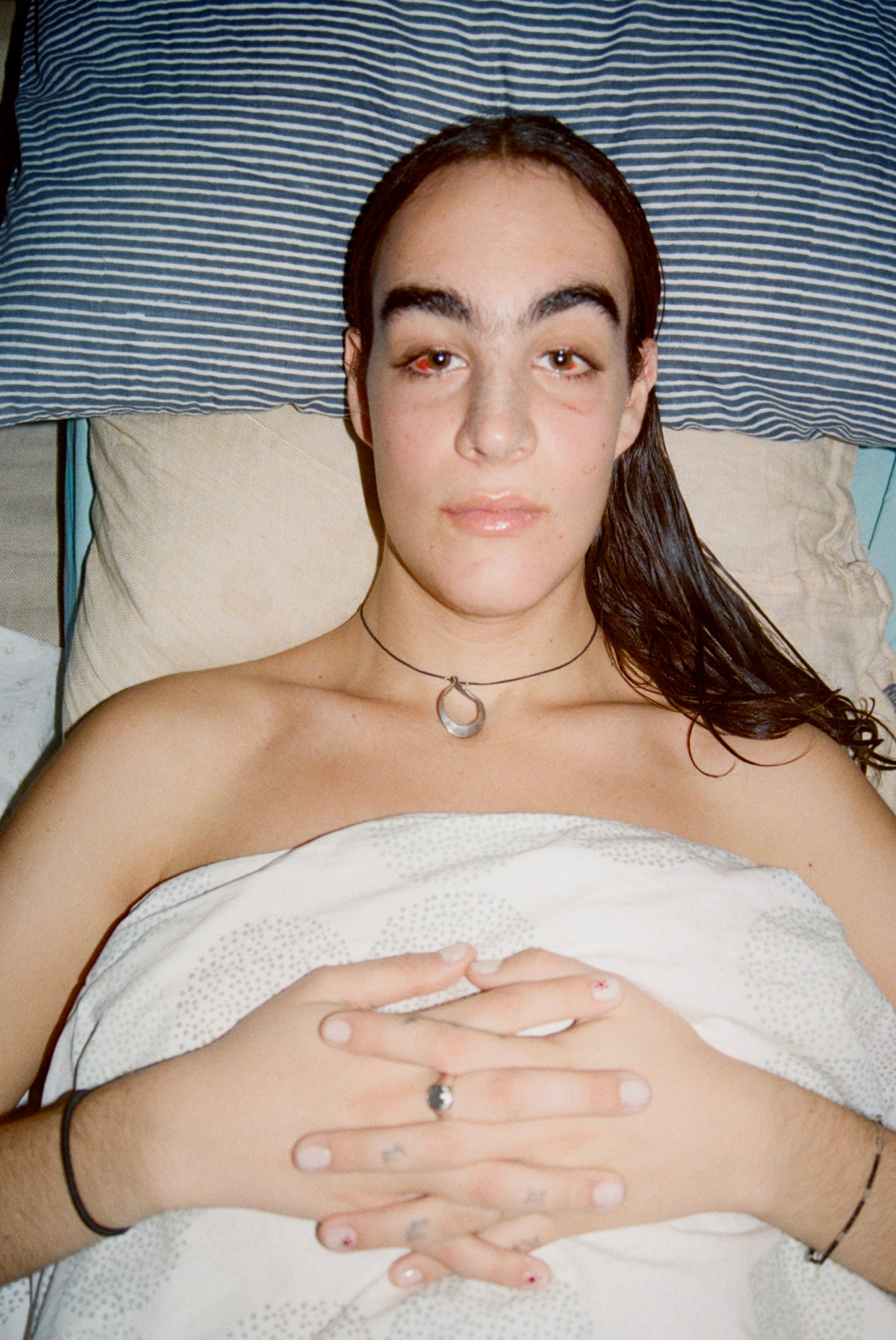
Recently I realized that Dove was, actually, in the middle of her own story. Over the course of her facial feminization surgery, she worked with four photographer friends to document the days around her procedure. The images were shown at CRUSH last week, accompanied by a poetic zine called Notes on Dawn.
Here, Dove discusses the genesis of the project, the highs and lows of putting oneself out there, and the joys of making it.


STEFF YOTKA: How did you decide to document the process of your surgery? Was there any hesitancy?
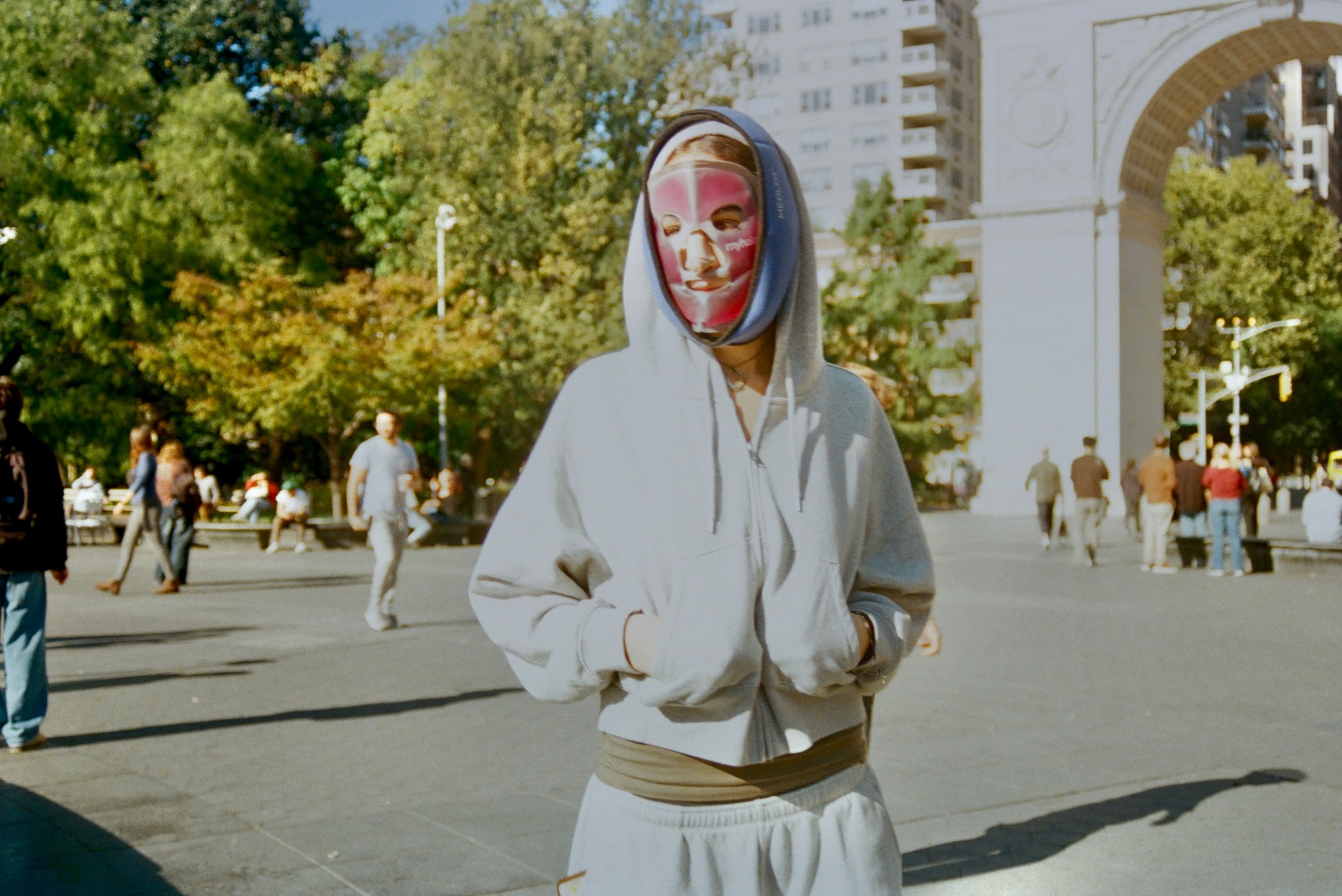
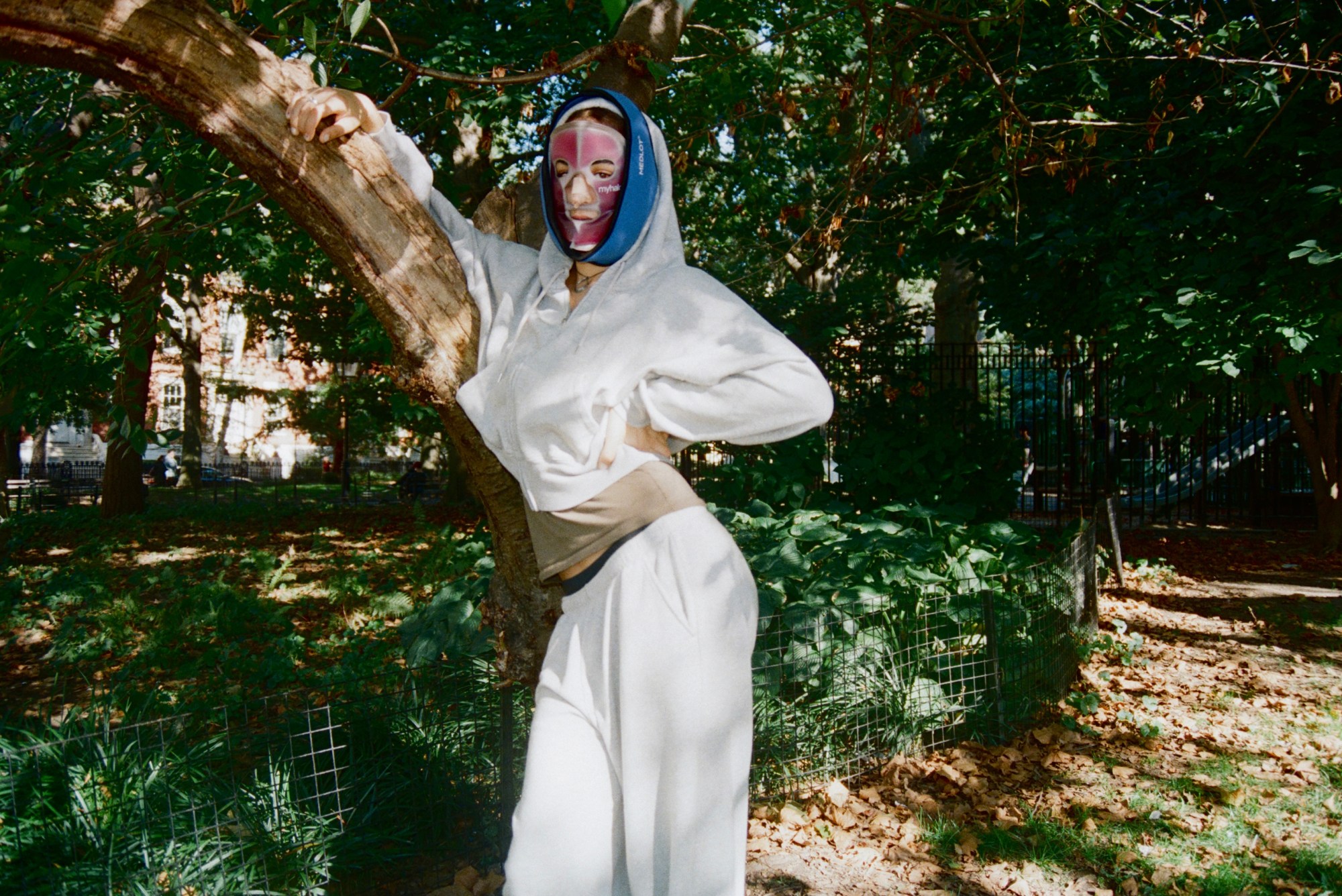
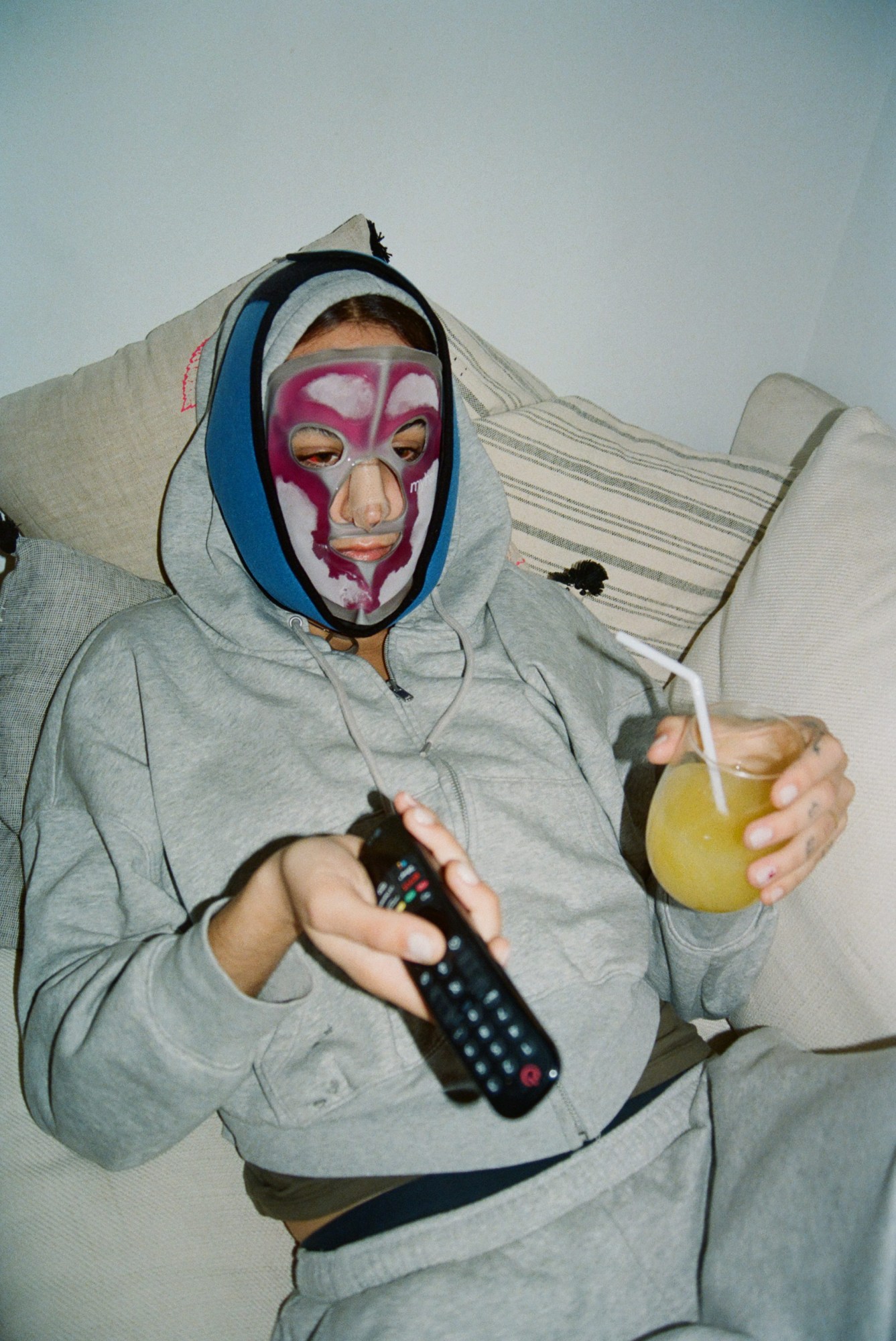
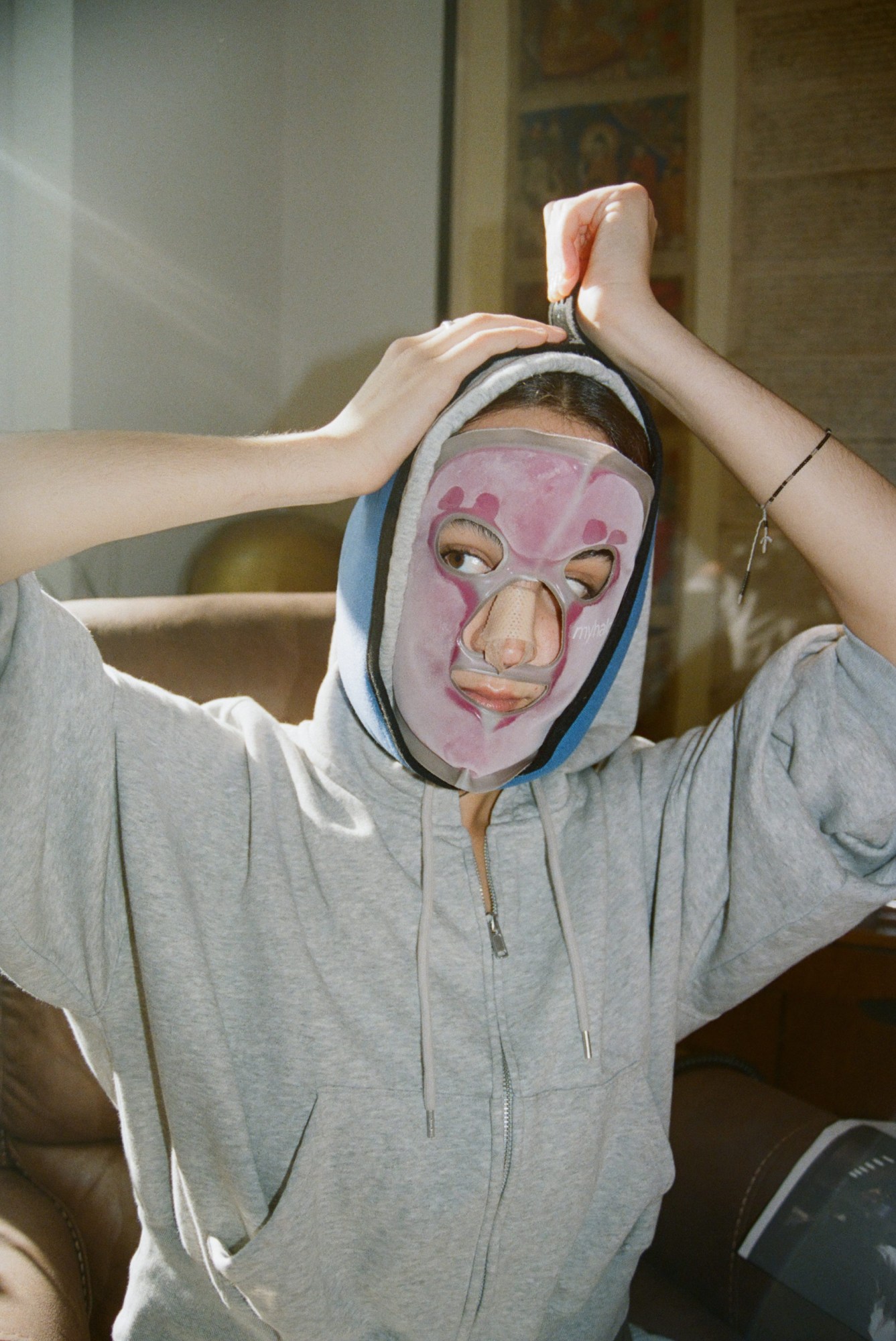
DOVE BARDIN: As an artist, documenting my process was non-negotiable. It began on my Instagram story in the early days post-surgery. I’m very extroverted, so being on bedrest, face swollen like a balloon, put me totally out of my element. I started posting on stories in my ice mask, little photos in Washington Square with short captions, connecting these images with photos of me in the same place in childhood, then writing “i feel a photo essay brewing ;)”. I grew this journal in my Notes app and through that I started getting images in my mind for shoots. I’m lucky to be surrounded by tons of friends and artists who I’m able to collaborate with, so as images came to mind, they came with artists who I knew would execute my vision perfectly.
Can you talk a little bit about your relationship to the different photographers and artists—Taryn Segal, Torrance Hall, Nico Reano, and Fatime Kabakci? How did you come to work with each of them?
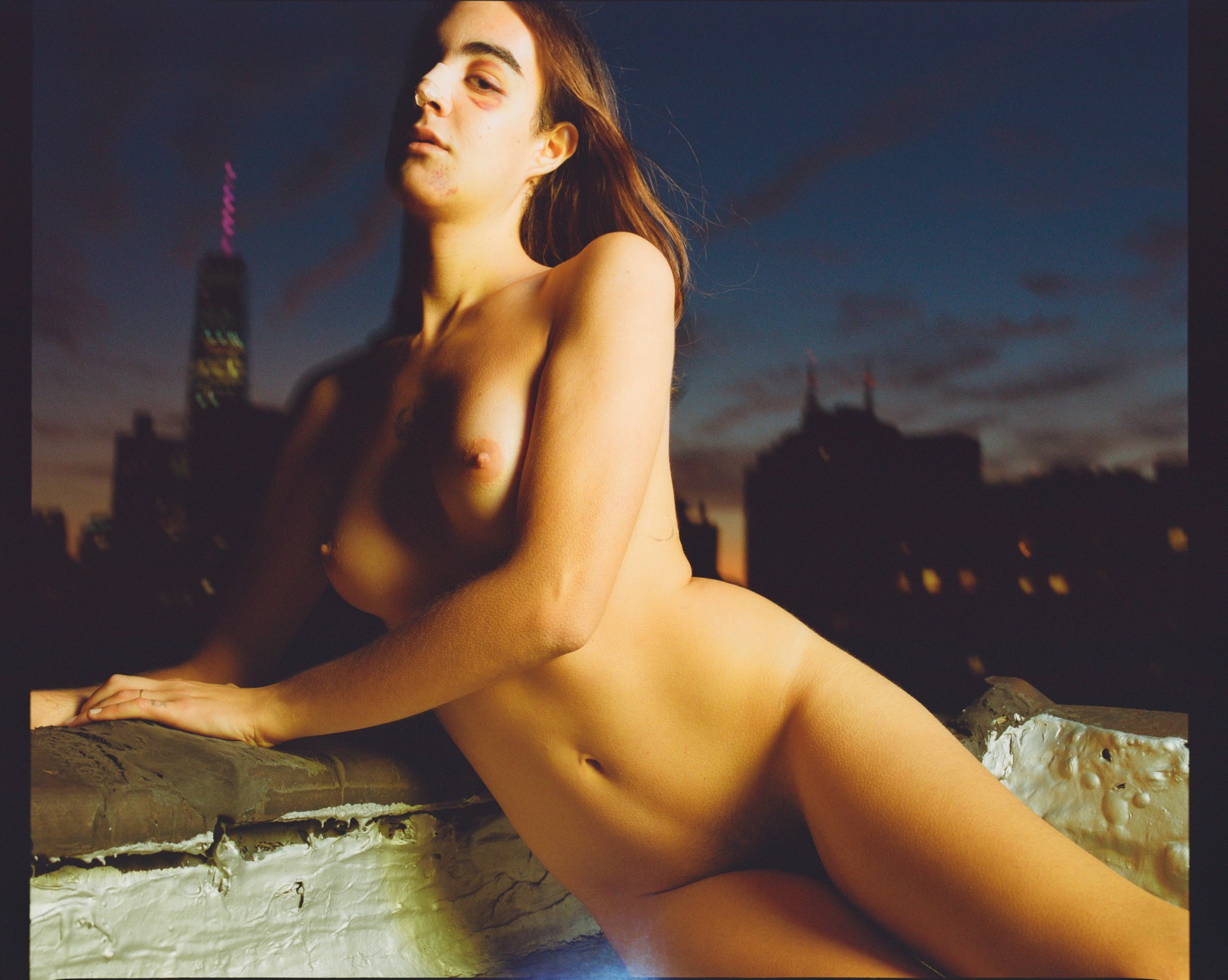
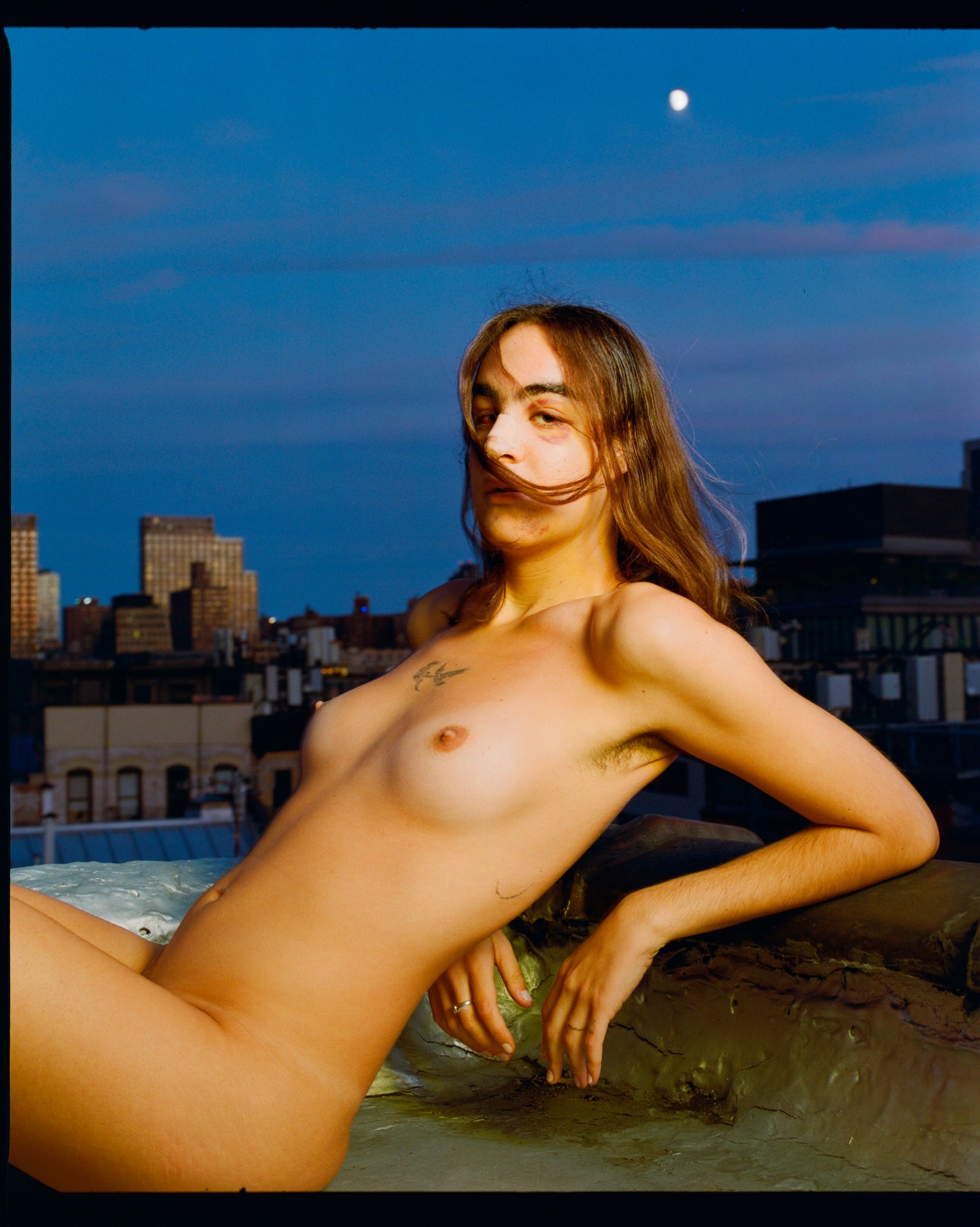
The artists I reached out to were people who I knew were aligned with the aesthetics I wanted. With Nico (who took these heroic medium format photos of me on her roof), I wanted the drama. I knew the color profile I was looking for, as well as the location. We are bandmates in TOUGH already, though we had initially bonded over photography. It was fun to let our collaboration bleed into a new medium.
Taryn does this amazing documentary 35mm stuff, which reminds me of the photos I grew up shooting in high school. I knew I wanted to be captured in that way.
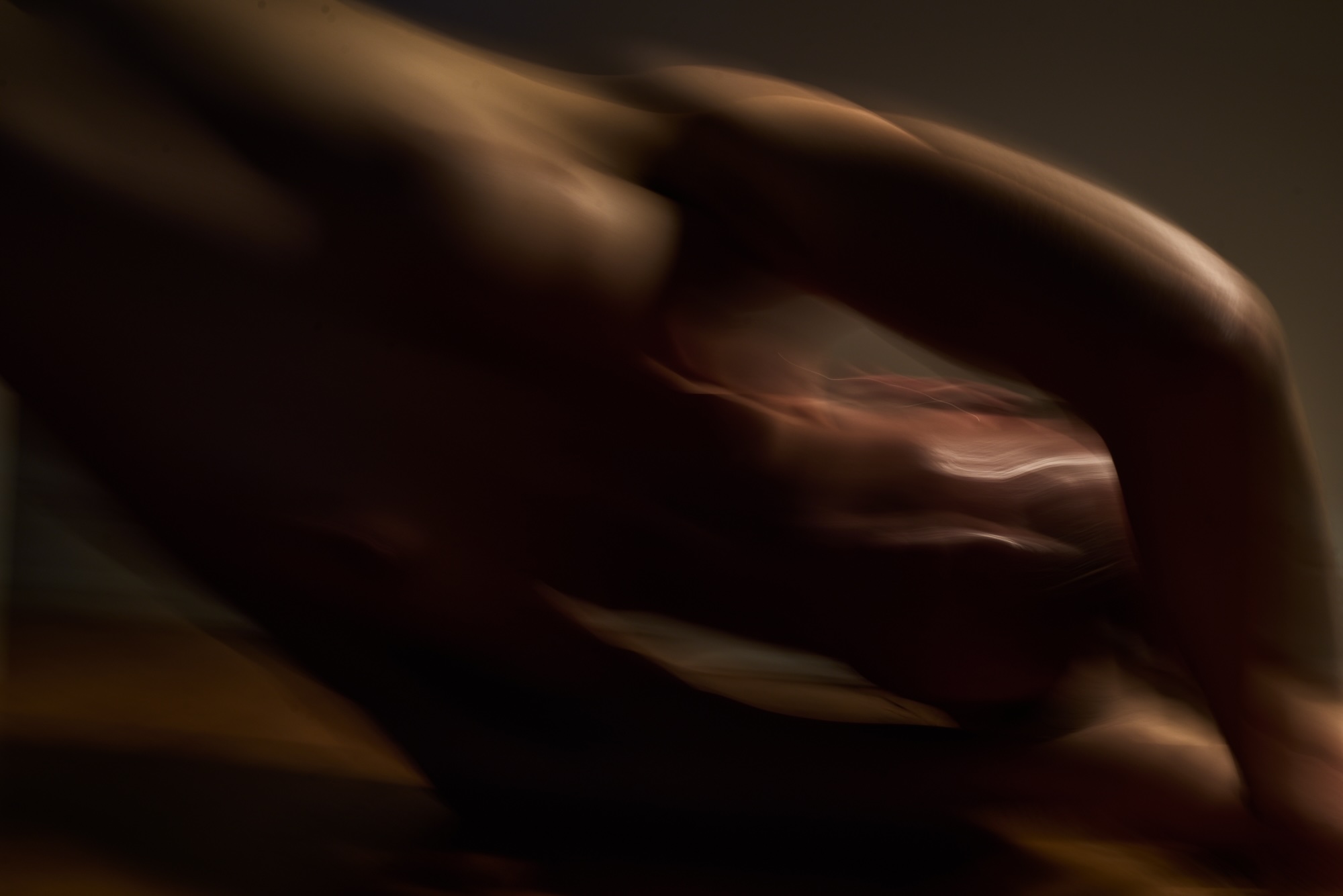
Fatime and I have been collaborating a lot for her ability to incorporate theory and narrative through her work with lighting. Her image, which ended up being the zine cover, was born from a concept around the shifting feminine form, evolving gender roles, and ideas around how trans people alter our bodies. We used lighting and other in-camera techniques to blur the edges of my form.
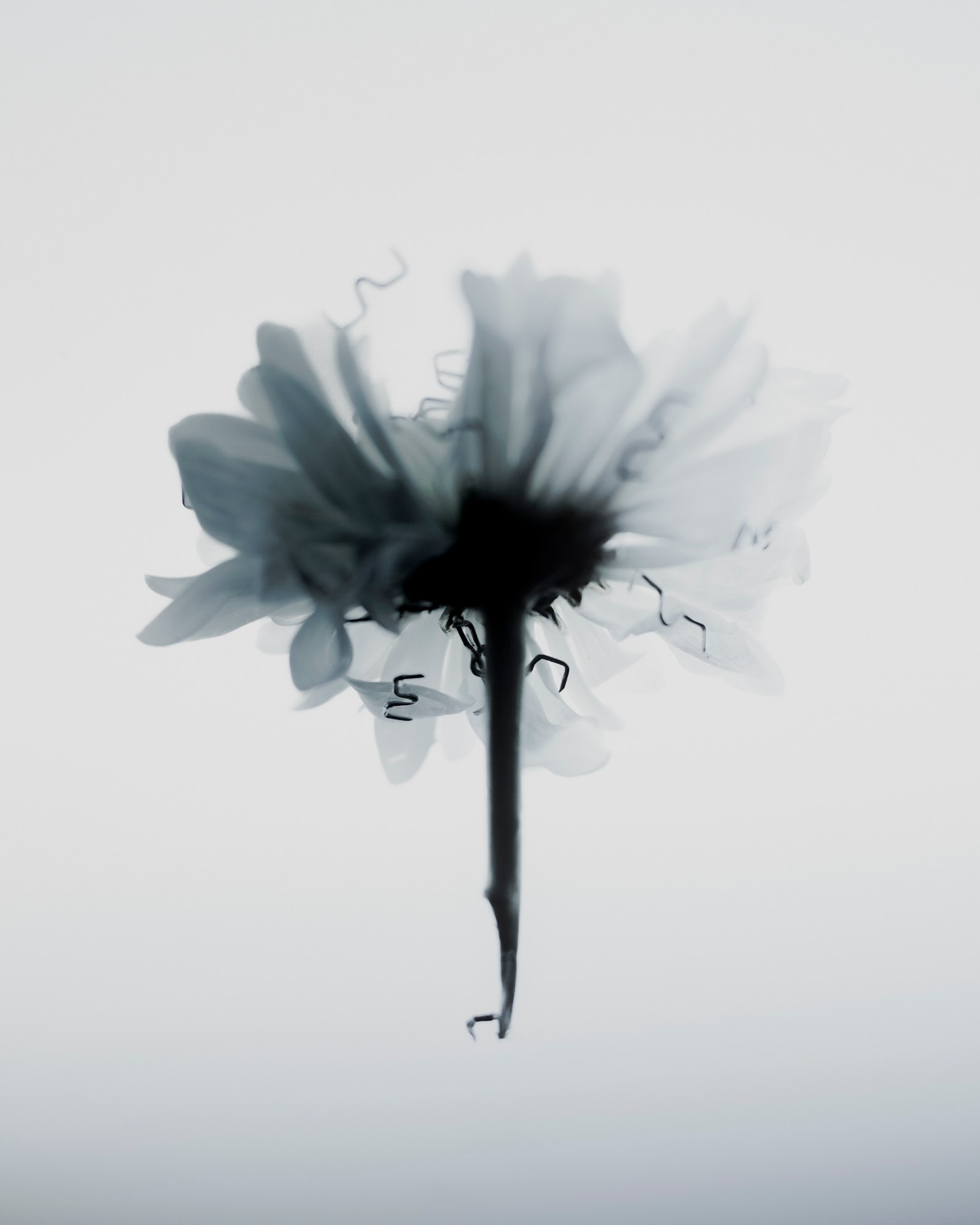
Finally, I wanted to do something with the staples that held my head together post surgery. I’ve always admired the air of beauty and grotesqueness in Torrance’s work. It feels McQueen-like to me. We’ve had similar conversations about a queer humanoid subject, how tech and medicine alter the queer subject, so I wanted to give him the staples. He picked them up and created these incredible still lives. These three artists—Segal, Hall, and Kabakci—I met through my old job as front desk girl at Pier59 Studios.
What was your process like documenting yourself? Do you feel like you learned something new about yourself?
Creating this body of work really got me through recovery. In the moments I was restless or losing faith, I would turn to writings from the week prior. Organizing these shoots, and then the show, gave me something to look forward to.
Somewhere in the middle of week 3 I decided, “I’m done. Dove is coming back. I’m tired of resting—I’m calling Sasha.” Sasha Alcocer is an organizer, curator, and DJ, and I called her when I realized that this could be a show. When we were in high school she formed CRUSH, an artistic entity that hosted a series of pop-up exhibitions that really defined downtown and the DIY scene while I was growing up here in NYC. I asked her if she’d be down to do a CRUSH show out of all this work. From then on we texted almost daily, coordinating and beckoning this project out into the world.
Ultimately, recovering from FFS and creating this body of work has only reaffirmed my commitment to my creative practice. As affirming as it’s been for my gender identity, it’s been even more affirming for my identity as an artist.
What do you hope someone takes away from the zine and exhibition?
While I didn’t have any hesitancy in the making of this work, I did start to have cold feet the week of the show. I remember looking at the first mock up of the zine and thinking to myself, damn, this is really vulnerable. I started thinking about how I’ve seen other dolls approach their FFS, mostly the approach where you delete all your old pics and just gag it with the fresh face shoot and the pronouns leave the bio along with anything else they think makes their account look clocky. LOL.
FFS, for some, offers a life where transness does not need to be so broadcasted. And for me, well, I’ve fantasized about that too. But the night before the show and my reading of the zine I thought about it a lot, and I did really learn something about my character. I’d so much rather be vulnerable, and expose this whole short chapter of my life, recovering from this procedure, than just come back with my shoot and move on. Trust—we did the shoot—it’s fab and it’s coming. But ultimately I am an artist first. My practice comes from my life experience, and it’s totally tied up in the vulnerability of sharing that.
In the acknowledgements for the zine I have this line about the women who’ve shown me the way, saying something about how “vulnerabilities are touchpoints of their own powers.” Trading shame for openness is a daily practice, one that I hope people will choose after seeing this work. The night of the opening and zine launch it was abundantly clear how many people this work touched. Vulnerability is rare, and I plan on protecting it fiercely. Every girl’s approach to such a personal surgery is her right and should be respected. But it’s been so cool for me to be able to share it so vulnerably. It’s made me that much stronger.
Zines are still available on a case-by-case basis. Please reach out to Dove on instagram (@dovebardin) to get a copy.