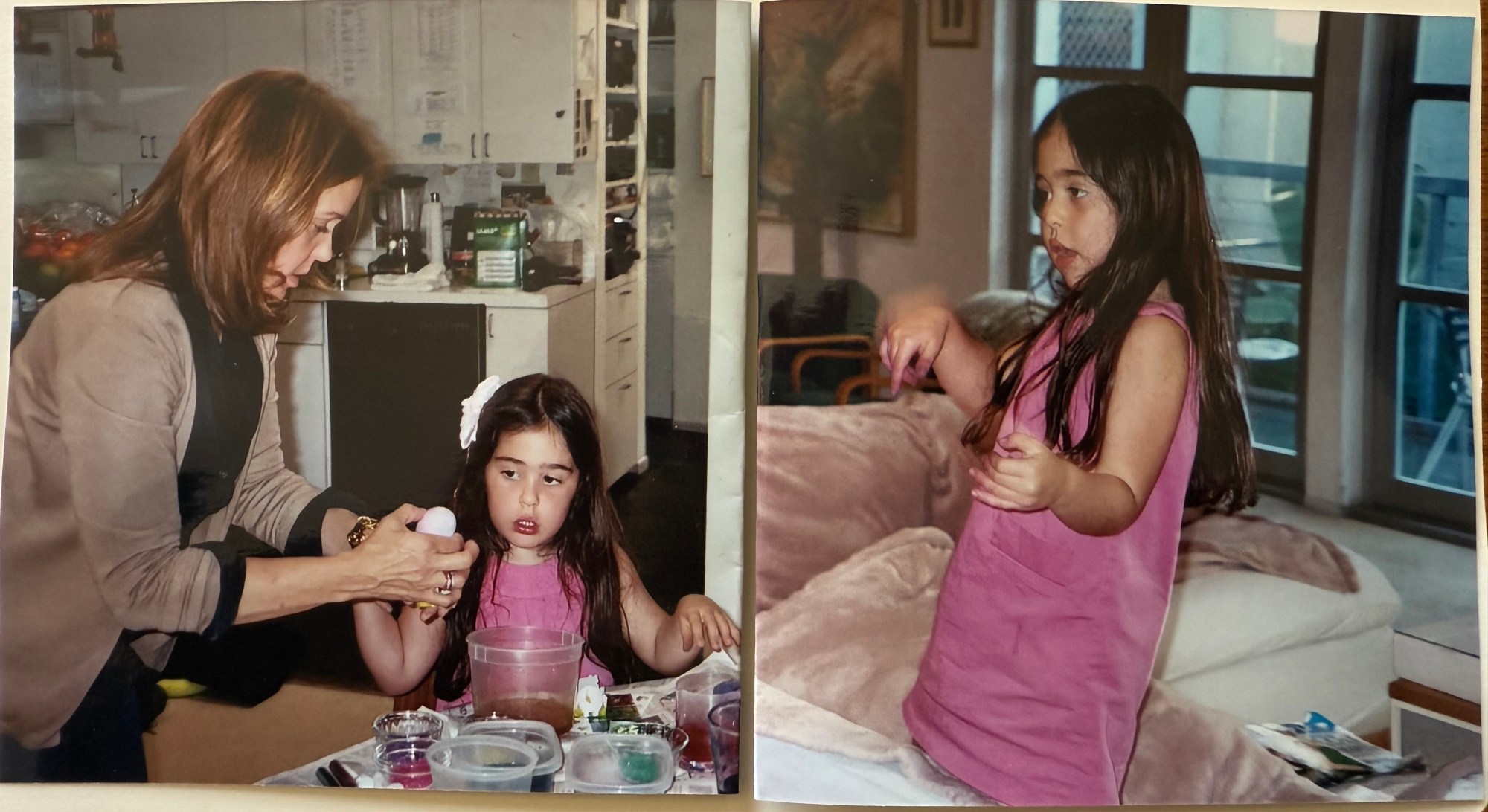
Growing up, I spent a lot of time in my grandfather Dennis Hopper’s Venice compound. After he died in 2010, the five houses were sold. Years later, when I discovered that artist, filmmaker, and fashion designer Eli Russell Linnetz had moved in, I was intrigued. After all, he’s worked across all the mediums my grandfather adored—from collaborations with Lady Gaga (paws up) to his 2024 Jeffrey Deitch exhibition and those mega-puffy ERL skate shoes. With all they had in common, I wondered if he had a bit of that wild Hopper spirit too.
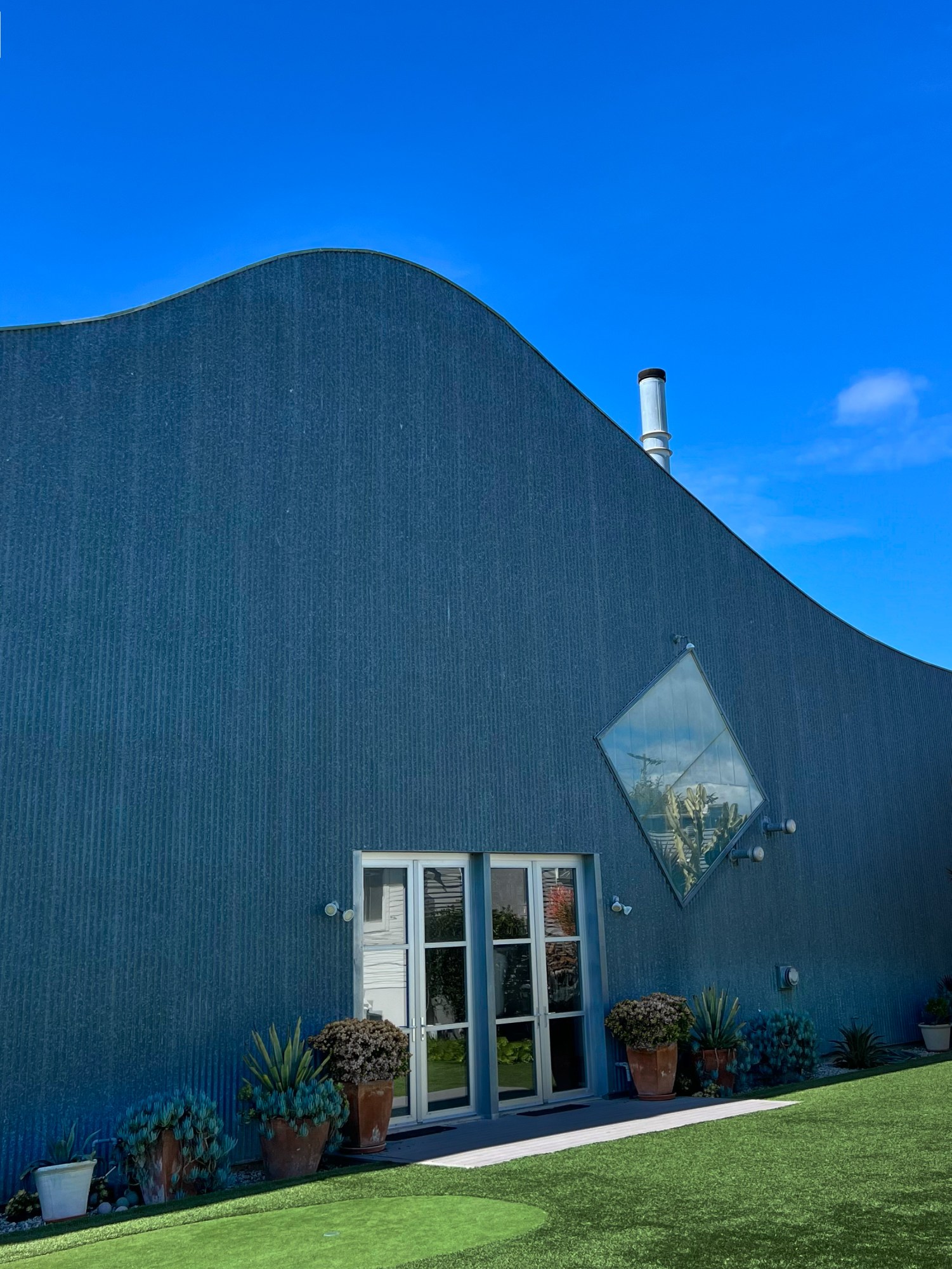
As a preschooler, I was mildly terrified of the main house’s exterior—a slash of corrugated metal flanked by razor-sharp succulents and chain-link fences. Designed by Brian Murphy in the ’80s, it looked more like a windowless warehouse than a cozy abode. But inside was a scene pulled straight out of Tim Burton’s feverish mind: electric Pop Art set against a playground of beams, steel, and wood that screamed danger. In other words, a dream for a mischievous, slightly macabre kid.
I would sprint, laughing maniacally as children do, across steel grate bridges seemingly suspended by magic over 50-foot drops. Fantastic paintings and photographs supervised my havoc, including jumping on the see-through glass floor, gleefully wondering if it might crack under my tiny body’s weight. Only later did I realize those so-called babysitters were, in fact, his priceless collection of Basquiats, Warhols, Kenneth Prices, Ed Ruschas, and Keith Harings—and cringe at their near destruction. And there was Grandpa Dennis, the original troublemaker, watching the football game in a cloud of cigar smoke.
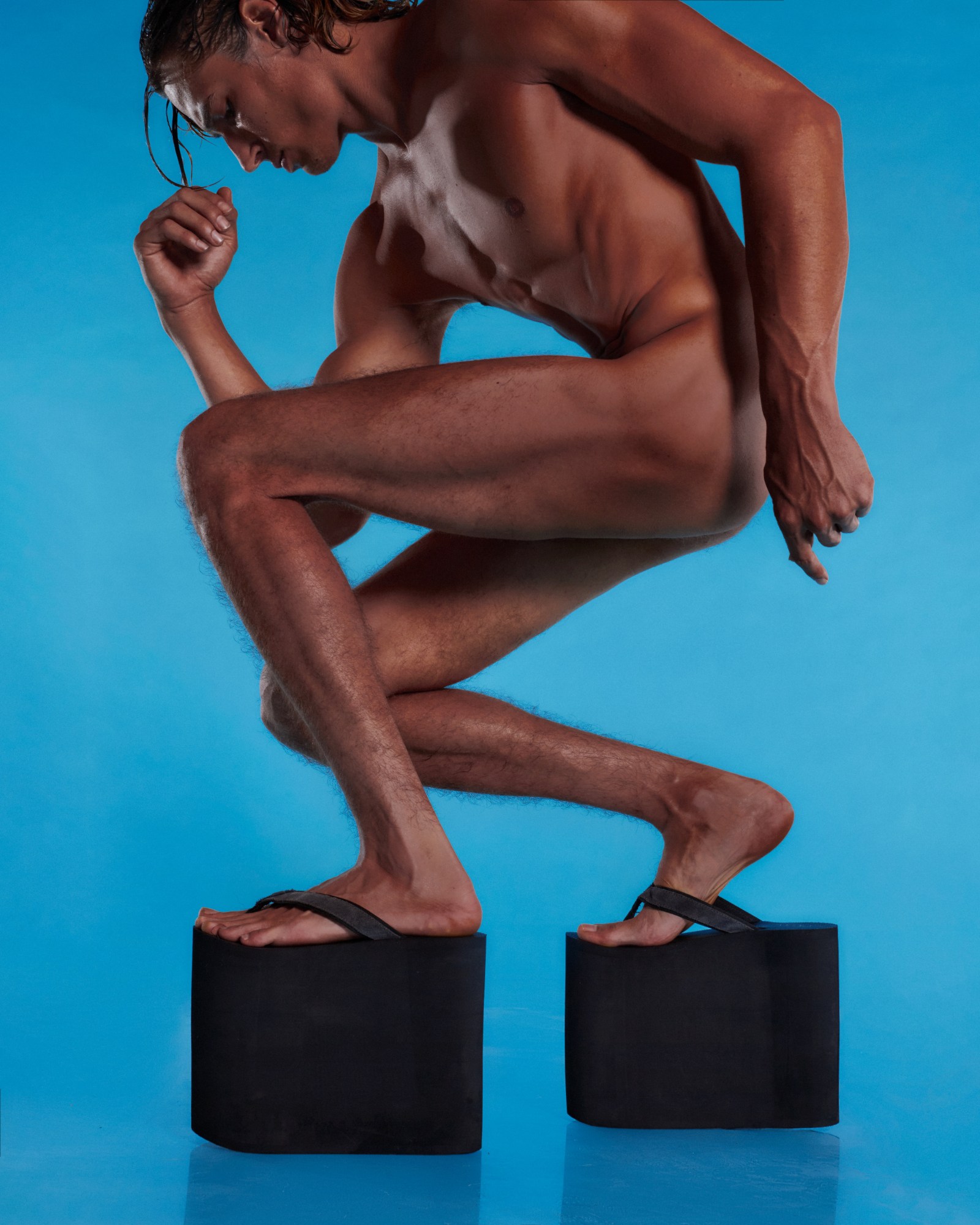
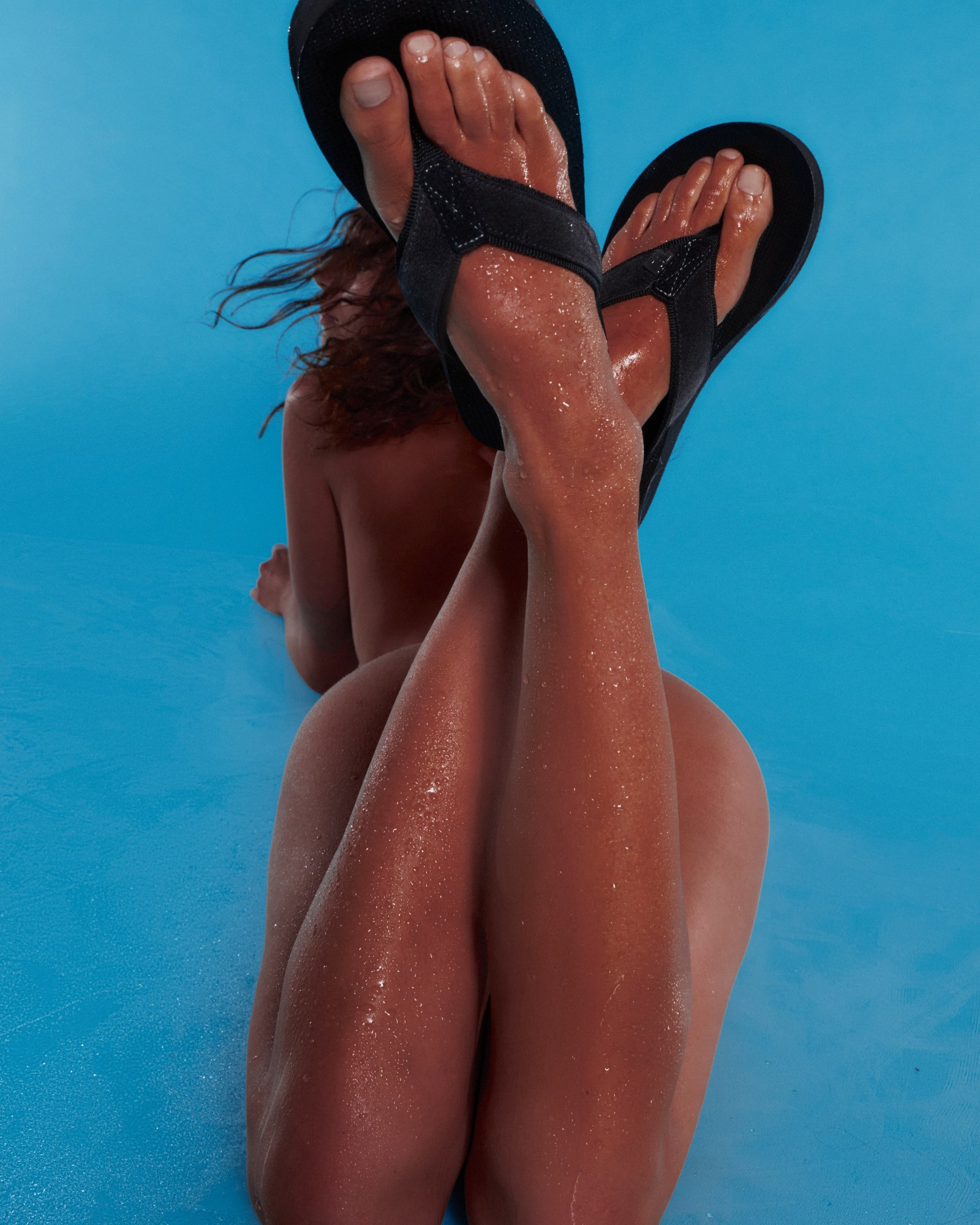
Now, as Linnetz’s sky-high flip flops go viral, I sat down with him to talk to him about everything from his love of bare feet to whether my grandfather is haunting him. (Spoiler: He is.) The good news? I think that might be Grandpa Dennis’s way of saying he approves.
Violet Hayward Goldstone: How’s your summer going?
Eli Russell Linnetz: I’ve just been working every day. Everyone’s like, “Where are you going for vacation?” I was like, “Wait, you guys are going on vacation?!” And, by the way, I’m in your grandfather’s house.
VHG: I didn’t know if you wanted to start with that, because I didn’t want to make you feel like I’m a crazy stalker. But someone sent me a New York Times article that mentioned you’re living in his house. I was like, “Oh my God, this seems like the coolest guy ever.” So, how is it? Do you work there?
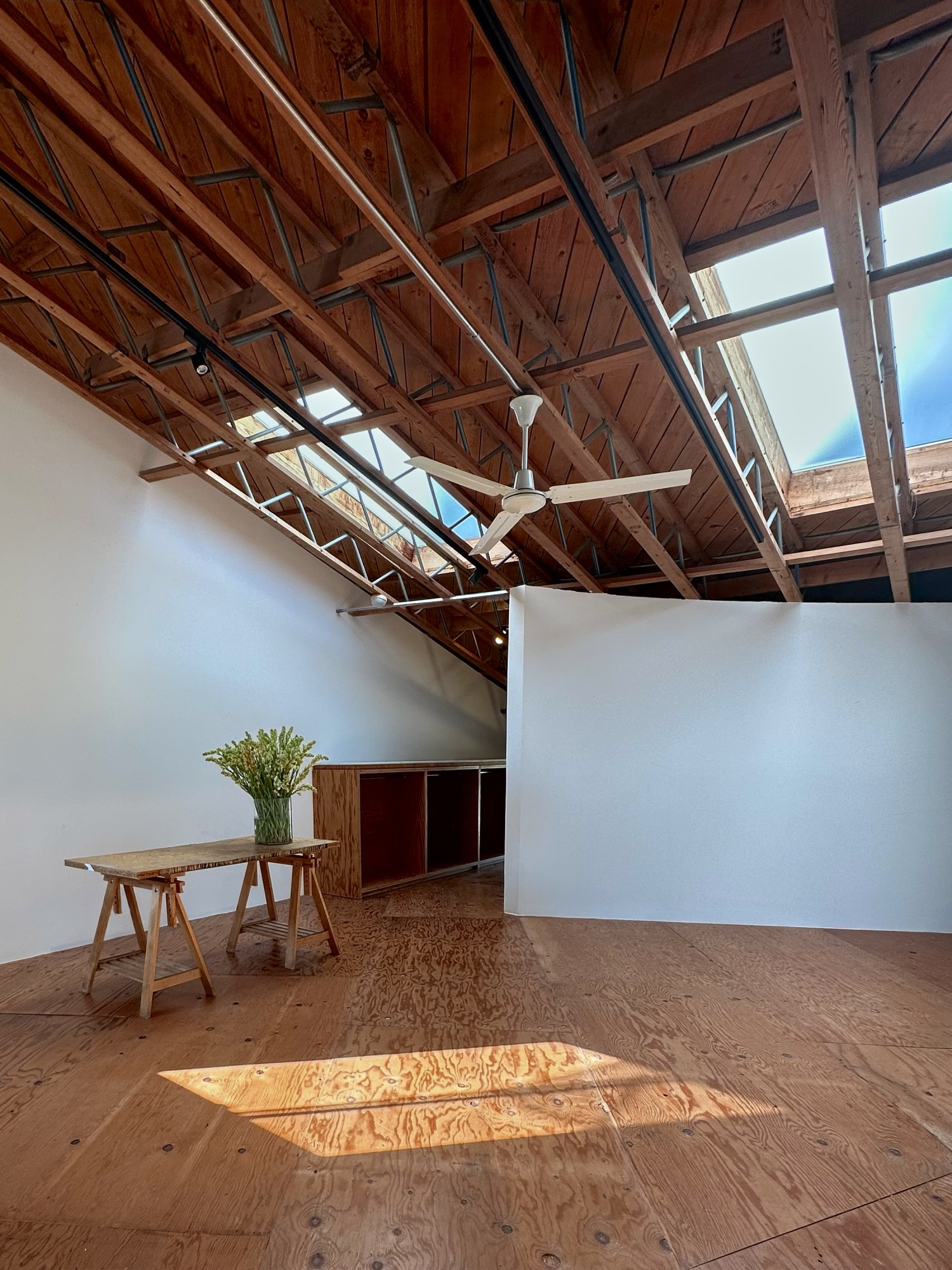
ERL: Yeah. My studio’s here, so I’m basically here 24/7.
VHG: Of the five houses, I remember there were three Frank Gehry houses that we used to call the Three Little Pigs. Are you in all three?
ERL: We keep moving in and out of all of them, like a jigsaw puzzle. I think every house on the street has been my studio at some point. But my dream was always to live here, in the main house. I used to tell people that this was my home when I was a kid because I hated mine.
VHG: That’s amazing. Where did you grow up?
ERL: Like, two blocks from here.
VHG: No way. We might’ve crossed paths and not even known! Did you like growing up in Venice?
ERL: It was like Inherent Vice. Even though it was the early 2000s, it felt like the ’60s or ’70s. When I was a kid, we’d always skip class, or my friends would hotbox a car. We called it the People’s Republic of Santa Monica. But I’ve pretty much been working here every day. It’s a rollercoaster of ideas, and the team is just me. I don’t think people realize that I take every photo on ERL’s Instagram in my living room.
VHG: I know, I always recognize the living room and I’m like, “That’s where my grandpa lived!” It’s so cool. Have you made any changes?
ERL: These weird tech bros were living here before me. So I’m slowly restoring it to how it was—very holistically.

VHG: Do you ever feel his ghost?
ERL: Sometimes I’ll catch my dog, Einstein, staring off into the distance like he sees something. Then, 30 seconds later, the fire alarm will go off. It always happens randomly at 4 in the morning. I keep moving my office because I’ll be working in a room and then feel like it’s too haunted.
VHG: That’s so funny. Was he there when you were designing the flip flops?
ERL: He’s definitely around. It’s funny, everyone’s like, “What took you so long to do flip flops?” Since day one, that’s always been a part of our DNA. But while we feel like a Venice mom-and-pop shop from the outside, everything’s super specific and thought-out. I’m also an artist and have a background in screenwriting, so I approach every piece as a sculpture or a costume for a film or a character I’m thinking about. Everyone’s used to mechanically following trends, which is not how we operate. These have been in the works for a few years, and they’re deceivingly plain—I went super wild just to get to the most obvious black ones.
VHG: I feel like it was the perfect time to drop them since there’s a ton of barefoot discourse going on. Are you personally pro- or anti-exposed feet?
ERL: I don’t even wear shoes, usually. That was part of why everyone was wondering what took so long. It was a weird concept to try and sell shoes in the first place because I like being barefoot.
VHG: Hahah. So you walk barefoot on the sidewalk?! Or do you put on sandals?
ERL: I go both ways.
VHG: That’s the headline: Eli Russell Linnetz Goes Both Ways. But I feel like you’ve become known for making these amazing, mega-sculptural shoes. How did you get there?
ERL: Hahah, yes! We were just going to release the regular flip flop, and did the giant ones at the last minute. ERL’s about creating the perfect version of familiar things. But I have this extremist side—even if something’s authentic and perfect, people might not register it. I’m always pushing the boundaries of how we can communicate the narrative of perfection. And sometimes you have to shock people’s systems. At heart, I think I’m a bit devious and provocative.
VHG: Grandpa Dennis’s spirit is definitely with you—especially because you’re a mischievous person working across art, fashion, and film. Do you ever face snobbery or pushback?
ERL: There’s snobby people in every industry. You can spend so much energy trying to impress people, but my biggest takeaway is that if you create something authentic and unique, the people at the top will notice. I always try to be innovative, even with something as seemingly simple as a cargo pant. As an outsider, I don’t think about stuff that people with almost too much knowledge do, like seam allowances or a machine’s limitations. It’s helped me get to where I am.
VHG: What’s your process like, then? Do you have a mood board?
ERL: I definitely don’t have a mood board. I’m a hoarder of objects. My ideas come from them. My latest collection was inspired by this hundred-year-old carved player piano that my mom had when she was a kid. I imagined where it would’ve come from—maybe some winter chalet where you’d play old dinner scrolls, like a Vienna Waltz. My experience in film means I’ll have a story I want to tell and then I’ll search for things that help tell it. I don’t even like when people call ERL a brand—that sounds like a dirty word to me. It’s my art.
VHG: You went to USC for screenwriting, right?
ERL: Yeah. I was literally in a fraternity, which is insane.
VHG: That’s crazy, you have to tell me about that!
ERL: I’m focusing on making my first feature film right now—that’s kind of what it’s about, which is funny. With the amount of energy I put into each fashion collection, I realized I might as well make a film. Photos on Instagram don’t communicate the full story that’s in my head. Making clothes that have a full storyline, characters, and a world—that’s what I’m focused on.
VHG: Wow, I can’t wait.
ERL: Sorry, I got this goldfish and he’s so happy. We got him for the flip-flop shoot, and now he’s a member of the family.
VHG: That’s the most gorgeous goldfish I’ve ever seen. What’s his name?
ERL: Pavlov.
VHG: Pavlov and Einstein! Do they get along?
ERL: Yeah. You need to come by the studio.
VHG: When I’m back in LA, I’m there. You’re my favorite person ever.