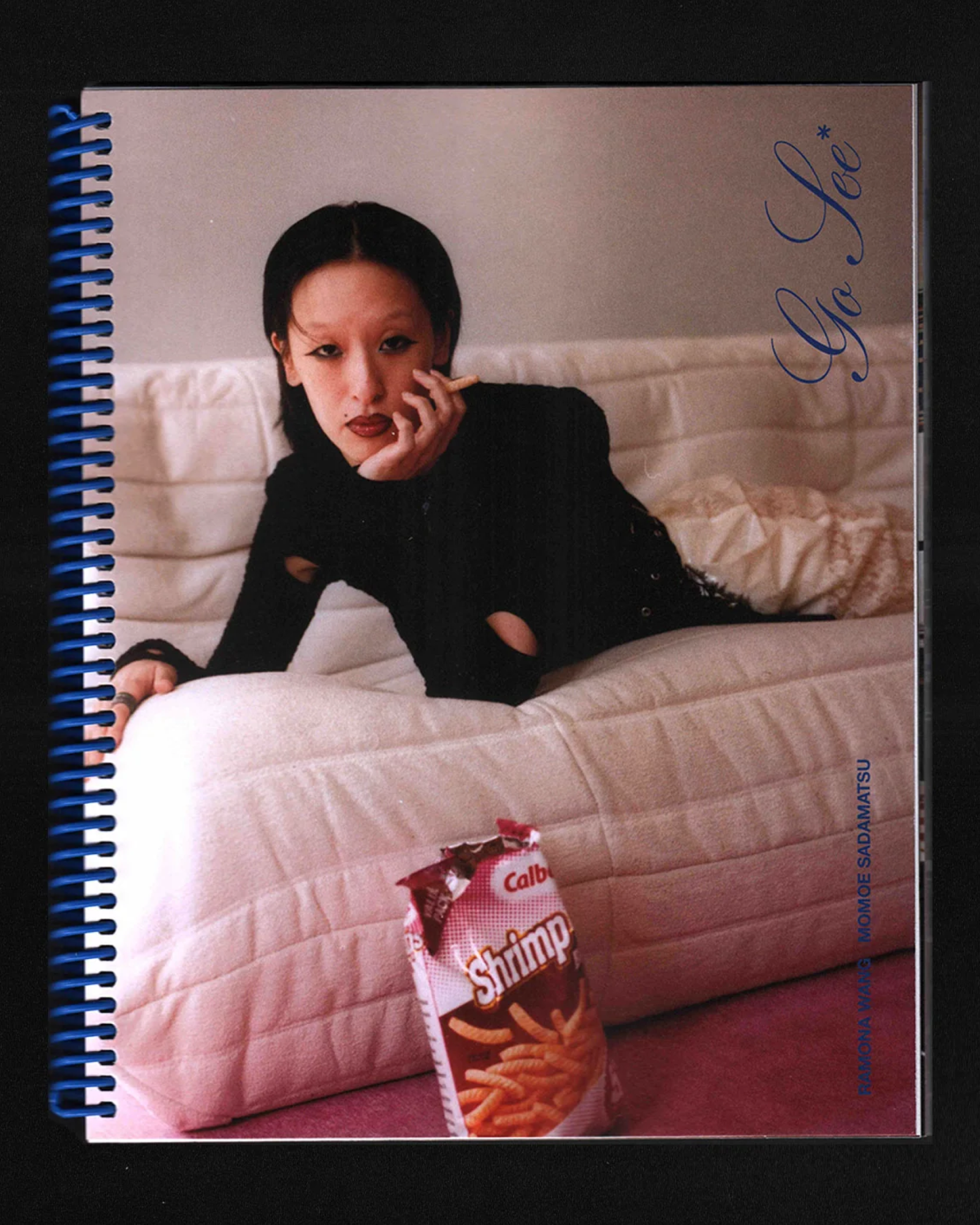
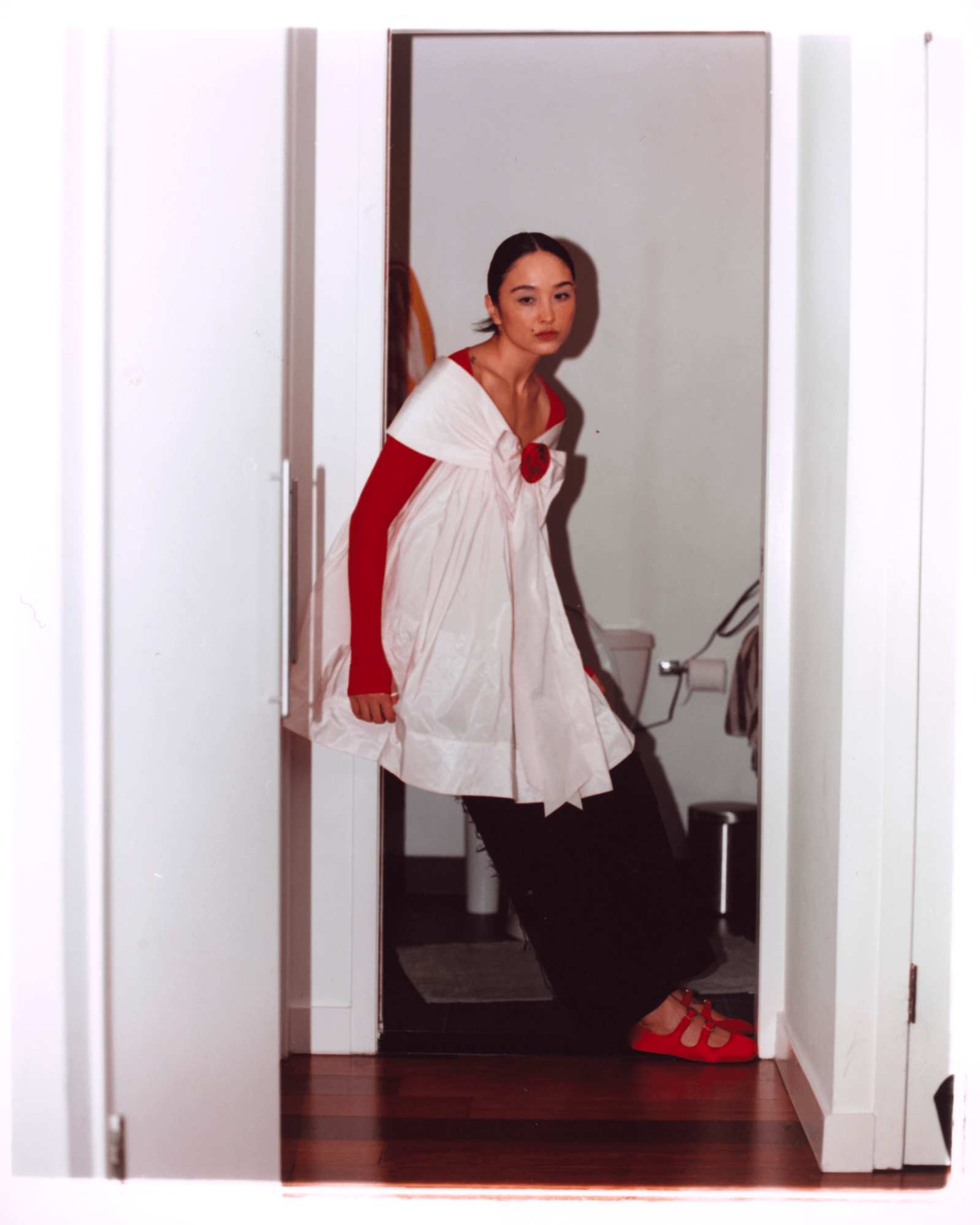
When Ramona Jingru Wang’s photographs began to gain traction, the infamous agency requests for go-sees and test shoots with new talent came in a steady stream. The go-see, one of the classic acts in fashion’s circus, is infamous for its strangeness and ambiguity. Jingru Wang found the process of shooting new models like this—with no promise of a job for either party—to be difficult. Two years ago, as she grew tired of the cycle and began searching for ways to be more intentional with her go-see choices, she met stylist Momoè Sadamatsu. Together, the pair created a monograph, aptly titled GO SEE*, featuring models from the Asian diaspora, each image fully styled by Sadamatsu with the model’s own personality and tastes in mind.
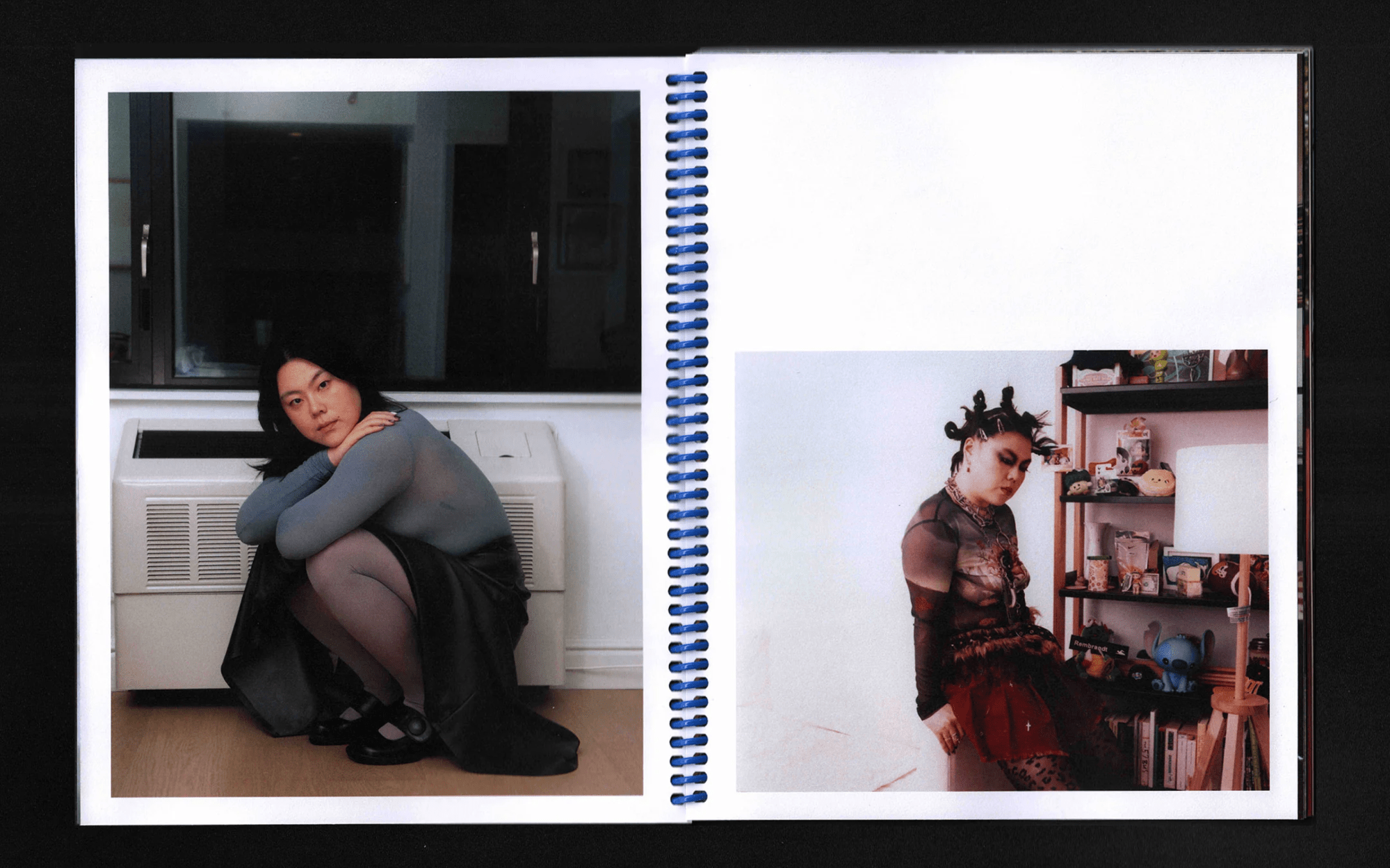
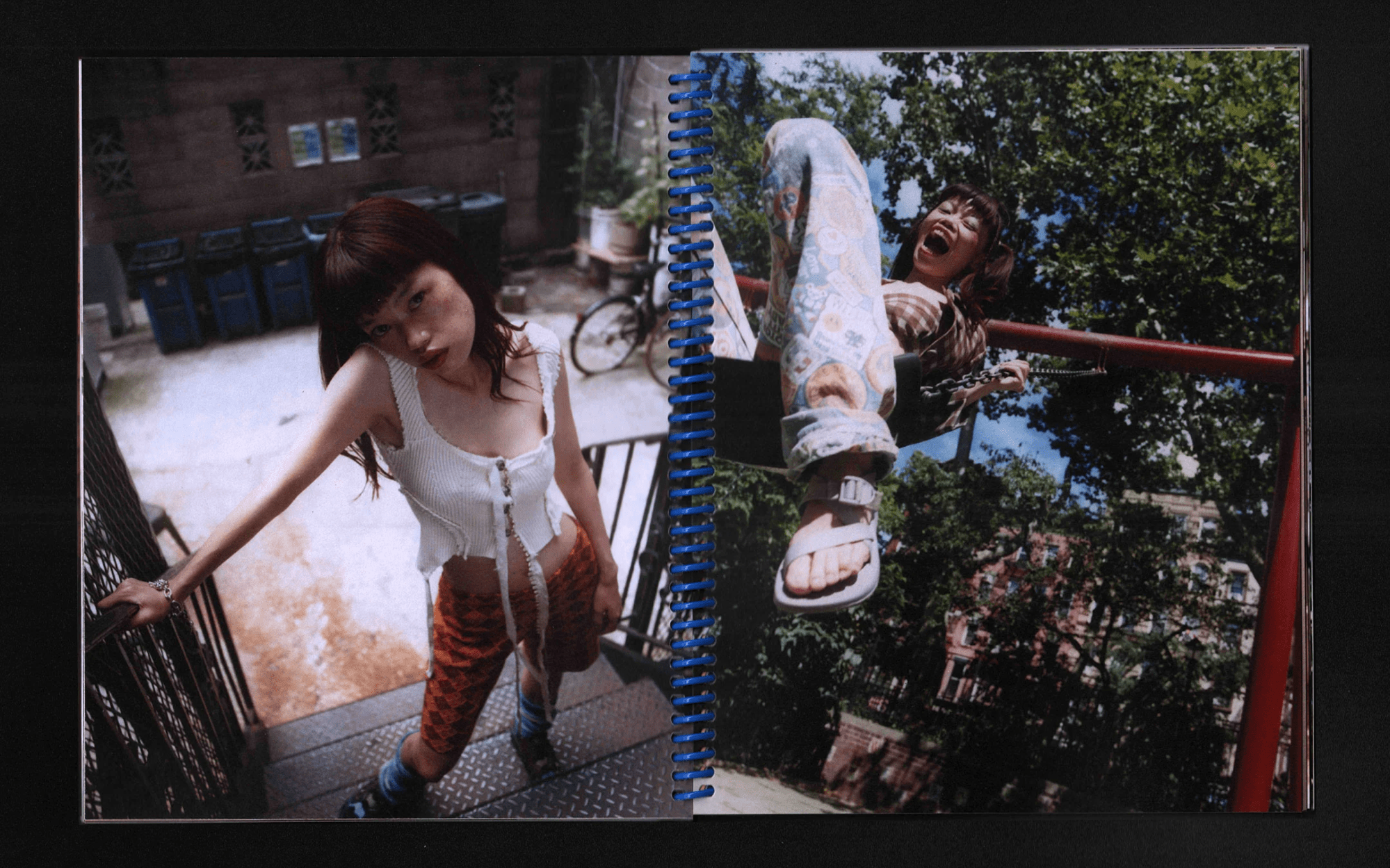
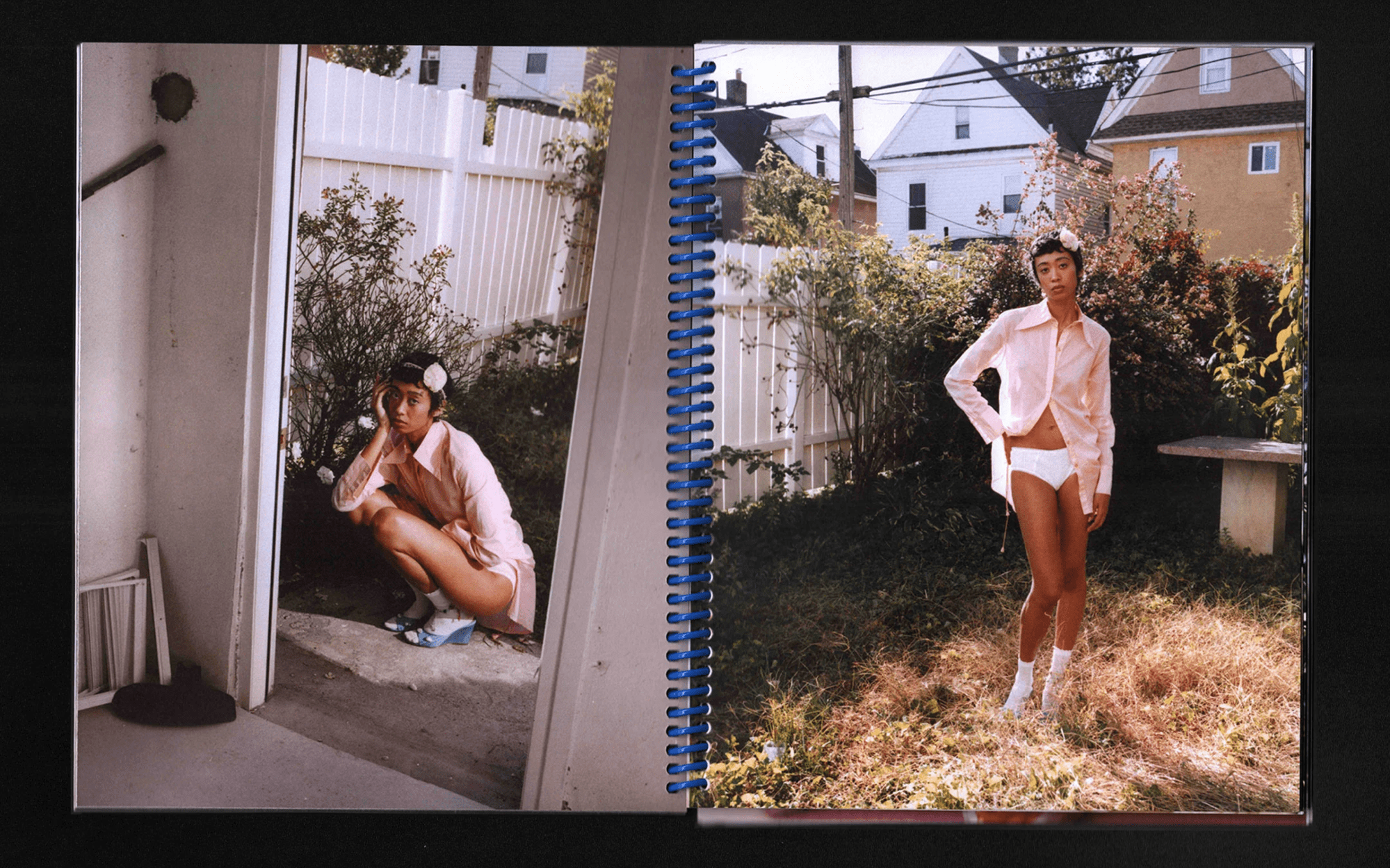
Traditionally, the role of the fashion model can be distilled into one word: sell. Models have long been tasked with selling product for designers, with just enough personality to make us understand the point of view from which the garments were created—without so much that they themselves become the attraction. It’s a fine line to tread, one that has long reduced those who walk the runways and pose for cameras to two-dimensional beings, puppets brought to life only when someone—more often than not, a man—with a more esteemed title does the supposed heavy lifting.
In 1999, before social media and the internet gave models the platform to share their own stories, Juergen Teller turned his attention to the go-see, in which models are sent off to photographers to pitch themselves and pose in a generalized act of self-promotion. In theory, the go-see is the first step on fashion’s yellow brick road to the promised land of exposure. In practice, it is a routine transaction in which photographers move through aspiring talent, often to no real avail. Teller’s Go-Sees documented a year of meeting more than 400 young women with dreams of runways and glossy magazines, the overwhelming majority of whom never saw such dreams come to fruition.
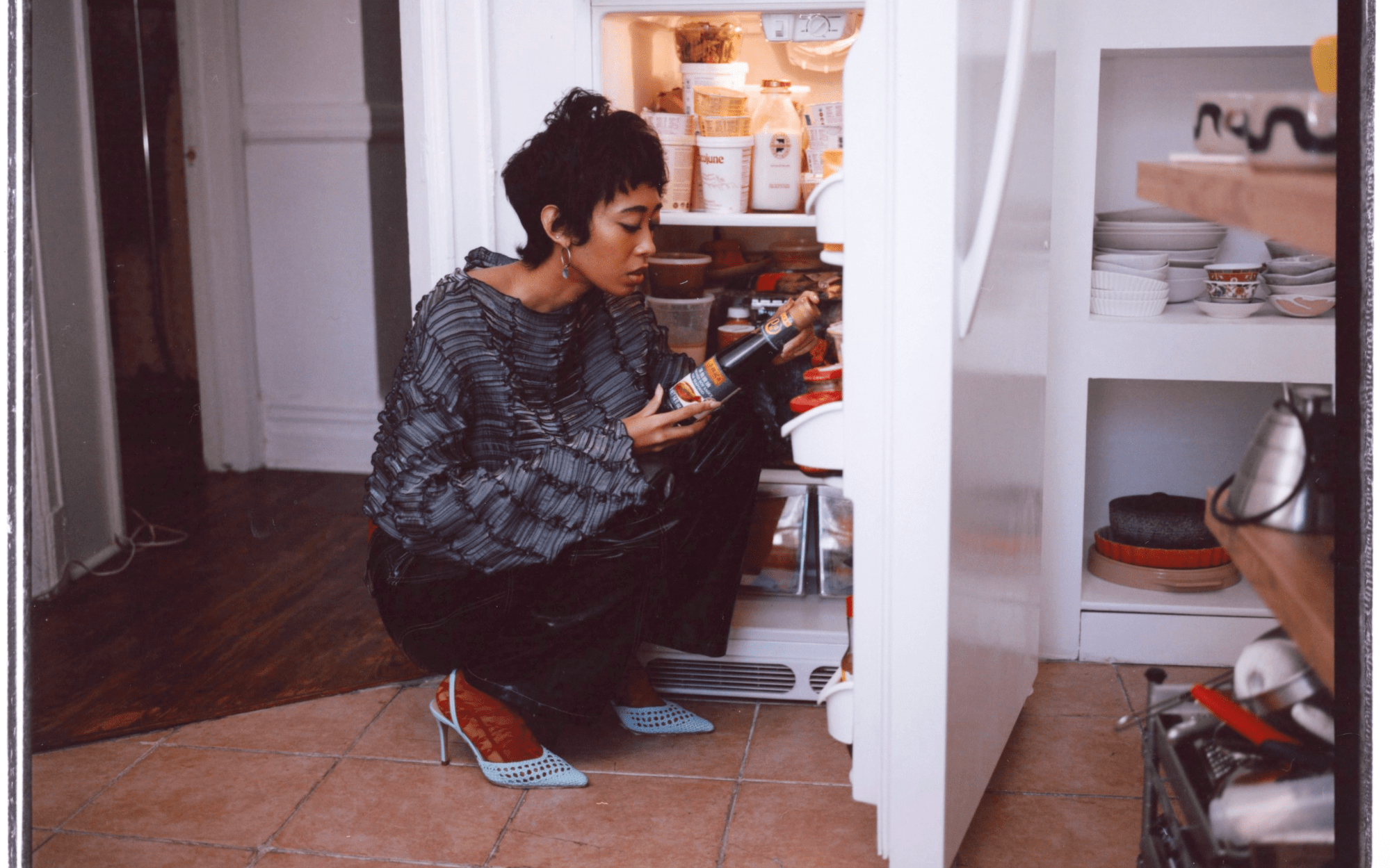
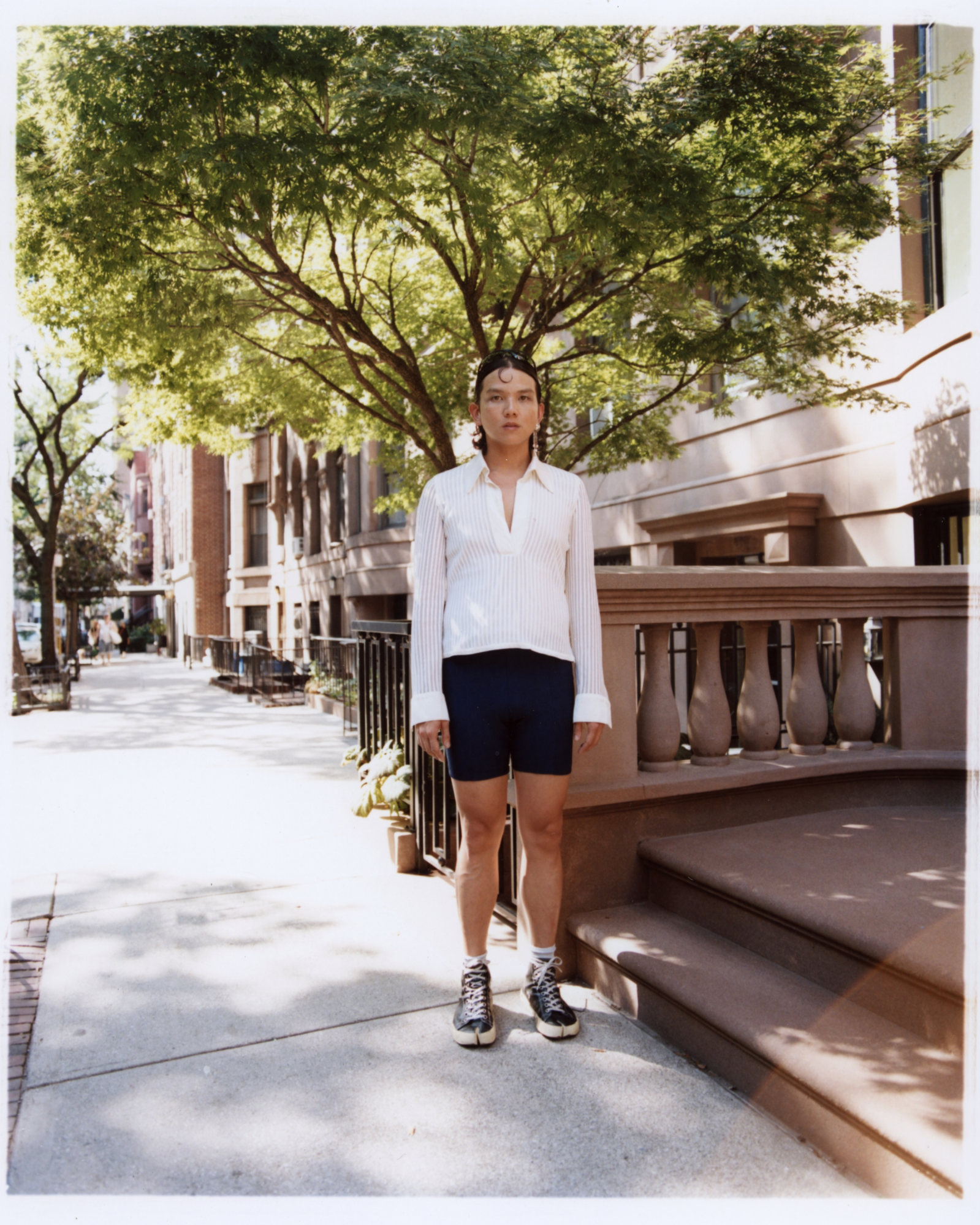
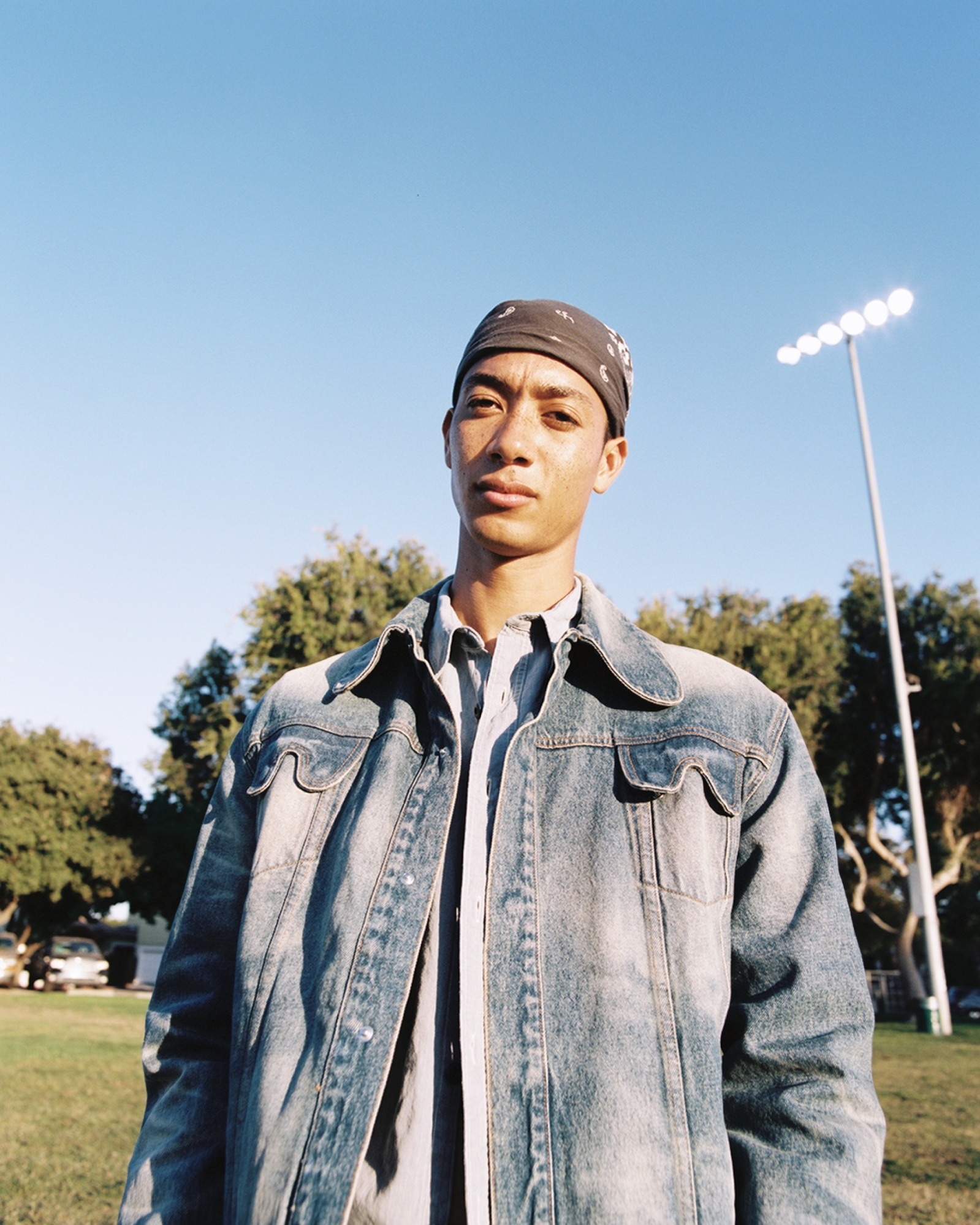

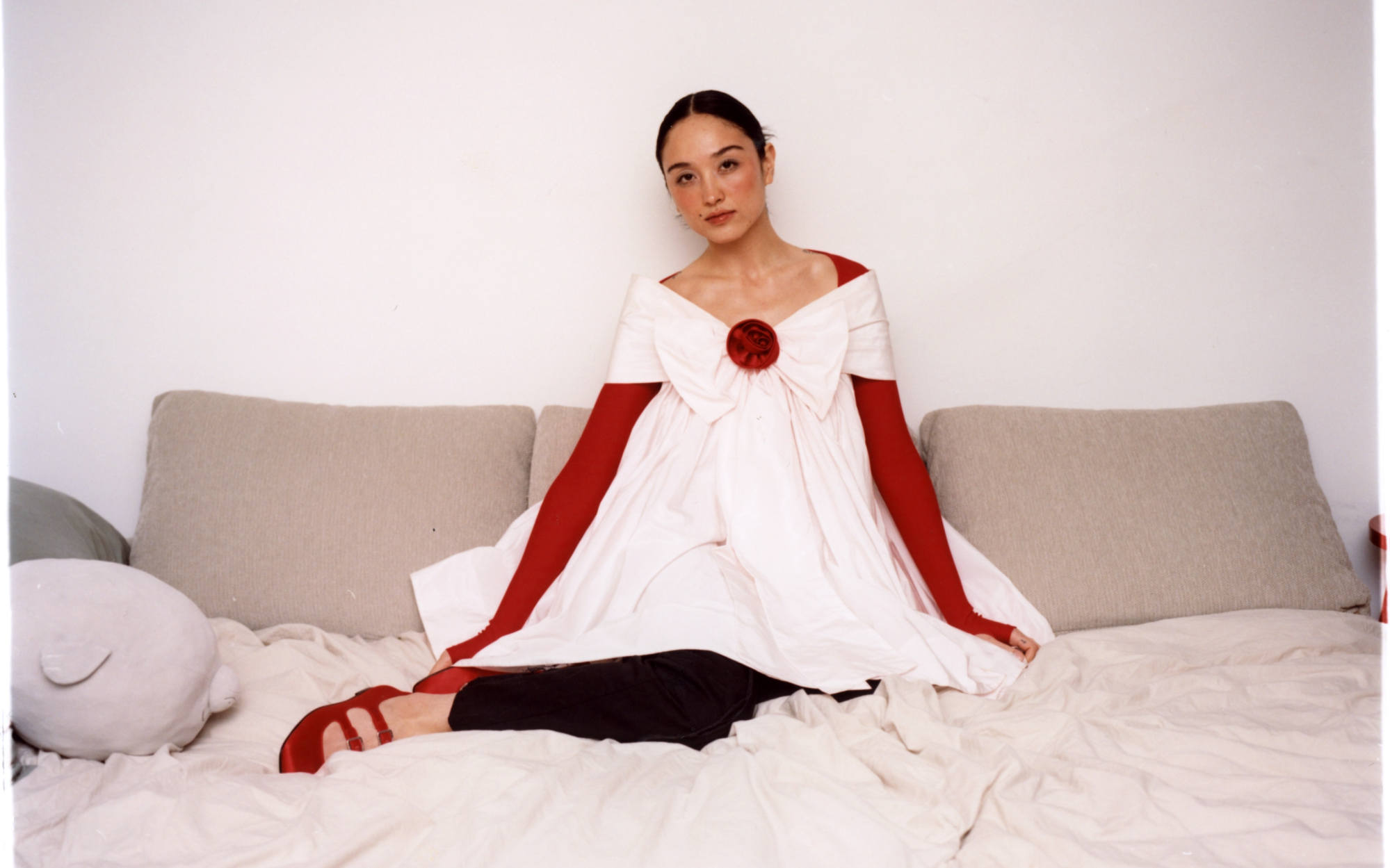
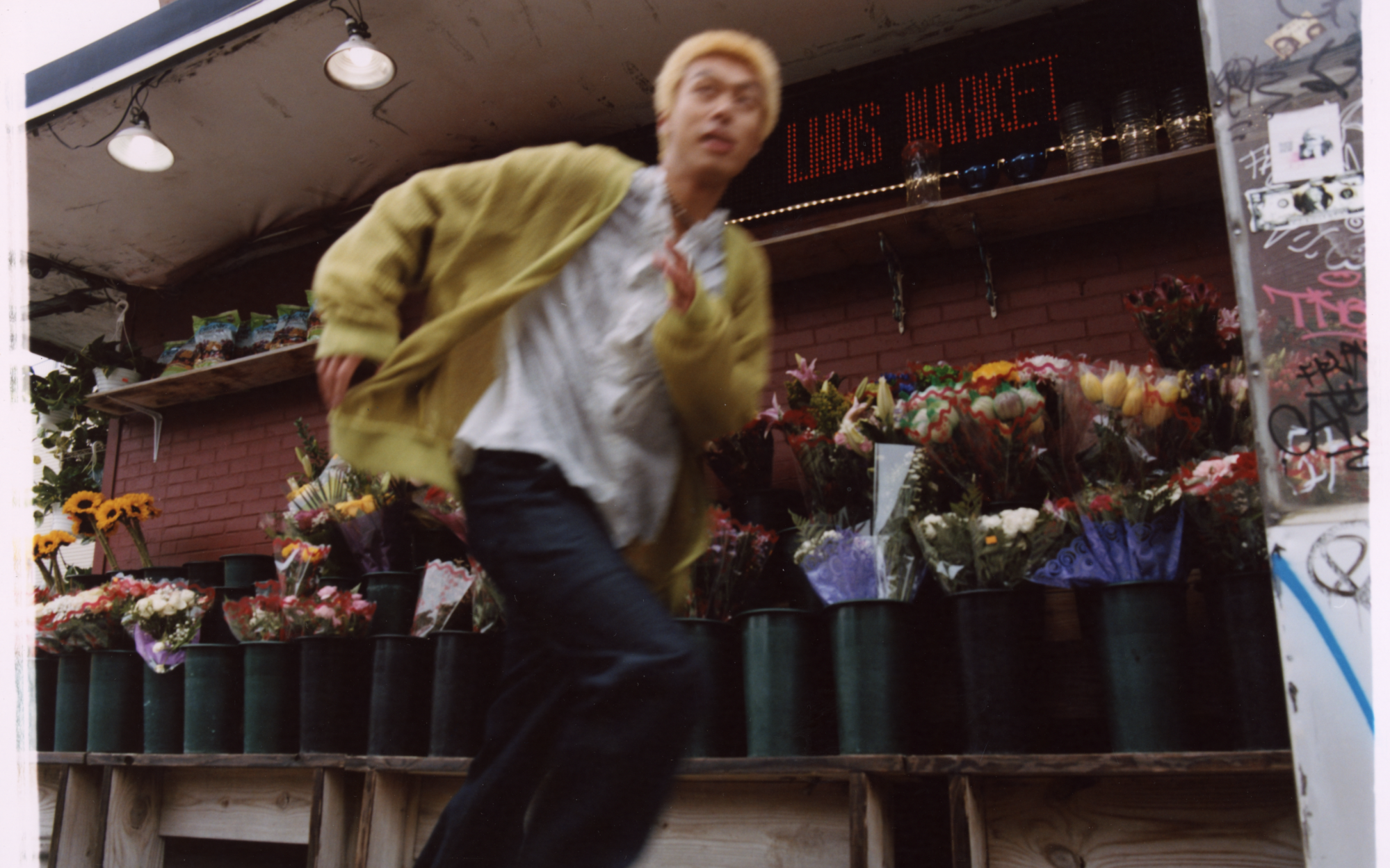
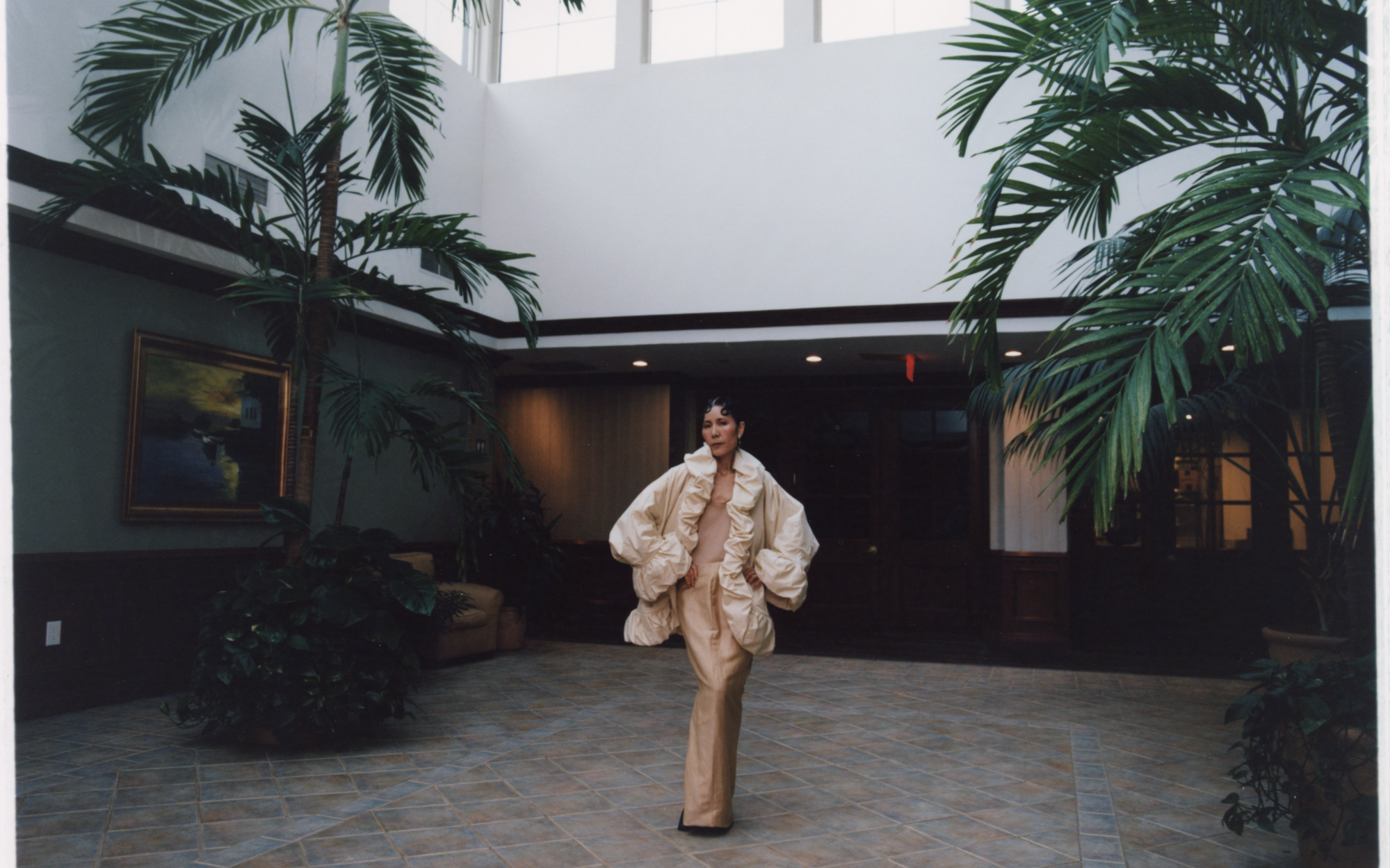

Decades later, Teller’s Go-Sees remains relevant for its objective and unfiltered depiction of the industry’s rhythms. Where Teller documented the nature and faces of the go-see act, Jingru Wang and Sadamatsu’s GO SEE* uses it as a tool for deeper connection between image-maker, subject, and viewer. Casting for Sadamatsu and Jingru Wang was integral. Working with agencies as well as mutual friends and internet discoveries, Jingru Wang sought out “people who are really aware of themselves.” Not only did they need to know who they were, but as Sadamatsu notes, they also needed to be willing to share themselves throughout the process.
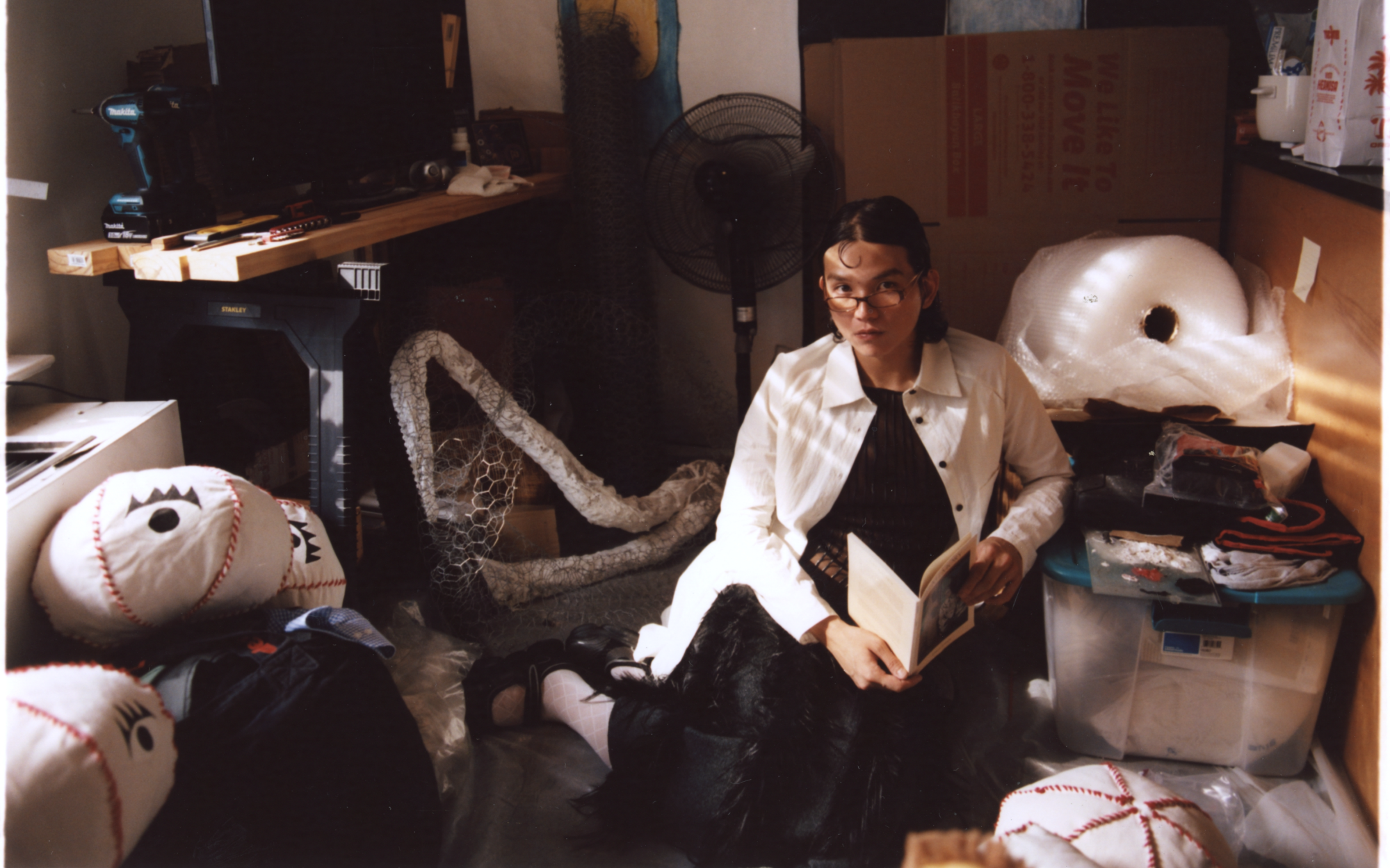
Meeting with each model days or weeks before they ever step in front of Wong’s lens, the duo create intimate portraits of the talent in their preferred state, photographing each one in their home and other beloved spaces. Jingru Wang and Sadamatsu did more than create beautiful portraits—they gave each model the opportunity to tell their story themselves, not just in image but in their own words and writing. Each one reflected on what it means to be in front of the camera as Asians, to represent the diaspora in their work for the final pages of the book—many in their own handwriting.
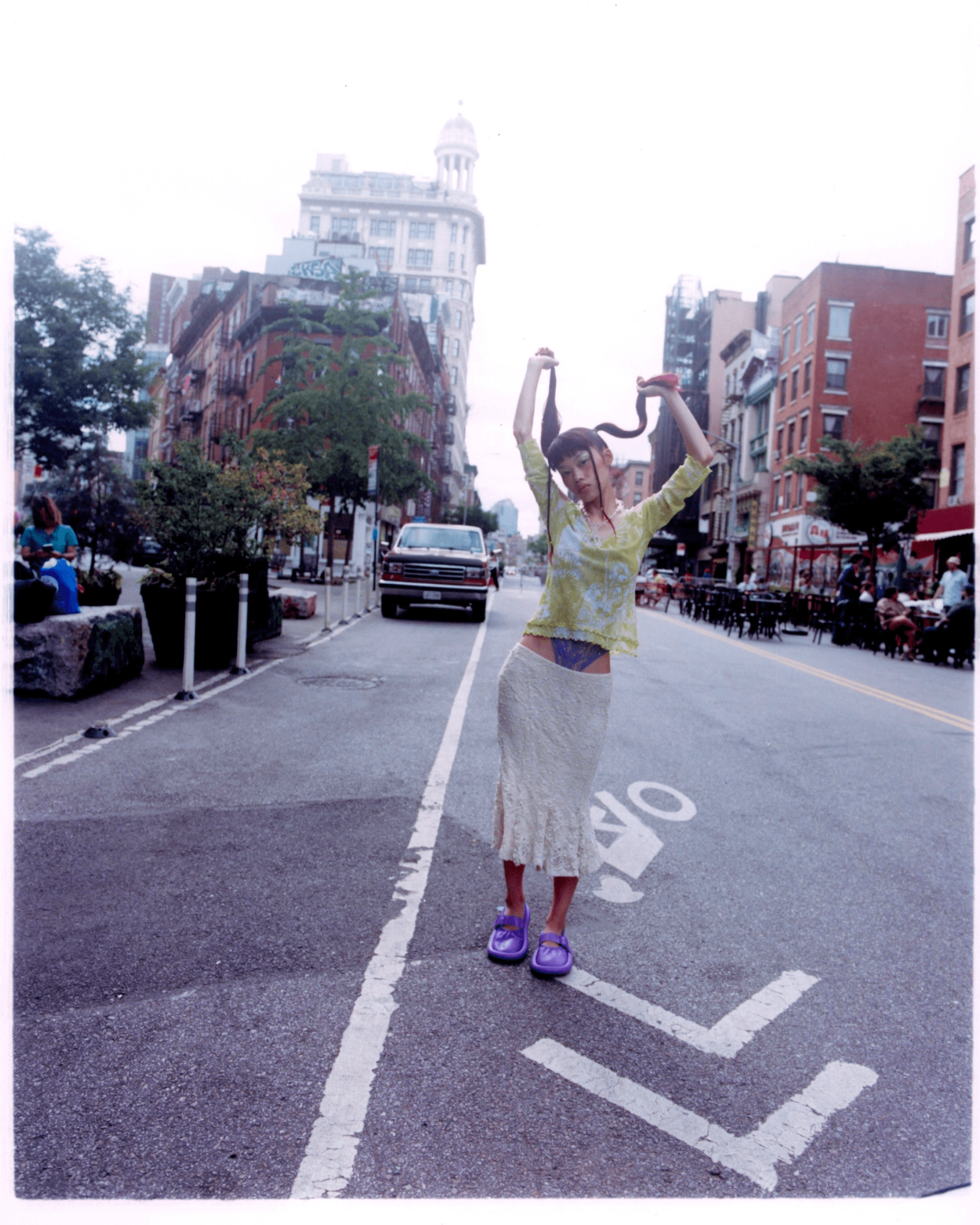
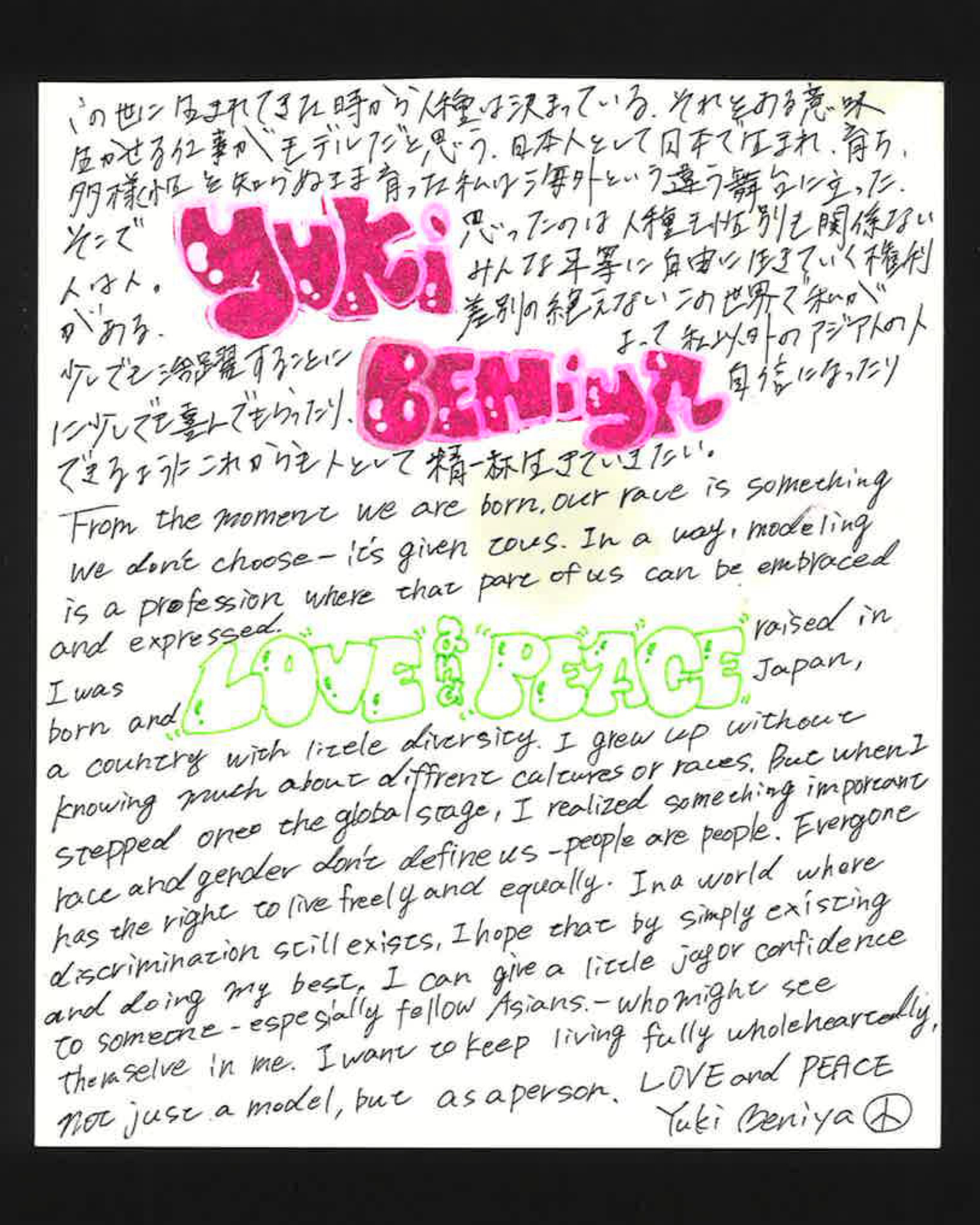

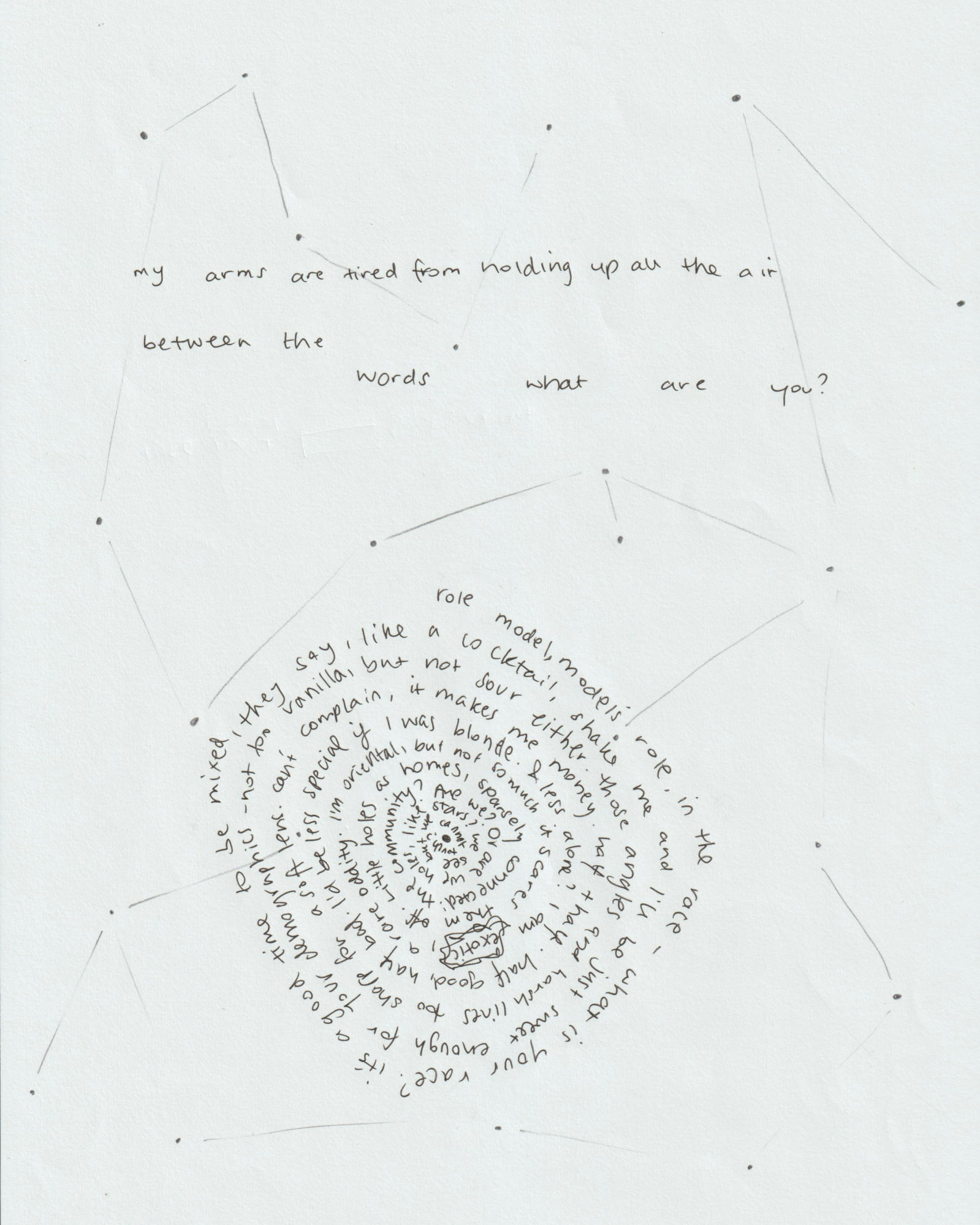

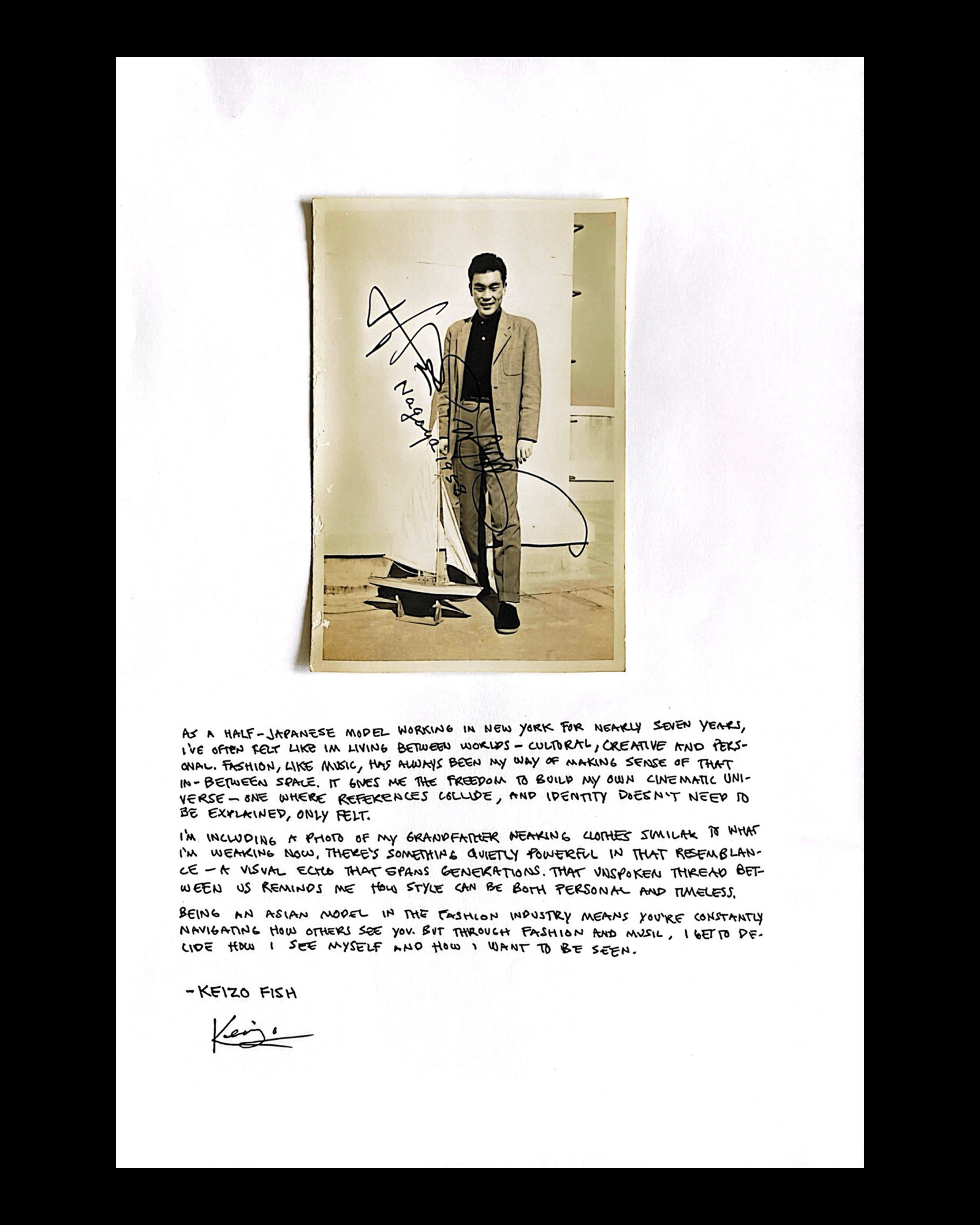
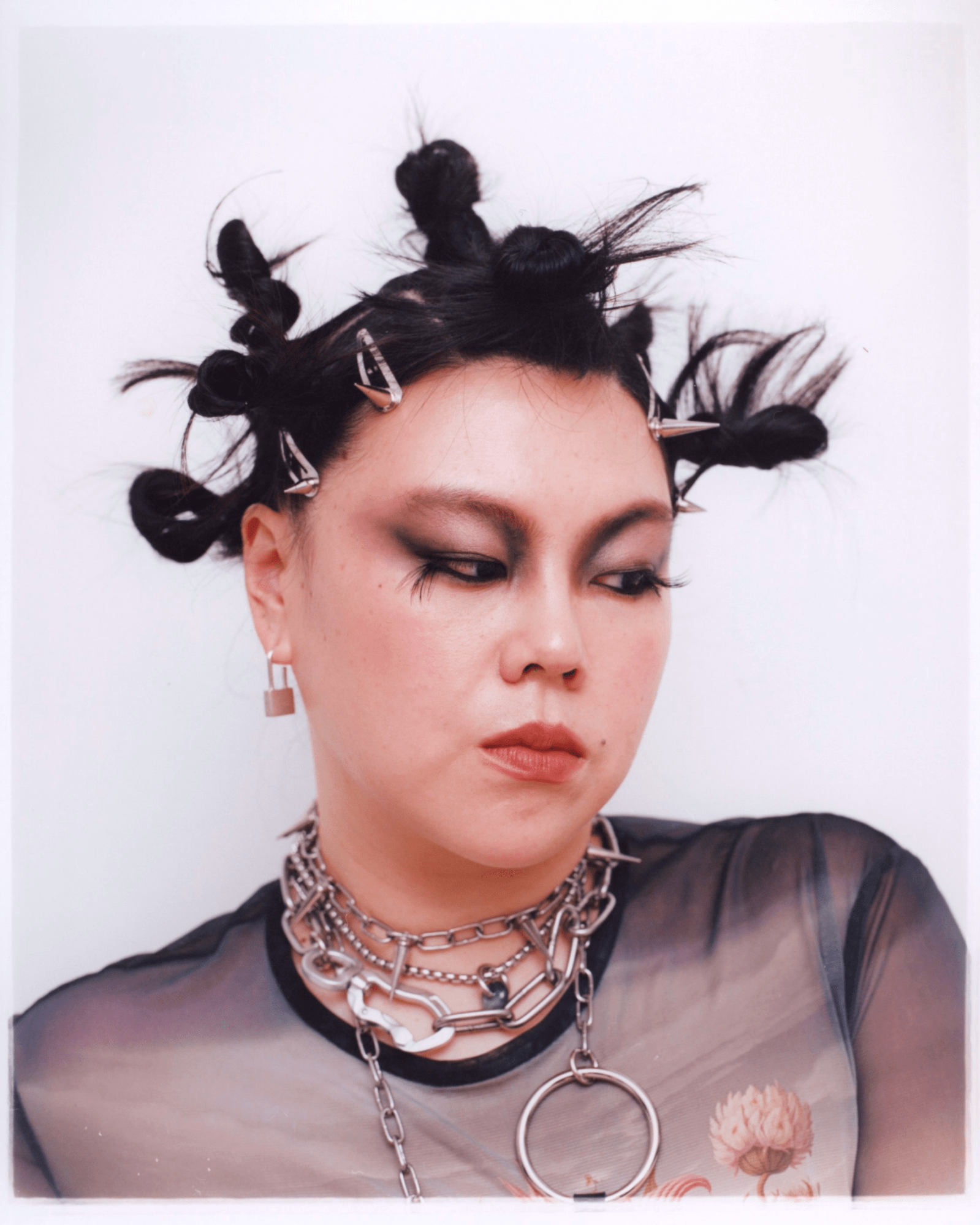
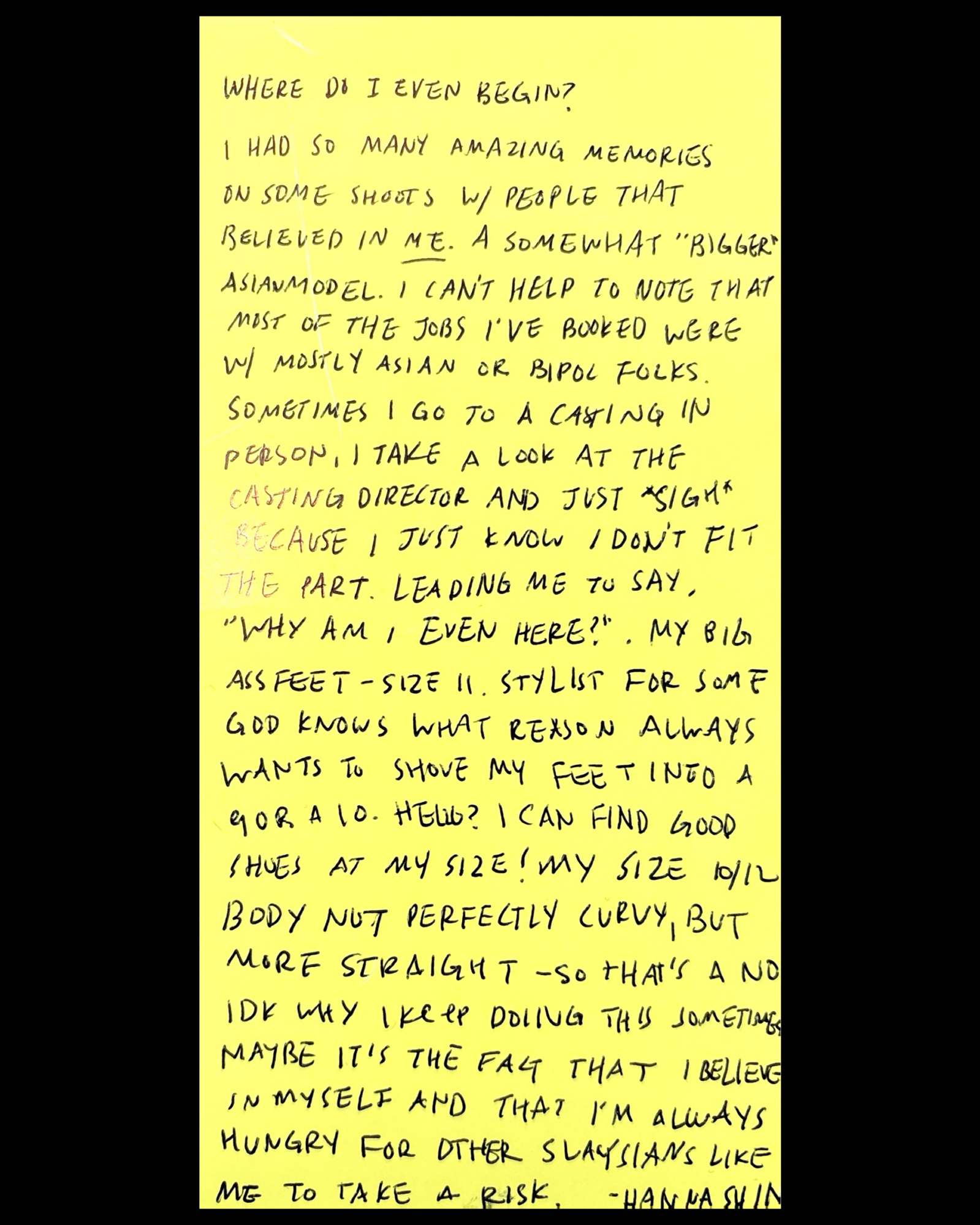
By grounding the project in the models themselves, the go-see was transformed into something intimate, showcasing the breadth of personalities, interests, and expressions. For Sadamatsu, it became a moment of pride and celebration of “what can come about when creative ideas are shared and developed as a group of people, rather than as just one person.” Together, Jingru Wang, Sadamatsu, and every featured model reimagine the go-see, shifting it from a transaction between model and photographer, to something celebratory of what can’t be expressed in just one picture. With GO SEES*, they champion the depth and diversity of personalities, interests, and expressions within the Asian diaspora and among those ready and willing to share themselves with an unknown audience behind the camera.
