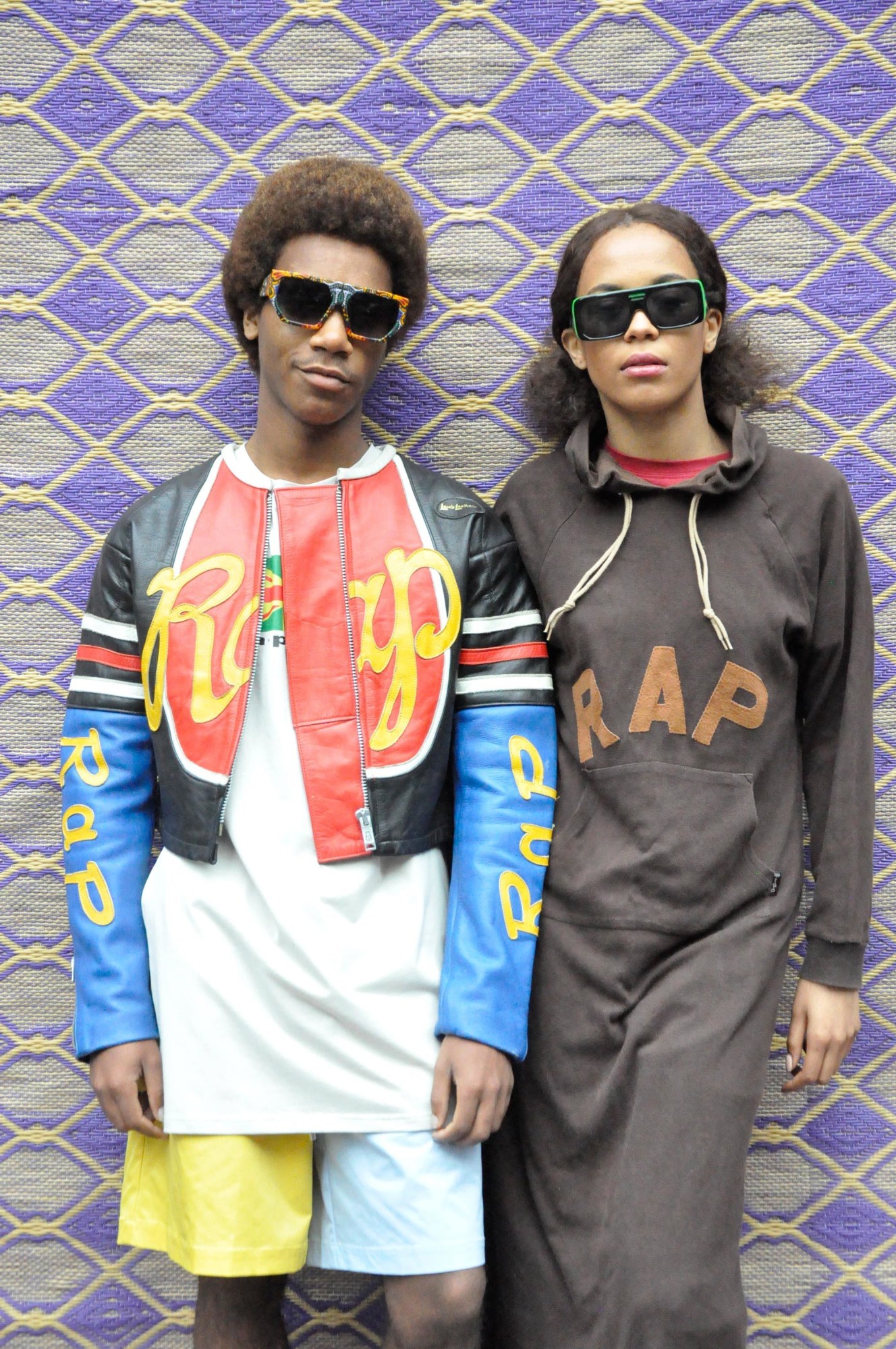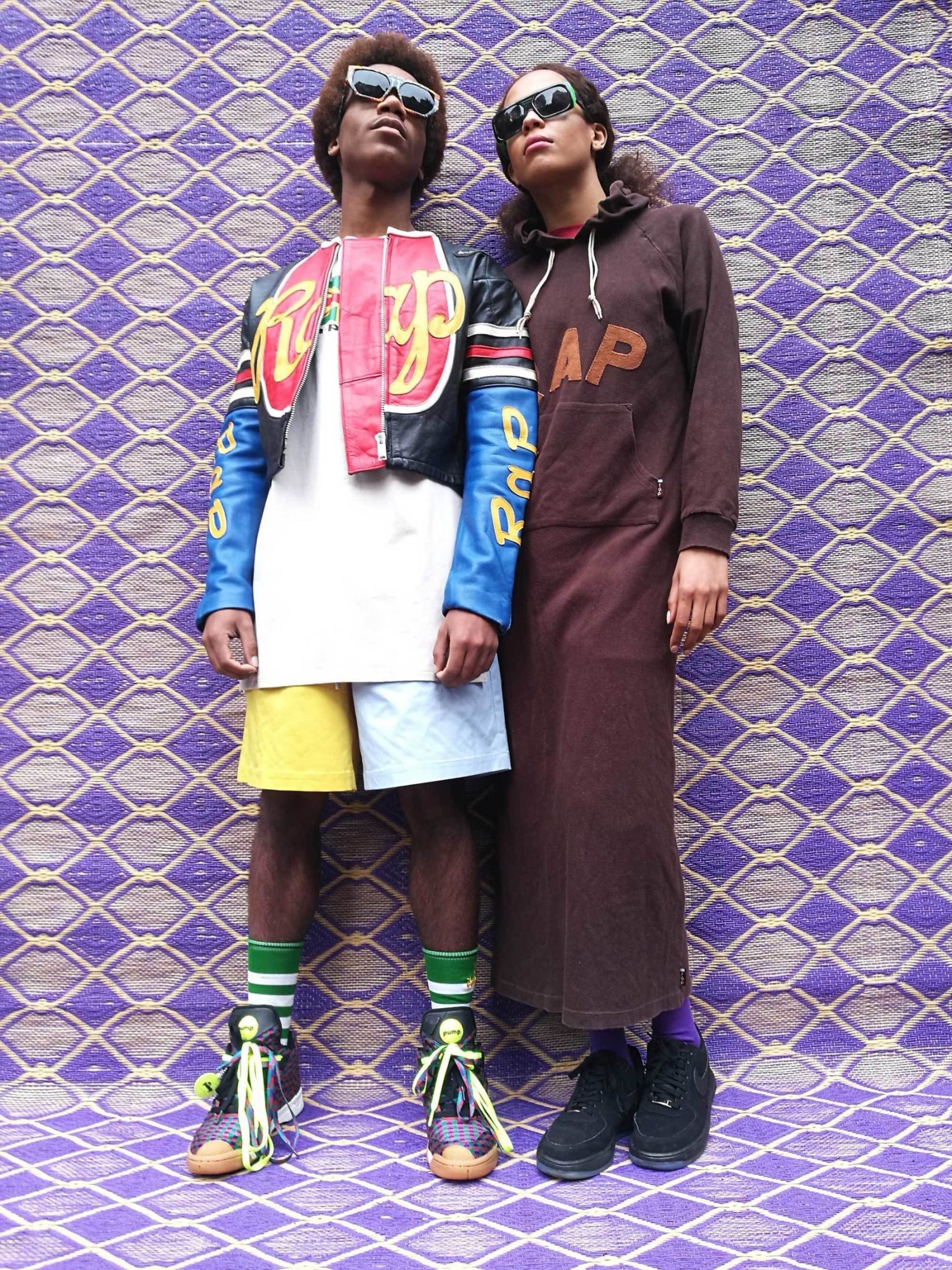
London in the 80s. A time when creativity was at its rawest. When pirate DJs were taking over radios and kids from council estates were disrupting catwalks. One such renegade was Hassan Hajjaj, artist, designer, photographer, filmmaker and above all founder of R.A.P London, one of the coolest streetwear labels on the scene. “R.A.P began in the 80s to represent the industry’s underdogs,” Hassan says, of his iconic brand. “People much like myself, who came from somewhere else to find our village within the city as there was nothing for us, no music, clubs, fashion, art, design, food, places to hang out. R.A.P represented this. It has always been about lifestyle – not just a brand.”
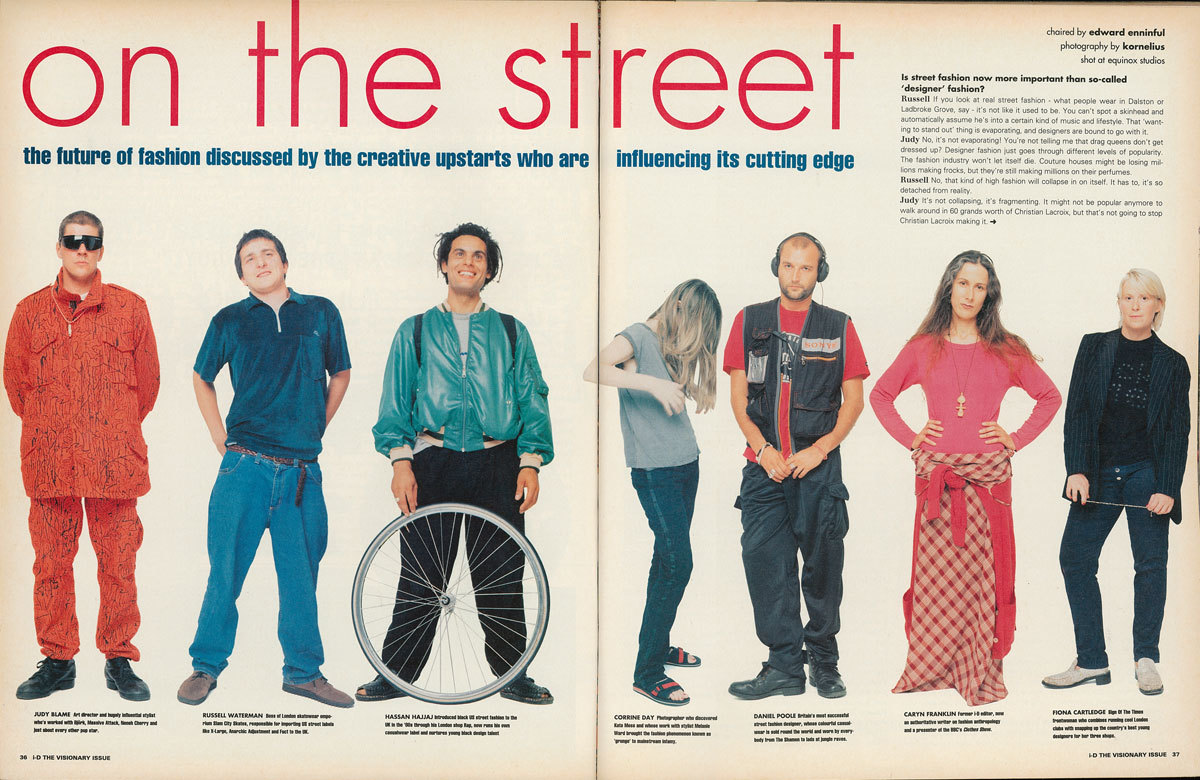
From Soul II Soul and Bionic, to London Posse and Ekow Eshun (who would later become creative director of the ICA), there wasn’t a single person worth knowing who wasn’t dressed head to toe in R.A.P London. But then came the 90s and with it cool Britannia, and suddenly Hassan felt like London no longer had a place for R.A.P, so he shut up shop and began focusing on his career as a photographer. But today Hassan has teamed up with Cadillac and Dubai’s Sole DXB to relaunch his iconic brand. The classic silhouettes will all be there only revitalised with a modern twist. Ahead of the launch, we speak to the man himself about real artistic people and coming back with a bang.
Tell us a bit about your background prior to launching your label?
I was born in Morocco and came to live in London at the age of fourteen in 1973. I came out of school with no qualifications and found myself working a number of odd jobs. I became unemployed for a few years and found myself working for a fashion shop, whilst also promoting clubs, DJs and bands. This led me to my next path where I assisted fashion stylist Andy Blake for magazines and catwalk shows, I also worked with Zak Ove on music videos. As you can imagine all of these experiences come out in my art. I have always worked with what is around me.
What was the original idea behind R.A.P London?
R.A.P began in the 80s to represent the industry’s underdogs. People much like myself, who came from somewhere else. To find our village within the city as there was nothing for us, no music, clubs, fashion, art, design, food, places to hang out. R.A.P represented this. It has always been about lifestyle — not just a brand.
What did it stand for?
It stood for Real Artistic People. It stood for the underdogs, the kids from the council flats, the pirate DJs. The outsiders.
What did you envision for it?
At the beginning. it was just about my friends and nothing else. As time went by I realised that R.A.P had become a central part of the London scene.
What was the reason behind closing it?
It was time. I needed a change to grow and find a new journey, also by the mid 90s it felt that London wasn’t for us. There was the cool Britannia thing happening and all the press then didn’t really give us props as part of the building of the London scene. It was all about Oasis, Blur, Tony Blair, Patsy Kensit and the England football team, the new art scene like Damien Hirst. We didn’t get a look in.
Why pick now to relaunch?
It was all about timing, and having Sole DXB and Cadillac behind this felt right. When you have a great team behind you, you are opened to infinite creativity. Cadillac have been great and Sole DXB offers the perfect platform via Dubai, the new frontier, where East meets the West, where we can develop a new culture, just like we did in London in the 80s. That’s what they’re doing and why this partnership feels so organic.
What can we expect from the new R.A.P London?
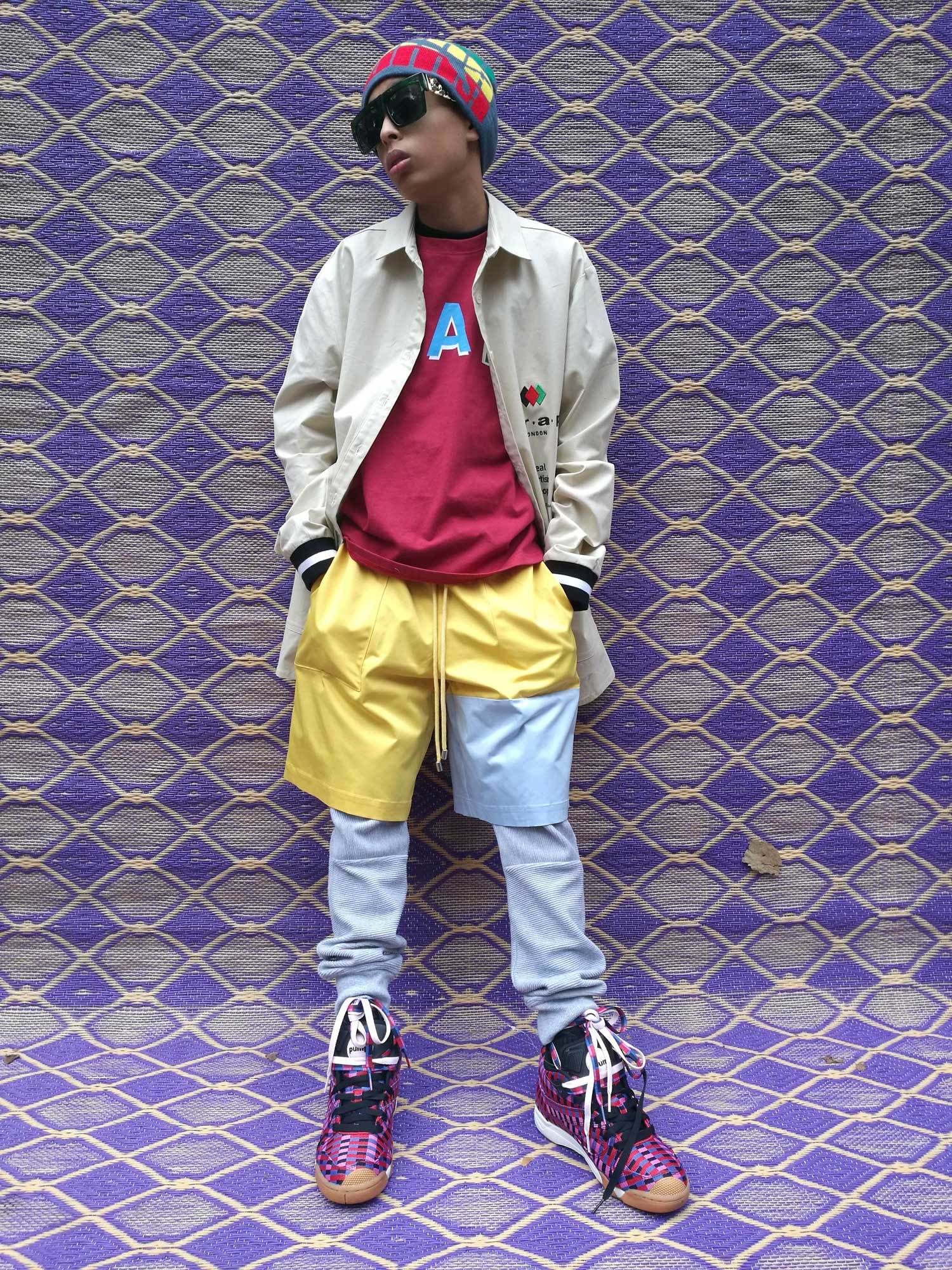
Hopefully to have something more than being classed solely as a streetwear label. I want R.A.P to work with different artists from around the globe, to be able to really say something beyond fashion.
What are references for the new collection?
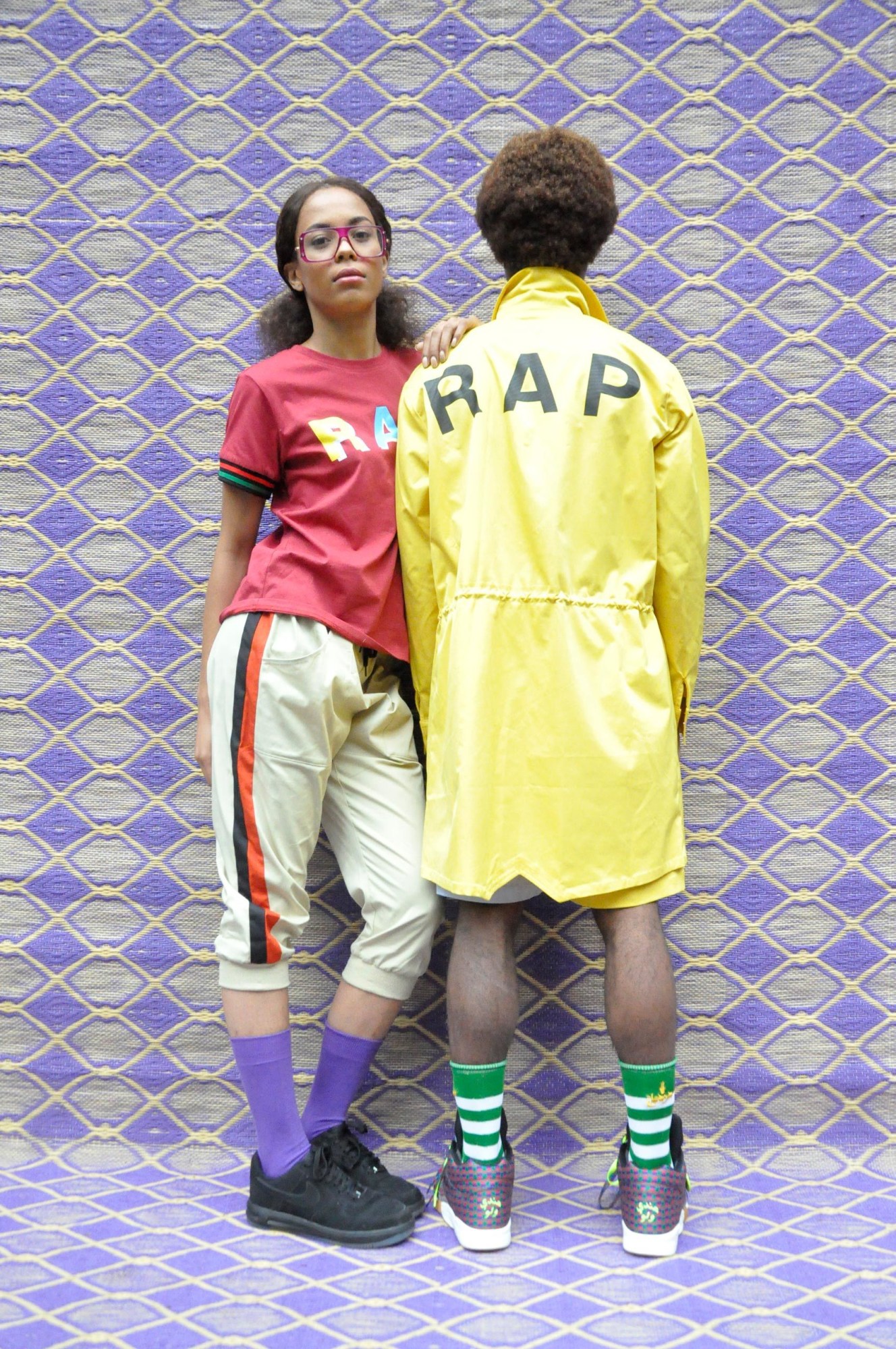
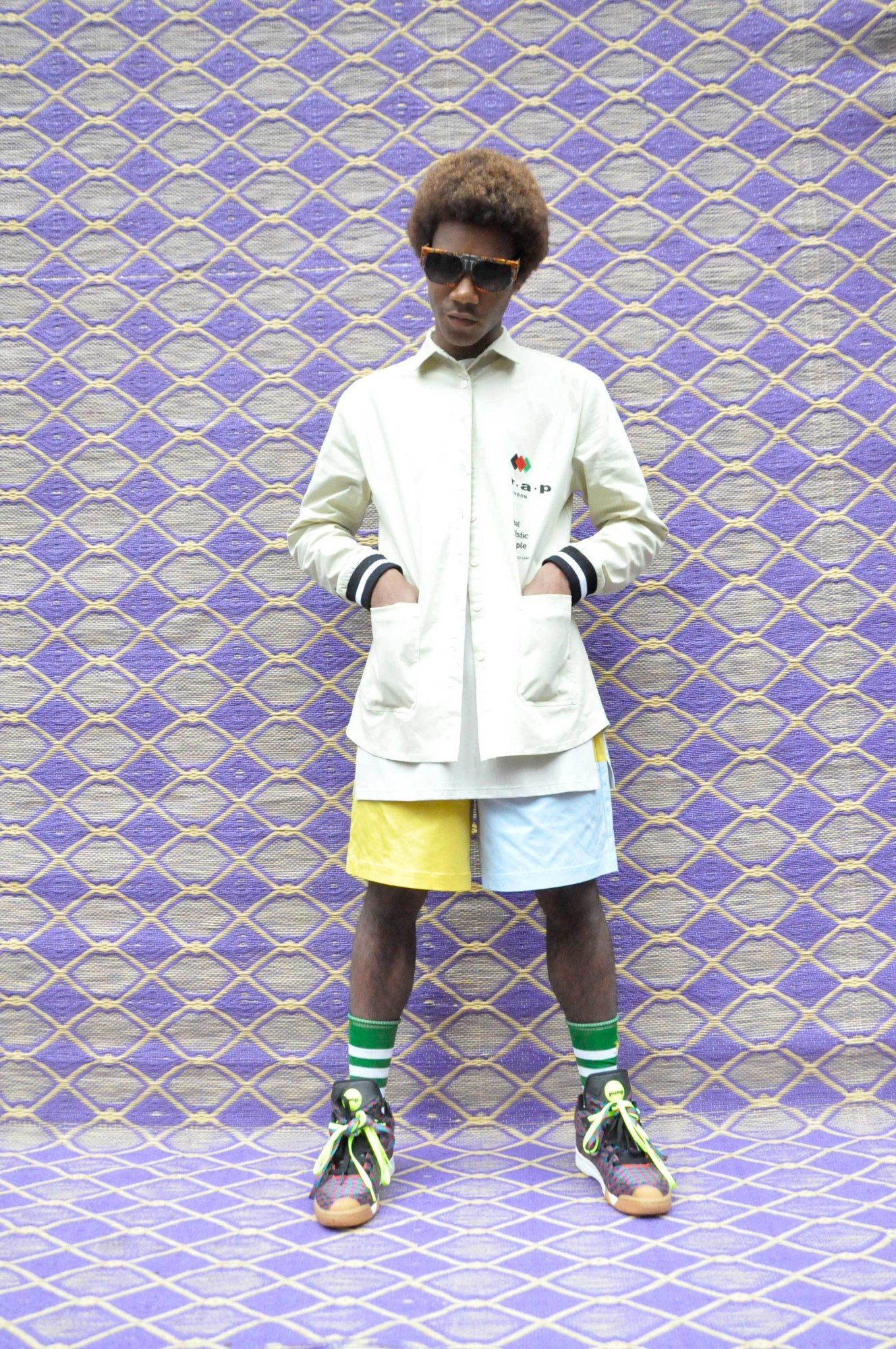
I’ve redesigned some of the classics to show the history of the label, where R.A.P has come from, whilst adding some new designs.
How do you envision it within today’s cultural climate?
I think it’s more relevant now than ever due to what is happening in the UK with Brexit. It’s important to stand for something, to create work that looks to unite and not to divide.
How do you think the industry has changed in the last 20 years?
Majorly due to the internet. Nowadays there are so many street labels that are nothing more than a trend. Whereas when R.A.P was around there were just a handful of them, they each had their own personality and presented their own kind of lifestyle. Designers nowadays are tasked a lot more with focusing on the bottom line and that can really taint the soul of creativity. I’ve been very fortunate to partner with Cadillac and Sole DXB who have given me true creative freedom with the R.A.P relaunch.
How did you get involved with Sole DXB?
I produced the lead campaign visuals last year for Sole DXB and we got to know each other as friends. They really believed in the R.A.P relaunch. They understood what I wanted to achieve and they knew that Cadillac were the right partners. It’s all been very natural. We’re producing a full blown standalone R.A.P installation at the event which will walk you through the history of the label right up to its present day iteration. It’s going to be really special.
What’s next?
Flying the R.A.P flag around the world. Watch this space…
R.A.P London relaunches at Sole DXB in Dubai on November 18 and 19.