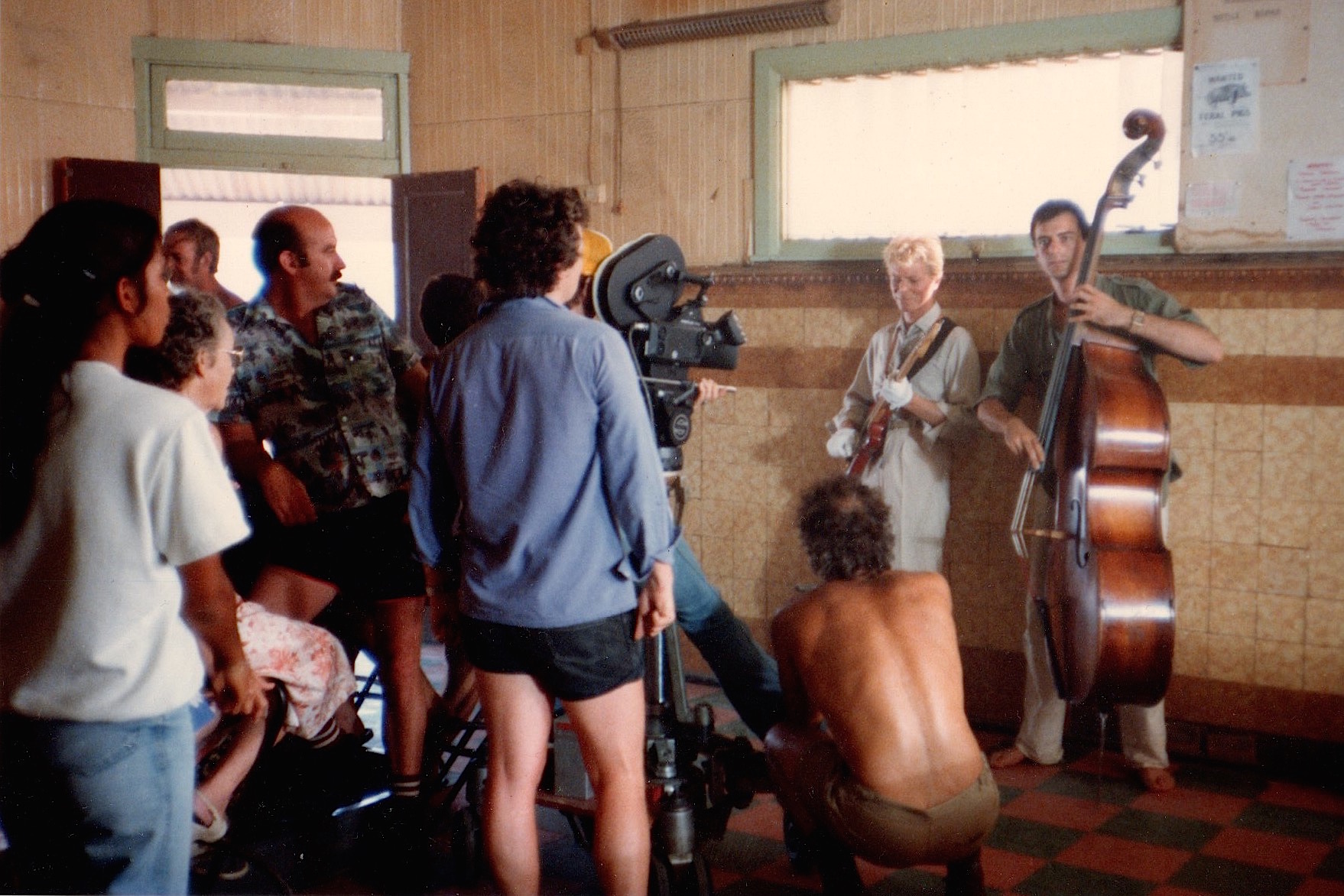
In the early 1980s, David Bowie spent extended periods of time in Australia. Holding this glorious foster son close, his presence in the country has almost become mythical. But it wasn’t a love story built on sandy beaches, the artist was also painfully aware of the shadows in his second home. In 1983, he gave them a voice in his video Let’s Dance and a country’s pop culture obsession suddenly collided with the most shameful parts of its culture.
The video dealt with racism and deeply ingrained apartheid style attitudes in the Australian Outback. The clip starred Indigenous dancers Terry Roberts and Joelene King, through their eyes the viewer was asked to witness their struggles with metaphors of Western cultural imperialism.
At the time it was arguably Bowie’s first, or at least most bold, sociopolitical statement. When he died earlier this year, a whole country returned to the clip and reflected on its weight three decades on. But before his passing, director Rubika Shah and producer Ed Gibbs were fascinated by this story. Together they produced the short film Let’s Dance: Bowie Down Under. i-D spoke to Rubika about what drew a foreign artist into Australia’s dark colonial heart.
When David Bowie died earlier this year, a lot of people returned to this film clip and its significance. But you’d been interested in it long before then, how did you come to this story?
It’s been a long journey; I discovered the story with my producer Ed Gibbs. We’re both fans of the record and were just wondering what happened to Jolene King and Terry Roberts, the Indigenous actors in the clip. That was really our starting point in 2010. We embarked on a journey to find them—we found Jolene first and were really impressed that she was just having a really nice life and nobody had interviewed her.
How did you find her?
Ed did most of the finding, it was a lot of detective work, knocking on doors, asking around and talking to different people. We interviewed her for a story celebrating the 30th anniversary of the record’s release, and we were like, this is a really great story. There’s something really interesting in the whole Let’s Dance era.
How was it revising that time through her eyes?
It was a real insight, things were quite different in the early 80s in Australia. It was really interesting to hear her stories relating to the shoot in Sydney. It was quite guerrilla-style in parts, there was a sequence where they were filming on Parramatta road and they literally just went in there and shot it. It was a case of just getting the shot and then getting out rather than setting up and stopping traffic. So all the stuff see in the music video really happened.
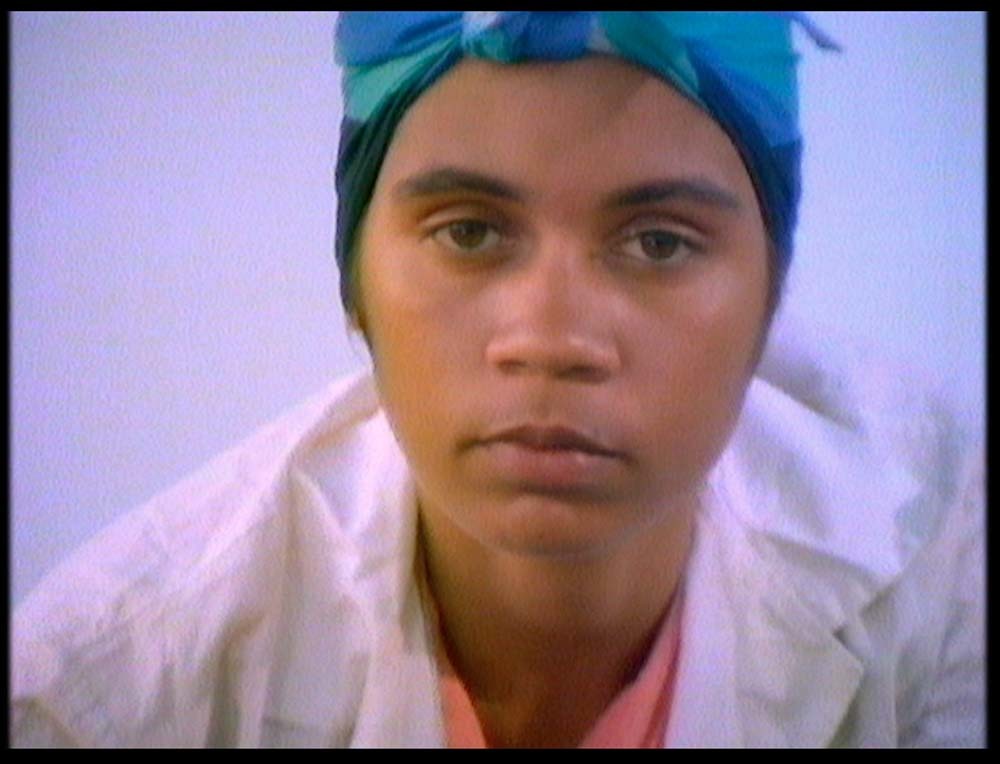
What about the scene in the pub? That’s what I always picture when I hear the song.
Their experience in the pub was really different because being in the Outback there was still this kind of hangover from how things used to be—with the distinction between Aboriginal people and the White Australians. Even talking to David Mallet (the video’s director) you get a clear sense that for these pub-goers it wasn’t such a happy atmosphere in terms of the feeling towards the two Indigenous actors and also to David Bowie. Bowie was sort of like this city slicker coming into town.
David Bowie received a lot of praise for that video, but Jolene was the focus and obviously lived in this climate, she wasn’t a visitor like him. Did she ever feel any pushback for her participation?
No I don’t think so, not that I know of. She’s such a lovely person. Also I’m not sure that everybody was praising Bowie when the clip came out in Australia. I think there might have been some of the old establishment that felt like, why is he making a comment about this? But he’s an artist and it’s often what artists do. They’re the voice of the grassroots aren’t they? Through history it’s art that is able to influence politics because it’s the voice of the people.
Absolutely. Prior to this he hadn’t been super active in sociopolitical issues. Why was this the situation he decided he wanted to engage with through art?
He was affected by what was going on in South Africa at the time and racial struggles internationally. He felt what was happening in Australia was wrong. I think he felt like the issue just wasn’t really getting any attention. He wanted to make this statement about assimilation and the idea of two different cultures coming together—a very old culture and a new culture.
Also, he just really liked Australia and spent a lot of time there. He was passionate about what was happening to Indigenous people but liked the country, so felt conflicted.
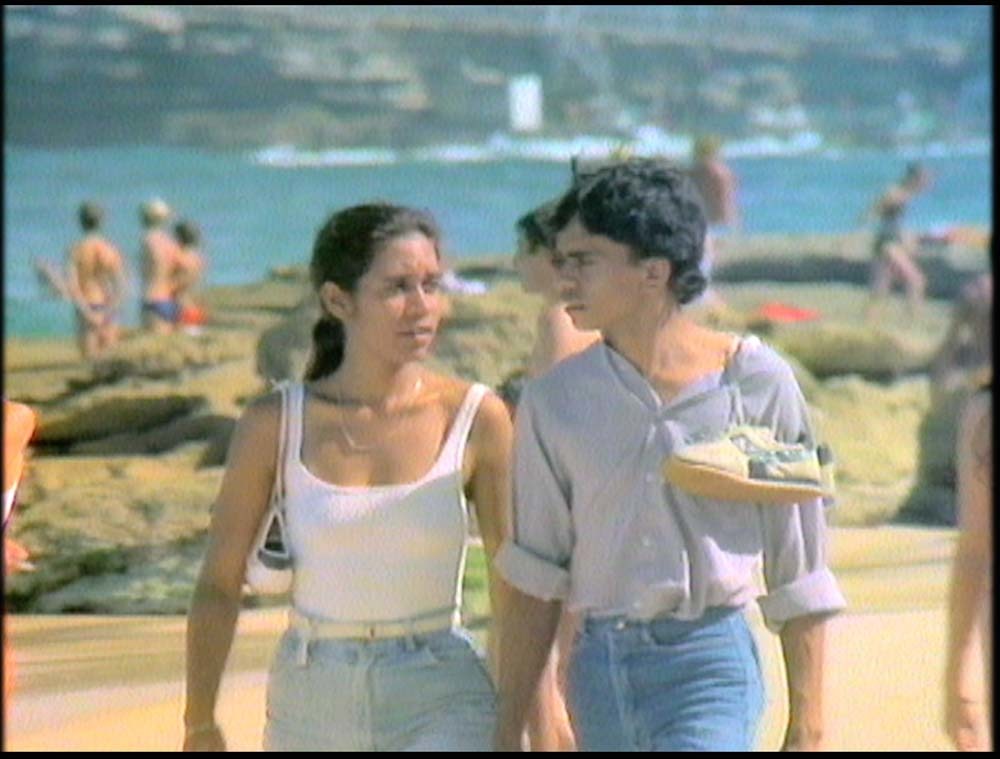
That’s interesting, so many people engage with a very one dimensional part of a country through travel. How did making this film impact the way you personally saw David Bowie?
I always liked his music, but when I got to know him through this clip I got to know a human side. His repertoire is so grand you could feel you know him and still discover more stuff musically, but it was a rare opportunity to find more about him, the man behind the mask, as they say.
Actually in our film there is this really nice quote where he addresses that you’re getting to see inside the psyche a little bit. He’s doing something that he feels passionately about rather than just something that satisfies his artistic passion. I feel quite humbled that we got to know this side because it hasn’t really been explored much. I know that there is a certain generation that is obsessed with Ziggy and it’s just like there is so much more to Bowie than Ziggy.
I suppose as someone who wore a lot of masks in his work, it’s a really personal insight into what he cared about.
Yeah, and it kind of makes sense that after ten years making these really great artistic statements that he would dip inside of himself a bit more and create something different.
Credits
Text Wendy Syfret
Images courtesy of ‘Let’s Dance: Bowie Down Under’