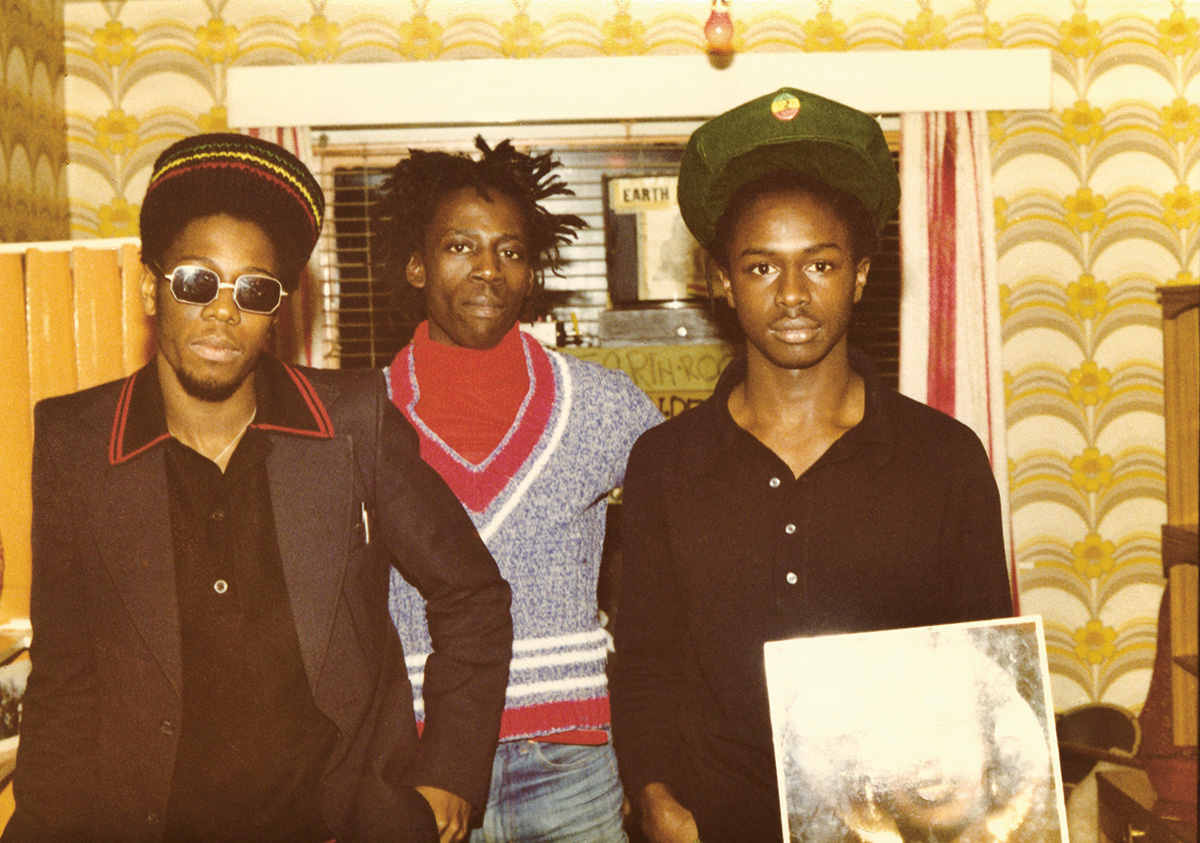
Sound System Culture is a brilliant offering from One Love Books, which offers an incredible insight into the little known sound system culture of Huddersfield. Beautifully researched, designed and illustrated, the book tells the story of how Carnival culture in this country began after the migration of Afro-Caribbean people following the Second World War. Despite facing a profoundly racist period in British History, it’s thanks to the pioneers of Huddersfield’s Venn Street – and Ladbroke Grove and St Pauls – that we now celebrate Carnival as much as May Day. We talk to project co-ordinator Mandeep Samra and editor/designer Al “Fingers” Newman about their new book and the cultural influence of Huddersfield’s sound system pioneers…
Huddersfield isn’t immediately associated with sound system culture, more commonly it’s Bristol, Birmingham or, of course, London. Why has it taken so long to be recognised and what importance does Huddersfield play in the culture?
Mandeep Samra: It’s a similar story up and down the country wherever Caribbean people arrived and settled in the UK. There are probably lots of other towns that have a similar story, but the scene was more prominent in the cities. It’s easier to get recognised in a big city for lots of reasons.
Al Newman: Yeah there are various reasons why the bigger cities got more recognition. But Huddersfield had a rich scene, with many different sound systems, and it became an important destination for Jamaican artists touring the UK. Artists like Gregory Isaacs and Dennis Brown for example would come to the UK and play London, Birmingham, maybe Bristol… and Huddersfield.
How and why did the book come about in the first place? Why did you think it was important to document Huddersfield’s sound system culture?
AN: The book was Mandy’s concept, and formed part of a bigger heritage project she had put together that included an exhibition, film and selection of oral histories. She approached me to art direct and design the book and I loved what she was doing so ended up getting more involved in the compiling, editing and research, I thought it was great that she was shining a light on the Huddersfield scene because focus on UK sound system culture has traditionally been on bigger cities such as London, Birmingham, etc., and the Huddersfield story has been largely overlooked. She’s done an amazing job with the whole thing.
Mandeep Samra: While there’s little evidence of the scene in the town today, during the ’70s and ’80s Huddersfield had a vibrant sound system culture and I felt it was important to document this as there is really very little information available about it.
What was the most exciting/rewarding part of the process, in terms of the gems you unearthed?
MS: I didn’t expect was how the project was going to be so well received, both nationally and internationally. The subject is close to many people’s’ hearts and has reached far and wide. I think the project has put Huddersfield back on the map.
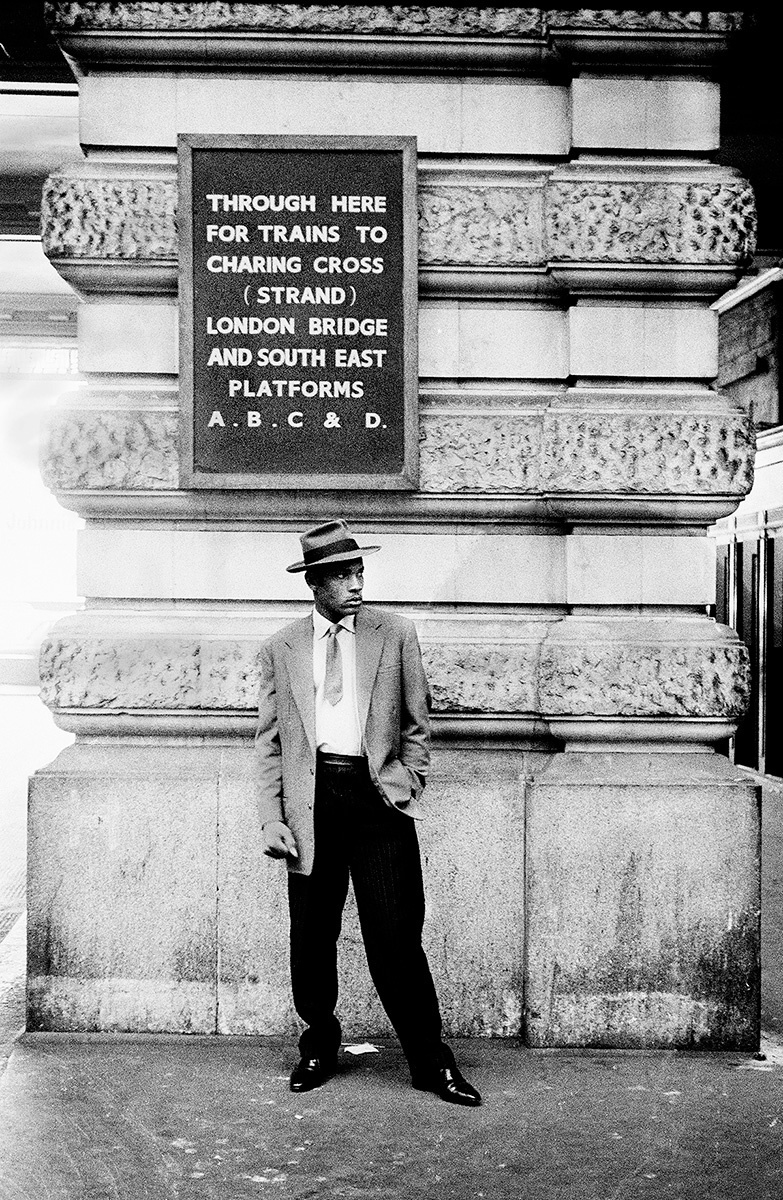
AN: I love finding archive pictures that haven’t been widely seen before and a favourite for me was a series of photos by photographer Howard Grey, of West Indian people at Waterloo train station in 1962, having docked in Southampton hours before as passengers on board the Empire Windrush. The pictures are beautiful and the shock and bewilderment on some of the men’s faces, as well as their style and general swag, is amazing. The pictures have been in Howard’s attic since the ’60s and happened to be put online while we were researching Windrush photos.
Did you find out anything surprising on your travels, unearth any gems or info previously undiscovered?
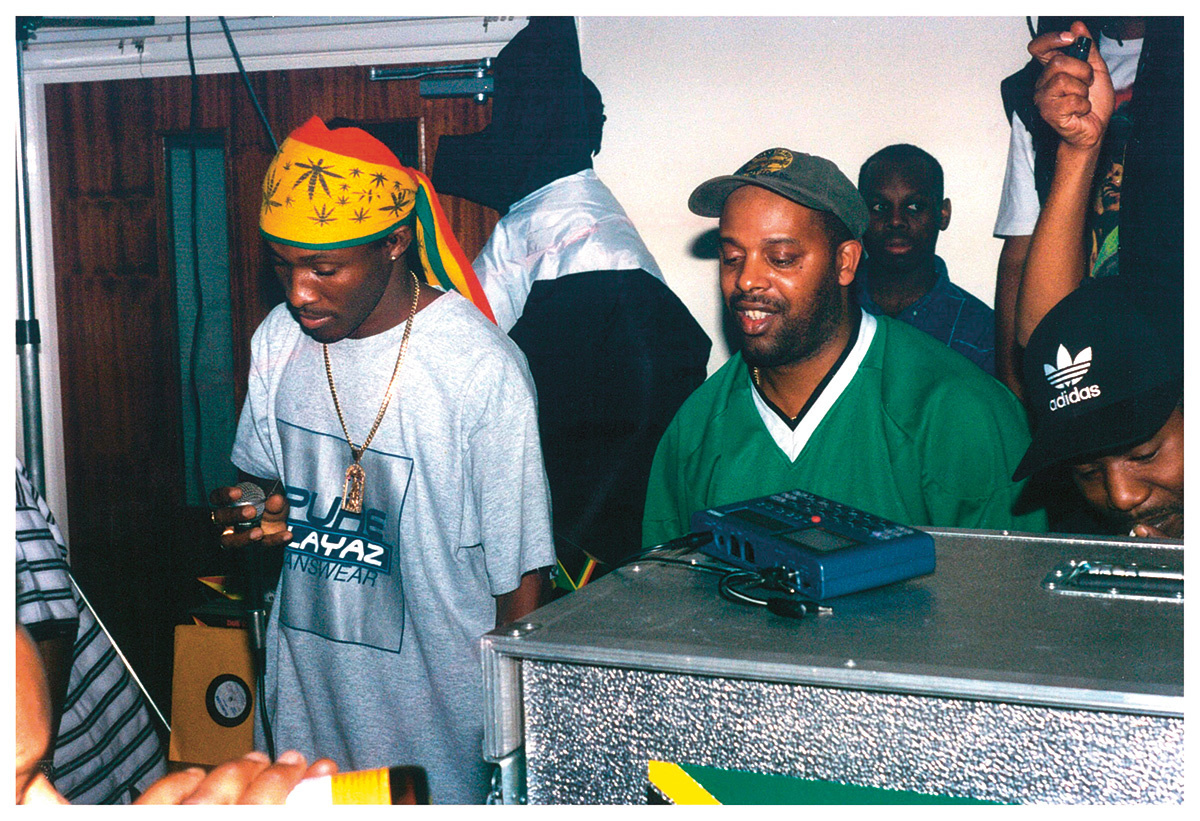
MS: I loved people sharing their stories of Venn Street nightclub hosting well known artists from Jamaica and the place being rammed. People reminiscing about the past. It was an honour to listen to them animate their past and bring their stories to life.
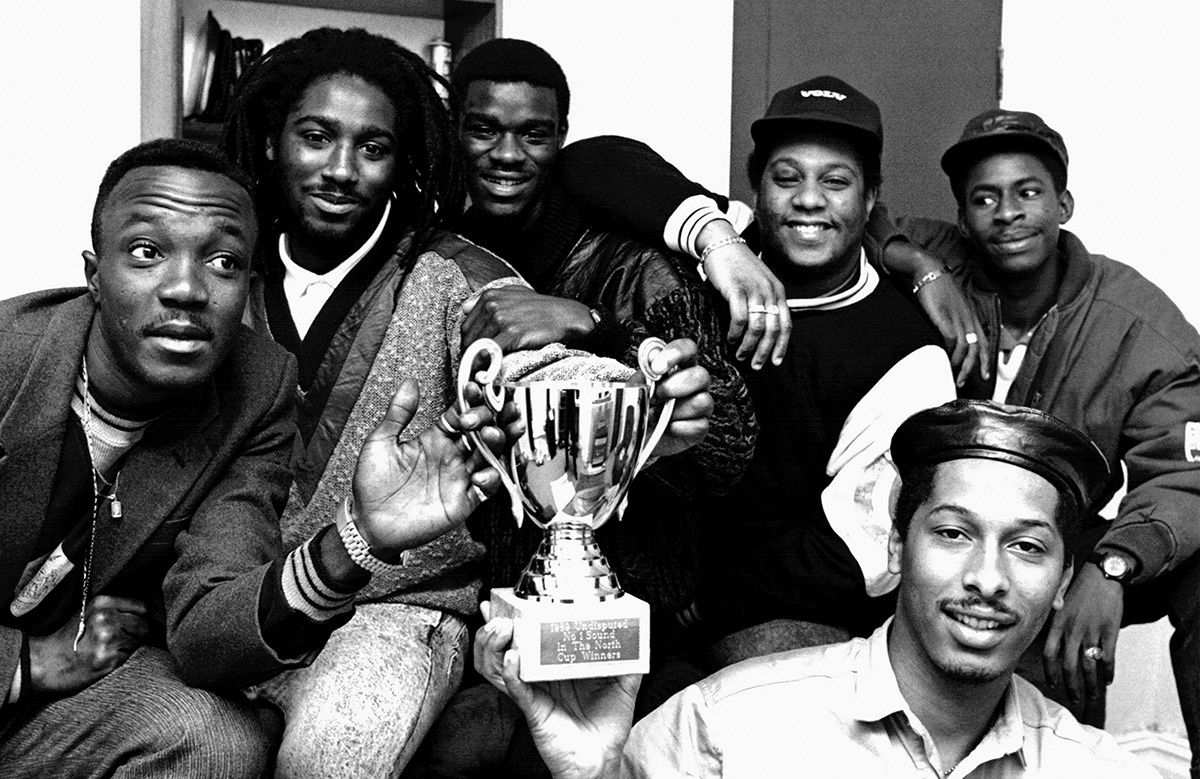
AN: I also loved hearing people’s stories, people like Ian R Smith and Stephen Burke. It was really fascinating. Also some of the photographs from the collections of the soundmen themselves are great and very evocative of that time.
How did you collect and curate what we now see as the end product?
MS: I collected most of the photos that were used in the exhibition whilst carrying out the oral history interviews and looking through people’s photo albums. A lot of these images were also included in the book. When Al came on board we worked together to collect further photos to reflect the chapters of the book.
AN: Mandy found a lot of great photos in the personal collections of the soundmen and other people who were interviewed for the project. When I got involved I initially worked on the text, which had been written by local soundman Paul Axis. I then looked at the images Mandy had already collated, and started putting them together in a way that I thought best illustrated the story. As the book developed, gaps became apparent where we needed new images, and we went out and found them.
It’s carnival this week – why do you think we have such an enduring love of the culture in the UK?
AN: I think it’s because we are blessed to have so many Caribbean people living in the UK, and that is testament to the wide-reaching influence of Caribbean culture – Jamaican in particular – on British culture and British people.
MS: Carnival reflects a culture that knows how to celebrate life through music and costume. Sound system operators such as Aba Shanti-I and Channel One play conscious music and I think it’s the message through the music that reaches people and creates a positive vibe.
What’s/who is your favourite sound system of all time?
MS: Jah Tubby’s.
AN: I would say Stone Love.
Where do you see the culture heading in the future, both in Huddersfield and the UK?
MS: Huddersfield’s sound system culture is not what it once was, with many sounds no longer playing out. However there is a revival going on and I know a few sound operators, like Armagideon sound system, are planning a reunion. As for the UK, I’d say popularity of the culture is growing, with more and more young people building their own sounds after being inspired by the pioneers of the 1970s and ’80s.
AN: There does seem to be a revival in interest in sound system culture. I think it’s become more mainstream, with Red Bull for example doing Culture Clash and James Murphy’s Despacio sound system and stuff like that. It’s not like before, when sounds had a real local following – with the Internet it’s become global. I guess the renewed interest boils down to the fact that people love listening to great music through a great system, as well as the visual attraction of a beautiful, hand-built sound. As for the future in Huddersfield, things really changed when Venn Street, which was the main venue for the town’s Caribbean community, was demolished in 1992. One of my hopes with the book is that it will be seen by a member of the local council who will read it and realise the importance of a venue like Venn Street, and find the funds to build a new venue for the town’s Caribbean community. Something as simple as a single venue could do a lot to reignite the scene in the area.
soundsystemculturehuddersfield.tumblr.com
Al Newman AKA Al Fingers is bringing his sound system to Shutterbug in Shoreditch for a pre-carnival warm-up called Bun & Cheese this Friday 22 August, playing 80s and 90s dancehall alongside Daddy Dark
Credits
Text Hattie Collins
Sound System Culture, Celebrating Huddersfield’s Sound Systems is available from onelovebooks.com