There’s a lot to say about the state of nightlife and subculture in 2025. The word “community” has become so overused it’s nearly meaningless. And the cost of having fun—particularly in cities such as New York—has priced out entire generations and low-income locals from too many experiences to count. Still, as expensive as fun can be, if you know where to look, there’s magic to be found.
One place where the magic lives is an old public school in Long Island City, now home to MoMA PS1—the Museum of Modern Art’s experimental, community-rooted sister institution. Admission is free for New Yorkers year-round, but for six Fridays every summer the museum transforms once more for their Warm Up series: a hybrid of party, art, culture, and joyful resistance. For less than $25, you get a night of food, drinks, dancing, and contemporary art.
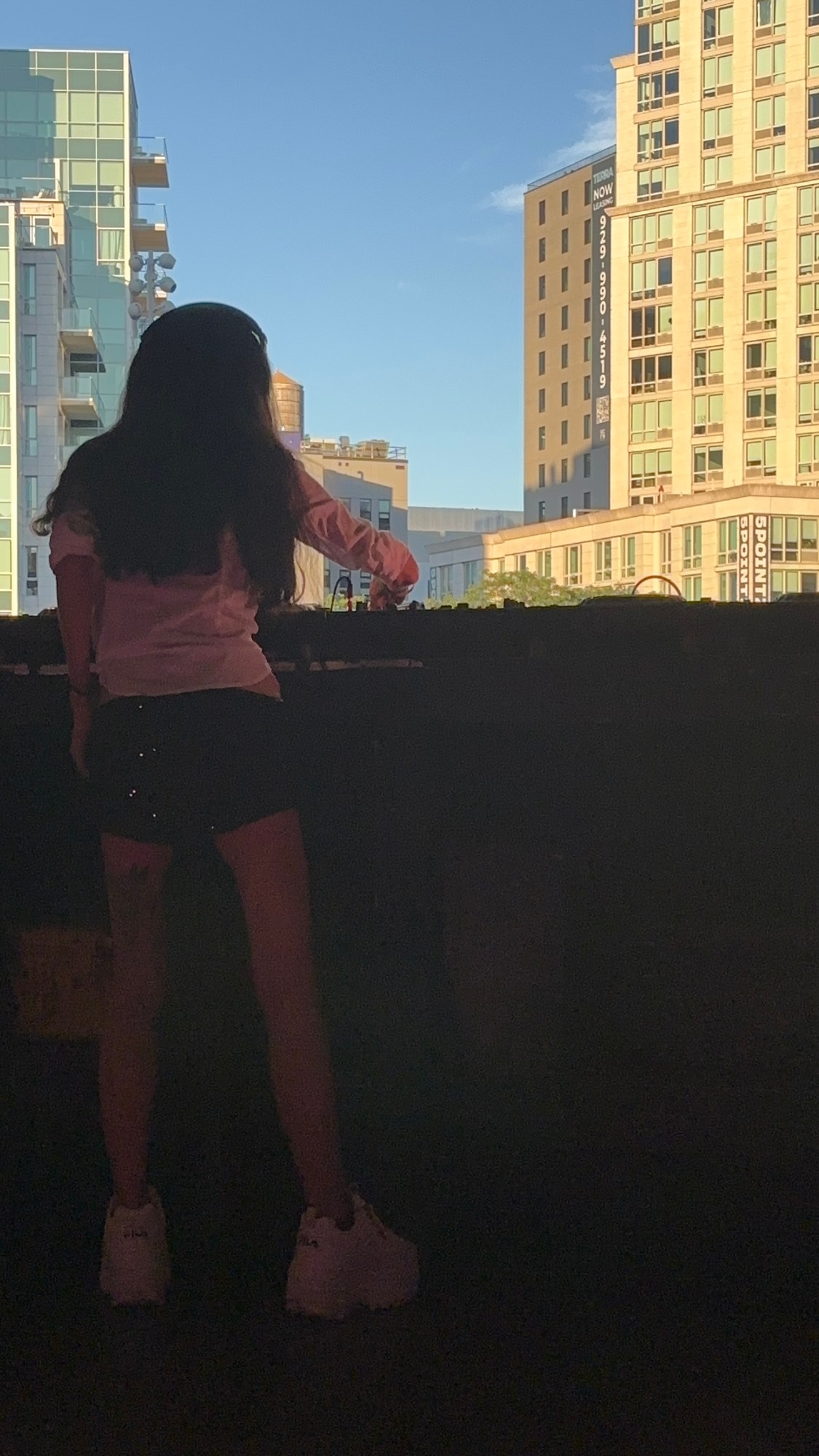


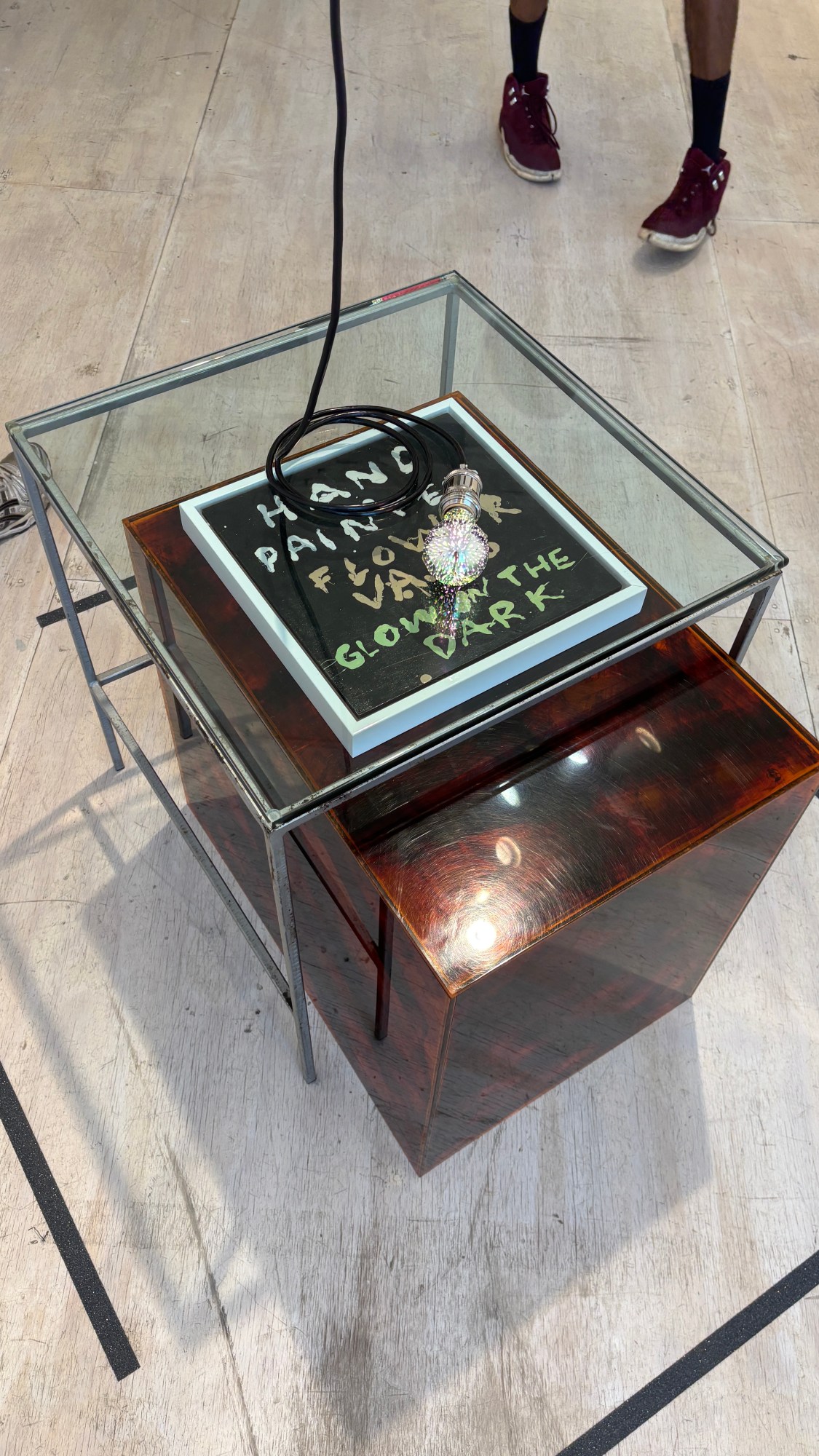
When I arrive on opening night, I don’t know what to expect. I find my friends and we meander through the museum, waiting for the heat to lift before heading outside to the courtyard-turned-dancefloor. New York’s pace can make it hard to find time to pause, let alone to slowly meander through an art space. But as we move through each exhibition, I’m reminded how important it is to make time for slowness—for wonder.
Artists from around the world invite us into their lives and communities in striking, deeply personal ways. We laugh, and almost cry, watching Julien Ceccaldi’s Adult Theater, which tackles relationships and intimacy in ways that hit, at times, a little too close for comfort. I stop in my tracks at The Children Have to Hear Another Story, a retrospective of Alanis Obomsawin’s powerful, multidisciplinary body of work documenting indigenous communities. Her pieces carry their sound and story, memory and resistance, as they fight to protect their land, language, and lives.
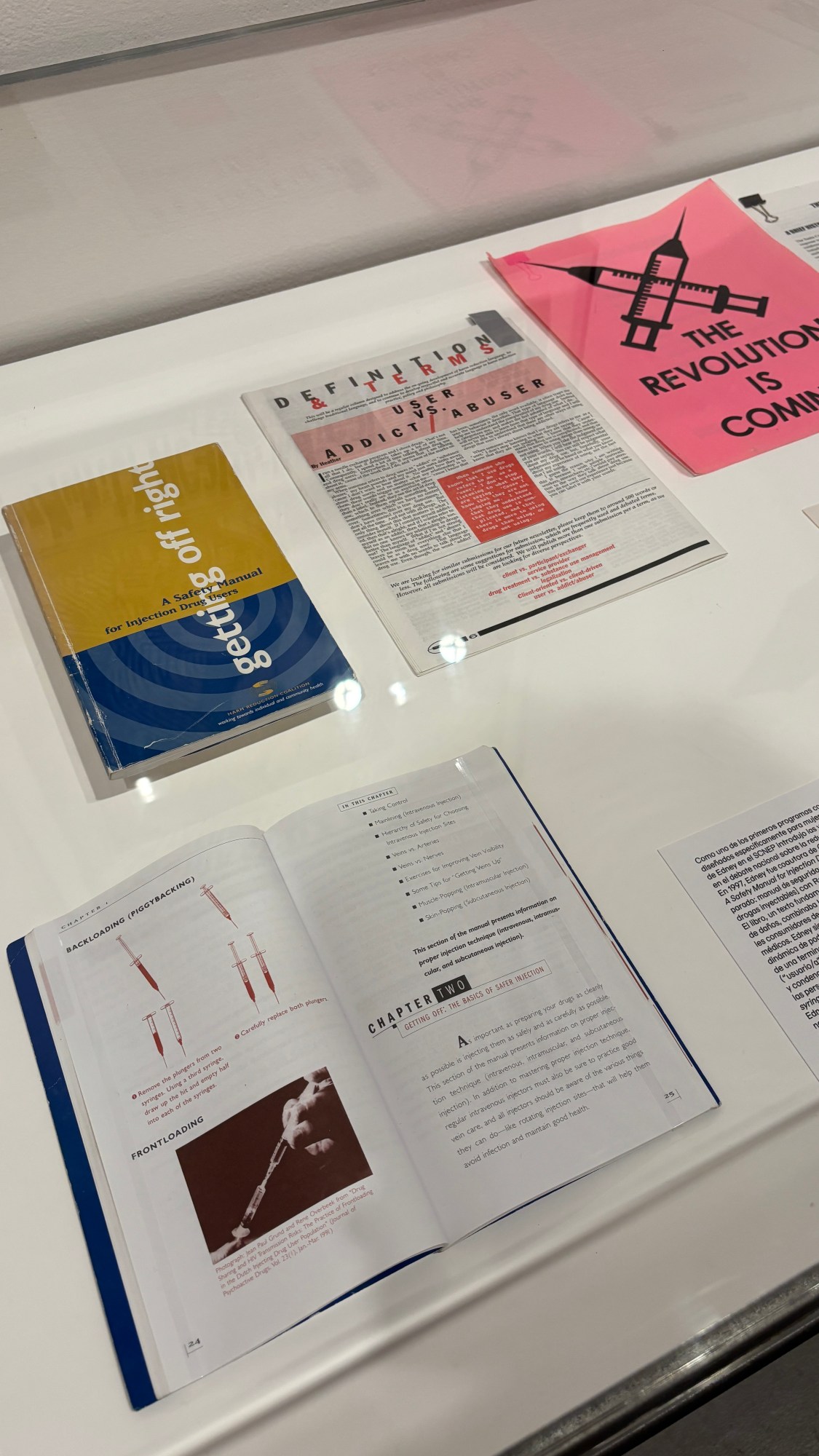
In another gallery, we digest photos and ephemera from Richard Berkowitz and Heather Edney’s harm reduction work with sex workers and drug users during the height of the AIDS epidemic. We grab free fentanyl testing kits and Narcan on the way out.

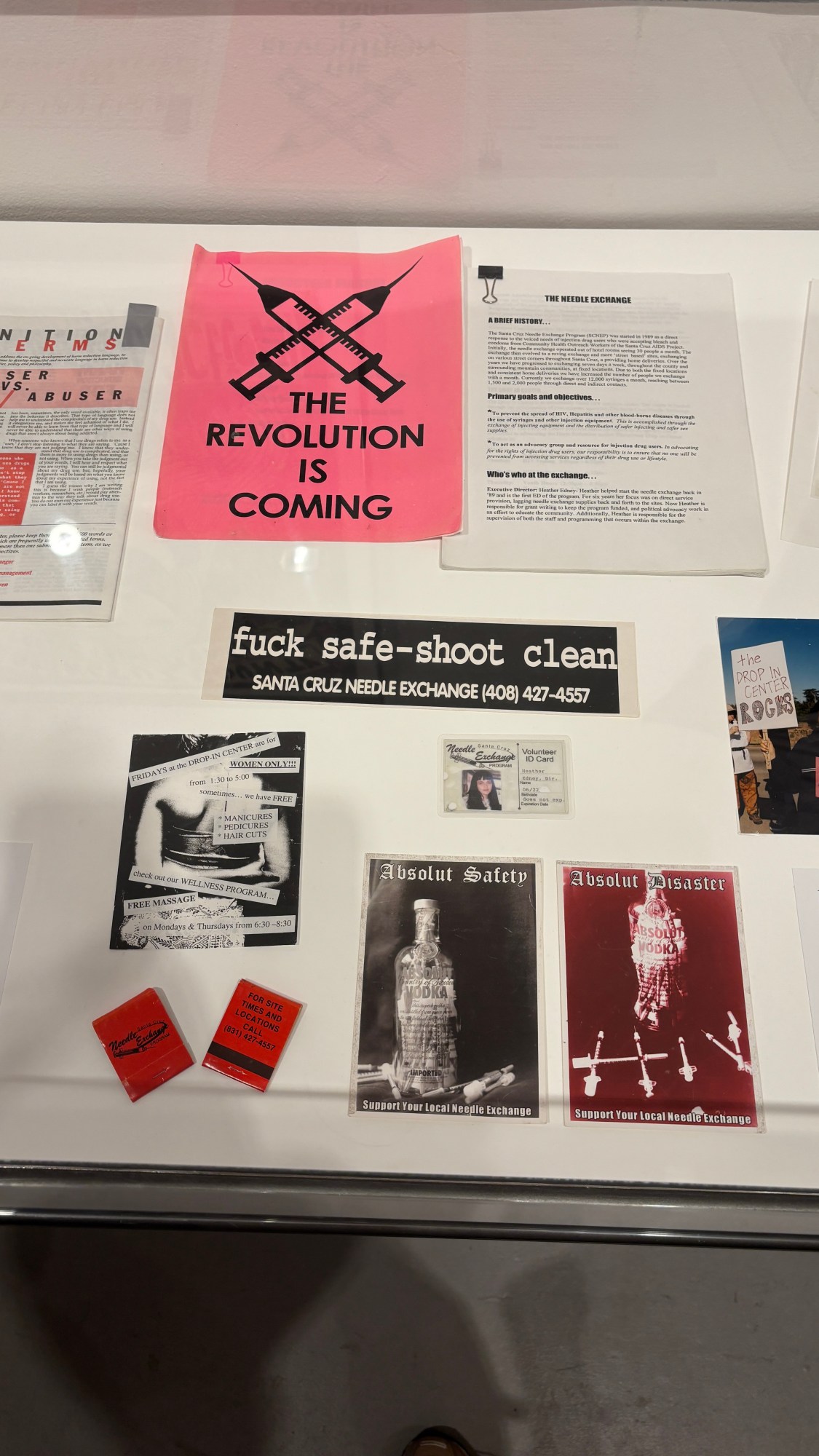
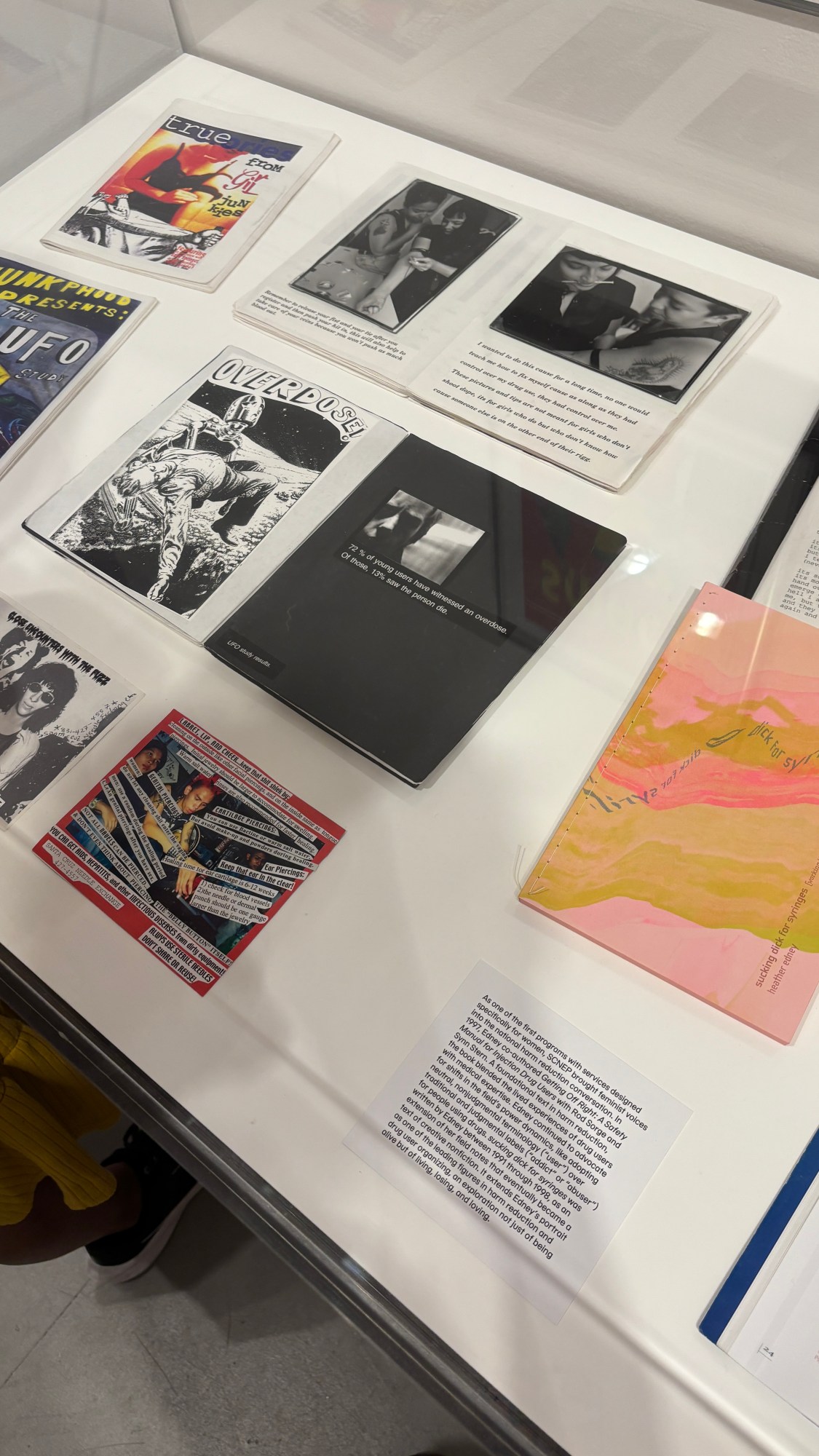

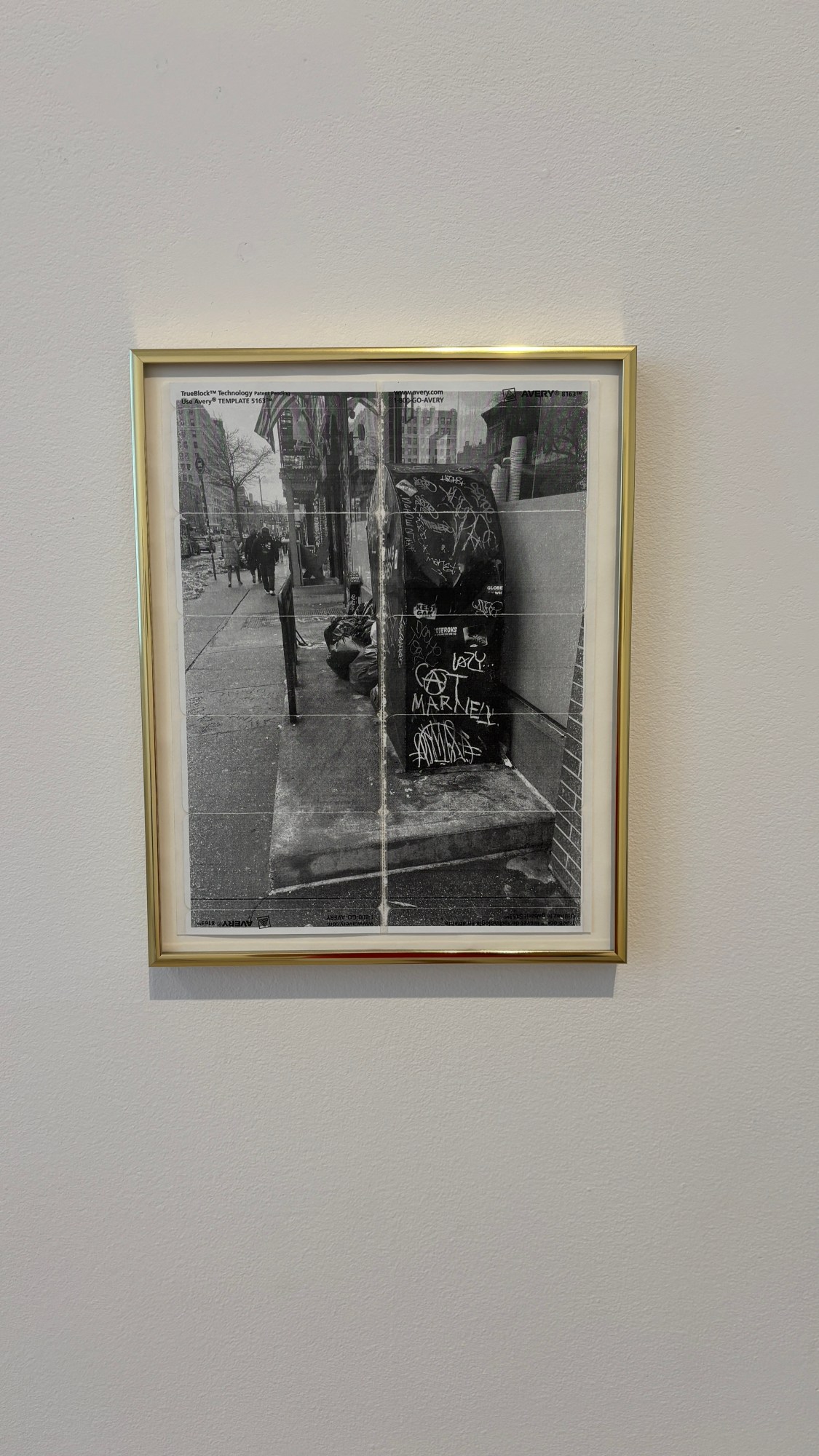
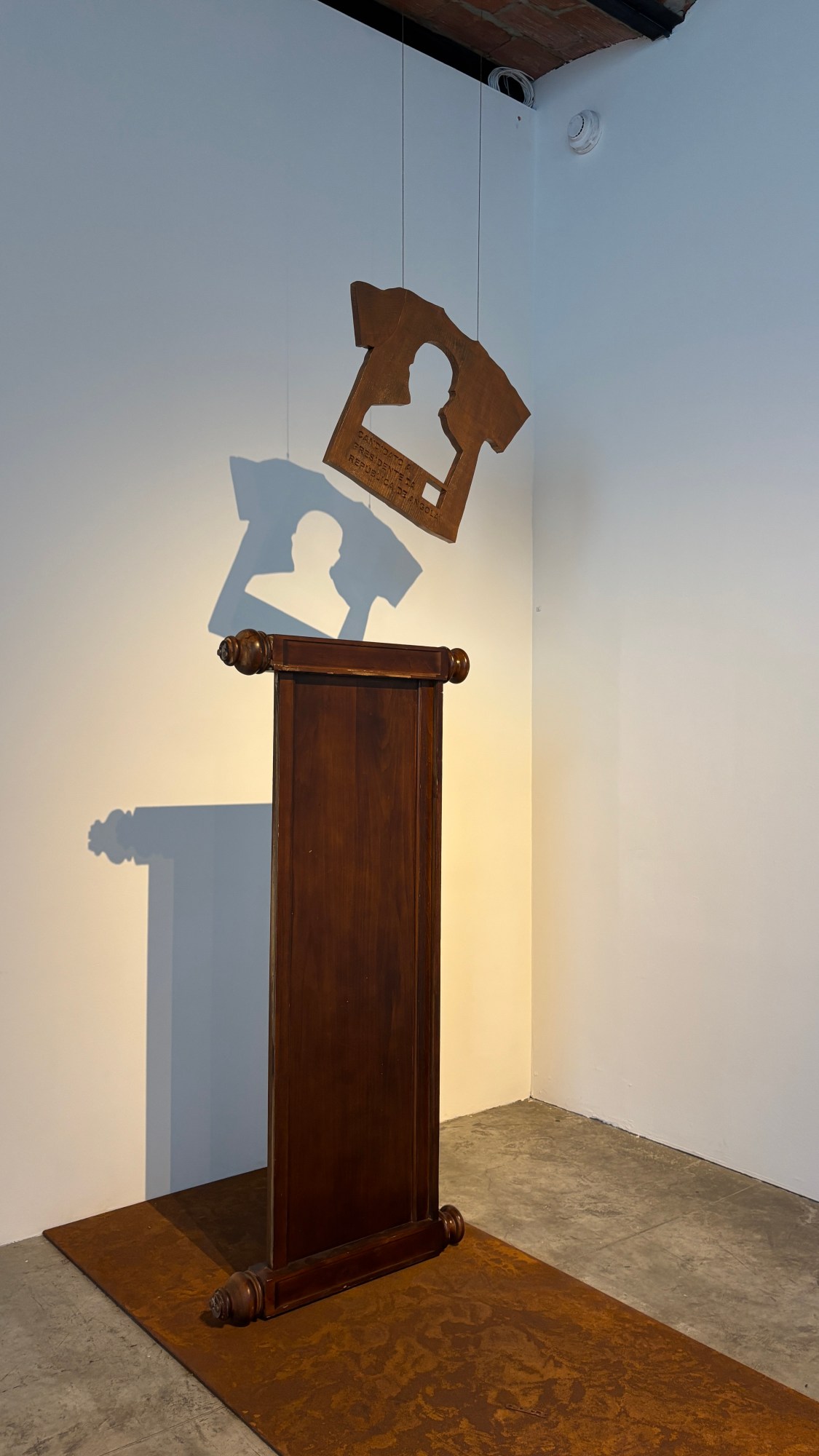
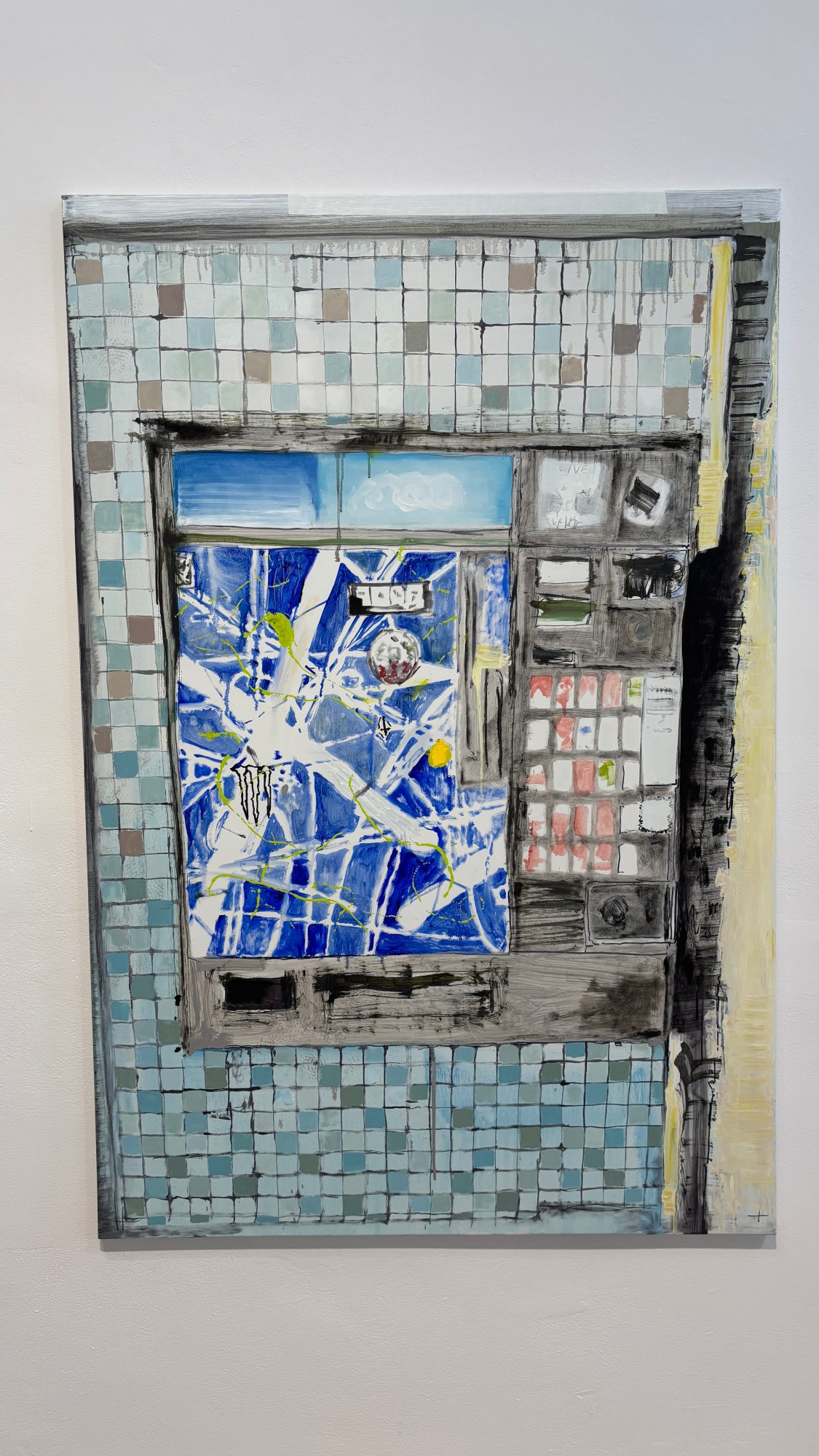
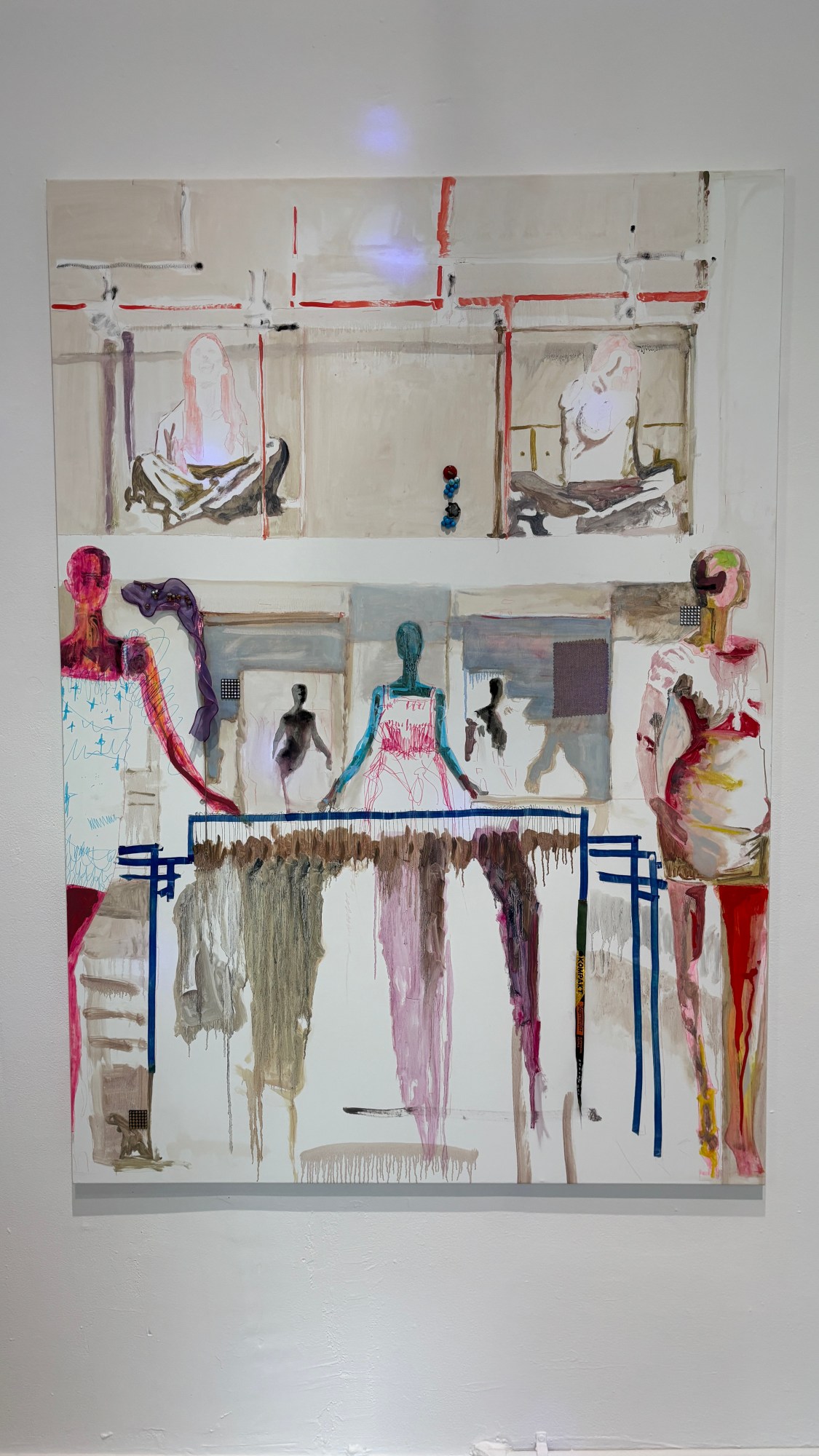
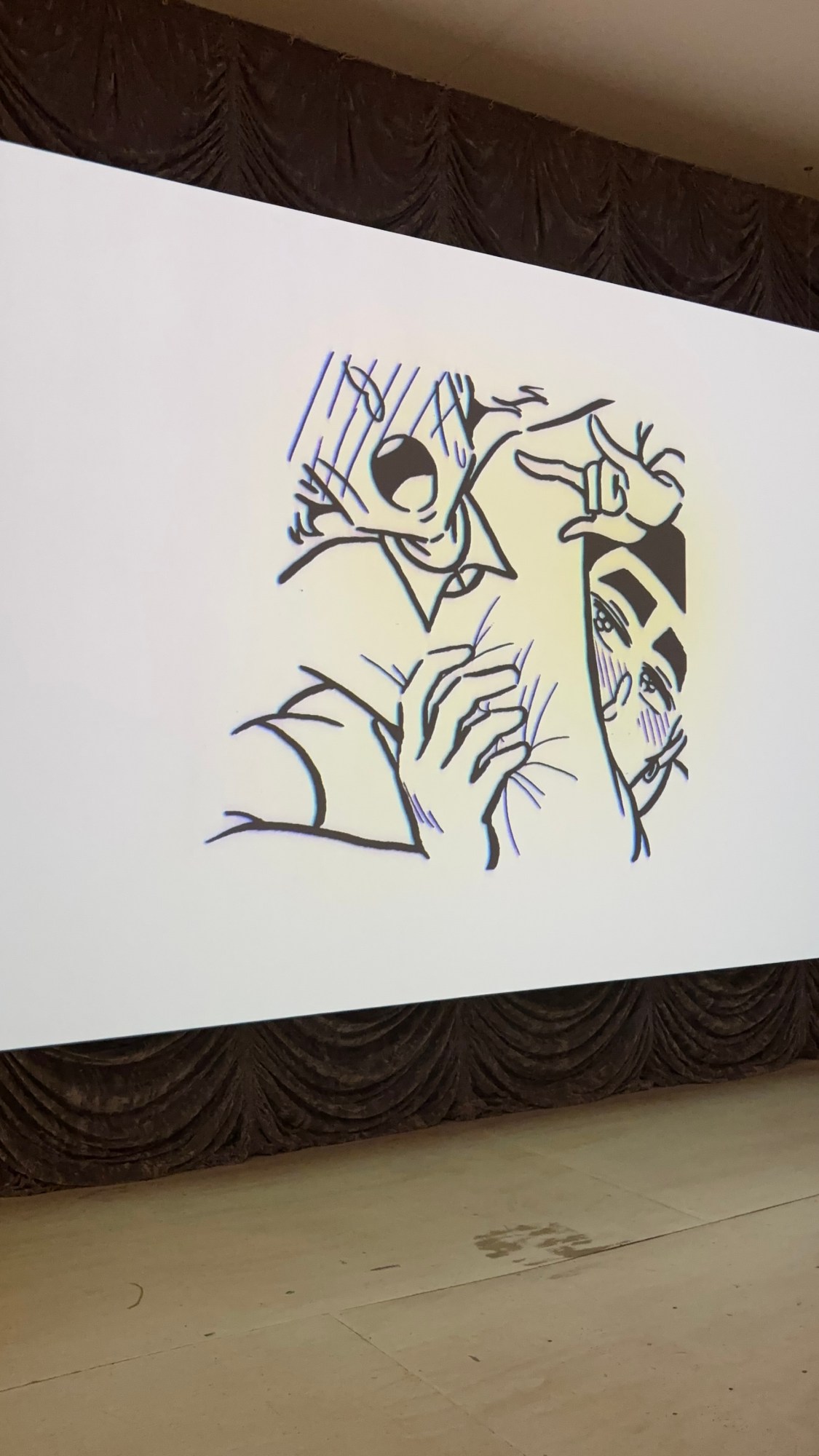

Every exhibition offers something raw and honest—a reminder that art can still be used as a tool for survival, a record of resistance. At a time when communities that built subcultures are being pushed out, erased, or targeted, these stories make it clear that creativity is still a form of defiance.. And that maybe joy itself is resistance. It feels like the perfect prelude to the dance floor.
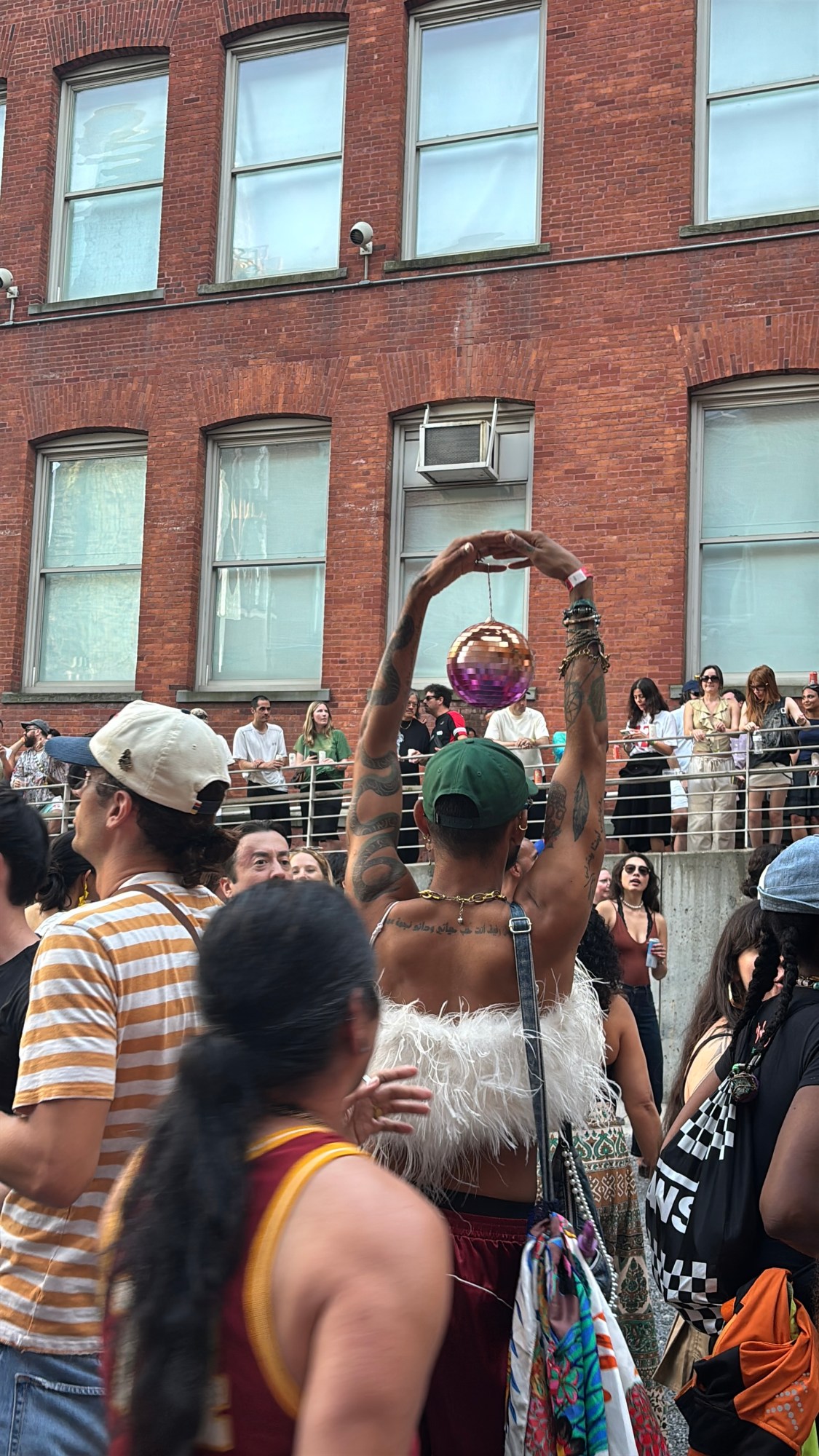
After getting a bite to eat and a quick refreshment, we push through the crowd to the base of the courtyard stairs. DJ Empress is closing her set, and the anticipation for ballroom legend MikeQ’s set is thick in the air. When he takes over, the energy shifts, and the vogueing begins. Someone near the stairs has brought their own disco ball, and as the light hits it, the courtyard erupts. Bodies move in rhythm. Strangers become silhouettes in sync.
We dance our worries away. We dance like we need to. On the G train ride home, sweaty and spent, I realize that things might actually be okay.