Cam Lindfors and I first met in Paris, sweating through a heatwave at a Swedish café, beers in hand, talking about California. It felt oddly fitting—this hazy, golden warmth—like we’d stepped straight into the pages of One Half Paradise, his new photobook.
Originally from Virginia Beach, Virginia, Lindfors now splits his time between Paris and the States. His work is deceptively simple: raw, sun-drenched, and pulsing with the kind of energy that makes you nostalgic for a summer you never actually had. Each frame feels like it’s been kissed by light and lived in by someone young, oddly beautiful, and a little bit feral.
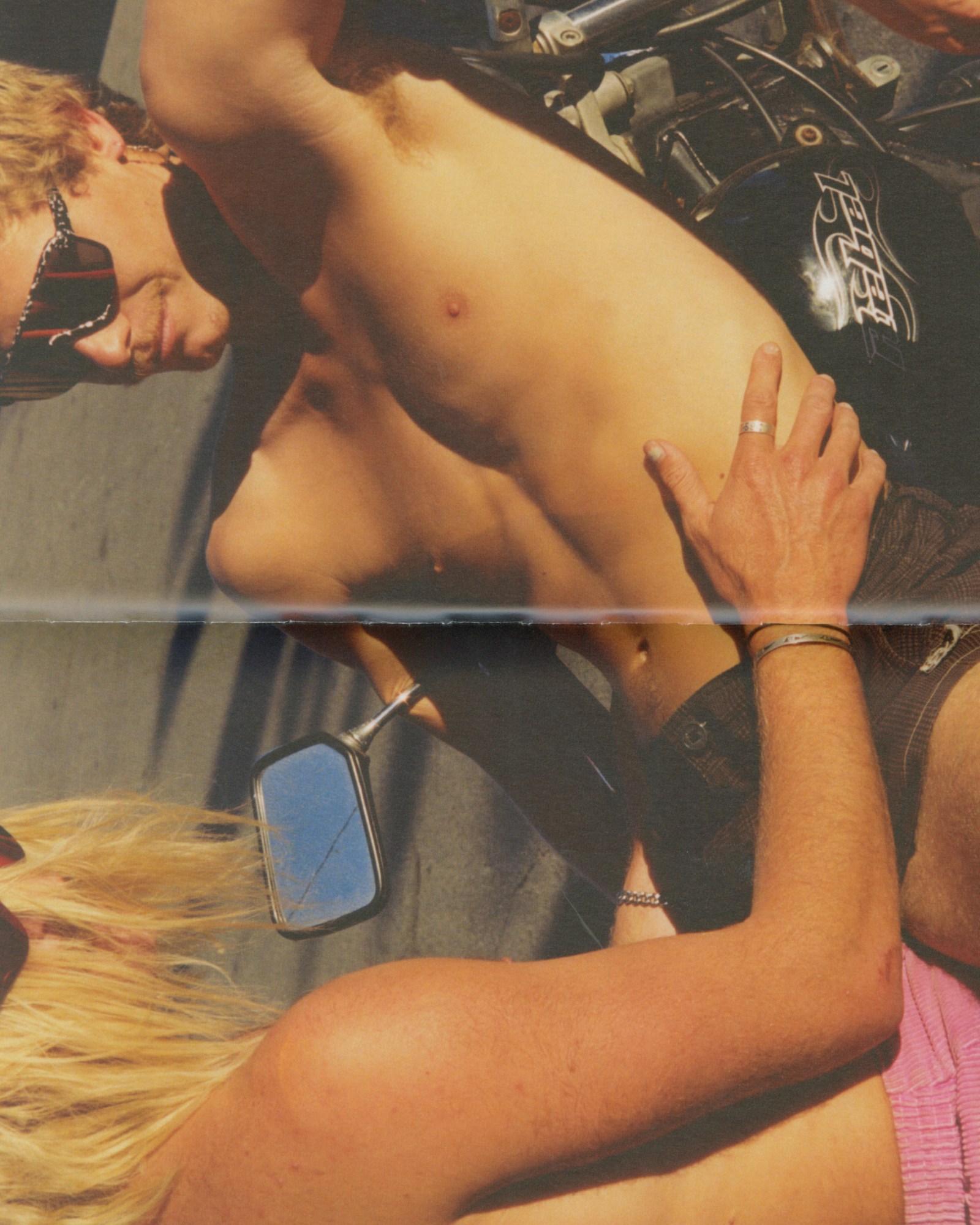
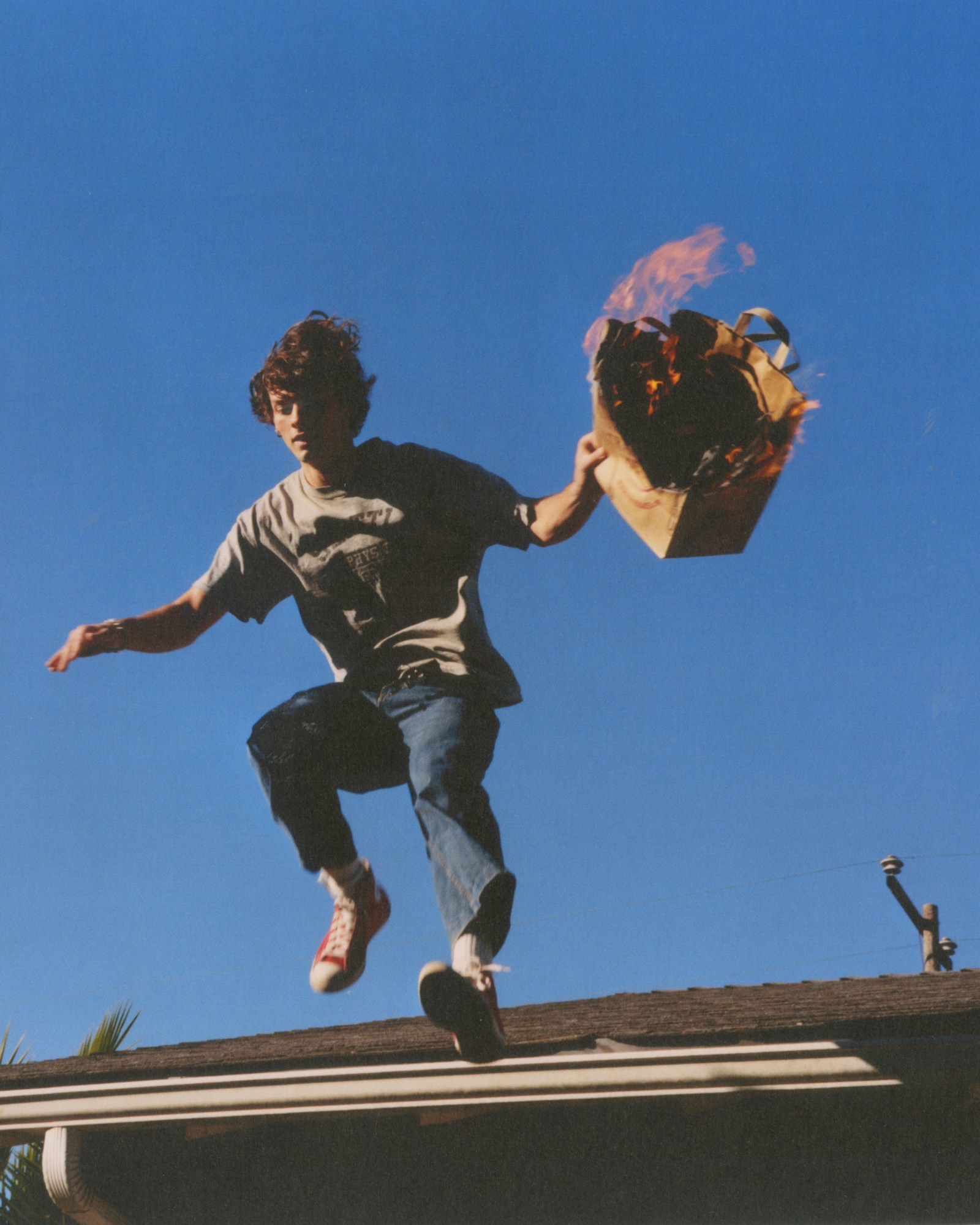
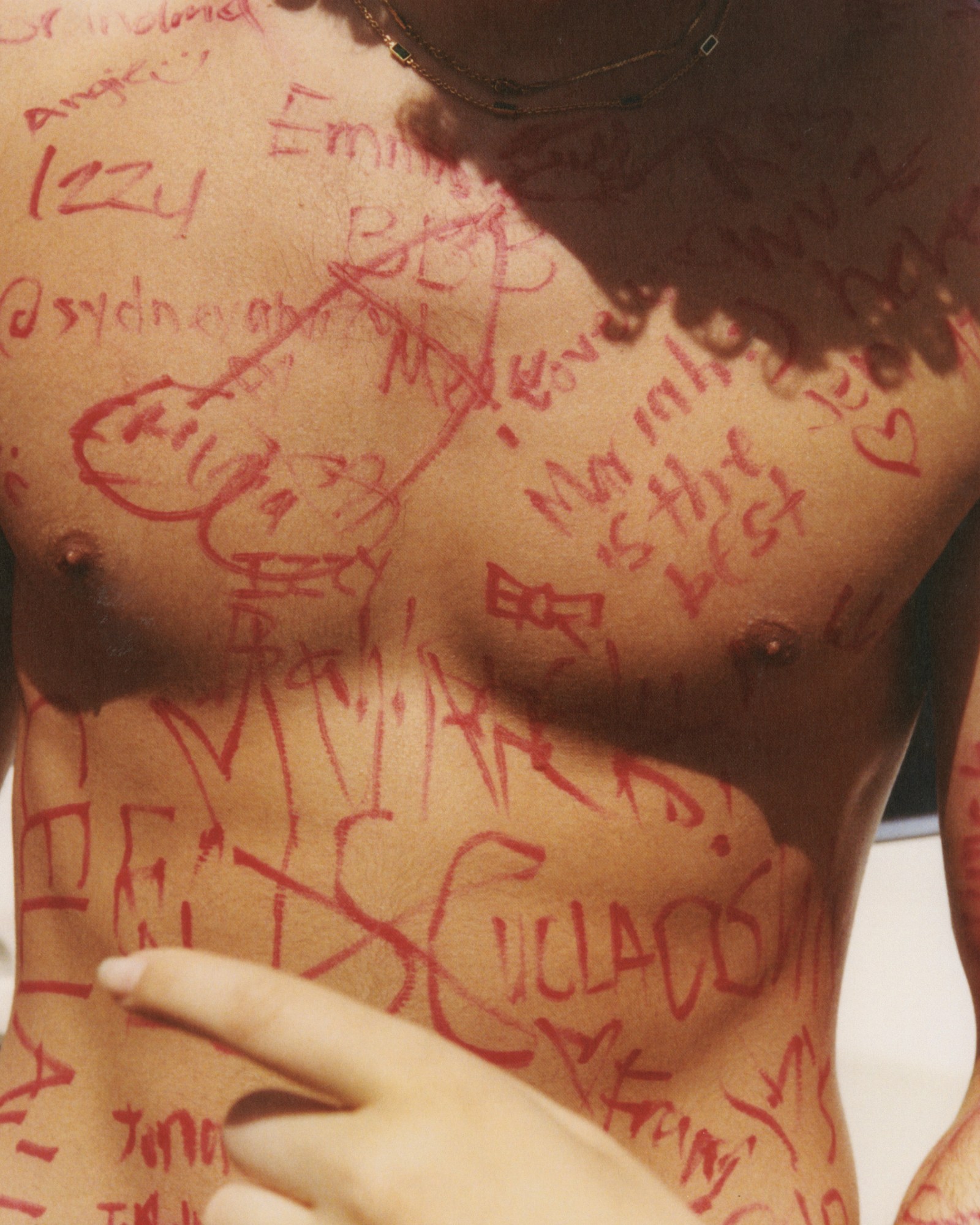
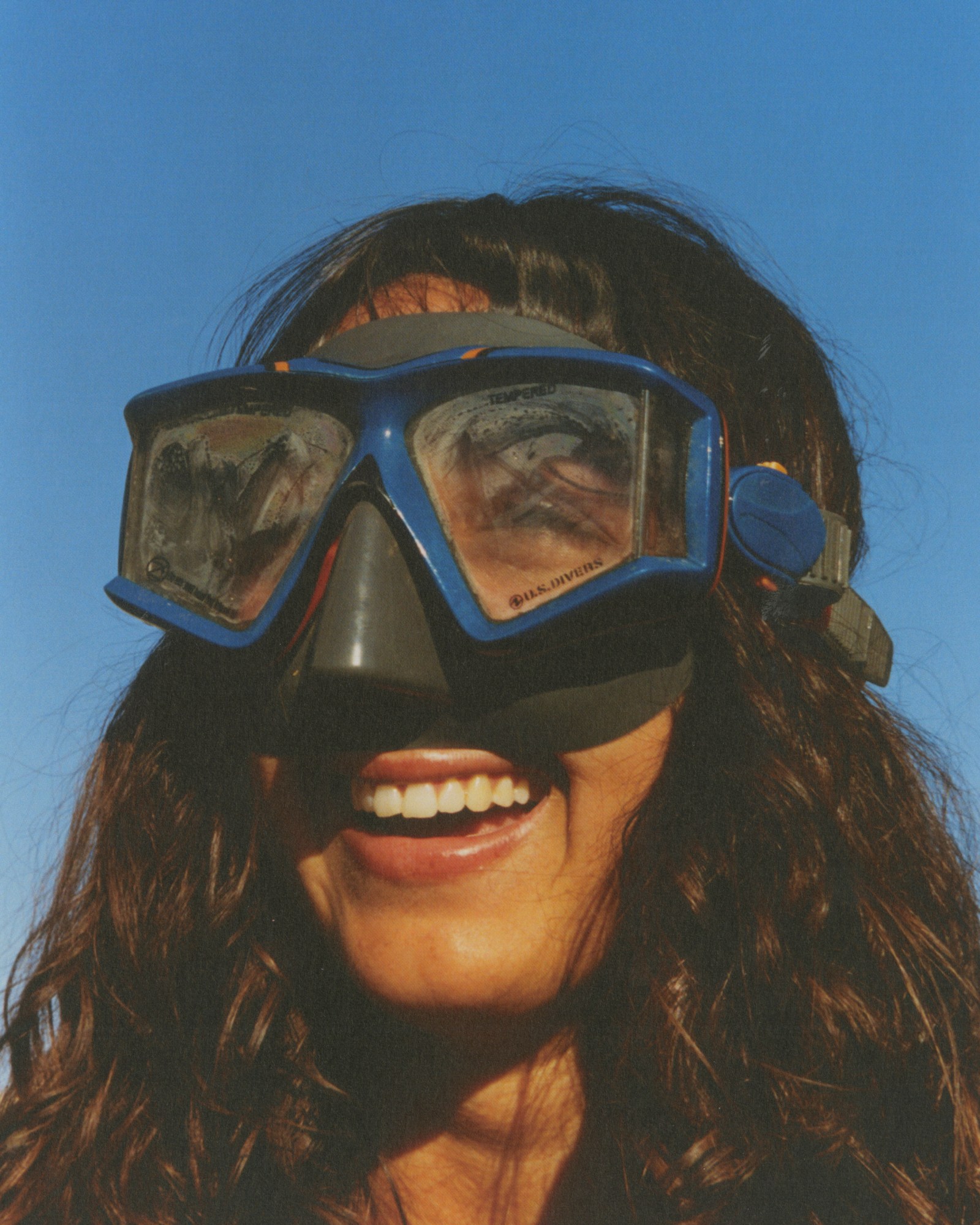
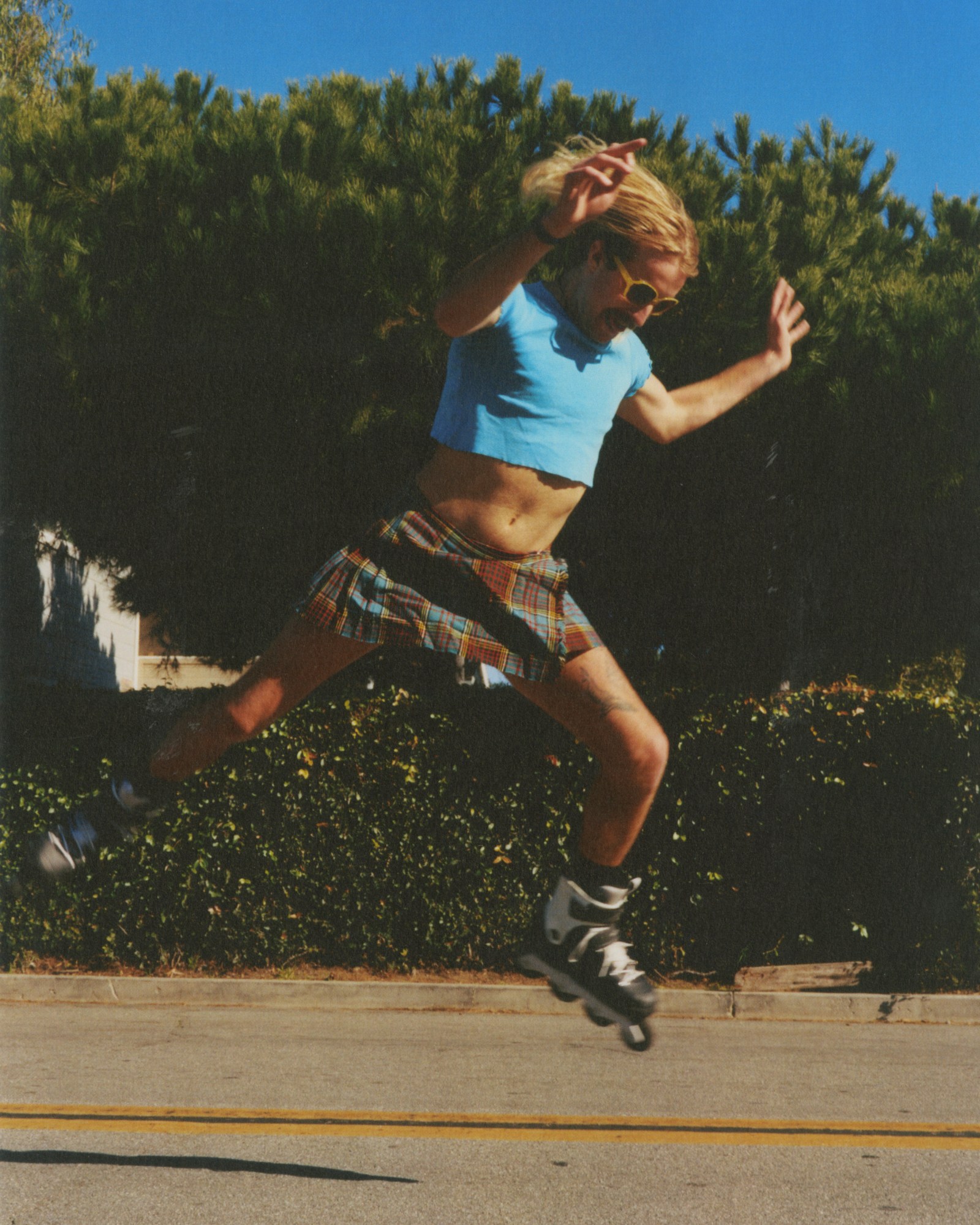
In One Half Paradise, Lindfors turns his lens on Isla Vista—a small coastal community packed with college students swinging from trees, shotgunning beers, and stumbling into moments of surprising intimacy beneath the California sun. We caught up to talk about how it all came together.
How did you discover Isla Vista, and what pulled you into this project?
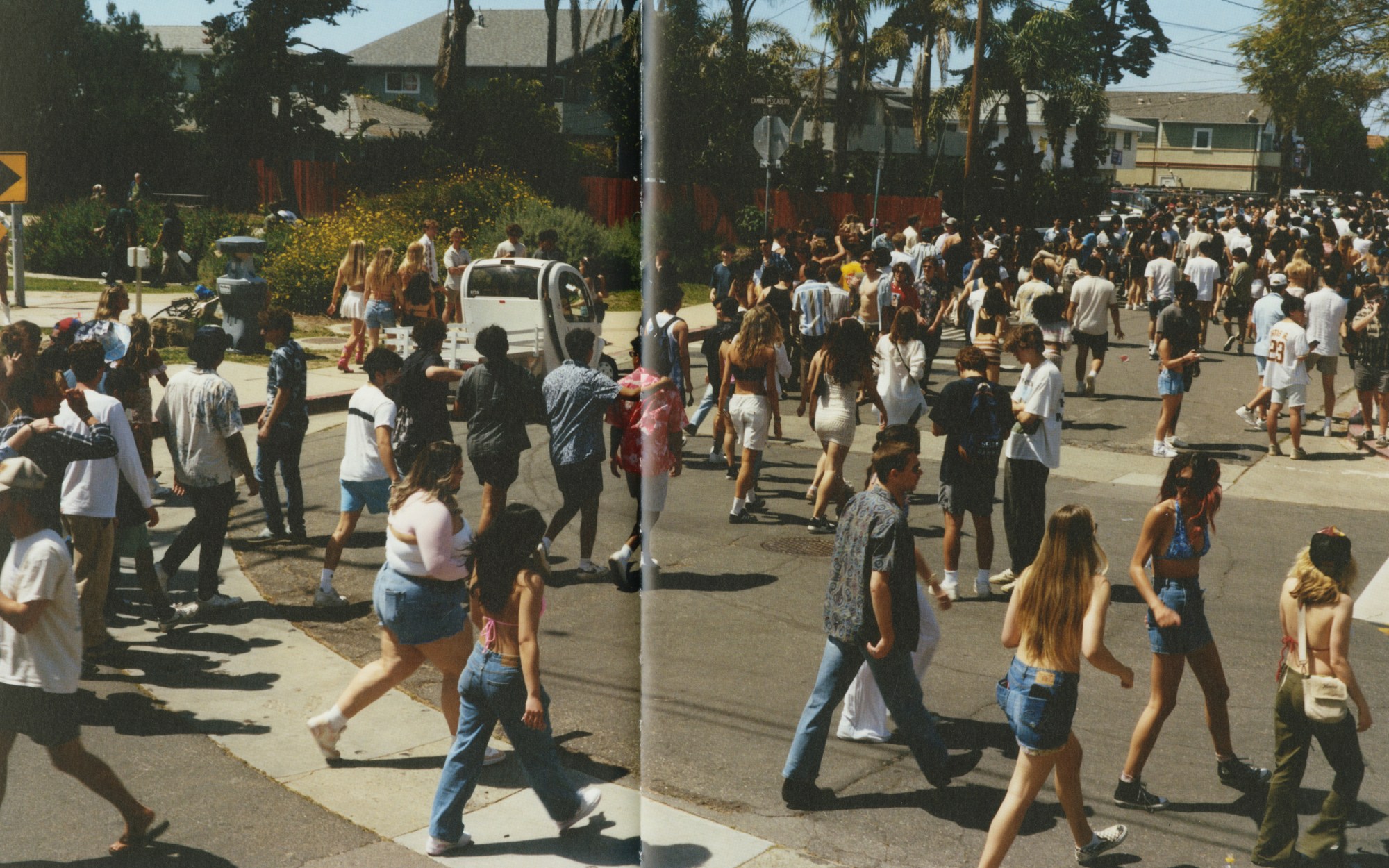
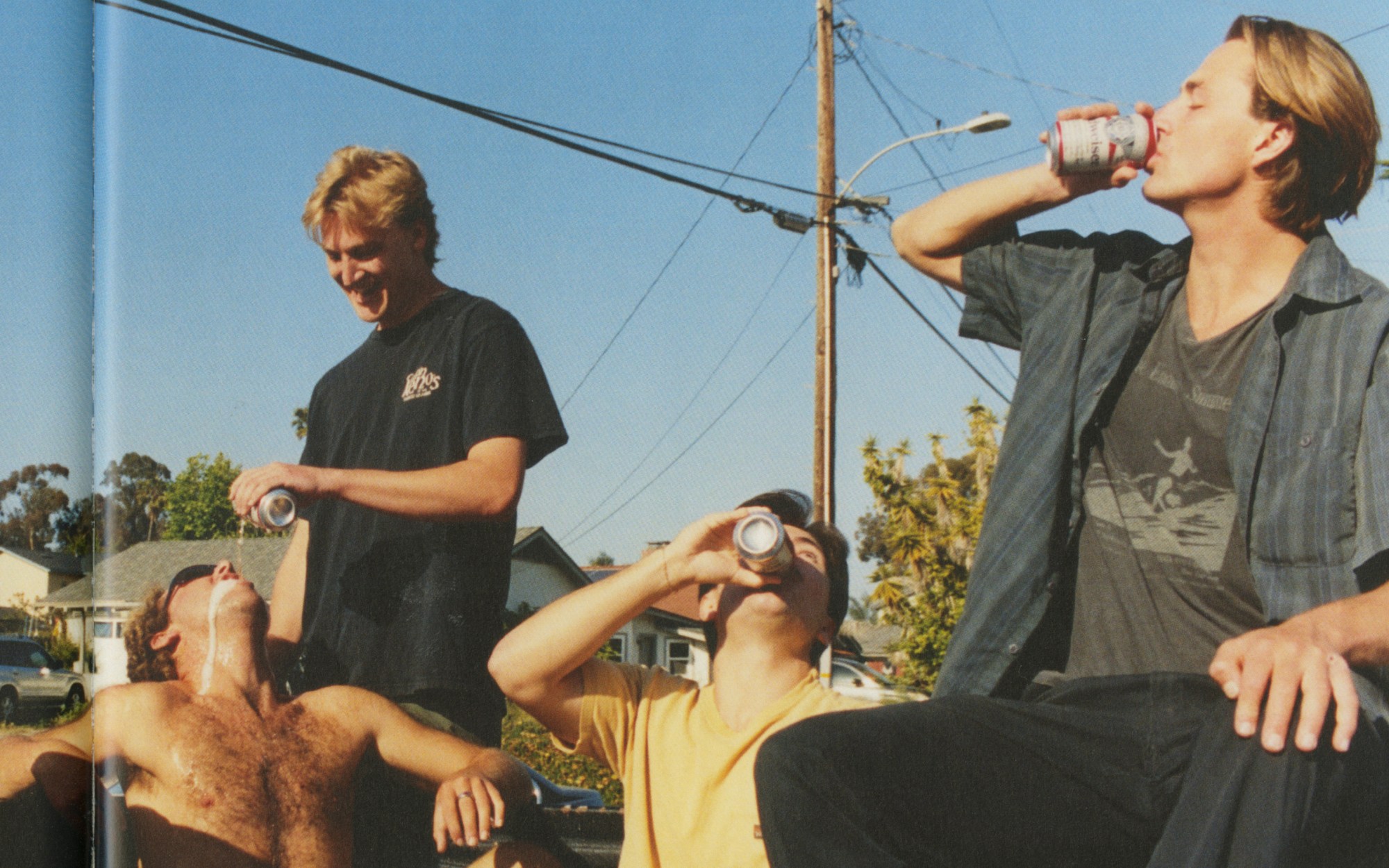
I was on a surf trip along the central coast when a friend and I stopped in Isla Vista to visit his sister who was studying at UCSB. I’d heard whispers about IV before, but nothing prepared me for what I walked into. It felt like a parallel universe—everyone was young and hot, half-naked, bench-pressing in the yard, and shotgunning beers at 11 a.m. I remember thinking, “What the hell is going on here? This can’t be real.”
I kept going back, partly to take photos, partly to surf less crowded breaks north of L.A. These kids were living out the college experience I had imagined and never got to experience. During my own college years, I was diagnosed with cancer, which derailed a lot. I spent most of that time immunocompromised and on the sidelines. Over time, I realized photographing Isla Vista was a way to process that loss—to recreate and reclaim a version of youth I felt I missed.
Also—without realizing at first—I was making work in a place literally falling into the ocean. Climate change isn’t abstract there; it’s eroding the cliffs beneath your feet. Even if that wasn’t the focus at the start, it quickly became impossible to ignore.
What’s the town like? Is there much to do?
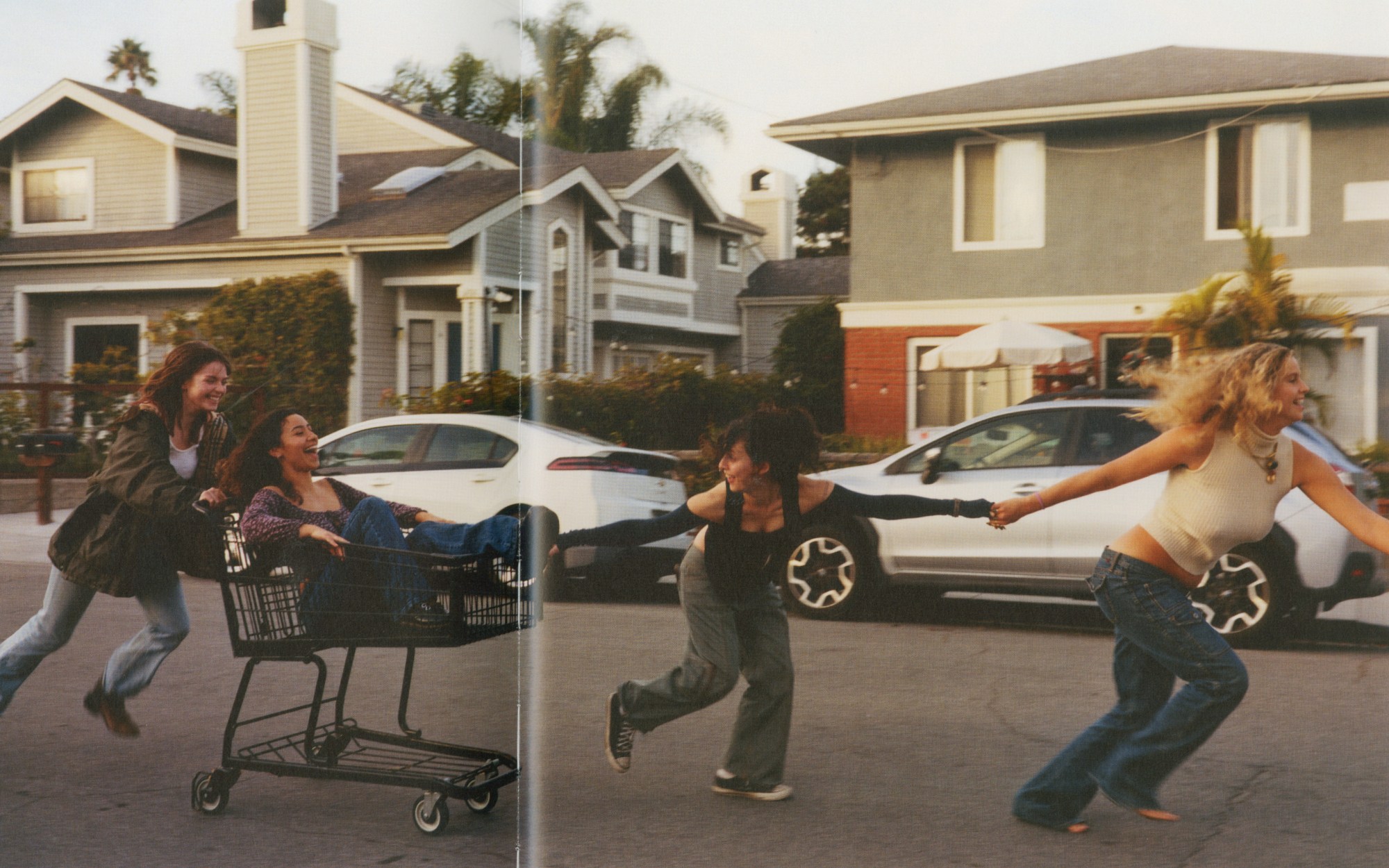
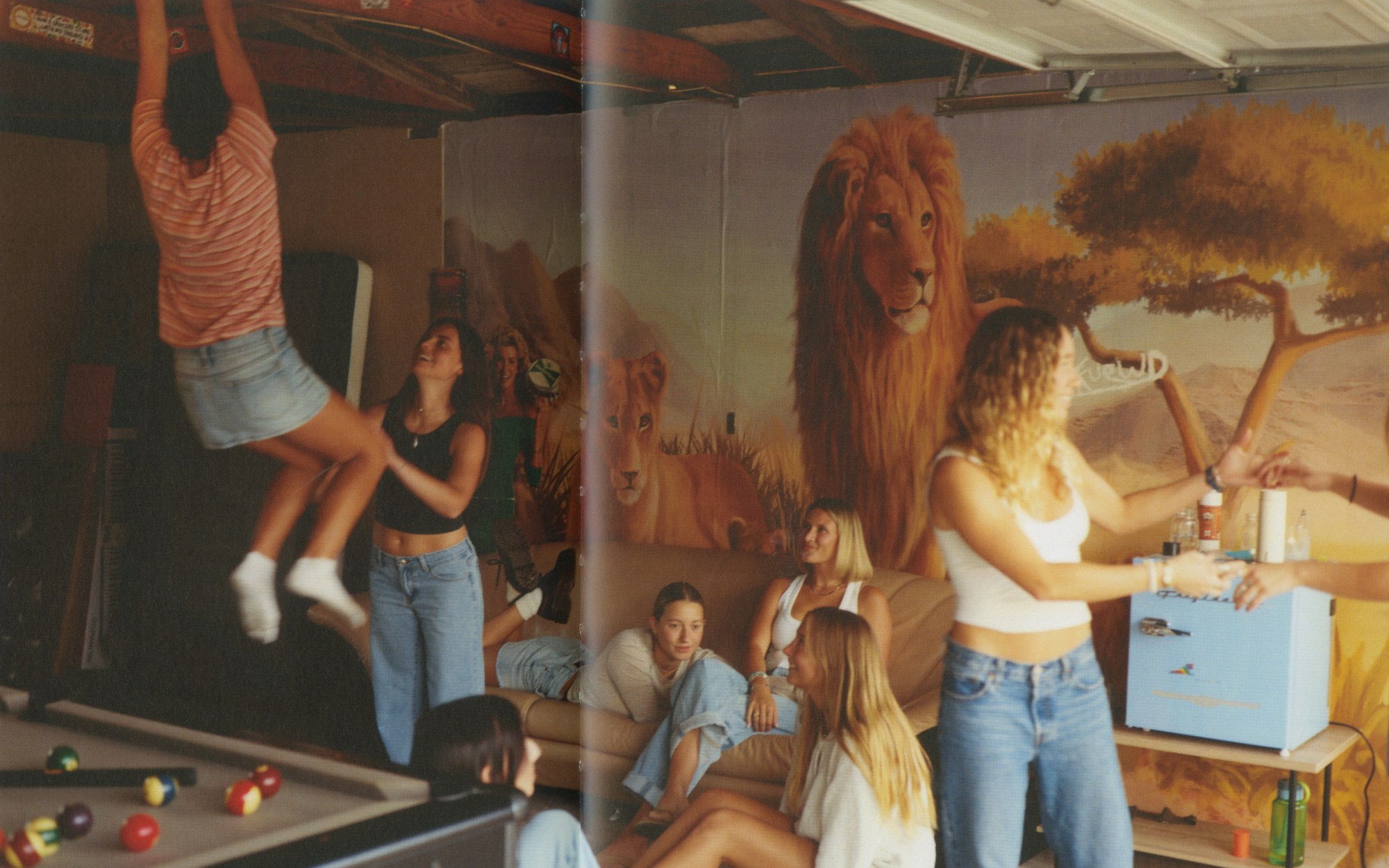
Isla Vista is tiny—technically just over half a square mile. It’s a total fever dream. The whole town runs on beach logic. Everyone’s cruising on bikes and skateboards. You’re just as likely to see someone studying political theory as a guy in trunks grilling a hot dog in a shopping cart. It’s pure chaos, but somehow still a utopia.
There’s not much ego, either. UCSB is one of the top colleges in the state, and no walk in the park academically. The town is beautiful—perched right on the Pacific—even if the houses are overcrowded, the streets are crumbling, and yards are littered with trash. It can feel completely lawless and weirdly wholesome all at once.
So yeah, there’s a lot to do—if you count surfing, rooftop philosophizing, eating burritos, constant partying, and dragging a moldy couch onto the bluff to watch the sunset as “activities.”
Can you talk about some of the people you met while shooting? What were they like? What were their day-to-day routines?
Some of the first people I photographed were Ashley and Jeff—they kind of became my unofficial assistants and tour guides. I’d either be with them, my friend Em, or on my own, walking up to houses and asking if I could take photos. Most of the time, people were stoked. I think social media has shifted things—being photographed doesn’t feel as invasive as it used to.
It’s easy to reduce Isla Vista to the usual SoCal college clichés— frat boys, keg stands, blond hair, bikinis, and tank tops. And sure, that scene exists and it’s part of the work. But it’s not the whole story. I wanted to show the full spectrum. Over time, people began to recognize me and invite me in. That’s when the other side of Isla Vista revealed itself—the students who didn’t fit the beach-bro mold. I met members of the fashion club, a backyard barber, a girl running a nail salon out of her apartment, and students deeply engaged with philosophy, LGBTQ+ rights, immigration reform, climate justice—you name it.
From what I saw, their routines were loose. People were serious about school, but in a nonchalant way. Some had part-time jobs, but mostly it was: hang out, float between friends’ houses, surf if there’s swell, and have a beer if there’s not.
What was it like inserting yourself into their lives?
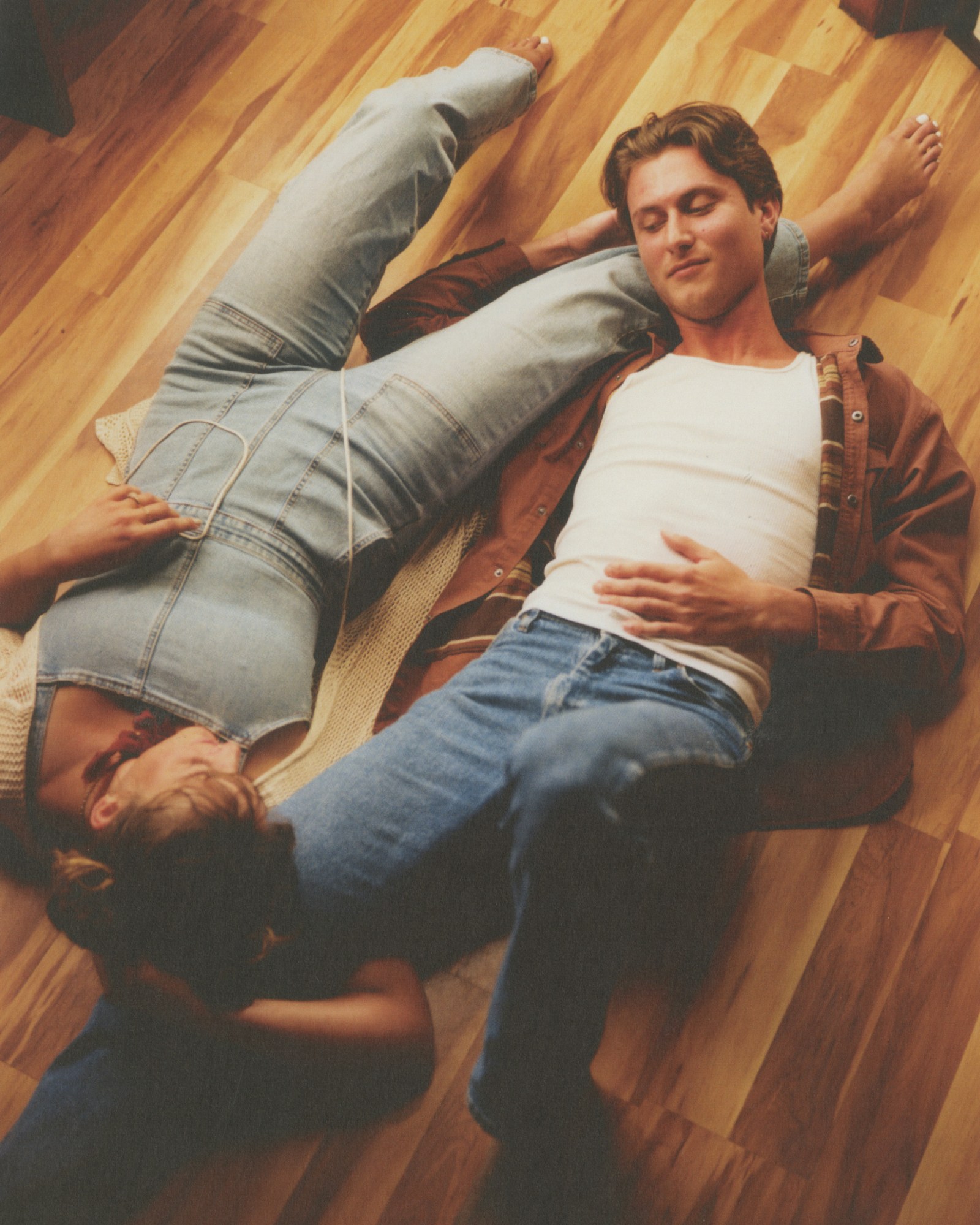
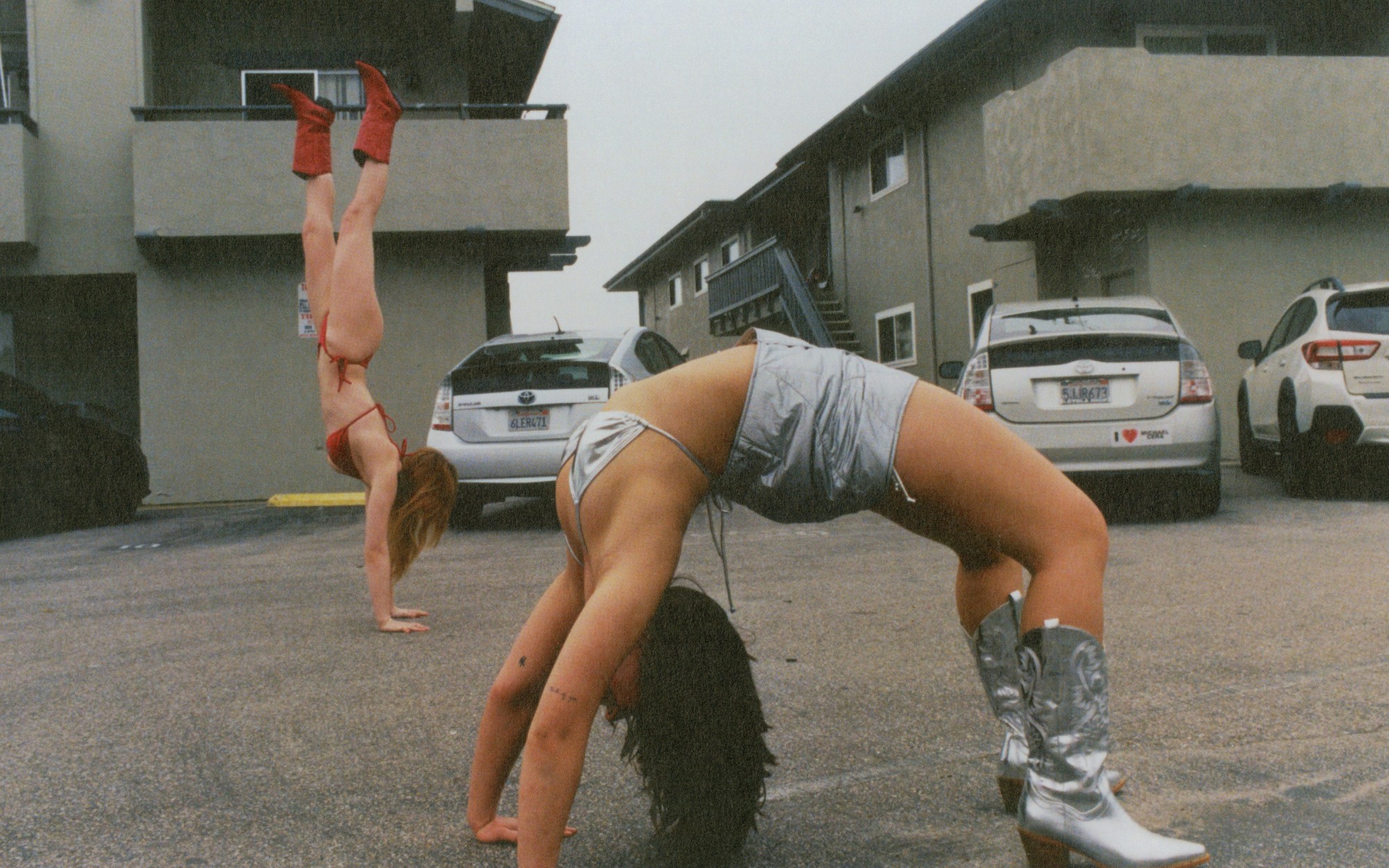
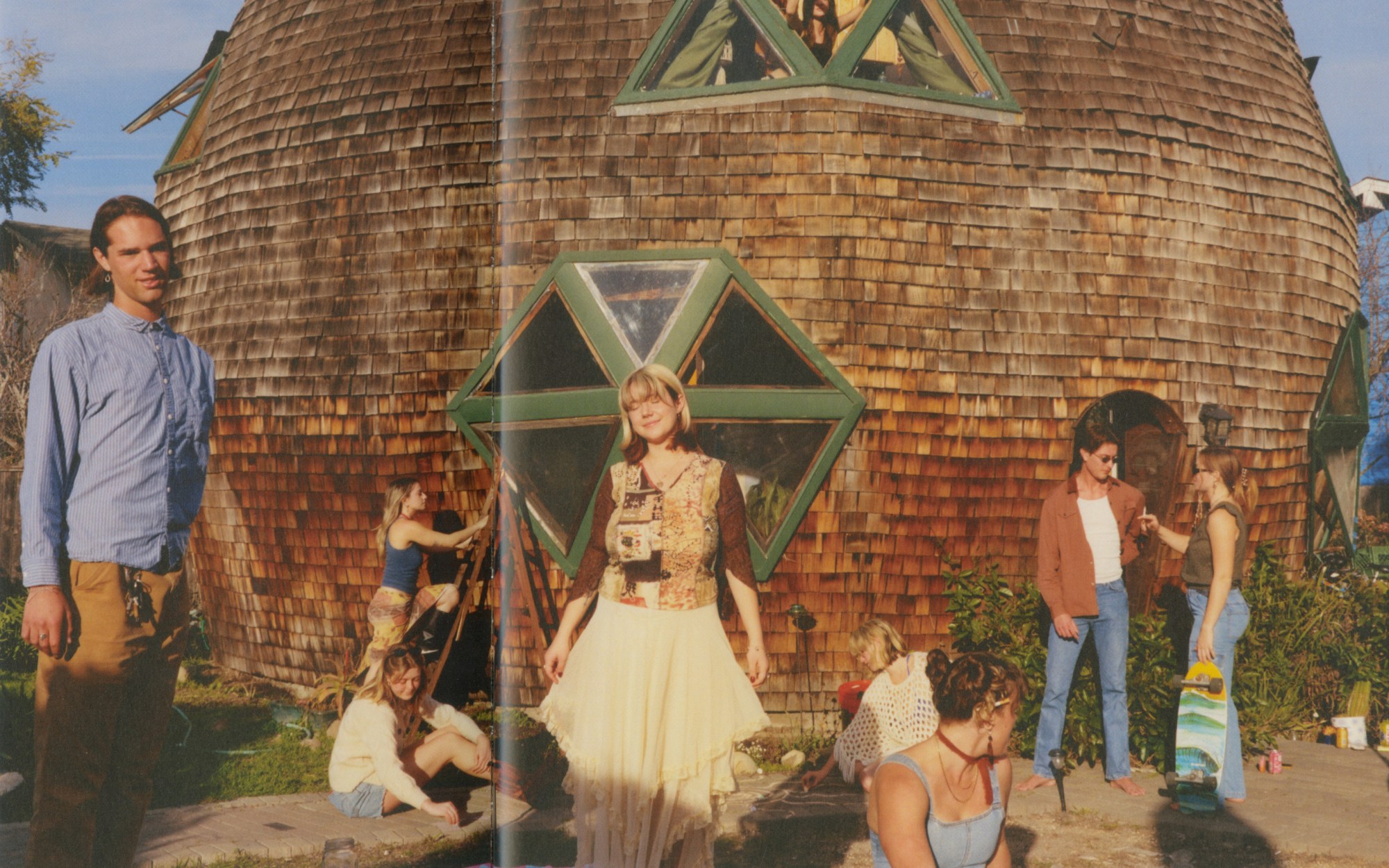
It never really felt invasive—at least not in a bad way. Isla Vista has this openness where people are constantly spilling into each other’s lives. Nobody locks their doors. Everyone’s sharing couches, drinks, and who-knows-what-else. There wasn’t much suspicion toward the “photographer from L.A.” The intimacy felt unique—not just to their age group, but to IV specifically.
As I kept returning, people let me deeper into their lives and homes—and that’s when it clicked. The houses themselves became portraits. You could feel the students’ personalities seeping into the walls. Nearly everyone I photographed had a spirit of collaboration. They wanted to be involved. It made me feel less like I was intruding. I felt welcomed.

What did you shoot on, and how did you approach photographing this?
At first, I tried to be all serious and intentional—like I was building a narrative. But I grew up surfing and walking around barefoot, so even though Isla Vista felt surreal, it didn’t feel totally foreign. If anything, I probably blended in too well. Half the time, I looked more like someone’s hungover roommate than a photographer.
Most of the people I was shot were complete strangers—and I likely wouldn’t see them again. There wasn’t time for long introductions. I had to read the room fast, say something funny, and take as many photos as I could before someone got distracted or wandered off.
During the week, I’d print the previous weekend’s work in my darkroom. That gave me time to sit with the images. Occasionally, my friend Christian—or my “unofficial tour guide” Jeff—would shoot 16mm alongside me.
I love the way this book is printed. Can you talk about the process?
Thank you! At first, I wasn’t planning to make a book—I was just taking photos out of curiosity, hoping it might turn into something. It’s self-published, which meant I had complete control—but also meant exposing the fact that I’m a terrible designer. Thankfully, my friend Grady designed the cover and saved me.
I realized I didn’t want this to be a quick show, a zine, or a bunch of images dumped on Instagram to be doom-scrolled. I love photo books. I collect them. A book lives in someone’s home. It gets passed around, dog-eared, maybe left under a wine glass. Someone might flip through it in a bookstore for five seconds and put it back—and honestly, that’s fine.

What’s inspiring you right now?
Lately, I’ve been stoked on the photographer William Gedney, painter Paul Bril, The Beach Boys (my all-time favorite band), images from the James Webb Space Telescope, wiener dogs, and ice cream.
