This story appears in i-D 376, “The Lore Issue.” Get your copy of the print magazine here.
written by ANDREW PASQUIER
photography THIBAUT GREVET
“What makes a couch utopian?” I am sitting next to Benjamin Paulin on a Big C sofa (1971) in his mouth-watering house/studio near Gare de Lyon in Paris. The light-filled salon is dotted with some of his father Pierre’s candy-coloured icons, like the Tongue (1967) and Groovy (1964, 1973) chairs. My question hangs in the air for a nanosecond. Benjamin, chief booster and revivalist of his family’s mid-century legacy, is pleased to answer: Designs like the Big C were never commercially produced, part and parcel of their utopianism. The couch’s swooping curve lets six people sit and see each other equally. The curvature, however, means that it’s nearly impossible to get the sofa through a doorway. “If we wanted to make it industrially, we would probably cut it in the middle to be shipped more easily,” says Benjamin. But, he adds, “our interest is to follow the dream without any compromise.”
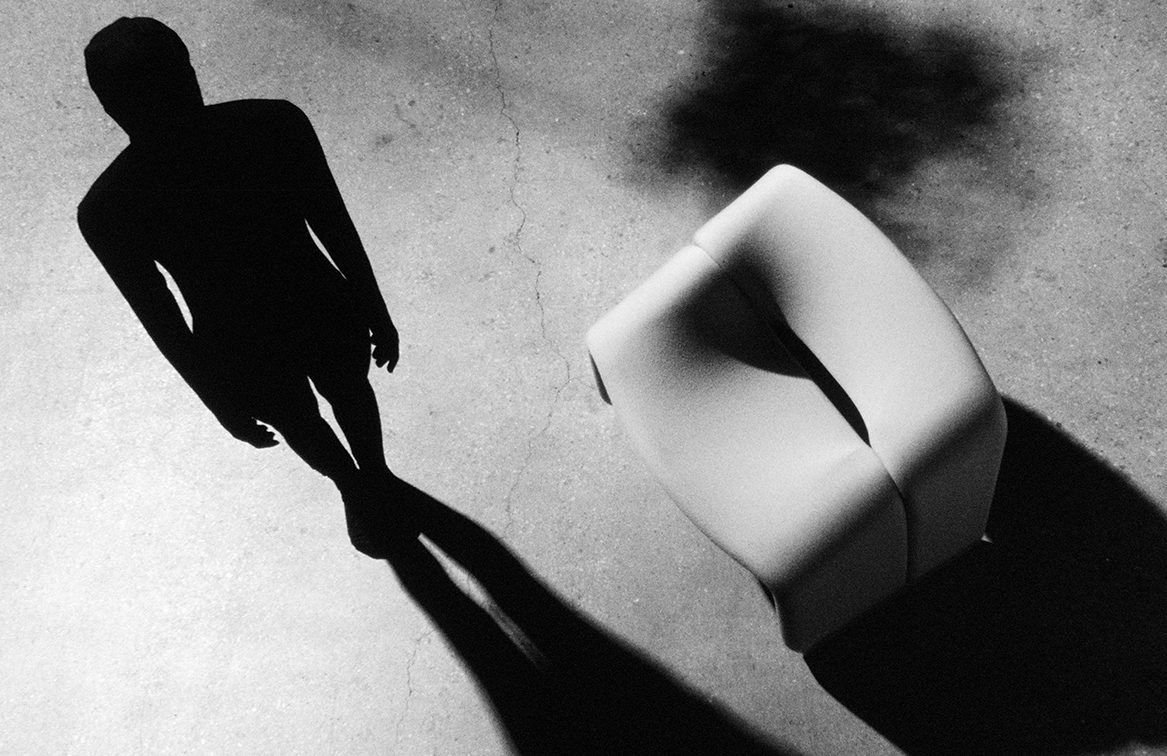
Radical connectivity, from curved couches to conversation pits, was at the core of Pierre Paulin’s futuristic design ethos. Whether in Star Trek or Pompidou’s Élysée Palace chambers, he helped define an optimistic avant-garde aesthetic in the 1960s, where form and fantasy coexisted and a breezy future awaited France and the world. Nowadays, in an unlikely twist of design history, contemporary stars from Travis Scott to Kim Kardashian are jostling to fill their homes and feeds with Pierre’s visionary pieces. Posting a snapshot lounging on his Dune ensemble——the most viral piece——is a common occurrence for in-the-know tastemakers, especially the rap set. “Sometimes people think we are way bigger than we are, because they look at all those artists on our couches,” beams Benjamin. Catch Frank Ocean, FKA twigs, or Justin Bieber snuggling with his baby. Its cousin, the Tapis-Siège (1970), made its way onto Louis Vuitton’s Fall 2026 men’s runway, the show’s architectural set curated by Pharrell Williams. Other brands would kill, or fork out millions, for these stars as brand ambassadors. “But they’re actually our clients.”
For Benjamin, a former rapper Himself signed to UMG France, colliding these worlds feels natural, even if the journey to this point was thoroughly unexpected.
After sunsetting his ambitions in music, he launched Paulin, Paulin, Paulin as a family-run studio dedicated to recontextualising and preserving his father’s work, alongside his wife Alice and mother Maïa. The independent project initially focused on releasing “late first editions” of Pierre Paulin’s designs that were never mass-produced due to their complexity and cost.
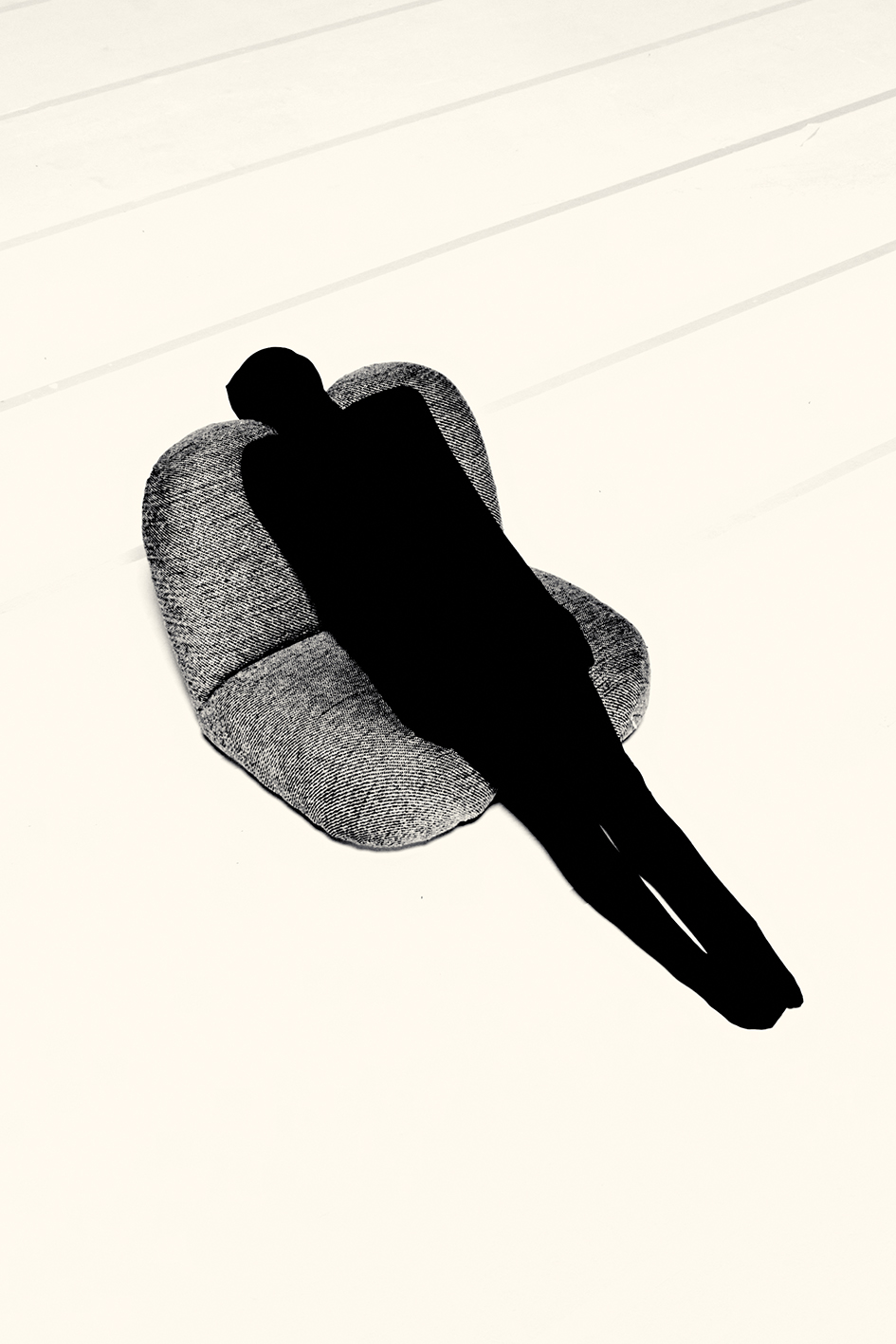
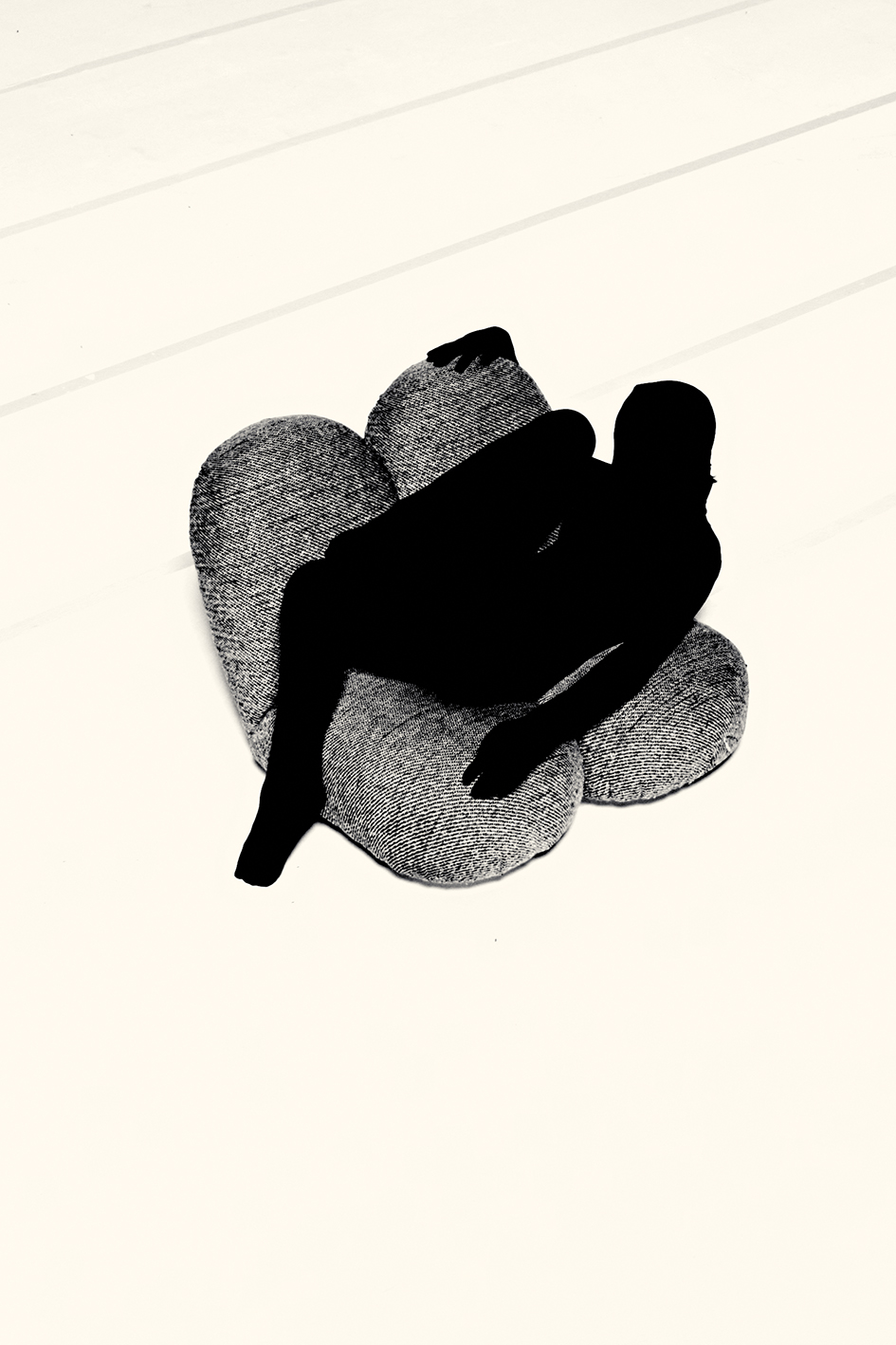
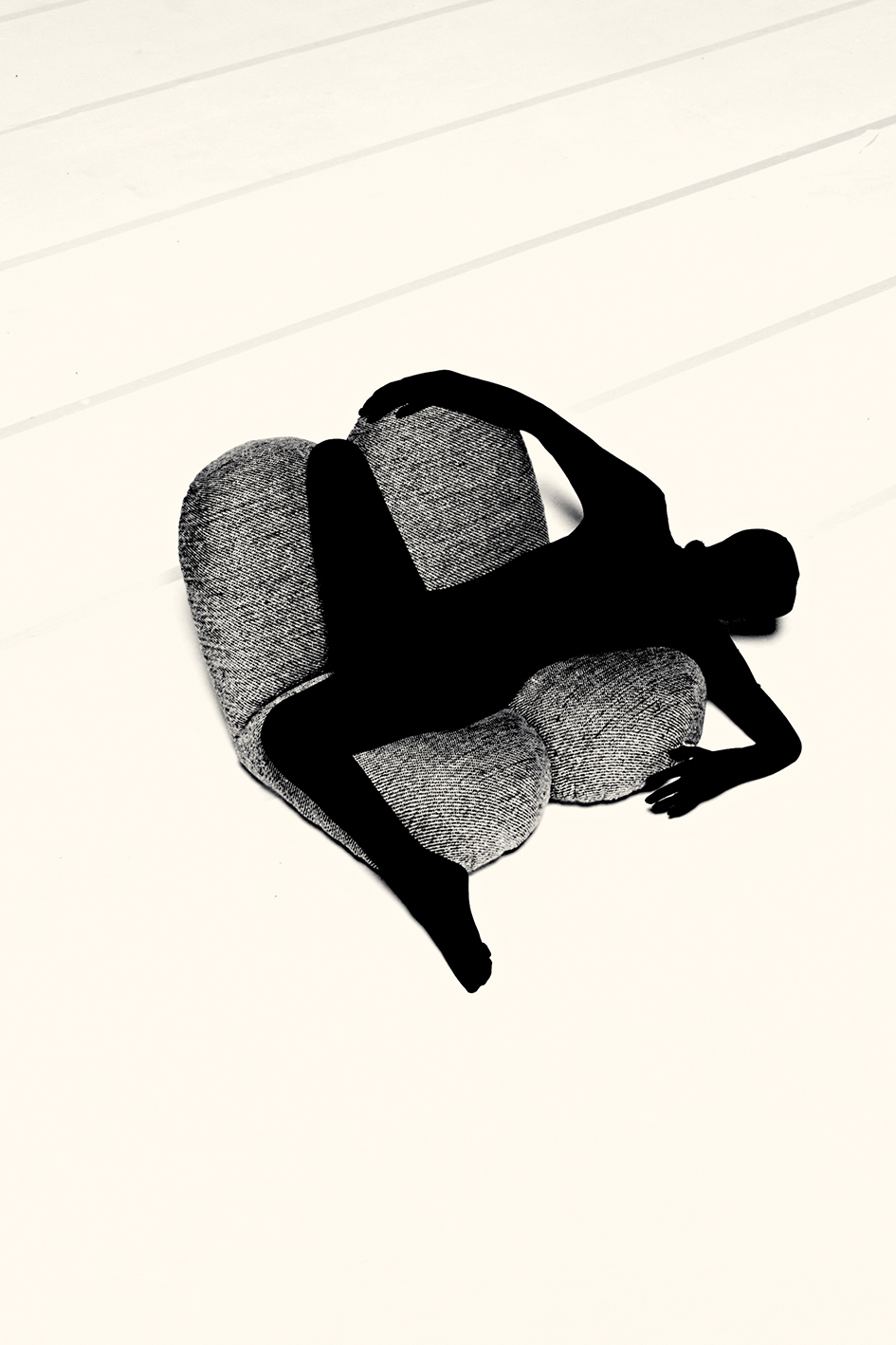
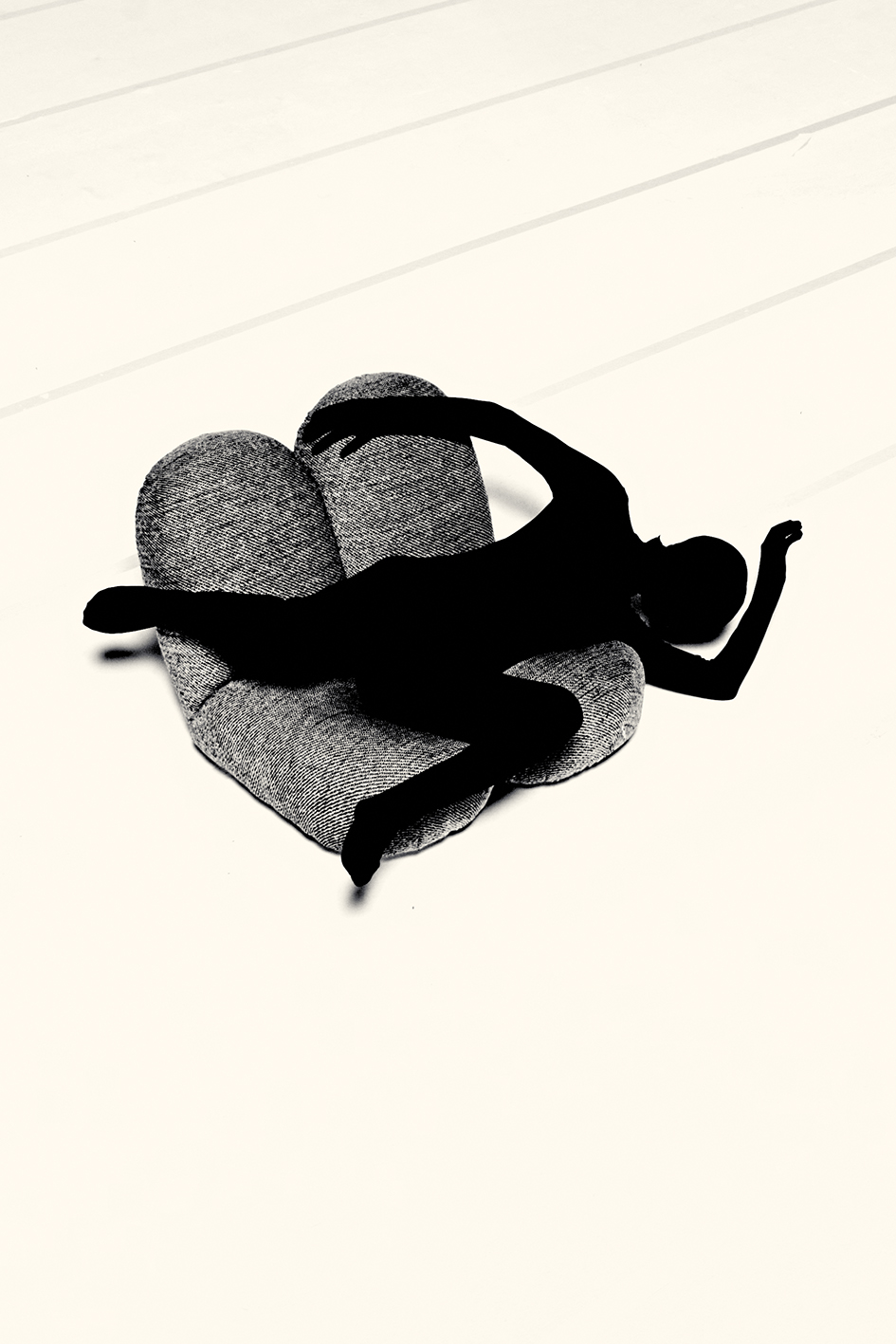
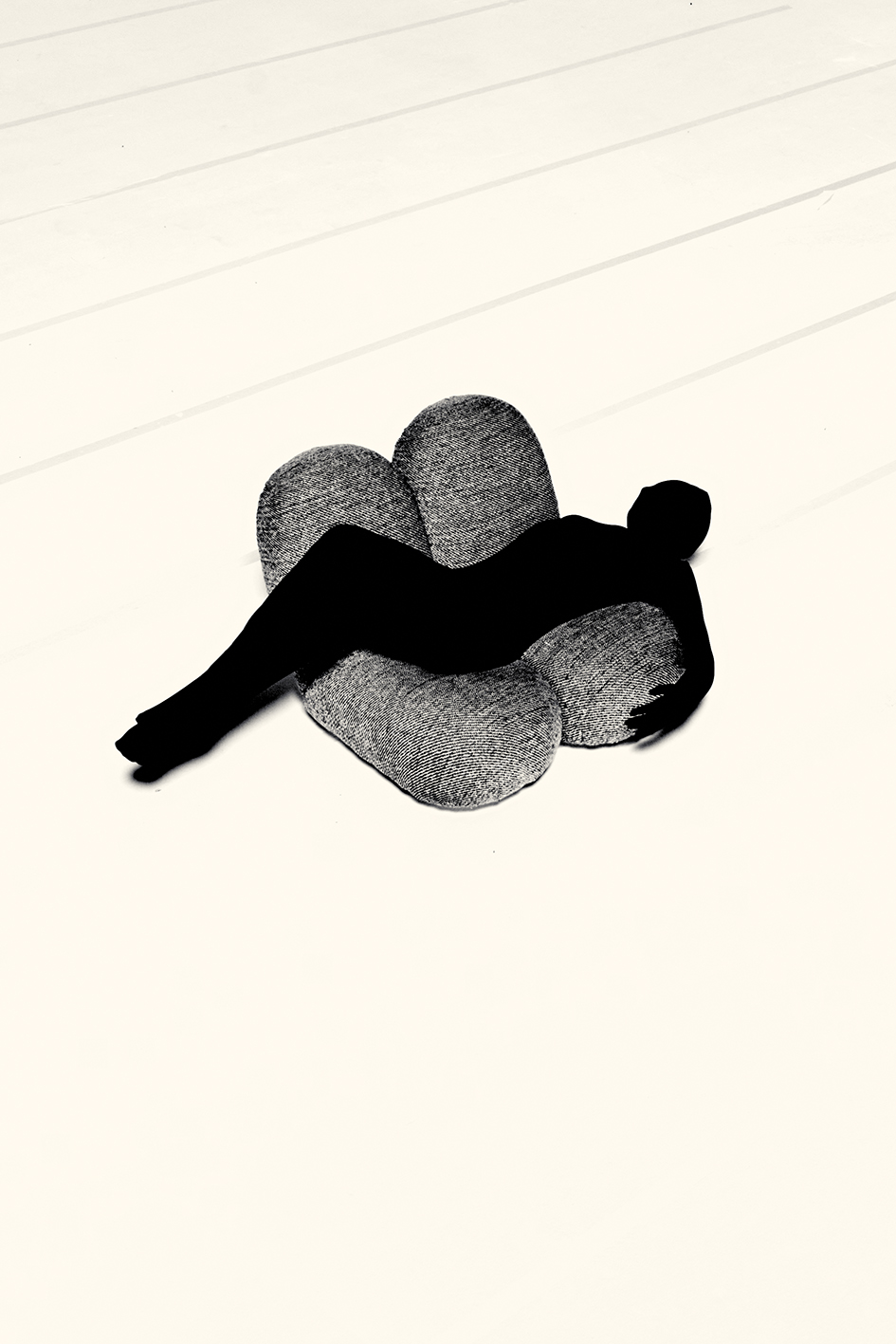
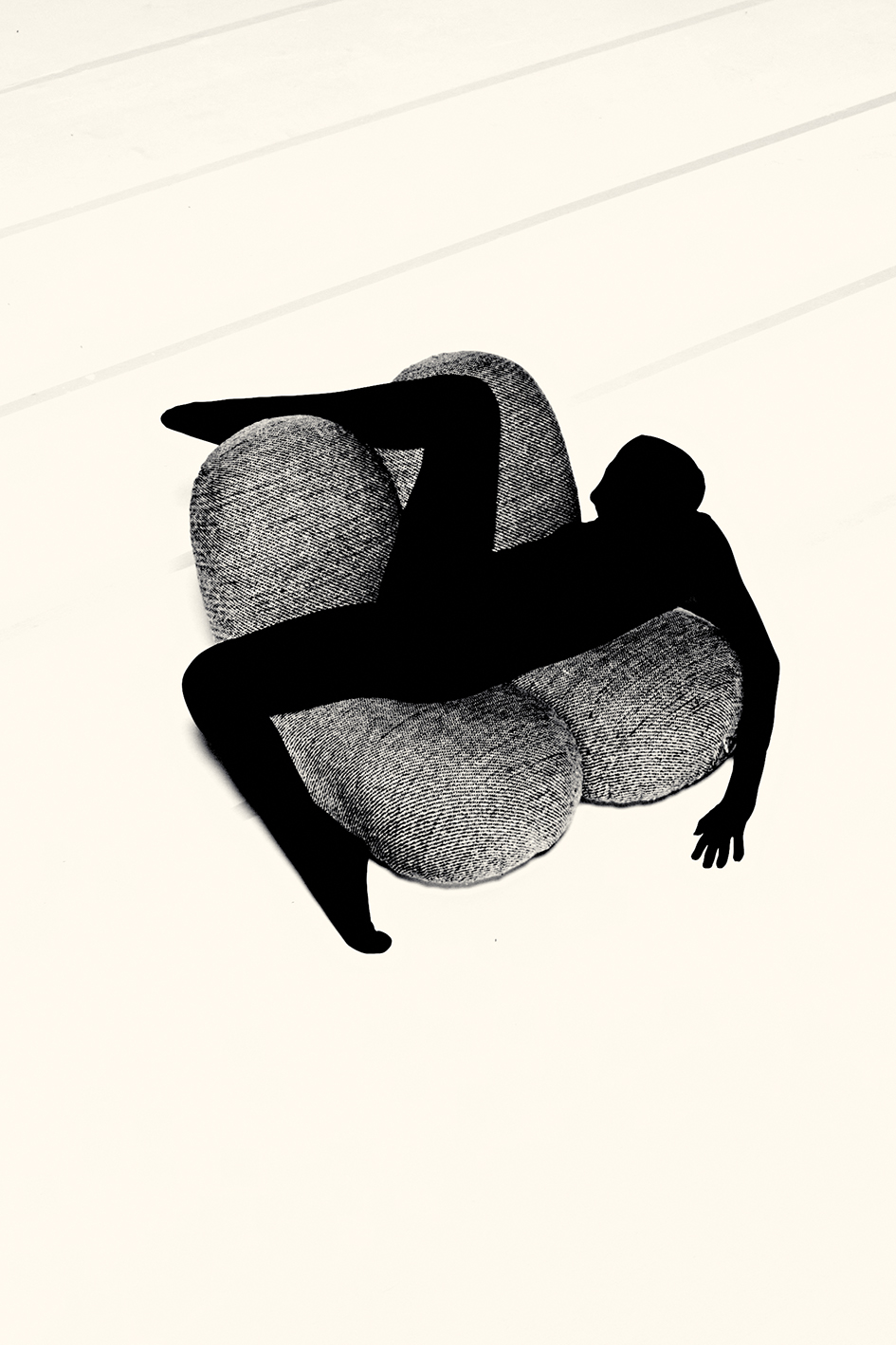
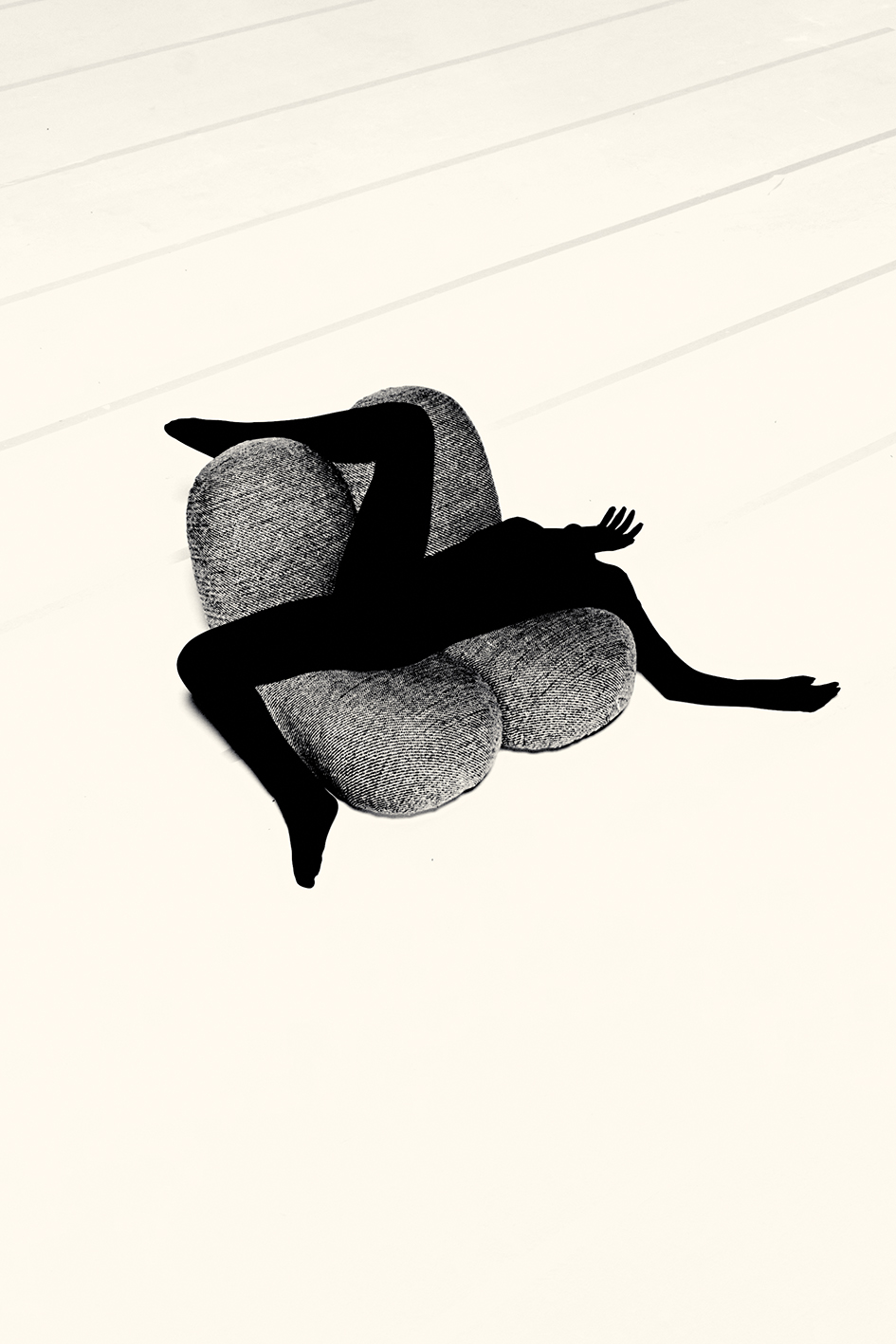
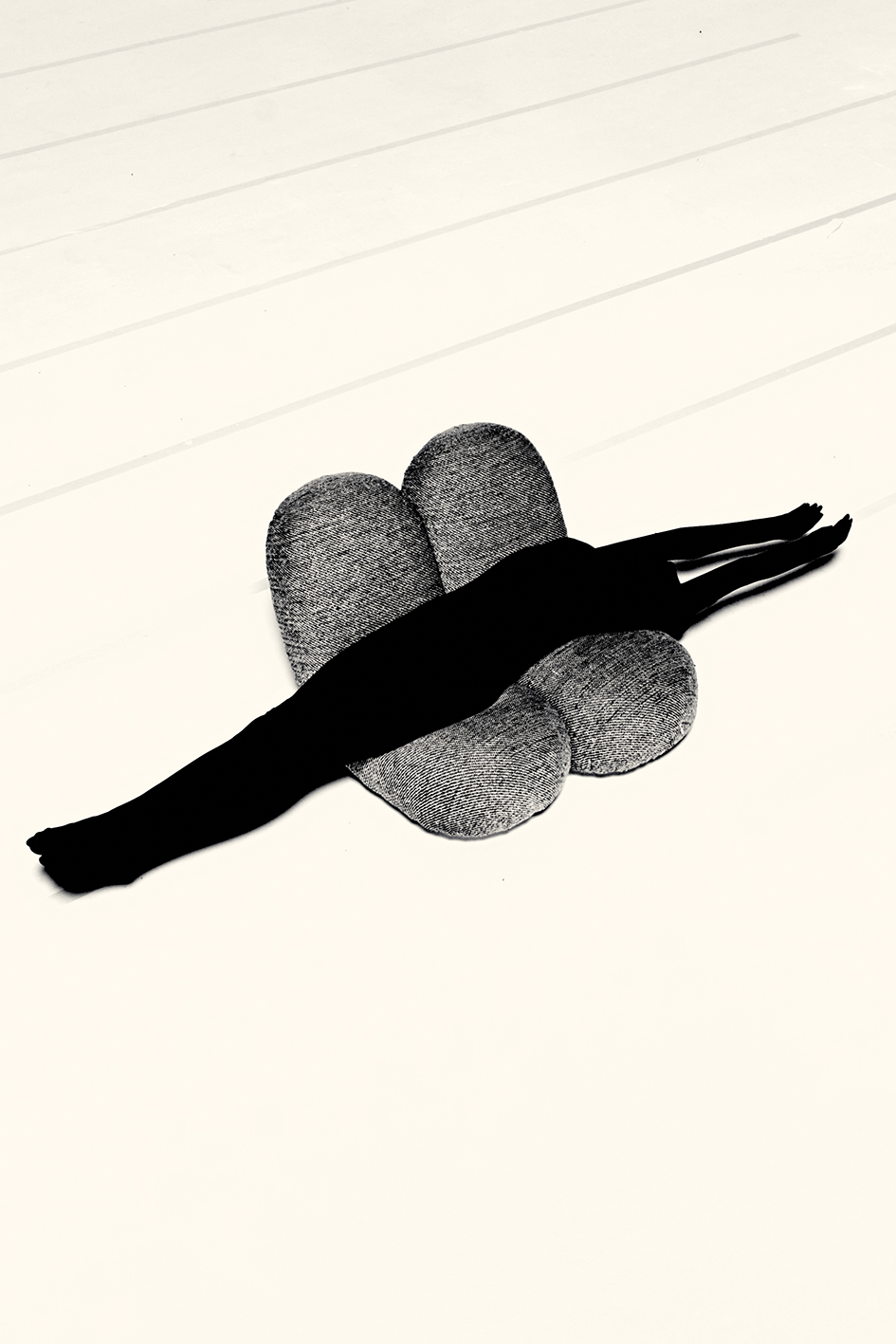
“I grew up on these prototypes. To me, they were the most radical, but nobody knew them except me and the friends of my parents who were coming to our house.” Pieces from the Utopias series, as the brand calls it, are made by hand by seven to nine people at Paulin, Paulin, Paulin’s workshop in the Cévennes. Each design is made-to-order and can only be purchased directly through the family. There is no publicly listed pricing. It starts, like most things at the studio, with a conversation.
This beautiful collapse of the personal and professional that defines Paulin, Paulin, Paulin is best exemplified by Benjamin and Alice’s immaculate home in the 12th arrondissement. Depending on the hour and day, it functions as a family nest, showroom, company HQ, after-hours party spot, and after-school hangout for the couple’s three daughters. The modernist gem even holds a new music studio in the basement——part of the company’s recent project Sounds Like Paulin, which invites guest artists to record and contribute to the little-known, but significant, history of convergence between the furniture and music industries. A star-studded compilation album is due out later this year. So, where does personal start and professional end? “Personal is really only in the bedrooms,” admits Benjamin. While his father Pierre would compartmentalise his work from his home life and hobbies, Benjamin embraces the levelling of how culture works today.
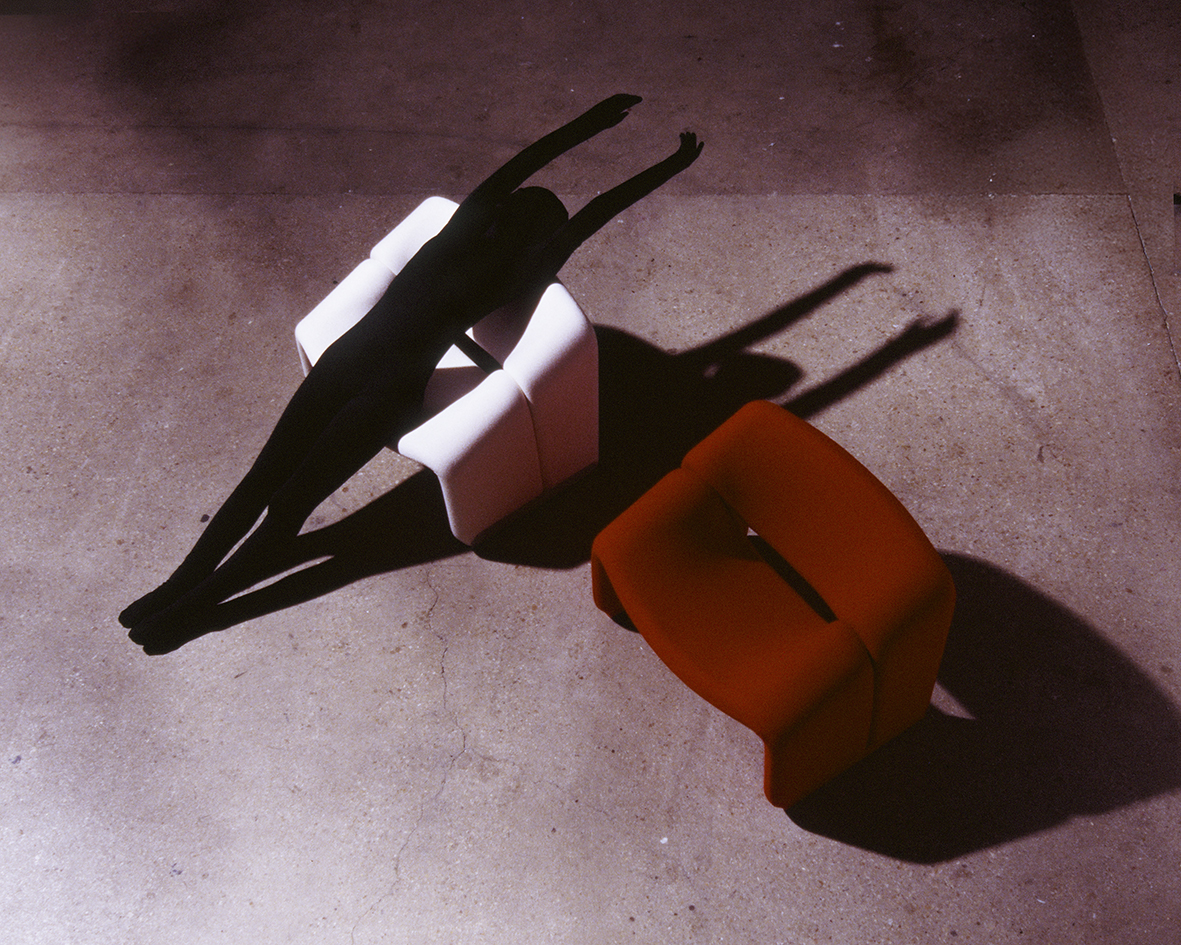
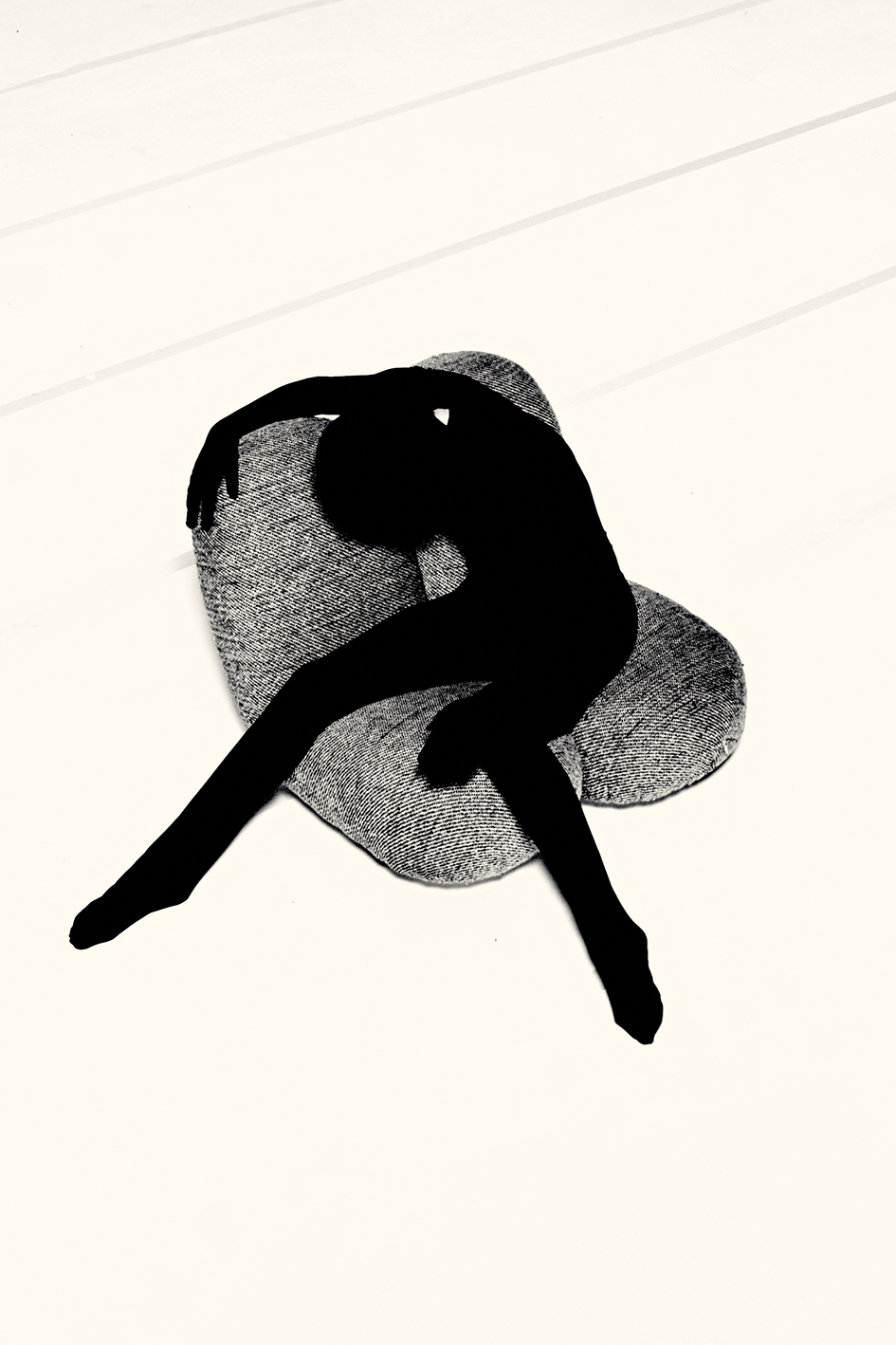
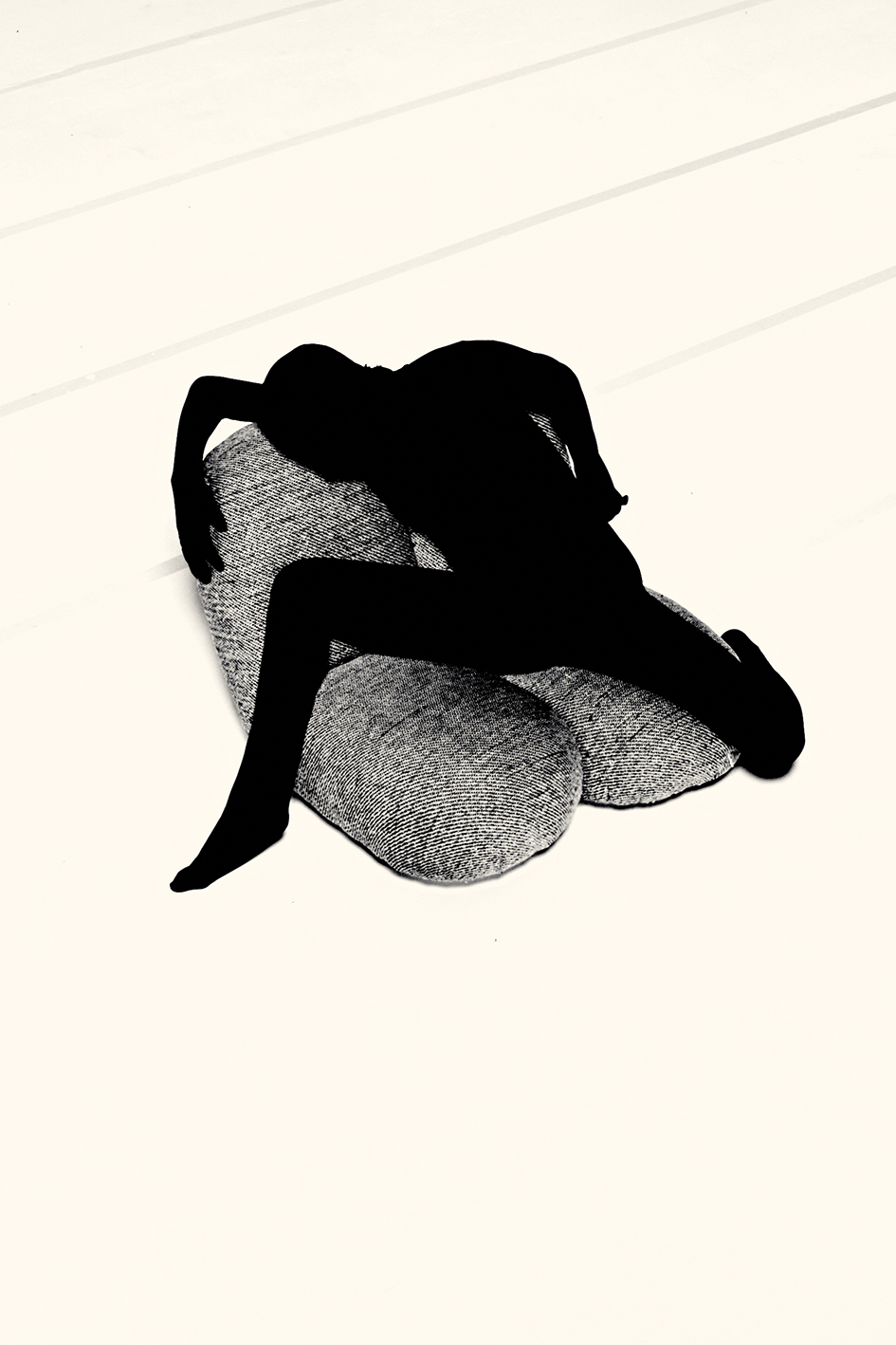
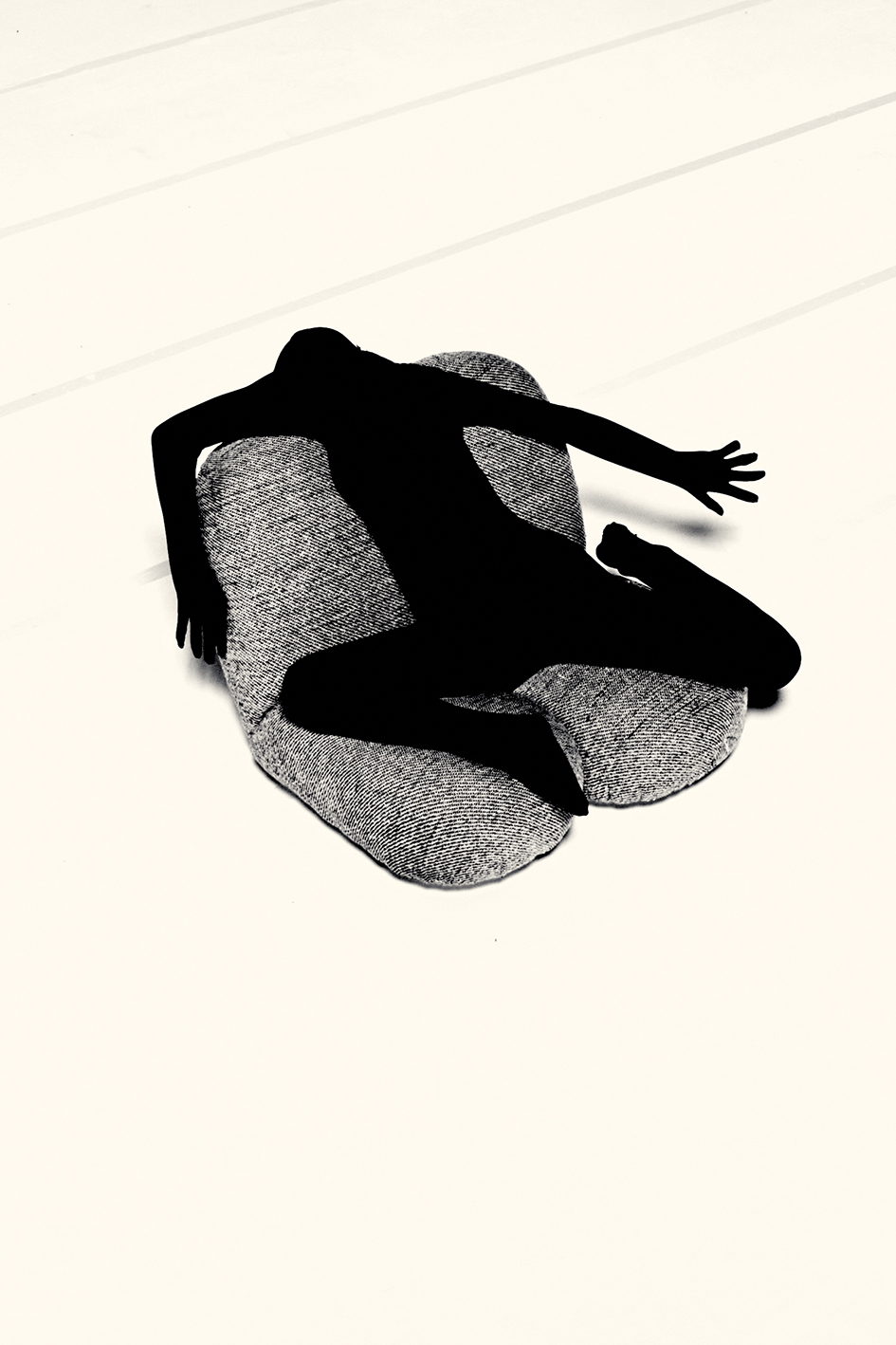
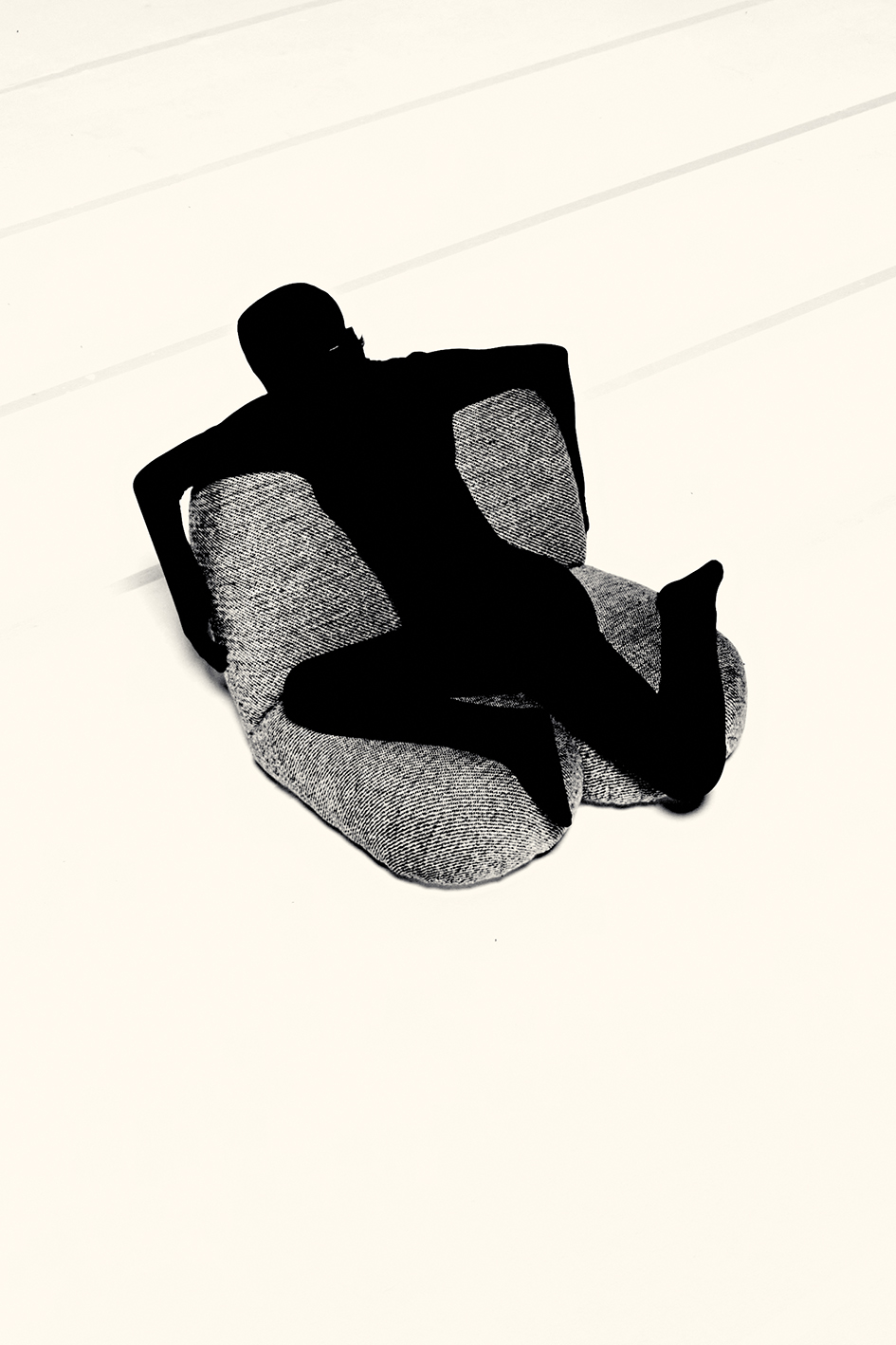
This desire to put everything on a shared plane has strong echoes in his father’s own dream-like designs. Pierre Paulin was inspired by how, in many cultures, the art of being together begins on the floor. Shoes off, tea served—a horizontal field of familiarity and exchange. In 1968, he collaborated with Herman Miller on a residential reinterpretation of the firm’s Action Office programme that invited users to construct and deconstruct furniture modules, arranging space to fit personal desires and psychological self-conception.
(The same project ironically and inadvertently led to the dystopian cubicle.) Constrained by industrial parameters, Pierre’s ambitious floor-as-furniture concepts—such as Déclive, Tapis-Siège, and the aforementioned Dune—were dustbinned, save for the prototype maquettes now preserved in the collection of the Centre Pompidou. While the Dune ensemble has lived on our Instagram feeds rent-free for years, only this past autumn did Paulin, Paulin, Paulin give new life to the Déclive. At Design Miami.Paris in October, the articulated seating apparatus, made of cushioned, undulating bars wrapped in brown leather, was a vibe-shifting hit. while elsewhere in the gilded hôtel particulier, flashy and obtrusive pieces clamoured for attention, Pierre Paulin’s inclusive, idealistic masterpiece demonstrated his aim “to eliminate traditional furniture in favour of a shifting, inhabitable floor.” An adaptation of John Cage’s Extended Lullaby (1994), an installation consisting of 12 music boxes turning in unison, completed the sonic-spatial experience, exemplifying Benjamin’s knack for lending novel context to his late father’s groundbreaking work.
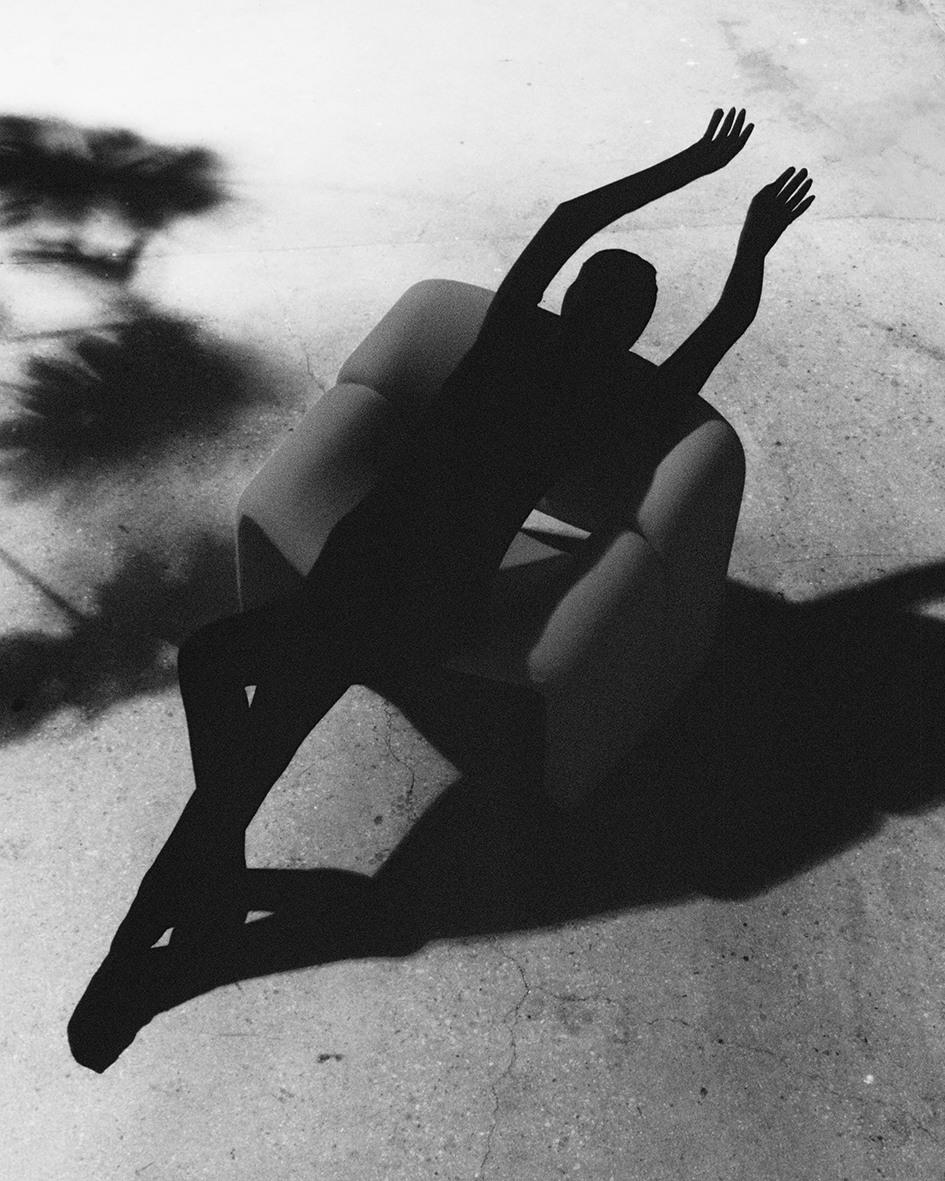
Growing up, Benjamin never imagined he’d pick up on his father’s designs, let alone produce the Birkin of the interior design world. As a teenager in the late ’90s, he put out his first release with the French rap crew Puzzle under the pseudonym Le Vrai Ben. Back then, he explains, “I was doing rap music. [My dad] was doing design. He was not interested in rap. I was not interested in design.” Fast-forward 20 years and Benjamin is at the forefront of bridging these two industries whose relationship has historically been tinged with elitism. “Imagine yourself as a young musician. Suddenly, you have money, you are buying a house, but you don’t know what to put inside. You think, ‘Oh, I need to buy something that elevates me.’” But the old-school design galleries are busy chasing the Upper East Side types they identify with. “When rappers were going to Design Miami, people were thinking these Black guys were the security!” Benjamin goes on. With Paulin’s £36,000-plus Dune ensemble, artists found a room-defining statement piece whose audacity and futurism jived with their own rule-defying sense of self. There are even buyers seeking out houses to fit the Dune, rather than the other way around.
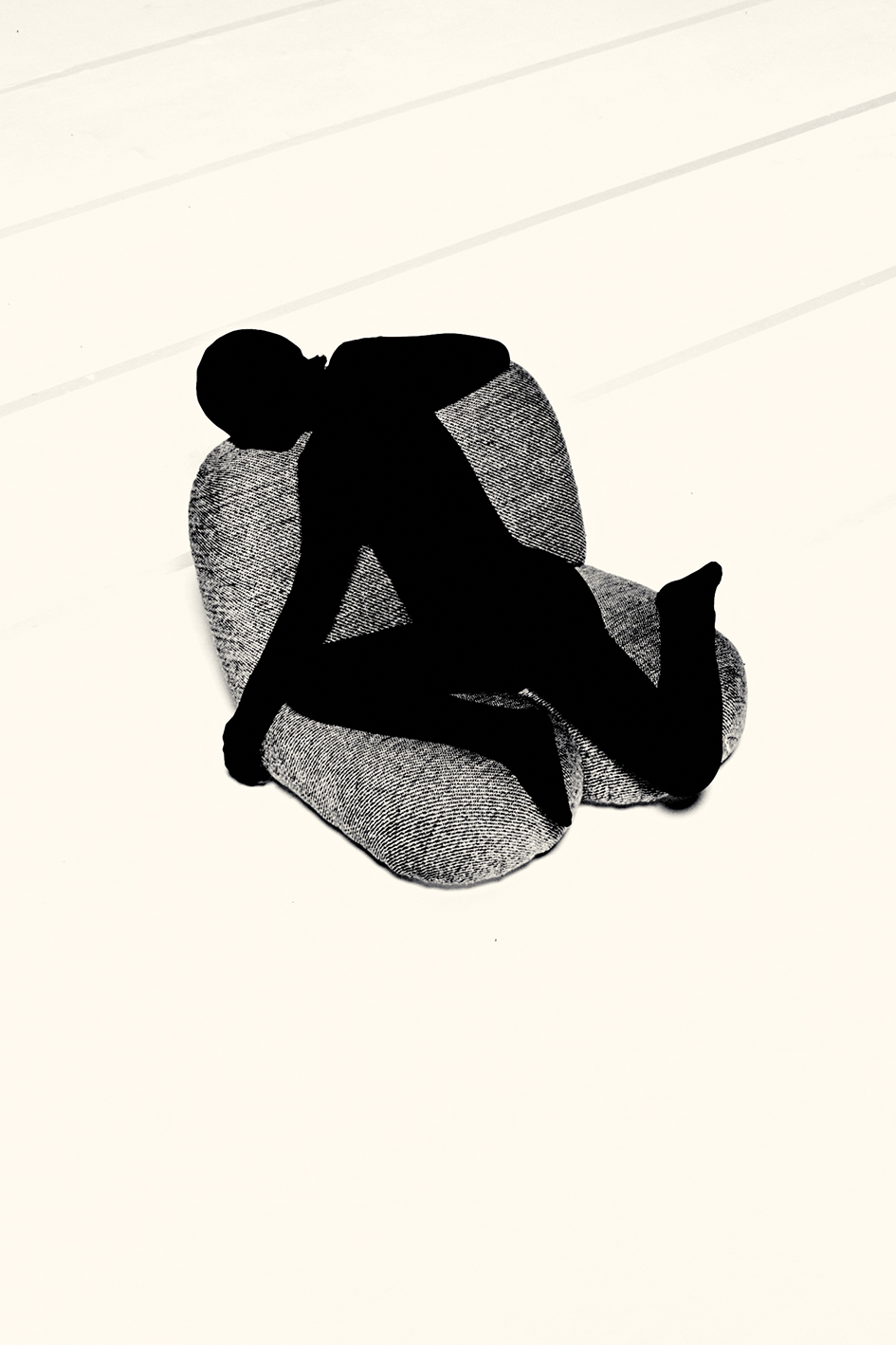
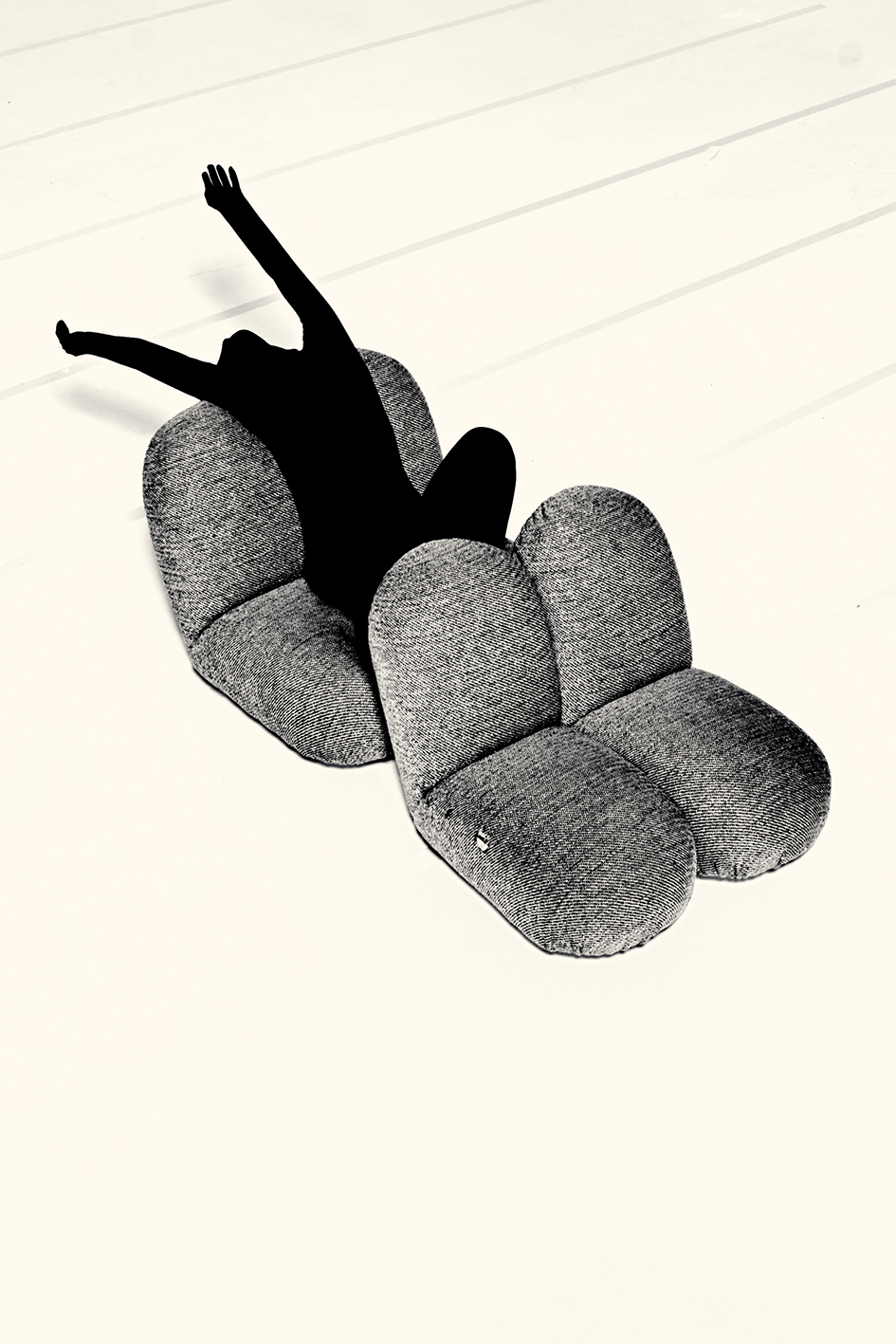
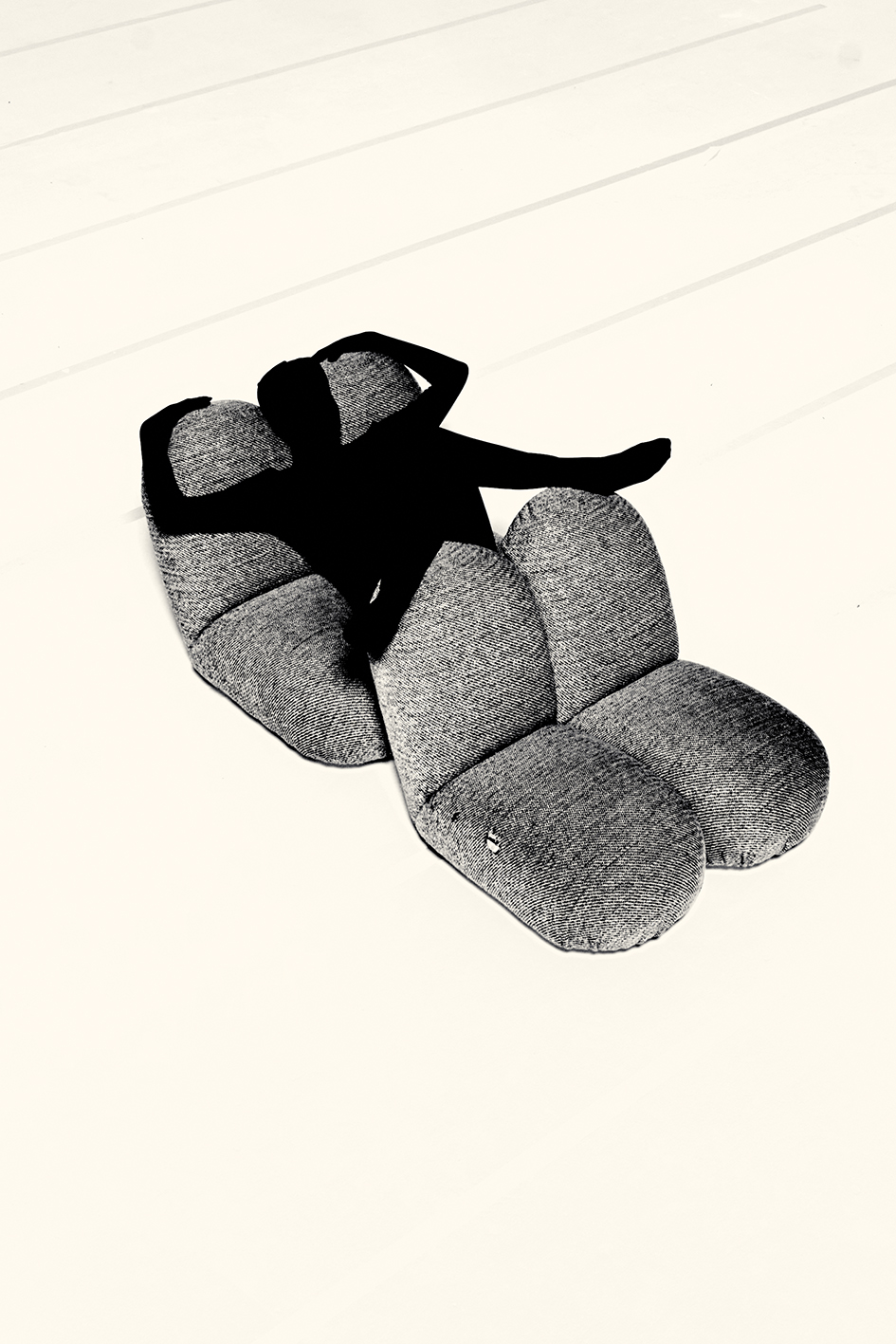
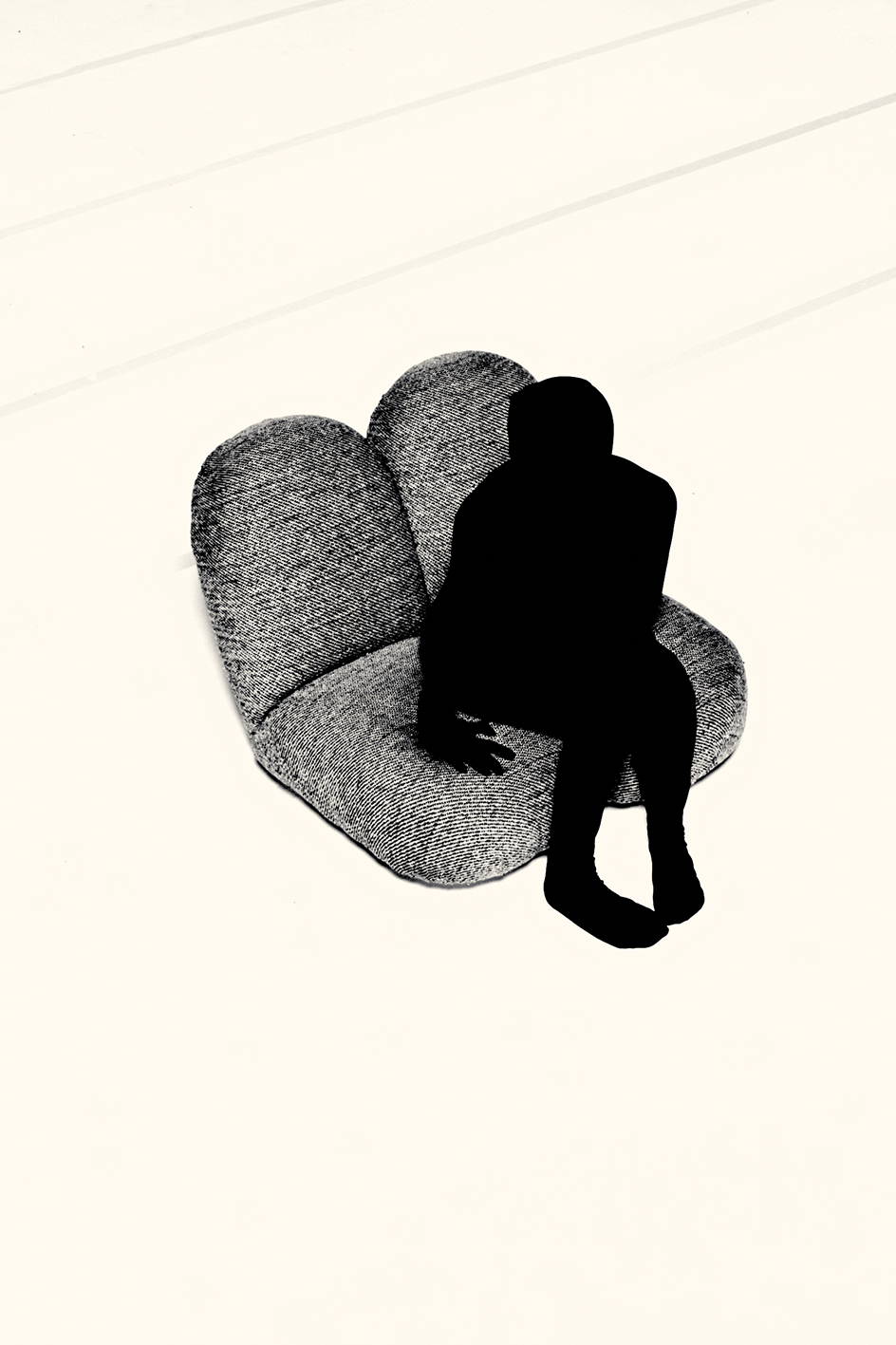
Yet, like a good bottle of wine or a piece of art, a Paulin contains a legacy. Benjamin views his role more as spreading the gospel than making a sale. Despite the celebrity hype, the quiet core of the project is still his father’s utopian vision for better living, in comfort, for all. “My father never worked with rich people… It was about industry and modernity.” These days, Paulin, Paulin, Paulin claims to reject 99 percent of the propositions they receive for the Utopias series. “This may sound crazy, but we want it to be more than just a commercial project,” says Benjamin. The day before I came over to visit, he posted what he joked was an “ugly” image of his wife Alice lounging across a yellow Alpha sofa (1970), his three girls playing, and his bare feet visible in the corner of the frame. Rather than “perfect” studio shots, “This is what I want to see.” Realness. Functionality. In the spirit of his father, Benjamin insists, “Design alone is dead. You need the human presence.”