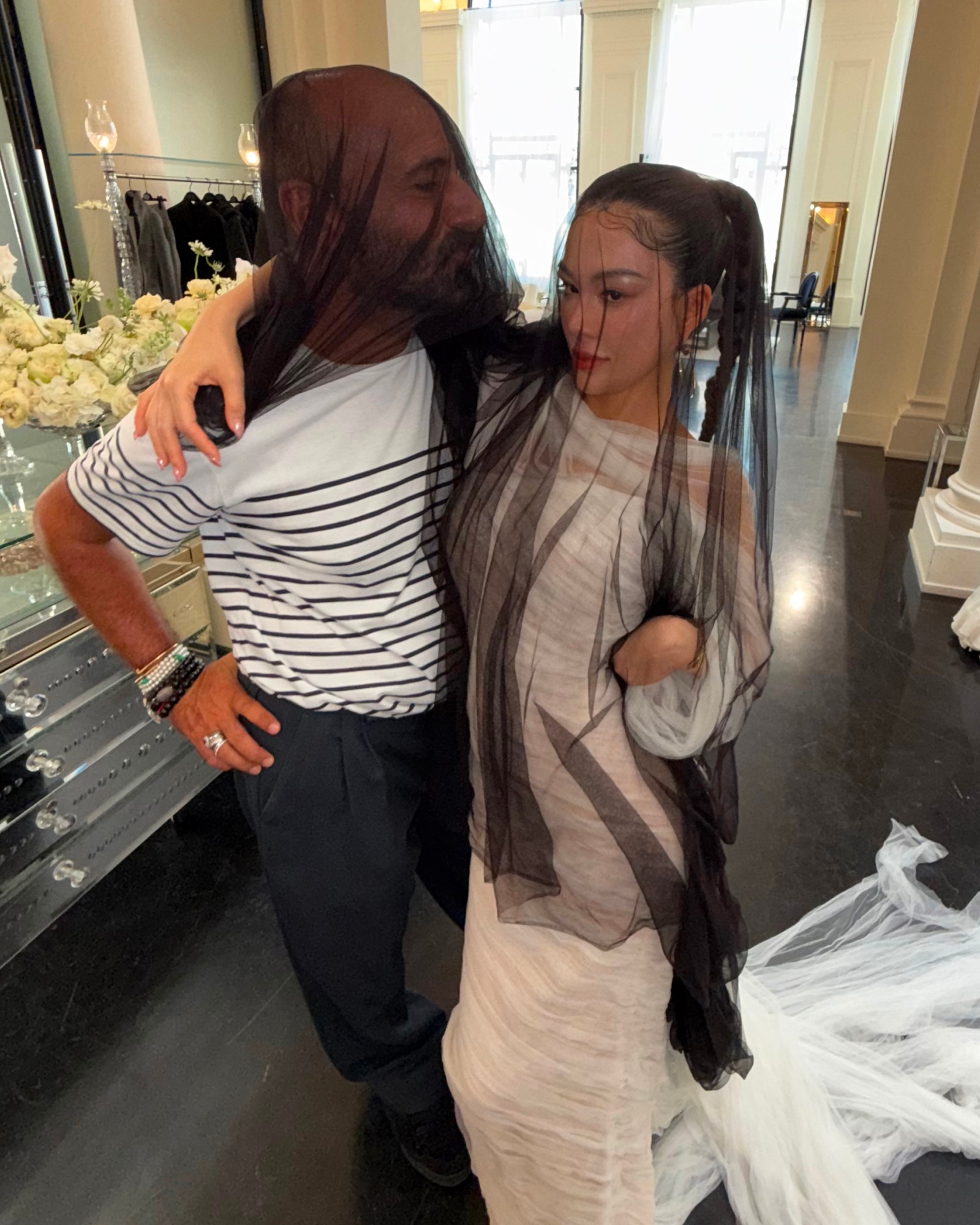
Couture, in its truest form, is not just about fashion. It’s a world defined by ritual, guarded by tradition, and governed by rules—some official, most unwritten (and all requiring a bank balance to match). To qualify as haute couture, a house must be approved by the Chambre Syndicale, maintain an atelier in Paris, and present two hand-crafted collections a year.
But couture isn’t simply luxury, it’s made-to-order art, built from scratch for a single body, with a level of precision that borders on obsession. Unlike designer ready-to-wear, these pieces are often delicate, unrepeatable, and rarely seen outside fittings, galas, or archives. Most people will never touch couture, let alone wear it, and that’s partly the point. As an editor, I’ve spent years reporting from the other side of the rope. But this was different. This season, I was invited beyond the fantasy. Not by a brand, but by a client.
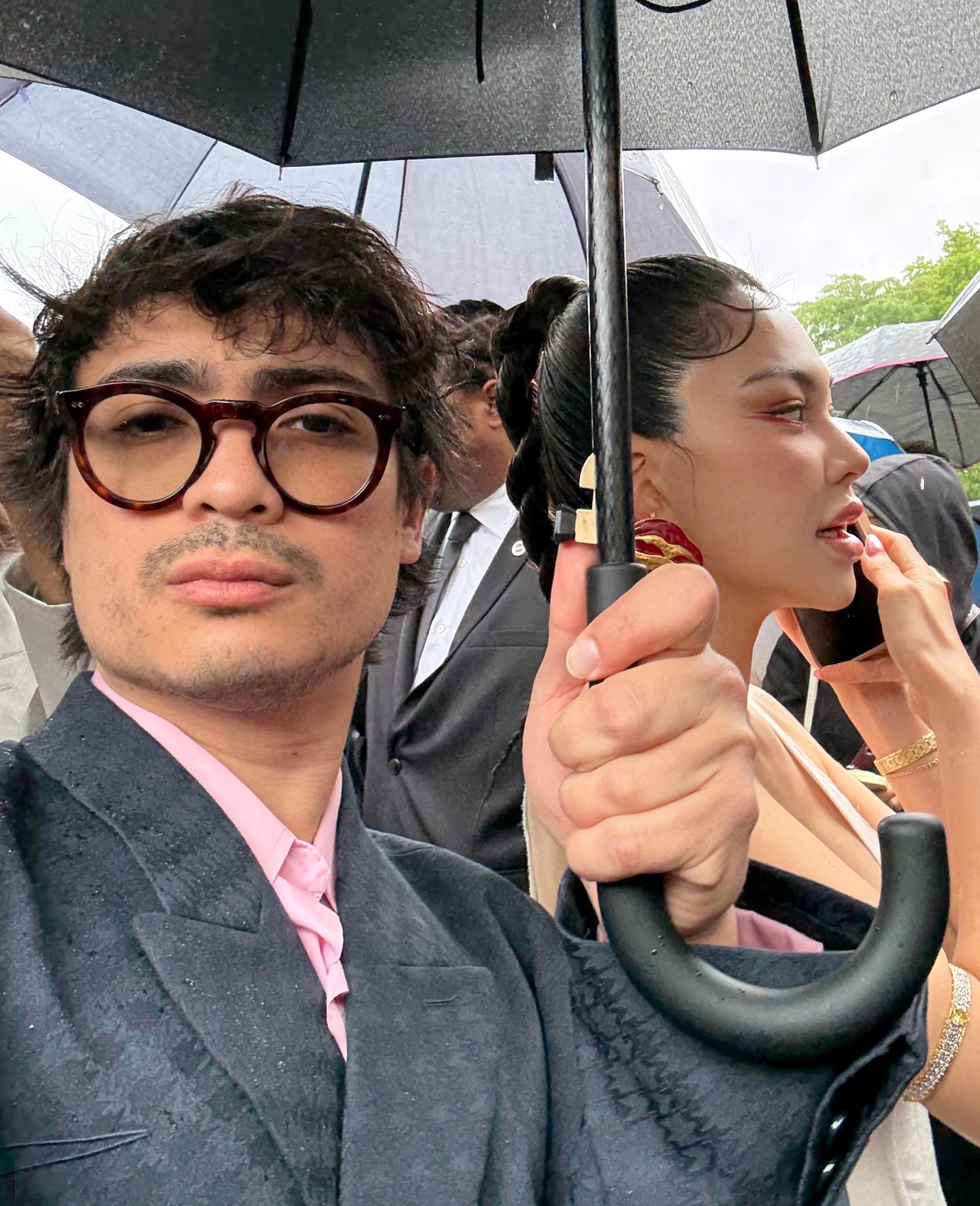
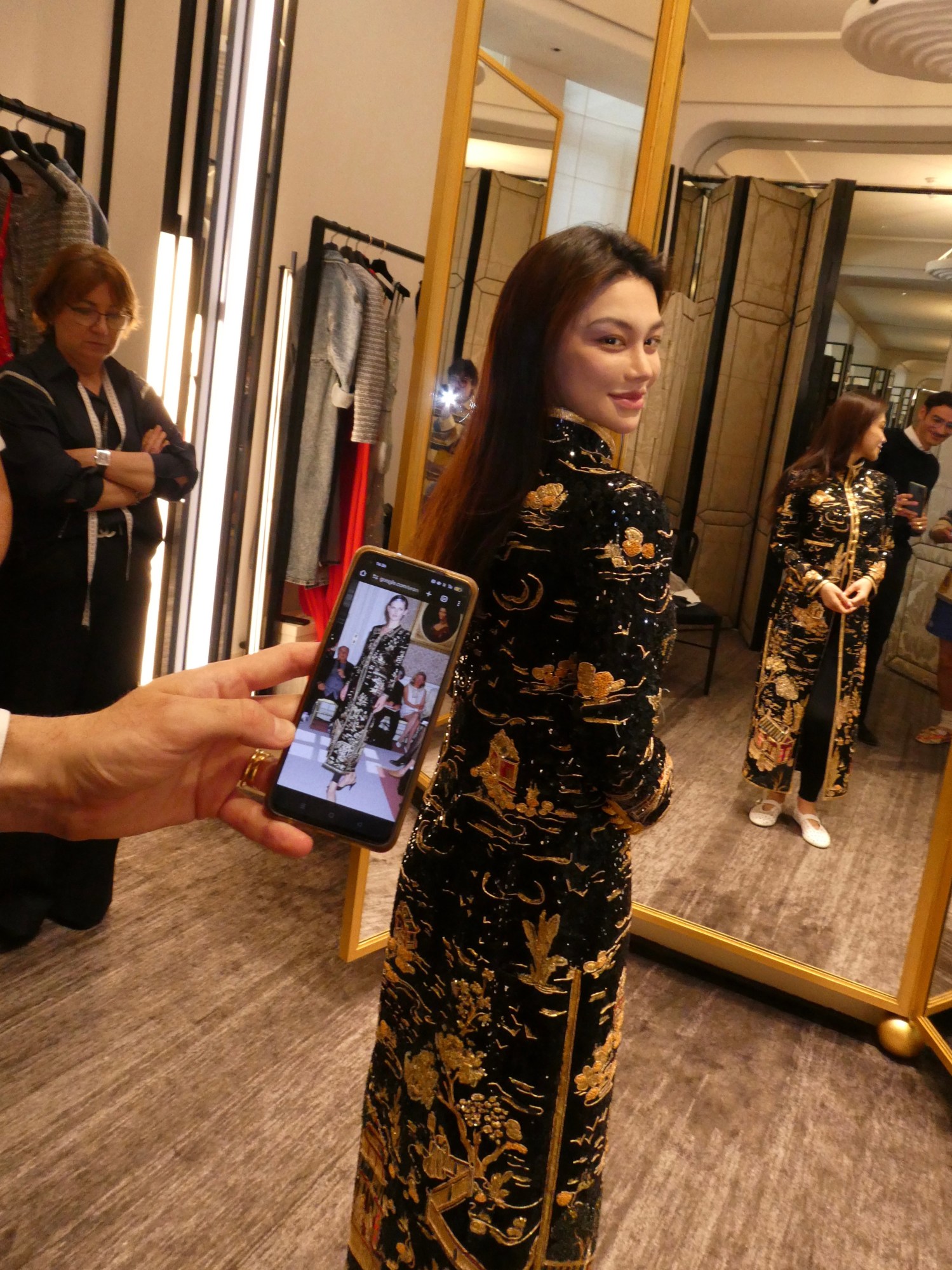
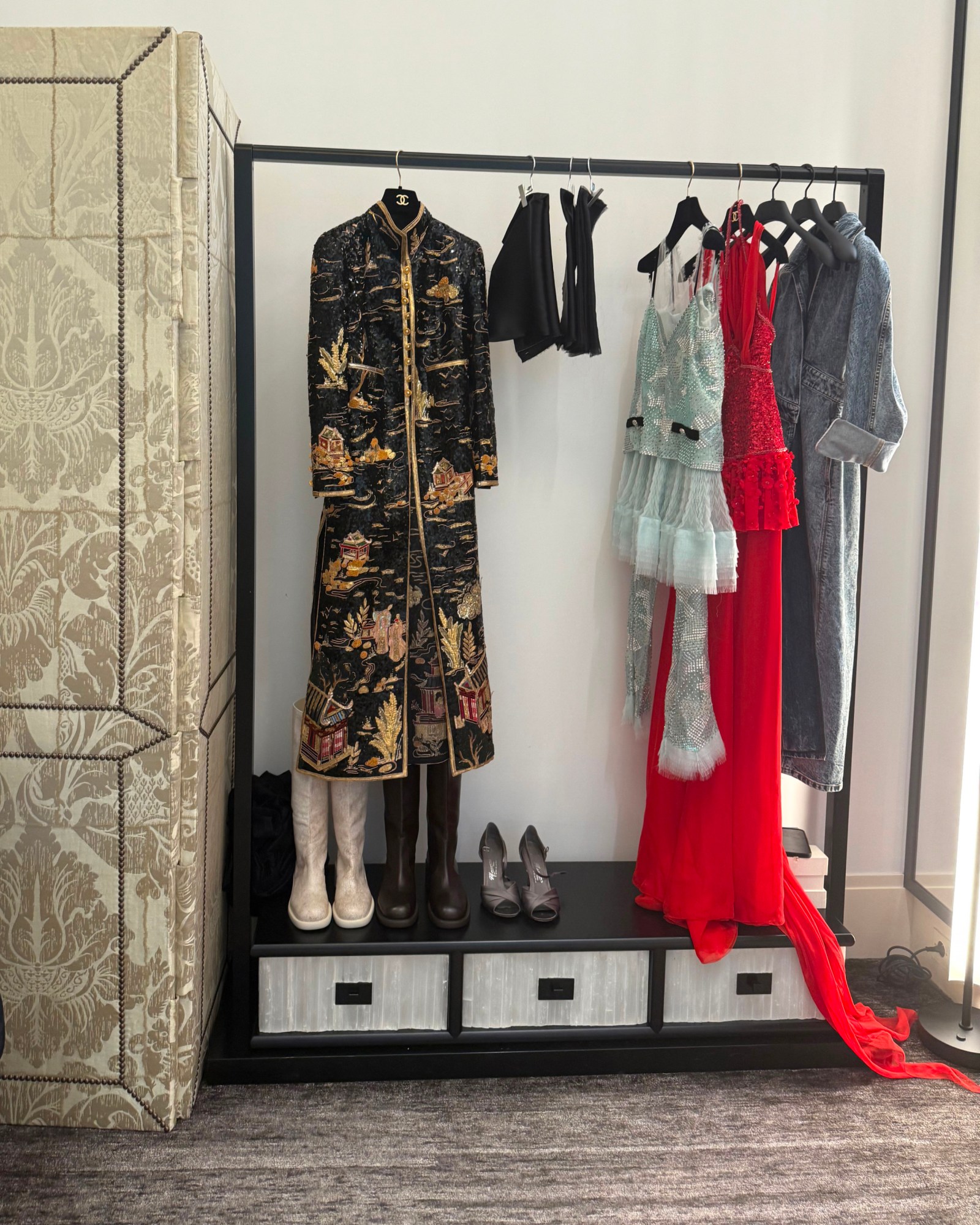
Her name is Poppy. We met through Instagram, bonded quickly over our shared Virgo tendencies, and after one long lunch in London, she extended an invitation that rarely gets offered: to join her for couture week in Paris. That meant not just attending shows, but shadowing her through fittings, appointments, atelier visits, and hushed conversations off-limits to anyone without a million-euro purchase history. I was allowed to take photos, to watch her commission pieces in real time—she may have spent REDACTED on a hand-embellished Chanel coat, a remake of the one Stella Tennant wore on the Fall 1996 runway—and to observe the power dynamics of a world that is both extravagantly luxurious and disarmingly intimate.
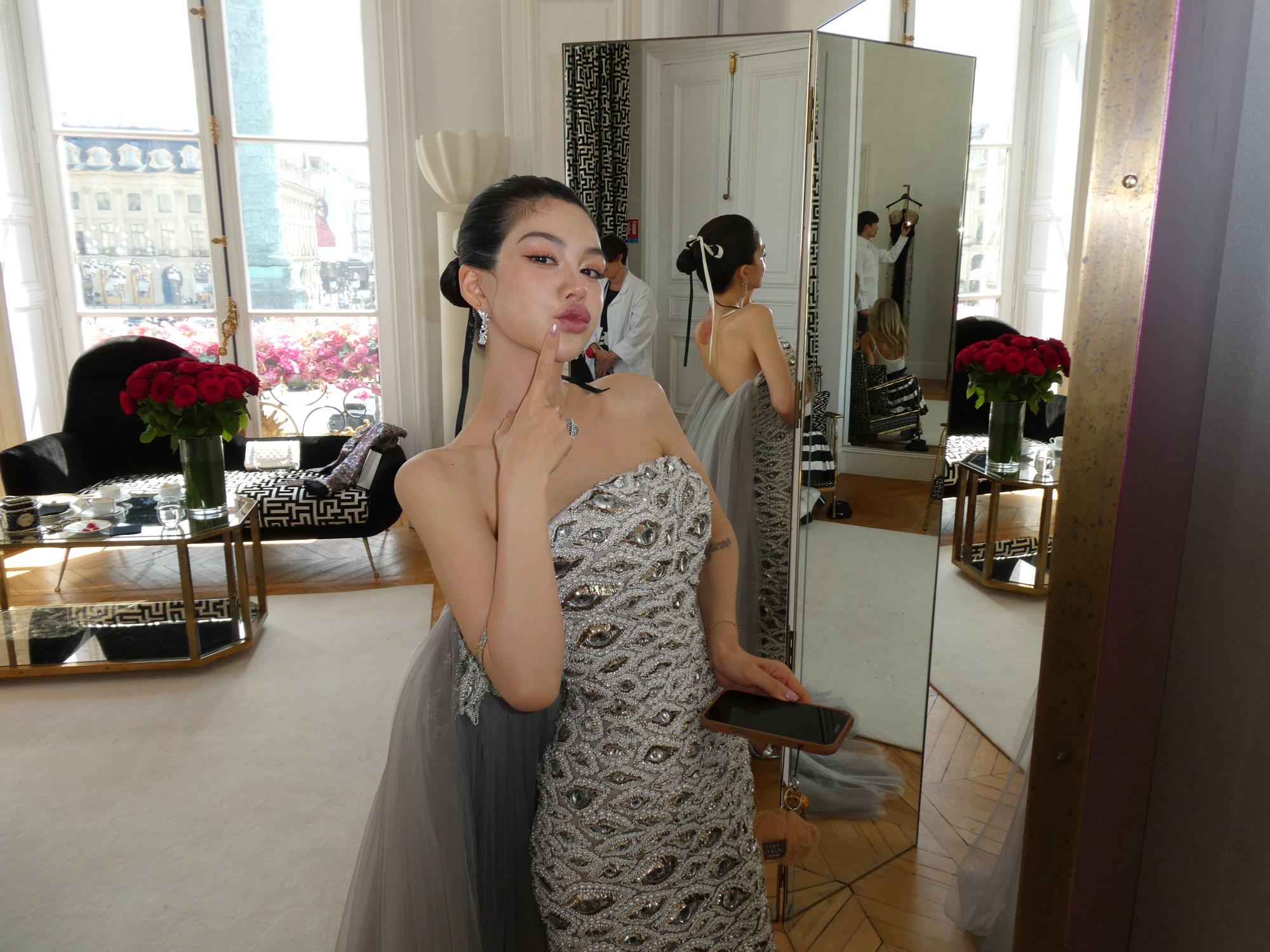
I watched as swatches of fabric were held against her skin, entire silhouettes reworked on the spot, and embroideries debated down to the millimeter. At Chanel, she stood barefoot in front of a mirror while four petites mains adjusted a shoulder line with the exactness of surgeons. Along with the aforementioned coat, she selected a feather-trimmed pants-and-top set—“Perfect for brunch,” she said—and a crystal-adorned bandeau and A-line skirt she’d first clocked on Lily-Rose Depp in a shoot. At Schiaparelli, she ordered a strapless gown in a custom fabric—yes, the same one she’d seen on the runway earlier that day. Her instinct was exacting, her edits unflinching.

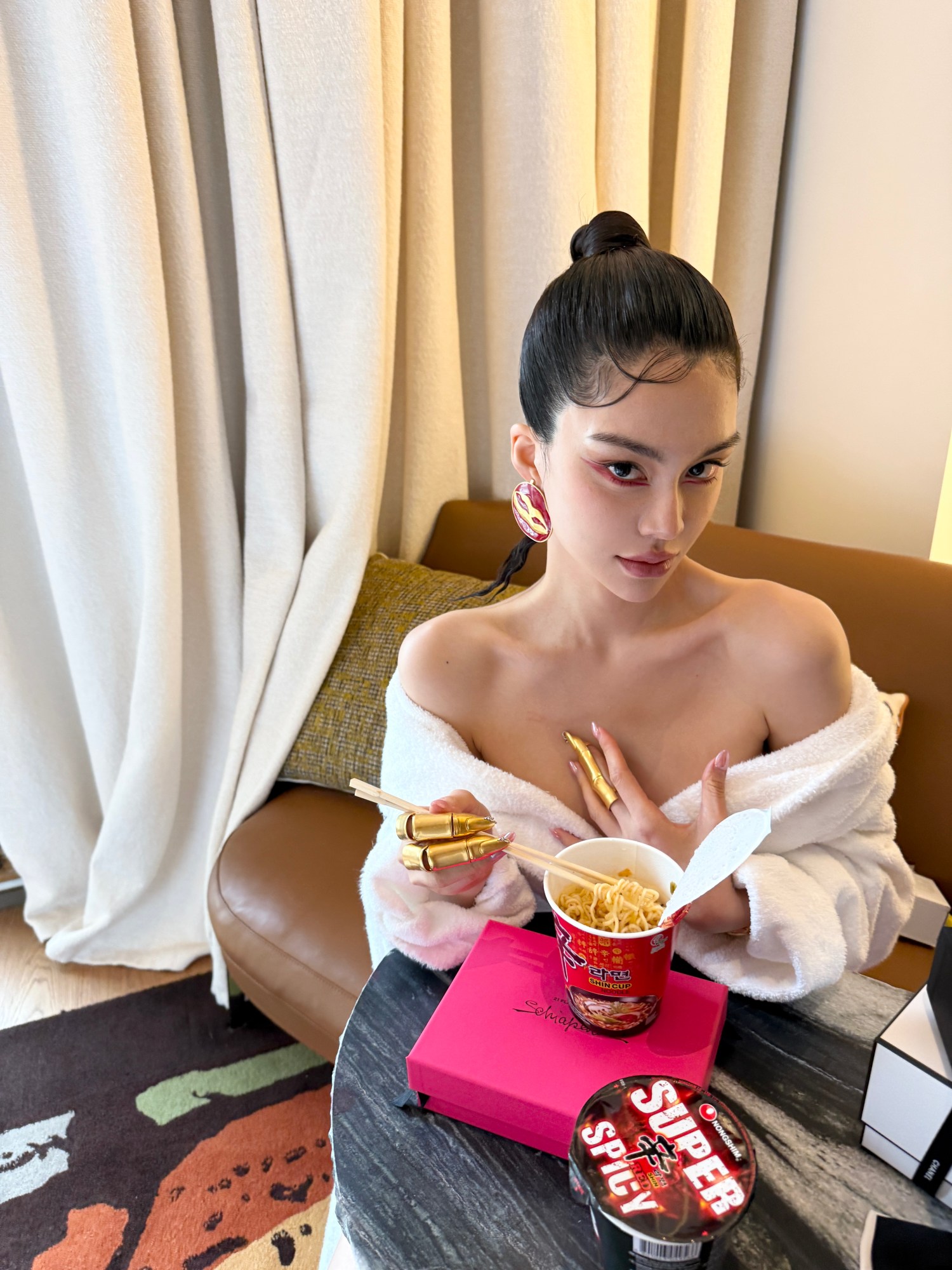
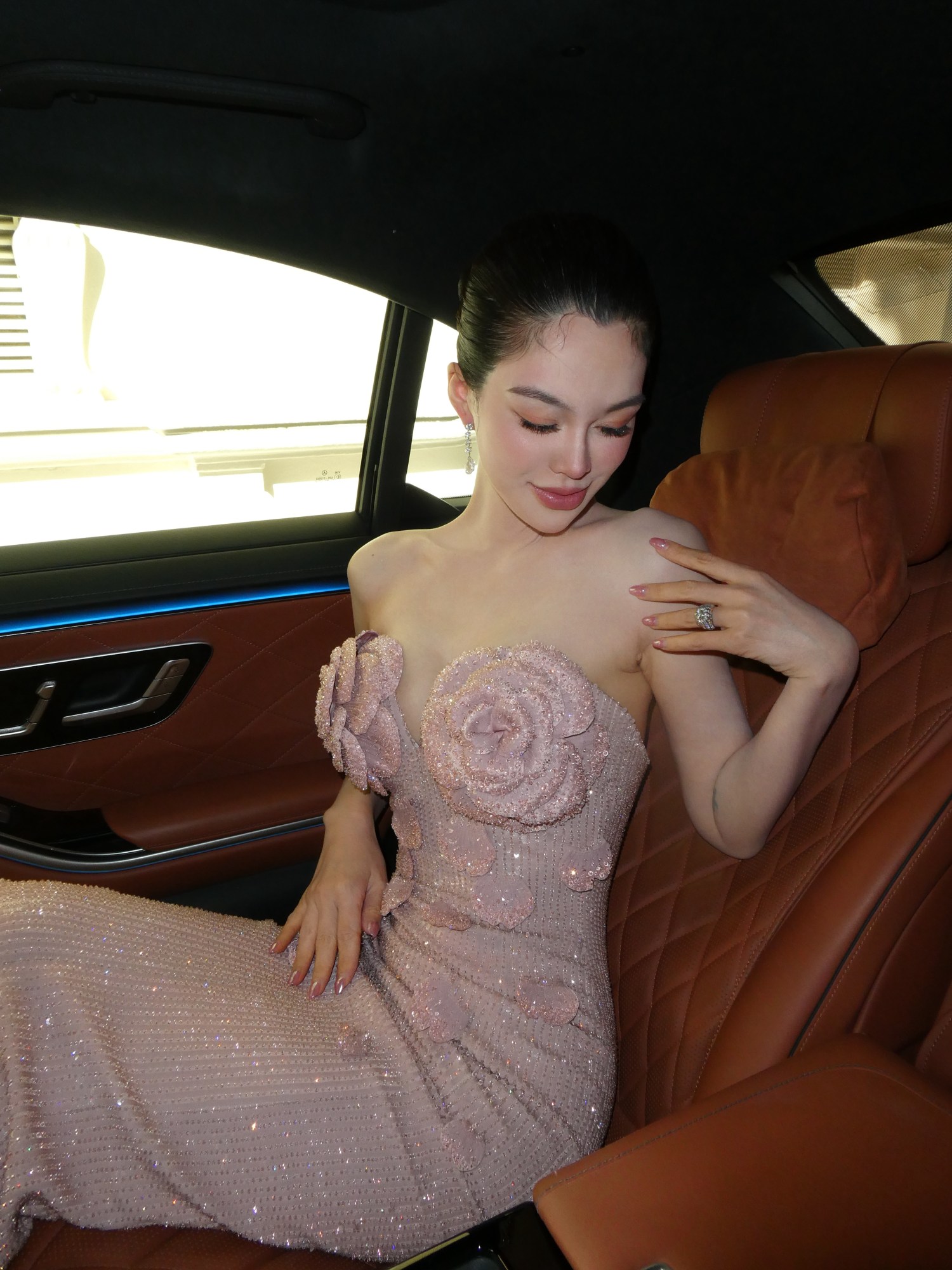
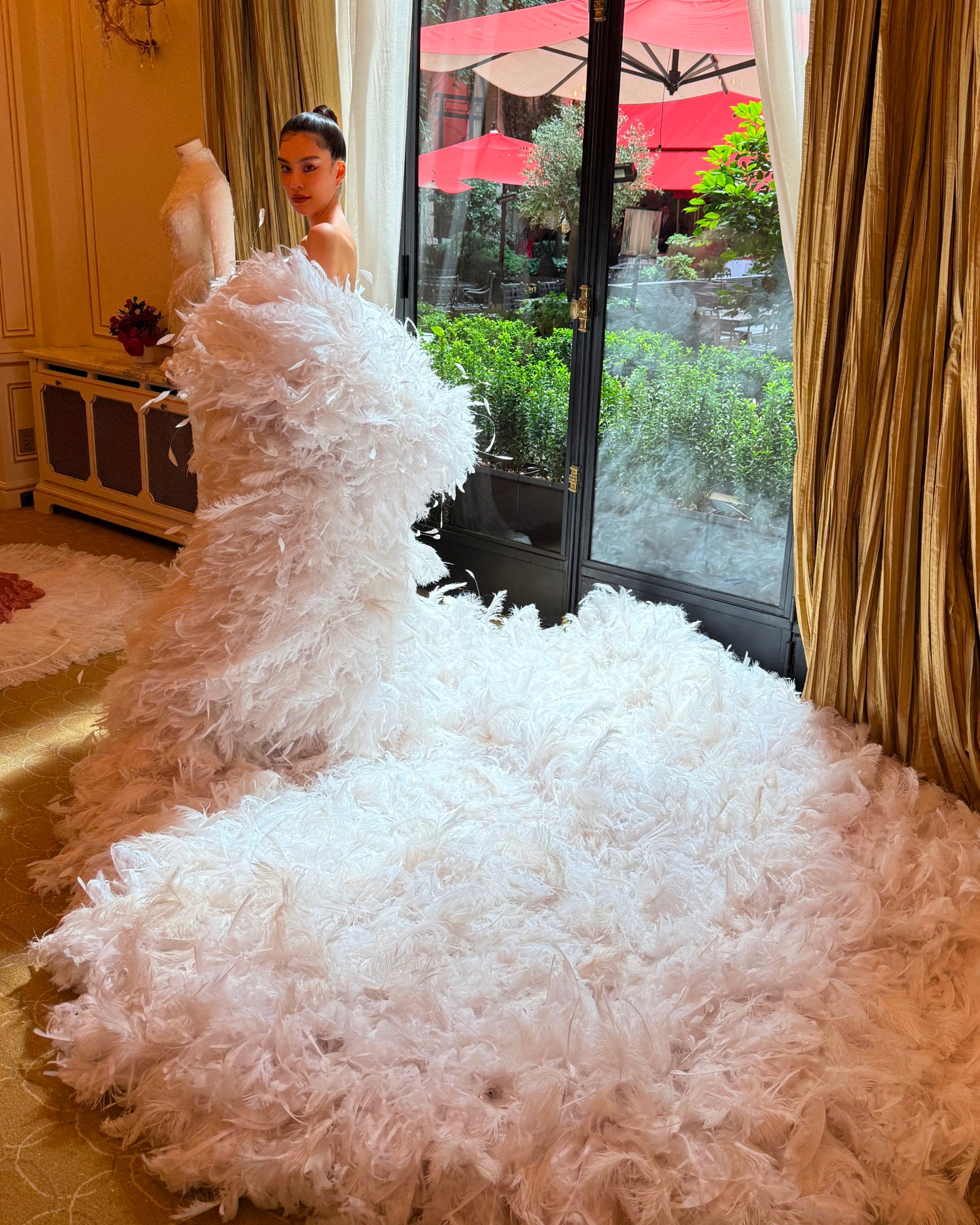


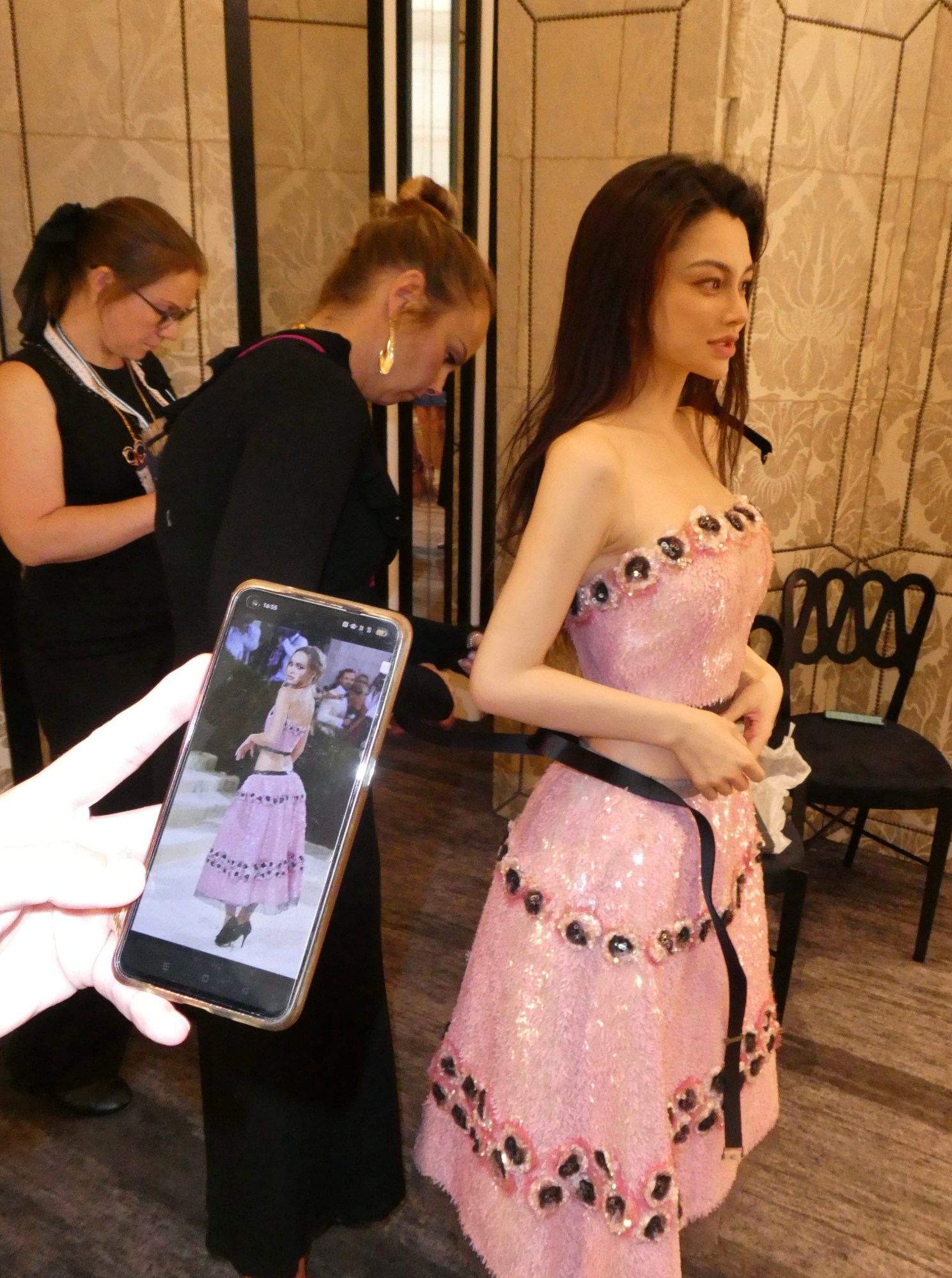
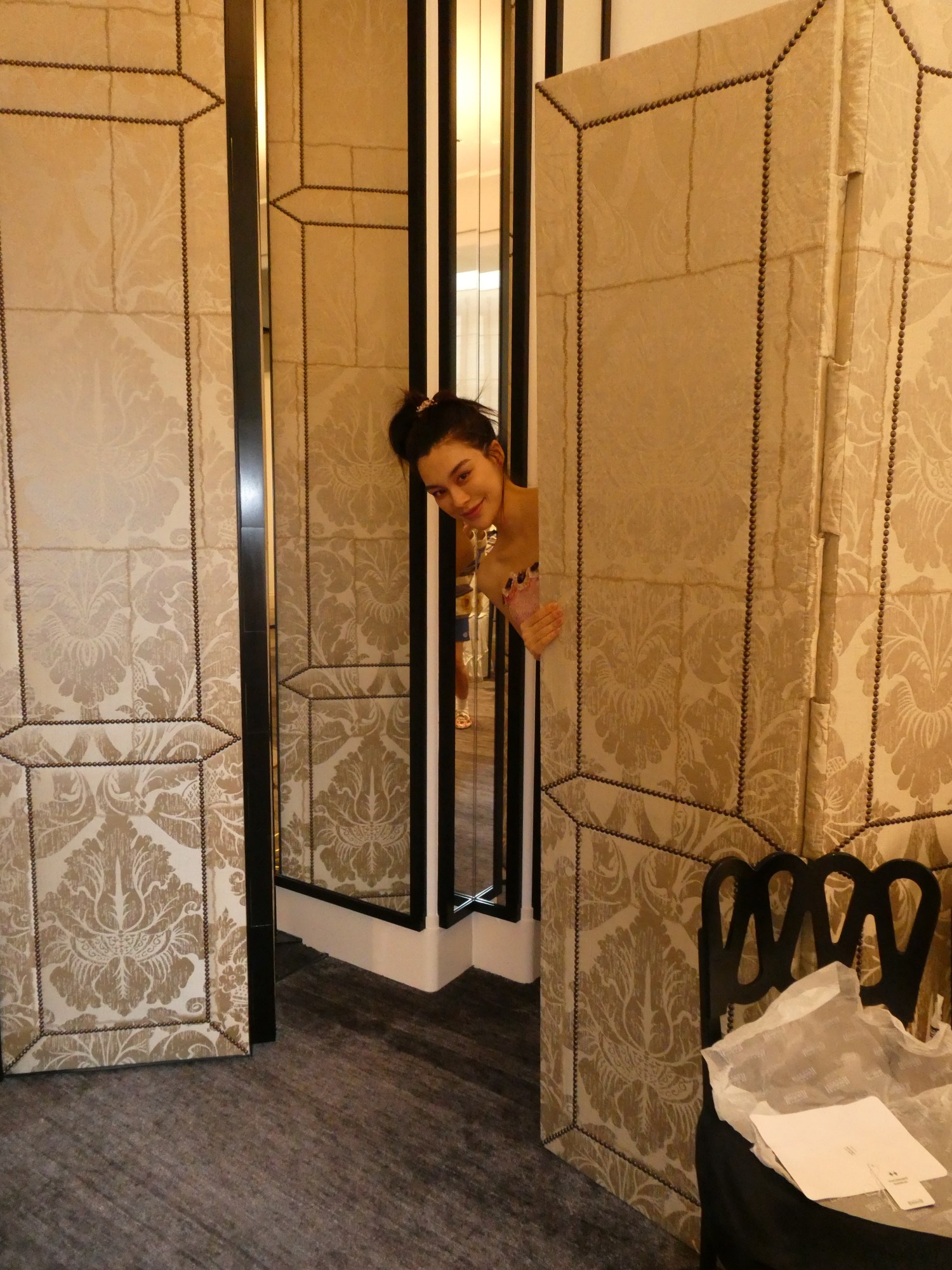
Poppy is young, but already a fluent operator within this space. She is deeply engaged with the artistry behind what she wears. Her identity, background, and personal life are off-record. Not out of mystery, but out of safety. “Couture isn’t about status,” she told me during a quiet moment in a fitting. “It’s about care.”
And that care—the care for craftsmanship, for silhouette, for every unseen stitch—was what shaped the week I spent with her. Through Poppy, I glimpsed the inner rhythms of a system most people will never encounter. The choreography of fittings. The politics of client exclusivity. The unrelenting attention to detail that turns fabric into magic, and clothing into something close to sacred. This is the world she let me into. Here’s what happened when I followed her inside.


Alex Kessler: Talk me through the buying process.
Poppy: You don’t always need to attend the show. You just reach out and say, “I’d like to try Look 23.” Then it’s fittings, customizations, colors. You have creative freedom, within reason. The best maisons won’t let you ruin the designer’s vision. Thank god. But I love going to shows. Seeing everything in motion helps me picture whether I can actually wear it.
What’s your golden rule for buying couture?
Don’t think in terms of resale, ROI, or Instagram. And don’t buy because you’re trying to fit in with a crowd. That’s not the point. Buy because it moves you. Buy because it fits like a second skin. Buy because it reminds you fashion is still art.
How competitive is the couture world, really?
It’s fashion’s most polite blood sport. There are client rivalries, region restrictions, exclusivity fees. And celebrities? Don’t even get me started. I’ve lost pieces to them. There’s a Schiaparelli dress I still think about. I only hesitated for two days.
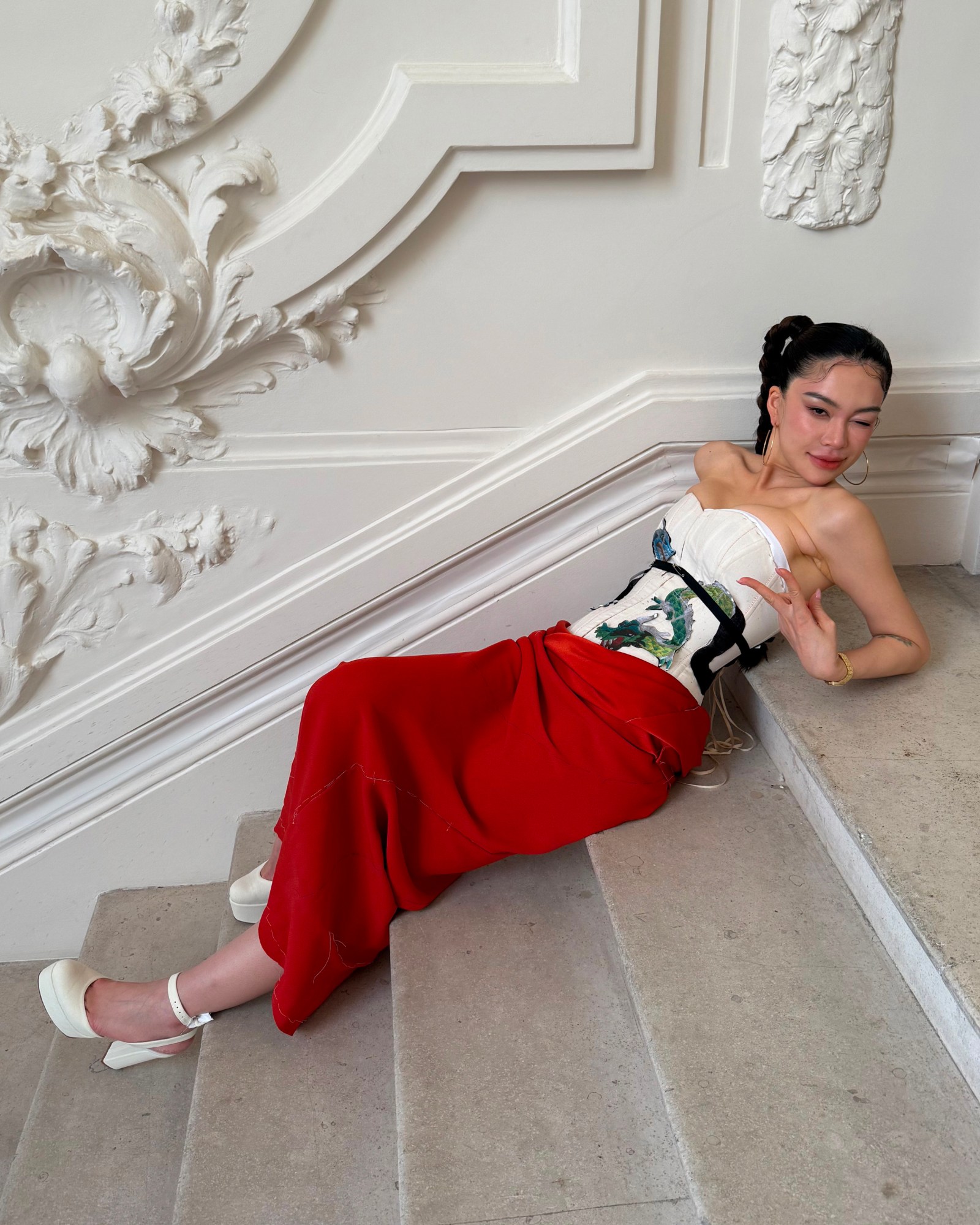
Does anyone ever buy the same dress as you?
Not if they’re from the same region. Once, a friend texted me saying she wouldn’t purchase a gown because I already had it. I respected that. Couture’s about individuality. Nothing kills a look faster than déjà vu.
What’s your first fashion memory?
Kindergarten. I used to insist on wearing dresses every day, even in the snow. My mom would say things like, “Even the dog will laugh at you,” to get me into pants. I refused.
What designers did you love growing up?
Vivienne Westwood and Betsey Johnson. Chaos and charm. I liked to feel a little rebellious.
When did couture enter the chat?
I studied fashion, so couture wasn’t some faraway fantasy. But I started buying when ready-to-wear started to not work on my body. It didn’t fit right. I’d always want to change things like buttons, seams, and proportions. Even at the biggest houses, the salespeople would whisper, “You’re killing us, Poppy. Please just buy couture.”
Do you remember your first piece?
Of course. Rome. I was bored, overheated, and wanted to sit in AC, so I called Valentino and asked to speak to couture. I placed an order for three dresses. That was the beginning. One was a Maria Grazia Chiuri and Pierpaolo Piccioli dress; the other two were from “The Beginning” collection they had just shown.
What keeps you coming back?
It’s made for you. Couture respects the human body in a way fast fashion never will. It’s a conversation between you and the designer. And it’s never rushed. That alone feels radical.

You mentioned each house gives you something different. What do you mean?
Chanel is daily elegance, the jackets are unmatched. Armani is pure grace, for red carpets or weddings. Schiaparelli? It’s fire. JPG is attitude. You don’t just wear it, you carry it.
What’s a piece you regret?
I wouldn’t say regret, that sounds financially irresponsible. But there was a jacket that ended up on a celebrity in a not-so-great shoot.
What stood out to you this season—and what are you looking forward to next?
I loved Schiaparelli. Daniel [Roseberry] is so passionate, you can feel it in the clothes. It’s rare to see a designer really create without thinking first about the commercial. I’ve placed my orders. Chanel was elegant, as always, but I’m excited for next season. Everyone is. Pierpaolo Piccioli at Balenciaga… that’s the moment. It’ll be beautiful. I’m already preparing.
Any final thoughts from inside the atelier world?
People forget couture isn’t just a gown. It’s hundreds of hours by people you’ll never see. The petites mains. The embroiders. The pattern-makers. It’s their hands you’re wearing, not just a brand. That matters, especially now.