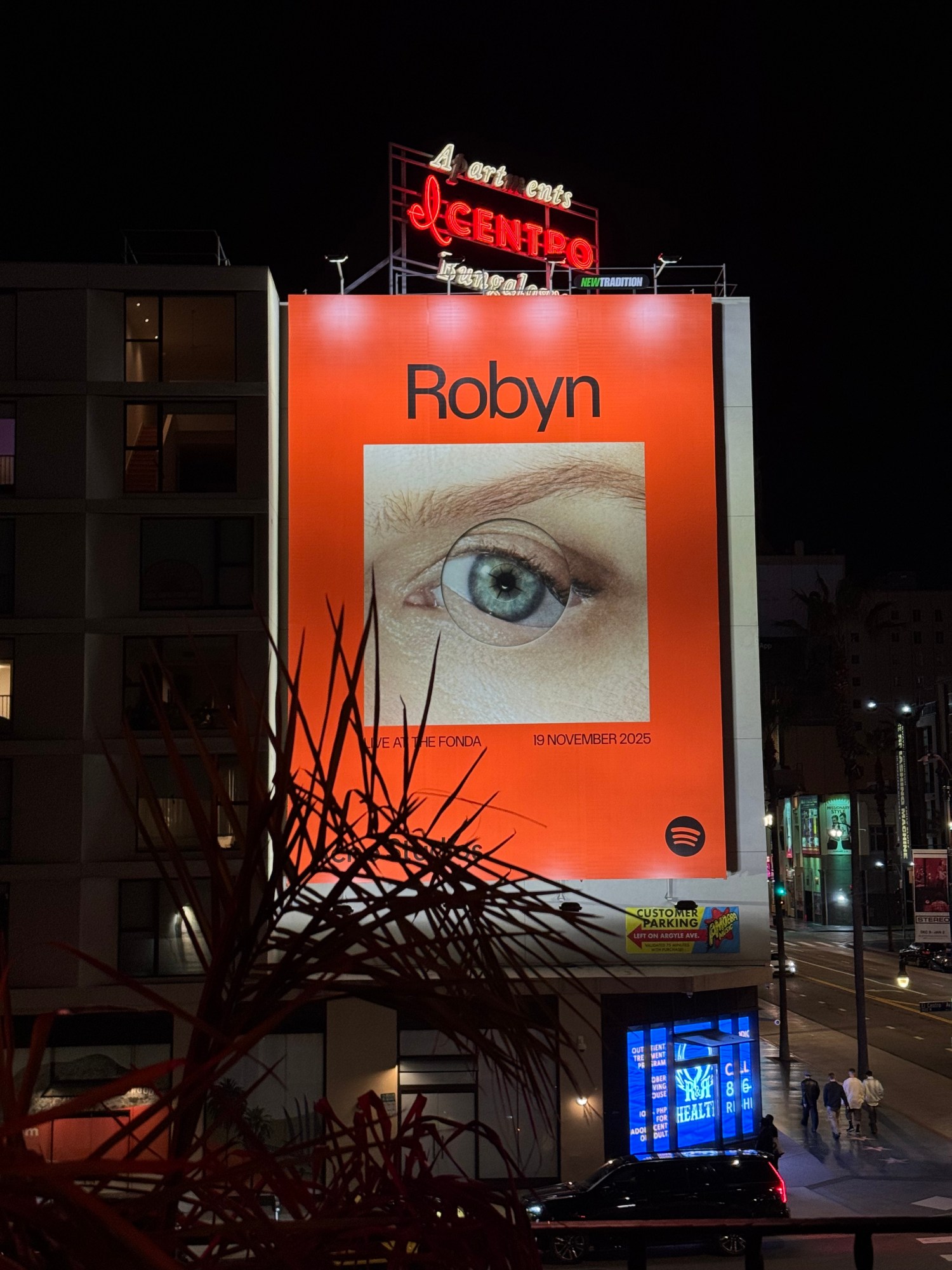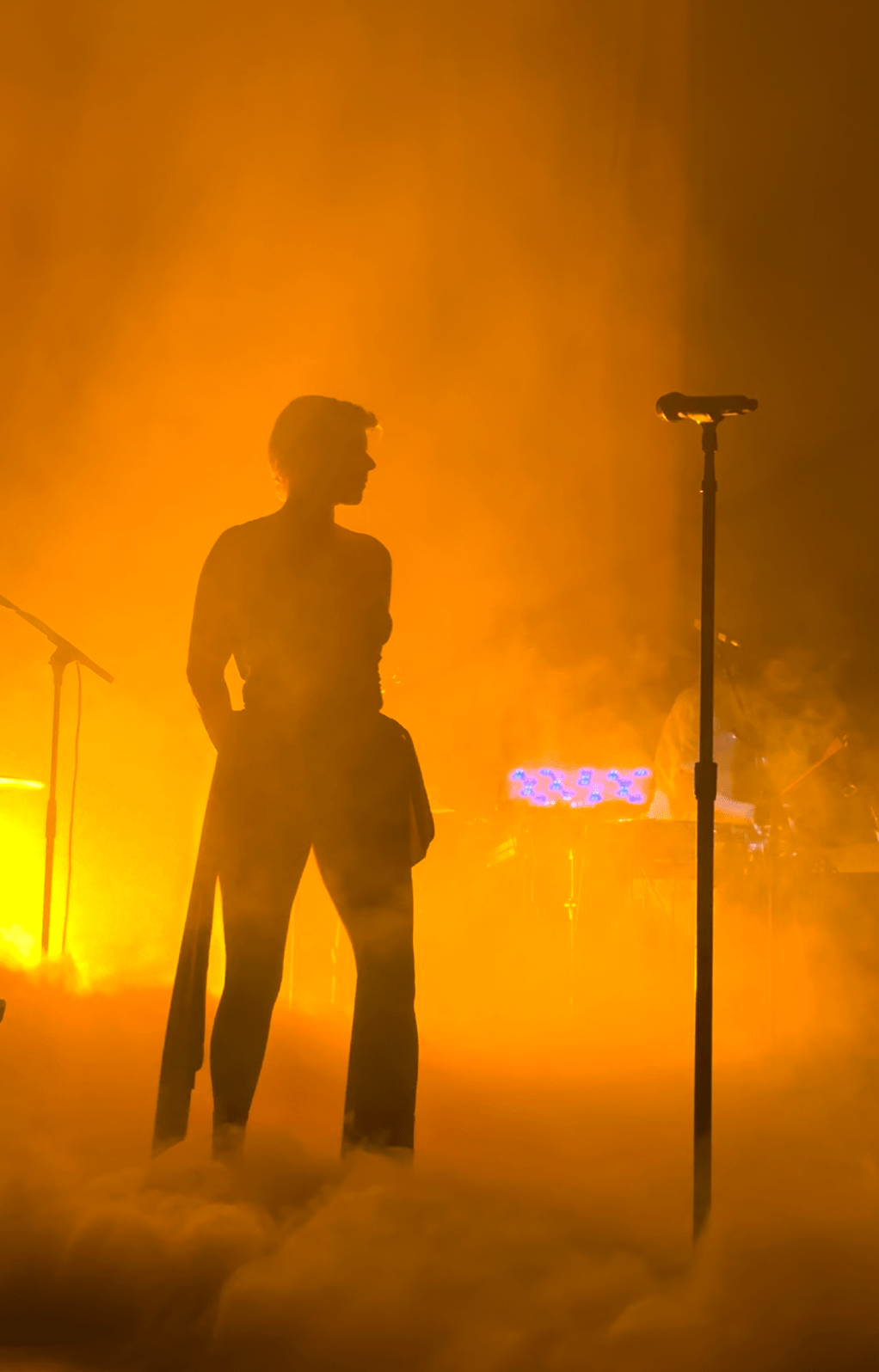
In Hollywood, a line snakes down the walk of fame and around the block, past the LA Fitness and into the night. It’s a little after 8:00 p.m., and everyone in line is early to see Robyn, who is here at the Fonda Theater to play new music—the first in nearly seven years—and, of course, as the crowd hotly anticipates, all the hits.
It’s a new moon in Scorpio, and everyone is dressed in fur and leather; locals often describe the climate here as like a desert (though it’s not, technically), where it’s hot during the day and drastically colder at night. But inside, layers are peeled off and discarded, and smoke machines and stage lights mix with the historic venue’s ornate, red interior in what feels closest to a nightclub.
People like to say LA is an If You Know You Know kind of place, where parties are in houses and afterhours in restaurants or karaoke bars, and invites are passed around like a game of telephone. Word travels fast once you’re in the loop, and at the Fonda it’s clear that all 1,000-plus attendees are fans (despite the Swedish pop star living a relatively private life). Not just fans in the 2025 sense, where viral hits, aesthetic, and cultural relevance garner just as much credibility as sound and skill, but people who have really lived with her music: cried in their cars on the 101 with it blasting, sweat it out on the dancefloor, played it on repeat on headphones.
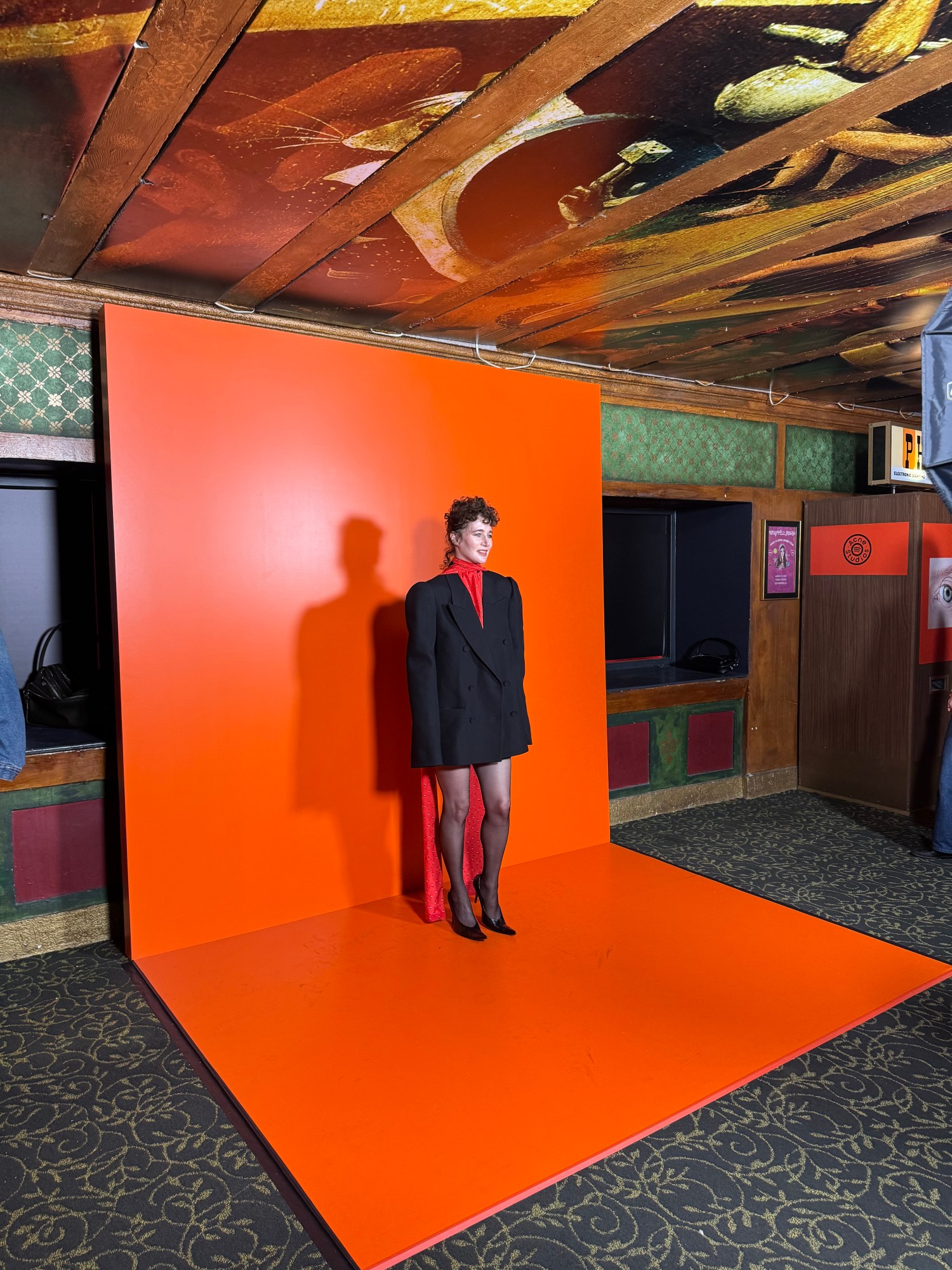
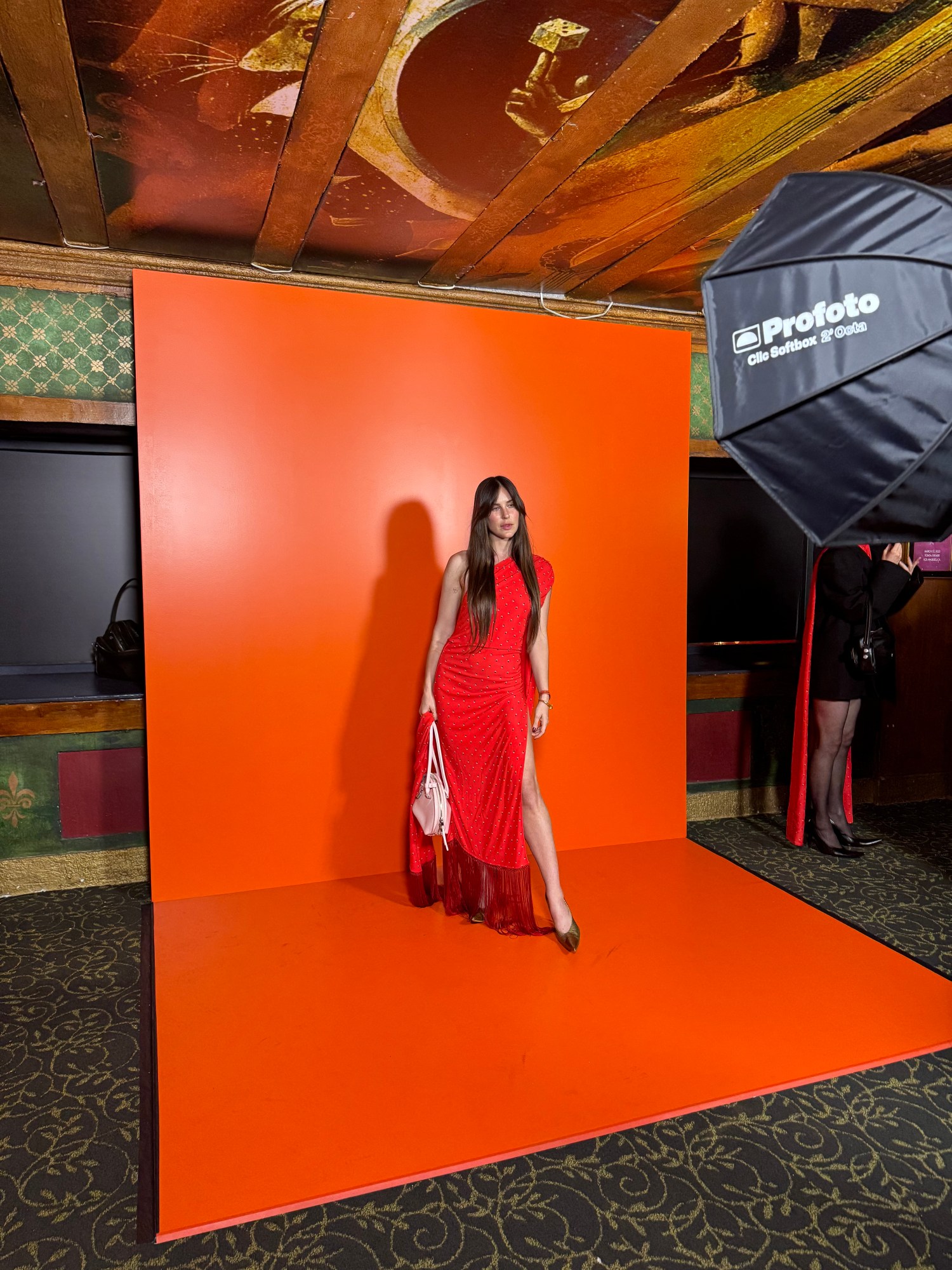
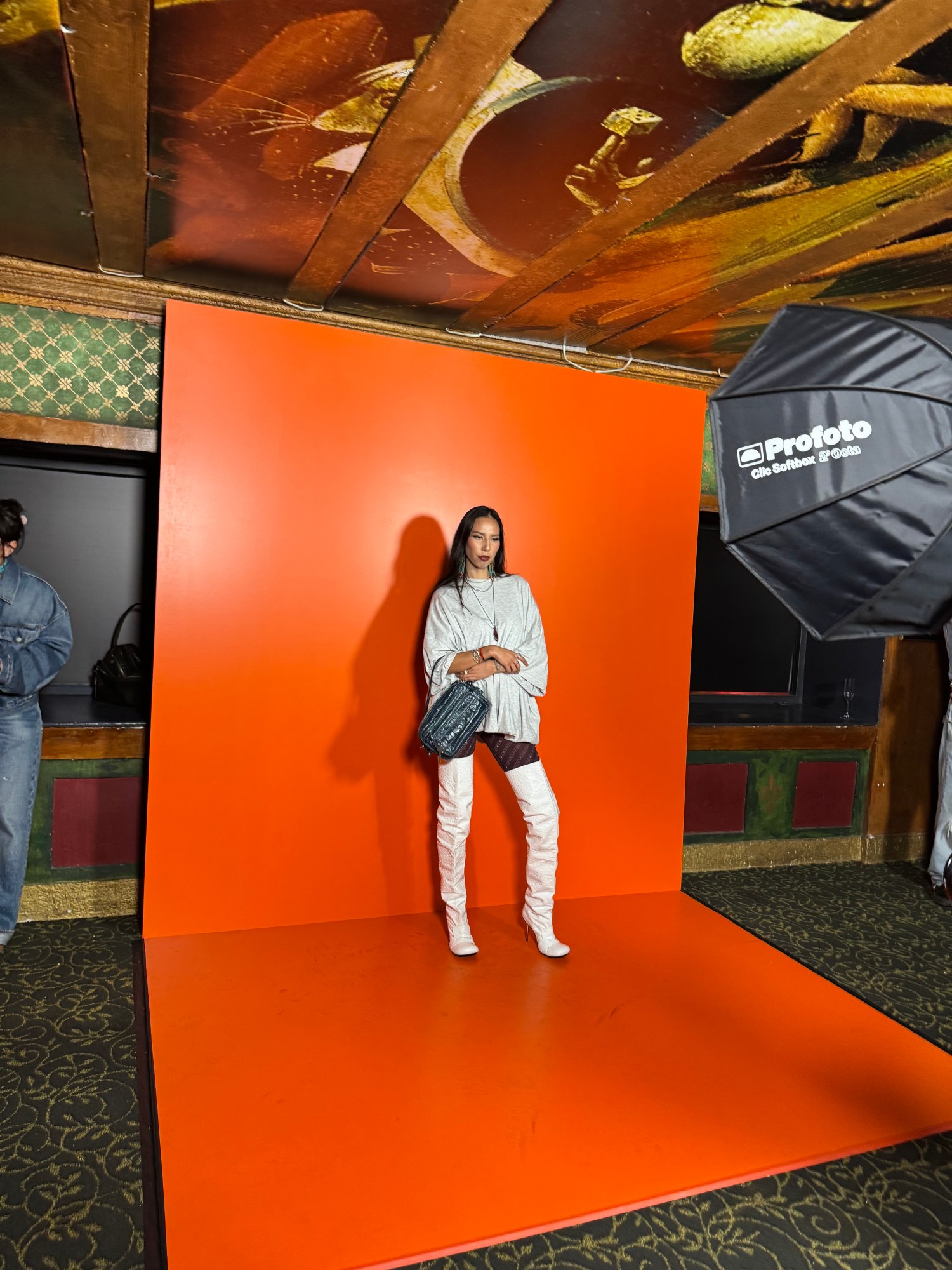

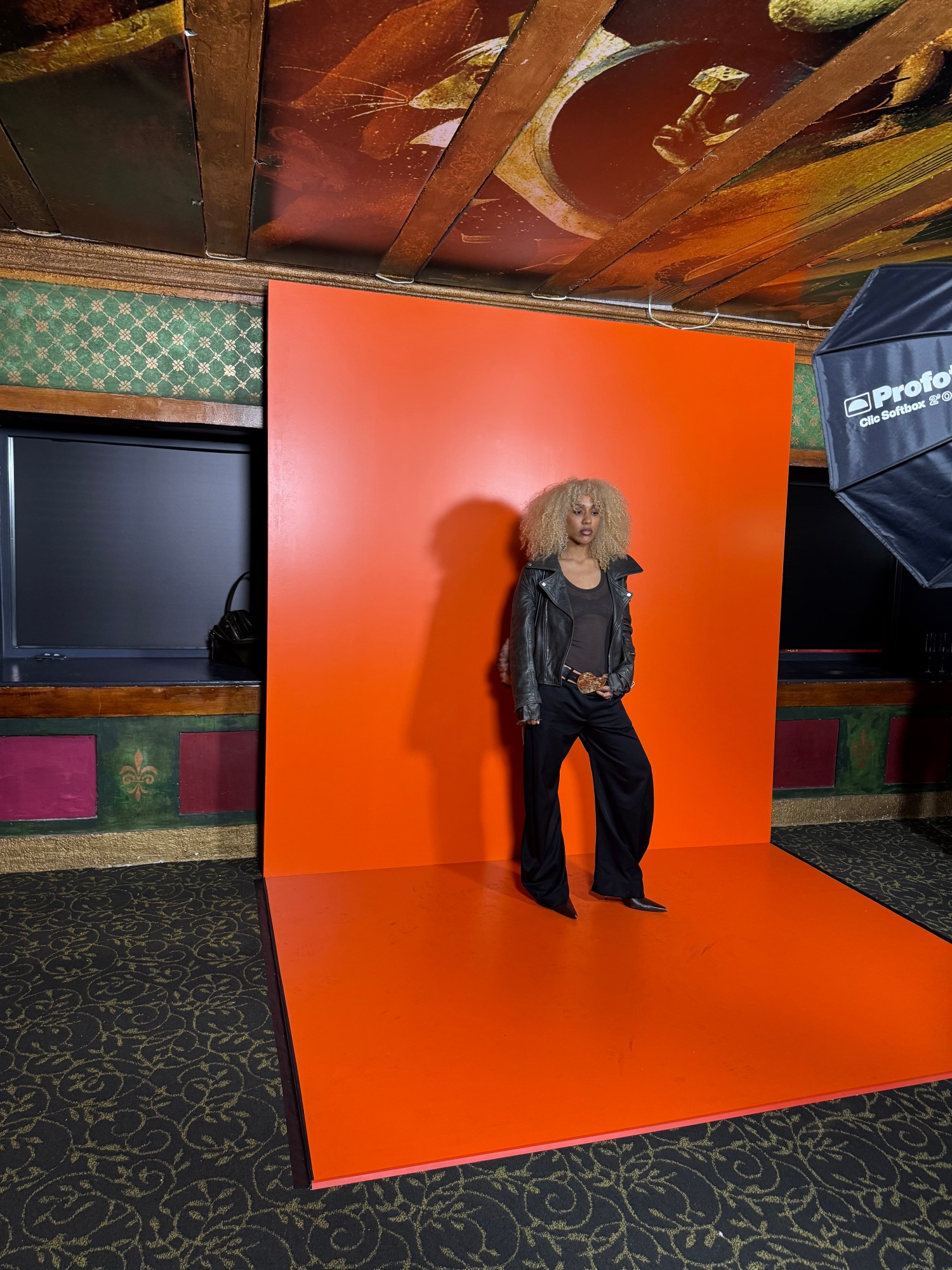
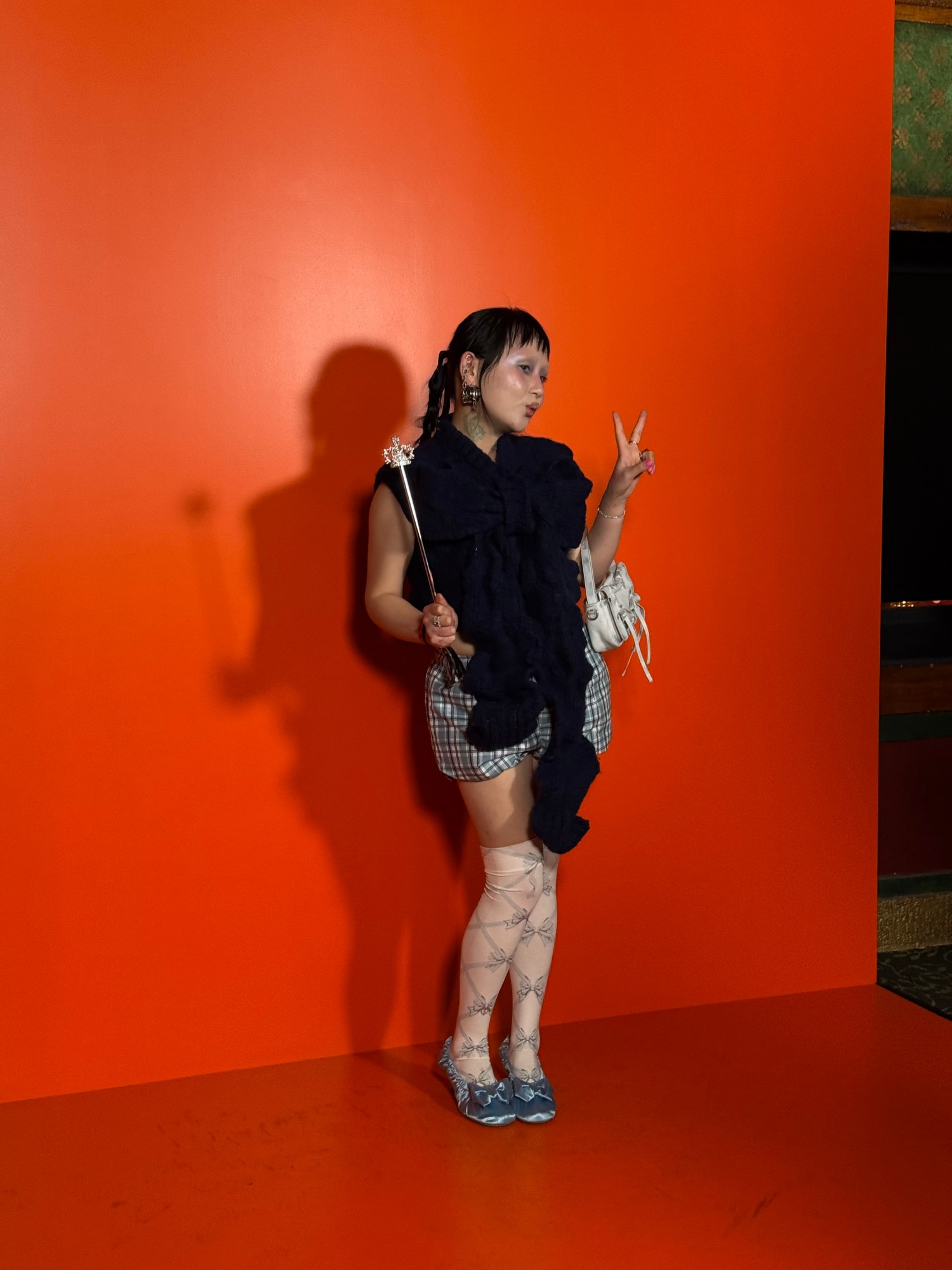
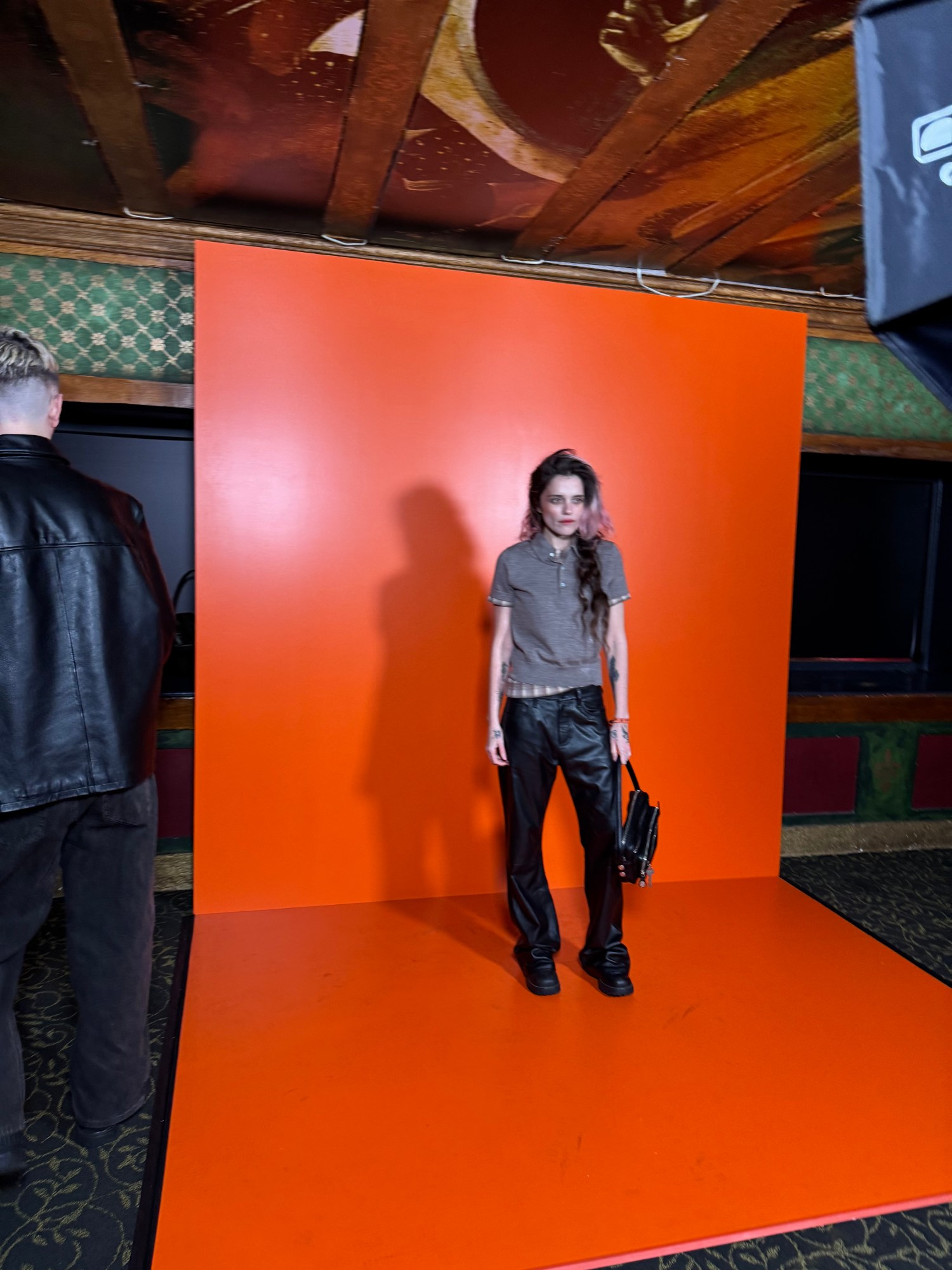
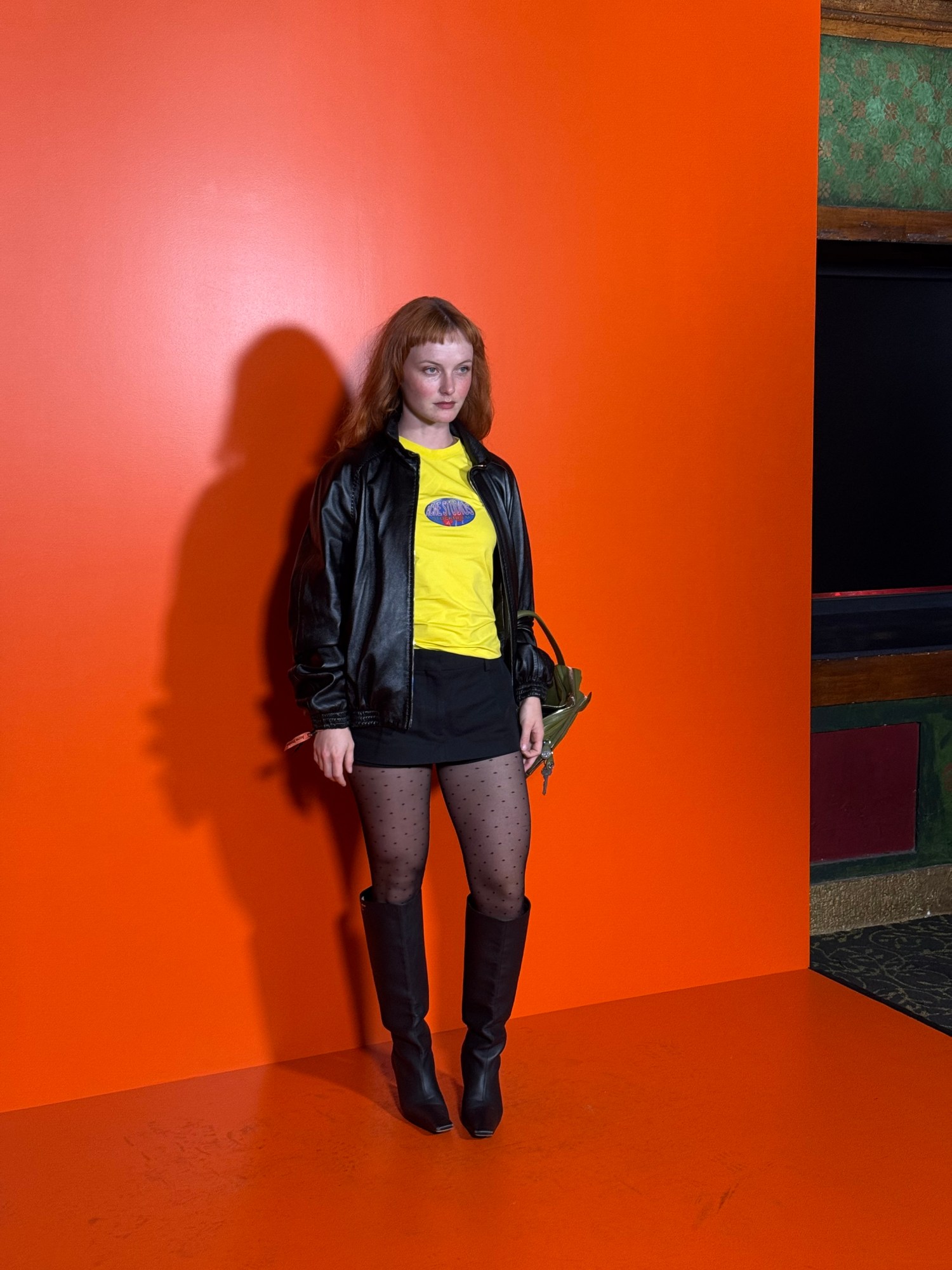
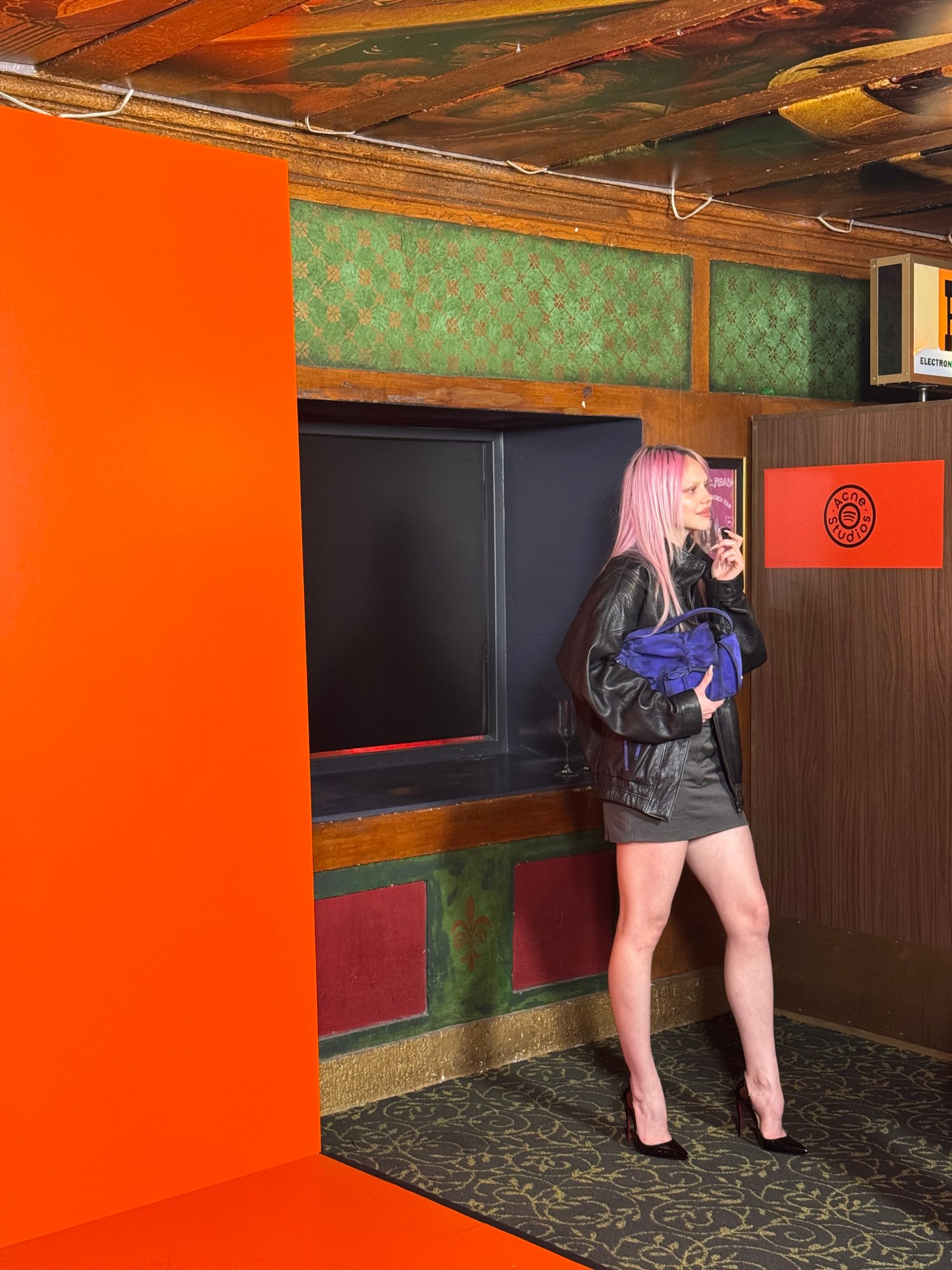
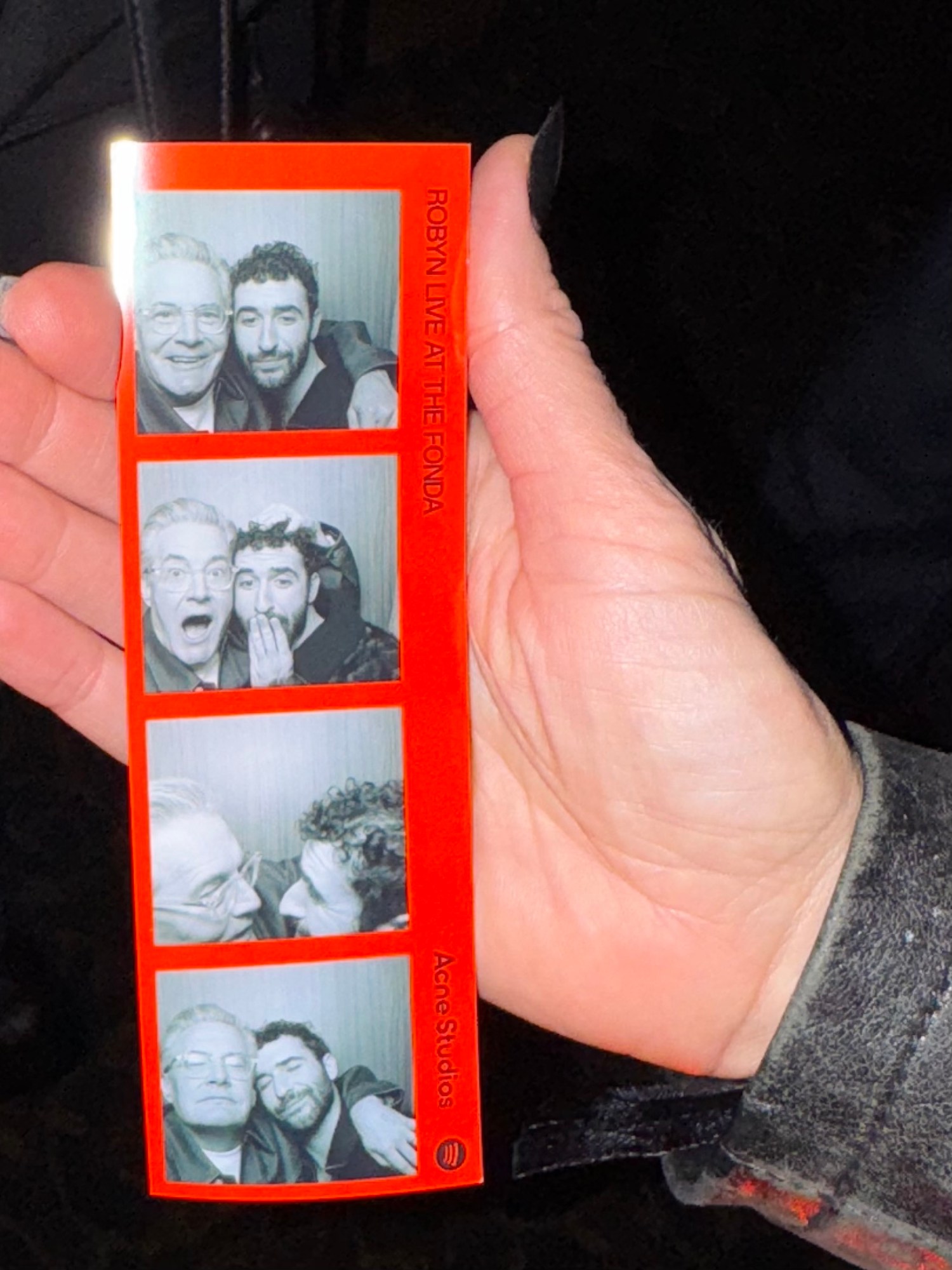
Upstairs, LA’s A-listers stream through past the step-and-repeat and head to the balcony, where Isabella Lovestory is playing an energetic opening set. Musicians Sky Ferreira, Zsela, Adéla, Alice Longyu Gao, and Harmony Tividad all pass through, plus recognizable faces like Anya Taylor-Joy, Vivian Wilson, Miranda July, Quannah Chasinghorse, and Kyle MacLachlan. MacLachlan stops to show me a photobooth shot of him and Jordan Firstman, plugging his podcast along the way, before hurrying back to the photobooth. The photo setup, an exclusive T-shirt, and the event itself are all courtesy of a collaboration between Acne Studios and Spotify. A few people have the merch already pulled on over their outfits, while other V.I.P.s carry large pink Acne shopping bags. Eventually word catches on that Robyn is going on, and everyone beelines to their seats.
Only a few songs in, and Robyn launches into her iconic track “Call Your Girlfriend,” off her pivotal 2010 album Body Talk. It seems like everyone in the building is on their feet, moving to the beat, a strike against the age old saying that LA doesn’t dance. It’s the kind of music, as I learn as I weave through the sweaty crowd, that you sing to even if you don’t know the lyrics. The kind of music some refer to as life-affirming. It offers a release that is both euphoric and emotional, embodies a sort of desire that is both unashamed and introspective, still refreshing after all these years, and even more so in the twilight of 2025 when popular culture is in many ways at its most surface-level.
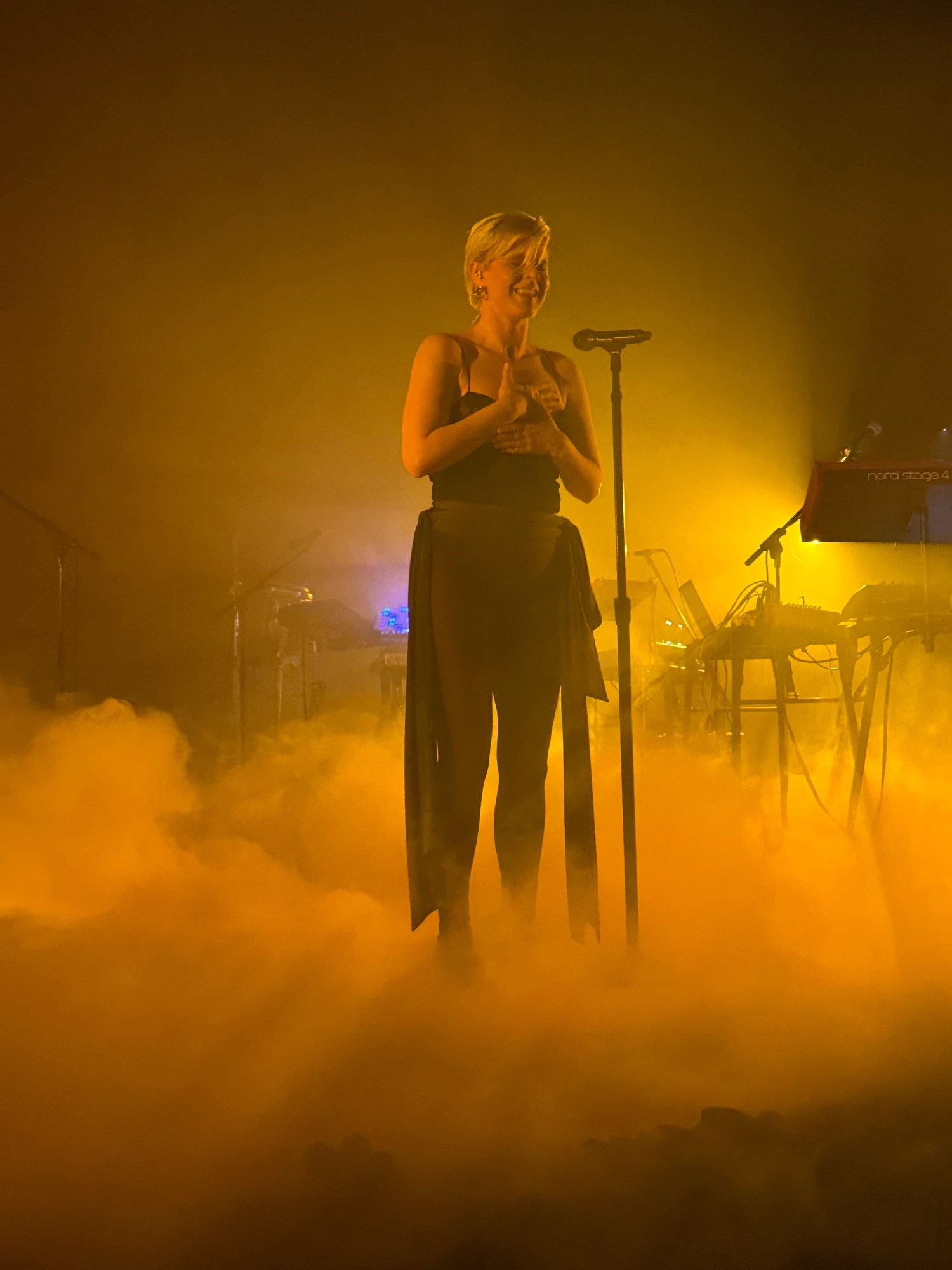
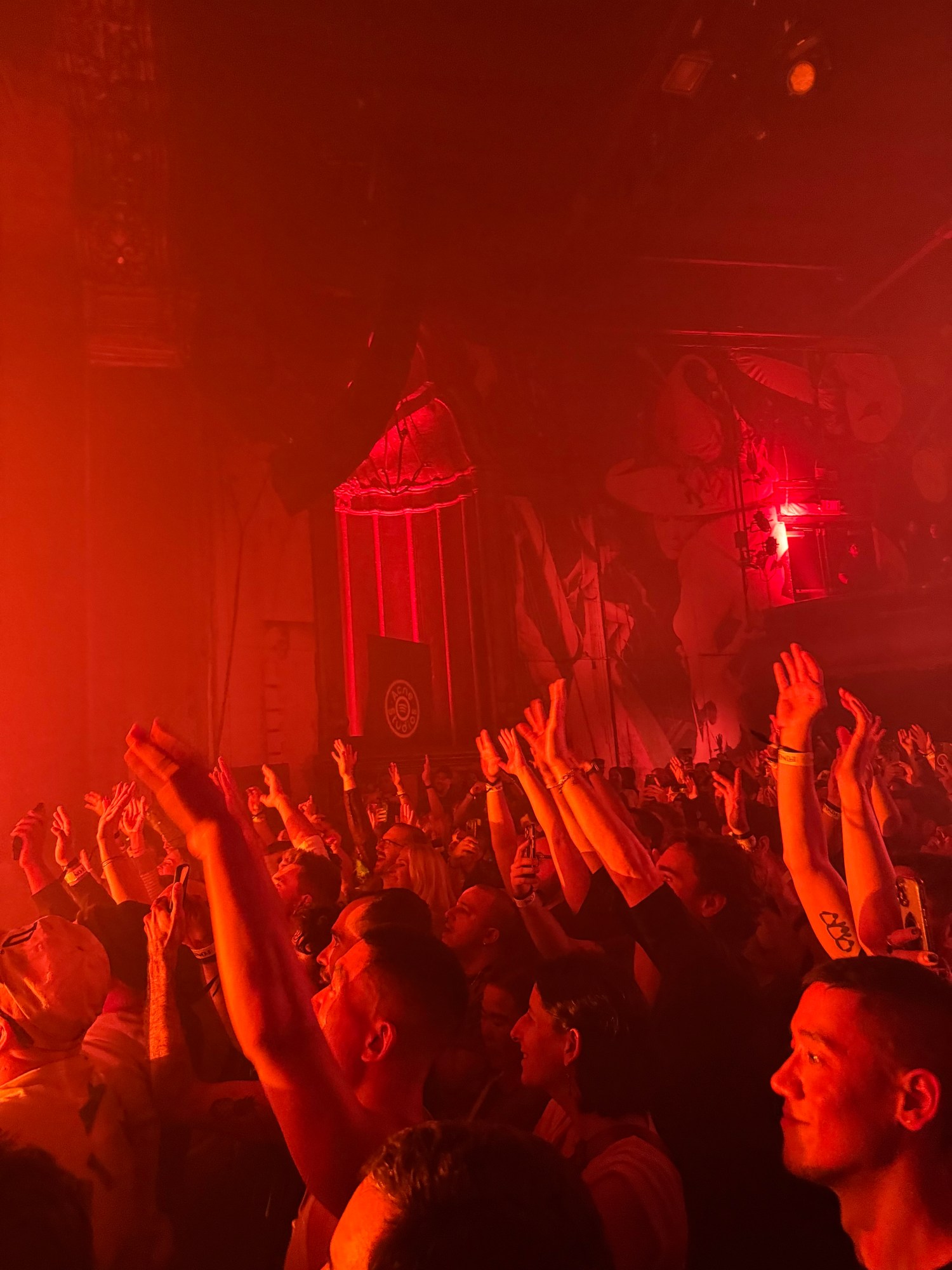
I make my way down to the dancefloor, where I’m surrounded by a sea of girls and gays, sunglasses inside and harnesses, hugging and swaying and lifting their hands like they’re at church; at any given moment, someone is lifting theirs into the heart symbol or snapping with one hand and holding their iPhone up with the other. It could be 2010, or 2016. In between songs, Robyn grooves with her band, raising her arms and gyrating her hips as smoke curls across the floor. She has stage presence, the kind earned from years of blood, sweat, and tears put into her project. Someone mentions how her ass looks amazing, and it does. The music is groovy (“Between the Lines”) and soulful (“Honey”). “Do you know this song?” the man next to me asks his friend. “No,” he replies, dancing, “but I like it.” “Let me give it to you baby / Let me give it when I’m ready, ” she raps in “Love Is Free,” hyping herself up. By the time she gets to “Don’t Fucking Tell Me What to Do,” it’s a full on club.
A lot of her songs can, as with many great pop hits, be boiled down to mantras—the crowd repeats them as if they are. Toward the end of the set, two people in front of me turn to leave. “Tell your girlfriend,” they say to each other in place of “goodbye,” before suddenly the bassline of “Dancing on My Own” pulls them back in. So much cheering, Robyn could barely get through a verse. The more I think of it, the song is so quintessentially LA: main character energy but independent: “I’m in the corner, watching you kiss her, oh, I’m right over here, why can’t you see me?” everyone belts. It’s a multi-song encore, which includes Robyn’s new single, “Dopamine,” which fits seamlessly into her discography yet also feels entirely of the moment: On the surface, the lyrics, “I know it’s just dopamine But it feels so real to me,” might be about a relationship, but listening to them tonight, I can’t help but think of all the sugar-rush sensations of the digital age that substitute the real thing. Tonight, it’s visceral. People came here for Robyn, her synthy, dance-ready anthems and soulful pop ballads, and she delivered. “I’m so happy to be back with you,” she addresses the crowd. As she ends with her new song, it’s clear she means it.