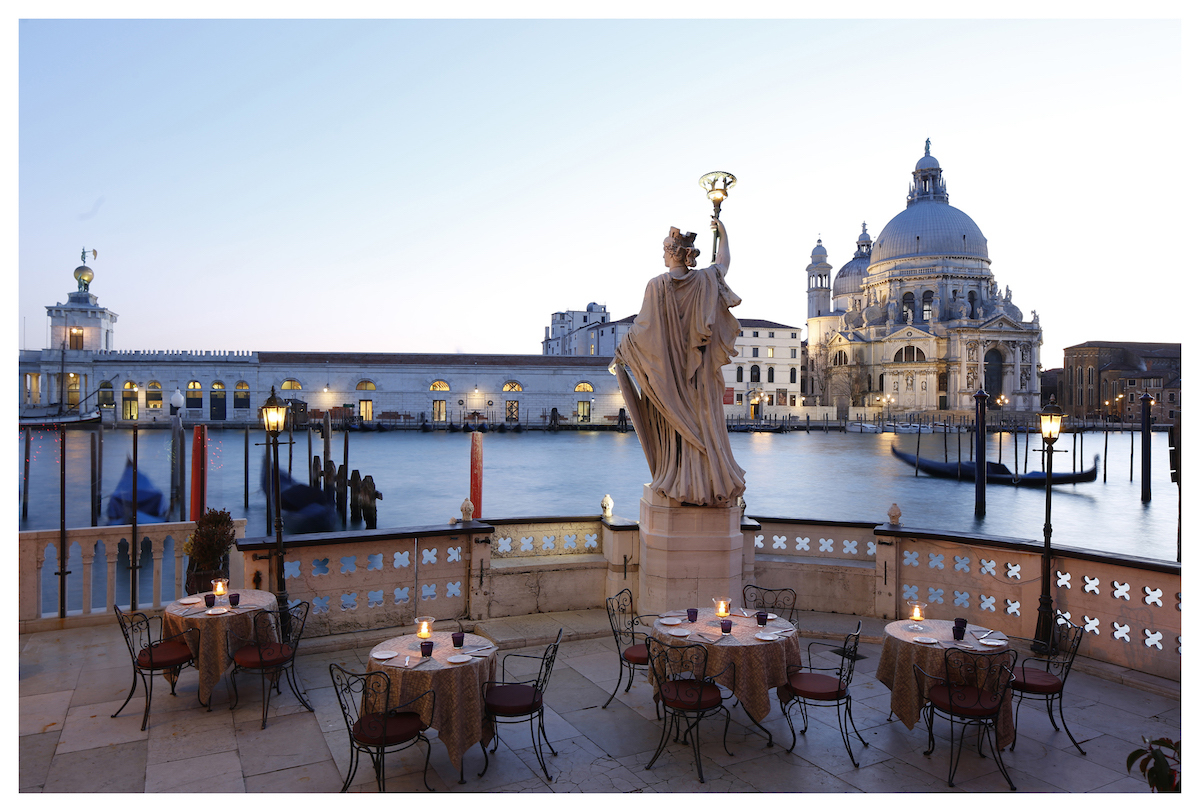
In recent seasons, fashion brands such as Vivienne Westwood and Diesel have pointed their spotlights at Venice. While the arts’ love of the Renaissance water park in the Adriatic Sea is hardly a new thing, it’s the environmental state of the Italian archipelago city that needs highlighting. Flying the flag for the future of Venice, the Bauer Hotel – that legendary palazzo on the Grand Canal – and its Creative Director Alessandro Possati are fronting the Hortus project, an interactive plan for a more sustainable city. i-D spoke to Possati about the initiative.
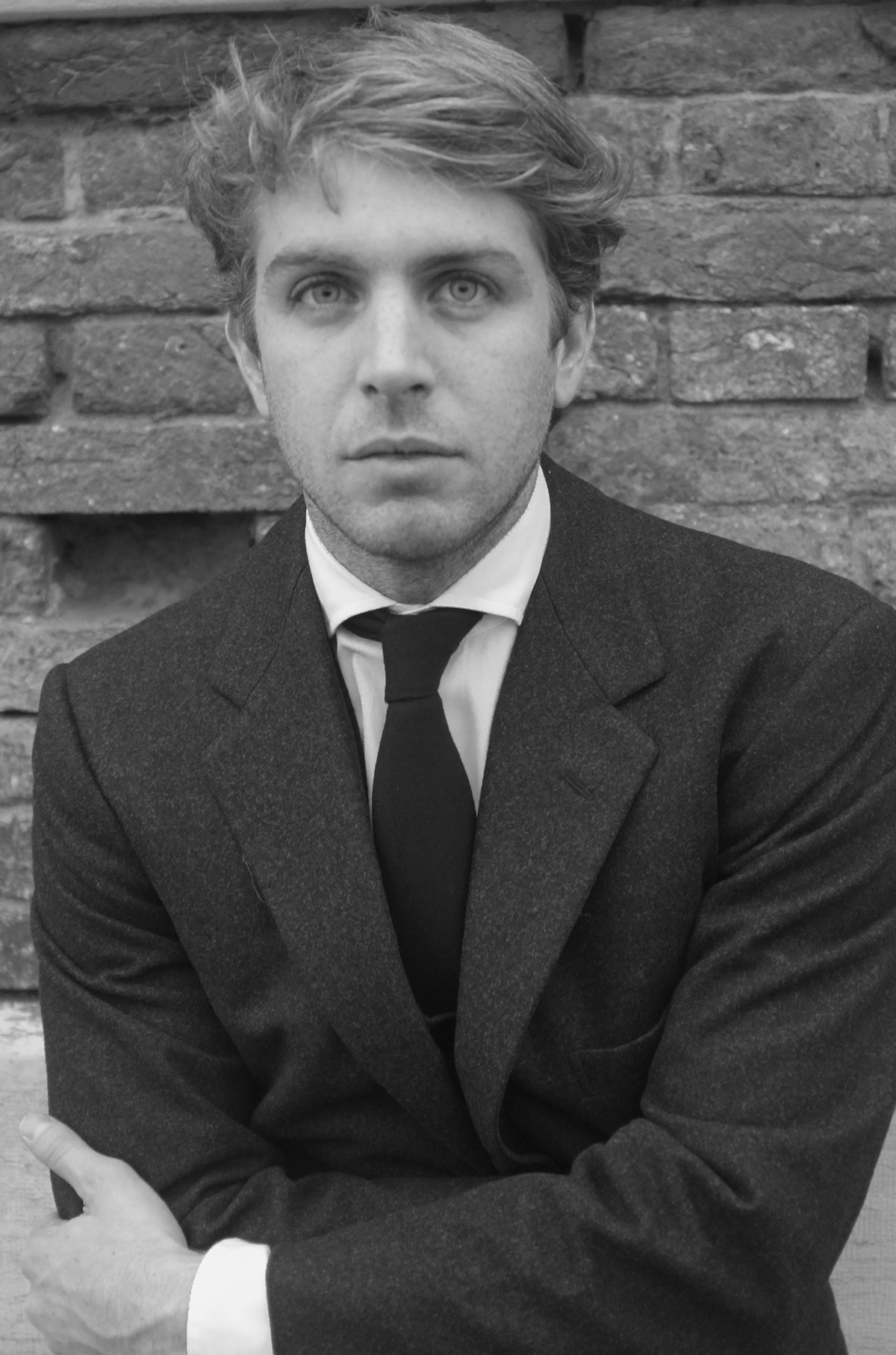
How did the Hortus project come about?
The Hortus project is an evolution of the work that I’ve been carrying out for over six years, in a mission to make art and design both sustainable and environmentally friendly. The “ephemeral” nature of creating and developing Biennale exhibitions, the incredible amount of effort involved in the fund raising and production that is eventually “disposed” of and forgotten seems to go against the principles of “sustainability” which is so present in our everyday discourse. It seems that it cannot be excluded from the world of contemporary art or architecture or culture in general. The green and natural aspect of Venice always seem to be left in shadows of the Palazzos and gleaming churches, and we want to breathe a new sense of life and sustainability into the city.
How would you explain the project to an outsider visiting Venice?
The first step of the project is to map the spaces and define their history, both biologically as well as historically. We are now in the research phase through the collaboration with a few prestigious architecture universities who have generously lent their students time to study and develop a report. The second step is the implementation of art, architecture or design projects in the spaces that need to be recovered, that will follow the rules of sustainability. Projects are assessed and the funds raised to realise them will be devolved to recover the spaces by re-inserting local vegetation. Visitors will be able to view the projects and the activated spaces during the Biennale Periods. Being organic, live green spaces, they will evolve over time, even over months, which makes for a dynamic experience. You can follow the progress and process on the website.
What made you, i.e. the Bauer, want to be involved?
I and the Bauer spend a tremendous amount of time and energy in preserving and promoting the city, its life, its spaces, its cultural integrity from the effects of mass market tourism which is eroding its foundations. We are deeply involved in all preservation and restoration foundations from Save Venice, to Venice Heritage as well as the Fondazione Venezia, which manages the twelve local museums. After the restoration of the historical Zitelle Garden on the Giudecca, and realising how little visibility it received in spite of being of the largest restored green spaces in the city, it seemed apparent that more could be done.
Venice has some beautiful green spots, but it’s known for water rather than trees. What is your favourite nature zone in Venice?
The Giudecca was the “Garden” of Venice, which made way for many factories during the industrial revolution. The Islands of Venice such as Sant Erasmo where and still remain Venice’s Farm Land, which most people don’t know. The hanging Gardens of San Giorgio is my favourite hanging spot, but for the beauty and peaceful energy the Palladio Zitelle Garden are my favourite spot to write and take a break from the bustling town centre streets.
How is the neglect of Venice’s nature zones expressed, visually and otherwise?
Some spaces are used as illegal dump sites, others are left toxic from the times of the industrial revolution, others are simply locked shut and overrun by shrubs and others have been acquired by real estate companies gone bust, and forgotten. They span from a small courtyard, to a tennis court size to many football fields.
Does it relate to the broader environmental endangerment of Venice?
I think “care” and “awareness” are undeniable aspects that we as a society don’t value, or don’t value enough. There seems to be a widespread feeling that problems are often “other peoples”, there is also not a critical mass of local population that may voice or act upon. By giving this the visibility through real concrete action it is possible to give society both locally and internationally a real example of how things can be done to affect positive change.
There’s been a lot of talk about the situation in Venice, in fashion most recently from Dame Vivienne Westwood, who’s devoted shows and campaigns to saving Venice. How bad is the situation really – is Venice sinking? – and can fashion help to save it?
Venice is sinking the same as any other city, such as New York City. However, the real issue is that the water level is rising. Through its intense and viral visibility fashion is one of the most powerful means of communication today. However, to truly bring meaningful effect, one must influence change, on a daily basis, reinforcing positive messages in people’s daily lives, just like tending a garden is not a one day affair, but the months and years of work with constant care. Therefore the answer is yes, if fashion itself commits to the cause with the same persistence with which its followers chase it on Instagram, it can make a difference.
What can the average tourist do to make things better?
One of Hortus’ mission is to educate. Educate people to go “off-the-beaten-track”, to look beyond what your tour guide can say or self-stick can capture, and really engage with space that surrounds – learn why and how it Venice’s situation became what it is and think about the purpose of your visit to the city. We are preparing a crowd-funding campaign so that people may contribute to help maintain and preserve all the work that is being carried out by us. But without awareness and understanding even money makes little sense, as everyone can have a part in the project.
What does the Bauer represent to you?
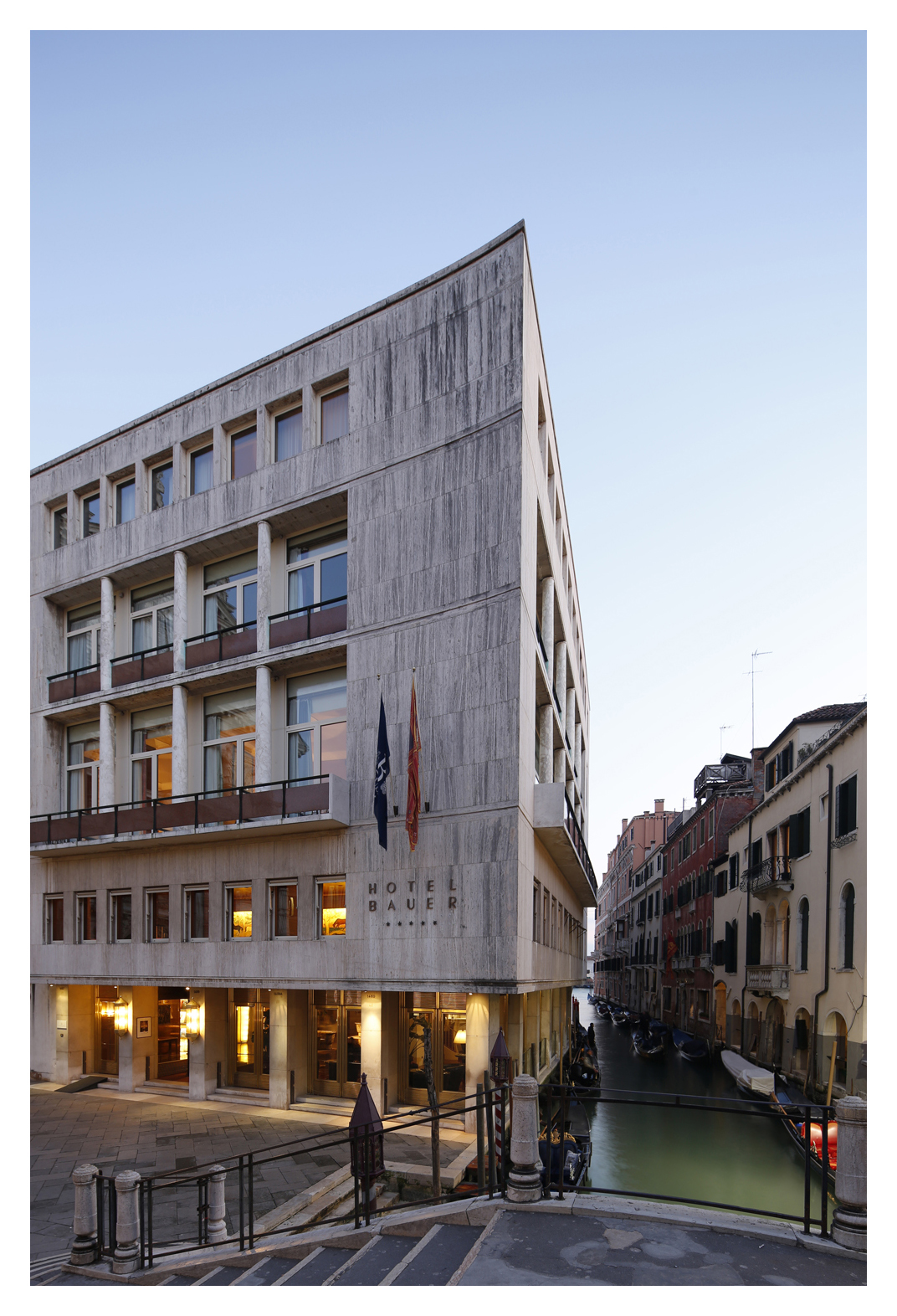
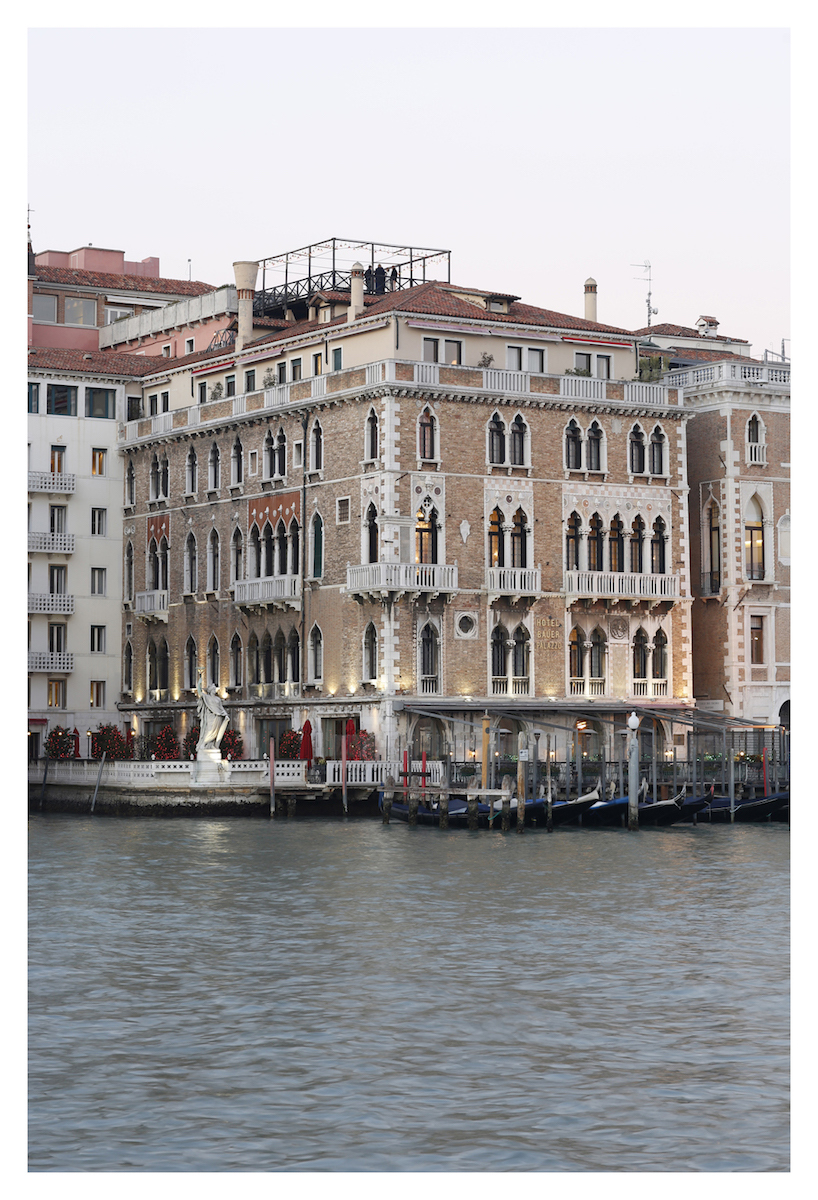
The Bauer represents a sort of “Cultural Embassy”, a place where people meet, engage and interact, under the magic daze that Venice can give. It is a hub and landing place where to host and develop ideas. If nothing else, the Bauer hotel represents the last remaining independently owned five star hotel of its size, in Venice and in Italy for that matter. It’s an example of enduring commitment to a belief that quality and integrity are of greater value than money. The Bauer provides work for over 300 employees and their families throughout the year, which in a city of 50,000 (and shrinking) means a lot.