In a digital age that rewards the succinct and easily understood, there is increasing pressure to define ourselves in equally concise terms. If we fail to find a box to check, we risk ostracization and otherness. For photographer Ezekiel, whose work draws from their diasporic experiences of sexuality, gender, and culture, otherness is not a restriction to a life in the margins, but rather “a place for liberation.” They explore and embrace what they describe as the “liminal space” of both gender and culture in their newest photobook, Somewhere Between a Doll and a Dog.
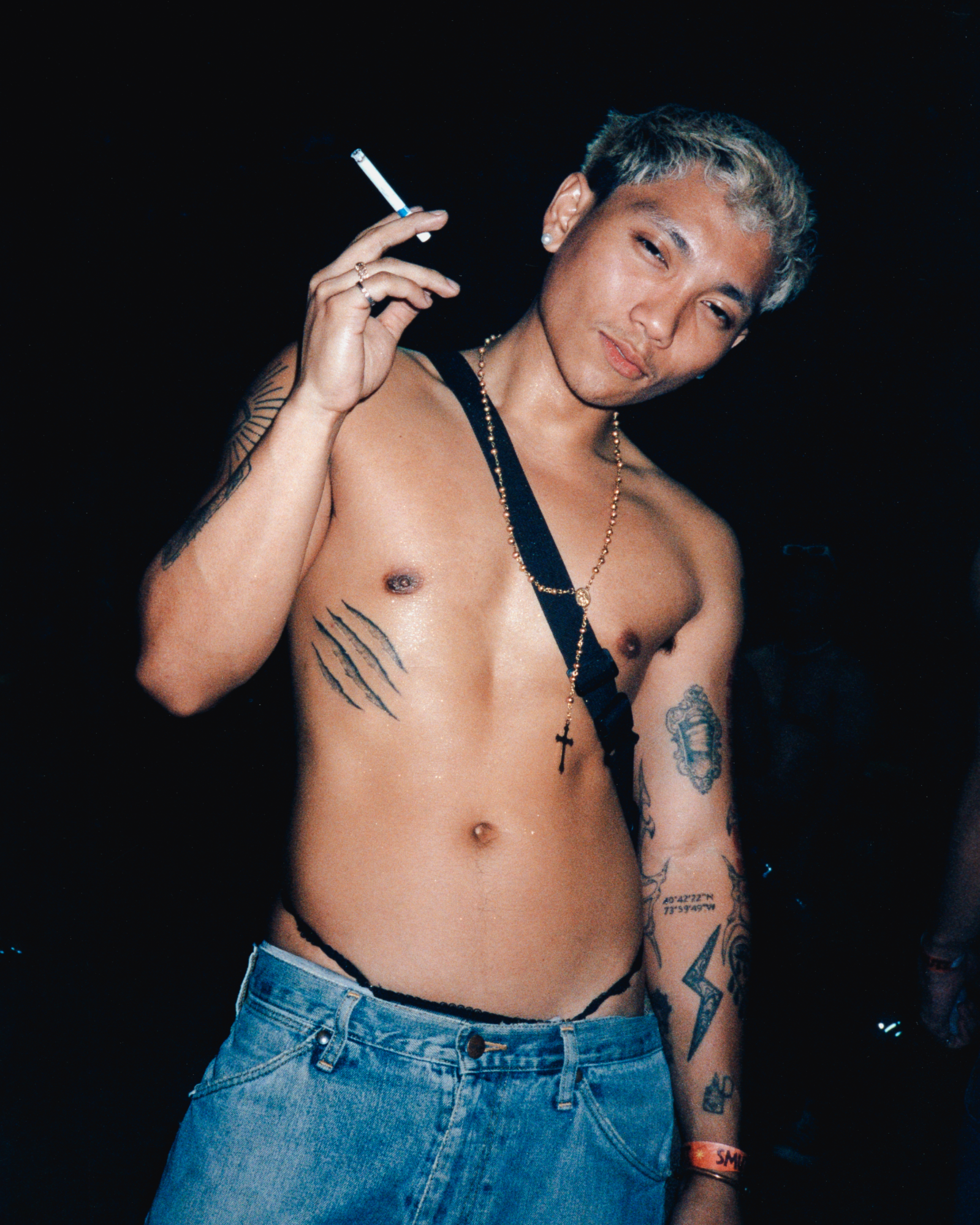
The monograph presents a raw dialogue between the self and the ancestral, centering gender, masculinity, and the intimate details of the in-between. Life has never been binary, yet in Western spaces we are often taught to see it as such. As a result, many Western queer spaces, both on and offline, are dominated by demographics that society finds easier to make sense of. Our media and raves alike are often riddled with white gays and, depending on how good the party is, beautifully feminine white dolls. Those who can present a more palatable version of themselves for the white Western world are often found center stage, even within the margins of society.

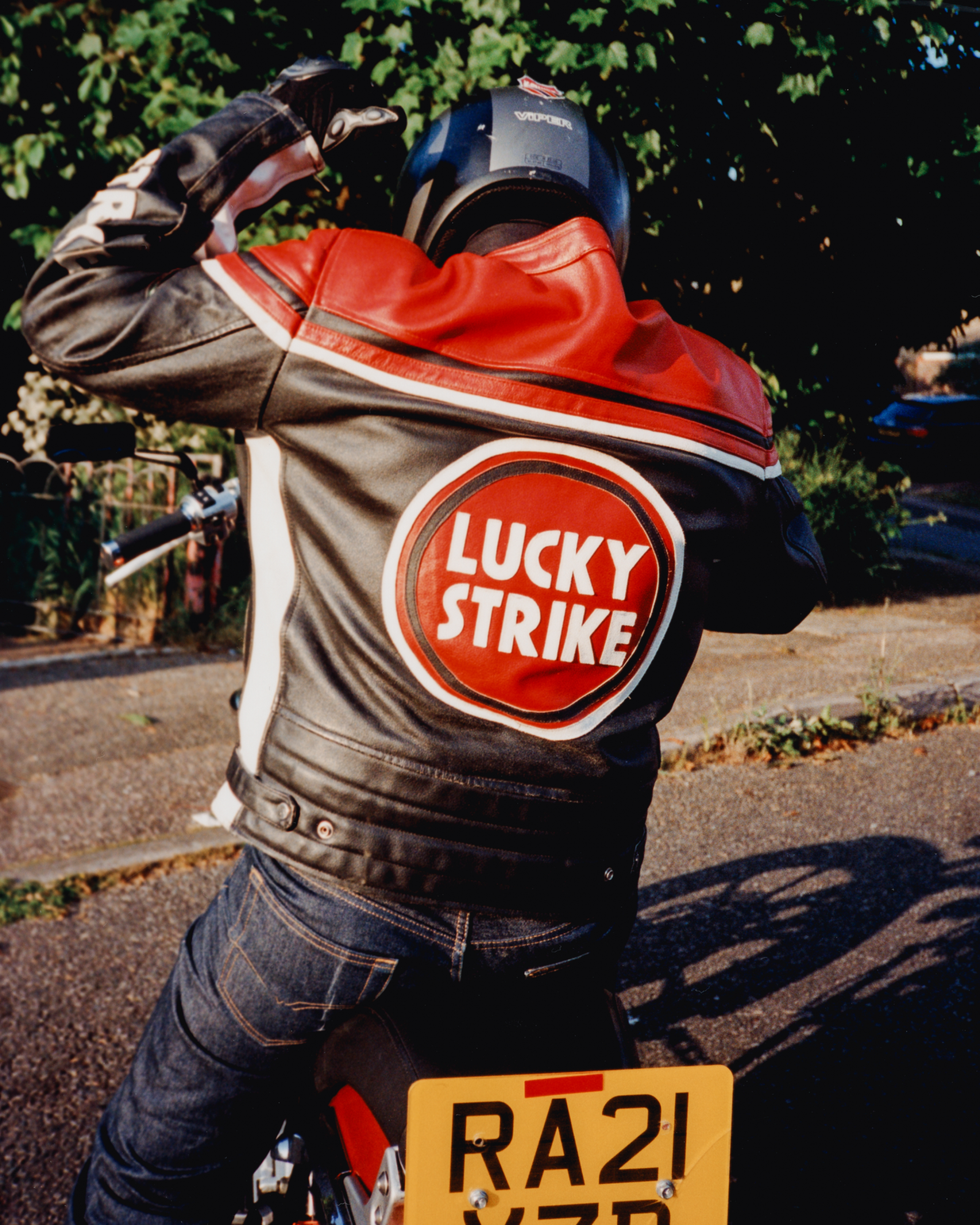



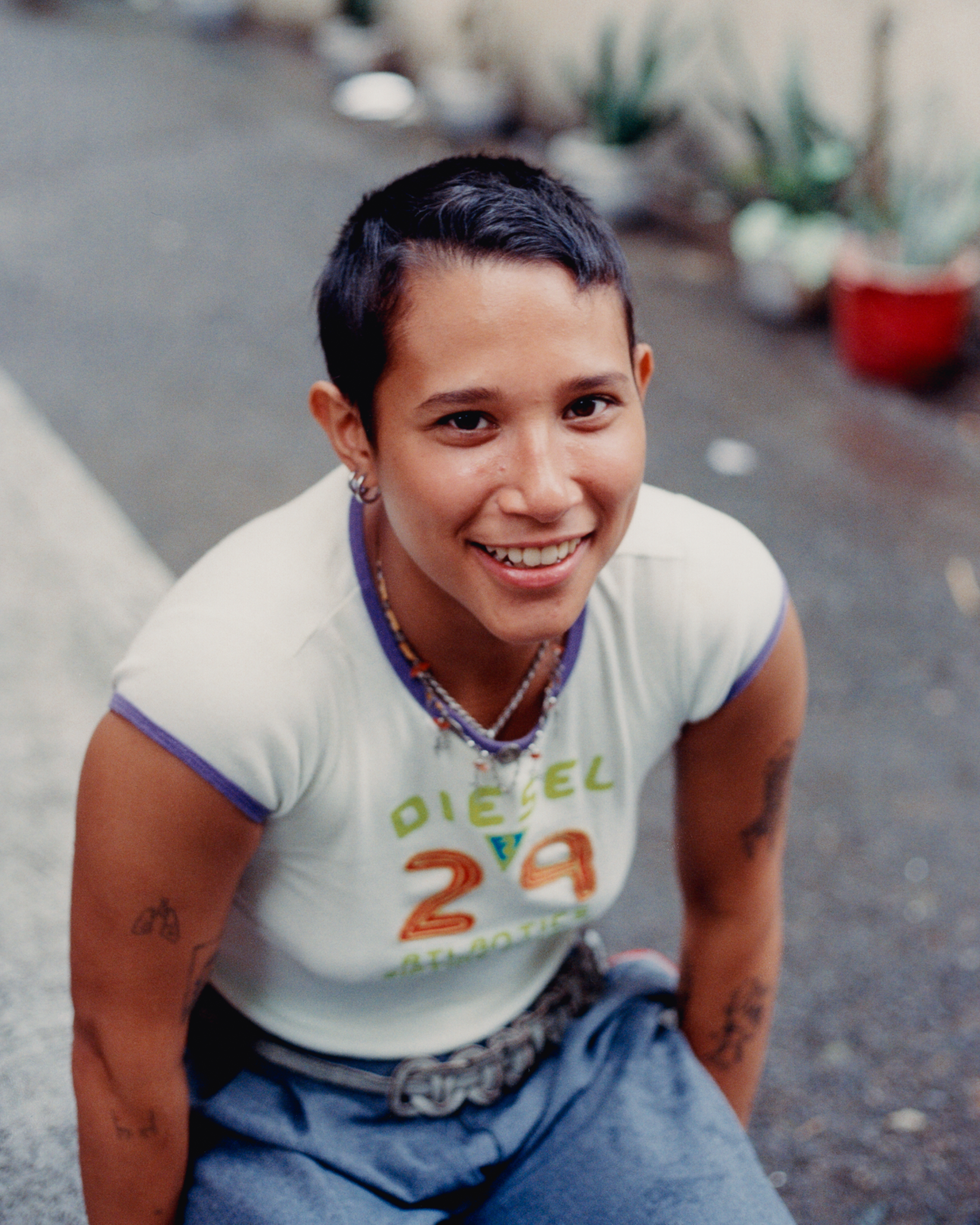


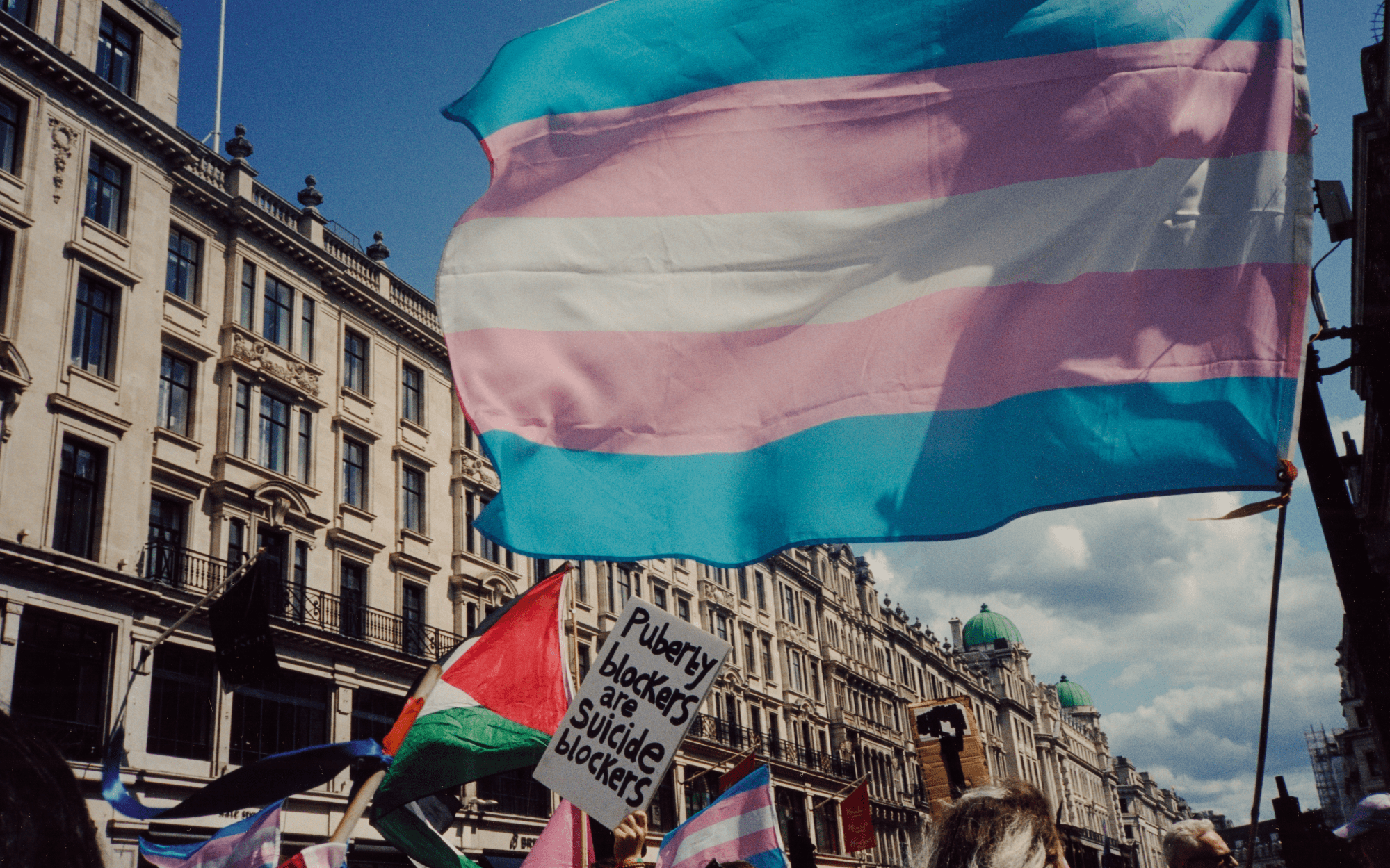
In Larry Mitchell and Ned Asta’s 1977 cult classic The Faggots and Their Friends Between Revolutions, we learn of a world created by The Men, in which anyone outside the dominant demographic is forced to fight every instinct to care for one another, to care for Earth and themselves, to commune with others both like and unlike them in order to grow stronger, and to embrace the in-between with open arms. Mitchell and Asta drew largely from their experiences at New York State’s Lavender Hill Commune in the 1970s, where those on society’s fringes created an alternative to the world of The Men.
What Ezekiel explores now is the ancestral knowledge within Indigenous peoples of the Americas and those who descend from the Global South, knowledge that tells us a life in harmony with nature and fluidity is not only possible or desirable, but sacred. Across the world, Indigenous peoples and ancient civilizations held far more expansive definitions of gender than those later imposed by the imperial West. This is something Ezekiel felt intuitively as a young child in the Philippines, and something they felt the absence of upon leaving their home country.
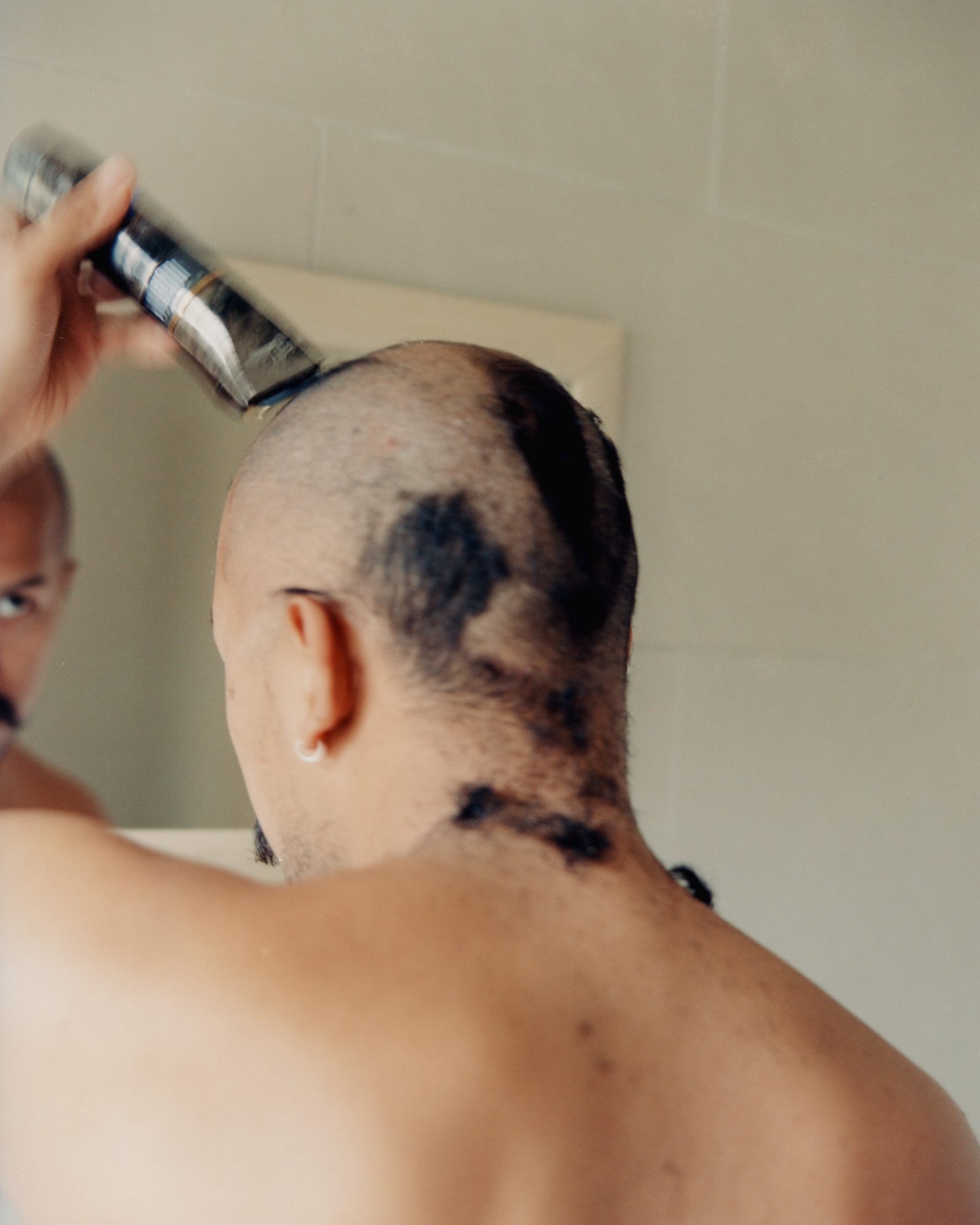
Ezekiel, a Filipino immigrant living in the UK, has a complex relationship with identity. Emigrating at the age of 6, they left their home just as the concept of home and self was beginning to take shape. The gendered world they knew in the Philippines, or lack thereof, stood in stark contrast to the rigidity they encountered in the UK. They recall being surrounded by “butch women who’d go by male pronouns, male men who would cross-dress, and transgender cousins.” At home, this was commonplace; “no one would bat an eyelid.” In the UK, their Catholic school enforced strict gender codes, introducing for the first time rules about what a child “needed to be” and what they needed to wear.
The inclusive approach to gender in the Philippines, and across much of the Global South, is rooted in an ancestral belief system that revered those who existed in the in-between. Transgender deities like the Tagalog’s Lakapati, who represented agriculture and abundance, were central to precolonial mythologies. Individuals outside of the gender binary were highly regarded, seen as spiritually enlightened. As Ezekiel explains, these “third-gendered beings” acted as “bridges between the spiritual world and local communities.” Despite this lineage of acceptance, Ezekiel’s own journey with gender was neither easy nor linear.
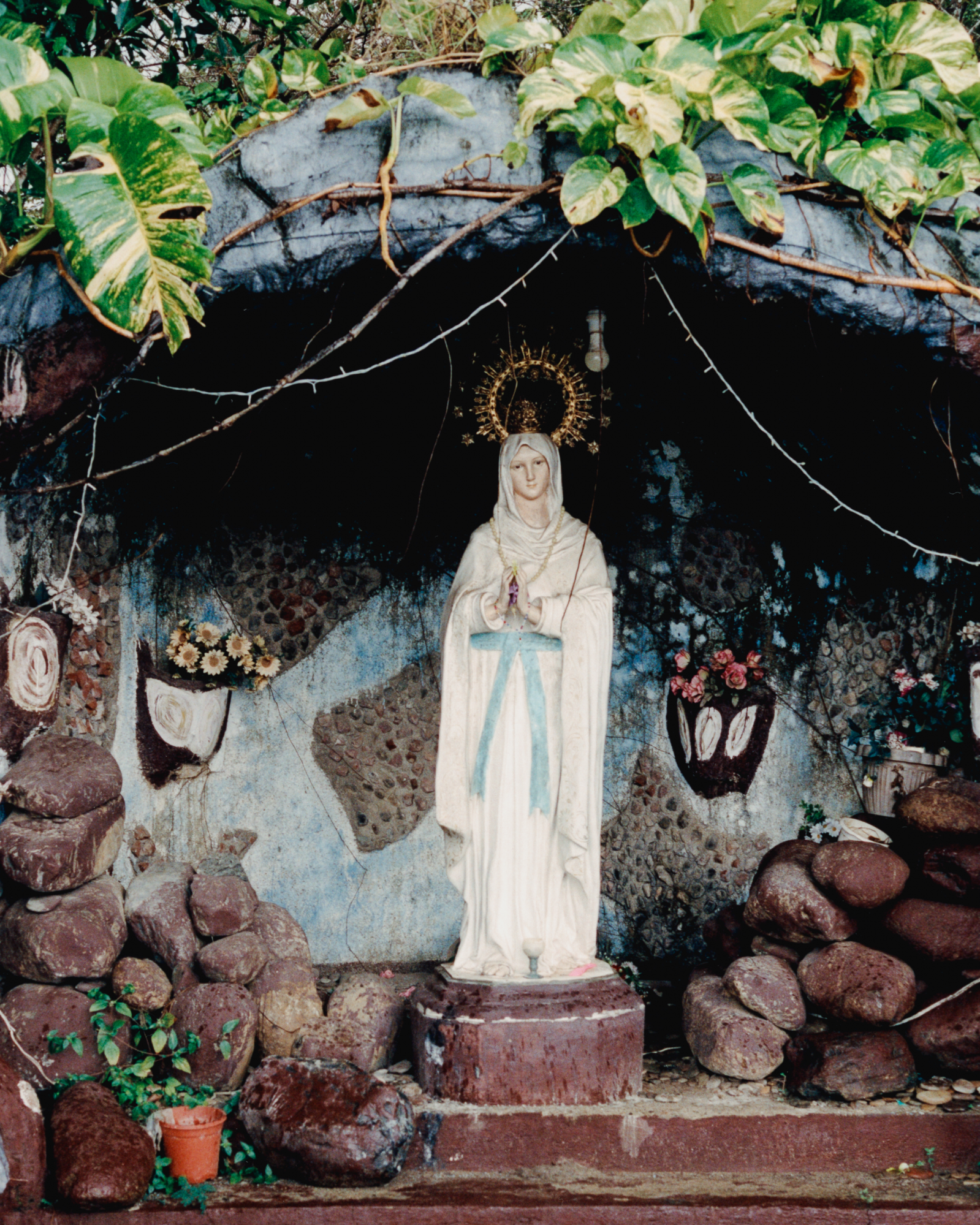

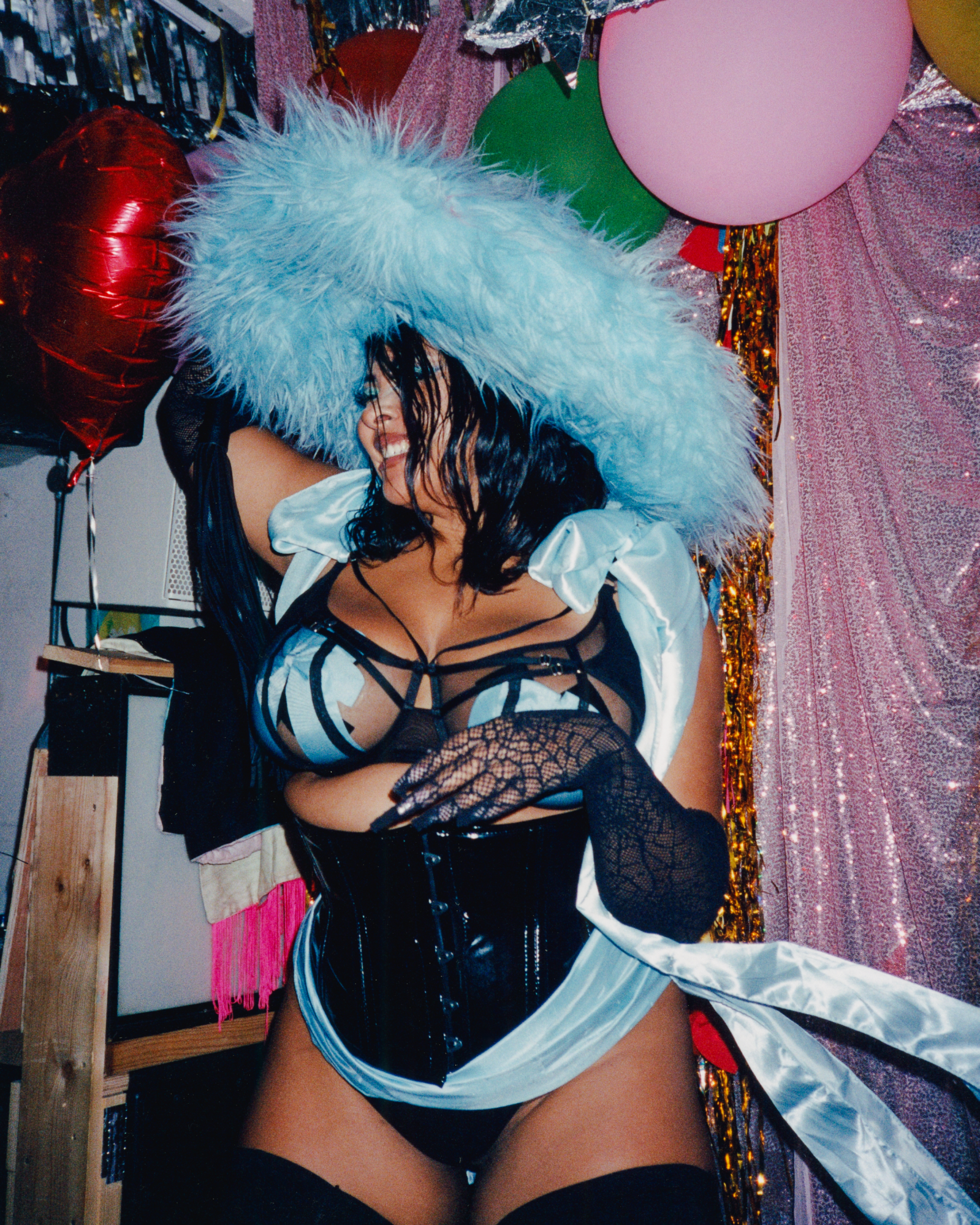
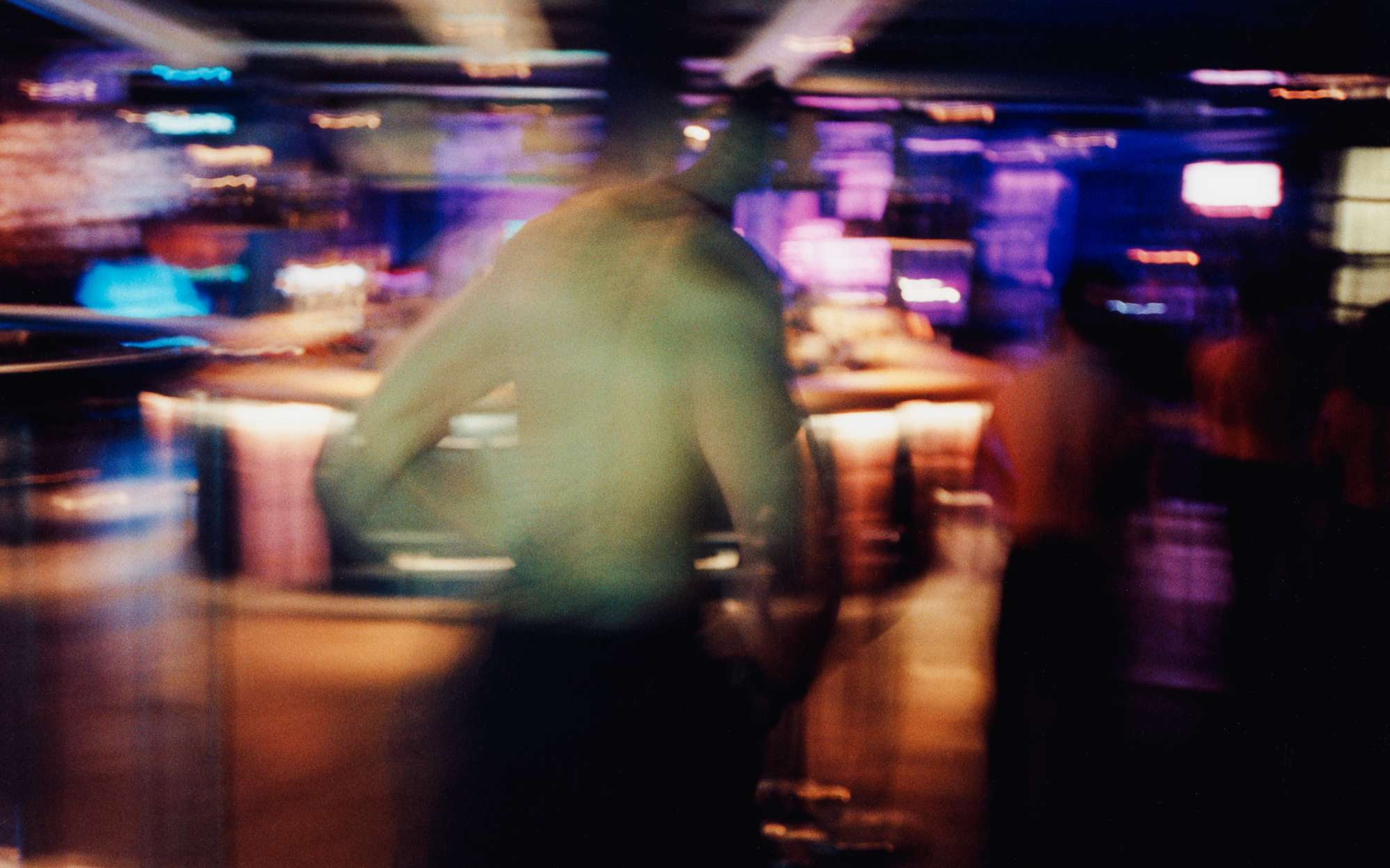
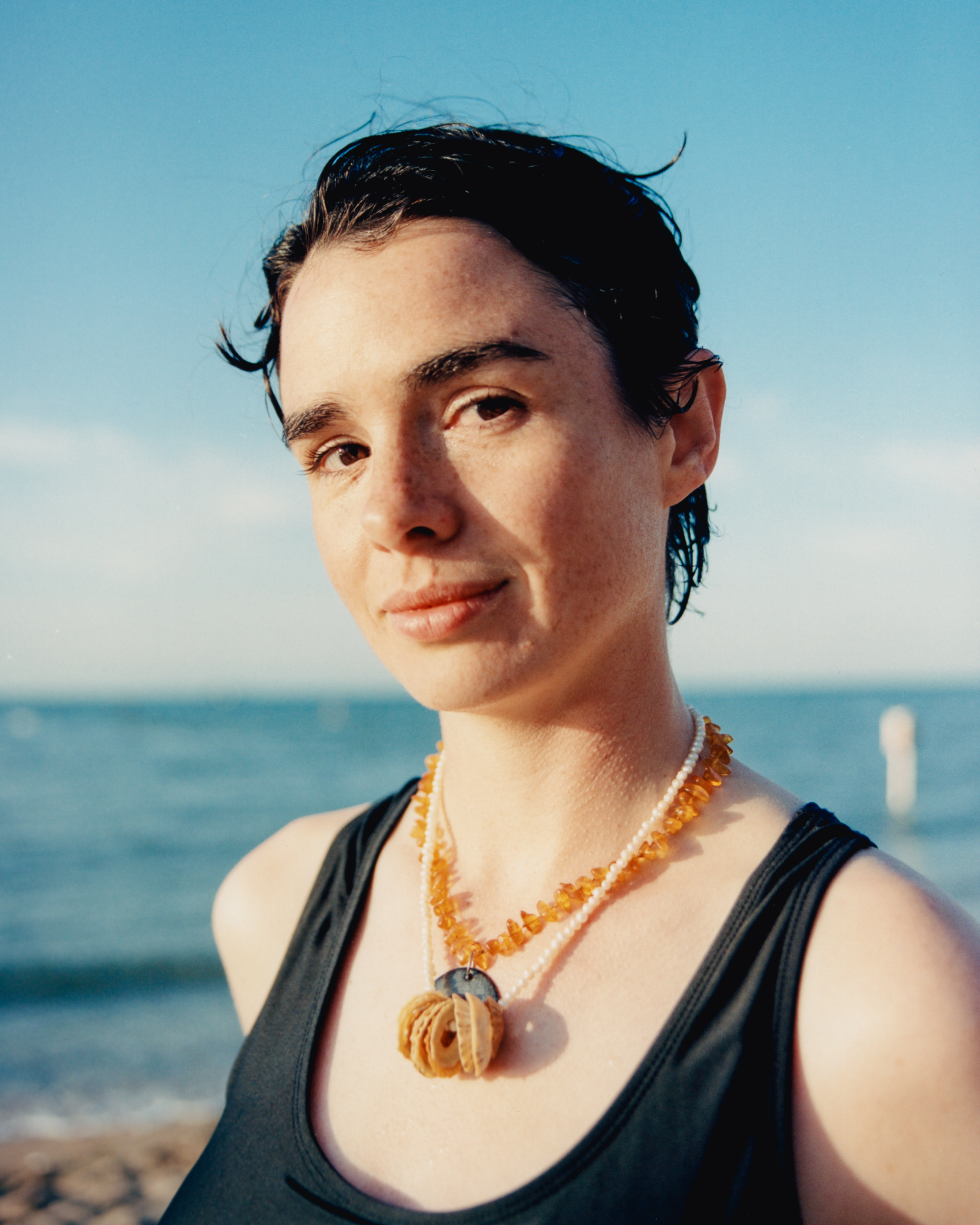
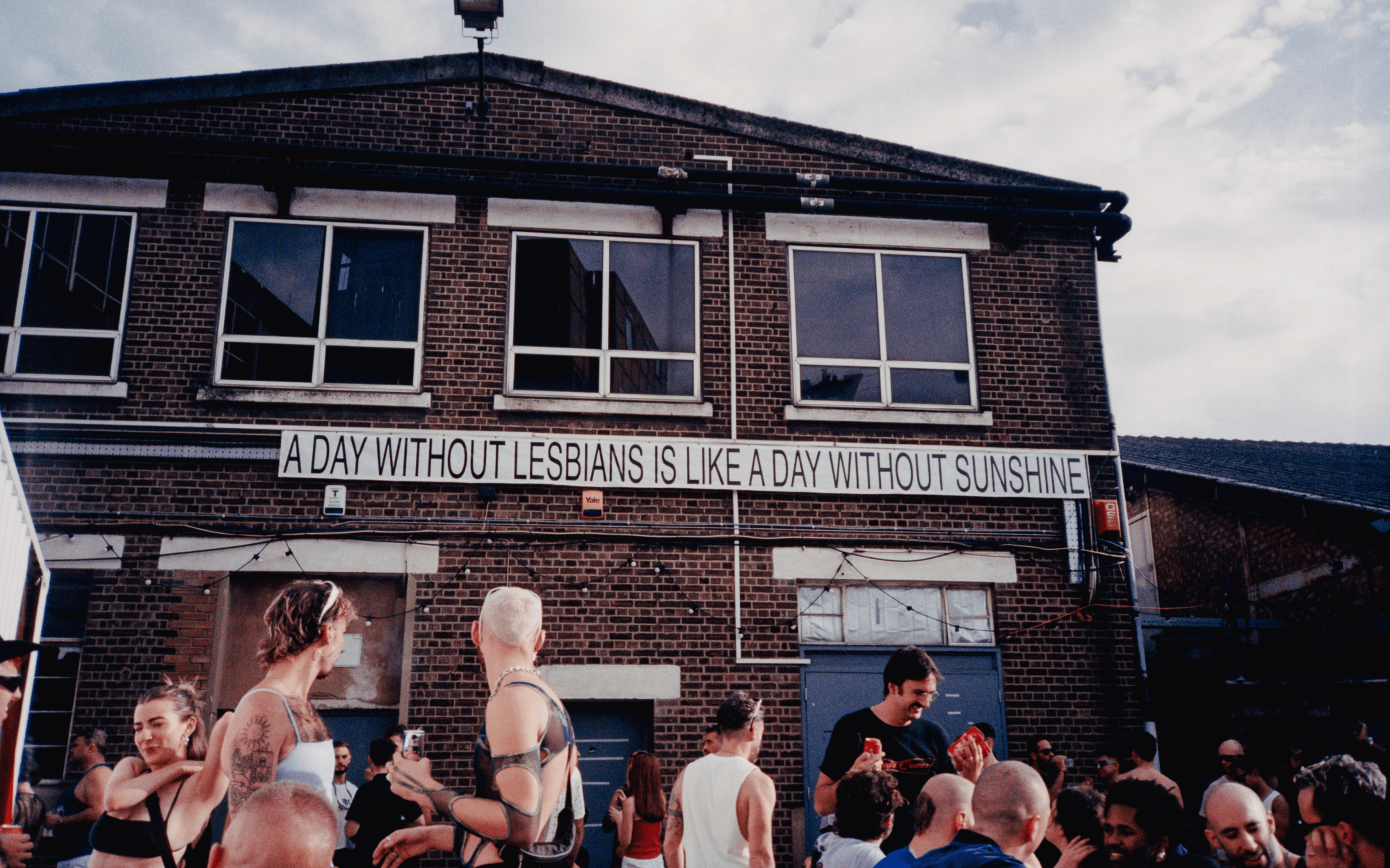
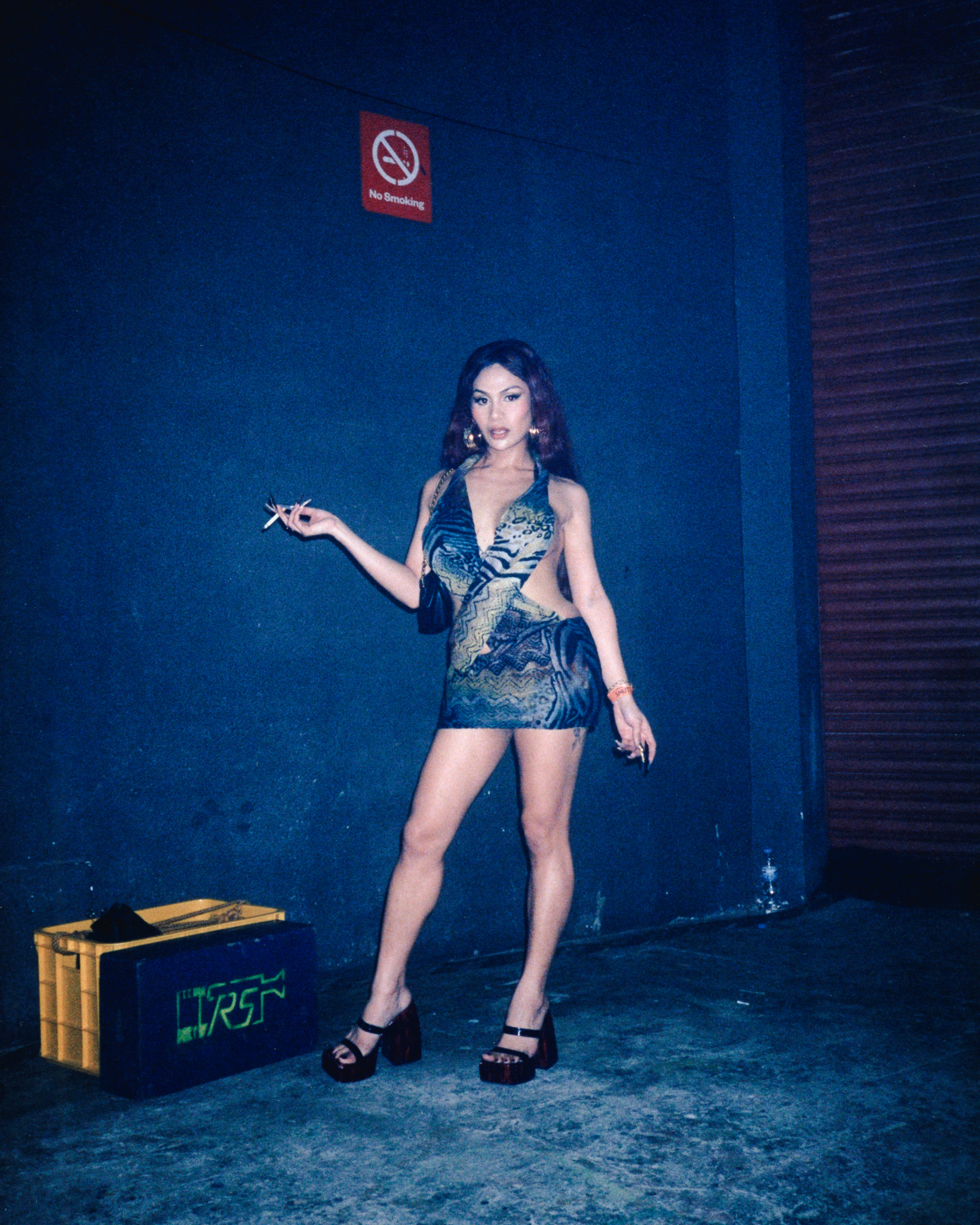
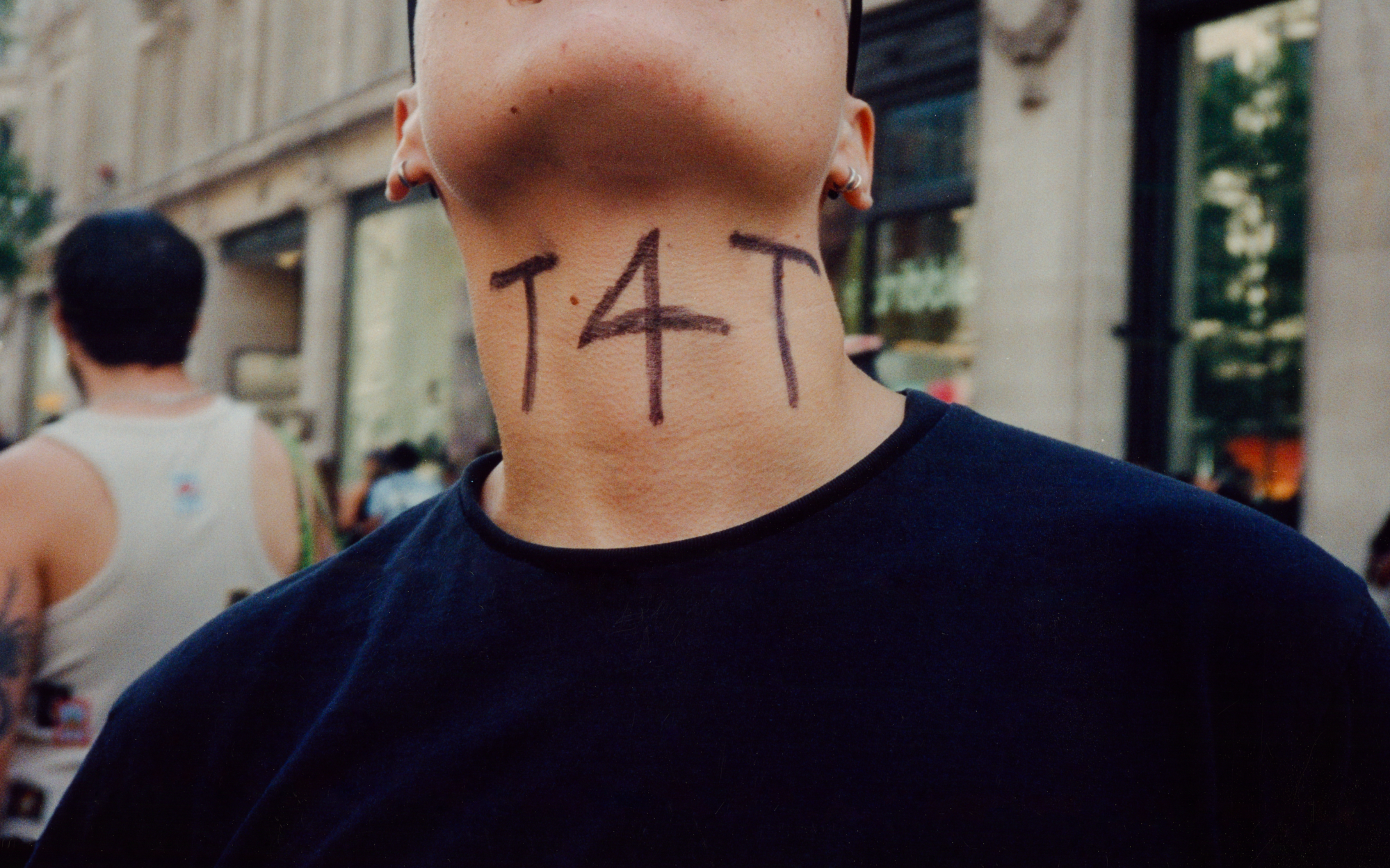
Their relationship with masculinity was complicated not only by the rigidity they experienced in the UK, but also by their relationship with their father. A central theme of the project became Ezekiel’s reckoning with masculinity and, in turn, with their father. His addiction had soured their kinship as they aged, but Ezekiel knew the project offered an opportunity to confront this tension head-on. The resulting portraiture became an intensely personal depiction of their father. “Growing up, I always despised my dad and hated him for who he was and what he did,” they tell me, “but during this process, I saw someone who was sensitive and complicated, someone who hasn’t had an easy life.”

Along this familial confrontation, Ezekiel sought to understand hypermasculine spaces across the regions they have called home. After spending nearly two months on Saturday nights in a male strip club in East London, and later traveling to an open-air men’s prison in Palawan, they witnessed firsthand how masculinity is lived and understood in these environments. These encounters paint a more nuanced picture of masculinity than Ezekiel could have achieved alone.

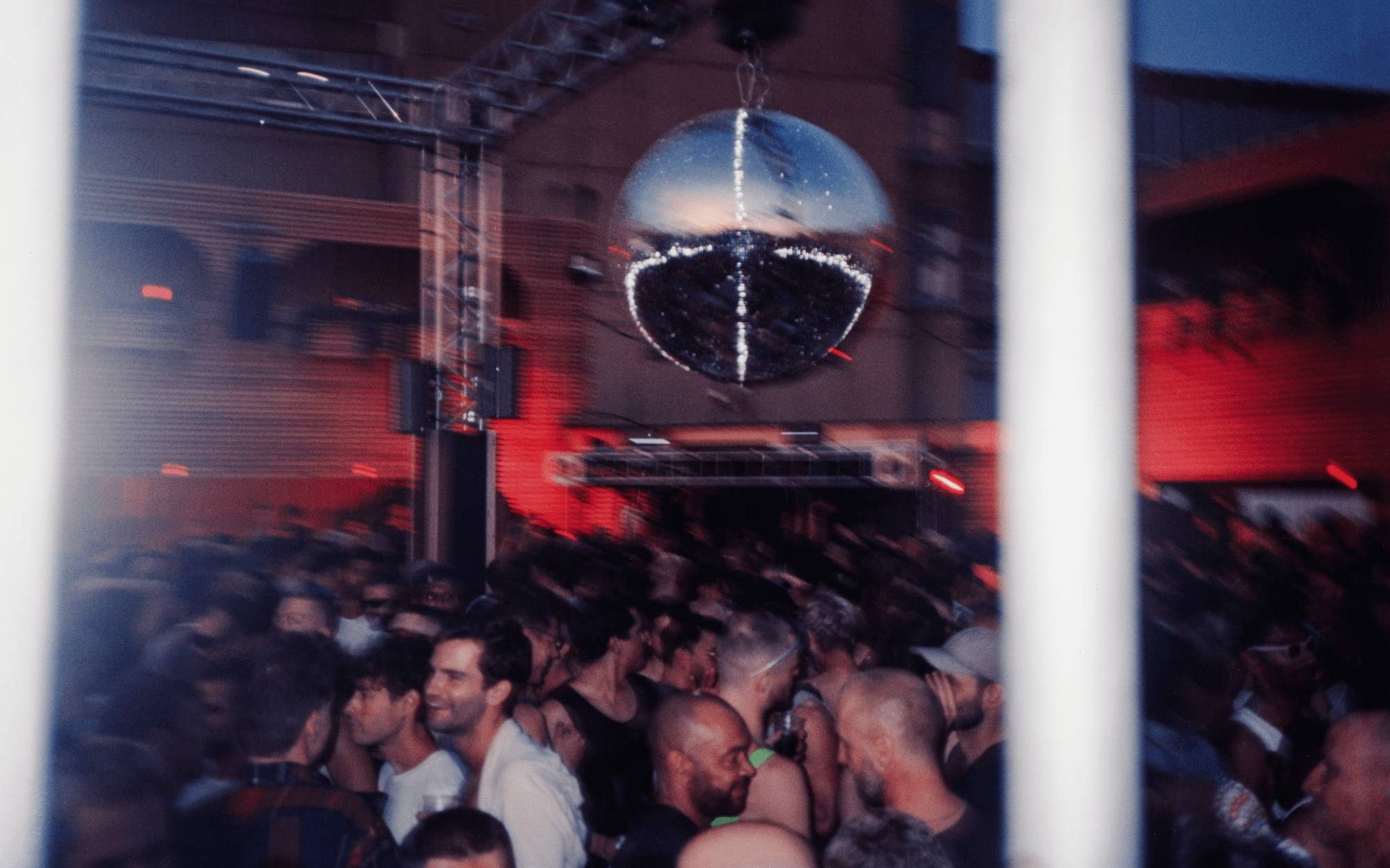


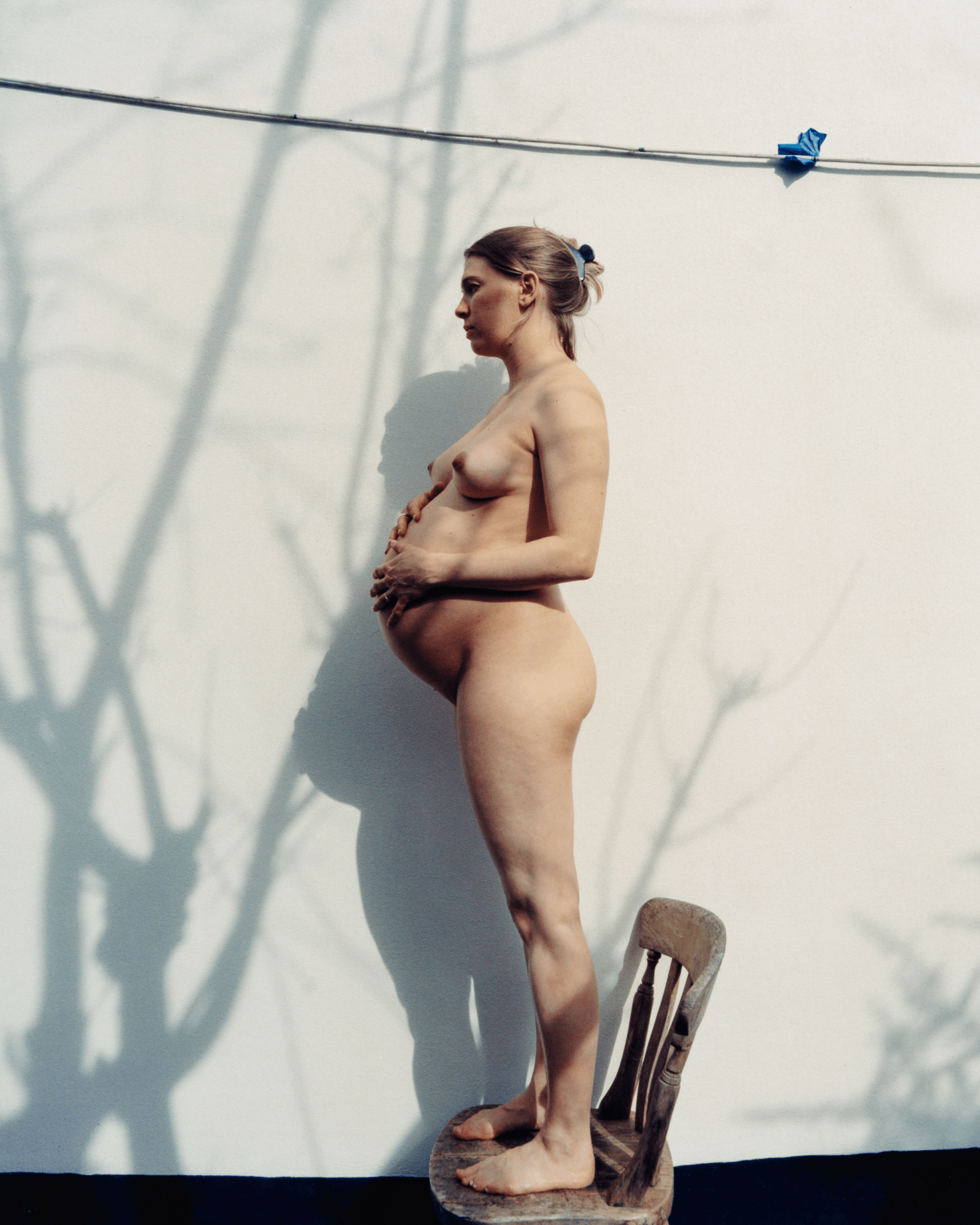
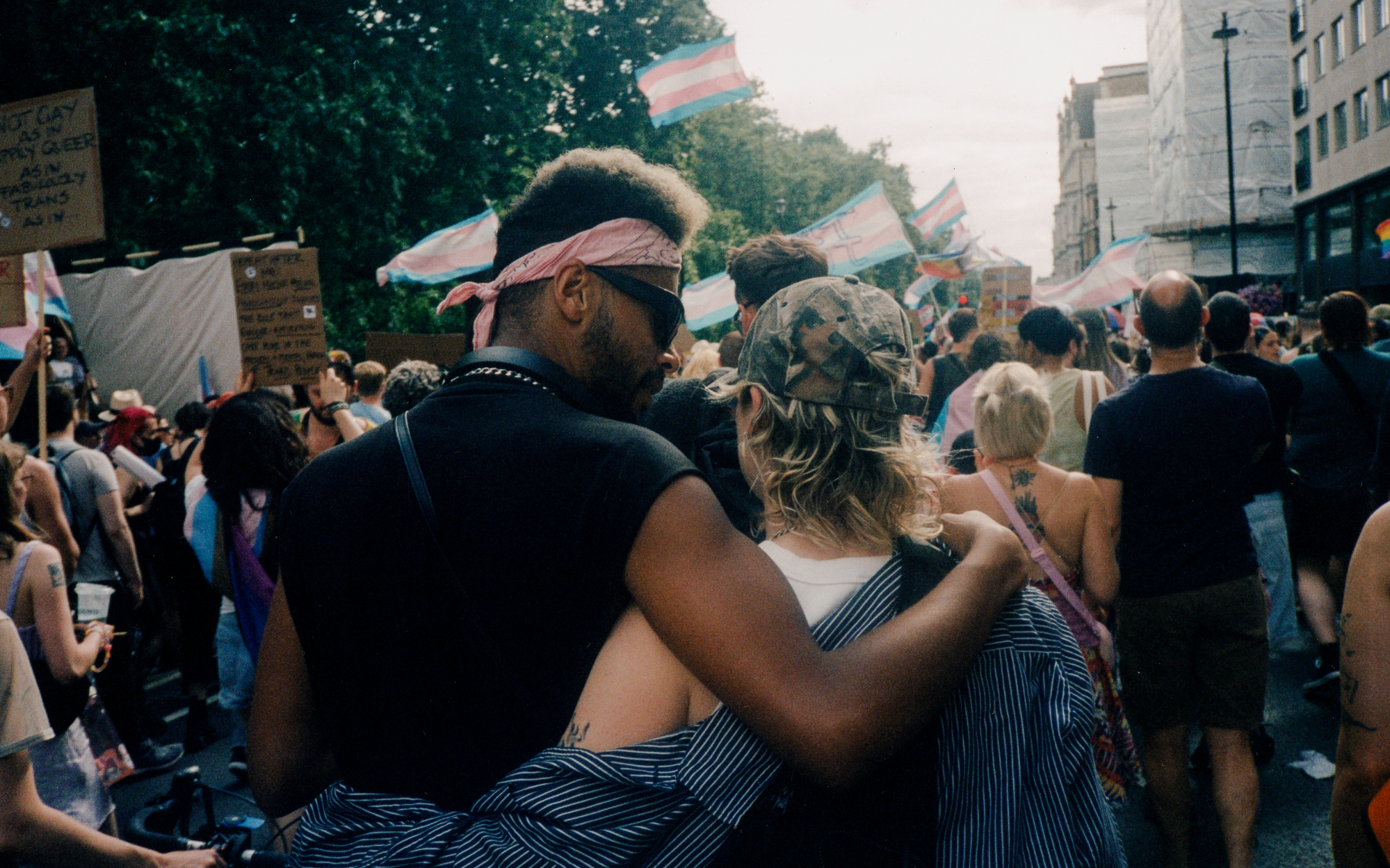
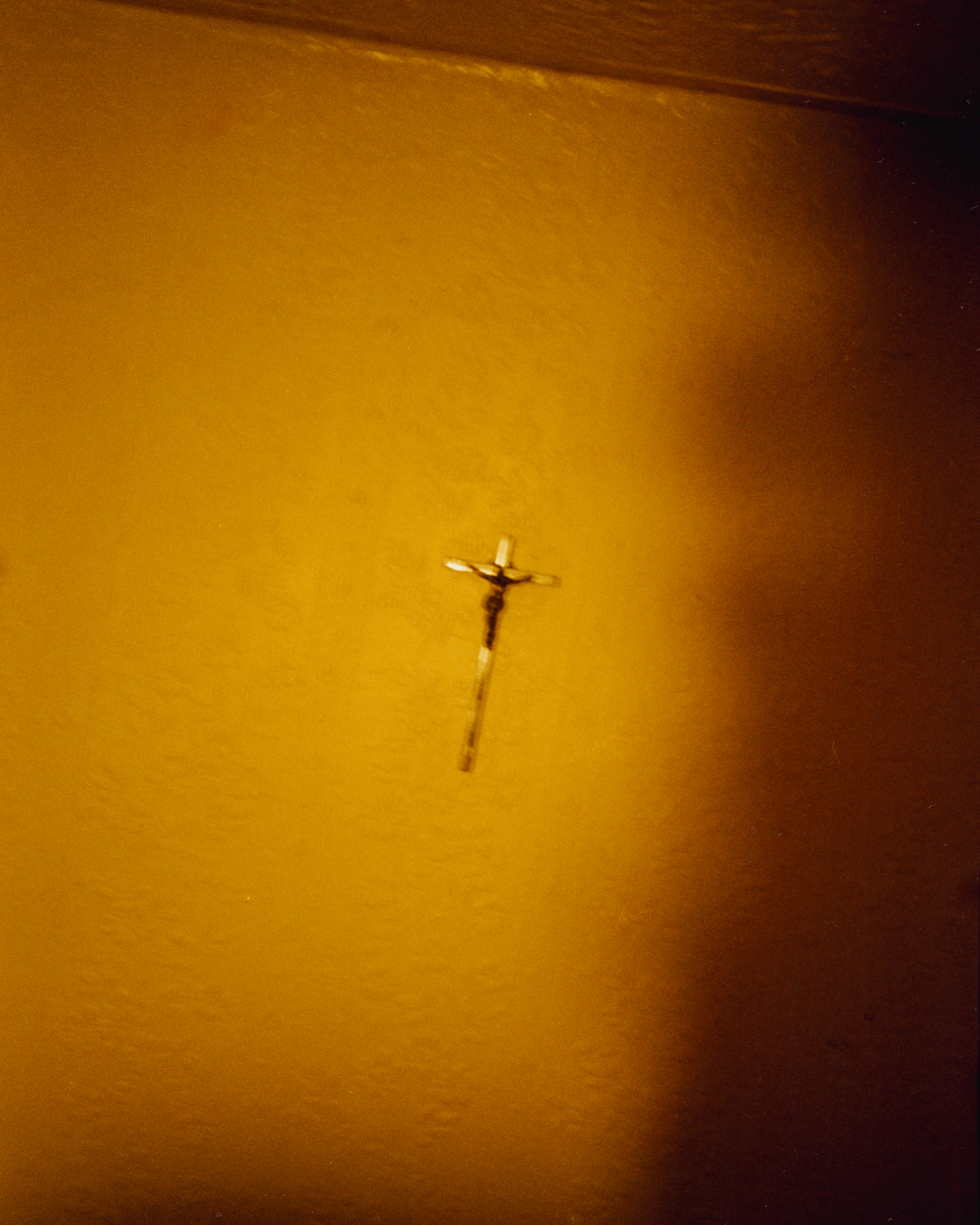

Entering these spaces at what they consider a pivotal moment in their gender journey, the project unfolds as a dynamic tension between languages, places, cultures, and bodies, all contained within Ezekiel’s transness. For them, the book explores not only gender but spirituality. Reflecting on the process, they note, “the more I dug deeper into who I was becoming, the more I felt connected to my ancestral past.” Ultimately, the project’s expansive diasporic spirit opened new pathways within Ezekiel’s sense of self, allowing them to experience transness as a spiritual experience.
They go on to say the reason people in the Philippines have maintained this openness, despite imperial influence, lies in their deep connection to nature. Ezekiel has since moved from the city to the English seaside in an effort to reconnect with the ocean and with nature as part of their daily life and spiritual practice. The more closely one looks, the harder it becomes to deny that nature embodies the fluidity of the in-between. The closer you get to it, the more its spirit becomes palpable. Nature is more than healing; it is sacred.





Perhaps that is the core of Ezekiel’s intimate and expressive monograph. The notion that the in-between, the fluid, the ever-changing, the complex and uncategorizable is not just natural or good, but divine. The spirit of transness embraces the journey itself: the quest of understanding who you are and where you come from, with the knowledge that you may never arrive at a single answer, or that the answer may reveal itself endlessly. There is always more to a person, a situation, and a spirit than what first appears. Through Ezekiel’s lens, we glimpse an expansive love, a freedom rooted in transness, and a radical approach to life that honors the sanctity of an existence that resists definition.