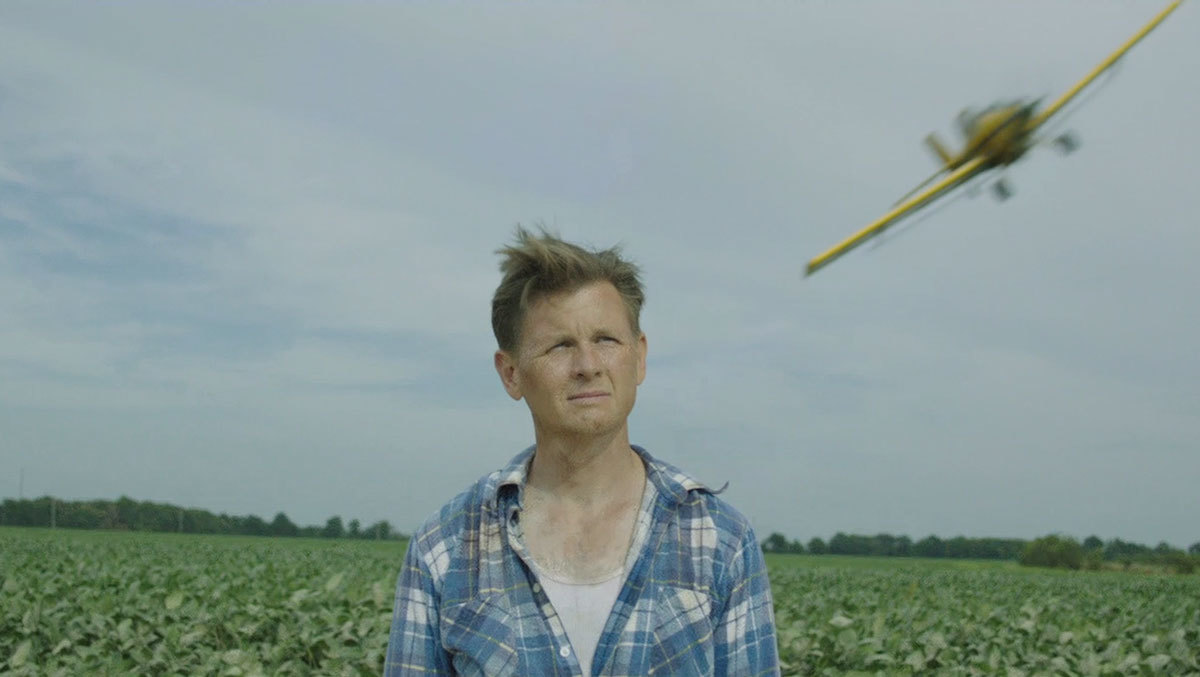
Having recently debuted at The Woodstock film festival, The Grace of Jake tells the story of ex-convict and lone musician Jake, as he travels to a small town in Arkansas to get revenge upon his father, who he blames for his life’s misfortunes. Along the way though, he is confronted by his own issues with family, love and friendship, in a story that inevitably brings the viewer closer to Jake. We caught up with the film’s star, Jake, to find out more about the film and the man behind the character.
Were you the inspiration for your character in the film?
The director Chris Hicky moved to LA and he would come to my gigs when I was playing. He is from Arkansas, and we shared a common love of that area and of the music that came from that area, because I had travelled there with the old blues guys — we connected right away. At that time, he wanted to make a documentary film about me, so he went around following me. He went to the church where I played and filmed me with the old deacons, came to my house and filmed me meditating. I am a meditation practitioner, and a Buddhist, yet I also played with the Baptist church — he thought it was a little funny. I really wanted to make a narrative drama feature film and not really a documentary. He had a script he was already working with and he sort of tailored the character to fit me and my story a little bit more.
Have any members of your actual family watched the film?
My dad just watched this film for the first time in Woodstock, New York, when we had our East Coast premiere, and he was crying when we came out of the theatre because it was so close to home for him, the story was hard for him to separate from the movie. He couldn’t really say anything about the quality of the film because he was so wrapped up in his personal connection to the story, it was very close to home.
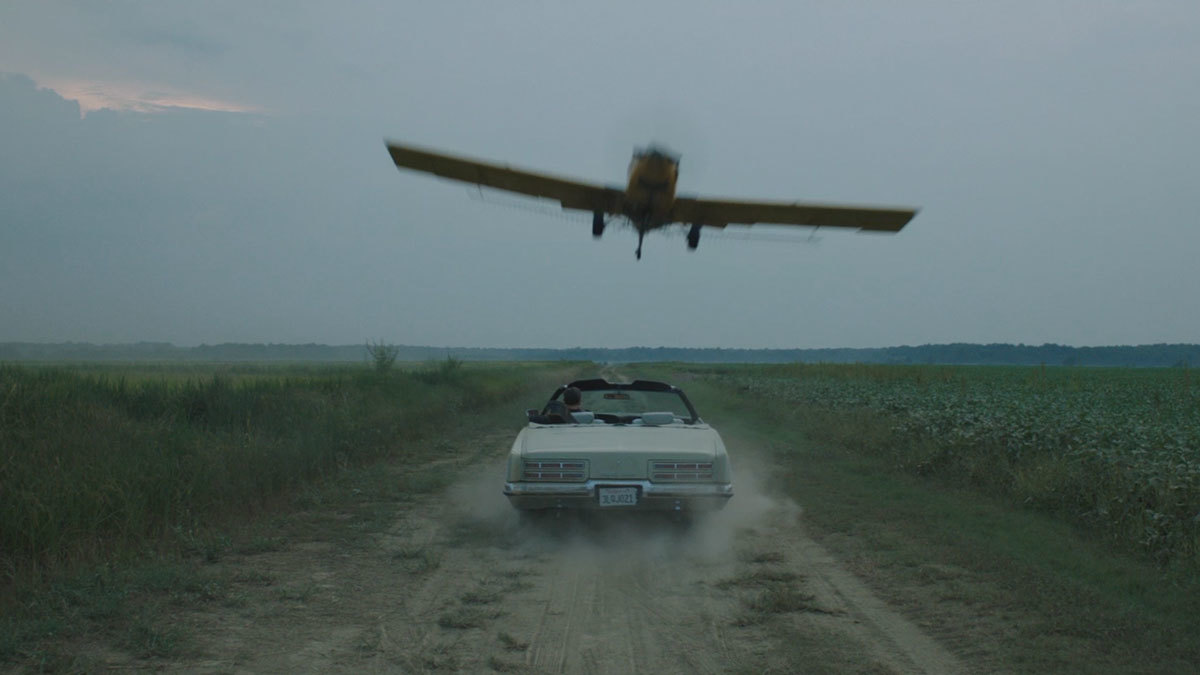
How do you prepare for that kind of role? Do you learn a script or did it all come a lot more naturally to you?
We spent a lot of time going over the script, going over the scenes, talking with the director — we did a lot of pre-production. We went there early and talked about the script and we talked about the scenes and we talked about ideas that we both had. There’s a lot that goes into thinking about the character, how would this character be? Because even if it’s me, and even if it’s based on me, it’s me at a different stage of my life, it’s not me now. So I had to sort of go back in time and find myself at the time and remember what would this person be like and how would he walk and how would he interact with other people? I hung out in this town as that character for the whole time. Just sort of wandering around and meeting people in the town. Meeting random people, having conversations and getting to know them and I think I very much became possessed by this character for about a month a half, and I think you have to shake it off a little bit when you get done.
Is there a particular moral message or a conviction that’s conveyed through the film?
I think the message is that people are good. In the story, Jake has an inherent kindness, he just gets along with people even though he’s a criminal. You can see he actually likes people and he likes connecting with them and there’s a sort of a warmth there. You can see that in the way that he mixes with people and yet he has these problems. There’s something about having to return to the scene of the crime in order to work out the problem and I think that’s really true for all of us. For me the message is, if we’re willing to face a painful situation and go back, there’s a chance to come out of the other end and actually open it up into something much better. If that is the moral to me, hopefully that’s the moral to others.