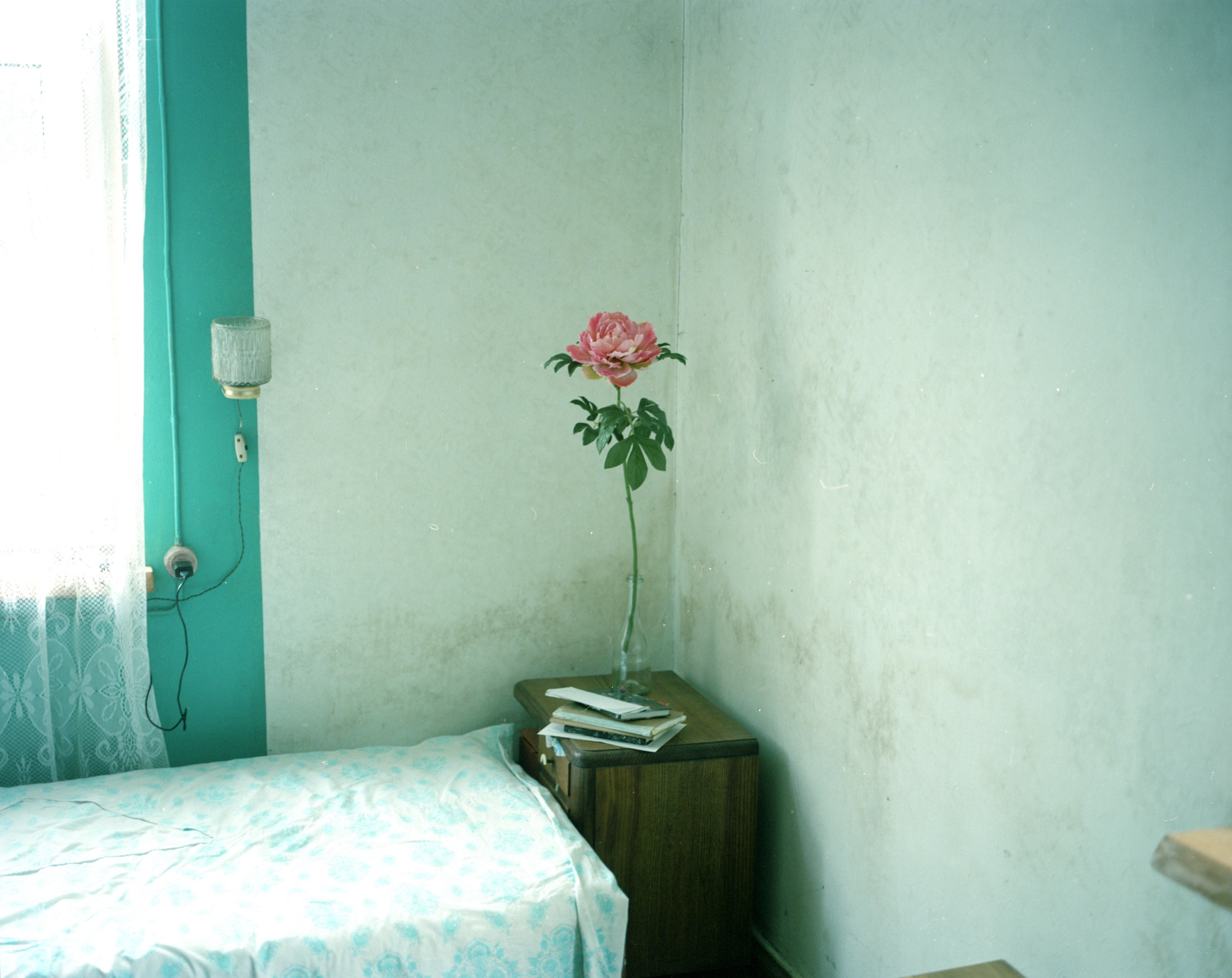
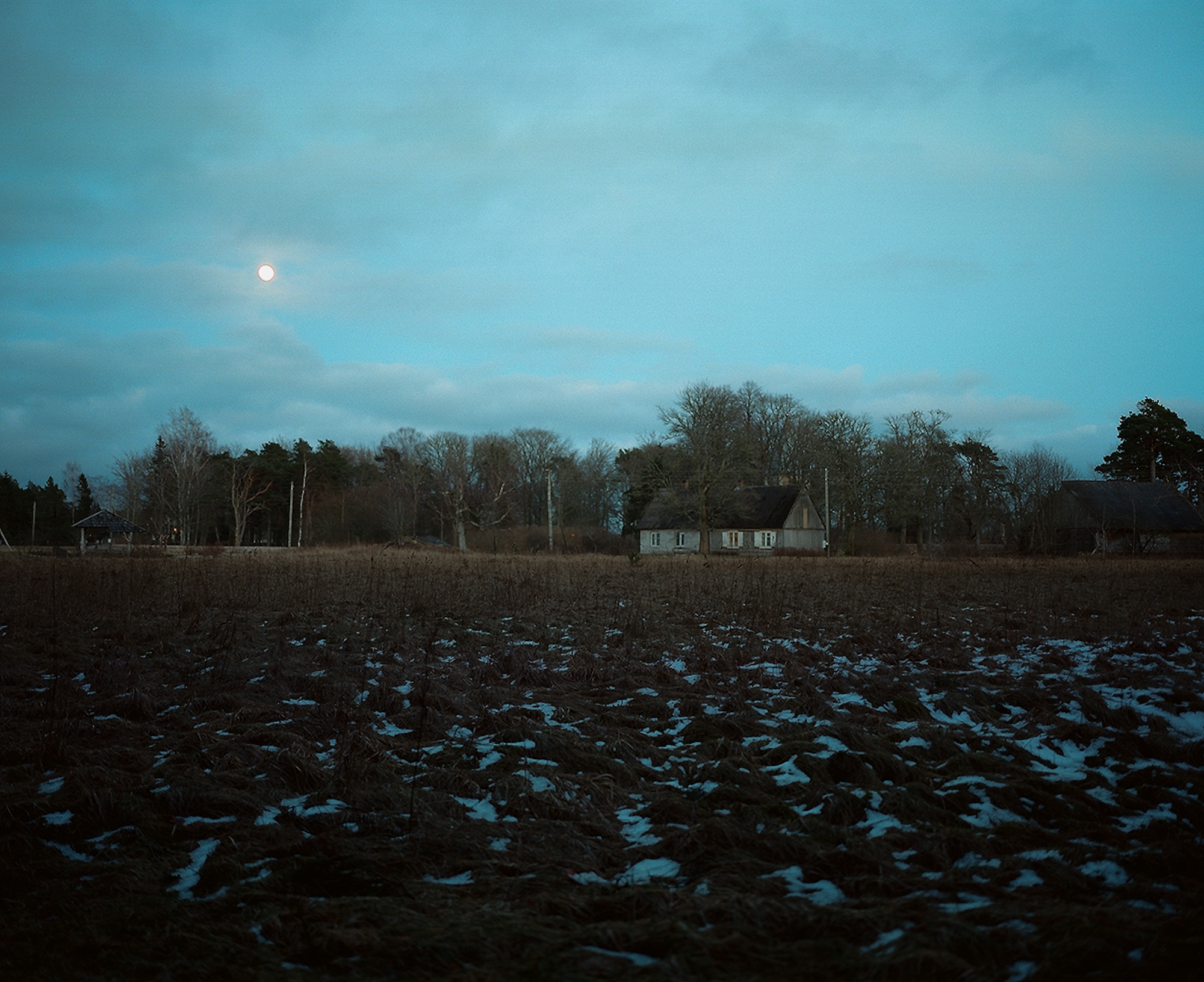
For the last 400 years in three little Latvian towns, Catholic traditions merged with belief in the magical force of nature. All thanks to the lord of this land — Johan Ulrich von Schwerin — who fell in love with a Polish noblewoman. It was for her that he converted to another religion, and that’s how the small Catholic community of the Suiti was formed in a protestant country. It has survived until this day. Marta found this community a few summers ago, and decided to show how attachment to tradition can overcome all kinds of obstacles. Her project, titled Suiti, was picked by David Alan Harvey of the Magnum Photography Award panel, landing her the juror’s pick for documentary. We spoke to Marta to hear more about this land so connected to his past.
How did you stumble upon the world of Suiti?
It all began when I decided to spend holidays in Latvia during the International Summer School of Photography workshops, some of which was concerned with capturing the past. At first I wanted to illustrate Latvian folk songs, which are a very important part of their tradition. My research led me to the female choir of the Suiti — a Catholic minority. I thought that a meeting with them would be only a starting point; that they would be just one of my heroes in a story about choirs and folk singers. It turned out to be something else completely. I became fascinated by this small community, who’s existence is based on a love story all the way back in 1623.
How did they react to your presence?
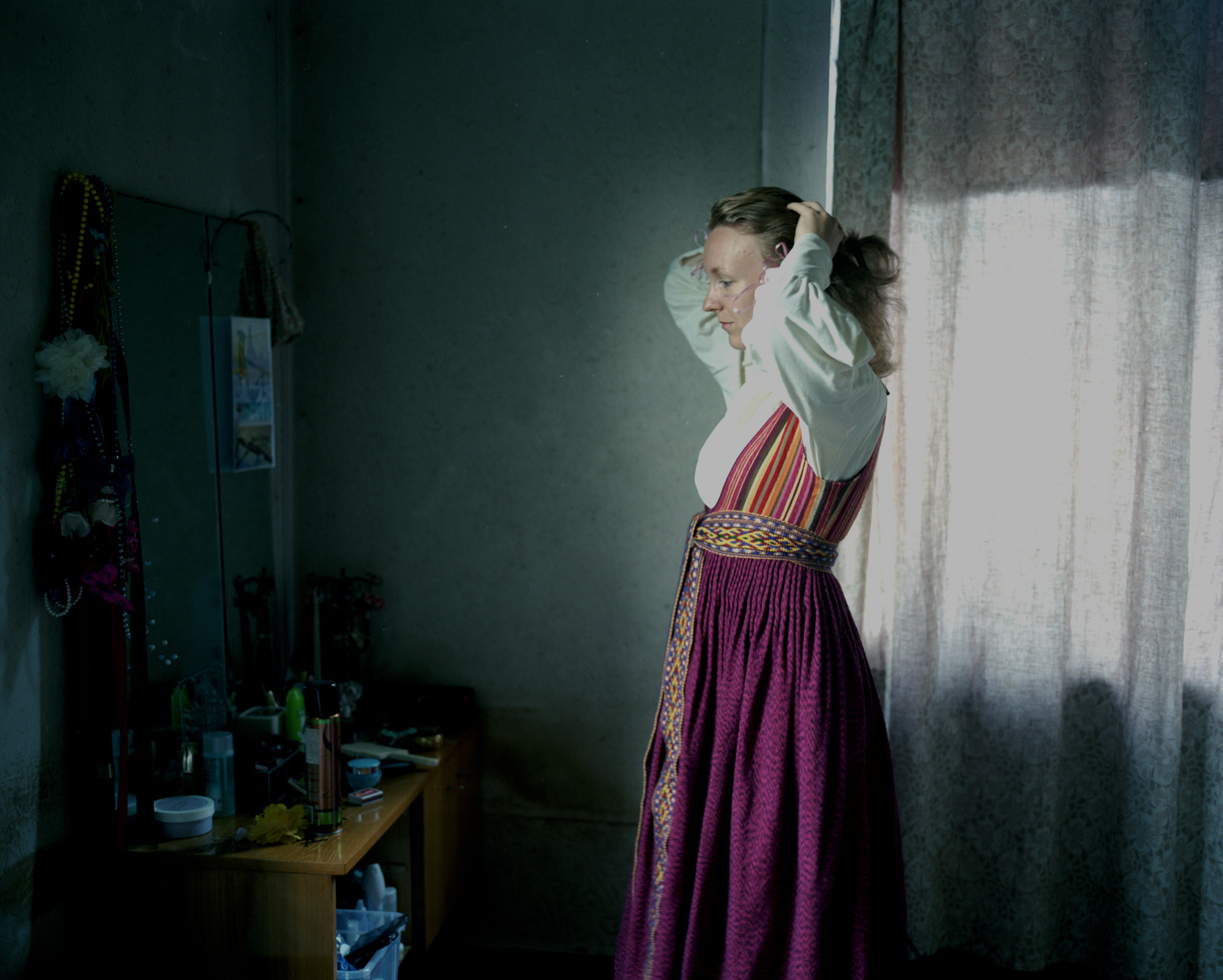
I met a wonderful, open young Latvian girl, Linda, a fine arts student. She currently lives in Sweden, but she comes back to Alsunga village all the time. She engages in the life of her local community and she cares deeply about protecting their traditions. With her help I reached others. They turned out to be very proud of their otherness and they wanted to share their culture. I tried to show a bit of this pride in my pictures. It didn’t feel like they were cut off from society. They have a very positive attitude towards people and the world.
Would you call your pictures a reportage?
I don’t like that word in relation to my stories. Reportage should be objective, created over a short span of time and appropriate for newspaper format. It has hard-and-fast rules. My works carry an entirely different vibe. It’s very subjective.
And in this case fuelled by a love story that ended tragically…
Yes. If I tell a story through my pictures I have to include a personal thread in it. Something that draws me into it. It’s hard for me to do something without engaging emotionally. In this case it was a love story, which knew no bounds. From it a jewel was created — the Suiti community, which has survived all this time.
This story unfolds in a magical, beautiful place.
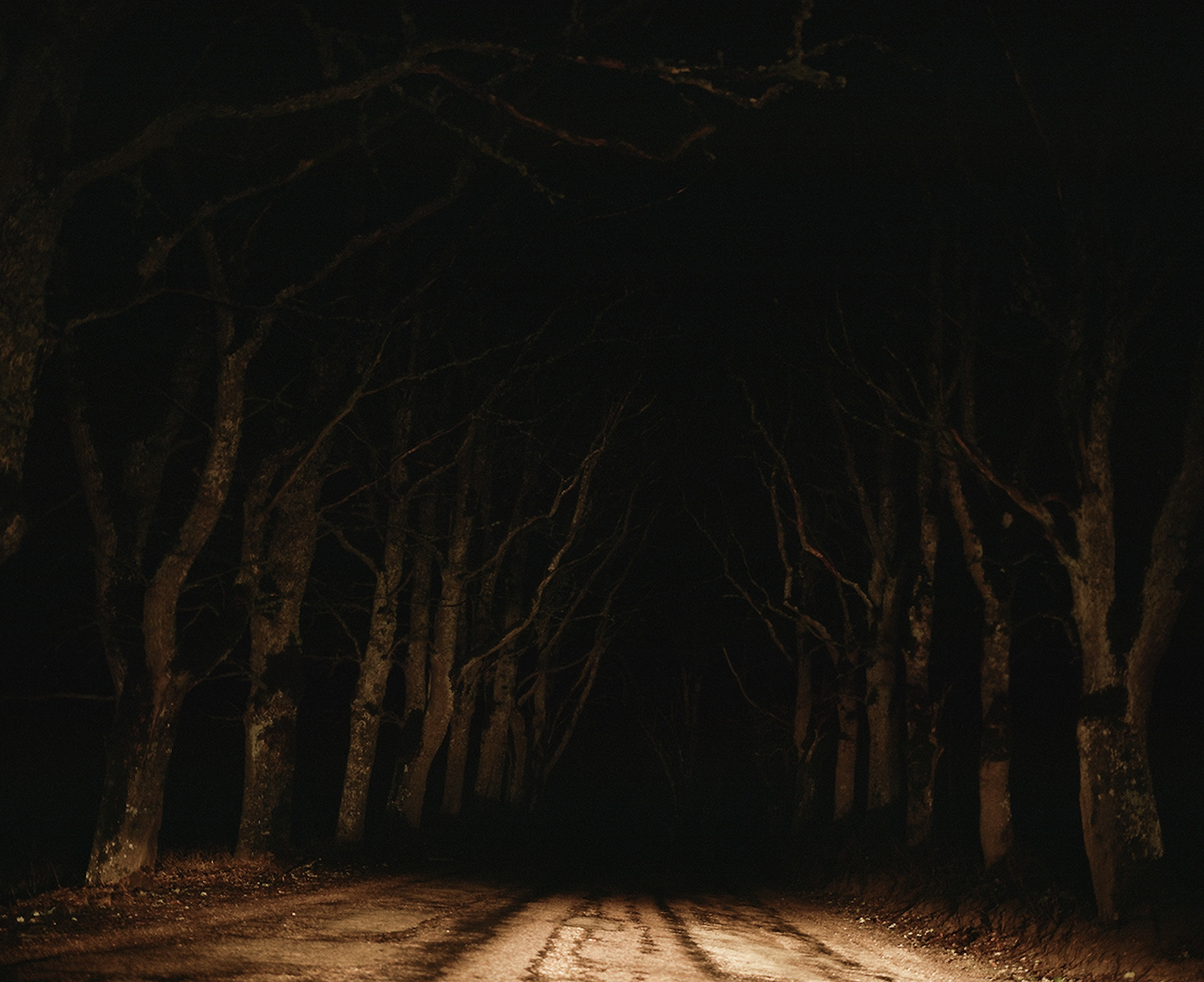
It unfolds in three little towns in the region of Courland (or Kurzeme). I drove all around Latvia and it was the most beautiful region I saw. Everything was on hand: the castle, in which Johan and Barbara lived; the church, which was an important place for them; the road on which Johan died — poisoned by the protestants. Even their skulls are preserved under the walls of the church.
What is everyday life like for Suiti?
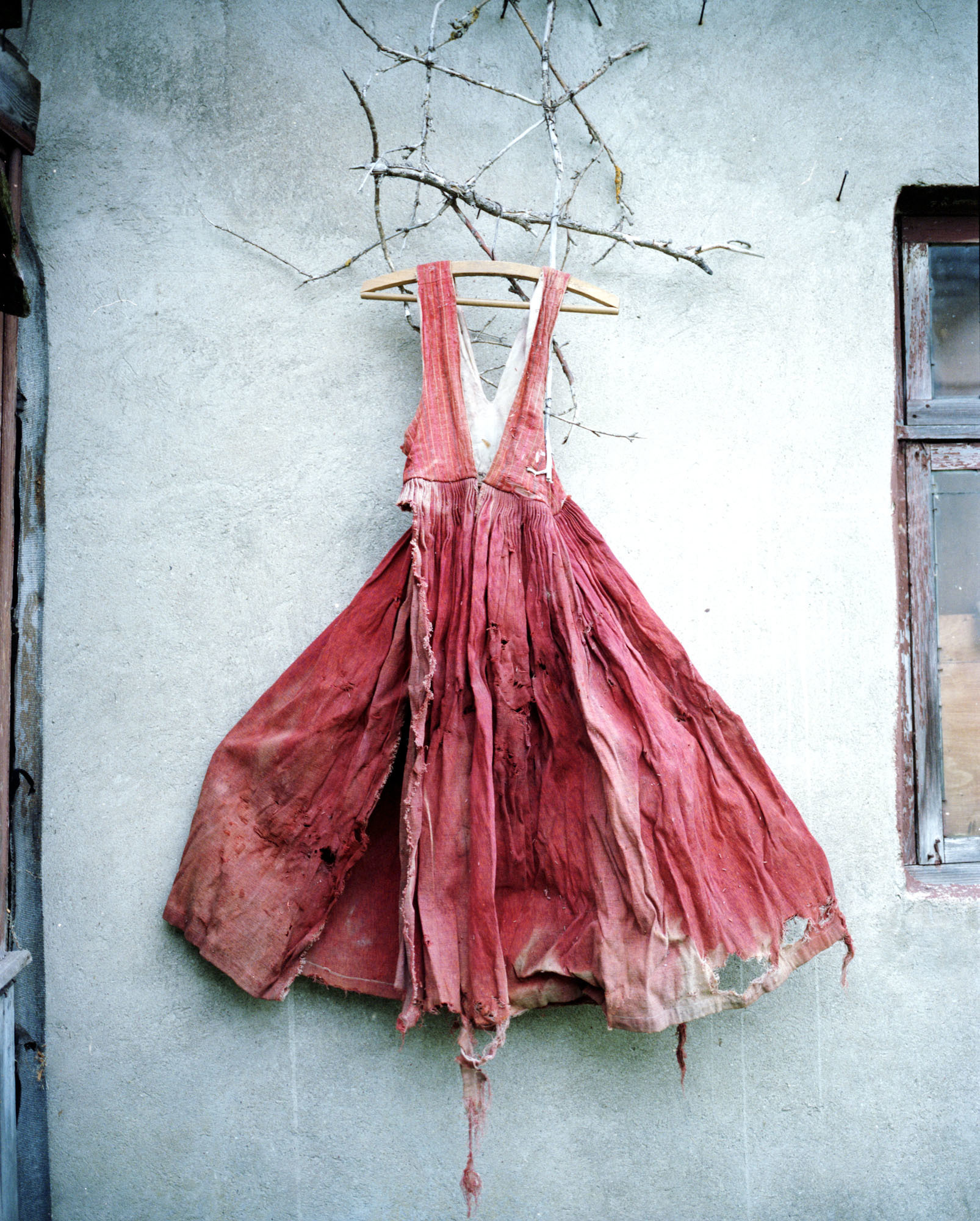
Only some some of the older people wear traditional Suiti outfits on a daily basis. However, every woman in the family knows how to make them. Dresses are passed on from generation to generation. In one of my photos you can see a worn dress hanging on a wall. When Latvia was under Soviet occupation Suiti tradition was in danger, because of the religion. However, they were strong enough to persevere. Linda kept this dress of her great-grandmother. According to Suiti tradition, clothes are held in special, ornamental chests and are passed on that way.
It is interesting that Suiti are catholic, but they also draw from pagan rites…
No one officially talks about this, but those rites still function there. Above the main door of houses in the region you’ll find a sign that is meant to protect the inhabitants from misfortune. Their outfits are adorned with embroidered swastikas, which have a different meaning for them, they are not the symbol of the sun. They wear wristbands with patterns that they believe protect them from demons. Trees are still sacred for them. They mix beliefs in a gentle way. A fascinating religious hybrid.
Credits
Text Mateusz Góra
Photography Marta Berens