Gabi’el
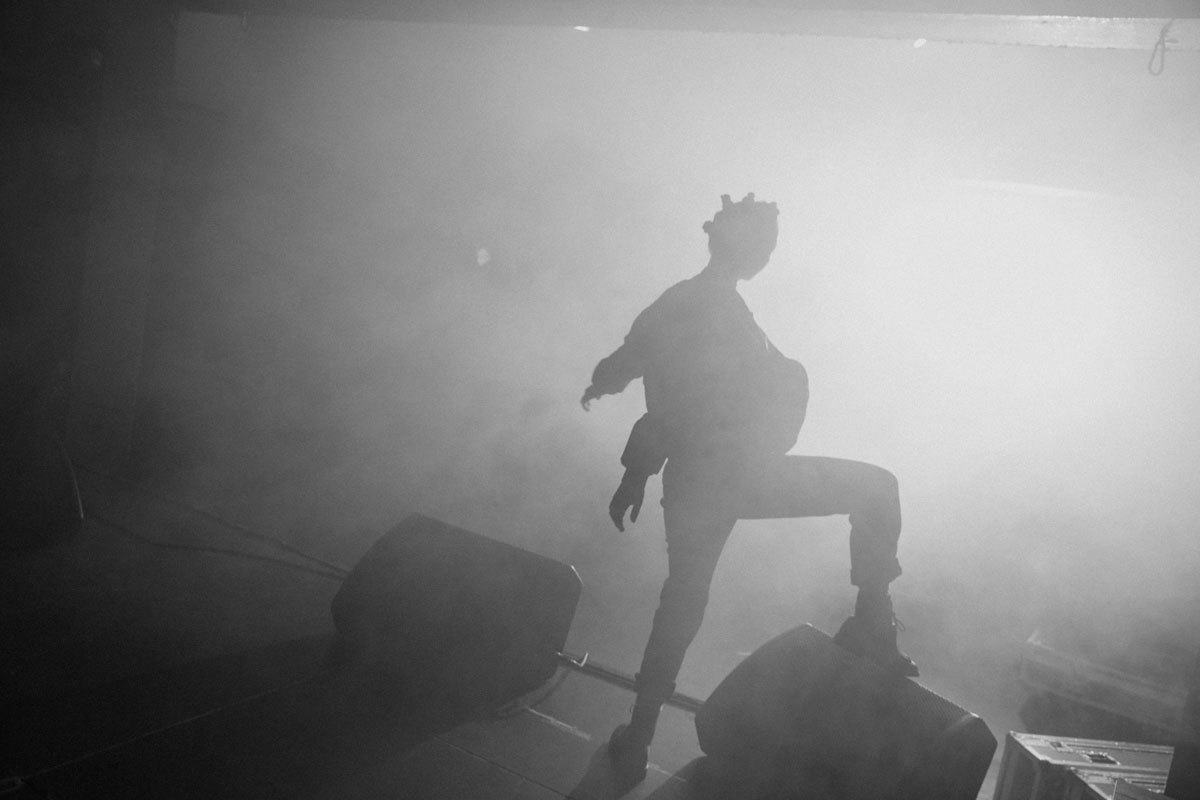
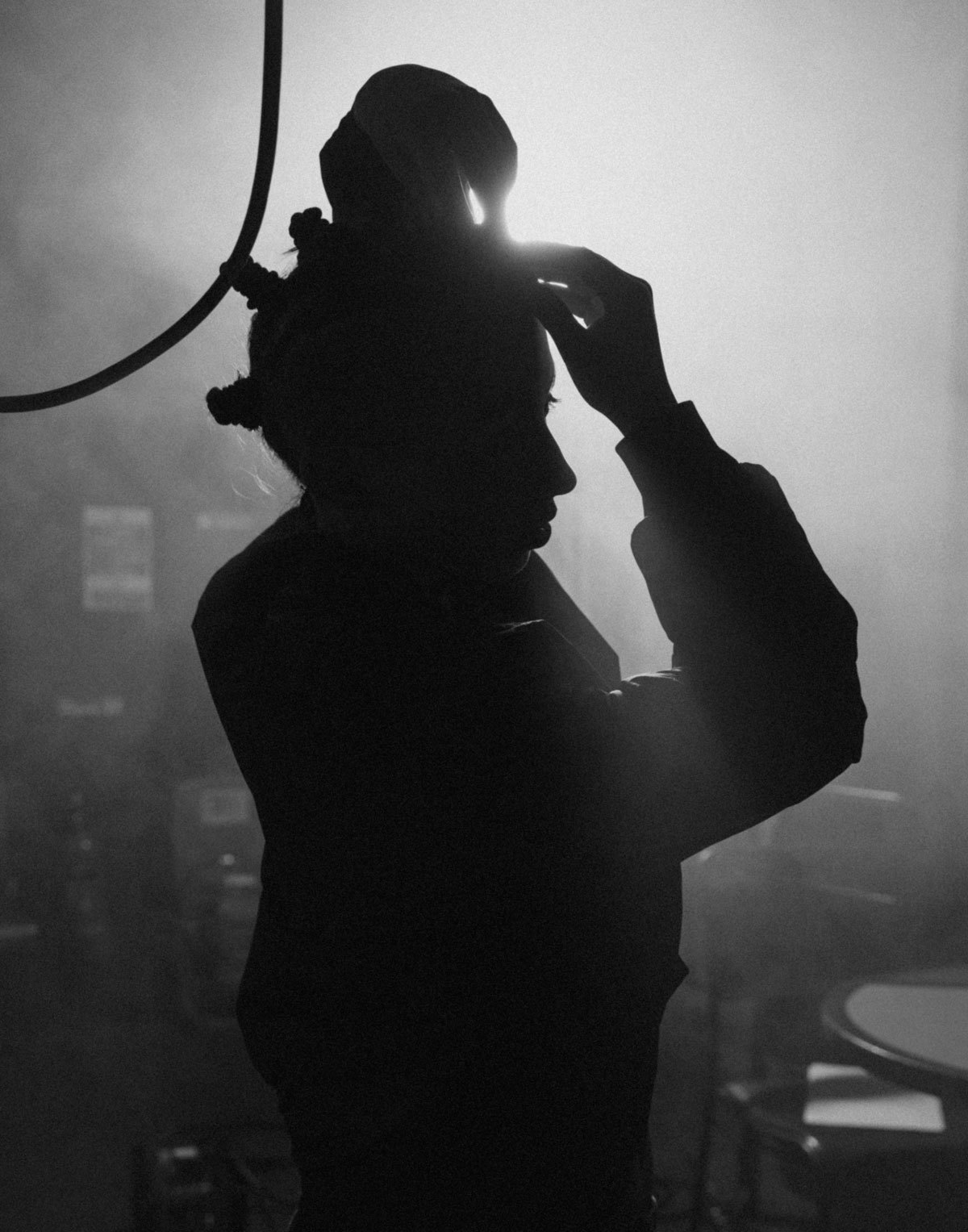
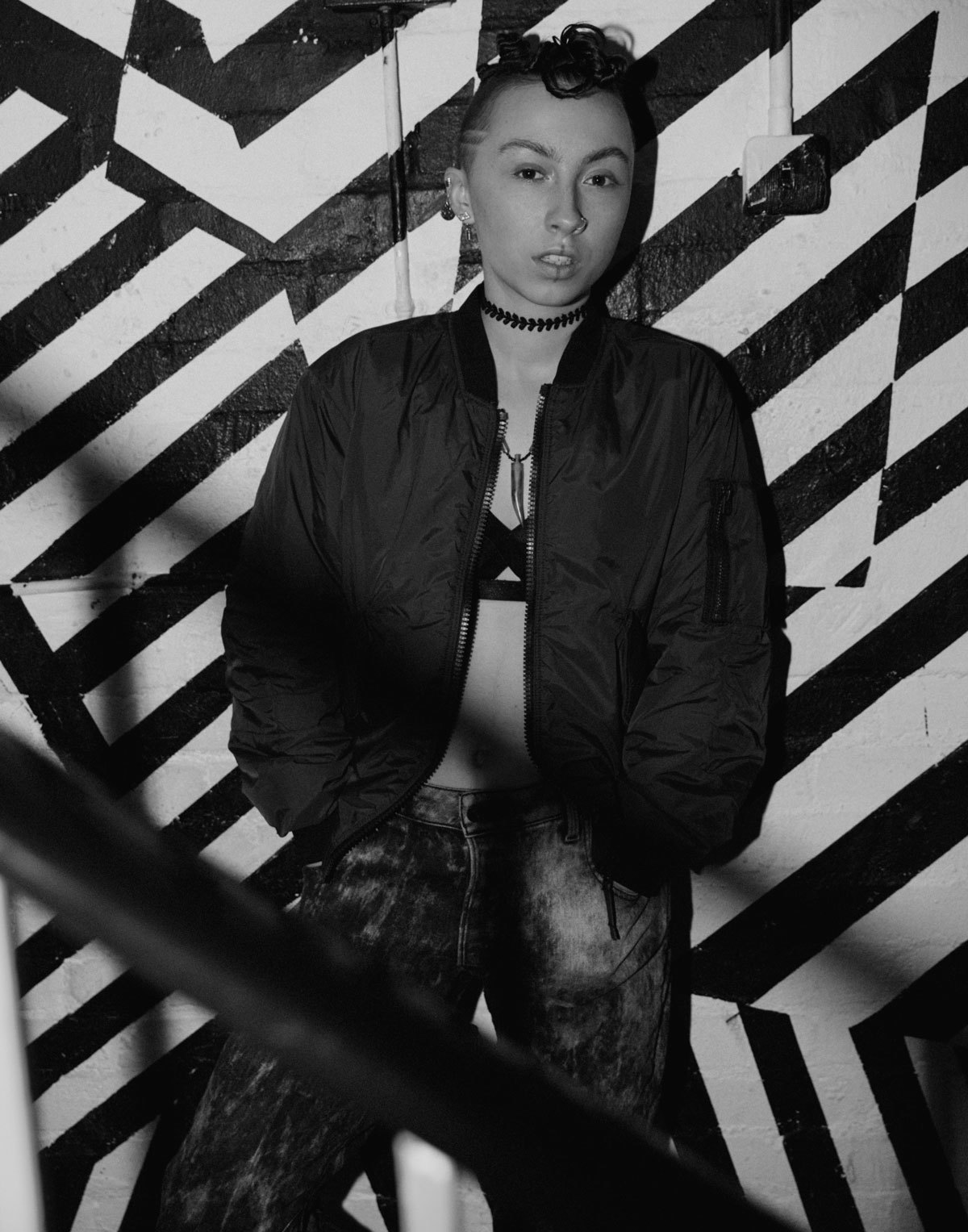
21-year-old Londoner Gabi’el might fall under the bracket of an emerging artist, but she’s starting the way she means to go on: candidly brash and unapologetically fierce. Her feminist anthem, Pop That featuring Ms Banks and Monique Lawrence is a femcee-fuelled declaration of girl power. Rolling with the city’s brightest new faces, she’s part of the collective, but truly one of a kind.
Why music?
There’s so much power in music. It can make you think; make you feel or sometimes just make you dance around your bedroom.
In what way is your music raw?
Raw is anything in its natural form. It’s the pureness before anything has been stripped or taken away. There’s a confidence to my music, it comes from the heart and I don’t let insecurities affect what I make. When I create a song, it’s me getting something off my chest; it’s always been that way.
How did you get into it?
Music has always been something I loved. My dad used to play a lot of reggae in the house, and I used to listen to lots of hip-hop. I’m also a massive Missy Elliot fan. I’d go to Indian restaurants when I was young and I remember being really into the music I’d hear there. From Jazz to instrumentals, I love so many different sounds. I mean, I remember dressing up as Elvis Presley once…!
Have you been singing since you were a kid?
Yes. I found my old cassette player the other day. It still works; there was a tape of me singing in it, which was so funny to hear! I can’t have been older than six; it was a made up song and my voice sounds so squeaky, but it was refreshing to here. At six, you’re not self-conscious or anything, you’re just doing it and you don’t care what anyone else thinks. There’s a rawness to that which I’ve always maintained.
How have you kept that?
I’m stubborn. I’ve always been into my own creations and I’ve never liked the thought of someone trying to mold me. I just don’t feel comfortable being told what to do.
So, how do you work?
I write daily. It might be a quote, it might be poetry, or it might be a full song. A lot of the time I create with my friends who produce, we’ll lay down an instrumental and I’ll come up with a melody or some words and it just happens there and then.
I don’t let people write for me. I would be offended if someone offered to write for me. It’s my music. If you’re an artist you should be taking the bull by the horns. It’s important you have your own stamp on everything you do.
What point were you trying to get across with your track, Pop That?
I think people were nervous about it, but it has a strong message and I wanted that to come through. It’s about female empowerment, it’s taking control of yourself and saying, ‘this is my body, this is who I am’. It’s a confidence boost, it’s being able to say ‘I’m doing my thing, I’m following my dreams’.
What do you love most about what you do?
I love performing, it’s a spontaneous moment, you don’t know what’s going to happen and you have to just run with it.
Before a show my mind goes blank. I get butterflies in my stomach. There’s an energy shift from waiting to go on, to when the show starts.Then, you connect with the crowd and those butterflies just start flying…
Describe your style…
There’s a lot of pressure on women to look a certain way. I might walk down the street like this and I won’t always meet people’s interpretations of what a woman should look like – but there is beauty in that. Your hair, the way you dress, it doesn’t make you less of a human, you can be whoever you want to be, I think it’s fun to be different.
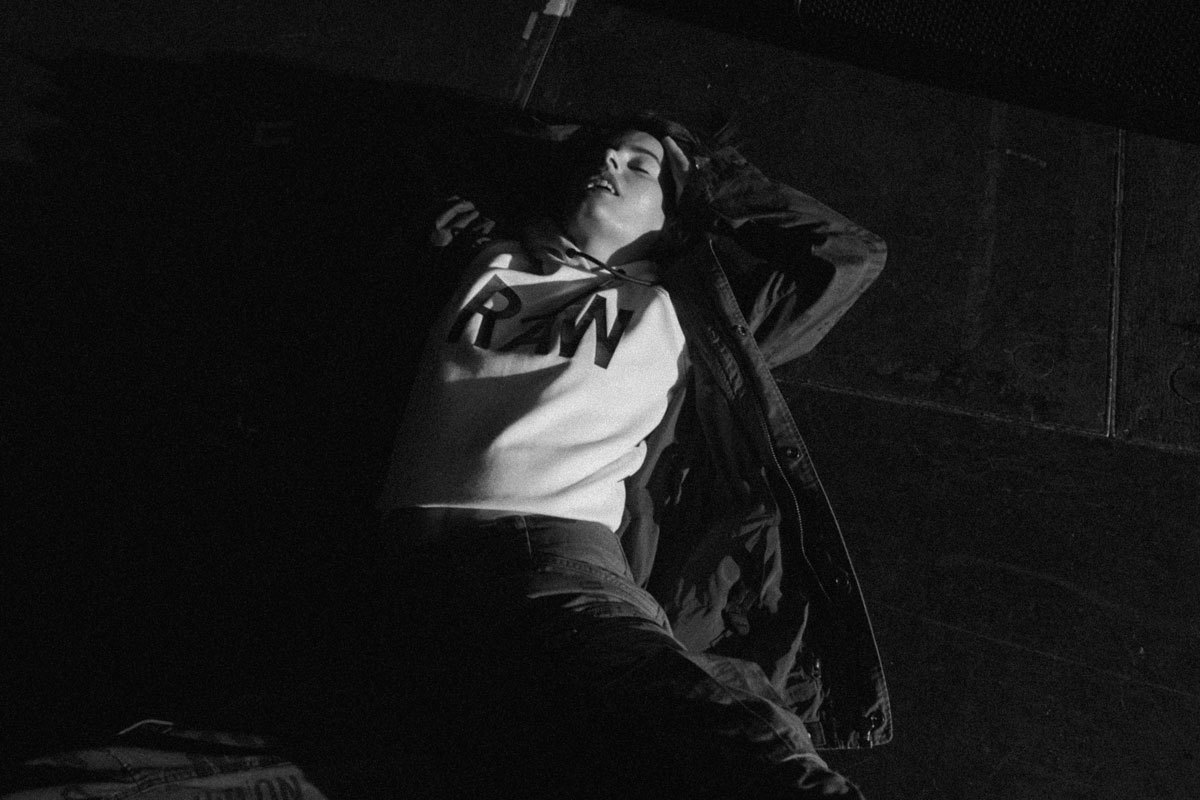
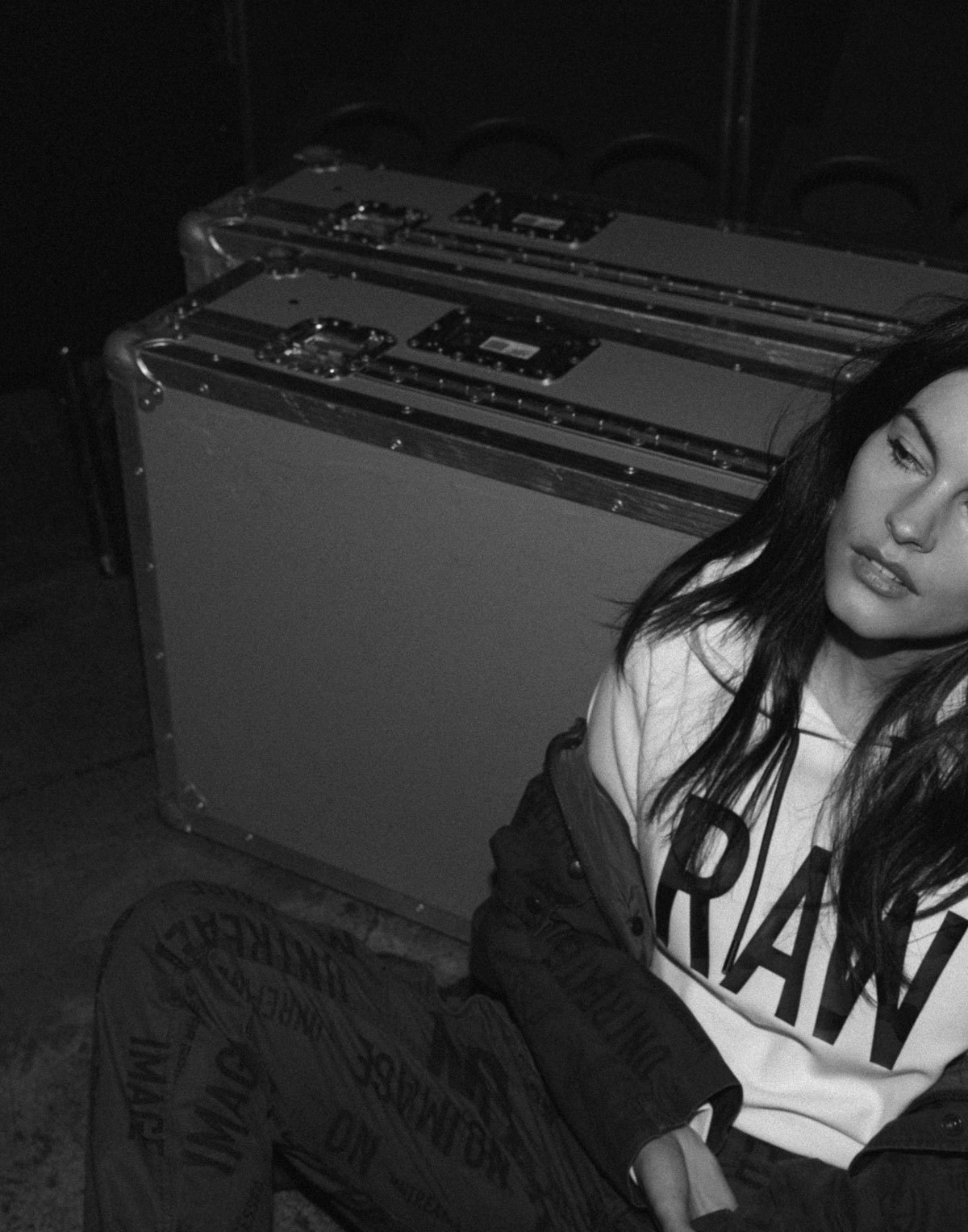
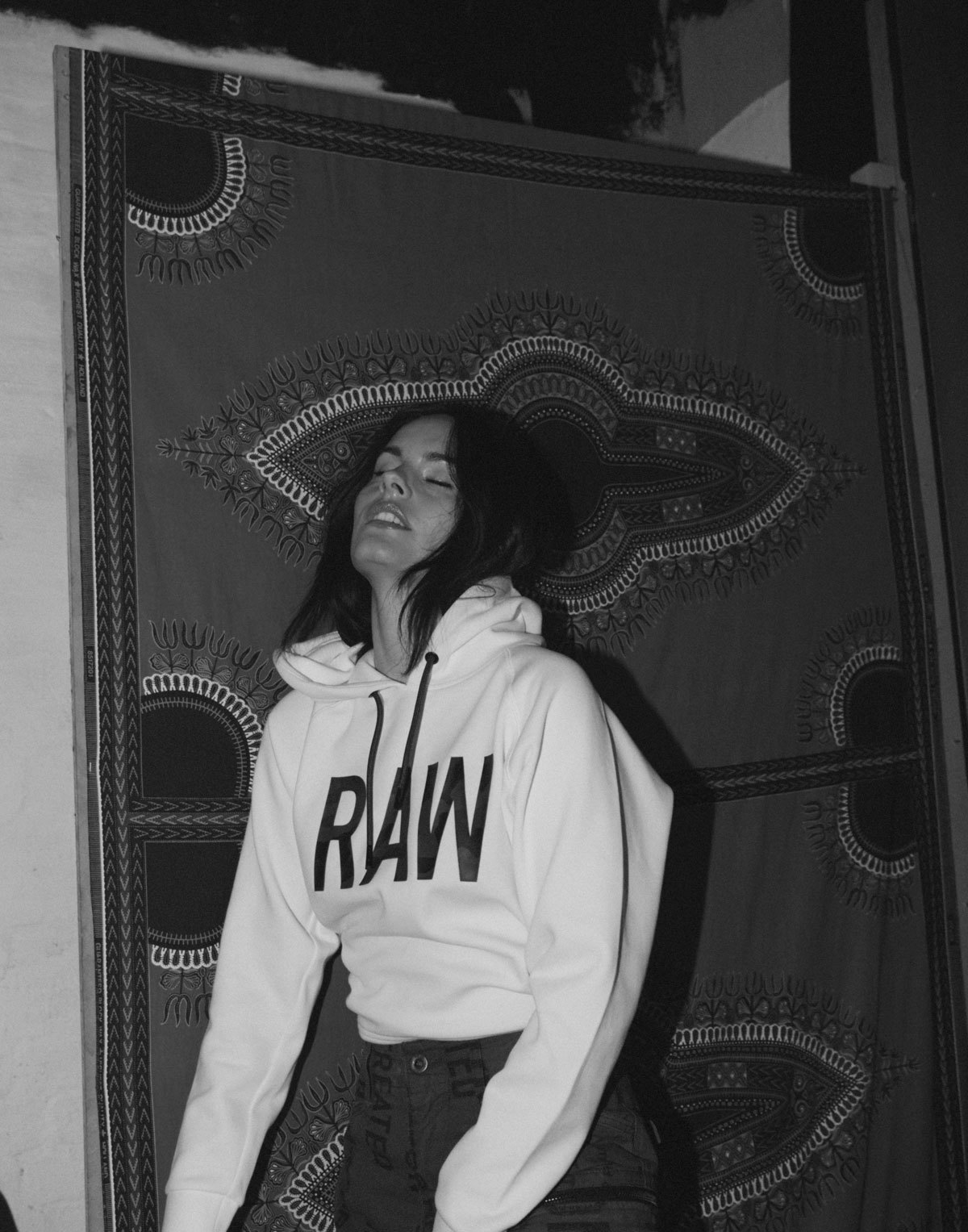
Lola Coca
For Lola Coca, song writing is when it gets real. She takes her insecurities, spins them on their head and the result is a fiery party track. Citing innovators like Gwen Stefani and Andre 3000 as influences, her dreams are big, but she’s got the drive to match. Lola Coca’s music is the night out you can’t stop talking about: messy, raw and a whole lot of fun…
What was it like moving to London at 18?
When I first moved,I realised how close I was to everything. In Portsmouth you’re in bands because you like making music, you never think,’I could do this’ – it just wasn’t something that crossed my mind as a job. Then you move into the city and you’re like, ‘wow, this isn’t as far away as I think’.I made the decision two and a half years ago to do this as a career. It’s kind of a change in mindset – you commit all your energy and time into it. When you sacrifice everything,things begin to unfold.
What triggered that decision?
I knew that if I didn’t, I’d always regret it. I think [my conviction] comes from being an only child. Not in the sense that I was spoilt, but I really went after the things that I was interested in. You have to entertain yourself as an only child. You really put a lot of passion into your interests.
Love Song
Do you enjoy playing live shows?
I love it. For four or five hours before you go on, you’re kind of bored and restless. In that time you delay any sort of emotion. You’ve done your sound check. You’re very quiet. People are chatting but you’re not fully engaging. Two minutes before I’m about to go on, I’m a mess. My breathing is fucked! I have to focus on relaxing my brain. No one can talk to me; I can’t process it. You just have to try to centre yourself. I don’t know what I’m doing. Then, the moment I touch the mic it’s like second nature. You don’t learn to perform; you just have to allow yourself to really be present when you’re doing it. Nothing is rehearsed; you’re not just running through your set, it’s live… it’s unpredictable.
What’s your interaction with the crowd like?
Hilarious! I did a gig in Leeds where I couldn’t tell if somebody was just dancing and having the time of their life, or if they were taking the piss. My only reaction was to get into the crowd and start dancing with them to diffuse the situation! Live shows just force you to react in some way.
What does ‘raw’ mean for you?
Nobody wants to listen to you if you over perform and beg. They listen to you in the raw moment of what you’re saying. Raw is unfiltered, it is what it is; it’s sad, happy, excited, it’s however I feel.
What’s your favourite song to perform?
I like Bad Girlfriend. It’s pure insecurity. People think it’s about being a, ‘bad girl’, it’s not, it’s about having conviction in why you don’t want to do something.
I wrote it in a room alone, no distractions. I took it to my producer and was like, ‘I think I’ve just written the best thing ever or the worst thing ever’.
Song writing is so enlightening. When you allow yourself to just say what you think, without anyone else, you have this moment of, ‘oh my god, that’s who I am!’ there are so many different filters in life, but the core of song writing is honesty – ‘I’m feeling insecure about this’ or, ‘I’m upset about that’ – you just get to the bottom of how you actually feel. Those are the songs that really resonate with people. You can’t make it up; it has to come from the real.
What are you future goals?
I just want to continue to put out projects exactly as I am. How I am might change, but as long as I can capture myself in my every moment, the music is the only thing that matters.
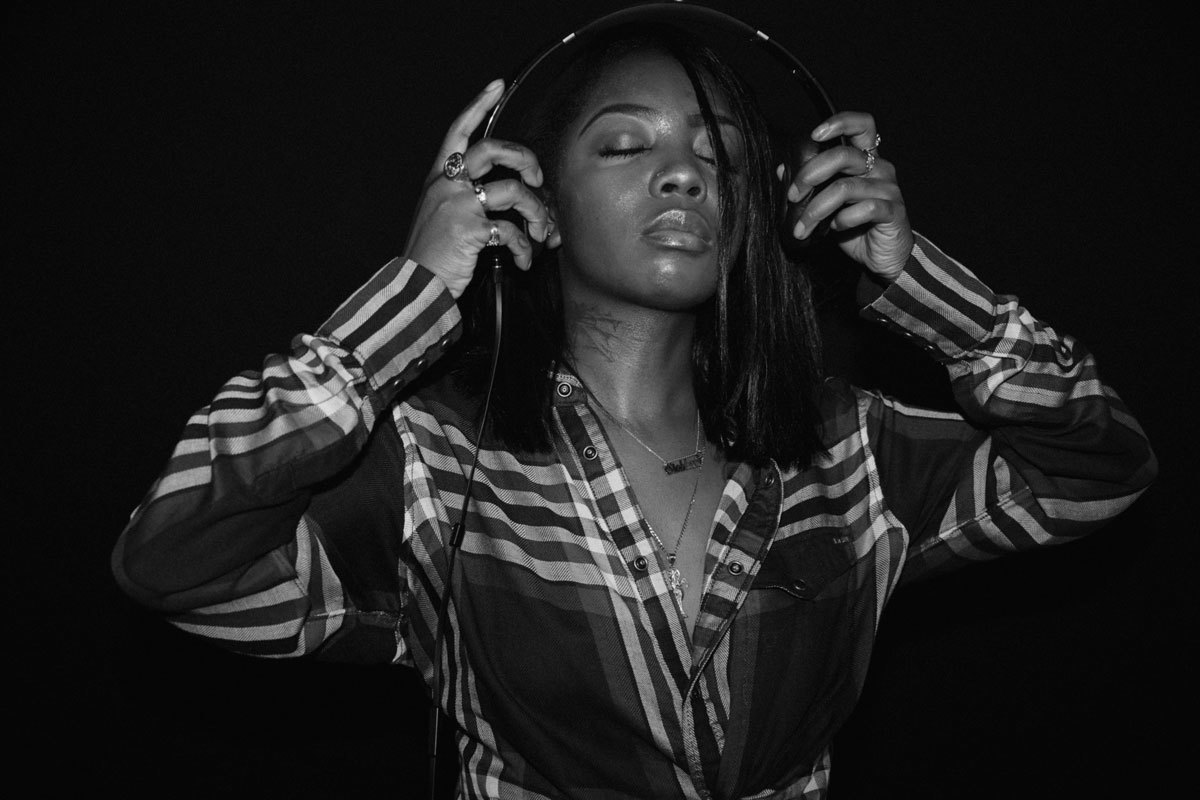
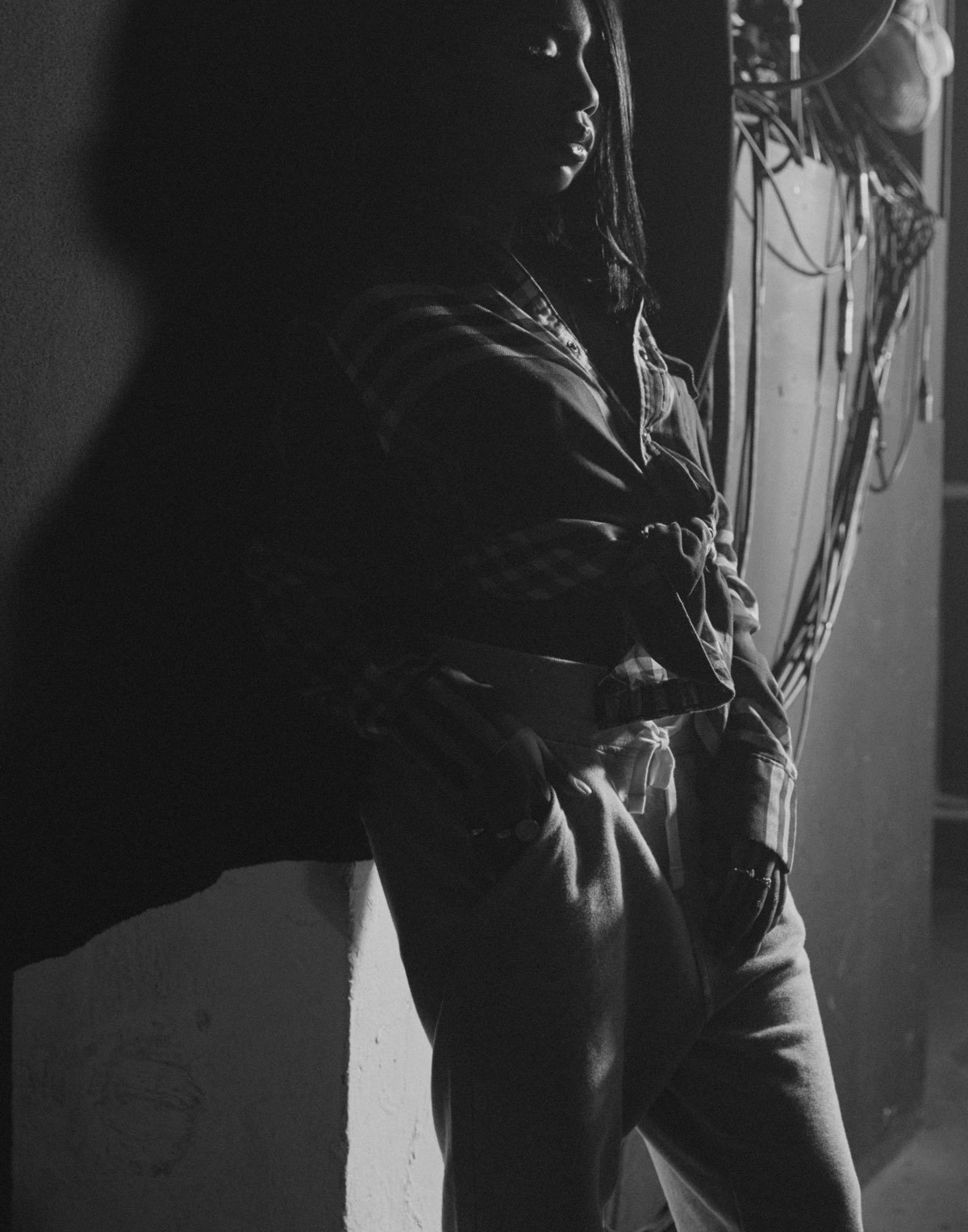
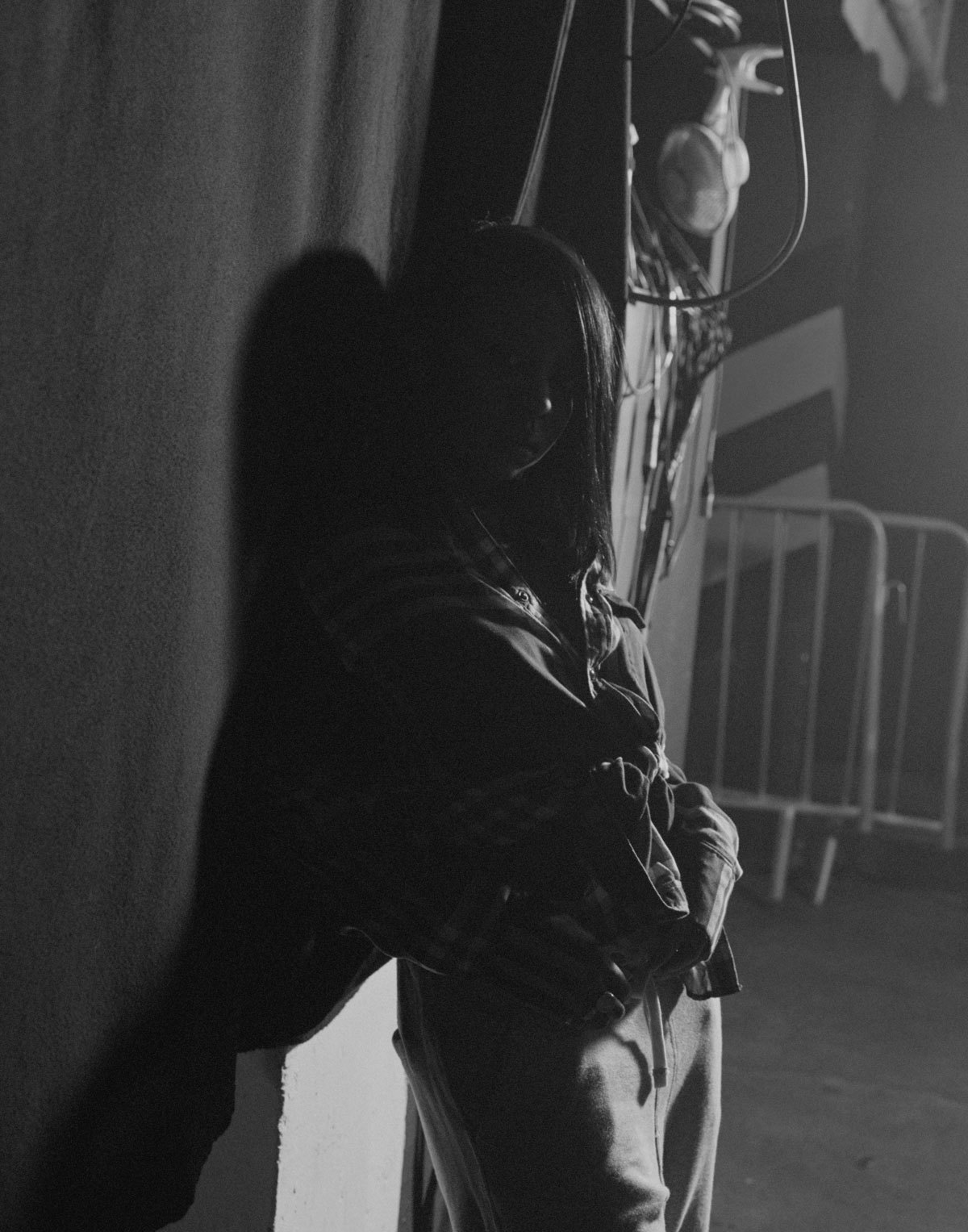
Siobhan Bell
After immersing herself in the worlds of east London grime, Parisian trap and Jersey club music, the nucleus of Siobhan Bell’s sound – a deep routed love of 90s R&B – gets global. Having landed sets alongside everyone from Skepta to ASAP Mob, she knows how to bring the force. Meet the 26-year-old DJ keeping you up all night…
How did you get into DJ-ing?
At the start, music was kind of for fun. I started going to Work It, a 90s night [in east London] that a few of my friends put on. It meant we had a place to have fun and party. Playing music was just a social thing. It was something I enjoyed and it brought my friends and me together. Like going to play football every Sunday!
I got a residency at Nike Town in 2011 and that’s when I started taking DJing seriously. It was every weekend for six hours, so I’d use that slot to practice.
Did you teach yourself?
Yeah. DJing is a skill and you have to add your own thing. Everyone does it differently, there’s no right or wrong way, and that’s the beauty of it. It’s all about making your own print.
What’s been the best show?
Playing Lyon was really fun. I didn’t know before, but they have such a scene there, they really love hip hop. Glastonbury was good, because it has always been one of my goals to play there.
What are the challenges?
When you’re in a new environment, you don’t know what the crowd is going to be like. Reading an audience can be difficult. It can be quite scary, but you have to play on. It’s important to always stay true to yourself.
What should we expect to hear in your sets?
I always play a lot of old school tracks, 90s R&B, and then I’ve collected stuff over the years. Through travelling and meeting new people I engage in other genres and gain new interests in music. I like a lot of underground stuff.
Where do you look for new music?
I like to tap into the music wherever I am. I do a lot of shows in Paris, and they have this whole trap scene, which is really popular. I went out to [New] Jersey and the Jersey club scene is incredible – it influences how they party too. In Jersey people like to really dance, so they make dance club edits. If I DJ in LA it’s a lot of acid rap. Where you’re from affects the music – grime represents London.
What sound do you represent?
I call myself a mood DJ because I play to the mood. It’s all about what I’m feeling and what I think the crowd is feeling. I do so many different gigs. I could be playing for a dinner and it would be chilled vibes, or a club with young people where they really wanna jump around.
What’s the feeling like just before you hit the stage?
There’s a lot of excitement. I’m like, ‘hell yeah, I’m about to kill this!’ I love having a new song to play. Whether anyone knows it or not, I get to play it and to see the reaction. You never know what’s going to happen? It’s a fun experiment.
I like that raw element of surprise. Sometimes when you panic you actually perform better. I don’t prepare too much for my sets because that takes away from the enjoyment.
What do you want to do next?
I get this weird itchy thing where I just need to catch a flight. It’s amazing getting to travel. Japan was amazing; the people were so enthusiastic, it felt very welcoming there.
I want to go to Vegas, when you get a gig in Vegas…that’s just another level. And Australia… I’d like to spend time on the other side of the world.
What does the word ‘Raw’ mean to you?
Raw is realness; it’s who you are. I think in music sometimes people make the mistake of trying to be the same as someone else, but you have to be yourself.
Find out more at g-star.com/raw
Credits
Photography Piczo
Styling Bojana Kozarevic
Hair Tieji Utsumi at Bryant Artists
Make-up Athena Paginton
Photography assistance Ai Nakai, Tetsuya Maehara
Styling assistance Lula Ososki
Hair assistance Yuuki Yanase
Make-up assistance Megan Hurrell
Senior Designer Rebecca Boyd-Wallis
Production Manager Tessa Griffith
Creative Advisor to G-Star Quinton Faulkner
Models Lola Coca. Gabi’el. Siobhan Bell.
Gabi’el wears jacket, jeans and boots G-Star Raw. Bra, jewellery and socks Gabi’el’s own. Lola wears jacket, hoodie, trousers and boots G-Star Raw. Jewellery Lola’s own. Siobhan wears shirt and tracksuit bottoms G-Star Raw. Jewellery, socks and shoes Siobhan’s own.