
Stock images are generic by definition. Their role is not to push any boundaries. Stock photos are most often used by advertisers and publications that don’t want to pay for their own photography, so they buy pre-made images off of websites like Getty Images, Shutterstock, and Adobe Stock. Think businessmen looking into the distance or women laughing with salad. These images have become part of our collective visual culture. So as these photo companies begin to include more images of LGBTQ people, it is essential that they respect the subtleties and the range of the queer experience.

MoMo Productions/Getty Images
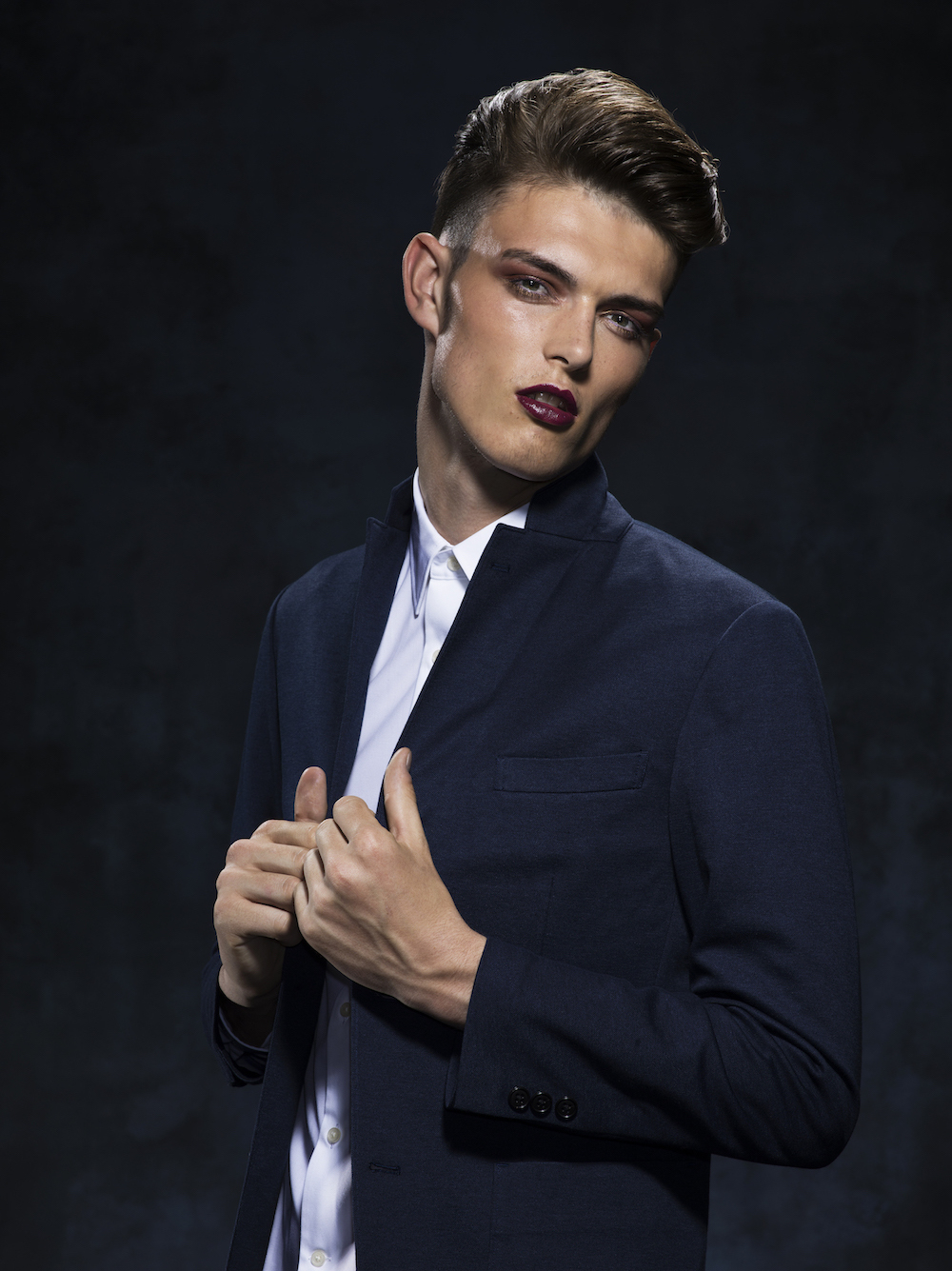
This year, Getty released “Genderblend”, a new series of stock photos that attempts to bring gender fluidity out of the margins and into the mainstream with standardized images of stay-at-home dads, cross-dressing females, and young people experimenting with their own sexuality. Titles include, “Gay male couple enjoy camping with their son,” “Female mechanic teaching friend how to change oil,” “Lesbian couple kissing in garden,” and “Young boy using lipstick in bathroom.” The photos are unexciting, as you would expect any stock image to be — but their attempt to normalize the queer experience could be damaging, as so many of the images perpetuate gay/lesbian stereotypes, almost to the point of mockery, such as the image below of a lesbian couple fixing a motorcycle.
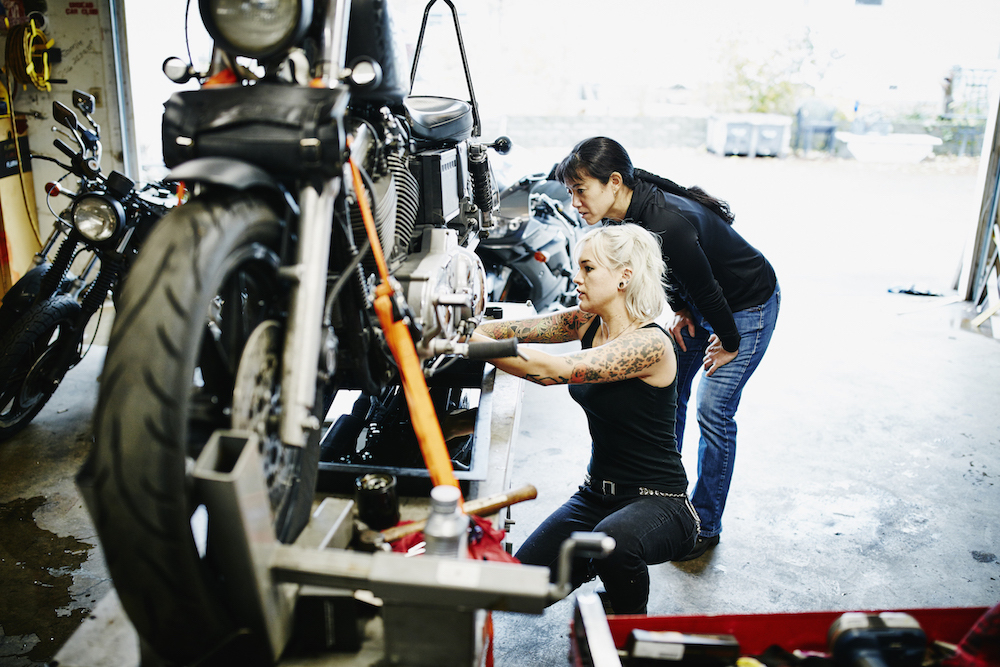
Thomas Barwick/Getty Images
Though these images are problematic, they’re much more progressive than the gay stock photos that we’ve seen before: white male gay couples and hyper-sexualized lesbian couples that pandered to the pornographic gaze. With these as the only existing stock photos that depicted the gay experience, it made sense for Getty to step in. Pam Grossman, Getty’s Director of Visual Trends and the woman behind “Genderblend” told i-D, “The average human being doesn’t often realize how much they are surrounded by stock photography. From our perspective, if we are going to be providing so much visual content to the world, it has to be inclusive. It has to render people visible from all aspects of life.”

Zing Images/Getty Images
Getty came to the decision to commission these photos after data analysts crunched the numbers on societal trends and found that hey, gender definitions are starting to change. Searches on the Getty website for the term “transgender” have gone up by 472% within the last year, and “female empowerment” by 722%. Brands and magazines are looking for ways to represent the rapidly changing concepts introduced by now-mainstream figures like Caitlyn Jenner. The demand for these images was certainly there, but does that justify the images? Who’s to say that the people in these stock images laughing with salad or sitting around a conference table weren’t queer? Sexuality doesn’t need to be worn on your sleeve.
The problematic nature of stock imagery is not confined to the queer community. Subversive art collective DIS‘s 2013 project “DISImages” coyly pointed out how disingenuous stock imagery is by parodying the unrealistic scenes they set. According to its website, DISImages is “dedicated to manipulating the codes and trends in stock photography, DISimages invites artists to create alternative scenarios and new stereotypes, thus broadening the spectrum of lifestyle portrayal.” These subversive stock images bring up a poignant critique on what it means to try to represent lifestyle itself. It’s an impossible task to try and objectively capture what life looks like.

Cultura RM Exclusive/Phillipp Nemenz/Getty Images
As stock photos continue to dot advertisements, websites, and articles, they need to be reexamined with actual people, not just buzzwords, in mind. In all stock imagery, queer people need to be incorporated without the images having the modifier of being a “queer” image. The images provided to us today by companies like Getty are exclusionary in the fact that they have to explicitly say they are queer, and that they came about purely due to market demand. In some capacity, stock photography is an archive of what modern life looks like, so it’s imperative to not let corporate pinkwashing determine how LGBTQ people are represented.

Gary John Norman/Getty Images
Jonathan Knowles/Getty Images
Credits
Text Annie Armstrong