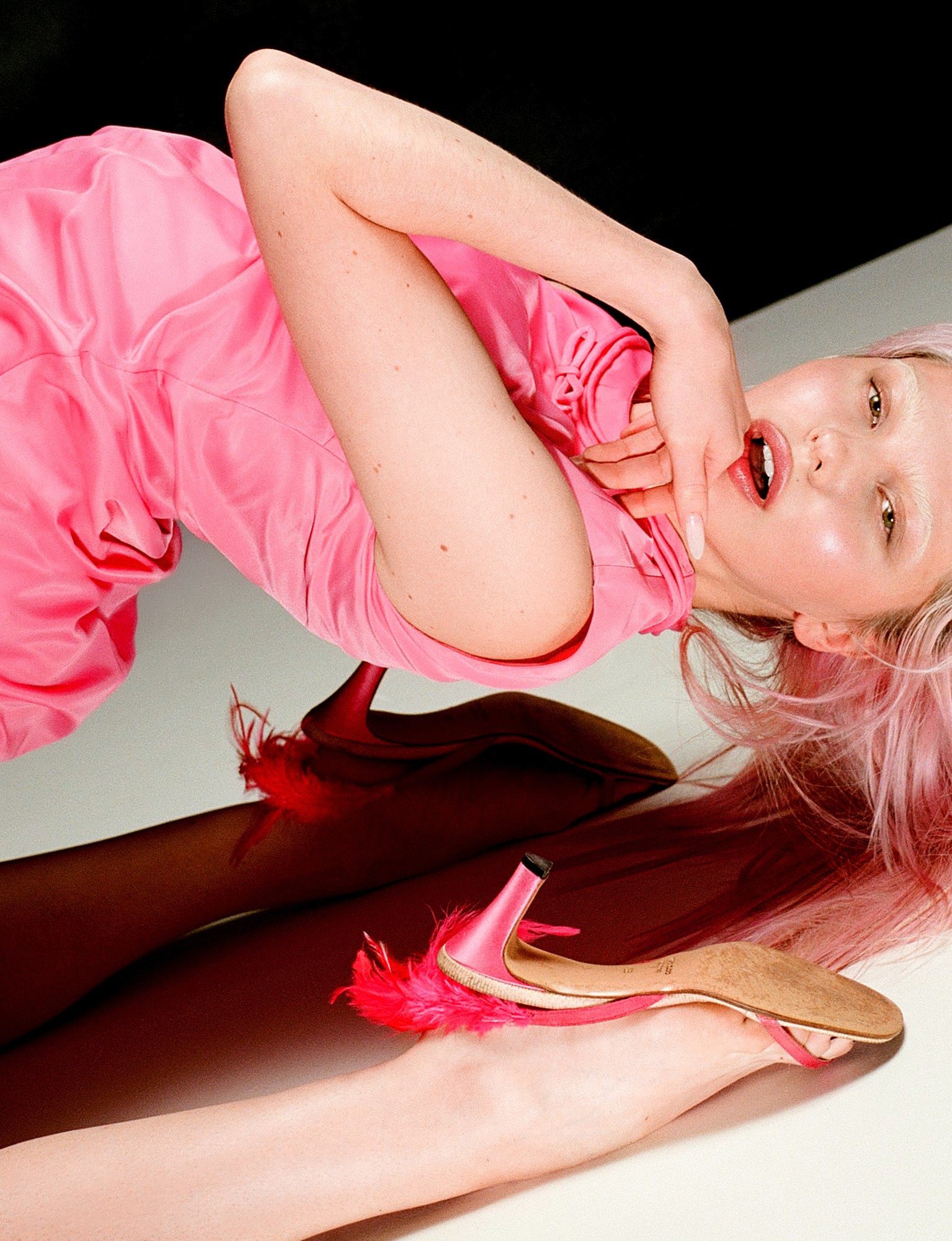
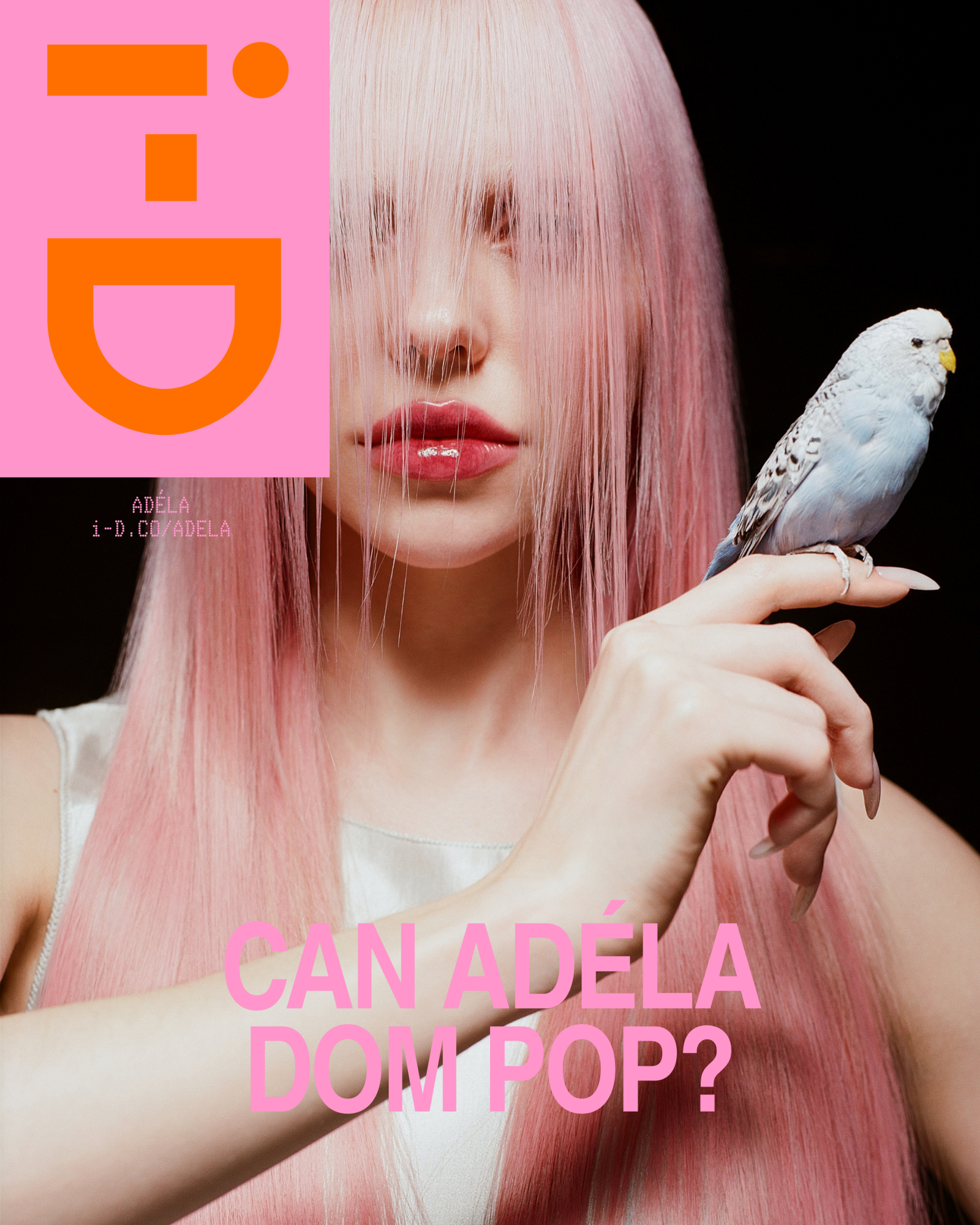
This story appears in i-D’s upcoming Spring 2026 print issue.
photography BRYCE ANDERSON
styling CLARE BYRNE
written by DOUGLAS GREENWOOD
Bratislava is a city of meat and stone. It’s hunkering, historic, and old-fashioned, the kind of strange, folklorish place you could only find in Eastern Europe. In the near 1,200 years since the Slovakian capital’s founding, it’s witnessed many things: the construction of an ornate castle that’s hosted emperors and kings since the 13th century, the fall of communism in the 1990s, and, only fairly recently, the birth of its first pop star.
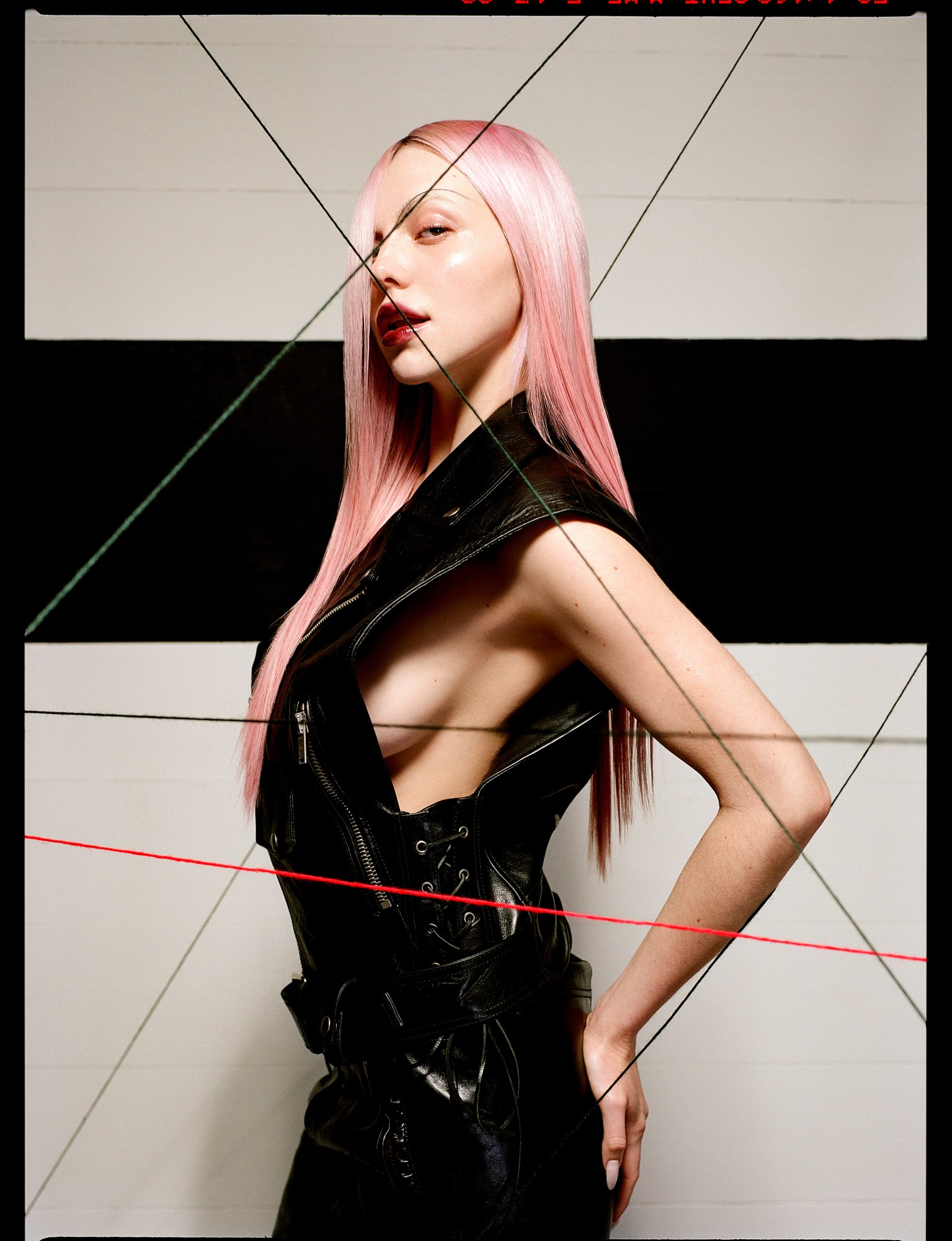
Her name is Adéla: a sherbet-haired, lethally determined 22-year-old who makes the kind of songs most pop girls would kill for. Over the past year, she’s gone from being a big dreamer from a city most people couldn’t place on a map, to becoming a peer of many global artists she stanned as a kid, co-signed by SZA and Grimes. Even she knows how weird her trajectory has been, so meeting her on home turf feels like watching a creature of the future walk back into her past. Everything here in Bratislava has stayed still since she left it behind.
“I’ve always kind of felt weird here,” Adéla says, her dagger-nailed fingers wrapped around an almond milk latte. Her mum, a well-composed woman, sits opposite us in a downtown brunch spot, scrolling on her phone. The pop star has two phones stacked on top of one another: One serves its traditional purpose; the other is an iPhone 7, just for taking photos. (Y2K is out, Millennial is in, we agree.) Adéla almost never comes home—partly because the journey is long and tricky, partly because there’s not much for her here. She likes hanging out with her friends from school who are finishing their master’s degrees and opening Pilates studios. Other than that, she stresses, “I am objectively out of place. I think a good chunk of my life has been spent in dance studios and singing lessons. But I wasn’t really out in these streets.”
She shouts to me over the sound of mid-2010s EDM playing in the café, coddled in a faux fur shawl. Adéla sticks out most places because she’s so singularly striking: That pink hair frames a pale, pillowed face that makes her seem doll-like. Despite that softness, she does what she wants—a large part of how she managed to escape her hometown in the first place. “I feel like, in Slovakia, people wait to be told where to go,” Adéla says. While her first slew of shows in London and Los Angeles sold out in record time, and though the world’s biggest pop stars are friends of hers, “the local news in Bratislava is like, ‘We’ll see where she goes. Prove yourself.’”
Her response to that attitude is all over her music. “I’ve always known that I was cool, because you can’t make it out of Slovakia and be the first artist doing it like this if you don’t believe in yourself,” she says. The pop girl is typically a pristine object: an infallible, juggernaut force that itches our brains with earworms. If Adéla’s success could be credited to anything, it’s the hardness that exists where others favour the hollow. Her music lives on the knife-edge of catchy and caustic—for a while, she thought she wanted to be a rock star until she remembered how much she loved Ariana Grande. Now, she works with everyone from Dylan Brady of 100 gecs (who she calls “the craziest motherfucker ever”) to Julia Michaels, the Billboard oracle who wrote Justin Bieber’s “Sorry.”
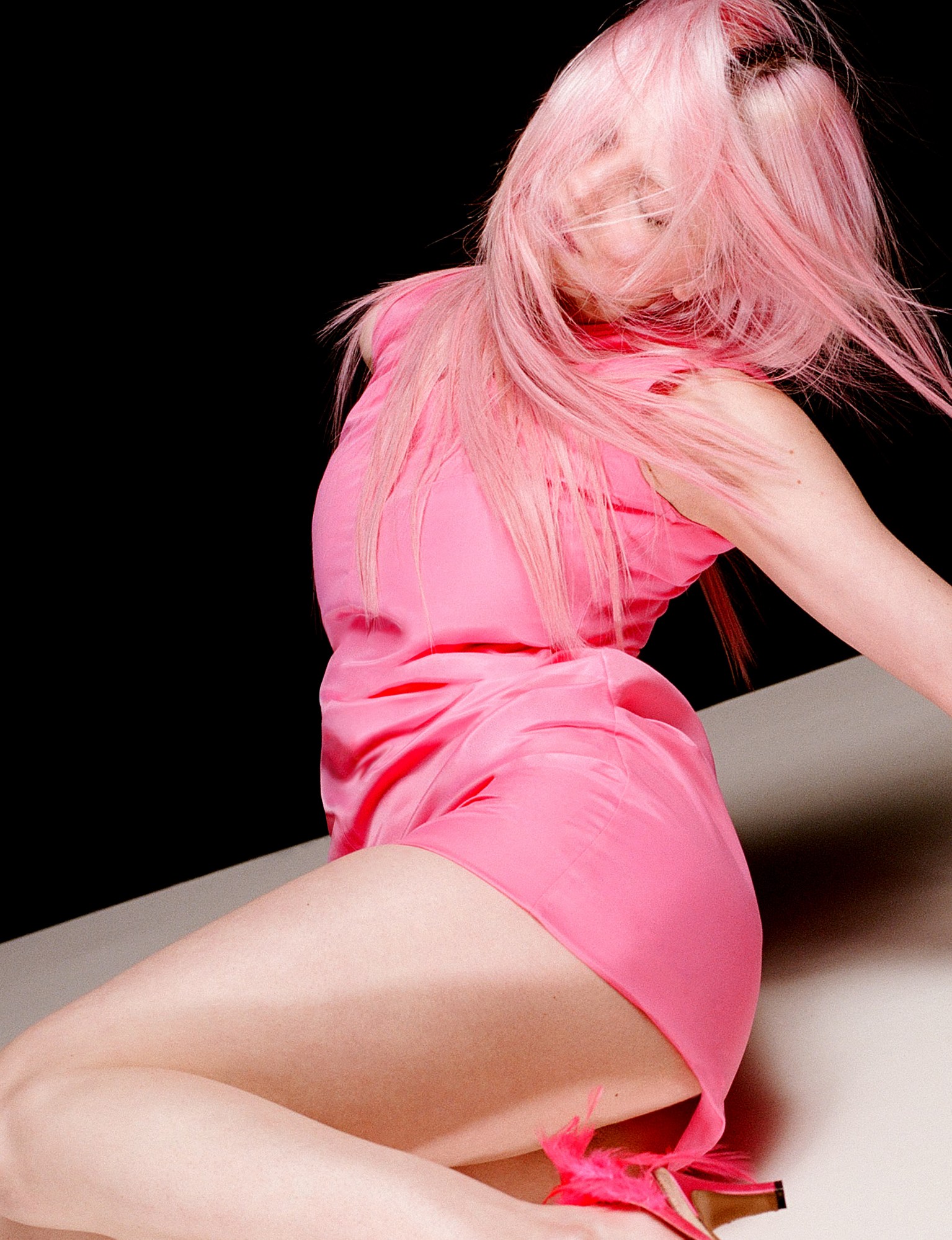
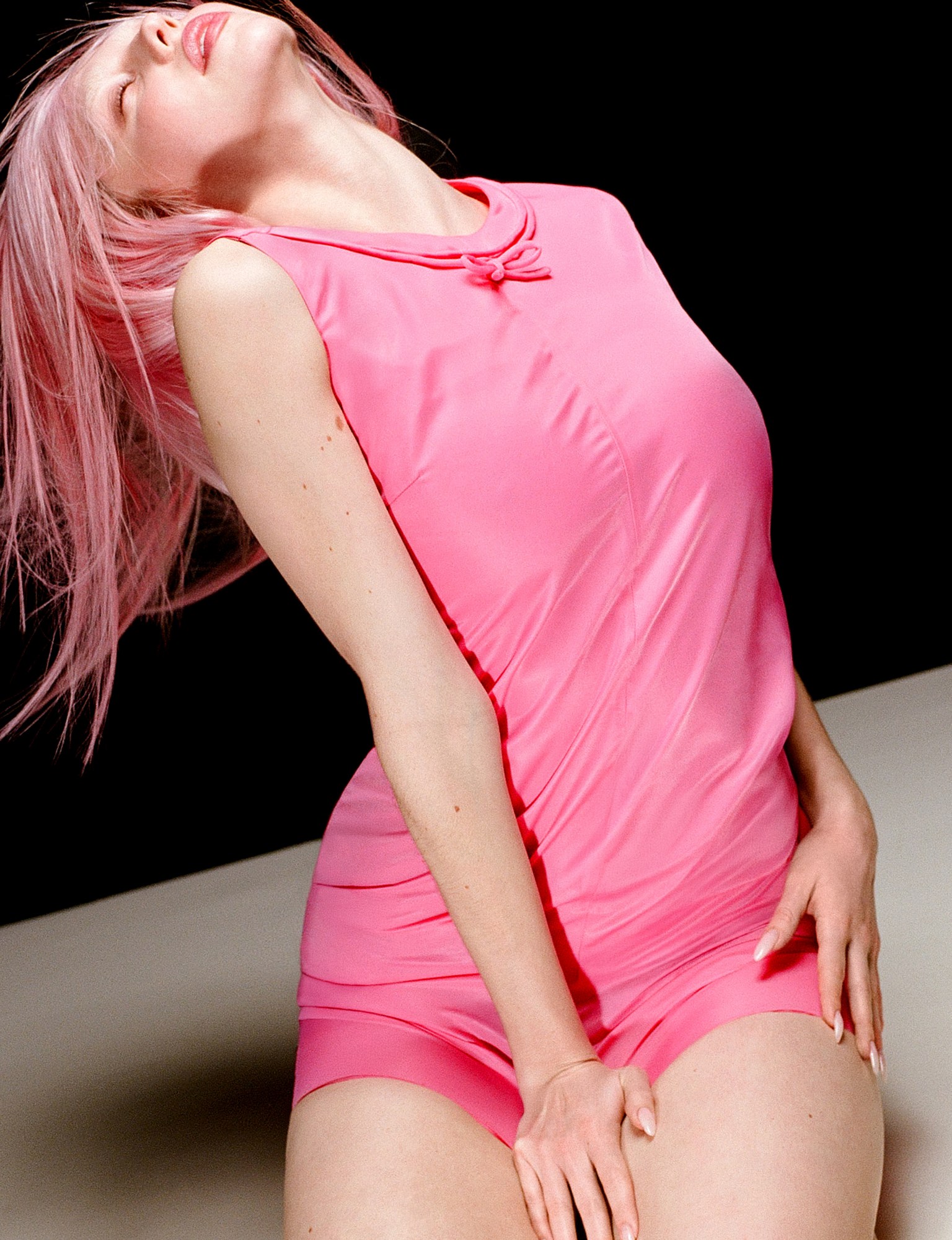
Performing has been in her since she was a kid. When she was just 3 years old, she started ballet lessons, training in Bratislava and Moscow until she moved to London to pursue dance full-time at age 15. It was there she met a young gay dancer named Luca Deller, who believed in her wholeheartedly when she said she wanted to try out the pop thing. “From the very first moment I met her, I knew she was bound to be a star,” Deller tells me. “It was just a matter of time. She wanted it so badly, she’d train six days a week at ballet school and still find time for singing lessons. By that point, she’d told me she wasn’t interested in being a ballet dancer.” So Adéla heeded her friend’s advice, threw in the towel, moved home, and decided to really become a musician.
Her journey to the limelight really took off on The Debut: Dream Academy, the 2023 YouTube reality series that saw hopefuls compete to be part of the global girl group Katseye. (2024’s Pop Star Academy, a Netflix show that chronicled all the girls’ backstories—including Adéla’s—would further popularise the stars of The Debut.) She submitted an audition tape from her bedroom in Bratislava and was accepted, making it down to the final 20 contestants out of hundreds of thousands of applicants. When Adéla left Slovakia for the show, guys she went to high school with teased her. “They were like, ‘What are you gonna do? OnlyFans?’ They thought they were eating—because so what if I did?” she says. She was just 18 years old when, after the first round, she was eliminated by a fan vote. “We see Adéla as a solo artist,” one of the show’s executives said at the time.
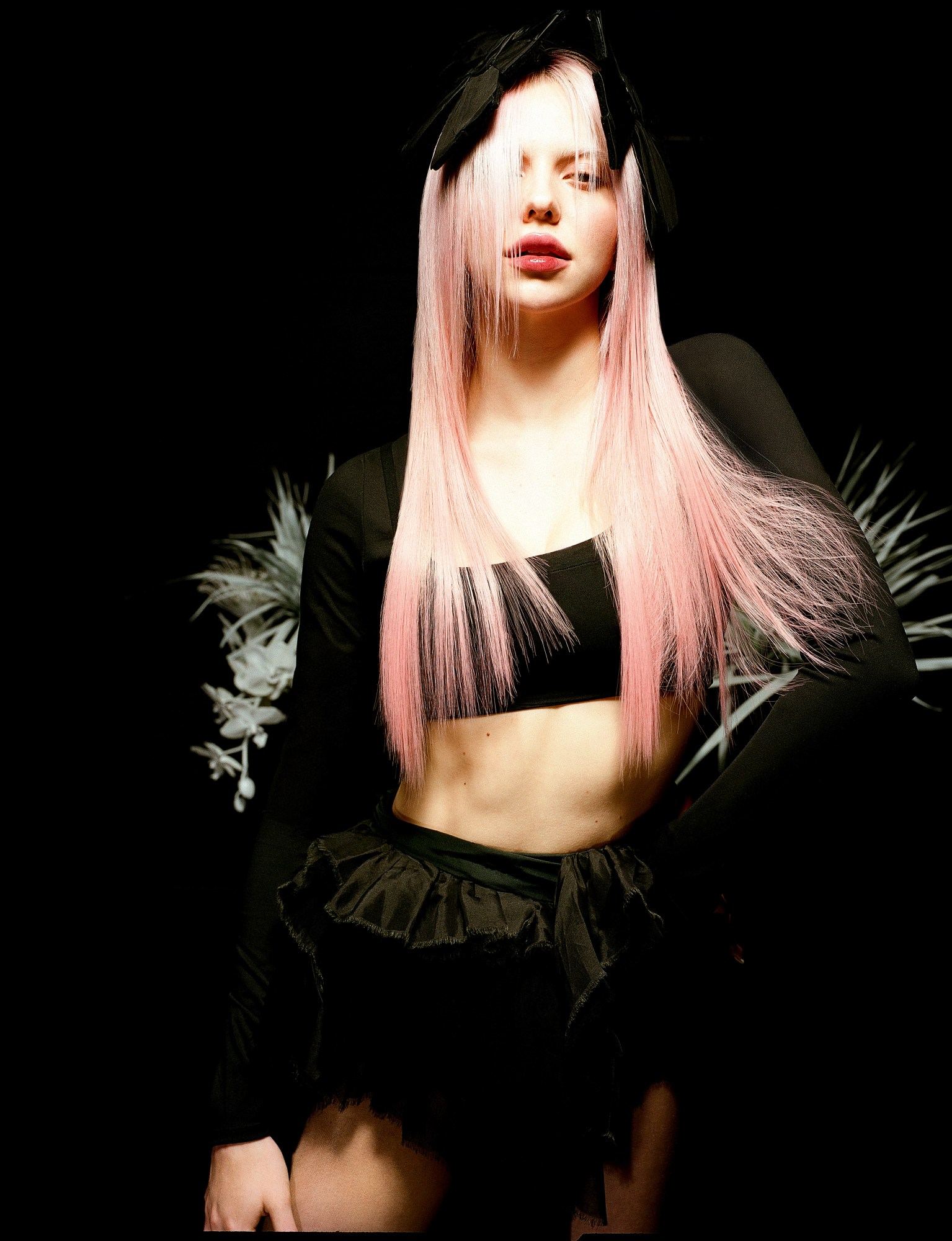
So she studied. Literally. When her time on the show finished, she stayed in LA and signed up for music classes at Santa Monica College. The cogs were turning: She was in her apartment working on demos, knowing she had to craft something to ride the show’s wave. “I was managing myself and doing school full-time,” she says. “I had termites in my apartment. It was so fucked.” But she’d come so far, and she wasn’t going to let this opportunity, this attention, pass her by. When Pop Star Academy hit Netflix, Adéla matched it with her own opening salvo: “Homewrecked,” a violent track about her father’s affair and how it affected her. Soon after, she was signed by Capitol Records.
“SexOnTheBeat” is the track that helped cultivate her high-profile fanbase. First, Rachel Sennott name-checked it on a podcast, then featured another Adéla song on her HBO show I Love LA. “SexOnTheBeat” is elastic and aptly breathless, about being able to “bend to any shape you like” for someone—knowing full well you’re always the one in control. It was part of The Provocateur, a 2025 EP inspired by her journey from Slovakia, through the Dream Academy process, stepping into the pop sphere for the first time. Other tracks like “Superscar” frame her as a marionette; the men of the industry, her puppeteers.
“Fuck you. I’m actually gonna do it myself.”
adéla
“Women who want something openly are susceptible to being taken advantage of,” Adéla says of the EP’s thematic origins. “But [nowadays] I feel like I have the chance to be like, ‘Okay, well, fuck you. I’m actually gonna do it myself.’” Did she inherit that attitude? I signal to her mother, still sat scrolling. Adéla grins, then nods: “She’s the baddest bitch! I respect a blunt bitch, because we don’t have time for bullshit. We’re both Eastern European.”
“And you know,” Adéla says as an aside, her pointed nail brushing her fuchsia bottom lip, “I definitely made more money than any of those boys from school did this year.”
Three years on from the Pop Star Academy process, that “we see Adéla as a solo artist” soundbite rattles around TikTok like a call from pop’s holy prophets. Fans edit it over concert footage, music videos, and almost any time the singer has proved her prowess. Her solo efforts have paid off: Adéla stands out because she sings and dances with the breath control of a seasoned professional and can actually deliver vocally. When I saw her play her first-ever show in London last year, she treated a 250-capacity basement stage like her own arena spectacular, with costume changes and a barre dance routine.
Meanwhile, Katseye’s success—a sold out US tour, a Grammy nomination—has been marred slightly by the reality of life as a group with so much shared attention. With it comes a unique kind of pressure and comparison: This month, group member Manon Bannerman announced her hiatus from promotional duties to focus on her mental health. “Sometimes things unfold in ways we don’t fully control,” she told fans via WeVerse, “but I’m trusting the bigger picture.”
Bannerman has been trolled—like most young female artists online. Adéla has too. With it has come a renewed understanding of the complexity of social media. “I look myself up on all the social media platforms, but I’ve had to delete that one,” she says, referencing X, “because it’s a hellhole. They say, ‘You’re fucking ugly.’ They love calling me a Labubu.”
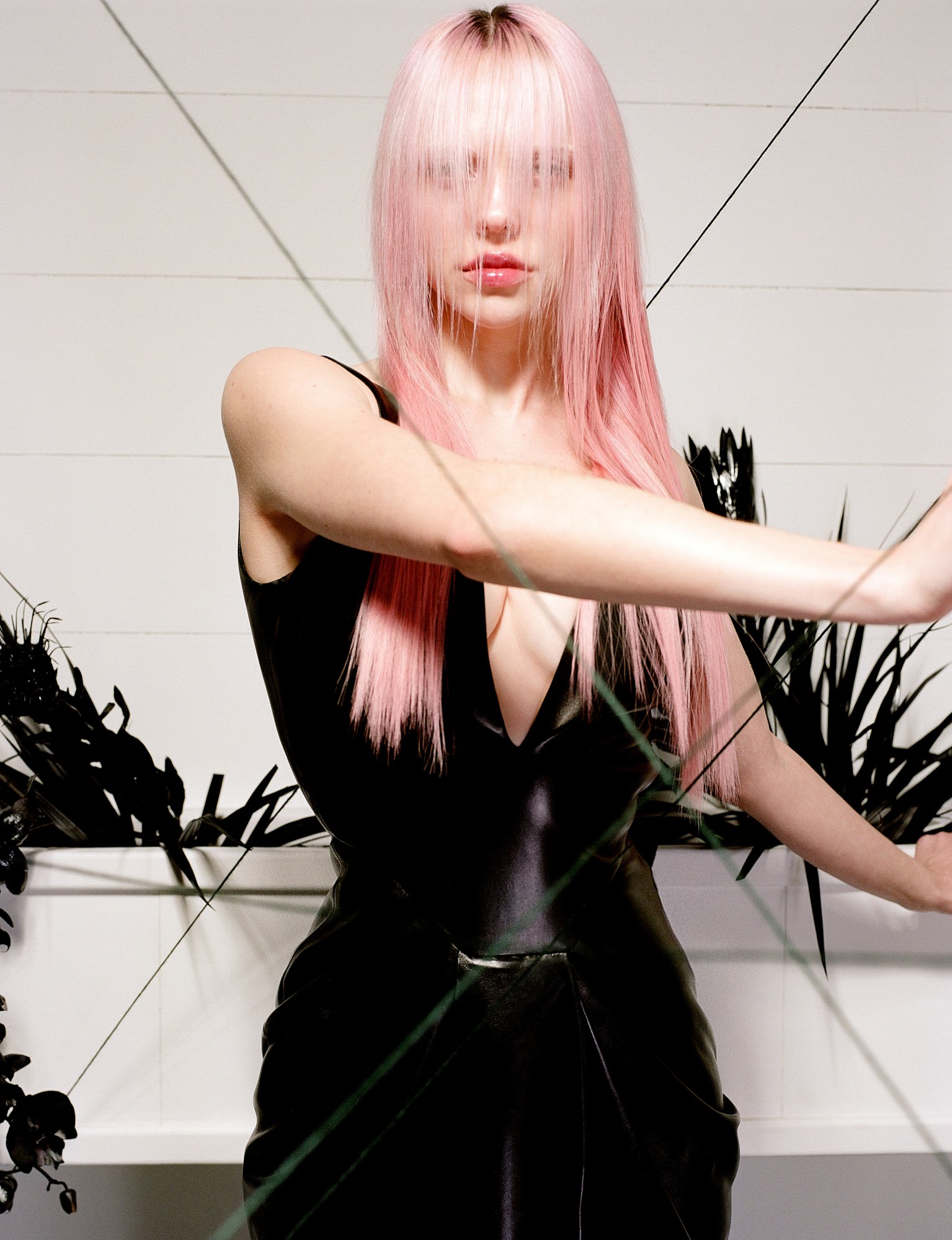
She admits she’s “starting to think about looks too much, the more I get perceived.” She pulls and prods at her temples. “I was always so confident in myself, even in my insecurities.” Her face—so perfect a plastic surgeon might pin it to their wall—is all-natural, with one minor exception: “I recently got chin filler, because I’ve got a weak-ass fucking chin!” One day, she’d like to shave her head, “just to make myself uncomfortable and stop playing into whatever beauty standard is ingrained in me.” She’s fearless in her want to challenge—or even provoke: “What are the limitations of that sound, of that persona that I just created?” she wonders, speaking like an early-stage Gaga or Beyoncé.
If Adéla were to choose a word to describe the music she wants to make, it would be “undeniable”—inspired by the purpose her idols, like Gaga and Beyoncé, imbue into their music. “I love artists who start conversations and speak out on topics that are important,” she says. “Beyoncé is so impactful because she didn’t just go and make the hits. She has Lemonade, Homecoming… She was educating a girl from Slovakia about historically Black colleges. That’s beautiful. That’s the real shit.”
When she gets back to LA, she has a plan: “I’m gonna get myself on an elliptical or a treadmill, do my scales, and then probably eat an açai bowl, because I love doing that.” I ask where she gets her açai from, and she refuses to put that recommendation in print—“because they’re not paying me.”
She will soon support Demi Lovato’s arena tour, while envisioning her next chapter, sonically and aesthetically. “I want it to feel really feminine and vulnerable—but also hard,” Adéla says. Maybe she will shave her head, or change her hair colour from pink to green, or turquoise, or blonde. We laugh at the fact that this is something she’ll inevitably have to have a label meeting about: the autonomy of a proud, “fuck you” pop star always tested by the opinions of others. If they know what’s good for them, they should fall into line. “I don’t ever look back and regret anything,” Adéla says. It’s served her well so far. “I trust my gut all the time.”
What comes next is the album. She’s started working on it already.
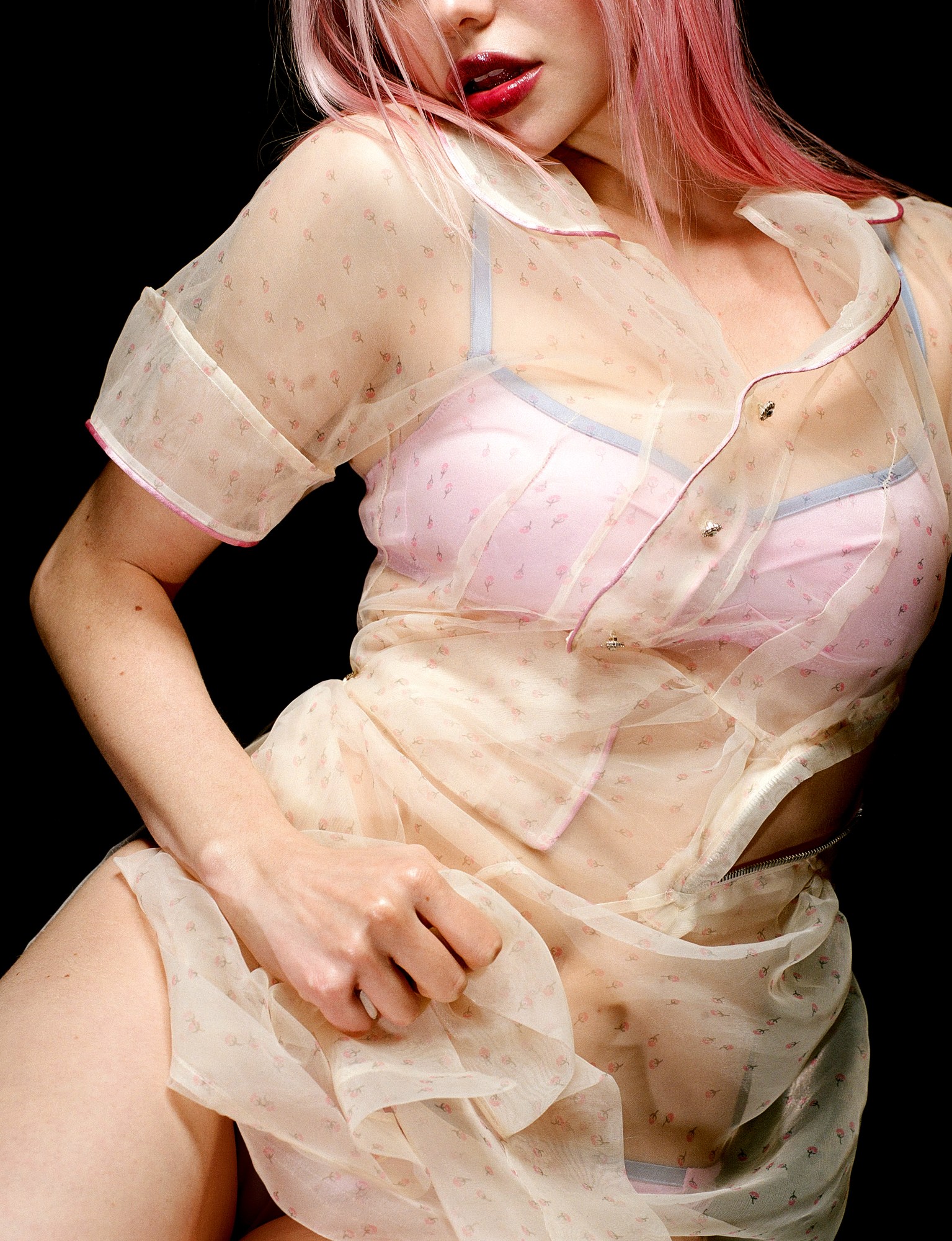
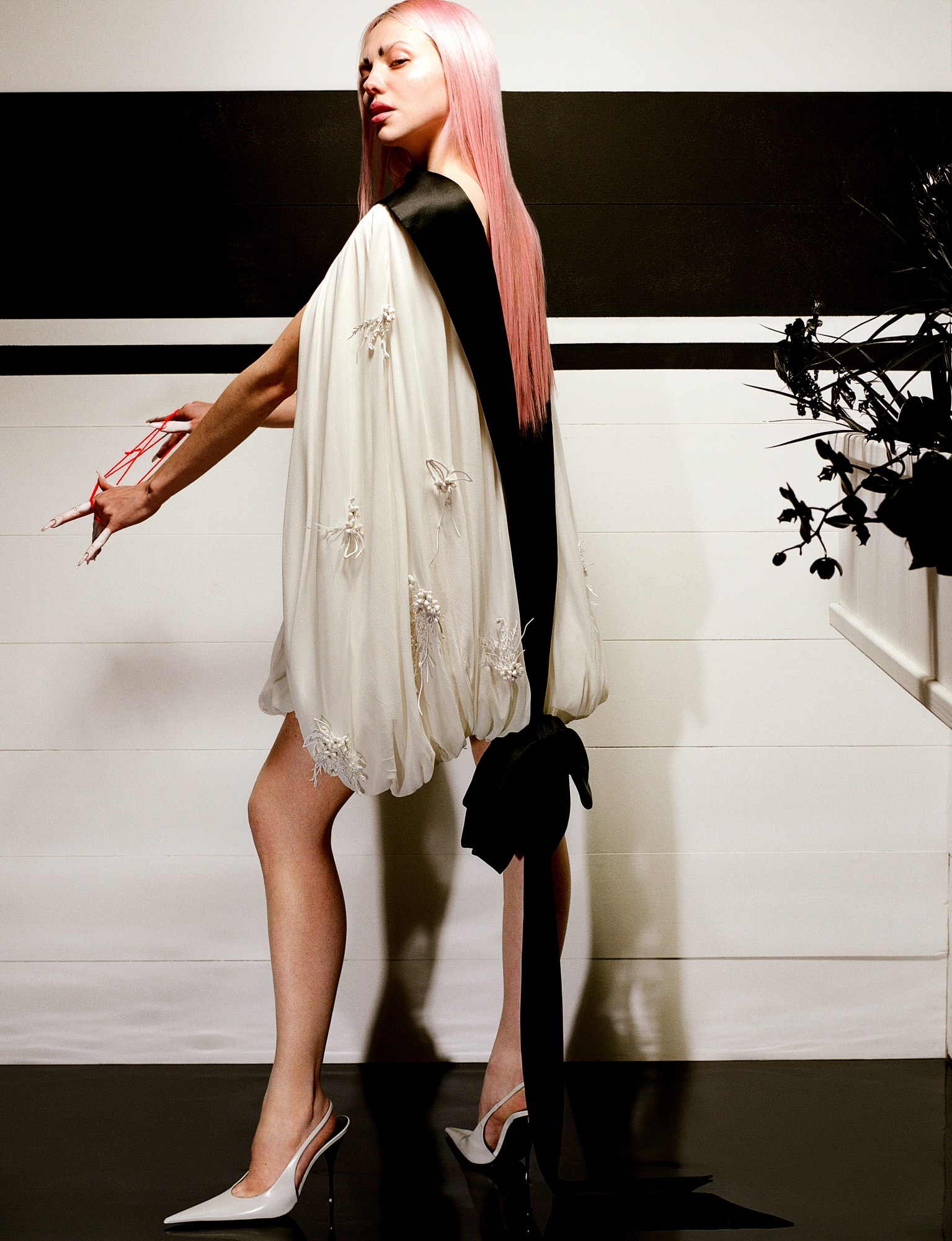
in the lead image dress MM6 MAISON MARGIELA; shoes VINTAGE COURTESY OF ARTEFACT
hair HIKARU USING BUMBLE AND BUMBLE AT FRANK REPS
makeup MICHAELA BOSCH USING MAKE UP FOR EVER AT MA+ GROUP
nails GINGER LOPEZ USING KIARA SKY AT OPUS BEAUTY
set design HEATH MATTIOLI AT FRANK REPS
photograph assistants STEVEN PERILOUX AND ALEX DE LA HIDALGA
digital technician RICK ROSE
styling assistant CHARLOTTE FOLEY
makeup assistant AMY GALIBUT
set design assistants PETER LOMBARDO AND TIAGO CORREIA
production THE MORRISON GROUP
production assistant CECILIA ALVAREZ BLACKWELL
post production GRAIN POST PRODUCTION
location AGP WEST STUDIOS